 English
 Español
NEWS
NEWS
NEWS
NEWS
NEWS
NEWS
NEWS
NEWS
NEWS
NEWS
NEWS
NEWS
NEWS
NEWS
NEWS
NEWS

Shen Yiru — International Sales Manager
Home / Author / Shen Yiru — International Sales Manager / Rapid Temperature and Humidity Cycling Chambers for Precision Environmental Testing
Rapid Temperature and Humidity Cycling Chambers for Precision Environmental Testing
Content
- 1 Why Rapid Temperature and Humidity Testing Matters
- 2 Product Overview
- 3 Precision Temperature and Humidity Control
- 4 Rapid Temperature-Change Capability
- 5 Structural Design and Interior Construction
- 6 Air Circulation and Thermal Uniformity
- 7 Refrigeration and Water Management
- 8 Electrical Safety and Operational Protection
- 9 Manufacturing Strengths of Jiangsu Baisheng Industrial Co., Ltd.
- 10 Advantages Compared with Basic Environmental Chambers
- 11 Applications Across Multiple Industries
- 12 Recommended Test Planning and Operation
- 13 Maintenance and Long-Term Reliability
- 14 Energy Efficiency and Responsible Operation
- 15 Selection Guidance for Buyers
- 16 Quality, Customization, and Customer Support
- 17 Frequently Asked Questions
- 17.1 What is the capacity of the U5QTH-100-A/W?
- 17.2 What temperature ranges are available?
- 17.3 How fast can the chamber change temperature?
- 17.4 Can the chamber control humidity as well as temperature?
- 17.5 What is the purpose of the Panasonic circulation motor?
- 17.6 Why are high-temperature-resistant bearings important?
- 17.7 How does the stainless-steel water tray help protect the chamber?
- 17.8 Is the chamber suitable for electronic testing?
- 17.9 Can the chamber be used for battery testing?
- 17.10 What should be considered when installing the chamber?
- 17.11 How does this chamber compare with a basic temperature chamber?
- 17.12 Does rapid cycling eliminate the need for test validation?
- 17.13 Who manufactures the U5QTH-100-A/W?
- 18 Conclusion
- 19 References
- 20 Product: U5QTH-100-A/W Fast Temperature & Humidity Cycling Chamber
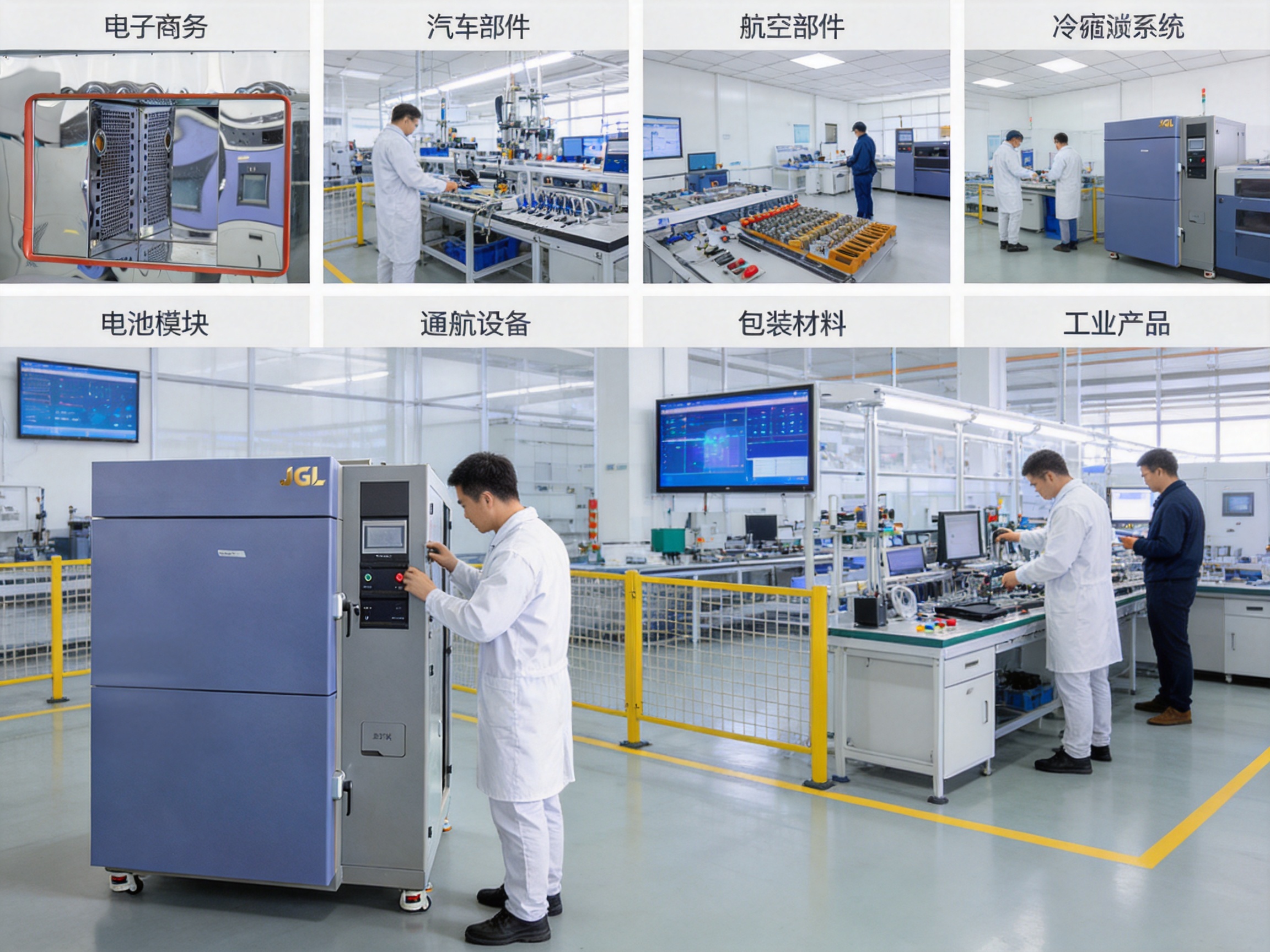
Modern products are expected to perform reliably across a wide range of temperatures and humidity conditions. Electronic assemblies, automotive components, aerospace parts, batteries, communication devices, laboratory materials, and industrial components may all experience repeated exposure to heat, cold, moisture, and rapid environmental transitions during their service lives. Environmental test equipment must therefore do more than produce a cold or hot atmosphere. It must create stable, repeatable, accurately controlled, and safely managed conditions that help engineers identify weaknesses before products reach the market.
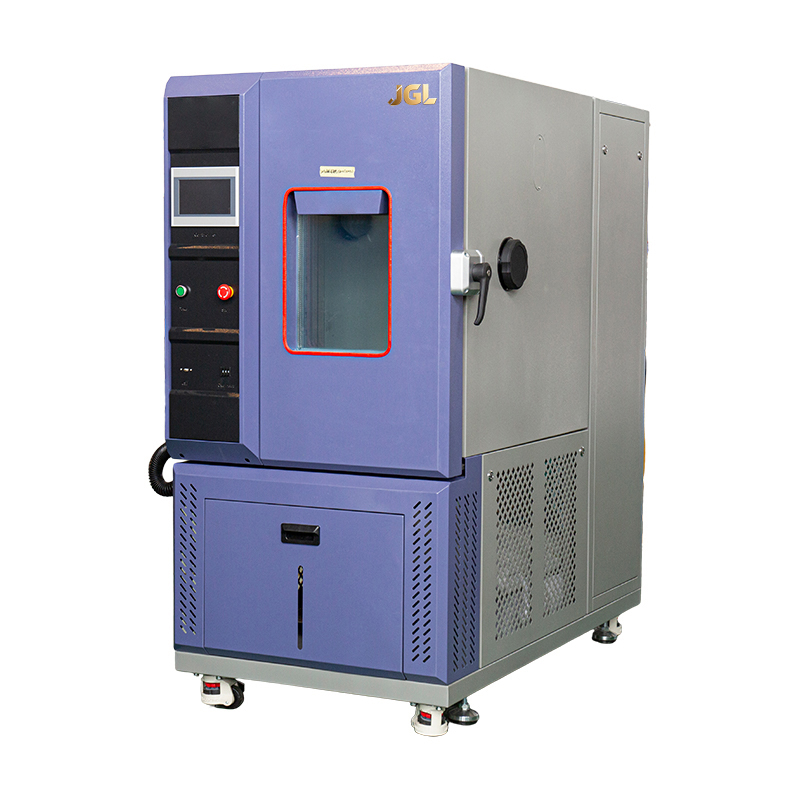
The U5QTH-100-A/W Fast Temperature & Humidity Cycling Chamber is designed for this purpose. With a nominal 100-liter capacity, a temperature range extending from subzero conditions to elevated temperatures, and selectable rapid temperature-change rates, it provides a practical solution for accelerated environmental reliability testing. Its balanced temperature and humidity control system, high-quality circulation and refrigeration components, protective structural features, and precision-oriented manufacturing approach make it suitable for laboratories and production quality departments that require dependable test performance.
Manufactured by JIANGSU BAISHENG INDUSTRIAL CO., LTD., the chamber reflects the company’s focus on precision laboratory testing equipment, safety testing instruments, technical customization, and engineering-led product development. Rather than treating an environmental chamber as a simple insulated enclosure, the company approaches the equipment as an integrated system in which mechanical design, refrigeration, air circulation, humidity control, electrical safety, and manufacturing quality must work together.
Why Rapid Temperature and Humidity Testing Matters
Products rarely operate under one constant environmental condition. A vehicle component may be exposed to a cold overnight environment and then rapidly heated by sunlight or engine operation. An electronic device may move from an air-conditioned building into a hot and humid outdoor environment. An aerospace or defense component may pass through severe temperature changes during transportation, storage, launch, flight, or deployment. Packaging, sensors, circuit boards, connectors, seals, coatings, and batteries can all respond differently to these transitions.
Temperature cycling testing helps reveal mechanical and material weaknesses caused by expansion and contraction. Different materials often have different coefficients of thermal expansion. When they are bonded, soldered, assembled, or encapsulated together, repeated temperature changes can create stress at interfaces. Over time, this stress may lead to cracks, delamination, solder fatigue, seal failure, deformation, or changes in electrical performance.
Humidity testing introduces another important dimension. Moisture can accelerate corrosion, reduce insulation resistance, affect adhesives, promote swelling, and contribute to surface leakage on electronic assemblies. When temperature and humidity are controlled together, laboratories can reproduce complex environmental conditions more realistically than with temperature-only testing.
Rapid cycling is especially useful when the objective is to accelerate reliability screening or evaluate a product’s response to abrupt environmental changes. A chamber with selectable rates of 5°C/min, 10°C/min, 15°C/min, or 20°C/min allows test engineers to select a cycle profile suited to the product, applicable test method, or internal qualification program. The most appropriate rate depends on the specimen, its mass, its thermal characteristics, and the intended test protocol.
Product Overview
The U5QTH-100-A/W is a rapid temperature-change humidity test chamber with a 100-liter working capacity. Its internal working space is listed as 500 × 400 × 500 millimeters in width, depth, and height. This size is appropriate for small and medium-sized components, electronic assemblies, samples, materials, sensors, and compact products that require controlled environmental exposure without occupying the floor space of a large walk-in or high-capacity chamber.
The equipment is available in configurations covering a temperature range of approximately -40°C to +150°C or -70°C to +180°C. These ranges represent different configuration options rather than a single combined operating specification. Selection should be based on the required test profile, specimen characteristics, minimum and maximum temperatures, recovery requirements, and applicable standards.
The chamber is designed with an advanced structural layout, a film-coated mirror stainless-steel inner chamber, adjustable damping hinges, a balanced temperature and humidity control system, dynamic PID regulation, water vapor partial-pressure control, a Panasonic circulation motor, high-temperature-resistant bearings, a stainless-steel water tray, and a leakage protection design. Together, these features support stable operation, improved durability, convenient access, and safer laboratory use.
| Item | Specification or Feature | Practical Significance |
|---|---|---|
| Product type | Rapid temperature-change humidity test chamber | Supports controlled temperature, humidity, and cycling evaluations |
| Model | U5QTH-100-A/W | Designed for laboratory and quality-testing applications |
| Working capacity | 100 liters | Suitable for compact products, components, and test specimens |
| Working chamber size | 500 × 400 × 500 mm | Provides a practical testing volume in a relatively compact enclosure |
| Temperature configuration | -40°C to +150°C | Suitable for many general-purpose environmental qualification programs |
| Temperature configuration | -70°C to +180°C | Designed for more demanding low- and high-temperature applications |
| Selectable temperature-change rates | 5°C/min, 10°C/min, 15°C/min, and 20°C/min | Allows test engineers to select average or linear rapid-cycling conditions |
| Interior material | Film-coated mirror stainless steel | Supports cleanability, corrosion resistance, and long-term interior durability |
| Circulation motor | Panasonic motor | Provides a dependable drive source for chamber air circulation |
| Bearing rating | High-temperature-resistant bearings rated up to 200°C | Improves reliability during elevated-temperature operation |
| Water management | Full-size stainless-steel water tray | Helps manage condensate and protect refrigeration components |
| Overall dimensions | 780 × 1600 × 1710 mm | Provides a planning reference for laboratory installation |
| Approximate weight | 650 kg or 820 kg depending on configuration | Requires suitable flooring, access, and handling arrangements |
Precision Temperature and Humidity Control
The central performance requirement of a temperature and humidity chamber is the ability to establish and maintain the intended test environment. A chamber that reaches a target temperature but produces excessive fluctuation, uneven distribution, or slow recovery may not deliver meaningful results. The U5QTH-100-A/W addresses this requirement through a balanced temperature and humidity control concept supported by dynamic proportional-integral-derivative regulation and water vapor partial-pressure control.
PID control continuously compares the measured condition with the programmed set point. The proportional component responds to the size of the error, the integral component helps correct accumulated deviation, and the derivative component responds to the direction and speed of change. In a properly engineered system, this control logic helps reduce overshoot, improve stability, and support smooth transitions between programmed stages.
Humidity control requires more than adding water to the chamber. Relative humidity is influenced by temperature, air pressure, water vapor content, specimen loading, and condensation behavior. Water vapor partial-pressure control provides a more technically informed way to manage the moisture condition because it considers the vapor component of the chamber atmosphere rather than relying only on a simple humidification cycle.
The balanced design is important during rapid cycling. When the chamber moves quickly from a hot condition to a cold condition, or from a cold condition to a hot condition, the thermal load changes continuously. The humidity system must respond without creating excessive condensation, unstable control, or unnecessary recovery delays. A coordinated system helps the chamber maintain a more consistent environment around the test specimen.
For laboratory users, precision is valuable not only because it improves test repeatability but also because it makes data easier to compare. When the chamber produces consistent conditions from one test to another, engineers can distinguish product behavior from equipment variation. This supports failure analysis, design verification, process improvement, and supplier quality control.
Rapid Temperature-Change Capability
Many environmental chambers are designed primarily for steady-state testing. They can maintain a cold or hot condition but may not be optimized for fast transitions. The U5QTH-100-A/W is intended for rapid temperature-change programs and offers selectable average or linear rates of 5°C/min, 10°C/min, 15°C/min, and 20°C/min.
Different applications require different cycling speeds. A 5°C/min program may be suitable when the objective is to reproduce a controlled field transition or examine gradual thermal stress. A 10°C/min or 15°C/min profile may be used for accelerated qualification. A 20°C/min setting can support particularly demanding rapid-transition programs when the specimen and test method permit that rate.
Actual performance can depend on factors such as specimen mass, fixture material, loading density, starting temperature, target temperature, humidity conditions, power supply, and laboratory ambient conditions. For this reason, users should define the temperature-change requirement together with the load and test method rather than evaluating the rate as an isolated number.
The availability of several rate options is a competitive advantage over basic chambers that provide only one fixed transition speed. It gives laboratories more flexibility when developing test methods, comparing product generations, or serving customers with different qualification requirements. It also reduces the need to purchase separate equipment for moderate and aggressive cycling programs.
Rapid change must be supported by coordinated refrigeration, heating, airflow, insulation, control software, and component selection. If one part of the system is not properly matched, a chamber may exhibit temperature overshoot, uneven distribution, excessive compressor stress, or slow recovery. The U5QTH-100-A/W’s integrated design approach is intended to keep these elements working as a unified system.
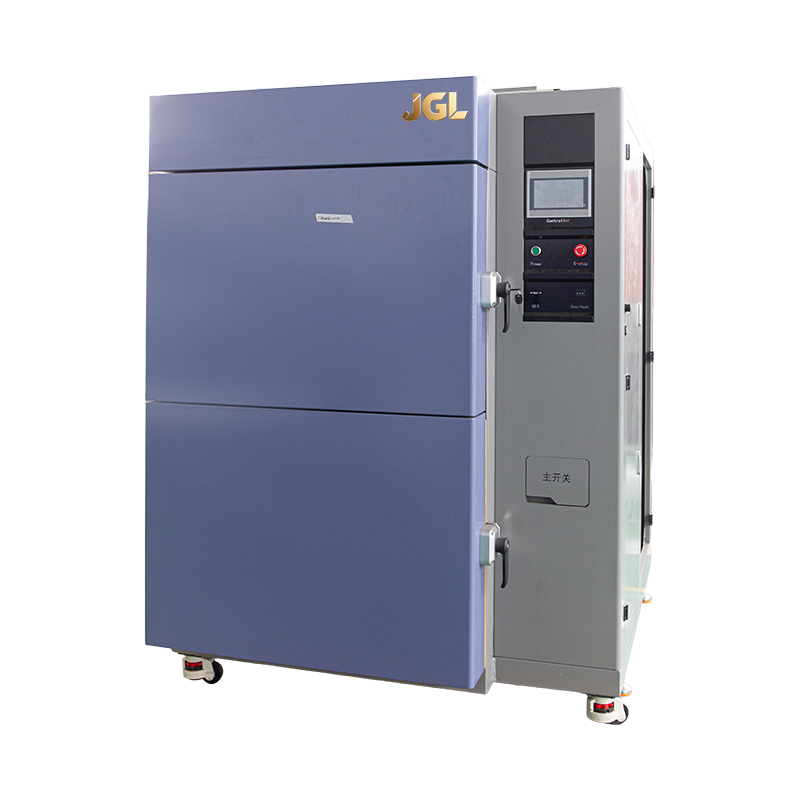
U5QTH-100-A/W Fast Temperature & Humidity Cycling Chamber
Structural Design and Interior Construction
The chamber uses a rational structural design intended to support regular laboratory operation. The door is equipped with damping hinges that allow the opening angle to be adjusted freely. This feature can appear simple, but it is useful in daily work. Operators can position the door according to the surrounding laboratory layout, specimen loading requirements, and available working space.
Damping hinges also help reduce uncontrolled door movement. A heavy chamber door that swings abruptly can create a safety risk, damage nearby equipment, or place stress on the hinges and sealing surfaces. Controlled movement improves handling and can support long-term mechanical durability.
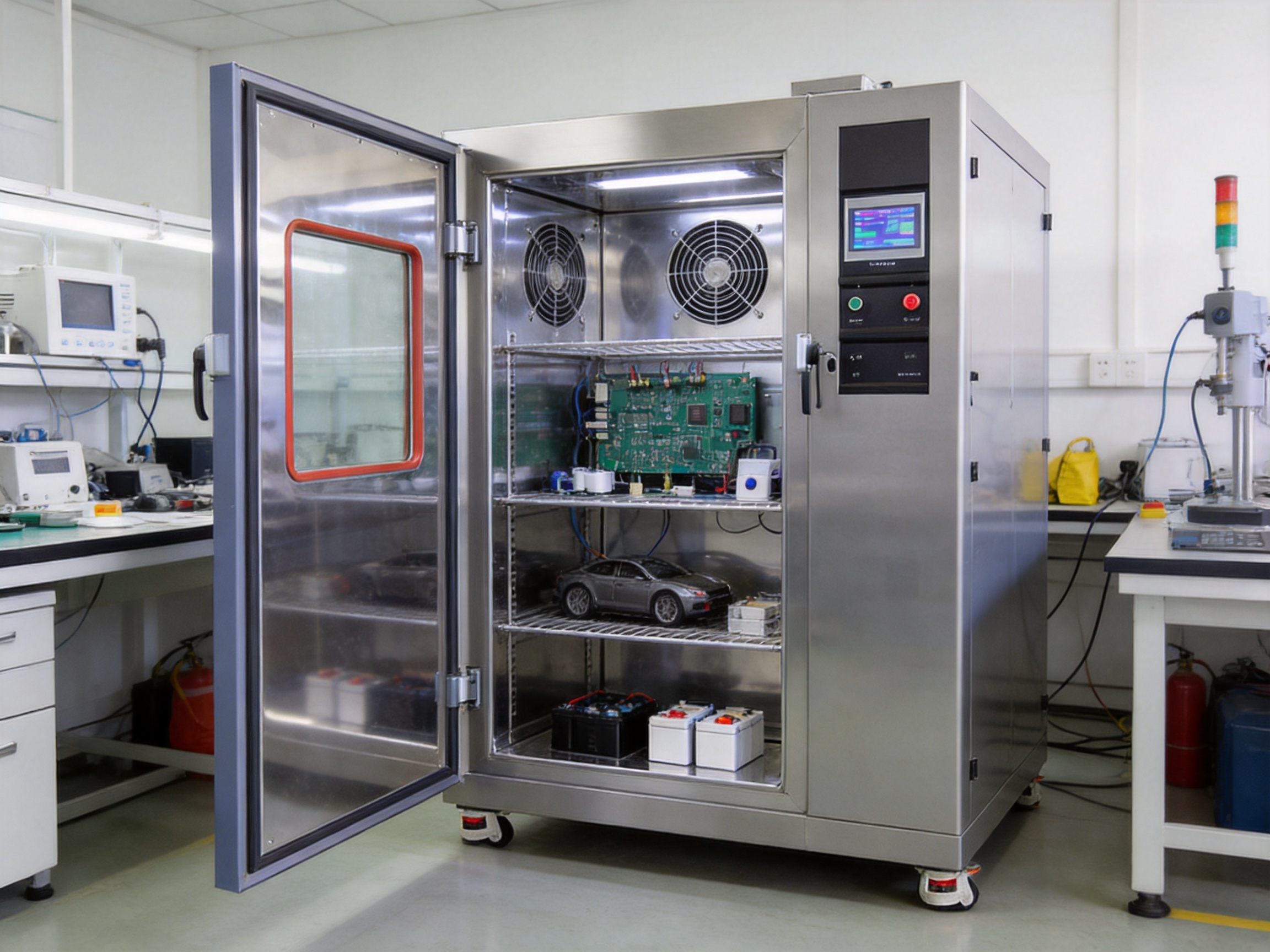
The inner chamber is made from film-coated mirror stainless-steel plates. Stainless steel is widely used in environmental test chambers because it offers good resistance to corrosion, supports hygienic and cleanable surfaces, and tolerates repeated exposure to changing temperature and humidity. The mirror finish also helps reduce the retention of residue and makes the internal surface easier to inspect.
The film coating provides an additional surface treatment intended to protect the inner plates and support their service life. It is particularly relevant in humidity testing, where repeated condensation and evaporation may otherwise place stress on interior materials. Users should still follow appropriate cleaning and maintenance procedures and avoid chemicals that are incompatible with the interior finish.
Interior construction also influences airflow. Smooth surfaces, properly designed corners, suitable shelf arrangements, and correctly positioned circulation openings can help reduce stagnant zones. For reliable testing, specimens should be positioned so that air can move around them and should not block the supply or return paths.
Air Circulation and Thermal Uniformity
Air circulation is essential to temperature and humidity uniformity. The chamber’s circulation fan distributes conditioned air throughout the working space, helping transfer heat and moisture between the conditioning system and the test specimen. Without effective circulation, the chamber could contain localized hot, cold, dry, or humid areas that reduce test accuracy.
The U5QTH-100-A/W uses a Panasonic motor for its circulating fan. The motor is paired with high-temperature-resistant bearings rated up to 200°C. This rating provides an important operating margin for configurations that reach elevated temperatures. Bearings exposed to high temperatures must maintain smooth rotation and mechanical integrity; otherwise, noise, vibration, airflow reduction, or premature failure may occur.
A dependable circulation motor can also contribute to more stable test conditions. Consistent airflow improves heat exchange and helps the controller respond to measurements that more accurately represent the chamber environment. It can also assist in faster recovery after a door opening or a change in set point.
Users should recognize that uniformity depends on the entire test setup, not only the fan. Specimen placement, load volume, shelf design, sensor location, door opening time, and the size and shape of the samples all affect results. The best practice is to validate the chamber under representative loading conditions and use calibrated measuring equipment when mapping the working space.
Refrigeration and Water Management
Low-temperature operation and rapid cooling place significant demands on the refrigeration system. Condensation and frost may form during certain operating conditions, especially when moist air is cooled below its dew point. If water is not properly collected and managed, it can create corrosion, interfere with components, or affect the operating environment.
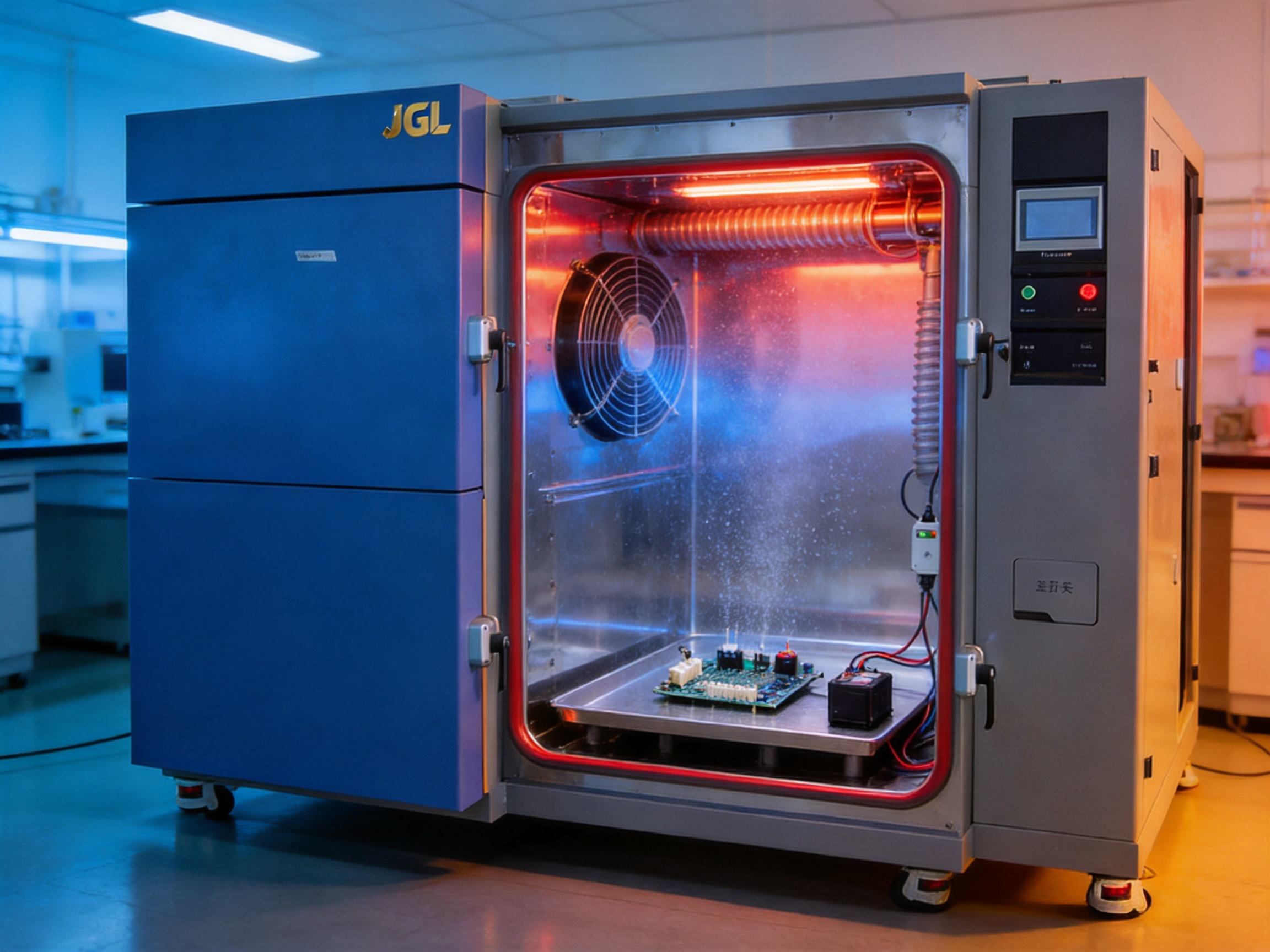
The chamber is equipped with a full-size stainless-steel water tray. The tray is designed to help prevent compressor frost and reduce the risk of condensate water corroding the equipment casing. This water-management feature supports both equipment protection and maintenance convenience.
Stainless steel is appropriate for a condensate collection area because it can withstand repeated exposure to moisture better than many ordinary materials. A full-size tray also provides greater coverage and helps reduce the possibility that water will escape into undesired areas during condensation events.
Refrigeration protection is particularly important in a chamber used for repeated rapid cycling. Frequent transitions can create changing moisture loads and impose repeated thermal and mechanical demands on the refrigeration system. Proper water management, insulation, control logic, and scheduled maintenance can help protect the system and support consistent performance.
Operators should inspect the tray regularly, remove accumulated water according to the maintenance procedure, and keep drainage pathways clear. A water tray is a protective component, not a substitute for routine inspection. The chamber should also be installed in a location that permits service access to refrigeration and drainage-related parts.
Electrical Safety and Operational Protection
Environmental chambers combine electrical power, heating elements, refrigeration equipment, motors, control electronics, and water-management systems. This combination makes electrical protection an essential part of product design. The U5QTH-100-A/W incorporates a unique leakage protection design intended to make operation safer.
Leakage protection helps reduce risk when unintended electrical current reaches conductive surfaces or other paths. It is especially important in equipment that operates with humidity and condensate. Protection systems should be viewed as one layer of a broader safety approach that also includes grounding, insulation, circuit protection, enclosure integrity, correct installation, and operator training.
The chamber uses core electrical components from top-tier imported brands. Component quality matters because relays, switches, sensors, controllers, contactors, protection devices, and other electrical parts may operate repeatedly under changing loads. Reliable components can support stable control performance and reduce the likelihood of unplanned downtime.
However, component selection must be combined with appropriate assembly and inspection. Even high-quality components can perform poorly if wiring is improperly routed, terminals are inadequately tightened, heat dissipation is insufficient, or control cabinets are not protected from environmental stress. This is why manufacturing process control is as important as the parts themselves.
Before commissioning, users should confirm that the power supply, grounding, ventilation, clearance, and installation environment meet the equipment requirements. Any electrical service should be performed by qualified personnel. Safety interlocks, alarms, emergency stops, and protection devices should be checked according to the operating and maintenance documentation.
Manufacturing Strengths of Jiangsu Baisheng Industrial Co., Ltd.
JIANGSU BAISHENG INDUSTRIAL CO., LTD. was founded in 2010 and focuses on high-end laboratory equipment and safety testing instruments. Its stated development model combines research and development with international trade, allowing the company to connect engineering capabilities with the practical requirements of customers in different markets.
The company’s background is rooted in technical development rather than purely commercial distribution. In 2013, its predecessor operated as a research and development studio specializing in electronic testing. This origin gave the founding team experience in laboratory equipment, safety compliance testing, and technical problem solving.
In 2016, the organization developed into an enterprise, completed its first independently developed production line, and introduced high-end laboratory equipment with independent intellectual property rights. This transition is significant because it indicates a move from project-based technical work toward repeatable product manufacturing.
In 2019, the company adopted a technology-plus-trade strategy. This approach supported additional research and development investment, the introduction of technical talent, and the expansion of overseas markets. For buyers of laboratory equipment, an internationally oriented engineering supplier can offer advantages in communication, customization, documentation, application support, and export coordination.
By 2022, the company had further improved its quality management system and reported that its products had passed rigorous technical specification certifications. A quality system provides the framework for controlling design changes, purchasing, assembly, inspection, records, corrective actions, and customer feedback. For complex equipment such as a temperature and humidity chamber, these controls help ensure that performance is not dependent on one individual technician or one isolated production event.
By 2025, the company continued to promote product innovation and technological upgrading while adapting to intelligent and digital development trends. This direction is relevant to environmental testing because modern laboratories increasingly require programmable profiles, traceable data, repeatable control, remote monitoring, and integration with quality systems.
The company’s stated core values, “Precision in Craftsmanship, Innovation for the Long-Term,” align closely with the demands of environmental test equipment. Precision in craftsmanship involves accurate fabrication, careful assembly, proper sealing, reliable wiring, correct sensor placement, and disciplined final inspection. Long-term innovation involves improving control strategies, energy efficiency, component durability, usability, and customization capabilities.
Engineering-Led Product Development
An engineering-led manufacturer begins with the intended application rather than with a generic enclosure. For the U5QTH-100-A/W, this means considering how rapid temperature changes, humidity regulation, refrigeration, airflow, door operation, condensation, and electrical safety interact. The product’s features indicate an effort to solve practical operating problems rather than simply add specifications.
The company’s R&D team can support customers who require variations in temperature range, cycling speed, control logic, fixture arrangement, power configuration, documentation, or chamber size. Customization should be evaluated carefully because changes to one subsystem may influence refrigeration capacity, heating power, airflow, humidity response, and overall energy consumption.
Integrated Manufacturing Process
The manufacturing process for a precision environmental chamber typically begins with engineering review and material preparation. Sheet metal, insulation, stainless-steel interior panels, door components, fan assemblies, refrigeration parts, electrical components, sensors, controllers, and protective devices must be matched to the intended configuration.
Cabinet fabrication requires dimensional control so that panels, doors, seals, insulation, and service openings fit correctly. The inner chamber must be assembled with attention to surface finish, joints, corners, and drainage. Poorly fitted panels or inadequate sealing can increase heat loss, create condensation problems, or reduce control efficiency.
Refrigeration assembly requires careful attention to piping, joining, evacuation, charging, insulation, and leak inspection. The refrigeration system must be compatible with the target temperature range and rate of change. It must also be protected from moisture-related problems and designed for repeated cycling.
Electrical assembly includes control cabinet preparation, wiring, terminal identification, sensor connections, protection device installation, grounding, and functional checks. Clear wiring and organized component placement make future maintenance easier and help reduce service errors.
Mechanical and electrical systems are then integrated with the controller, circulation fan, heating system, humidity system, door switch, alarms, and safety protection. The completed chamber should undergo commissioning tests that verify heating, cooling, humidity generation, circulation, door sealing, alarm response, leakage protection, and programmed cycling.
Final inspection is particularly important for a chamber with several temperature-range configurations. The -40°C to +150°C model and the -70°C to +180°C model may use different refrigeration or heating arrangements, which means configuration records and test results must be matched to the correct unit. Product identification, wiring diagrams, calibration information, and operating instructions should be maintained as part of the delivery package.
Advantages Compared with Basic Environmental Chambers
The U5QTH-100-A/W offers several practical advantages over basic temperature chambers or entry-level humidity test equipment. The first is its combined focus on rapid temperature change and humidity control. A simple temperature chamber may maintain hot and cold conditions but may not provide the same level of moisture regulation or transition-rate flexibility.
The second advantage is the range of selectable cycling rates. With four stated options from 5°C/min to 20°C/min, the chamber can serve a wider variety of testing programs. This flexibility may reduce the need for separate chambers dedicated to slow and fast cycling.
The third advantage is the inclusion of a high-temperature circulation motor and bearings rated up to 200°C. These components are aligned with the upper-temperature capability of the chamber and demonstrate attention to the durability of the air-circulation system.
The fourth advantage is its water-management design. Condensation is an unavoidable consideration in many temperature and humidity programs. A full-size stainless-steel water tray helps direct moisture away from vulnerable areas and supports easier inspection and maintenance.
The fifth advantage is the structural attention given to the door and interior. Adjustable damping hinges improve access and handling, while film-coated mirror stainless steel supports interior durability and cleanability. Such features may not determine the entire test result, but they improve the equipment’s usability over a long service period.
The sixth advantage is the company’s ability to combine product development, manufacturing, and international technical support. Buyers who need customized test profiles or nonstandard configurations may benefit from working with a manufacturer that maintains its own engineering and production capabilities rather than relying exclusively on a generic catalog model.
Applications Across Multiple Industries
Electronic and Electrical Products
Electronic components and assemblies are highly sensitive to thermal expansion, condensation, corrosion, insulation changes, and solder-joint fatigue. The chamber can be used to evaluate circuit boards, connectors, sensors, displays, power modules, control units, and communication devices under programmed temperature and humidity conditions.
Testing can help identify intermittent faults, leakage-current changes, coating problems, connector degradation, and loss of electrical performance. Test engineers can combine environmental exposure with functional monitoring to determine whether a product continues to operate during or after cycling.
Automotive Components
Automotive electronics, lighting systems, sensors, switches, control modules, interior materials, seals, and small mechanical assemblies may experience rapid changes in temperature and humidity. A 100-liter chamber is suitable for many component-level qualification programs, design verification tests, and supplier validation activities.
Automotive users may select different temperature ranges and cycling rates depending on the installation location of the component. Under-hood products, cabin electronics, exterior sensors, and battery-related parts can have different environmental requirements, so the test profile should be developed from the product specification rather than copied from a general-purpose program.
Batteries and Energy Devices
Small battery cells, battery management components, charging devices, power electronics, and energy-storage accessories may require environmental screening. Temperature and humidity exposure can influence capacity, resistance, insulation, sealing, and protective circuitry.
Battery testing must be planned with particular attention to safety. The chamber should be used only for specimens and test conditions within its intended application limits. If a product presents a risk of thermal runaway, fire, explosion, toxic gas, or hazardous leakage, additional protective systems and a specifically designed safety chamber may be required.
Aerospace and Defense Components
Aerospace and defense products may be exposed to severe temperature transitions during transport, storage, and operation. Small avionics units, sensors, connectors, communication modules, and materials can be evaluated through controlled environmental cycling.
Because aerospace and defense testing often involves strict documentation and traceability, users should establish calibration, data-recording, sample identification, and test-approval procedures. The chamber can provide the controlled environment, while the laboratory’s quality system ensures that the resulting evidence is technically defensible.
Materials, Coatings, and Packaging
Adhesives, coatings, plastics, elastomers, packaging materials, labels, and protective finishes may change dimension, flexibility, adhesion, or appearance when exposed to heat, cold, and moisture. Rapid cycling can accelerate the discovery of delamination, cracking, discoloration, swelling, and seal failure.
Packaging engineers can also use the chamber to study whether transport packaging protects its contents under changing environmental conditions. The specimen arrangement should allow representative airflow and should avoid placing wet or contaminated materials into the chamber unless the equipment and procedure are approved for that use.
Recommended Test Planning and Operation
Before beginning a test, define the purpose, specimen quantity, temperature range, humidity level, transition rate, dwell time, cycle count, acceptance criteria, and data-recording method. A clear test plan prevents the chamber from being used merely as a temperature source without a defined engineering objective.
Inspect the test specimens before loading. Record their identification, condition, dimensions, mass, electrical status, and any pre-existing defects. If the products are electrically powered during testing, verify that the power feed, cable routing, and instrumentation are compatible with the chamber environment.
Arrange specimens with sufficient space between them and the chamber walls. Do not block the air inlet, return path, sensors, or drainage area. Excessively dense loading can create nonuniform conditions and may slow the response of the specimens relative to the chamber air.
Use a calibrated external data logger or mapping system when the test requires independent verification. Chamber sensors and control systems are essential, but independent measurement can help confirm uniformity and provide additional evidence for regulated or customer-specific testing.
Allow the chamber to complete the required recovery period after loading when the test method calls for stabilization. A door opening can temporarily disturb temperature and humidity. Starting a formal cycle before the environment has recovered may introduce an uncontrolled first stage.
At the end of the test, inspect the specimen for visible changes, corrosion, cracks, deformation, moisture ingress, and functional abnormalities. Some failures may appear only after the specimen returns to room temperature, so post-test inspection and functional verification should be included in the procedure.
Maintenance and Long-Term Reliability
Regular maintenance helps preserve the chamber’s performance and protects the investment. The inner chamber should be cleaned using methods compatible with the stainless-steel and film-coated surfaces. Residues should not be allowed to accumulate because they may affect cleanliness, corrosion resistance, or humidity behavior.
The water tray should be inspected and emptied as required. Drainage pathways should remain clear, and any signs of corrosion, leakage, unusual condensation, or water accumulation should be investigated promptly.
The circulation fan should be checked for abnormal noise, vibration, reduced airflow, and bearing-related symptoms. Since the fan is essential to uniformity, a small mechanical problem can become a significant test-quality problem if it is ignored.
Door seals, hinges, latches, and internal surfaces should be inspected periodically. The adjustable damping hinges should continue to hold the door in a controlled position, while the seal should remain flexible and continuous around the opening. A damaged seal can increase energy consumption and reduce temperature stability.
Temperature and humidity sensors should be calibrated according to the laboratory’s quality system and the frequency justified by usage. Calibration intervals may depend on operating intensity, environmental exposure, historical stability, and regulatory requirements.
Electrical protection devices and alarms should be functionally checked by qualified personnel. Maintenance records should include the date, technician, observations, replaced parts, calibration results, and corrective actions. Complete records help identify recurring problems and support audit readiness.
Energy Efficiency and Responsible Operation
Environmental chambers consume energy because they must heat, cool, circulate, and sometimes dehumidify or humidify the working space. Efficient operation begins with selecting a chamber size appropriate to the specimen. A 100-liter chamber can be more economical than a much larger unit when the test load is compact.
Users should avoid unnecessary door openings, excessive loading, and test profiles that exceed the actual requirement. Properly planned cycles reduce recovery time and prevent repeated operation outside the useful test window.
The chamber’s insulated structure, balanced control system, efficient circulation, and water-management design can contribute to responsible operation. Energy performance, however, is influenced by the test profile, laboratory ambient temperature, specimen load, maintenance condition, and frequency of rapid cycling.
Regular cleaning and service also support energy efficiency. A blocked airflow path, damaged seal, dirty condenser, or malfunctioning sensor can force the system to operate longer or harder than necessary. Preventive maintenance is therefore both a reliability practice and an energy-management practice.
Selection Guidance for Buyers
When selecting the U5QTH-100-A/W, buyers should first confirm the required temperature range. The available specifications include a -40°C to +150°C configuration and a -70°C to +180°C configuration. The wider range may be appropriate for more severe applications, but it may also involve different refrigeration, heating, power, and installation requirements.
Next, determine the required temperature-change rate. A test requiring 5°C/min does not necessarily need the highest available rate, while a demanding accelerated program may require 15°C/min or 20°C/min. The rate should be assessed together with specimen mass and test method.
Confirm whether humidity control is required throughout the full temperature program. Some temperature and humidity combinations may be physically limited by condensation or dew-point conditions. The final test profile should be reviewed with the manufacturer and validated under the intended loading conditions.
Check the laboratory installation route before ordering. The listed overall dimensions are approximately 780 × 1600 × 1710 millimeters, while the approximate machine weight is listed as 650 kilograms or 820 kilograms depending on configuration. Doorways, elevators, ramps, floors, lifting equipment, ventilation, and service clearances should all be evaluated in advance.
Buyers should also request the appropriate technical documentation, including operating instructions, electrical information, maintenance recommendations, configuration details, inspection records, and calibration-related documents. These materials help the laboratory integrate the chamber into its quality and safety procedures.
Quality, Customization, and Customer Support
Environmental testing requirements vary widely between industries. Some customers need a standard chamber for routine qualification, while others require special fixtures, feedthroughs, monitoring systems, programming functions, or documentation. A manufacturer with an R&D team can evaluate these requirements more effectively when it understands the engineering consequences of each modification.
Customization should not be limited to appearance. Useful customization may include working-space arrangements, specimen racks, electrical interfaces, communication functions, alarm settings, control profiles, and data-collection arrangements. Each change should be reviewed for compatibility with temperature, humidity, airflow, refrigeration, electrical safety, and maintenance access.
JIANGSU BAISHENG INDUSTRIAL CO., LTD. positions itself as a supplier of customized precision laboratory equipment and laboratory testing equipment solutions. Its combination of product engineering, production capability, and international trade experience can support customers who need more than a standard catalog transaction.
Effective support should continue after delivery. Installation guidance, commissioning assistance, application consultation, spare-parts availability, calibration coordination, and technical response all contribute to the total value of an environmental chamber. For laboratories that depend on continuous testing, serviceability can be as important as the initial purchase price.
Frequently Asked Questions
What is the capacity of the U5QTH-100-A/W?
The chamber has a nominal working capacity of 100 liters. Its listed working chamber dimensions are 500 × 400 × 500 millimeters.
What temperature ranges are available?
The product information lists two configuration options: -40°C to +150°C and -70°C to +180°C. Buyers should specify the required range when requesting a quotation because the configuration may affect refrigeration, heating, power, weight, and overall performance.
How fast can the chamber change temperature?
The selectable rapid temperature-change options include average or linear rates of 5°C/min, 10°C/min, 15°C/min, and 20°C/min. Actual results can depend on specimen mass, loading, humidity, starting conditions, and the programmed temperature span.
Can the chamber control humidity as well as temperature?
Yes. The chamber is designed as a temperature and humidity test chamber and uses a balanced control system with dynamic PID regulation and water vapor partial-pressure control.
What is the purpose of the Panasonic circulation motor?
The Panasonic motor drives the circulation fan that distributes conditioned air through the working chamber. Effective circulation supports temperature and humidity uniformity and helps the chamber respond to changes in the programmed condition.
Why are high-temperature-resistant bearings important?
The circulation fan bearings are rated up to 200°C. This provides a suitable durability margin for high-temperature operation and helps reduce the risk of airflow problems, vibration, or premature mechanical wear.
How does the stainless-steel water tray help protect the chamber?
The full-size stainless-steel water tray helps collect and manage condensate. It is intended to reduce compressor frosting and prevent condensate water from corroding the equipment casing.
Is the chamber suitable for electronic testing?
Yes. It is suitable for many electronic and electrical component tests, including temperature-humidity exposure, thermal cycling, reliability screening, and post-test functional evaluation. The specific test should be reviewed for electrical safety and specimen compatibility.
Can the chamber be used for battery testing?
It may be used for appropriate battery-related tests when the specimen size, energy level, chemistry, and test conditions are within the chamber’s intended safety limits. Batteries that may experience thermal runaway, fire, explosion, or hazardous gas release may require specialized safety equipment and should not be tested without a formal risk assessment.
What should be considered when installing the chamber?
Consider the overall dimensions of approximately 780 × 1600 × 1710 millimeters, the configuration-dependent weight of approximately 650 or 820 kilograms, power requirements, ventilation, service clearance, floor loading, drainage, access routes, grounding, and ambient laboratory conditions.
How does this chamber compare with a basic temperature chamber?
It combines temperature control, humidity control, rapid cycling, multiple selectable transition rates, a high-temperature circulation motor, water-management provisions, adjustable door damping, and leakage protection. These features provide broader functionality than a chamber intended only for steady-state temperature exposure.
Does rapid cycling eliminate the need for test validation?
No. Rapid cycling makes it possible to create demanding test conditions, but the laboratory should still validate temperature distribution, humidity performance, transition rate, recovery behavior, specimen loading, and data-recording methods under representative conditions.
Who manufactures the U5QTH-100-A/W?
The chamber is manufactured by JIANGSU BAISHENG INDUSTRIAL CO., LTD., a China-based supplier specializing in laboratory equipment, safety testing instruments, customized solutions, and engineering-oriented product development.
Conclusion
The U5QTH-100-A/W Fast Temperature & Humidity Cycling Chamber is designed for laboratories that need more than basic heating and cooling. Its 100-liter capacity, selectable rapid temperature-change rates, broad temperature-range configurations, balanced humidity control, dynamic PID regulation, water vapor partial-pressure management, durable stainless-steel interior, Panasonic circulation motor, high-temperature-resistant bearings, condensate water tray, and leakage protection design provide a comprehensive platform for environmental reliability testing.
Its advantages are strengthened by the manufacturing philosophy of JIANGSU BAISHENG INDUSTRIAL CO., LTD. The company combines R&D experience, independent product development, production capability, quality-system improvement, international trade expertise, and customization support. This combination is valuable for customers that require a chamber matched to a particular test method, product category, or laboratory workflow.
For best results, buyers should select the temperature configuration and cycling rate according to the actual test requirement, confirm the installation environment, validate performance under representative loading, and establish a disciplined maintenance and calibration program. When properly specified and operated, the chamber can support product development, reliability screening, quality assurance, compliance testing, and failure analysis across electronics, automotive, aerospace, energy, materials, packaging, and industrial applications.
References
1. Product technical information for the U5QTH-100-A/W Fast Temperature & Humidity Cycling Chamber, including capacity, temperature ranges, chamber dimensions, construction features, and selectable temperature-change rates.
2. JIANGSU BAISHENG INDUSTRIAL CO., LTD. company profile, manufacturing history, research and development background, quality-system development, and core values.
3. General principles of environmental testing for electronic and industrial products, including temperature cycling, damp heat exposure, thermal stress, and specimen conditioning.
4. General guidance for temperature and humidity chamber validation, including temperature uniformity, stability, recovery, sensor calibration, and representative loading practices.
5. General laboratory equipment safety principles covering electrical protection, grounding, condensate management, refrigeration systems, maintenance, and operator training.
Product: U5QTH-100-A/W Fast Temperature & Humidity Cycling Chamber
PREV:Dual-Layer Explosion-Proof Thermal Test Chamber for High-Risk Temperature Testing
NEXT:Rapid Liquid Nitrogen Slurry Preparation for Advanced Cryogenic Sample Handling
NEXT:Rapid Liquid Nitrogen Slurry Preparation for Advanced Cryogenic Sample Handling
Interested in cooperation or have questions?
Featured Products
Related products
Quick Link
Contact Information
- Tel: +86-13861043568
- E-mail: 1840784112@qq.com
- Add: Tianting District, Changzhou City, Jiangsu Province, China, No. 6 Hecircuit
Scan Code
Copyright © JIANGSU BAISHENG INDUSTRIAL CO., LTD.
All Rights Reserved. Privacy Custom Precision Laboratory Testing Equipment Manufacturers
