 English
 Español
NEWS
NEWS
NEWS
NEWS
NEWS
NEWS
NEWS
NEWS
NEWS
NEWS
NEWS
NEWS
NEWS
NEWS
NEWS
NEWS

Shen Yiru — International Sales Manager
Home / Author / Shen Yiru — International Sales Manager / Rapid Liquid Nitrogen Slurry Preparation for Advanced Cryogenic Sample Handling
Rapid Liquid Nitrogen Slurry Preparation for Advanced Cryogenic Sample Handling
Content
- 1 Why Cryogenic Preparation Quality Matters
- 2 How Liquid Nitrogen Slurry Supports Rapid Freezing
- 3 Core Product Architecture
- 4 Advantages Compared with Conventional Liquid Nitrogen Immersion
- 5 Applications Across Research and Development
- 6 Operating Workflow
- 7 Manufacturing and Engineering Strengths
- 8 Technical and Operational Comparison
- 9 Benefits for Laboratory Productivity
- 10 Installation and Configuration Considerations
- 11 Recommended Validation Approach
- 12 Maintenance and Process Discipline
- 13 Why Choose a Specialized Manufacturer
- 14 Frequently Asked Questions
- 14.1 What is the main purpose of the LNS200?
- 14.2 How quickly can the system prepare liquid nitrogen slurry?
- 14.3 What is the temperature of the slurry?
- 14.4 Why use slurry instead of conventional liquid nitrogen immersion?
- 14.5 What types of samples can be processed?
- 14.6 Does the chamber allow sample holders and clamps?
- 14.7 Can the operator see the sample during operation?
- 14.8 Can the LNS200 connect to a vacuum cryogenic transfer system?
- 14.9 What is the function of the electrically controlled valve?
- 14.10 Is the LNS200 suitable for microscopy applications?
- 14.11 Can the workbench be customized?
- 14.12 Does the system eliminate the need for laboratory safety procedures?
- 14.13 How should a laboratory evaluate the system before routine use?
- 14.14 What type of organization manufactures the LNS200?
- 15 Conclusion
- 16 References
- 17 Product: LNS200 Liquid Nitrogen Laboratory Workbench with Integrated Cryogenic Handling
Modern laboratories increasingly require cryogenic preparation methods that are fast, repeatable, and gentle enough to preserve the original condition of delicate samples. Hydrated biological specimens, soft materials, polymers, electronic components, and other water-rich samples can change rapidly when exposed to conventional preparation environments. The movement of water, the formation of large ice crystals, surface drying, and uneven thermal transfer may all affect the quality of later microscopy, material analysis, or structural evaluation.
The LNS200 Liquid Nitrogen Laboratory Workbench with Integrated Cryogenic Handling is designed to address these challenges through rapid preparation of a liquid nitrogen slurry. Instead of relying only on immersion in conventional liquid nitrogen, the system produces a liquid-solid nitrogen mixture at approximately -210°C. This slurry creates more intimate thermal contact with the sample surface and supports faster, more uniform freezing of hydrated specimens.
Within approximately five minutes, the LNS200 can prepare high-quality liquid nitrogen slurry for cryogenic processing. Its vacuum chamber, rotating top cover, observation window, sample-holder space, and electrically controlled transfer valve are arranged to support a controlled workflow from sample loading and freezing to transfer and subsequent analysis.
The result is a compact and specialized workbench for laboratories that need efficient cryofixation and reliable low-temperature sample handling without introducing unnecessary manual steps. Its design also allows connection to a CVC100 vacuum cryogenic sample transfer chamber or to compatible systems from other manufacturers through customized ports.
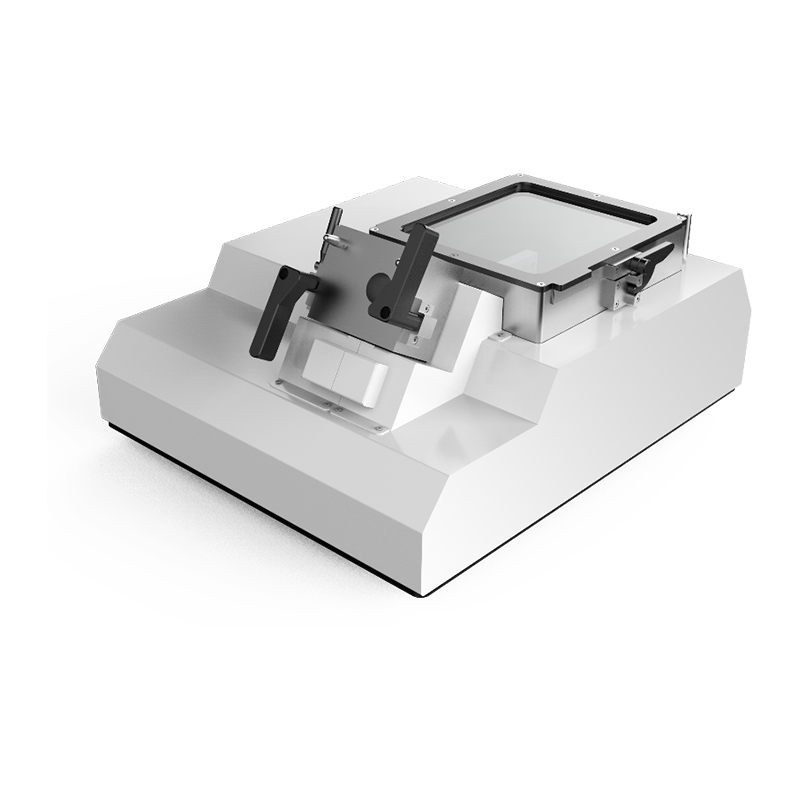
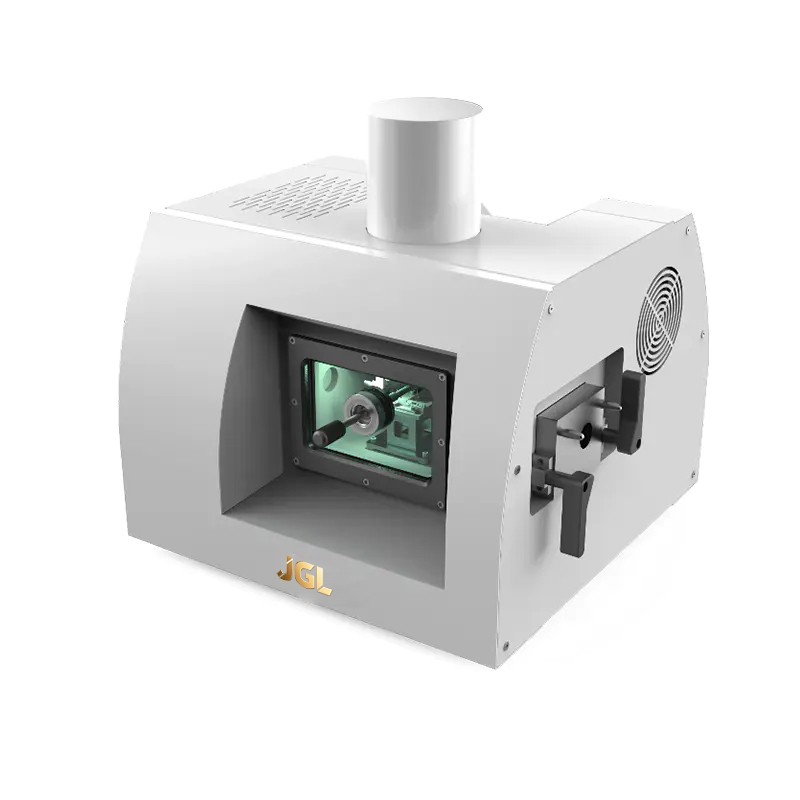
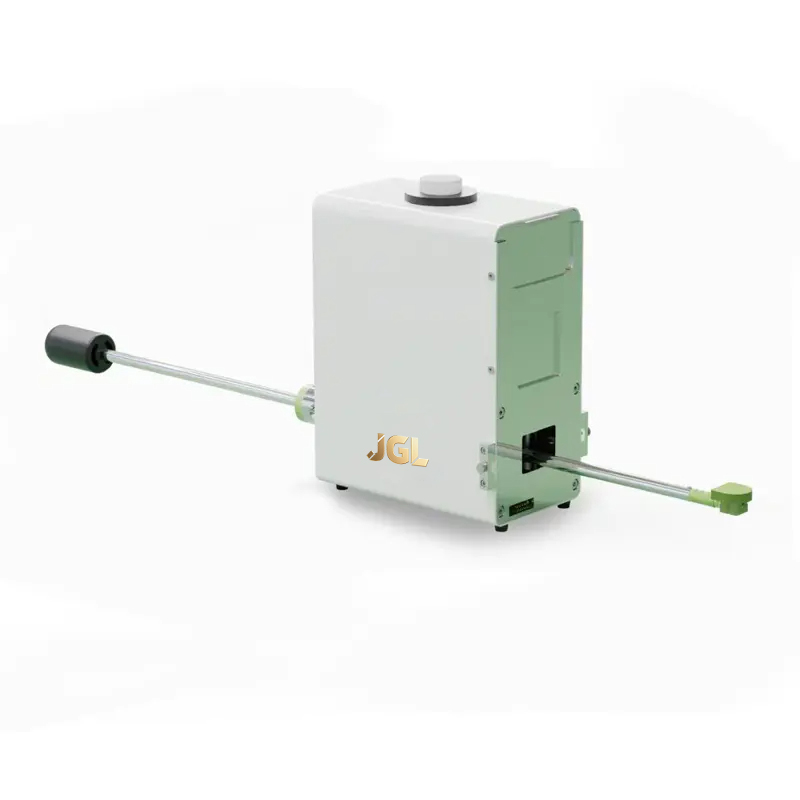
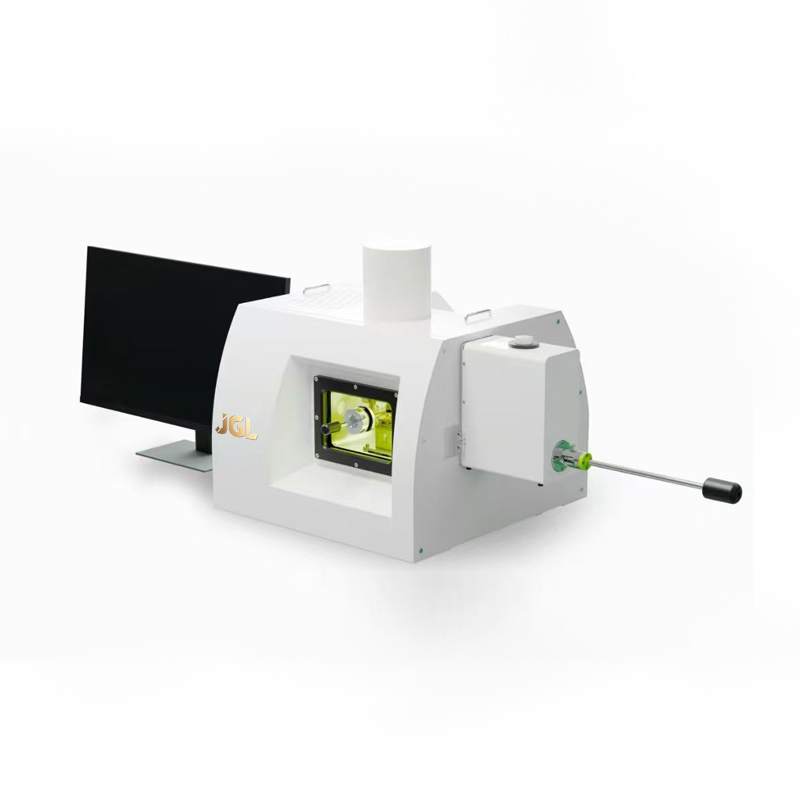
LNS200 Liquid Nitrogen Laboratory Workbench with Integrated Cryogenic Handling
Why Cryogenic Preparation Quality Matters
Many laboratory samples contain substantial amounts of water or other volatile components. Biological tissues, hydrated gels, soft polymers, emulsions, cells, plant materials, and certain electronic or composite materials can be particularly sensitive to preparation conditions. If freezing occurs too slowly, water may migrate before solidification. This can result in structural distortion, separation of phases, or the growth of ice crystals that interfere with microscopic observation and material analysis.
For this reason, rapid freezing is often preferred when the goal is to preserve a sample as close as possible to its natural hydrated condition. A properly designed cryogenic preparation process should reduce the time between sample loading and complete thermal stabilization. It should also minimize direct handling, maintain a clean environment, and provide consistent contact between the cold medium and the sample.
Traditional liquid nitrogen immersion offers a very low-temperature environment, but the contact between the liquid and the sample may not always be uniform. Surface shape, trapped gas, sample geometry, and the Leidenfrost effect can influence heat transfer. A liquid-solid slurry can improve the physical contact around irregular or complex samples, helping cold nitrogen surround more of the sample surface.
The LNS200 is designed around this principle. Its purpose is not simply to store liquid nitrogen or provide a cold chamber. It prepares a specialized cryogenic medium and combines that medium with a practical sample-handling platform. This integrated approach can help laboratories reduce preparation time while improving the repeatability of cryofixation procedures.
How Liquid Nitrogen Slurry Supports Rapid Freezing
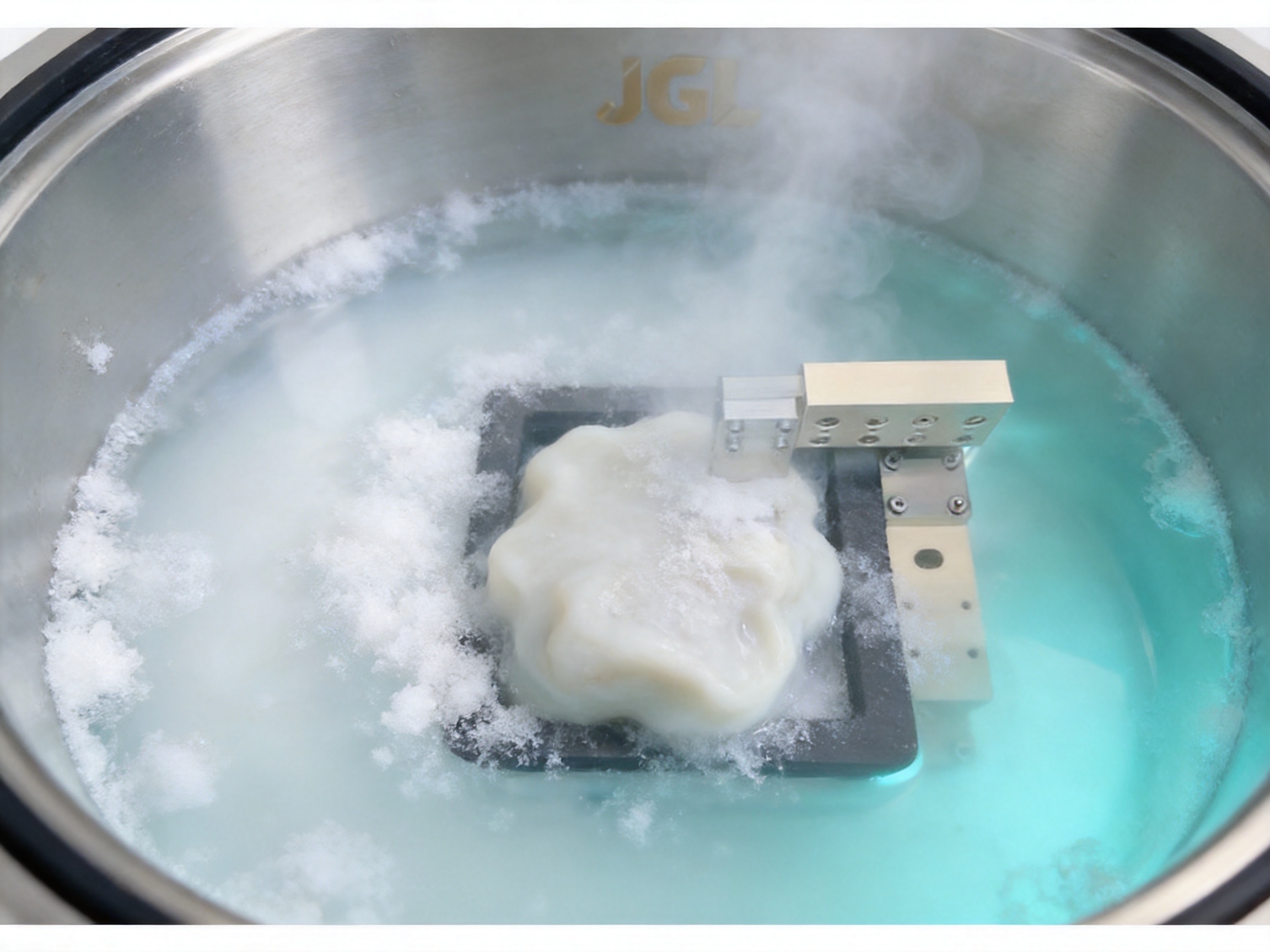
Liquid nitrogen slurry is a mixture containing liquid nitrogen and solid nitrogen particles. The LNS200 generates this liquid-solid mixture at approximately -210°C. Because the slurry contains both liquid and solid phases, it can provide close physical contact with surfaces that may not be reached uniformly by liquid alone.
When a hydrated sample is placed into a suitable cryogenic medium, heat is transferred from the sample to the surrounding nitrogen. The effectiveness of this process depends on temperature difference, contact area, sample geometry, agitation or movement of the medium, and the ability of the medium to remain in close contact with the sample.
The solid component of the slurry can fill small spaces around the sample while the liquid component flows around its external shape. This combined behavior may support more efficient and uniform cooling than a conventional immersion process under comparable operating conditions. The practical benefit is a shorter interval between sample placement and cryogenic stabilization.
For laboratories studying hydrated materials, this improvement is important because the sample may be most meaningful when its original distribution of water and internal components is preserved. Rapid freezing helps limit the time available for diffusion, settling, dehydration, and other changes that can occur before the specimen reaches a stable low-temperature state.
The LNS200 is designed to prepare the slurry in approximately five minutes. This preparation time can help laboratories establish a more predictable workflow, especially when multiple samples must be processed during a single research session. The exact result will depend on operating conditions, nitrogen supply, sample type, sample size, and laboratory procedures, but the short preparation cycle provides a practical foundation for rapid cryogenic work.
Core Product Architecture
Integrated Cryogenic Workbench Design
The LNS200 combines slurry preparation and sample handling in one laboratory platform. This integrated structure reduces the need to move samples between separate preparation devices and may simplify the overall cryogenic workflow. A dedicated workbench also gives operators a defined area for loading, freezing, observing, and transferring specimens.
Separate equipment can create additional handling points. Every additional transfer may expose a sample to ambient heat, moisture, contamination, or mechanical disturbance. By incorporating the cryogenic preparation environment into a single workbench, the LNS200 supports a shorter path from sample placement to low-temperature processing.
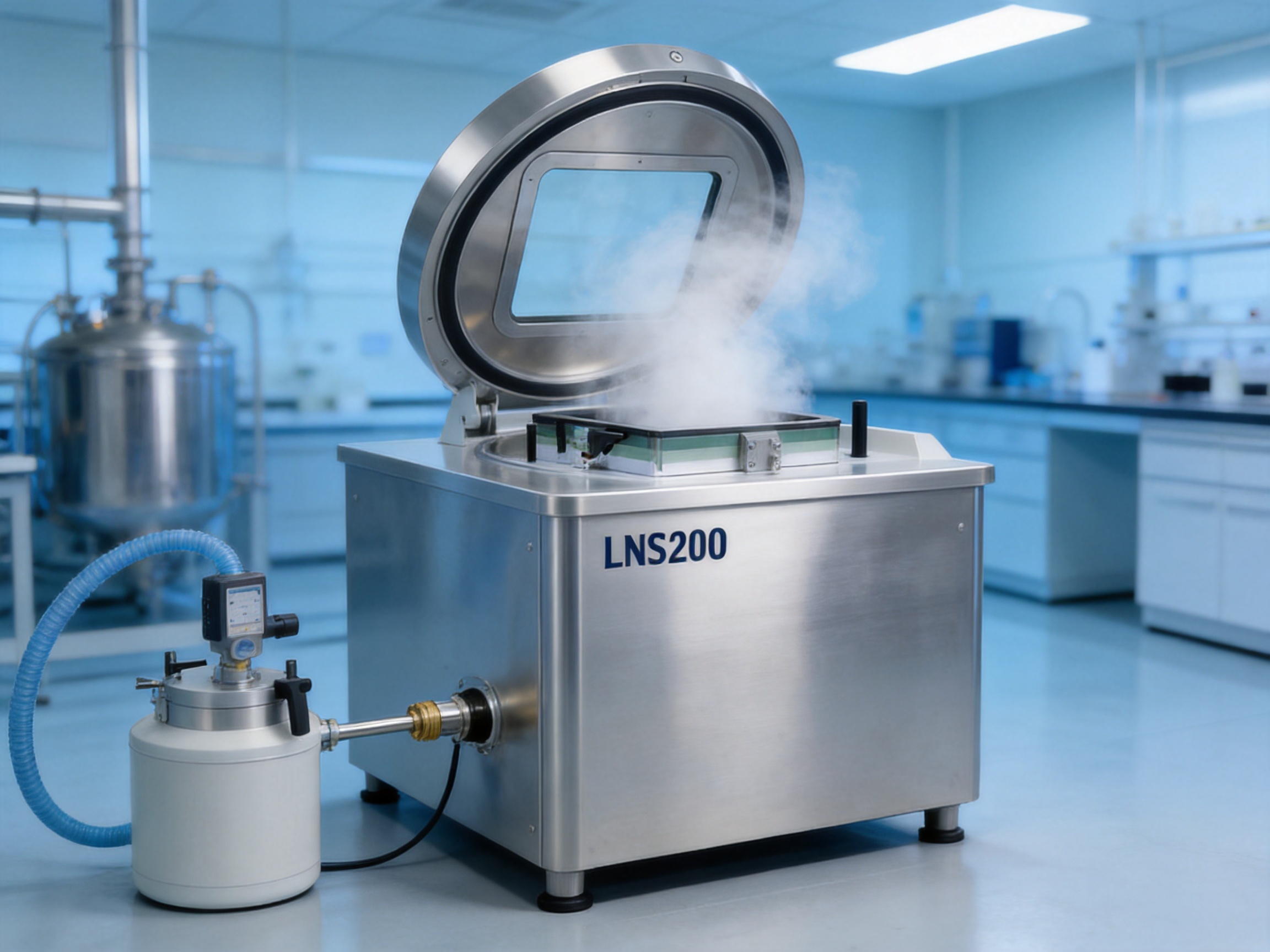
The design is suitable for laboratories that require repeatable preparation rather than an improvised container-based approach. It provides a controlled chamber, access through a rotating top cover, a viewing window, and a connection point for integrated sample transfer. These features allow the system to function as part of a broader cryogenic preparation and analysis line.
Vacuum Chamber
The vacuum chamber is a central component of the LNS200. It provides the enclosed environment required for liquid nitrogen slurry preparation and sample handling. By working inside a chamber, operators can better control the immediate environment around the specimen and reduce unnecessary exposure during preparation.
The chamber offers space for sample holders and clamps. This is important because samples may vary in size, shape, stiffness, and orientation. A stable holder can help keep a specimen in the correct position during freezing, while a clamp can reduce movement during loading or transfer. The availability of internal installation space also supports application-specific fixtures and customized sample arrangements.
The chamber is intended to support a clean cryogenic environment for sensitive specimens. Although every laboratory must establish its own cleaning, inspection, and operating procedures, an enclosed chamber can help separate the sample from surrounding laboratory traffic and reduce uncontrolled contact with the external environment.
Rotating Top Cover with Observation Window
The LNS200 uses a flip-top cover with an observation window. This configuration provides convenient access while allowing the operator to observe the interior of the chamber. Visibility is valuable during loading, positioning, freezing, and unloading because it helps the operator confirm the relationship between the sample, holder, clamps, and cryogenic medium.
The rotating cover also contributes to practical ergonomics. Operators do not need to repeatedly remove and replace a fully separate lid during every stage of the process. The opening action provides access to the working area while maintaining a defined chamber structure.
Observation is especially useful when processing fragile or irregular samples. The operator can verify that a specimen is properly positioned before freezing and can monitor the transfer process without relying entirely on indirect indicators. This can reduce avoidable handling and help protect samples from accidental contact with chamber surfaces or tools.
Electrically Controlled Transfer Valve
One of the LNS200’s most important integration features is its electrically controlled valve for sample transfer. The system can be connected to a CVC100 vacuum cryogenic sample transfer chamber through a standard port. Custom ports are also available for integration with other brands of vacuum cryogenic transfer equipment.
The valve supports controlled movement of samples between the preparation system and an analysis or transfer system. Maintaining cryogenic conditions during this stage is essential because a sample that has been rapidly frozen can still be affected by warming during transfer. A controlled connection helps reduce unnecessary exposure and supports a more continuous low-temperature workflow.
Electrical control provides a more consistent operating method than relying solely on manual opening and closing. It can help coordinate the transfer sequence with the connected equipment and reduce the number of direct interventions required from the operator. The exact control logic and interface will depend on the final configuration, but the design is intended to provide safe, efficient, and controlled sample movement.
Advantages Compared with Conventional Liquid Nitrogen Immersion
Enhanced Thermal Contact
Conventional immersion in liquid nitrogen can be effective, but the quality of contact may vary with sample shape and surface condition. Gaps filled with gas, uneven surfaces, and complex geometries can reduce the effective heat-transfer area. A liquid-solid slurry can conform more closely to the sample and provide contact around a larger portion of its exterior.
The LNS200’s slurry preparation capability is therefore a functional advantage rather than simply a lower-temperature specification. It changes the way the cryogenic medium interacts with the sample. The liquid component supplies flow around the specimen, while the solid component contributes additional contact points and thermal mass.
Faster and More Uniform Freezing
Rapid freezing helps limit structural changes that may occur before the sample reaches a stable cryogenic state. More uniform cooling can also reduce differences between the outer surface and the inner region of a specimen. This is particularly useful for samples with water-rich or soft structures.
The LNS200 is designed to prepare the required slurry in approximately five minutes, allowing the laboratory to move quickly from system preparation to sample processing. Compared with less specialized methods, this can shorten the preparation cycle and make the timing of experiments easier to manage.
Reduced Sample Handling
Manual transfer between open containers, separate freezing baths, and analysis equipment can create multiple opportunities for warming or contamination. The LNS200 combines a preparation chamber with an integrated transfer concept. Its electrically controlled valve allows the workbench to connect directly to a vacuum cryogenic transfer chamber or a customized compatible system.
Reducing handling steps is beneficial for small, fragile, or difficult-to-position specimens. It also supports more consistent procedures among different operators. When a laboratory uses a defined loading, freezing, and transfer sequence, training and process documentation become easier.
Improved Visibility During Operation
The observation window in the rotating cover gives operators direct visual access to the chamber. This is a practical advantage over improvised vessels or opaque containers in which sample position cannot be confirmed easily.
Visibility helps operators identify potential problems before they affect a specimen. For example, a sample may shift during placement, a holder may require adjustment, or a clamp may not be fully engaged. Detecting these conditions early can prevent unnecessary reprocessing.
Flexible Integration
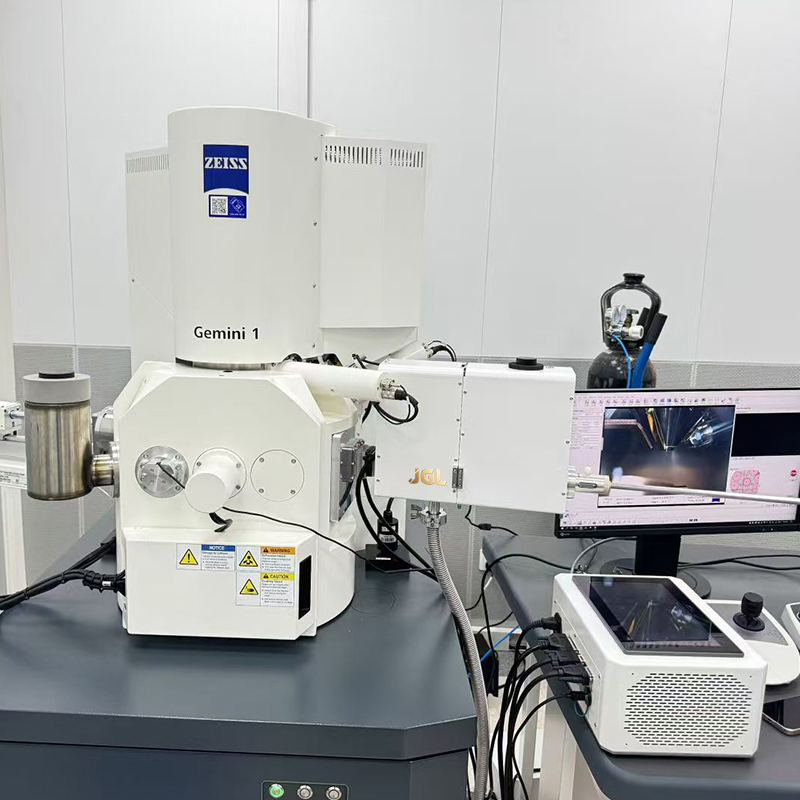
The LNS200 is not limited to a single downstream instrument. It is designed for connection to the CVC100 vacuum cryogenic sample transfer chamber, while custom ports can support integration with other brands of transfer systems. This flexibility is important for laboratories that already have established microscopy, analysis, or vacuum-transfer equipment.
Integration also provides a path for future expansion. A laboratory may begin with standalone slurry preparation and later add a transfer chamber or a specialized analysis station. The ability to customize ports helps the LNS200 fit into different equipment layouts and research workflows.
Applications Across Research and Development
Biological Sample Cryofixation
Biological samples often contain water and delicate internal structures that can be disrupted by slow preparation. Rapid cryofixation can help preserve a specimen’s condition for later microscopy or material analysis. The LNS200 is suitable for hydrated biological samples that require fast freezing and minimal handling.
Potential users include laboratories working with tissues, cells, microorganisms, plant materials, biological gels, and other water-rich specimens. The workbench can support the use of holders and clamps selected for the size and geometry of the sample. A controlled transfer connection may then allow the frozen specimen to move to a downstream cryogenic analysis environment.
The system does not replace the need for a validated biological preparation protocol. Sample dimensions, loading orientation, nitrogen supply, handling tools, and analysis requirements must all be considered. However, the LNS200 provides a specialized physical platform for developing and repeating those protocols.
Microscopy Preparation
Microscopy often depends on preserving the structure of a specimen during preparation. This is especially true when researchers need to examine interfaces, cellular features, porous structures, or hydrated phases. Rapid freezing can support the preservation of features that might otherwise move, collapse, dry, or separate.
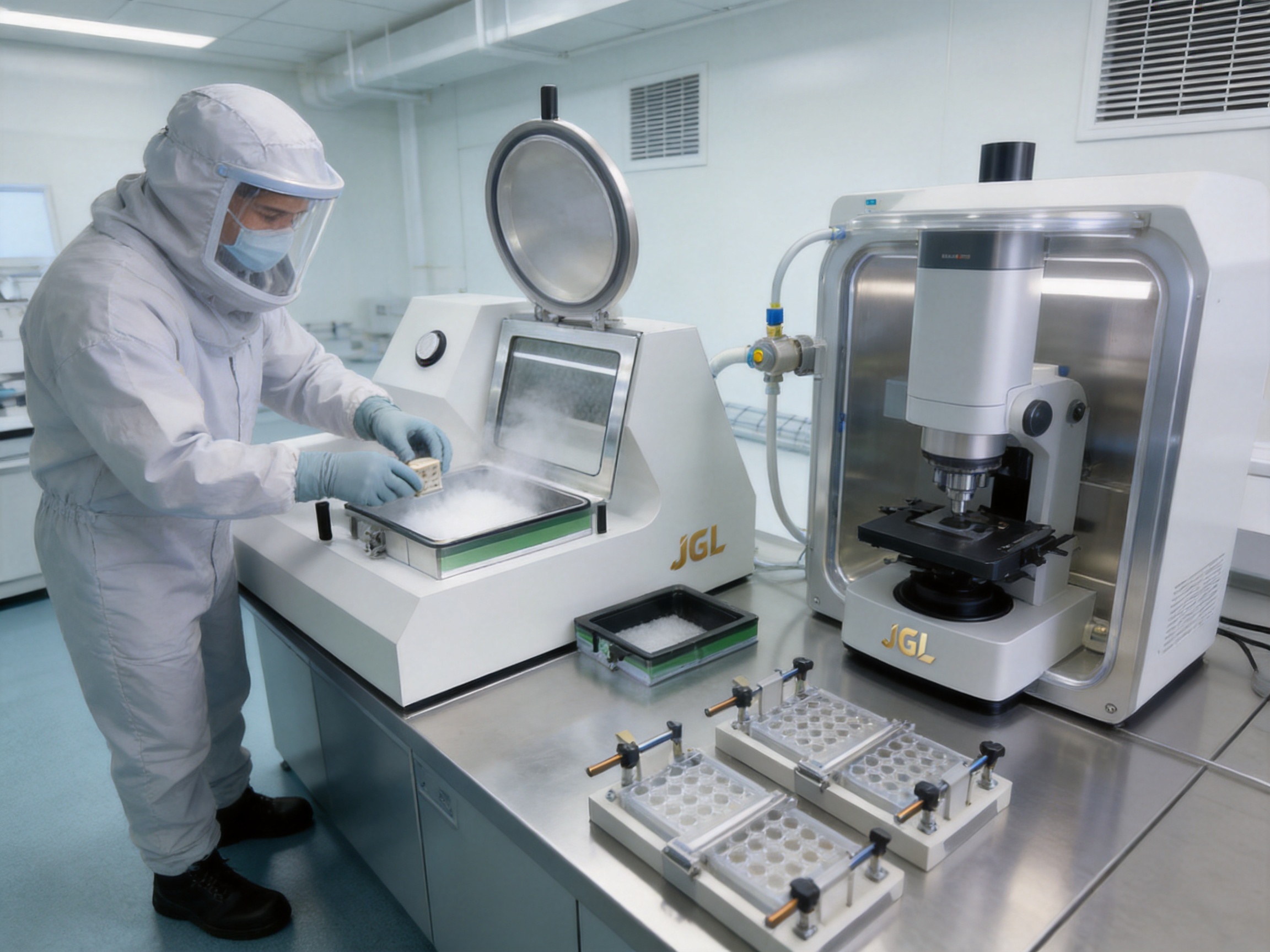
The observation window and internal mounting space can help operators position samples before they are transferred to a microscope or related instrument. When connected to a compatible vacuum cryogenic transfer system, the workflow can be organized around maintaining a low-temperature condition from freezing through analysis.
For microscopy laboratories, workflow repeatability is as important as cooling speed. A consistent chamber arrangement, defined holder position, and controlled transfer sequence can make it easier to compare images from different samples or experimental batches.
Soft Materials and Polymers
Soft materials and polymers may deform under mechanical force or change their internal morphology when exposed to heat. Hydrated polymers, gels, coatings, membranes, and composite materials can benefit from rapid cooling when the objective is to capture their structure at a particular stage.
The LNS200 provides a practical environment for freezing such materials with closer contact between the sample and cryogenic slurry. Holders and clamps can be selected to minimize deformation while maintaining the required position during processing.
Researchers can use the system in studies of phase distribution, porosity, interfaces, swelling behavior, and internal morphology. The best results will depend on selecting an appropriate sample thickness and preparation method, but the LNS200 provides the low-temperature handling capability needed for this category of work.
Electronic and Advanced Materials Research
Some electronic materials and assemblies must be examined in a state that includes moisture, solvents, gels, encapsulants, or temperature-sensitive components. Rapid cryogenic preparation may help stabilize these materials for cross-sectional analysis, failure investigation, or morphology studies.
The workbench can also support research involving composite structures and interfaces. A controlled freezing environment may help preserve the relationship between different phases before analysis. Custom fixtures and transfer connections can be considered when the sample is unusually shaped or must move directly to a specialized instrument.
Continuous Low-Temperature Sample Handling
In a more advanced laboratory arrangement, the LNS200 can operate as the preparation stage in a continuous cryogenic handling line. Samples can be loaded into the chamber, rapidly frozen in slurry, and then transferred through a controlled valve to a vacuum cryogenic transfer system.
This approach is useful when samples must remain cold from preparation to analysis. It may also reduce the need for repeated manual movement between containers. The precise line configuration depends on the laboratory’s equipment, but the LNS200’s transfer capability provides a foundation for process integration.
Operating Workflow
1. Preparing the Work Area
Before operation, the laboratory should verify that the LNS200 is installed on a suitable work surface and that the surrounding area allows safe access to the rotating top cover, sample holders, control components, and transfer connection. The nitrogen supply and any connected vacuum cryogenic equipment should be checked according to the applicable operating instructions.
All tools, holders, clamps, and samples should be prepared before the cryogenic cycle begins. Organizing the work area in advance reduces the time that the chamber must remain open and helps prevent unnecessary sample warming.
2. Installing the Sample Holder
The sample holder should be selected according to sample size, shape, and analysis requirements. It should be positioned so that the sample remains stable during freezing and transfer. Clamps may be used when additional support is needed, but excessive force should be avoided when working with fragile specimens.
Because the chamber provides space for holders and clamps, laboratories can develop fixtures suited to their own research materials. A repeatable holder position can also improve consistency between experiments.
3. Preparing the Slurry
The LNS200 is designed to prepare liquid nitrogen slurry in approximately five minutes. During this stage, the system generates the liquid-solid nitrogen mixture at approximately -210°C. Operators should follow the established operating sequence and allow the system to reach the intended condition before loading samples.
The preparation time may vary depending on the operating environment and supply conditions. Laboratories should document the actual cycle time achieved under their own procedures and confirm that the slurry condition is appropriate for the sample type being processed.
4. Loading and Freezing the Sample
Once the slurry is ready, the operator can access the chamber through the rotating cover. The observation window helps confirm sample position and holder alignment. The specimen should be placed according to the laboratory’s validated freezing protocol, with attention to orientation and contact with the cryogenic medium.
Fast, controlled placement is important because the sample may begin to warm as soon as it leaves its previous low-temperature environment. The workbench is designed to reduce unnecessary movement and provide a defined working area for this operation.
5. Closing and Monitoring
After loading, the cover can be closed while the operator observes the interior through the window. Monitoring allows the operator to confirm that the sample remains correctly positioned and that the freezing process proceeds without avoidable disturbance.
Laboratories may establish monitoring records for sample identification, loading time, slurry preparation time, holder type, and transfer time. Such records can support reproducibility and help identify the cause of variation between experiments.
6. Transfer to Analysis Equipment
When the sample is ready for downstream processing, the electrically controlled valve can be used to connect the LNS200 with a CVC100 vacuum cryogenic sample transfer chamber or another compatible system. The transfer arrangement is intended to maintain cryogenic conditions while moving the specimen from preparation to analysis.
Custom ports may be considered when the laboratory uses equipment from another manufacturer. The connection design should be confirmed during system planning so that mechanical, vacuum, electrical, and operational requirements are properly matched.
Manufacturing and Engineering Strengths
Technology-Driven Product Development
The manufacturer behind the LNS200 was established in 2010 as a technology-driven enterprise specializing in laboratory equipment and safety testing instruments. Its product development approach combines engineering research, precision design, and international supply experience.
The company’s background includes an earlier research and development studio focused on electronic testing. This technical origin is significant because it demonstrates an engineering-oriented foundation rather than a business model based only on product distribution. The organization later developed its own production line and expanded into high-end laboratory equipment with independent intellectual property rights.
For a specialized cryogenic workbench, this combination of research capability and manufacturing experience is valuable. The product requires more than a cold chamber. It depends on coordinated design of the chamber, cover, observation window, sample mounting area, slurry preparation function, valve control, and equipment interface.
Dedicated R&D Capability
A dedicated R&D team supports the refinement of precision laboratory products. This type of capability enables the manufacturer to respond to different application requirements, including custom ports, special sample holders, and integration with other vacuum cryogenic transfer systems.
Customization is particularly important in laboratory equipment because sample types and downstream instruments vary significantly. A standard platform can provide the core cryogenic function, while engineering adjustments can help align the equipment with a particular laboratory layout or experimental protocol.
The company emphasizes precise design and technical specifications in its product development process. This focus is appropriate for cryogenic equipment, where small differences in sealing, alignment, valve control, chamber access, and sample positioning may affect operating consistency.
Technology and Trade Integration
Since adopting a technology-plus-trade development strategy, the company has combined R&D investment with international market development. This structure can benefit overseas customers because product communication, customization, technical coordination, and supply support are considered together rather than treated as completely separate activities.
International laboratory projects often involve detailed discussions about installation conditions, power requirements, vacuum connections, sample dimensions, transfer interfaces, packaging, and operator training. A supplier with both engineering and international trade experience is better positioned to coordinate these stages.
Quality Management Development
The company further improved its quality management system in 2022 and continued to refine its product lines. Its development history indicates an ongoing effort to strengthen production control, technical documentation, and product consistency.
For the LNS200, manufacturing quality should be considered across several areas. The chamber must be assembled accurately, the cover must operate smoothly, the observation window must be correctly installed, the valve must respond reliably to electrical control, and the connection ports must be manufactured to the agreed specifications.
Quality management is not limited to final inspection. It includes design review, component selection, assembly control, functional testing, interface verification, packaging protection, and customer feedback. These stages help ensure that the delivered equipment corresponds to the intended application.
Continuous Product Improvement
The company’s stated development direction includes technological upgrading, intelligence, and digitalization. For laboratory equipment, continuous improvement may involve better control interfaces, clearer operating procedures, more convenient transfer functions, improved documentation, and increased compatibility with connected systems.
The LNS200 already incorporates electrically controlled sample transfer and a chamber design intended for integrated handling. These features provide a foundation for future workflow optimization and more connected laboratory environments.
Technical and Operational Comparison
The following comparison summarizes how the LNS200 differs from several common approaches to cryogenic sample preparation. It is intended as a practical framework for equipment selection. Actual performance depends on sample characteristics, operating procedures, nitrogen supply, and the configuration of connected equipment.
| Evaluation Area | Conventional Liquid Nitrogen Container | Basic Cryogenic Chamber | LNS200 Workbench |
|---|---|---|---|
| Cryogenic medium | Primarily liquid nitrogen | Usually a controlled cold environment | Liquid-solid nitrogen slurry at approximately -210°C |
| Slurry preparation | Not generally integrated | May not be available | Designed for preparation in approximately five minutes |
| Sample visibility | Often limited | Depends on chamber design | Observation window in rotating top cover |
| Holder and clamp space | Limited or improvised | Varies by model | Dedicated internal space for holders and clamps |
| Transfer integration | Usually manual | May require separate equipment | Electrically controlled valve and standard connection capability |
| Compatibility | Primarily standalone | Depends on interface design | Compatible with CVC100 and customizable for other systems |
| Workflow objective | Simple immersion cooling | Enclosed low-temperature handling | Rapid slurry preparation, cryofixation, and controlled transfer |
This comparison illustrates the LNS200’s primary competitive advantages. It is not limited to supplying a low-temperature bath. It is designed as an integrated preparation and handling platform with a specialized slurry medium, visible chamber access, sample fixture space, and transfer connectivity.
Benefits for Laboratory Productivity
Shorter Preparation Cycles
A slurry preparation time of approximately five minutes can help laboratories reduce waiting between experiments. Shorter preparation cycles are useful in research environments where sample conditions change quickly or where multiple specimens must be processed during a working session.
Faster preparation may also improve scheduling. Researchers can plan sample loading and transfer around a defined equipment cycle rather than depending on an improvised cooling procedure. This predictability supports better use of microscopy and analysis instruments.
More Repeatable Procedures
A dedicated workbench encourages laboratories to standardize their cryogenic methods. The same chamber, cover, holder location, slurry preparation sequence, and transfer connection can be used repeatedly. Standardization helps reduce differences caused by operator technique.
Repeatability is particularly important when samples are compared across time. If the freezing and transfer process changes from one experiment to another, it can become difficult to determine whether an observed difference comes from the specimen or from preparation conditions.
Lower Risk of Unnecessary Warming
The integrated arrangement reduces the distance between preparation and transfer. The electrically controlled valve provides a defined route to downstream vacuum cryogenic equipment. By limiting open-air movement and repeated manual transfers, the system can help laboratories reduce avoidable warming events.
Maintaining low temperature is not only a matter of final temperature. The time-temperature history of a sample can influence its condition. A controlled transfer workflow helps preserve the value of rapid freezing by supporting low-temperature continuity after preparation.
Better Operator Control
The observation window, accessible cover, internal fixture space, and controlled valve give operators more control over the process. These features make it easier to see the sample, position it correctly, and manage transfer steps in a defined sequence.
Improved control can also support safer laboratory practice. Cryogenic handling always requires appropriate training, protective equipment, ventilation, and operating procedures. Equipment that reduces unnecessary manual contact contributes to a more organized working environment.
Installation and Configuration Considerations
Before purchasing or installing the LNS200, laboratories should evaluate the entire workflow rather than considering the workbench as an isolated device. The intended sample types, dimensions, holder requirements, nitrogen supply, vacuum equipment, electrical connection, and downstream analysis instruments should all be reviewed.
When connection to a CVC100 transfer chamber is planned, the standard port arrangement should be confirmed during the project design stage. When another manufacturer’s transfer equipment will be used, the customer should provide interface details early so that custom ports can be engineered correctly.
Sample holders and clamps should be selected according to specimen geometry and material sensitivity. A holder for a rigid polymer component may differ substantially from one used for a soft biological sample. The system’s internal space provides flexibility, but the final fixture design should be evaluated for stability, accessibility, and compatibility with the transfer path.
The laboratory should also define an operating area that supports safe nitrogen use. Cryogenic nitrogen can displace oxygen in enclosed spaces, and appropriate ventilation and oxygen monitoring practices should be followed where required. Operators should use suitable eye, face, hand, and body protection according to institutional safety procedures.
Routine inspection should include the chamber, cover, observation window, seals, valve, connection ports, sample holders, and control components. Any sign of damage, contamination, abnormal operation, or connection leakage should be evaluated before further use.
Recommended Validation Approach
Each laboratory should validate the LNS200 according to its own application. A practical validation program may begin with non-critical test specimens that represent the approximate size, water content, geometry, and thermal behavior of the intended samples.
Operators can record slurry preparation time, sample loading time, freezing time, transfer time, and any visible changes in sample condition. Microscopy or material analysis results can then be compared with results from the laboratory’s previous method.
Validation should consider both technical and practical outcomes. Technical outcomes may include structural preservation, uniformity of freezing, and quality of downstream images. Practical outcomes may include operator time, ease of loading, transfer reliability, cleaning requirements, and compatibility with existing equipment.
For repeatability studies, the same sample type can be processed in multiple cycles using the same holder and operating sequence. Records should identify variables such as sample dimensions, nitrogen condition, ambient conditions, operator, and downstream transfer equipment. This information can help the laboratory establish a documented standard operating procedure.
Maintenance and Process Discipline
Reliable cryogenic performance depends on both equipment design and operating discipline. The chamber should be kept clean and free from residues that could affect sample integrity or interfere with moving components. Holders and clamps should be inspected after use, particularly when samples contain polymers, gels, biological materials, or other substances that may leave deposits.
The rotating cover and observation window should be handled carefully. Operators should confirm that the cover is properly positioned before beginning the relevant stage of operation. The window should remain clear enough to provide useful visibility into the chamber.
The electrically controlled valve and connected transfer port should be included in routine checks. The laboratory should verify that the valve responds as expected and that the transfer connection matches the approved configuration. If a custom port is installed, its interface should be documented clearly so that future maintenance and equipment changes can be managed correctly.
Maintenance records should include inspection dates, observed conditions, corrective actions, and any replacement components. Such records help identify repeated issues and support long-term equipment reliability.
Why Choose a Specialized Manufacturer
A specialized manufacturer can provide advantages that are difficult to obtain from a general equipment reseller. The LNS200 combines several functions that must work together: rapid slurry preparation, vacuum chamber operation, visual access, sample fixture installation, and controlled transfer integration.
The manufacturer’s experience in laboratory equipment and electronic testing supports a product development culture based on technical specifications, precision, and application requirements. Its R&D background provides a foundation for adapting the system to different sample-handling environments.
The company’s international trade experience is also relevant for customers outside China. Laboratory equipment projects frequently require communication across time zones, detailed specification confirmation, export documentation, packaging coordination, and technical follow-up. Combining engineering and trade capabilities can help simplify these processes for international buyers.
Customization is another important strength. Laboratories do not all use the same transfer chambers, sample fixtures, or analysis instruments. The availability of custom ports allows the LNS200 to be considered for more complex equipment arrangements instead of restricting customers to one fixed connection standard.
The company’s long-term emphasis on precision craftsmanship and continuous innovation aligns with the needs of cryogenic laboratory equipment. A workbench used for sensitive sample preparation must be treated as a process tool, not merely as a container or cooling accessory.
Frequently Asked Questions
What is the main purpose of the LNS200?
The LNS200 is designed to rapidly prepare liquid nitrogen slurry for freezing and fixation of hydrated samples. It combines slurry preparation with a vacuum chamber and sample-handling functions in an integrated laboratory workbench.
How quickly can the system prepare liquid nitrogen slurry?
The LNS200 is designed to prepare high-quality liquid nitrogen slurry in approximately five minutes. Actual preparation time may depend on operating conditions, nitrogen supply, system configuration, and laboratory procedures.
What is the temperature of the slurry?
The liquid-solid nitrogen mixture is generated at approximately -210°C. Operators should follow the applicable safety procedures for cryogenic materials and confirm the operating conditions required for their specific application.
Why use slurry instead of conventional liquid nitrogen immersion?
A liquid-solid slurry can provide enhanced thermal contact around the sample. The mixture may support faster and more uniform freezing of water-containing specimens compared with conventional liquid nitrogen immersion, particularly when the sample has an irregular or complex surface.
What types of samples can be processed?
The system is suitable for biological samples, soft materials, polymers, hydrated specimens, and selected electronic or advanced materials that require rapid cryogenic preparation. The laboratory should validate the process for each sample type and dimension.
Does the chamber allow sample holders and clamps?
Yes. The vacuum chamber provides space for installing sample holders and clamps. These fixtures can help stabilize samples during loading, freezing, unloading, and transfer.
Can the operator see the sample during operation?
Yes. The rotating top cover includes an observation window that provides visibility into the chamber. This helps operators check sample positioning and observe the handling process.
Can the LNS200 connect to a vacuum cryogenic transfer system?
Yes. The system can connect to a CVC100 vacuum cryogenic sample transfer chamber through a standard port. Custom ports are also available for integration with other brands of vacuum cryogenic transfer equipment.
What is the function of the electrically controlled valve?
The electrically controlled valve supports safe, efficient, and controlled transfer of samples between the preparation chamber and a connected cryogenic transfer system. It helps maintain cryogenic conditions during the movement of the specimen.
Is the LNS200 suitable for microscopy applications?
Yes. One of its principal applications is rapid cryofixation of hydrated samples for microscopy and material analysis. The system can help preserve sample structure before the specimen is transferred to a downstream instrument.
Can the workbench be customized?
Custom connection ports are available for integration with other vacuum cryogenic transfer systems. Sample holders, clamps, and other workflow details should be discussed during configuration so that the equipment matches the laboratory’s requirements.
Does the system eliminate the need for laboratory safety procedures?
No. Cryogenic nitrogen requires appropriate ventilation, protective equipment, operator training, and institutional safety procedures. The LNS200 is designed to support controlled handling, but every laboratory remains responsible for safe installation and operation.
How should a laboratory evaluate the system before routine use?
The laboratory should conduct application-specific validation using representative samples. Preparation time, sample positioning, freezing behavior, transfer time, and downstream analysis results should be documented and compared with the previous method.
What type of organization manufactures the LNS200?
The product is manufactured by Jiangsu Baisheng Industrial Co., Ltd., a China-based technology-driven company established in 2010. Its activities include the research, development, and supply of laboratory equipment and safety testing instruments.
Conclusion
The LNS200 Liquid Nitrogen Laboratory Workbench provides a specialized solution for laboratories that need rapid and controlled cryogenic preparation of hydrated samples. Its ability to prepare liquid nitrogen slurry in approximately five minutes, at approximately -210°C, gives it a clear functional distinction from basic liquid nitrogen containers and less integrated cryogenic chambers.
The system’s advantages extend beyond its cryogenic medium. The rotating top cover and observation window improve visibility, the chamber provides space for holders and clamps, and the electrically controlled valve supports connection to a vacuum cryogenic transfer system. Together, these features create a more organized workflow for loading, freezing, unloading, and transferring sensitive samples.
For biological research, microscopy, polymer studies, soft materials, electronic materials, and continuous low-temperature handling, the LNS200 can serve as a flexible preparation platform. Its compatibility with the CVC100 and its customizable connection options also make it suitable for laboratories with different equipment configurations.
The manufacturer’s R&D background, precision-oriented product development, manufacturing experience, international trade capability, and commitment to continuous improvement strengthen the value of the system as a laboratory investment. By combining technical design with application flexibility, the LNS200 is positioned as a practical tool for improving cryofixation efficiency, sample preservation, and workflow consistency.
References
1. Manufacturer-provided LNS200 product description and technical information.
2. Manufacturer-provided company history and product development information.
3. General principles of cryogenic sample preparation and rapid cryofixation.
4. General laboratory guidance for handling liquid nitrogen and other cryogenic materials.
5. General practices for vacuum cryogenic sample transfer and low-temperature microscopy preparation.
Product: LNS200 Liquid Nitrogen Laboratory Workbench with Integrated Cryogenic Handling
PREV:Rapid Temperature and Humidity Cycling Chambers for Precision Environmental Testing
NEXT:No next article
NEXT:No next article
Interested in cooperation or have questions?
Featured Products
Related products
Quick Link
Contact Information
- Tel: +86-13861043568
- E-mail: 1840784112@qq.com
- Add: Tianting District, Changzhou City, Jiangsu Province, China, No. 6 Hecircuit
Scan Code
Copyright © JIANGSU BAISHENG INDUSTRIAL CO., LTD.
All Rights Reserved. Privacy Custom Precision Laboratory Testing Equipment Manufacturers
