 English
 Español

NEWS
NEWS
NEWS
NEWS
NEWS
NEWS
NEWS
NEWS
NEWS
NEWS
NEWS
NEWS
NEWS
NEWS
NEWS
NEWS

Peng Shulan — Regional Sales Consultant
Home / Author / Peng Shulan — Regional Sales Consultant / UT-100-A High and Low Temperature Environmental Test Chamber: Precision, Reliability, and Flexible Laboratory Performance
UT-100-A High and Low Temperature Environmental Test Chamber: Precision, Reliability, and Flexible Laboratory Performance
Content
- 1 Why Environmental Test Chambers Are Essential
- 2 Product Overview
- 3 Broad Temperature Simulation Capability
- 4 Dynamic PID Control for Stable Conditions
- 5 Energy Efficiency and Sustainable Operation
- 6 Durable Construction for Laboratory Use
- 7 Airflow Design and Temperature Uniformity
- 8 Applications Across Multiple Industries
- 9 Advantages Compared with Basic Temperature Cabinets
- 10 Manufacturing and Engineering Strengths
- 11 Recommended Test Planning
- 12 Maintenance and Long-Term Reliability
- 13 Installation Considerations
- 14 How to Select the Appropriate Configuration
- 15 Quality, Reliability, and Total Cost of Ownership
- 16 Practical Benefits for Different Users
- 17 Questions and Answers
- 17.1 What is the main purpose of the UT-100-A environmental test chamber?
- 17.2 What is the capacity of the chamber?
- 17.3 What temperature ranges are available?
- 17.4 Does the chamber control humidity?
- 17.5 What type of control system does the chamber use?
- 17.6 Why is the circulation fan important?
- 17.7 What materials are used inside the chamber?
- 17.8 How does the condensate tray protect the equipment?
- 17.9 What products can be tested in the chamber?
- 17.10 Is the chamber suitable for production lines?
- 17.11 Can the chamber be customized?
- 17.12 What should be confirmed before ordering?
- 17.13 How should samples be loaded?
- 17.14 How often should the chamber be calibrated?
- 17.15 Where is the company located?
- 18 Conclusion
- 19 References
- 20 Product: UT-100-A High and Low Temperature Environmental Test Chamber
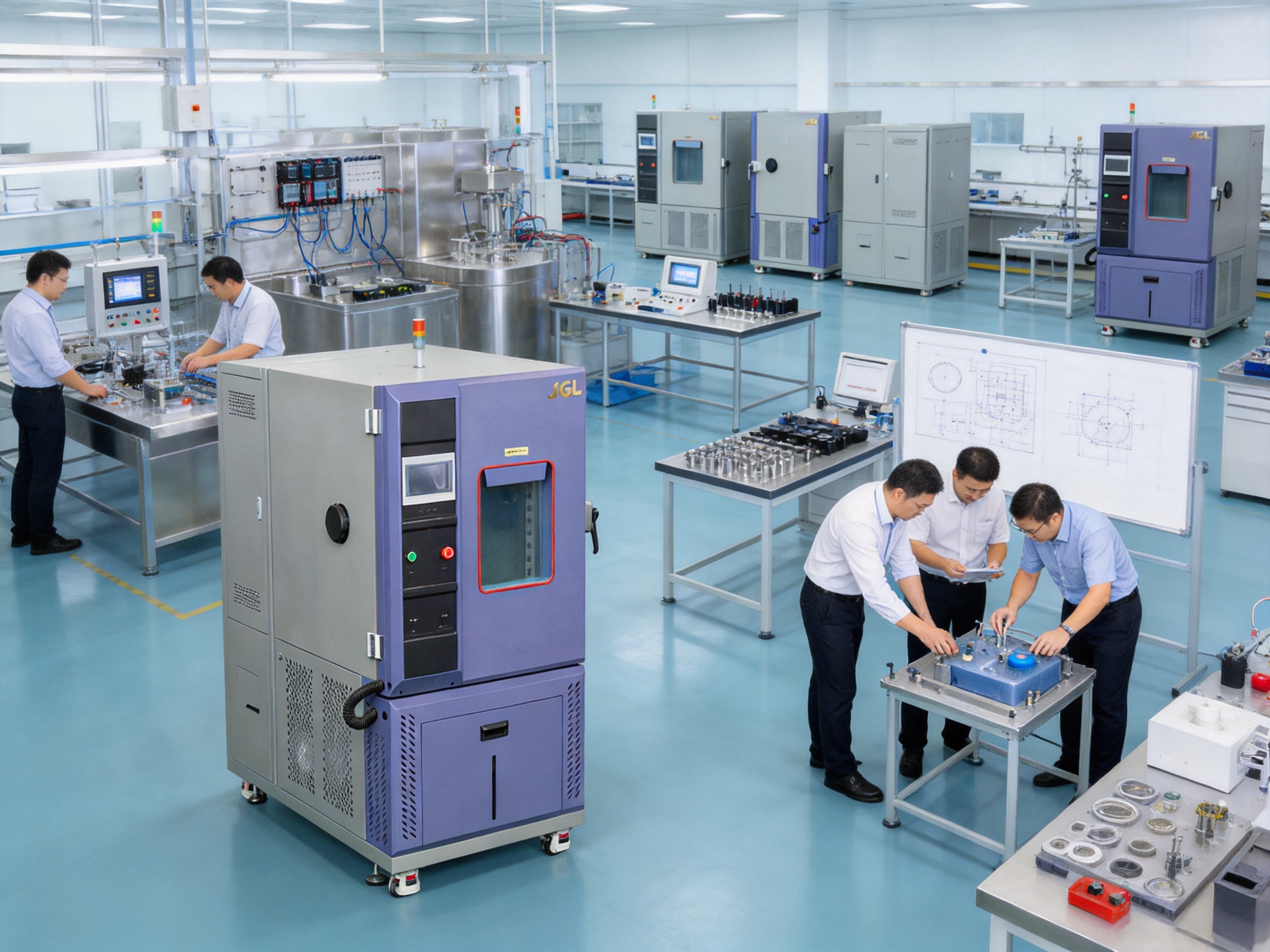
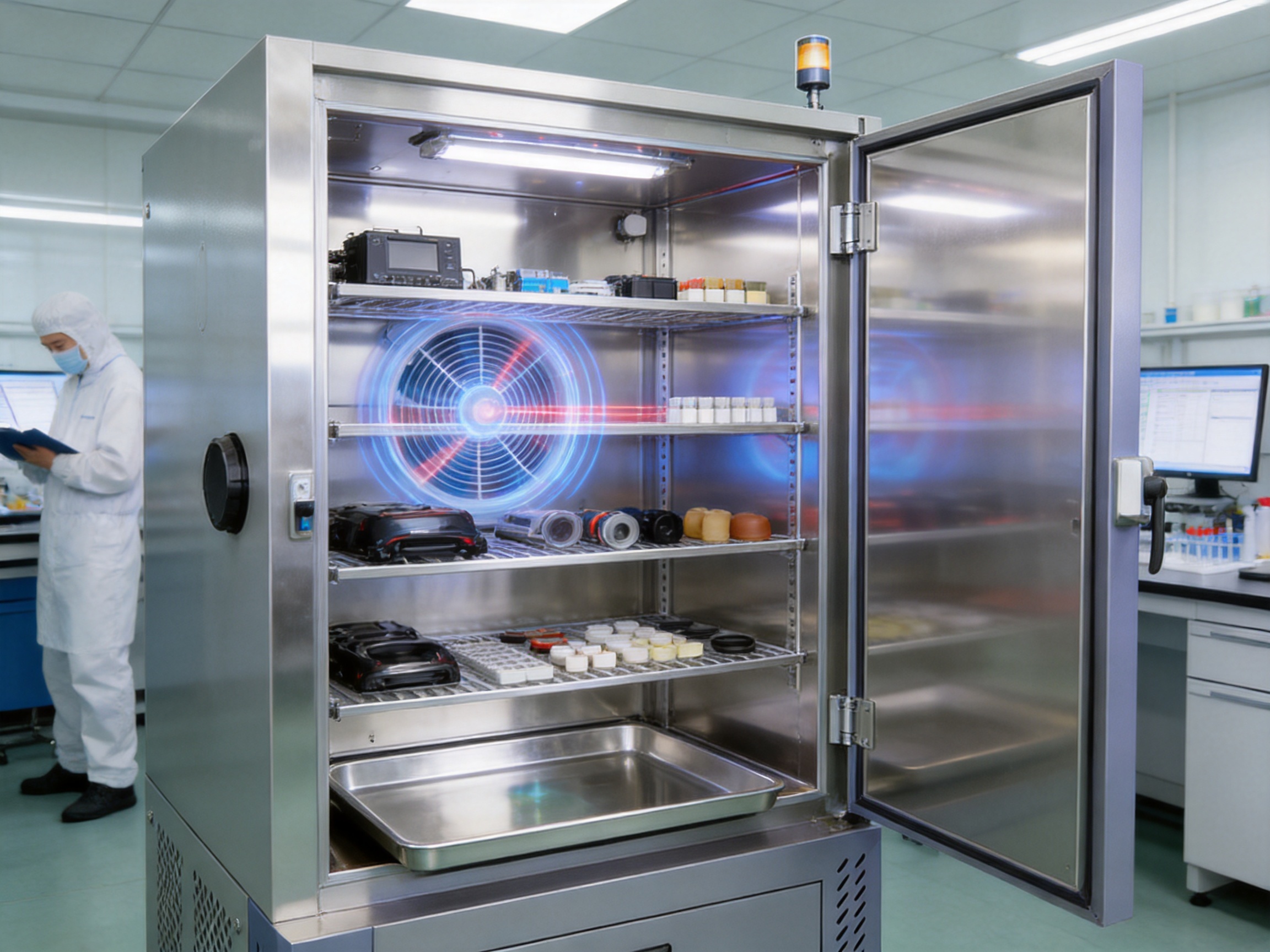
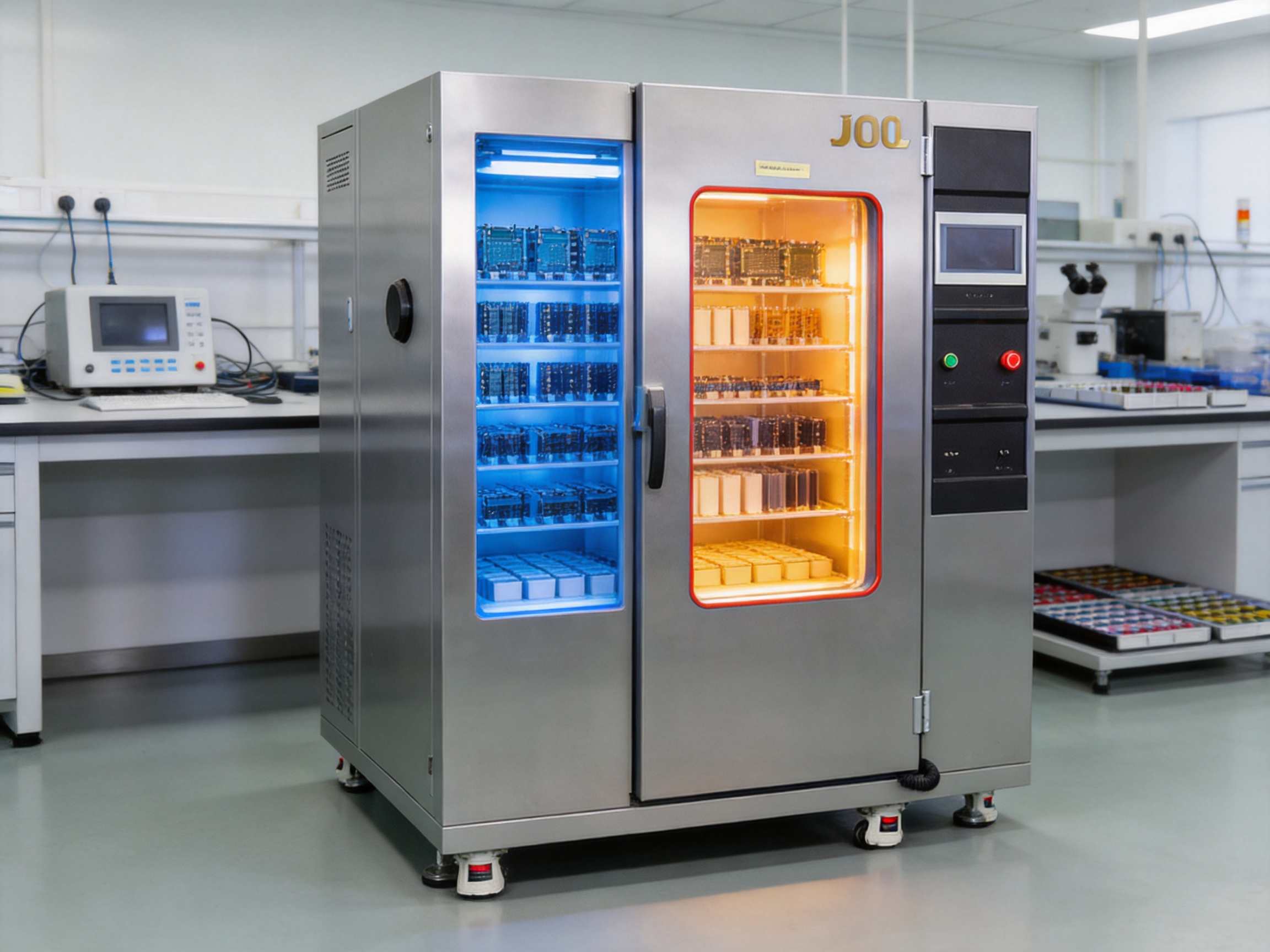
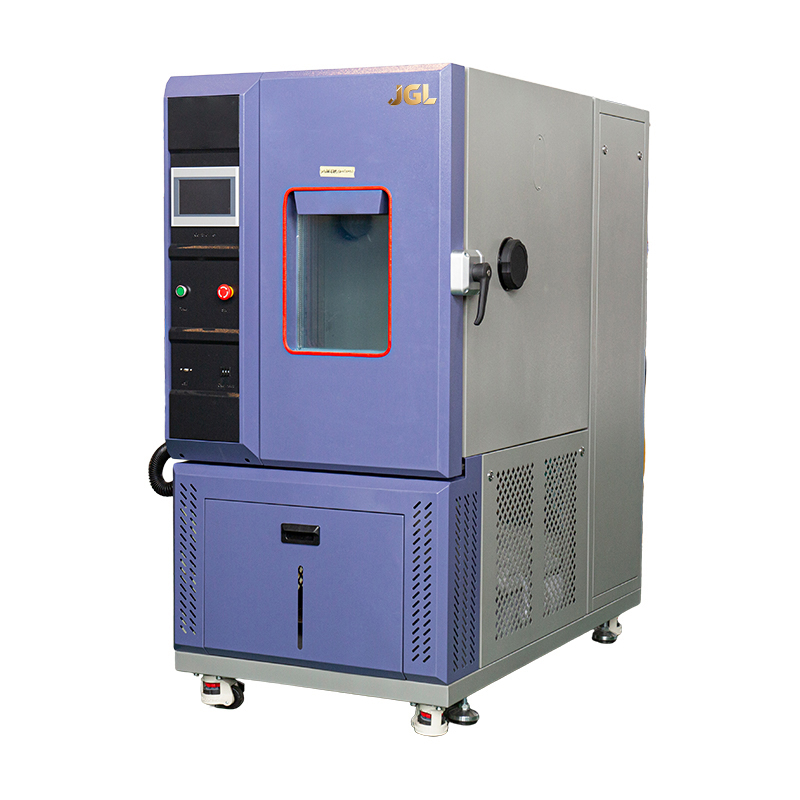
UT-100-A High and Low Temperature Environmental Test Chamber
Modern products must perform reliably under changing environmental conditions. Electronic assemblies may be exposed to winter transportation, summer heat, rapid temperature transitions, or prolonged operation in enclosed spaces. Automotive components can experience temperature stress during manufacturing, storage, and service. Plastics, rubber, metals, chemicals, and composite materials may change dimensions, strength, elasticity, or chemical stability when subjected to extreme temperatures. For manufacturers and research organizations, environmental testing is therefore an essential part of product development, quality assurance, failure analysis, and reliability verification.
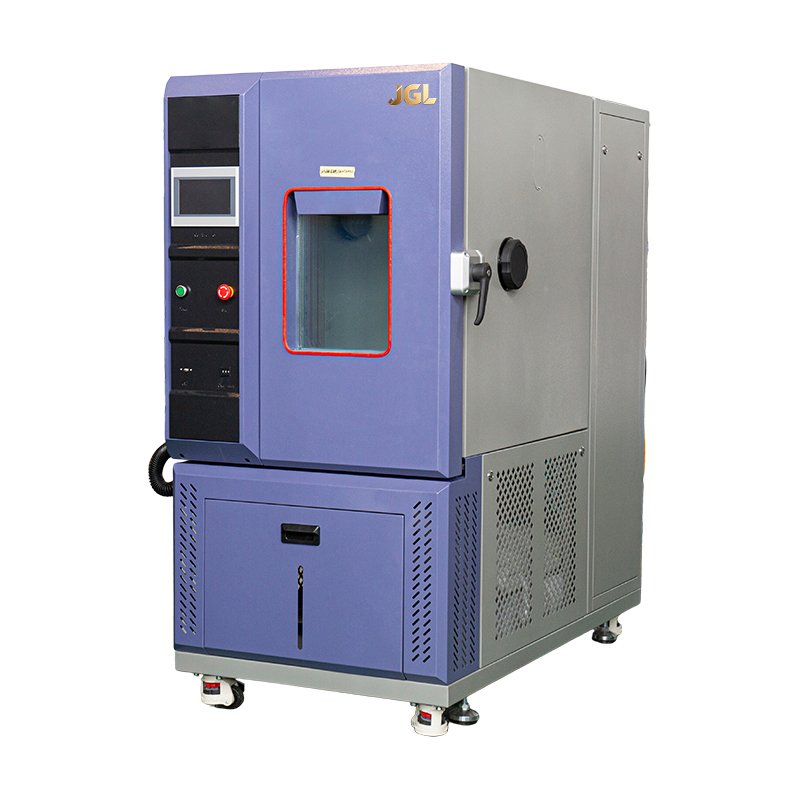
The UT-100-A high and low temperature environmental test chamber is designed to provide a controlled and repeatable environment for these demanding tests. With a nominal capacity of 100 liters, a compact laboratory-oriented structure, a temperature range extending from low sub-zero conditions to elevated temperatures, and a precision control system, the chamber supports a broad range of testing programs. It is suitable for laboratories, research and development departments, inspection centers, production quality-control areas, and technical service organizations.
More than a temperature-controlled cabinet, the UT-100-A is an integrated testing platform. Its design combines balanced temperature and humidity regulation, dynamic PID control, reliable refrigeration, high-temperature-resistant air circulation, corrosion-resistant internal materials, and carefully selected electrical components. These features help users obtain stable test conditions while reducing operational uncertainty and improving the repeatability of test results.
The chamber is manufactured and supplied by JIANGSU BAISHENG INDUSTRIAL CO., LTD., a technology-driven enterprise established in 2010 and focused on laboratory equipment, safety testing instruments, research, development, and international supply. The company’s engineering background, product customization capability, and combination of technical design with export experience provide a strong foundation for customers requiring dependable laboratory testing equipment made in China.
Why Environmental Test Chambers Are Essential
Environmental conditions can influence nearly every stage of a product’s life cycle. A device that functions correctly at room temperature may fail after exposure to cold. A plastic enclosure may become brittle at low temperature or deform in a hot environment. A rubber seal may lose elasticity after thermal aging. A circuit board may develop intermittent electrical faults after repeated expansion and contraction. A coating may crack, peel, or discolor after thermal cycling. Such failures are difficult to predict through visual inspection alone.
Environmental test chambers allow engineers to reproduce controlled temperature conditions before products reach the market. By placing components or finished products inside a chamber, users can evaluate performance under defined environmental stress. The tests may be used for design verification, incoming material inspection, production quality control, accelerated aging, comparative material analysis, and reliability assessment.
Repeatability is especially important. If the test environment changes unpredictably, it becomes difficult to determine whether a failure was caused by the product or by the test equipment. A well-engineered chamber therefore needs accurate sensors, responsive control, suitable airflow, effective insulation, dependable heating and refrigeration, and a structure that can withstand repeated operation. The UT-100-A is designed around these requirements.
Its 100-liter working capacity is appropriate for many laboratory-scale samples and component-level tests. The chamber can accommodate electronic components, automotive parts, material specimens, plastic products, rubber samples, chemical products, and other items that require controlled exposure to temperature conditions. The internal space is large enough for practical test loading while remaining compact enough for laboratories where floor space is limited.
Product Overview
The UT-100-A high and low temperature environmental test chamber is a laboratory testing unit for simulating temperature conditions across a broad operating range. Depending on the selected configuration, the listed temperature range is either -40°C to +150°C or -70°C to +180°C. This configuration flexibility allows users to select an appropriate performance level according to their test requirements, sample types, and target standards.
The chamber has a nominal capacity of 100 liters. The listed studio dimensions are 500 × 400 × 500 millimeters, while the overall dimensions are approximately 780 × 1,400 × 1,660 millimeters. The listed machine weight is 280 kilograms for one configuration and 311 kilograms for the other. These differences correspond to the available temperature-range configurations and should be confirmed with the supplier before ordering.
| Item | Specification |
| Product model | UT-100-A |
| Product type | High and low temperature environmental test chamber |
| Nominal capacity | 100 liters |
| Temperature range, configuration 1 | -40°C to +150°C |
| Temperature range, configuration 2 | -70°C to +180°C |
| Studio dimensions | 500 × 400 × 500 mm |
| Overall dimensions | 780 × 1,400 × 1,660 mm |
| Listed machine weight, configuration 1 | 280 kg |
| Listed machine weight, configuration 2 | 311 kg |
| Internal lining | Film-coated mirror stainless steel |
| Control approach | Dynamic PID control with steam partial pressure regulation |
| Air circulation | Panasonic circulation fan with high-temperature-resistant bearings |
| Maximum bearing temperature stated for circulation fan | Up to 200°C |
Because environmental chambers may be configured for different operating ranges and electrical requirements, customers should confirm the final model configuration, power supply, humidity functions, control interface, safety features, and optional accessories during the technical quotation process. The specifications above describe the supplied product information and should be used as a starting point for application evaluation.
Broad Temperature Simulation Capability
The most visible advantage of the UT-100-A is its wide temperature capability. The -40°C to +150°C configuration supports many common reliability and qualification tests. It can be used to investigate cold-start behavior, low-temperature storage, thermal endurance, heat exposure, and temperature-related performance changes. For applications that require more severe cold or higher heat, the -70°C to +180°C configuration provides an extended operating envelope.
A wide temperature range gives laboratories more flexibility. Instead of purchasing separate equipment for moderate cold testing and elevated-temperature testing, users can perform multiple test categories in one chamber. This can reduce equipment duplication, simplify laboratory layout, and make it easier to create consistent testing procedures across different product lines.
Temperature range alone, however, does not determine test quality. A chamber must also control and distribute temperature effectively. Samples positioned in different parts of the working area should be exposed to conditions that are as uniform as practical. The UT-100-A addresses this need through forced air circulation and a circulation fan designed for operation in demanding high-temperature conditions.
The Panasonic circulation fan uses high-temperature-resistant bearings rated up to 200°C according to the supplied product information. This design supports air movement at temperatures approaching the upper range of the chamber. Stable circulation helps reduce localized hot and cold zones, supports consistent exposure, and improves the comparability of test results between different sample positions.
Dynamic PID Control for Stable Conditions
The UT-100-A uses a dynamic proportional-integral-derivative control system. PID control is widely used in precision thermal equipment because it can respond to differences between the measured temperature and the target setpoint. The proportional component responds to the present error, the integral component helps reduce sustained deviation, and the derivative component helps anticipate the direction of change. When properly configured, the combined system supports controlled approach to the target temperature and helps limit unnecessary oscillation.
The product also uses steam partial pressure regulation as part of its temperature and humidity control approach. This is important for applications in which moisture conditions influence product behavior. Humidity can affect insulation, corrosion, swelling, surface characteristics, chemical reactions, and the performance of electronic materials. A balanced temperature and humidity regulation system helps users create more representative test environments than temperature control alone.
The supplied information does not specify a humidity range or humidity accuracy, so these parameters should be requested for the selected configuration. Nevertheless, the inclusion of steam partial pressure regulation indicates that the chamber has been designed with combined environmental simulation in mind. Customers can discuss humidity control requirements, sensor accuracy, permitted loading conditions, and test profiles with the manufacturer before final purchase.
Dynamic control is particularly valuable during temperature changes. When the setpoint changes, the chamber must coordinate heating, refrigeration, airflow, and, where applicable, moisture regulation. An appropriate control strategy helps the equipment reach the new condition without excessive overshoot or prolonged instability. This contributes to shorter transition periods, more reliable test execution, and better use of laboratory time.
Energy Efficiency and Sustainable Operation
Environmental test chambers can operate for many hours or even days during a single test program. Energy consumption therefore influences both operating cost and the environmental impact of the laboratory. The UT-100-A is described as having an environmentally friendly and energy-saving design intended to reduce operating costs while preserving test reliability.
Energy efficiency in this type of equipment depends on the relationship between insulation, refrigeration performance, heating control, airflow, sealing, control logic, and the duration of each test cycle. Efficient operation is not simply a matter of using less power at one moment. It also involves avoiding unnecessary cycling, maintaining the desired condition without excessive correction, and transferring heat effectively within the chamber.
The dynamic PID system can support efficient control by reducing excessive heating and cooling corrections. Good air circulation can help the chamber reach a stable condition more evenly. A properly designed condensate management system can protect key refrigeration components and reduce the risk of moisture-related damage. Together, these design elements help support dependable operation over repeated test cycles.
Actual energy use will vary according to the selected temperature range, ambient conditions, sample load, humidity operation, door-opening frequency, test duration, and installation environment. Customers comparing chambers should evaluate energy performance in relation to their actual test program rather than relying only on a general equipment category. The manufacturer can provide additional electrical and consumption information for project-specific evaluation.
Durable Construction for Laboratory Use
Laboratory equipment must withstand repeated use, cleaning, temperature changes, and contact with a wide range of test materials. The UT-100-A uses a film-coated mirror stainless-steel lining for the interior working area. This material choice provides a smooth, corrosion-resistant surface that is easier to clean than many unfinished materials.
A cleanable interior is valuable when different product types are tested in the same chamber. Residues from plastics, rubber, chemicals, coatings, or other materials can affect subsequent tests if they are not removed. The mirror stainless-steel lining helps users maintain a more controlled working environment and supports routine laboratory housekeeping.
The chamber door includes damping hinges that allow adjustable opening angles. This feature offers practical advantages during loading, unloading, inspection, and cleaning. A door that can be positioned securely can make sample handling more convenient and reduce the chance of sudden movement. The damping design also supports a more controlled closing action.
The refrigeration system includes a full-size stainless-steel condensate tray. Condensation can occur when warm, humid air enters a cold chamber or when moisture is generated during environmental testing. If water is not properly managed, it may come into contact with sensitive areas such as the compressor, outer casing, wiring, or surrounding floor. The condensate tray is designed to collect and manage moisture, helping protect the refrigeration system and the equipment installation area.
Durability is also influenced by the quality of electrical components. The UT-100-A uses core electrical components sourced from leading international brands, according to the product information. Reliable components can support long service life, stable control, and safer operation. They may also make maintenance and replacement more practical when service is required.
Airflow Design and Temperature Uniformity
Temperature uniformity is one of the most important characteristics of an environmental chamber. If the air inside the working space is not mixed effectively, samples can experience different conditions depending on their position. This may produce misleading results, especially when several components are tested at the same time.
The UT-100-A uses forced air circulation to distribute conditioned air throughout the chamber. The Panasonic circulation fan and high-temperature-resistant bearings support operation in high-temperature test environments. Air movement helps transfer heat between the chamber air, the internal surfaces, and the samples. It also assists the system in responding to changes in the setpoint.
Good airflow should be considered together with sample arrangement. Users should avoid blocking air inlets and outlets, placing samples directly against internal walls, or overloading the chamber beyond the recommended capacity. Adequate spacing permits air to circulate around each item and helps the chamber achieve more representative conditions.
For formal qualification or validation work, users should establish temperature mapping procedures appropriate to their standards and application. Mapping can identify variations at multiple points under empty and loaded conditions. The manufacturer’s stated design features provide a foundation for uniformity, but the final performance of any chamber should be verified according to the customer’s required test method and installation conditions.
Applications Across Multiple Industries
Electronics and Electrical Components
Electronic products often contain materials with different thermal expansion rates. Circuit boards, solder joints, semiconductor packages, connectors, batteries, displays, insulation materials, and enclosures may respond differently to temperature changes. Environmental testing can reveal intermittent faults, connection failures, insulation problems, display abnormalities, and mechanical stress that may not appear during room-temperature operation.
The UT-100-A can be used for cold and hot storage tests, operating tests, temperature cycling, endurance evaluation, and performance verification of electronic components. It may support development engineers who are comparing design revisions, quality departments checking production batches, and laboratories investigating field failures.
Automotive Components
Automotive products must often perform across wide temperature conditions. Sensors, lighting components, control modules, seals, connectors, plastic parts, rubber components, and interior materials can experience significant environmental stress during vehicle operation and storage. The chamber’s temperature range allows engineers to study component behavior at low temperatures, elevated temperatures, and during repeated transitions.
Automotive suppliers can use the chamber for design screening, material comparison, endurance testing, and failure analysis. Testing individual components in a controlled laboratory environment before vehicle-level validation can help identify weaknesses earlier in the development process.
Plastics, Rubber, and Composite Materials
Polymers may become harder or more brittle in cold conditions and softer or more deformable at high temperatures. Rubber compounds may lose elasticity, swell, shrink, or develop cracks. Composite materials may experience changes in bonding, dimensional stability, or surface appearance. Controlled temperature exposure allows researchers to compare materials and evaluate whether a product remains suitable for a specific service environment.
The smooth stainless-steel interior is particularly useful when testing materials that may generate residue or require cleaning between test programs. Engineers can observe changes in shape, strength, surface condition, flexibility, or other properties after exposure to defined temperatures.
Chemical Products
Chemical products can be sensitive to temperature because reaction rates, viscosity, crystallization, evaporation, phase stability, and storage life may change as temperature changes. A controlled chamber provides a repeatable environment for observing these effects. The chamber should be used only with materials compatible with its construction and safety requirements. Before testing chemical products, customers should review material compatibility, vapor hazards, flammability, corrosiveness, and any required safety adaptations with the manufacturer.
Research and Development
Research teams need flexible equipment that can support both exploratory work and repeatable experiments. The UT-100-A can be used to screen prototypes, compare formulations, investigate material behavior, and determine operating limits. Its combination of broad temperature capability, controlled airflow, and temperature and humidity regulation makes it suitable for a wide range of laboratory programs.
Quality Assurance and Production Testing
Manufacturers can use environmental chambers to verify that products meet internal specifications before shipment. A defined test procedure may include exposing samples to a specified temperature, holding them for a set duration, cycling between hot and cold conditions, and checking performance afterward. Repeated testing can help detect manufacturing variation and support process improvement.
Advantages Compared with Basic Temperature Cabinets
Basic temperature cabinets may provide simple heating or cooling, but they do not always offer the control depth required for advanced reliability testing. The UT-100-A has several design features that distinguish it from a basic cabinet.
First, the product offers configuration flexibility. Users can select a chamber operating from -40°C to +150°C or a more demanding version extending from -70°C to +180°C. This gives organizations a way to align equipment capability with their actual product risks rather than using a one-range solution for every application.
Second, the chamber combines temperature control with a humidity regulation approach based on steam partial pressure. This is advantageous when moisture is part of the test environment. Temperature-only cabinets may not provide the same level of environmental simulation for products affected by humidity.
Third, the dynamic PID control system is intended to improve stability and reduce unnecessary fluctuations. Stable control is important for accurate comparisons between samples and for tests that require long holding periods.
Fourth, the high-temperature-resistant circulation fan supports better air movement during elevated-temperature operation. Some competing designs may use fans or bearings with narrower thermal limits, potentially reducing airflow performance near the upper end of the operating range.
Fifth, the chamber incorporates a stainless-steel condensate tray and corrosion-resistant internal lining. These details support equipment protection, maintenance, and cleanliness. They may be particularly valuable for laboratories that conduct frequent testing or work with materials that require careful cleaning.
Finally, the product is backed by a manufacturer with an engineering and product-development background rather than relying solely on a trading model. The company’s technical team, custom design approach, and international trade experience allow it to address both equipment performance and project delivery requirements.
Manufacturing and Engineering Strengths
JIANGSU BAISHENG INDUSTRIAL CO., LTD. was founded in 2010 as a technology-driven enterprise specializing in laboratory equipment and safety testing instruments. Its development has been based on the integration of product research, engineering design, manufacturing capability, and international supply. This combination is important for customers that need more than a standard catalog product.
The company’s predecessor was a research and development studio specializing in electronic testing in 2013. The founding team consisted of engineers with technical backgrounds in laboratory equipment and safety compliance testing. This early focus on engineering created a foundation for understanding test conditions, measurement requirements, component reliability, and laboratory workflows.
In 2016, the company transformed from a technical studio into an enterprise and completed its first independently developed production line. It also launched laboratory equipment with independent intellectual property rights. This stage marked a transition from project-oriented technical development to organized product manufacturing.
In 2019, the company adopted a technology-plus-trade development strategy. It increased research and development investment, introduced high-end technical talent, and expanded overseas markets. This strategy helped combine domestic engineering and manufacturing resources with the communication, documentation, and delivery capabilities required by international customers.
By 2022, the company had further improved its quality management system, and its products passed rigorous technical specification certifications according to the supplied company information. Customers should request specific certificates and applicable standards for the selected product configuration when certification documentation is required for a project.
By 2025, the company continued to promote product innovation and technological upgrading. It also expanded product application scenarios in response to trends in intelligence and digitalization. These activities are relevant to the future development of environmental chambers, where data recording, programmable profiles, remote monitoring, traceability, and integration with laboratory information systems are increasingly important.
Engineering-Led Product Development
An engineering-led approach helps the manufacturer design equipment around real testing requirements. Rather than treating the chamber as a simple insulated box with a heating and cooling unit, the development process considers airflow, control response, condensate management, electrical reliability, cleaning, sample access, and long-term operation.
The UT-100-A reflects this approach through the combination of PID control, steam partial pressure regulation, a high-temperature-resistant circulation fan, a stainless-steel internal surface, damping hinges, and a condensate tray. Each feature addresses a specific operational need. Together, they form a more complete testing system.
Component Selection
Component selection is a major factor in equipment reliability. The use of core electrical components from leading international brands can help support consistent control and serviceability. The Panasonic circulation fan is another example of selecting a component according to operating conditions rather than treating airflow as an afterthought.
High-quality components do not eliminate the need for maintenance, but they can improve the equipment’s resistance to repeated operation. They also provide customers with greater confidence when the chamber is used in continuous production testing or long-duration research programs.
Customization Capability
Different laboratories may require different temperature ranges, test volumes, control functions, electrical standards, shelves, access ports, communication interfaces, safety systems, or data-recording options. The company’s stated focus on customized solutions allows it to discuss these requirements with customers.
Customization should be managed through a clear technical specification. The customer and manufacturer should confirm working volume, temperature range, humidity requirements, uniformity, stability, ramp rates, sample load, power supply, ambient conditions, safety functions, documentation, packaging, installation, and after-sales support. A well-defined specification reduces misunderstandings and makes acceptance testing more effective.
Recommended Test Planning
Before placing samples inside the chamber, users should define the purpose of the test. A storage test, operating test, accelerated aging test, temperature cycle, and humidity exposure test may require different procedures. The target temperature, transition method, dwell duration, sample operating state, measurement points, and acceptance criteria should be recorded.
Sample preparation is also important. Samples should be inspected before testing and labeled clearly. Electrical devices should be connected according to the test plan. Materials that may release vapors, liquids, corrosive substances, or flammable compounds should be evaluated for compatibility and safety before use.
The chamber should not be overloaded. Samples should be arranged with enough space for air movement, and vents should remain unobstructed. If several products are tested at the same time, their positions should be documented. This supports traceability and helps interpret results if variations are observed.
Door openings should be minimized during an active test. Opening the door allows ambient air to enter and can disturb temperature and humidity conditions. If samples must be inspected during testing, the procedure should define the inspection time and account for the possible environmental disturbance.
After the test, samples should be allowed to stabilize according to the test method before measurements are taken. Some materials continue to change after removal from the chamber. Recording the chamber profile, sample condition, test duration, and measurement results creates a useful record for quality assurance and future product development.
Maintenance and Long-Term Reliability
Regular maintenance helps preserve chamber performance. Users should keep the interior clean, inspect the door seal, check the condensate tray, and remove any residue that may affect future tests. The circulation path should remain free from obstructions. The external area around the chamber should be kept clear to support ventilation and access for service.
The refrigeration system should be maintained according to the manufacturer’s recommendations. Cooling performance may be affected by dust, blocked ventilation, improper ambient temperature, or insufficient service. Electrical connections, sensors, heating elements, and control components should be inspected by qualified personnel when required.
Calibration and verification should be planned according to the organization’s quality system and the importance of the test. Temperature sensors and measurement instruments may require periodic calibration. A chamber verification program can include checking temperature stability, uniformity, and control response under representative conditions.
The manufacturer’s service team or authorized technical personnel can provide guidance on maintenance intervals, replacement parts, troubleshooting, and performance verification. Customers purchasing equipment for regulated or highly controlled applications should discuss documentation and service support before installation.
Installation Considerations
The UT-100-A has an overall size of approximately 780 × 1,400 × 1,660 millimeters and a listed weight of 280 or 311 kilograms depending on configuration. The installation site must therefore be evaluated carefully. The floor should be capable of supporting the equipment, and sufficient space should be provided for transportation, door opening, operation, inspection, and service.
Ambient temperature and ventilation can affect refrigeration performance. The chamber should be installed in an environment suitable for laboratory equipment and connected to the appropriate power supply. Customers should confirm voltage, frequency, phase, current requirements, grounding, and protection devices before delivery.
The installation area should also allow condensate management and cleaning. If the chamber is used near other equipment, adequate separation should be maintained to avoid heat accumulation or restricted access. A level installation surface can help support stable operation and proper door alignment.
How to Select the Appropriate Configuration
The first selection factor is the lowest and highest temperature required by the test program. The -40°C to +150°C configuration may be appropriate for many general laboratory applications. The -70°C to +180°C configuration is more suitable when the product must be evaluated under deeper cold or higher heat.
The second factor is the sample size and quantity. The 100-liter capacity is intended for laboratory-scale testing, but users should consider the actual dimensions of samples, fixtures, electrical connections, and required airflow clearance. A chamber should not be selected solely by nominal volume.
The third factor is whether humidity control is required. If moisture exposure is part of the test method, customers should confirm the available humidity range, accuracy, control method, water requirements, and operating limitations. If the application involves only dry temperature testing, the customer can discuss whether a temperature-focused configuration is more suitable.
The fourth factor is the required control and documentation system. Research laboratories may need programmable cycles and data export. Production lines may require simple repeatable recipes, alarms, and clear operator controls. Regulated applications may require calibration records, qualification documents, and traceable measurement data.
The fifth factor is the installation and service environment. Customers should confirm delivery access, power availability, ambient conditions, maintenance support, spare parts, warranty terms, and response procedures. Early technical communication helps ensure that the selected configuration is practical as well as technically capable.
Quality, Reliability, and Total Cost of Ownership
The purchase price of an environmental chamber is only one part of its total cost. Energy use, maintenance, downtime, calibration, sample loss, operator time, and service availability can have a greater financial effect over the equipment’s life. A chamber that provides stable conditions and dependable operation can support lower long-term testing costs by reducing repeated tests and unexpected interruptions.
The UT-100-A is designed with features that support long-term value. The interior lining is intended to resist corrosion and simplify cleaning. The condensate tray helps protect the refrigeration system. The circulation fan supports thermal uniformity. International-brand electrical components can contribute to serviceability and reliability. The company’s engineering background supports customization and technical communication.
For a fair comparison with competing products, buyers should review complete specifications rather than focusing on temperature range alone. Important comparison points include working volume, uniformity, stability, ramp performance, humidity capability, controller functions, airflow design, refrigeration protection, door construction, interior materials, component brands, energy performance, documentation, warranty, and after-sales support.
Practical Benefits for Different Users
Benefits for Product Designers
Product designers can use the chamber to identify environmental weaknesses before finalizing a design. Early testing may reveal thermal expansion problems, connector instability, material deformation, or electronic performance changes. This gives the engineering team an opportunity to improve the design while modifications are still relatively easy.
Benefits for Quality Managers
Quality managers can establish repeatable environmental screening procedures for incoming materials, production samples, or finished products. A controlled chamber helps convert general reliability goals into measurable test steps. The resulting records can support process monitoring, supplier evaluation, corrective action, and continuous improvement.
Benefits for Research Laboratories
Research laboratories benefit from a flexible chamber that can support different projects. The broad temperature range allows one unit to serve multiple departments or research programs. The controlled interior and configurable performance make it suitable for materials research, prototype testing, chemical stability studies, and component evaluation.
Benefits for International Buyers
International buyers need clear specifications, reliable communication, practical documentation, and confidence in the supplier’s ability to deliver. JIANGSU BAISHENG INDUSTRIAL CO., LTD. combines technical product development with international trade experience. This can simplify discussions about configuration, export packaging, shipping coordination, technical documentation, and project-specific requirements.
Questions and Answers
What is the main purpose of the UT-100-A environmental test chamber?
The chamber is designed to simulate controlled high and low temperature conditions for product reliability testing, research and development, quality assurance, material testing, temperature cycling, endurance testing, and performance verification.
What is the capacity of the chamber?
The nominal chamber capacity is 100 liters. Users should confirm the usable working volume and internal arrangement when selecting shelves, fixtures, electrical feedthroughs, or other accessories.
What temperature ranges are available?
The supplied specifications list two configurations: -40°C to +150°C and -70°C to +180°C. The appropriate configuration depends on the test requirements. Customers should confirm the selected range in the final technical quotation.
Does the chamber control humidity?
The product uses a balanced temperature and humidity regulation system with steam partial pressure regulation. The specific humidity range, accuracy, and operating conditions are not included in the supplied specifications and should be confirmed with the manufacturer for the required configuration.
What type of control system does the chamber use?
The chamber uses a dynamic PID control system. This system is designed to provide responsive and stable control of temperature and humidity conditions while reducing unnecessary fluctuation around the setpoint.
Why is the circulation fan important?
The circulation fan moves conditioned air through the chamber and helps improve temperature distribution. The supplied product information identifies a Panasonic fan with high-temperature-resistant bearings rated up to 200°C, supporting airflow during demanding high-temperature tests.
What materials are used inside the chamber?
The interior is lined with film-coated mirror stainless steel. This material is intended to provide corrosion resistance, a smooth surface, and easier cleaning after testing.
How does the condensate tray protect the equipment?
The full-size stainless-steel condensate tray collects condensation generated during cold or humid operation. This helps reduce the risk of water reaching the compressor, outer casing, or surrounding installation area.
What products can be tested in the chamber?
Applications include electronic components, electrical appliances, automotive parts, plastics, rubber, chemical products, metals, composite materials, and other products whose performance may be affected by temperature or humidity.
Is the chamber suitable for production lines?
Yes. The chamber can be used in production quality-control areas as well as research laboratories. The suitability of a specific configuration depends on test frequency, sample size, cycle duration, required throughput, and the production line’s environmental conditions.
Can the chamber be customized?
The company specializes in laboratory equipment and customized solutions. Customers should discuss temperature range, humidity functions, control interfaces, data recording, shelves, access ports, power supply, safety features, and documentation requirements during the quotation process.
What should be confirmed before ordering?
Customers should confirm the final temperature range, working volume, humidity performance, dimensions, weight, electrical requirements, ambient operating conditions, control functions, safety systems, calibration documents, delivery requirements, warranty, installation, and after-sales service.
How should samples be loaded?
Samples should be arranged with sufficient space for airflow. Air inlets and outlets should not be blocked, and the chamber should not be overloaded. Materials that release hazardous vapors or corrosive substances should be evaluated for compatibility and safety before testing.
How often should the chamber be calibrated?
Calibration frequency should be determined by the organization’s quality system, test importance, usage conditions, and applicable standards. Temperature mapping and verification should be performed by qualified personnel using suitable calibrated instruments.
Where is the company located?
JIANGSU BAISHENG INDUSTRIAL CO., LTD. is located in Tianting District, Changzhou City, Jiangsu Province, China. The company supplies laboratory equipment and safety testing instruments to domestic and international customers.
Conclusion
The UT-100-A high and low temperature environmental test chamber provides a practical combination of broad temperature capability, controlled airflow, dynamic PID regulation, humidity-control support, durable construction, and laboratory-oriented usability. Its 100-liter capacity makes it suitable for component testing, material evaluation, research programs, production quality assurance, and reliability verification.
The chamber’s advantages are found not only in its listed temperature range but also in the details that support dependable operation. The Panasonic circulation fan with high-temperature-resistant bearings helps maintain airflow during elevated-temperature testing. The film-coated mirror stainless-steel interior supports corrosion resistance and cleaning. The full-size condensate tray helps protect the refrigeration system. Damping door hinges improve handling, while internationally sourced core electrical components support long-term reliability.
The availability of -40°C to +150°C and -70°C to +180°C configurations gives users flexibility when matching equipment to their test objectives. At the same time, the company’s engineering background and customization capability allow customers to discuss application-specific requirements rather than being limited to a one-size-fits-all solution.
JIANGSU BAISHENG INDUSTRIAL CO., LTD. strengthens the product with a history of technical development, independent product engineering, quality-system improvement, international market experience, and a commitment to precision and long-term innovation. For organizations seeking reliable laboratory testing equipment made in China, the UT-100-A represents a capable platform for systematic environmental evaluation and product reliability improvement.
References
1. JIANGSU BAISHENG INDUSTRIAL CO., LTD. Product information for the UT-100-A High and Low Temperature Environmental Test Chamber.
2. JIANGSU BAISHENG INDUSTRIAL CO., LTD. Corporate information, company history, product development background, and manufacturing capabilities.
3. General principles of environmental testing for electronic components, electrical products, automotive parts, polymers, rubber, metals, and composite materials.
4. General engineering principles of proportional-integral-derivative control in temperature and humidity regulation systems.
5. General laboratory practices for environmental chamber loading, temperature mapping, calibration, maintenance, and test documentation.
Product: UT-100-A High and Low Temperature Environmental Test Chamber

PREV:Double-Layer Explosion-Proof Temperature Test Chamber for Safer High- and Low-Temperature Testing
NEXT:Rapid Thermal and Humidity Test Systems for Reliable Environmental Qualification
NEXT:Rapid Thermal and Humidity Test Systems for Reliable Environmental Qualification
Interested in cooperation or have questions?
Featured Products
Related products
Quick Link
Contact Information
- Tel: +86-13861043568
- E-mail: 1840784112@qq.com
- Add: Tianting District, Changzhou City, Jiangsu Province, China, No. 6 Hecircuit
Scan Code
Copyright © JIANGSU BAISHENG INDUSTRIAL CO., LTD.
All Rights Reserved. Privacy Custom Precision Laboratory Testing Equipment Manufacturers
