 English
 Español
NEWS
NEWS
NEWS
NEWS
NEWS
NEWS
NEWS
NEWS
NEWS
NEWS
NEWS
NEWS
NEWS
NEWS
NEWS
NEWS

Peng Shulan — Regional Sales Consultant
Home / Author / Peng Shulan — Regional Sales Consultant / Multi-Beam Ion Beam Processing for Precision Surface Modification and Thin Film Engineering
Multi-Beam Ion Beam Processing for Precision Surface Modification and Thin Film Engineering
Content
- 1 1. The Role of Ion Beam Processing in Advanced Materials Engineering
- 2 2. IMP120 System Overview
- 3 3. Competitive Advantages of a Multi-Beam Configuration
- 4 4. Surface Modification Capabilities
- 5 5. Thin Film Engineering and Deposition
- 6 6. Precision Etching and Ion Beam Polishing
- 7 7. In Situ Monitoring and Process Repeatability
- 8 8. Manufacturing Strengths of the Supplier
- 9 9. Comparison with Conventional Single-Purpose Equipment
- 10 10. Application Areas
- 11 11. Process Development and Implementation
- 12 12. Operational and Maintenance Considerations
- 13 13. Why Supplier Capability Matters
- 14 14. Questions and Answers
- 14.1 Q1: What is the main purpose of the IMP120 system?
- 14.2 Q2: What makes a multi-beam system different from a single-beam system?
- 14.3 Q3: Can the IMP120 perform both etching and deposition?
- 14.4 Q4: Why is high-vacuum operation important?
- 14.5 Q5: What materials can be processed?
- 14.6 Q6: Does the system support in situ monitoring?
- 14.7 Q7: Is the system suitable for research laboratories?
- 14.8 Q8: Can the system be customized?
- 14.9 Q9: What are the main benefits for thin film development?
- 14.10 Q10: What should a customer prepare before requesting a quotation?
- 14.11 Q11: Can the IMP120 replace all other surface processing equipment?
- 14.12 Q12: How does process monitoring improve results?
- 15 15. Recommended Customer Evaluation Criteria
- 16 16. Conclusion
- 17 References
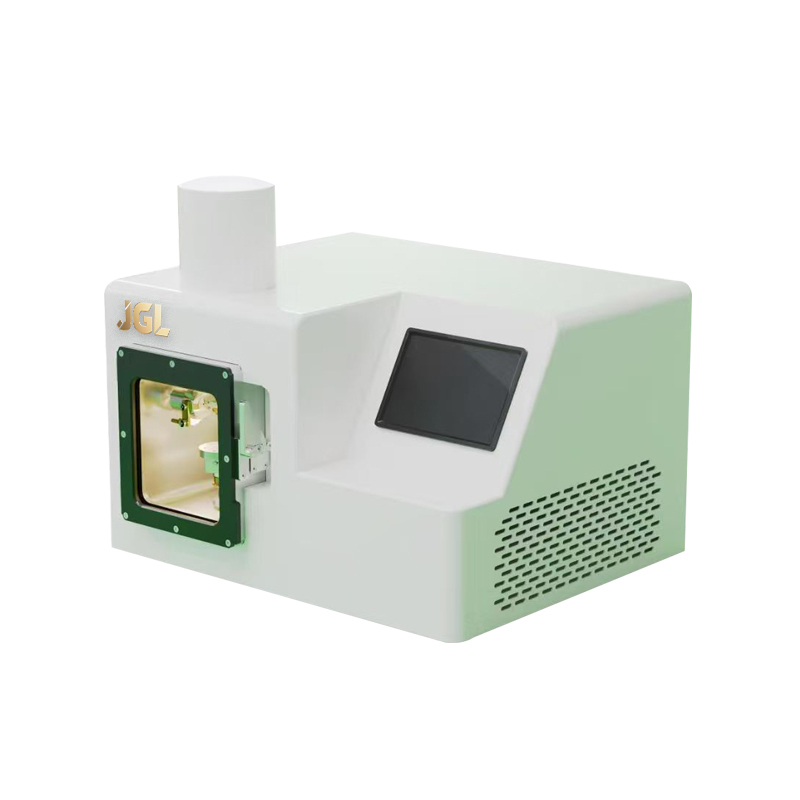
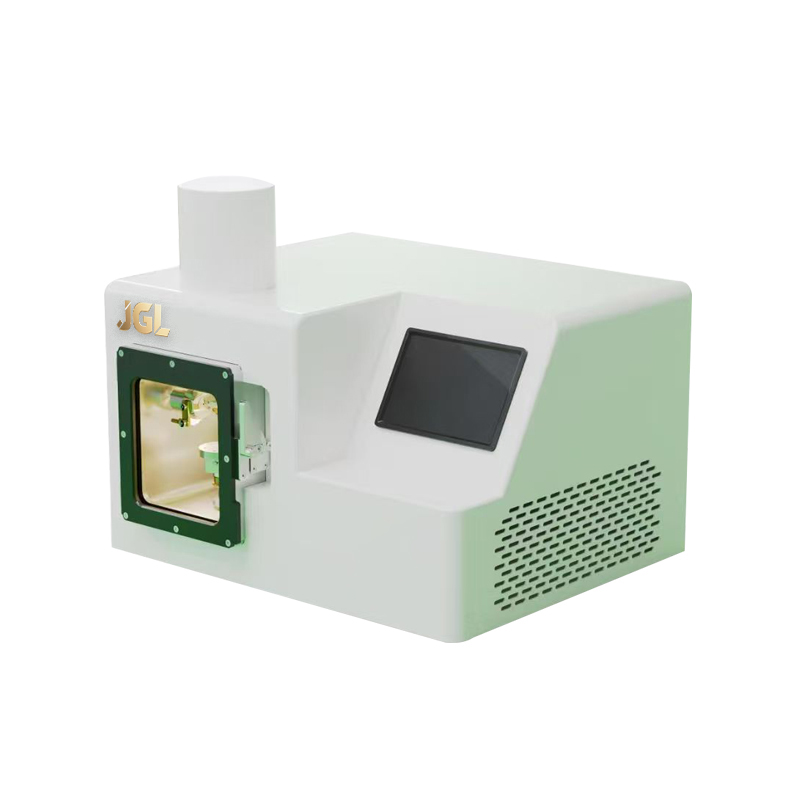
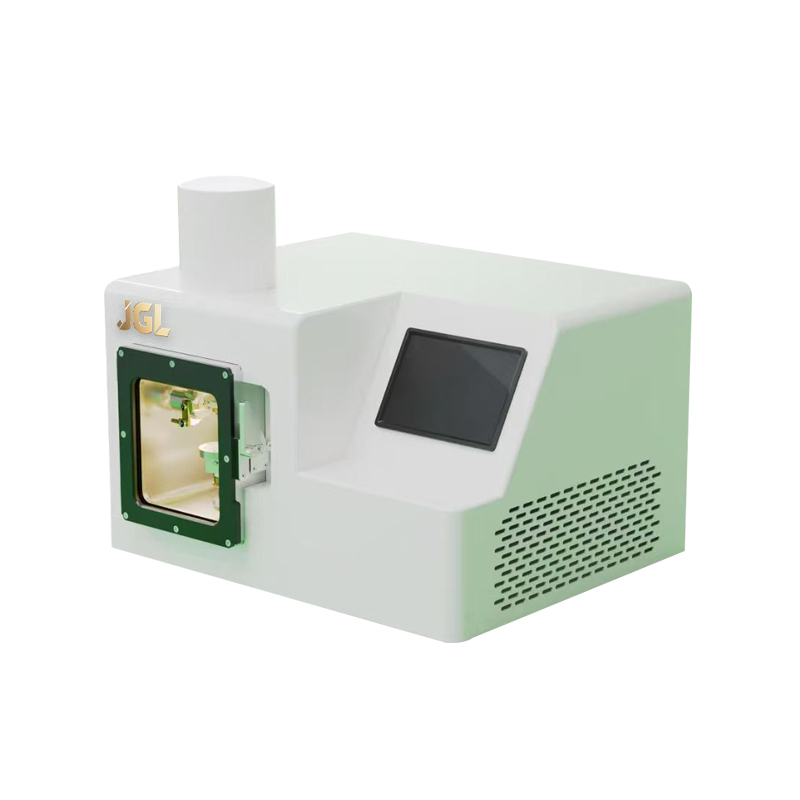
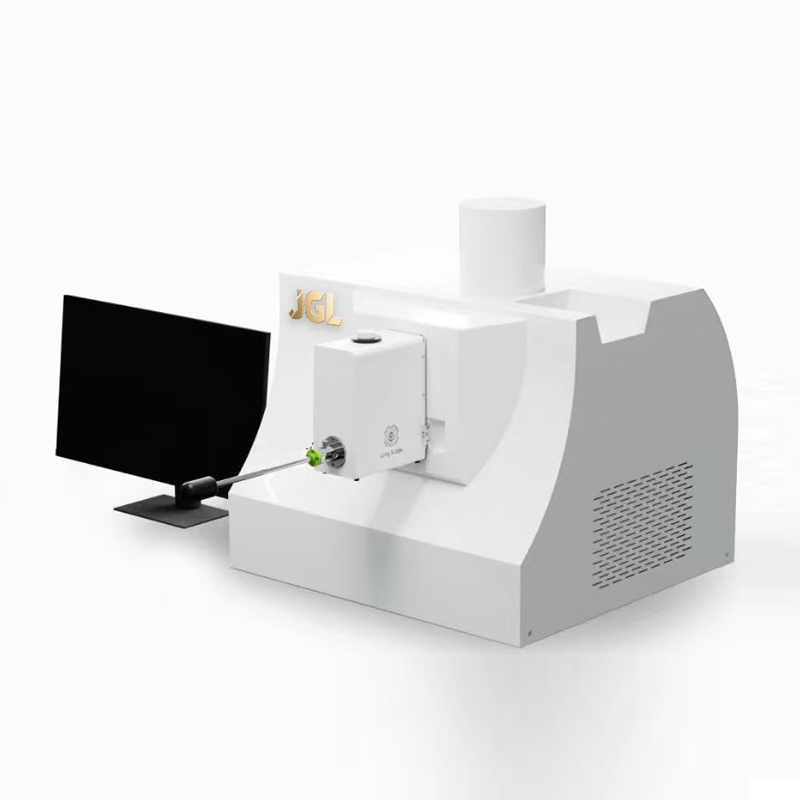
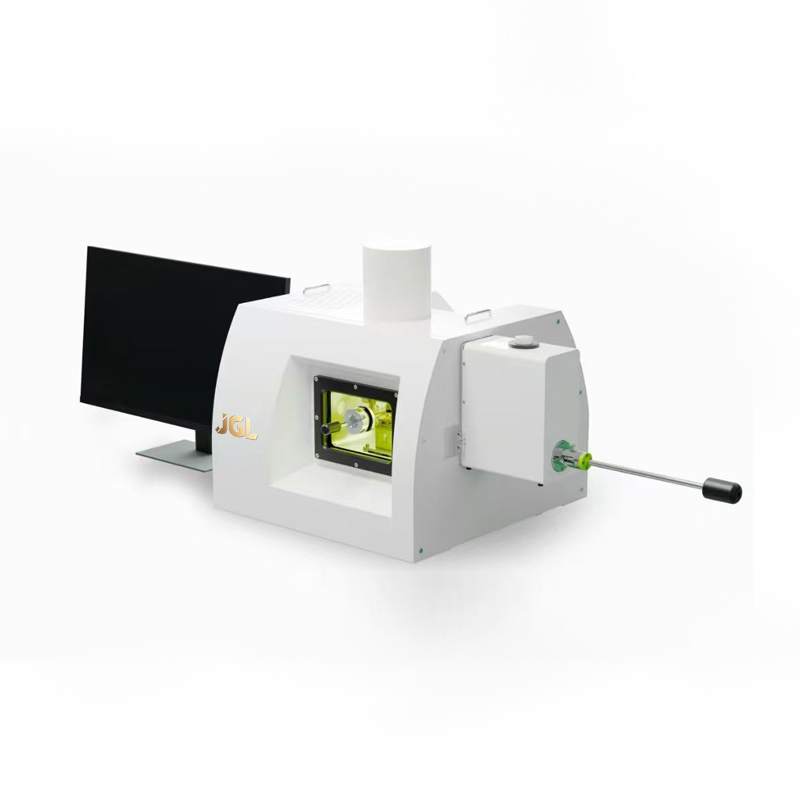
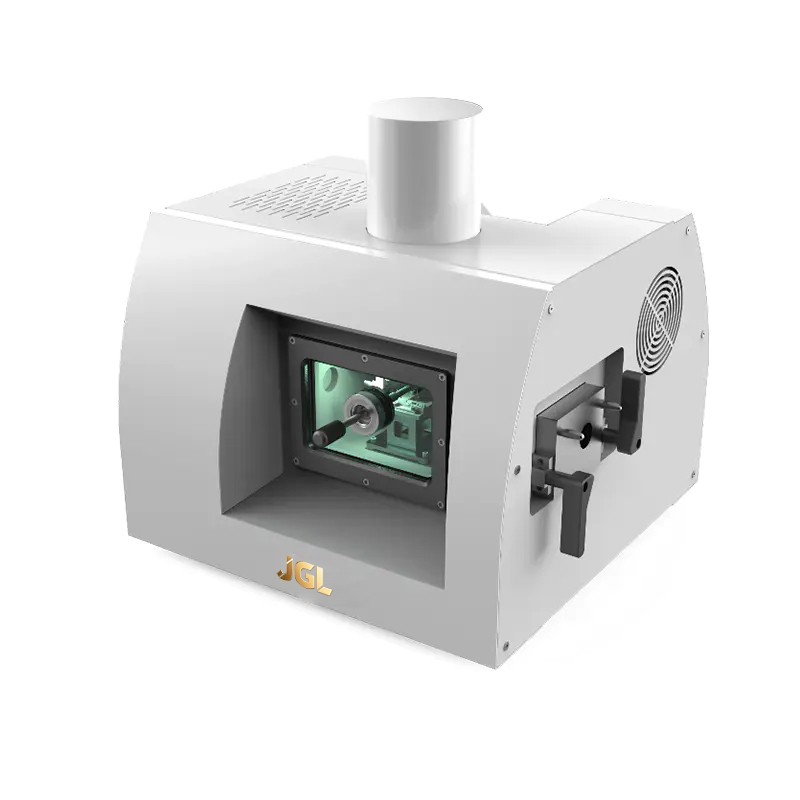
- 18 Product: IMP120 Multi-Beam Ion Beam Processing System for Surface Modification and Thin Film Engineering
Modern materials research and advanced manufacturing increasingly depend on the ability to control surfaces with exceptional precision. In many applications, the surface determines how a component performs, how long a coating remains stable, how efficiently an optical element transmits light, or how reliably an electronic device operates. Conventional mechanical polishing, chemical etching, and single-beam coating methods can be effective, but they may not provide the flexibility, cleanliness, repeatability, or nanoscale control required by current research and industrial programs.
The IMP120 Multi-Beam Ion Beam Processing System is designed to address these requirements through a versatile vacuum-based platform for ion beam etching, ion beam deposition, polishing, and surface engineering. Its multiple independently controlled ion beams provide process flexibility that is difficult to achieve with a basic single-beam configuration. Users can perform surface modification, thin film deposition, interface preparation, microstructural adjustment, and precision material removal within a carefully controlled environment.
Rather than functioning as a single-purpose etching or coating tool, the IMP120 is positioned as an integrated processing system for laboratories, development centers, universities, and industrial production environments. Its configuration supports simultaneous or sequential process operations, allowing researchers and engineers to design more efficient workflows around the characteristics of the material and the intended result.
The system is supplied by JIANGSU BAISHENG INDUSTRIAL CO., LTD., a technology-driven manufacturer and international supplier of laboratory equipment and safety testing instruments. The company combines engineering development, production experience, technical customization, and international trade capabilities to serve customers seeking specialized equipment rather than standardized catalog products alone.
This article examines the operating concept, principal advantages, manufacturing strengths, application value, selection considerations, and practical implementation requirements of the IMP120 system. It also explains why independent beam control, high-vacuum operation, process monitoring, and adaptable configuration are important differentiators in advanced ion beam processing.
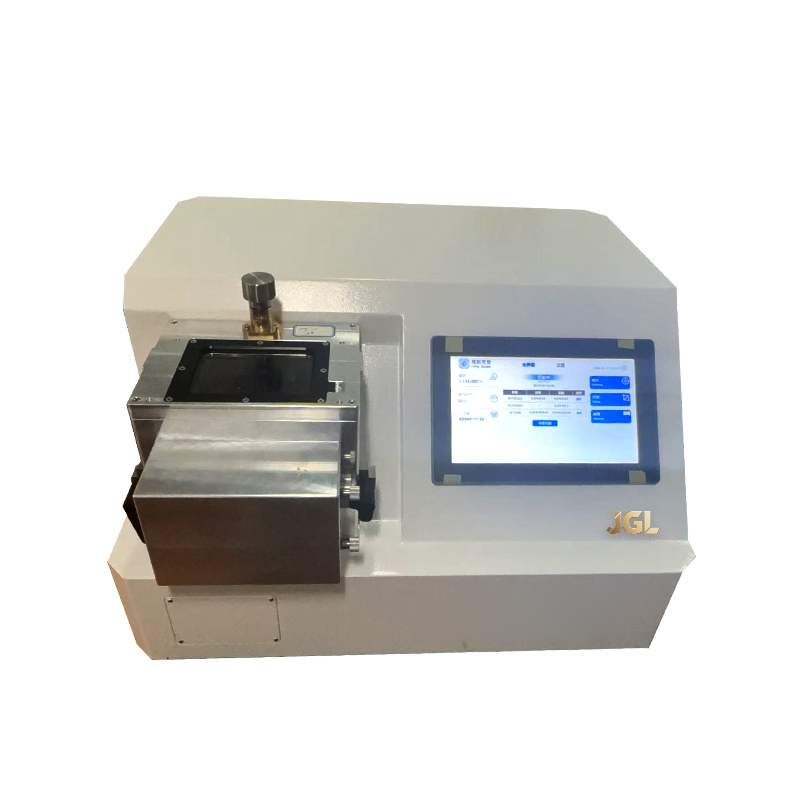
IMP120 Multi-Beam Ion Beam Processing System for Surface Modification and Thin Film Engineering
1. The Role of Ion Beam Processing in Advanced Materials Engineering
Ion beam processing uses accelerated ions to interact with a target surface or a source material. Depending on the beam energy, current density, incident angle, ion species, and process duration, the beam can remove material, assist deposition, alter surface chemistry, densify a film, improve adhesion, or modify the near-surface microstructure.
In ion beam etching, energetic ions strike a workpiece and physically or chemically remove atoms from its surface. This process can be used to define patterns, open structures, clean interfaces, reduce surface contamination, and prepare samples for subsequent deposition. Because the process is highly controllable, it is valuable for microelectronics, optics, sensor production, and research on advanced materials.
Ion beam deposition uses an ion source to sputter material from a target or assist the growth of a coating on a substrate. The energetic particles can improve film density, adhesion, and microstructural uniformity. This is particularly important when depositing optical coatings, protective layers, conductive films, barrier layers, and functional thin films that must perform consistently under demanding conditions.
Ion beam polishing is a precision material-removal technique used when conventional mechanical polishing cannot provide the desired surface quality. It can reduce roughness, correct local irregularities, and process delicate or hard materials without applying the same mechanical forces associated with abrasive methods. In research environments, ion beam polishing also supports the preparation of cross-sections and surfaces for microscopic or spectroscopic analysis.
Surface modification extends beyond material removal and deposition. Ion bombardment can change surface energy, promote adhesion, alter wettability, introduce controlled defects, adjust stress conditions, and influence the behavior of a material without changing the properties of its entire bulk. This makes ion beam processing useful for developing coatings and components with specific electrical, optical, chemical, thermal, or mechanical functions.
The challenge is that each application may require a different combination of beam parameters. A process for polishing an optical substrate does not use the same conditions as a process for depositing a dense protective film. A semiconductor surface may require a different ion energy and angle than a ceramic component. The central value of a multi-beam system is therefore its ability to provide multiple controlled processing resources while maintaining a common vacuum and monitoring environment.
2. IMP120 System Overview
The IMP120 is a multi-beam ion beam processing platform developed for surface modification and thin film engineering. Its core architecture is based on several independently controlled ion beams. Each ion source can be adjusted separately, allowing the user to tune beam energy, beam current, and incident angle according to the process objective.
This independent control enables several operating modes. Multiple beams may be used simultaneously to improve throughput or to combine different process functions. Alternatively, beams can be operated sequentially so that a substrate undergoes cleaning, activation, deposition, densification, or polishing in a defined process sequence without requiring transfer to another chamber or machine.
The system operates under high-vacuum conditions. A controlled vacuum environment reduces the presence of residual gases and airborne contaminants that could interfere with film growth or surface modification. High vacuum is particularly important when the process requires clean interfaces, stable deposition rates, low contamination, and consistent interaction between the ion beam and the substrate.
The IMP120 also supports in situ process monitoring and feedback modules. Monitoring capability allows users to observe relevant process conditions and, where suitable instrumentation is installed, make adjustments during operation. This contributes to repeatability by reducing reliance on manual estimation and by helping operators identify process drift at an earlier stage.
Its intended material range includes metals, semiconductors, ceramics, and optical materials. This broad compatibility is important for laboratories that work on multiple research programs or for manufacturers that produce different types of components. Instead of investing in separate equipment for every material category, users can configure the same platform for diverse surface engineering tasks.
Core Processing Functions
| Processing function | Primary purpose | Typical value to the user |
|---|---|---|
| Ion beam etching | Controlled removal of surface material | Pattern definition, cleaning, interface preparation, and microstructure fabrication |
| Ion beam deposition | Formation of functional or protective thin films | Improved control of film density, adhesion, and coating performance |
| Ion beam polishing | Fine removal of surface irregularities | Reduced roughness and improved surface quality for precision components |
| Surface modification | Adjustment of surface chemistry or microstructure | Enhanced adhesion, wettability, durability, or functional behavior |
| Sequential beam processing | Combination of several process stages | Reduced handling, improved workflow efficiency, and better interface control |
| In situ monitoring support | Observation and feedback during processing | Improved reproducibility and easier process development |
3. Competitive Advantages of a Multi-Beam Configuration
The principal advantage of the IMP120 over a conventional single-beam system is process flexibility. A single beam can be highly effective for a defined operation, but it may require a change of hardware, substrate orientation, or chamber configuration when the process objective changes. A multi-beam platform provides more options within one integrated system.
3.1 Independent Control of Beam Parameters
Each ion source in the IMP120 can be adjusted independently. This means that operators can set beam energy, beam current, and incident angle separately rather than applying one common condition to every process source. Such flexibility is important because surface response depends strongly on these parameters.
Beam energy influences the penetration depth and intensity of ion-surface interactions. Beam current affects the number of ions delivered over a given period and therefore influences processing rate. Incident angle can affect anisotropy, sidewall behavior, surface texture, and the directionality of material removal or deposition assistance.
Independent adjustment allows users to develop more refined process recipes. For example, one beam can be optimized for surface activation while another supports material removal or deposition assistance. The specific configuration depends on the application, but the underlying principle remains the same: each beam can be assigned a controlled role rather than forcing the entire process to operate under one compromise condition.
3.2 Simultaneous and Sequential Processing
The ability to operate beams simultaneously or sequentially improves workflow design. Simultaneous processing may increase productivity when several beams are required for the same step or when a multi-directional treatment is beneficial. Sequential operation is useful when the process requires a defined order, such as cleaning a surface before deposition or polishing a layer after a coating stage.
Keeping multiple stages within one vacuum environment can also reduce exposure to ambient contamination. Every time a substrate is removed from a vacuum chamber, it may encounter moisture, particles, hydrocarbons, or other contaminants. If the substrate can remain in place while several controlled steps are performed, the quality of interfaces may improve and the process chain may become more stable.
3.3 Nanoscale Surface Control
Ion beam methods offer a high degree of control over material removal and film formation. The IMP120 is intended for applications requiring control over surface roughness, film density, and interface quality at very small scales. This does not mean that every process automatically reaches the same nanoscale result; performance depends on material properties, process settings, chamber conditions, and monitoring systems. However, the platform provides the technical foundation needed for fine process development.
For optical components, small changes in surface roughness or coating density can influence scattering, transmission, reflection, and durability. For electronic components, interface quality can affect electrical behavior and device reliability. For protective coatings, density and adhesion can influence resistance to wear, corrosion, and environmental exposure.
3.4 Broad Material Compatibility
The system is suitable for metals, semiconductors, ceramics, and optical coatings. This versatility helps research organizations manage diverse projects with a common platform. It also supports technology transfer because a process developed on one material family can be adapted to another by adjusting beam conditions and process sequence.
Broad compatibility is especially valuable for laboratories that combine materials development with device fabrication. A research group may work on metallic contacts, ceramic substrates, semiconductor structures, and optical films in the same year. A system designed around adaptable beam control can support these different activities without requiring a complete change in equipment concept.
3.5 Vacuum-Based Clean Processing
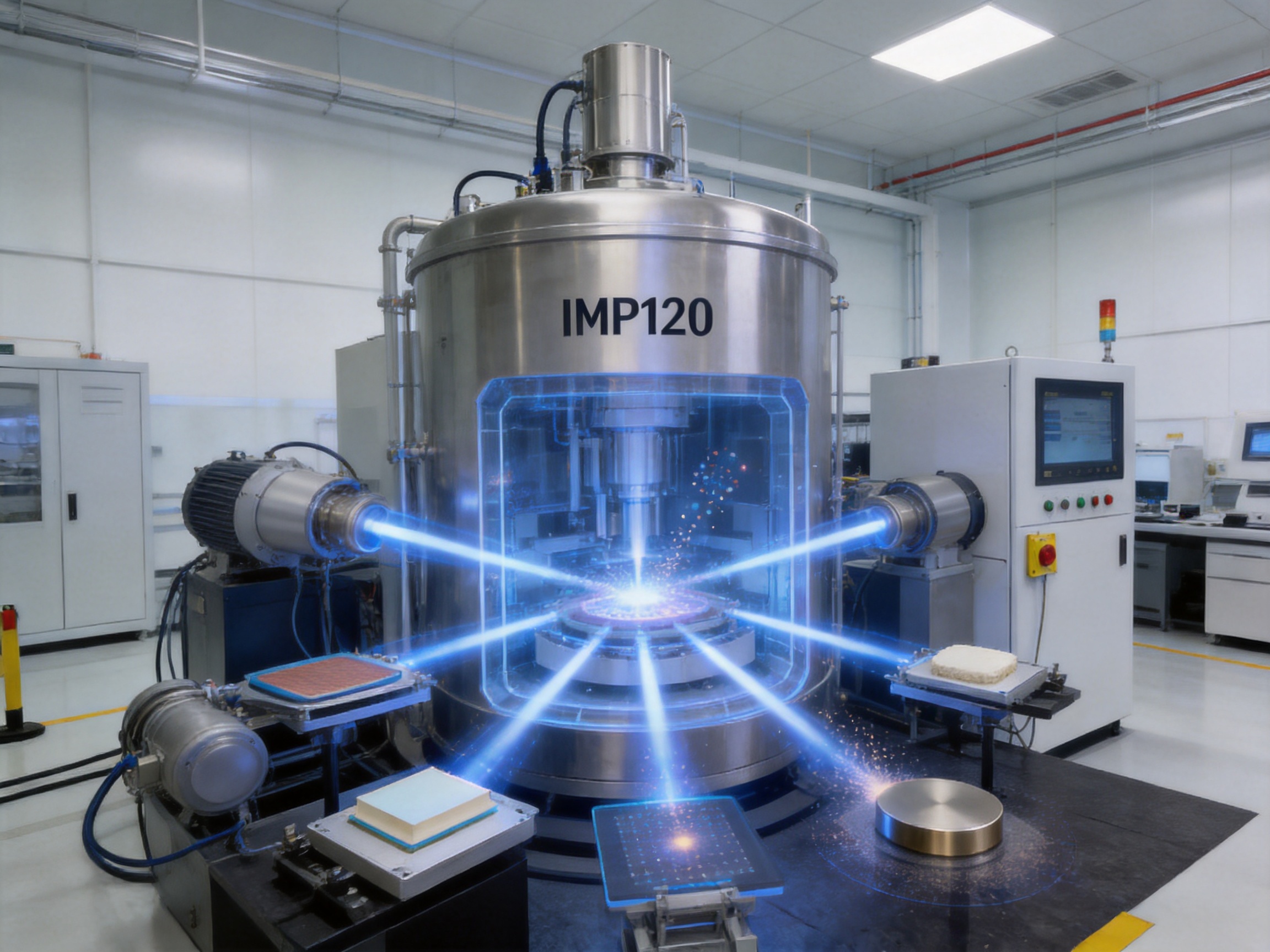
High-vacuum operation is a key advantage compared with open-air or wet processing methods. Vacuum processing reduces gas-phase interference and helps maintain a clean working environment. It also allows the user to control the relationship between the beam, target, substrate, and deposited species more precisely.
Wet chemical methods can generate waste streams and may introduce chemical residues or create compatibility issues with sensitive materials. Mechanical methods can cause scratches, deformation, embedded abrasive particles, or unwanted subsurface damage. Ion beam processing does not eliminate every possible process risk, but it offers a dry and highly controllable alternative for applications where conventional methods are insufficient.
4. Surface Modification Capabilities
Surface modification is one of the broadest application areas for the IMP120. The objective is not always to remove a large amount of material or create a visible coating. In many cases, the goal is to change the condition of the outermost region so that the component performs better in a later manufacturing step or in its final service environment.
Surface Cleaning and Activation
Before deposition, bonding, or analysis, surfaces often need to be cleaned and activated. Ion bombardment can assist in removing weakly attached contaminants and preparing the surface for improved interaction with a deposited layer. A properly prepared surface can support better film adhesion and reduce the risk of defects at the interface.
Activation may also change surface energy or promote a more favorable chemical condition for coating growth. The exact effect depends on the material and the selected ion beam parameters. Process development should therefore include surface characterization before and after treatment.
Surface Roughness and Texture Control
Controlled ion beam treatment can be used to reduce selected irregularities or create a designed surface texture. Surface roughness is not always undesirable; some applications require a particular texture to improve adhesion, light management, friction behavior, or fluid interaction. The value of the IMP120 lies in the ability to tune the treatment to the intended function rather than applying a one-size-fits-all finishing method.
Microstructural Engineering
Ion irradiation can influence the near-surface microstructure of materials. Depending on conditions, it may promote densification, generate controlled defects, alter grain-related behavior, or modify the distribution of atoms near the surface. Researchers can use these effects to study material behavior or to create components with tailored characteristics.
Because microstructural changes can be sensitive to ion energy, dose, angle, temperature, and material composition, the multi-beam configuration is useful for systematic experimentation. Different beam conditions can be tested in a controlled manner, supporting design-of-experiments programs and process optimization.
5. Thin Film Engineering and Deposition
Thin film engineering requires more than simply placing material on a substrate. Film performance depends on thickness uniformity, density, adhesion, stress, composition, surface roughness, and interface quality. The IMP120 is designed to support this broader view of coating development.
Ion beam deposition and ion-assisted deposition can help create films with controlled microstructure and improved interface characteristics. The energetic environment may promote closer packing of deposited atoms, improve adhesion, and reduce some forms of porosity. The final outcome depends on the target material, substrate, ion species, temperature, deposition rate, and other process variables, but the platform provides a flexible environment for managing these variables.
Optical Coatings
Optical coatings are highly sensitive to surface quality and film structure. Anti-reflection coatings, reflective films, protective optical layers, and specialized functional coatings must often meet strict requirements for transmission, reflectance, uniformity, and environmental stability.
A high-vacuum ion beam system can help maintain a clean deposition environment and support controlled film formation. Independent beam adjustment may also help researchers investigate how ion energy and angle affect optical performance. The ability to combine surface preparation and deposition in the same system can be particularly valuable when interface contamination must be minimized.
Electronic and Semiconductor Films
Electronic and semiconductor structures often depend on carefully controlled interfaces. Thin films may serve as electrodes, barriers, passivation layers, diffusion-control layers, or functional elements. Defects, contamination, and poor adhesion can create electrical instability or reduce long-term reliability.
The IMP120 can support process sequences that include surface preparation, controlled etching, deposition, and post-deposition treatment. Its multi-beam architecture offers researchers the ability to evaluate different process conditions while maintaining a consistent chamber-based workflow.
Protective and Functional Coatings
Protective coatings are used to improve resistance to wear, corrosion, chemical attack, thermal cycling, or environmental exposure. Their effectiveness depends not only on the coating material but also on the quality of the interface and the continuity of the film.
Ion beam preparation can improve the condition of the substrate before coating, while ion-assisted deposition can contribute to film density and adhesion. For research and development programs, the system enables users to compare coating structures and process sequences without relying entirely on external coating services.
6. Precision Etching and Ion Beam Polishing
Precision etching is needed when material must be removed in a controlled and localized manner. In micro- and nano-scale structures, excessive lateral removal, roughness, or redeposition can compromise the intended geometry. Ion beam etching provides a directional process that can be adapted through beam angle and energy control.
The IMP120 is suitable for developing etching processes for metals, semiconductors, ceramics, and optical materials. Applications may include pattern transfer, feature definition, surface trimming, cross-section preparation, and removal of selected layers. The achievable result depends on the substrate, mask design, beam conditions, and process control strategy.
Ion beam polishing is especially useful for surfaces that require a high degree of refinement. Mechanical polishing may produce scratches or induce subsurface damage, while chemical polishing may be difficult to control on heterogeneous materials. Ion beam polishing can provide a final finishing stage with lower mechanical interaction and carefully controlled material removal.
For optical surfaces, the reduction of roughness can improve performance by lowering scattering. For analytical samples, a polished cross-section can reveal internal structures more clearly. For thin film stacks, controlled polishing or etching can expose interfaces for characterization without relying on aggressive mechanical preparation.
Multi-beam control expands the polishing options. A user may adjust the incidence conditions to manage directional effects, use one beam for a primary treatment and another for a finishing step, or develop a sequence that balances removal rate and surface quality. These capabilities are useful when the objective is not simply maximum removal speed but a controlled combination of geometry, roughness, and structural integrity.
7. In Situ Monitoring and Process Repeatability
Process repeatability is a central requirement in both research and manufacturing. A successful result must be reproducible across samples, batches, operators, and production periods. Ion beam processing involves several interacting variables, so monitoring and feedback are important for maintaining stable conditions.
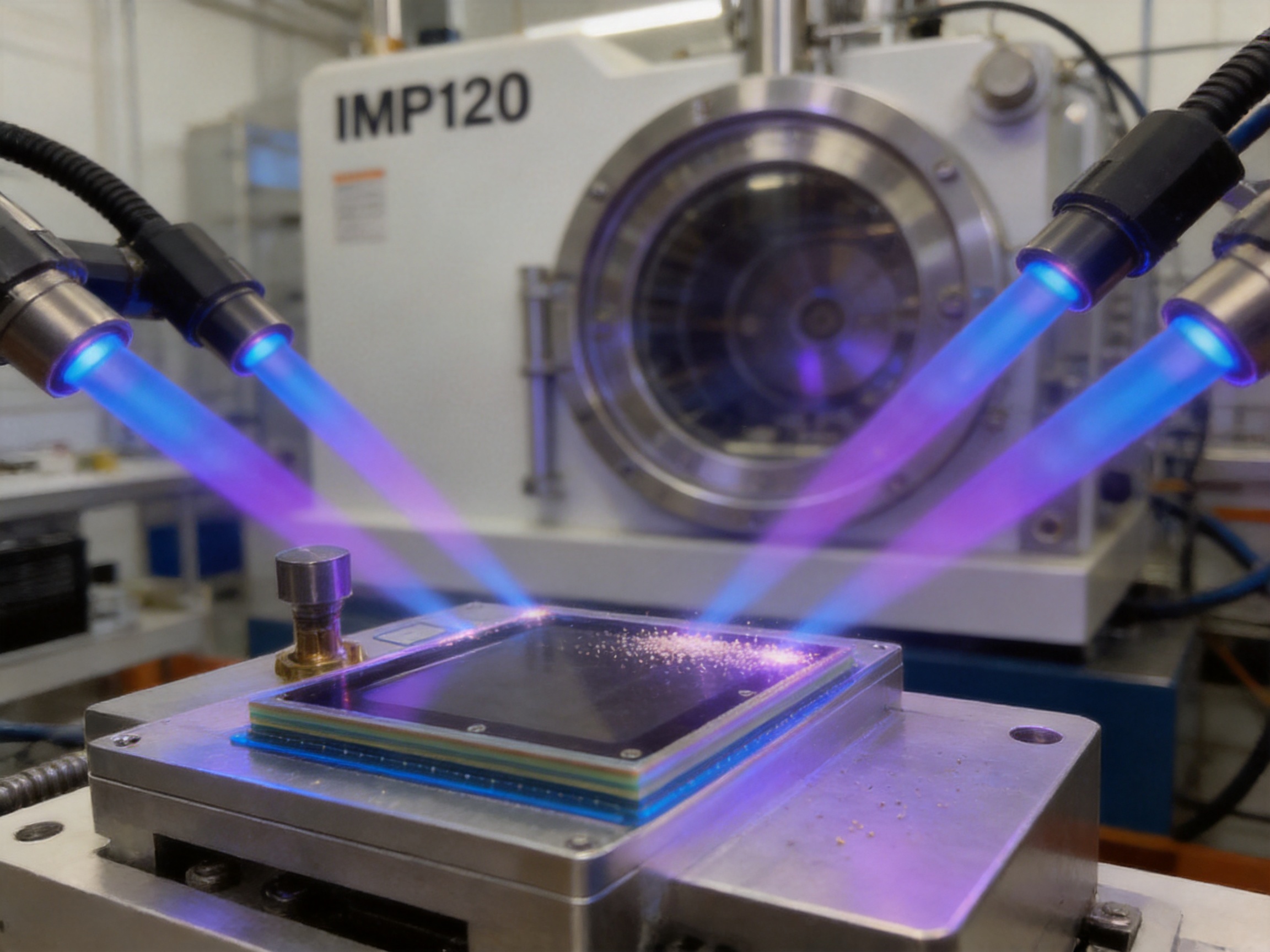
The IMP120 supports integration with in situ monitoring and feedback modules. These modules may be selected according to the application and may be used to observe parameters such as deposition behavior, film thickness, chamber conditions, beam stability, substrate temperature, or other relevant process indicators.
Monitoring does not replace process development. Operators still need to establish suitable recipes, characterize materials, define acceptance criteria, and maintain the equipment properly. However, in situ information can reduce uncertainty and provide evidence that the process is operating within the intended window.
Feedback control can also assist with compensation for gradual changes. Ion source behavior, target condition, vacuum performance, and substrate loading may evolve over time. A monitoring system can help identify these changes and support corrective action before they create a significant quality problem.
Repeatability Benefits
Improved repeatability offers several benefits. Research teams can compare experimental results more confidently because process variation is reduced. Production engineers can transfer a validated recipe more effectively from development to manufacturing. Quality teams can investigate deviations using recorded process information rather than relying only on operator notes.
For customers with demanding specifications, the ability to document process conditions can also support internal quality systems and technical communication. The specific records and controls required will depend on the customer’s industry, but a system designed to accept monitoring modules provides a stronger foundation than an isolated processing chamber without process data capability.
8. Manufacturing Strengths of the Supplier
The performance of specialized laboratory equipment depends not only on its technical concept but also on the manufacturer’s ability to design, assemble, test, customize, and support the system. JIANGSU BAISHENG INDUSTRIAL CO., LTD. presents itself as a technology-driven enterprise specializing in high-end laboratory equipment and safety testing instruments.
According to the supplied company information, the organization was founded in 2010 and developed from an earlier research and development studio focused on electronic testing. This background is relevant because equipment for precision laboratories requires more than basic mechanical assembly. It requires an understanding of measurement, control, safety, process stability, and application-specific engineering.
Engineering-Led Development
The company identifies its dedicated R&D team as a central strength. An engineering-led structure can support the development of equipment around actual customer requirements, including chamber configuration, beam arrangement, monitoring interfaces, control logic, and process workflow.
In specialized ion beam equipment, customization may be necessary because different users have different substrate sizes, material systems, beam requirements, automation expectations, and analytical instruments. A manufacturer with internal technical capabilities is better positioned to evaluate these requirements than a supplier that only resells standard equipment.
Development History
The company history describes several stages of development. In 2013, its predecessor operated as a research and development studio specializing in electronic testing. In 2016, the organization transitioned into an enterprise, completed an independently developed production line, and introduced laboratory equipment with independent intellectual property rights.
In 2019, the company adopted a technology-plus-trade strategy, increasing R&D investment, bringing in technical personnel, and expanding into overseas markets. In 2022, it further improved its quality management system and reported that its products passed rigorous technical specification certifications. By 2025, the company continued to focus on product innovation, technology upgrades, intelligence, digitalization, and broader application scenarios.
This development path suggests a supplier that combines product engineering with international market experience. For overseas customers, this combination may simplify communication, technical documentation, customization discussions, export coordination, and after-sales support.
Manufacturing Process Considerations
Although detailed factory process parameters are not provided, advanced ion beam equipment generally requires disciplined manufacturing at several stages. Mechanical structures must be produced with suitable dimensional accuracy. Vacuum chambers and associated components must be assembled to support reliable sealing and clean operation. Electrical systems must be integrated with appropriate control and safety provisions. Ion sources and beam paths must be aligned and tested according to the intended configuration.
System integration is particularly important. A multi-beam platform is not simply a collection of independent sources. The beams must operate within a coordinated chamber environment, and their effects on the substrate must be understood as part of the complete process. Control software, power supplies, vacuum systems, substrate fixtures, monitoring modules, and safety interlocks must work together.
A manufacturer with R&D experience can use iterative design, testing, and customer feedback to improve this integration. It can also develop application-specific fixtures, process accessories, or monitoring interfaces when the standard configuration does not fully meet a project’s needs.
Customization Capability
Customization is one of the company’s stated strengths. For the IMP120, customization may involve beam quantity, source arrangement, substrate handling, chamber dimensions, target configuration, monitoring equipment, automation level, or software functions. Final specifications should always be confirmed with the supplier because the supplied product description does not define every available option.
Customization can be valuable when a customer is developing a new process rather than purchasing a mature production tool. A university laboratory may need a flexible research configuration, while an industrial customer may prioritize throughput, recipe management, repeatability, and integration with existing production systems. The ability to adapt the platform helps align the equipment with the actual use case.
9. Comparison with Conventional Single-Purpose Equipment
Choosing between a multi-beam system and a single-purpose tool requires consideration of process requirements, budget, throughput, and future development plans. The IMP120 offers several advantages when flexibility and process integration are more important than the lowest initial equipment complexity.
| Evaluation factor | Multi-beam ion beam platform | Basic single-beam or single-purpose tool |
|---|---|---|
| Process flexibility | Supports multiple beam roles and process sequences | Usually optimized for a narrower operation |
| Beam parameter control | Independent adjustment of source conditions | One primary set of beam conditions |
| Workflow integration | Etching, deposition, polishing, and preparation may be combined | Additional equipment or transfers may be required |
| Interface cleanliness | Sequential processing can remain within a controlled vacuum environment | Sample transfer may expose surfaces to ambient contamination |
| Research adaptability | Suitable for developing varied materials and process recipes | May require significant modification for new applications |
| Monitoring expansion | Designed to support in situ monitoring and feedback modules | Monitoring capability may be more limited |
| Space and equipment consolidation | Several functions can be combined in one platform | Separate tools may be needed for different stages |
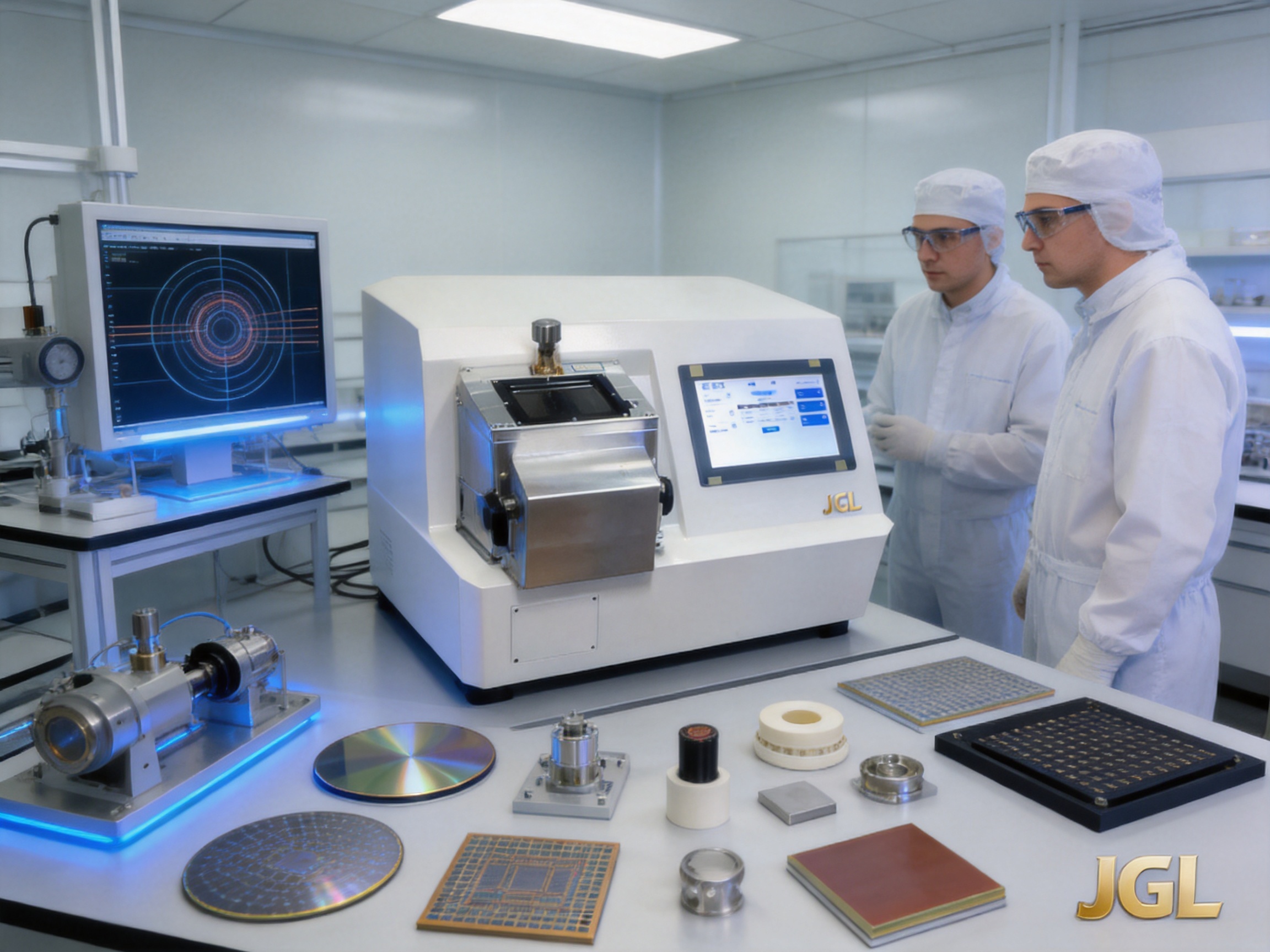
A single-purpose tool may still be the correct choice when an organization performs one highly standardized operation at very high volume. However, research laboratories, pilot lines, and manufacturers with varied product requirements often benefit from a platform that can be reconfigured and expanded.
The IMP120’s competitive value is therefore based on process capability rather than on one isolated specification. Independent beams, vacuum integration, monitoring support, and broad material compatibility collectively create a system suitable for evolving technical requirements.
10. Application Areas
Optical and Photonic Components
Optical components often require carefully engineered surfaces and coatings. The IMP120 can support substrate preparation, precision polishing, ion-assisted deposition, and coating development for reflective, anti-reflective, protective, or functional optical layers.
Research teams may use the system to investigate the relationship between beam conditions, film density, optical response, and environmental stability. Manufacturers may use it to refine coating recipes and improve the consistency of optical components across batches.
Semiconductor and Microelectronic Structures
Semiconductor processes require accurate control of interfaces and thin layers. Ion beam etching can support pattern transfer and surface preparation, while deposition functions can assist in the formation of films used in electronic structures. The high-vacuum environment is useful when contamination control is important.
The system may also support failure analysis, cross-section preparation, and experimental device fabrication. Its flexibility allows researchers to process different substrate materials and explore new combinations of films and surface treatments.
Advanced Ceramic Materials
Ceramics are widely used in electronics, optics, energy systems, wear-resistant components, and high-temperature applications. Their hardness and chemical stability can make conventional finishing difficult. Ion beam polishing and surface modification provide alternative methods for refining ceramic surfaces and preparing them for coatings or analysis.
The multi-beam design may help users investigate how ion angle, energy, and sequence affect ceramic surface condition. This is useful for developing coatings that require strong adhesion to hard or chemically stable substrates.
Metallic Components
Metals may require cleaning, activation, polishing, coating, or controlled etching. Ion beam treatment can support the preparation of metal surfaces before the application of protective or functional films. It can also help researchers study how surface condition affects corrosion resistance, wear, adhesion, or electrical contact behavior.
Research and Development Laboratories
The IMP120 is particularly suitable for laboratories that need one platform for several experimental functions. Researchers can develop processes, compare materials, study interface behavior, and produce test samples without moving every stage to a different tool.
For academic and industrial R&D, equipment flexibility can extend the useful life of an investment. New projects often require new materials or process sequences. A configurable multi-beam system can accommodate these changes more readily than equipment designed around one narrow application.
11. Process Development and Implementation
A successful installation requires a structured process development plan. The IMP120 provides the processing platform, but users must define the material, target result, acceptable variation, and measurement method.
Step One: Define the Surface Objective
The first step is to specify whether the objective is removal, deposition, polishing, activation, densification, texturing, or a combination of these functions. The desired outcome should be expressed through measurable indicators such as roughness, thickness, composition, adhesion, optical response, electrical resistance, or etch profile.
Step Two: Characterize the Starting Material
Initial surface condition affects the final result. Users should document substrate composition, roughness, contamination, flatness, thermal sensitivity, and any existing coating. Materials from different suppliers or production lots may respond differently, so representative samples should be used during development.
Step Three: Select Beam Conditions
Beam energy, current, incidence angle, exposure time, and sequence should be selected according to the application. With the IMP120, each beam can be assigned a specific condition or role. A development plan should test one variable at a time where practical, while also considering interactions between parameters.
Step Four: Establish Vacuum and Monitoring Conditions
Stable vacuum conditions are essential for repeatable processing. Users should establish suitable pump-down procedures, chamber cleaning practices, substrate loading methods, and outgassing controls. Monitoring modules should be configured to capture the parameters most closely related to product quality.
Step Five: Validate the Result
After processing, samples should be examined using suitable analytical methods. Surface roughness may be measured by profilometry or microscopy. Film thickness and composition may require optical, electron, or spectroscopic techniques. Adhesion, hardness, electrical behavior, and environmental resistance should be evaluated according to the intended use.
Process validation should include repeat runs and, where relevant, different operators and substrate batches. The goal is to determine not only whether the process works once but whether it can be repeated within defined limits.
12. Operational and Maintenance Considerations
Ion beam systems require disciplined operation. Operators should receive training in vacuum technology, high-voltage or high-energy equipment safety, material handling, beam alignment, recipe control, and emergency procedures. The exact requirements depend on the final system configuration.
Chamber cleanliness is essential. Residues from previous materials can affect later deposition or surface modification processes. A documented cleaning schedule and material compatibility plan can reduce cross-contamination. Fixtures and shields should be inspected regularly because deposited material may change their condition over time.
Ion sources and power supplies should be monitored for stable operation. Changes in source performance may influence beam current, processing rate, and treatment uniformity. Preventive maintenance can help identify wear or drift before it affects production results.
Vacuum system maintenance is equally important. Pump performance, seals, valves, gauges, and chamber connections should be checked according to the operating schedule. Poor vacuum performance can increase contamination, extend cycle times, and create variability in film properties.
Process data should be recorded whenever possible. Maintaining records of substrate identity, beam settings, vacuum conditions, process duration, target condition, and monitoring results supports troubleshooting and continuous improvement. The company’s emphasis on technical development and quality management can be valuable when establishing such procedures, although the customer remains responsible for defining site-specific operating controls.
13. Why Supplier Capability Matters
For advanced laboratory equipment, the supplier relationship continues after delivery. Installation, commissioning, training, spare parts, application support, and technical communication can significantly affect the return on investment.
A supplier with both manufacturing and international trade experience may be able to coordinate technical specifications, production schedules, export documentation, installation requirements, and customer communication in a more integrated manner. This is particularly important for customized systems, where small changes in chamber layout, substrate fixtures, or monitoring interfaces can influence the entire project.
JIANGSU BAISHENG INDUSTRIAL CO., LTD. emphasizes professional R&D, precision design, customized solutions, and long-term cooperation. These strengths align with the needs of customers purchasing equipment for specialized processes rather than routine laboratory testing alone.
The company’s background in electronic testing and laboratory equipment also provides a foundation for understanding environments where measurement accuracy, safety compliance, repeatability, and documentation are important. Its stated development strategy combines technical innovation with international market service, supporting customers in different regions and application sectors.
14. Questions and Answers
Q1: What is the main purpose of the IMP120 system?
The IMP120 is designed for multi-beam ion beam etching, deposition, polishing, and surface modification. It supports thin film engineering and microstructural control for research and industrial applications.
Q2: What makes a multi-beam system different from a single-beam system?
A multi-beam system provides several independently controlled ion sources. Users can adjust beam energy, current, and incident angle for each source, enabling simultaneous or sequential processing and a wider range of process recipes.
Q3: Can the IMP120 perform both etching and deposition?
Yes. The system is designed to support ion beam etching and ion beam deposition. It can also be used for polishing, surface preparation, and other surface engineering operations, depending on the selected configuration.
Q4: Why is high-vacuum operation important?
High vacuum helps reduce contamination and unwanted gas-phase interactions. It supports cleaner interfaces, more stable deposition, and more repeatable surface treatment compared with processes performed in uncontrolled atmospheric conditions.
Q5: What materials can be processed?
The stated material range includes metals, semiconductors, ceramics, and optical coating materials. The exact process conditions must be developed for each material because ion response depends on composition, structure, thermal sensitivity, and surface condition.
Q6: Does the system support in situ monitoring?
The IMP120 is compatible with in situ monitoring and feedback modules. The monitoring equipment selected for a project should match the required measurements, such as film thickness, beam stability, vacuum conditions, or substrate temperature.
Q7: Is the system suitable for research laboratories?
Yes. Its adaptable multi-beam configuration is suitable for laboratories developing new materials, coating structures, etching processes, and surface treatments. It can also support pilot production and industrial process development.
Q8: Can the system be customized?
The supplier identifies customization as a core capability. Possible customization areas may include beam arrangement, substrate handling, chamber configuration, process monitoring, automation, and application-specific accessories. Final options should be confirmed during technical consultation.
Q9: What are the main benefits for thin film development?
The main benefits include a clean vacuum environment, adjustable beam conditions, improved control of surface preparation, support for film density and interface engineering, and the ability to combine multiple process stages in one platform.
Q10: What should a customer prepare before requesting a quotation?
A customer should prepare information about substrate size, material type, desired process, coating or etching objective, target film properties, expected throughput, monitoring needs, utilities, automation requirements, and installation conditions. Detailed information helps the supplier recommend an appropriate configuration.
Q11: Can the IMP120 replace all other surface processing equipment?
Not necessarily. It is a versatile platform, but the best equipment choice depends on the process. Mechanical, chemical, thermal, plasma, or other coating methods may remain appropriate for specific applications. The IMP120 is most valuable when precise, clean, adaptable ion beam processing is required.
Q12: How does process monitoring improve results?
Monitoring provides information about operating conditions and can help identify process drift. When combined with suitable feedback controls, it can improve repeatability, support recipe development, and make troubleshooting more systematic.
15. Recommended Customer Evaluation Criteria
Before purchasing a multi-beam ion beam processing system, customers should evaluate more than the number of ion sources. The complete equipment architecture and the supplier’s ability to support the intended process are equally important.
First, confirm that the beam configuration matches the application. Different projects may require different source positions, angles, energies, or target arrangements. Second, review substrate handling. The fixture must support the sample dimensions, material, orientation, rotation, and temperature requirements.
Third, evaluate vacuum performance and contamination control. Ask how the chamber is cleaned, how materials are isolated, and how pump-down and process conditions are monitored. Fourth, define the required process data. If the customer needs thickness control, beam monitoring, or automated feedback, these functions should be incorporated into the system specification from the beginning.
Fifth, consider future expansion. A research platform may later require new sources, additional monitoring, upgraded automation, or larger substrate capacity. Selecting an architecture that can accommodate future development may reduce the cost and disruption of later modifications.
Finally, examine technical support, documentation, training, spare parts, warranty conditions, and installation services. These factors influence the practical performance of the system throughout its operating life.
16. Conclusion
The IMP120 Multi-Beam Ion Beam Processing System provides a flexible platform for precision surface modification, thin film deposition, ion beam etching, polishing, and microstructural engineering. Its principal technical advantage is the use of multiple independently controlled ion beams, allowing users to adjust beam energy, current, and incident angle for different process roles.
Compared with a basic single-beam or single-purpose tool, the system offers greater process adaptability, improved workflow integration, and the potential to perform several stages within one controlled vacuum environment. These benefits are important for applications where surface cleanliness, interface quality, film density, roughness, and repeatability directly affect product performance.
The platform is suitable for metals, semiconductors, ceramics, optical materials, and other advanced material systems. Its compatibility with in situ monitoring and feedback modules further supports process development and production consistency. Although final results depend on correct configuration, recipe development, material characterization, and maintenance, the system provides a strong technical foundation for demanding ion beam applications.
JIANGSU BAISHENG INDUSTRIAL CO., LTD. strengthens the product offering through an engineering-focused development history, dedicated R&D capability, customized equipment solutions, and experience in laboratory and electronic testing equipment. Its combination of technical design and international trade support can help customers manage the complete equipment acquisition process, from application assessment to system delivery and implementation.
For laboratories and manufacturers seeking a configurable platform rather than a narrow single-function machine, the IMP120 represents a practical solution for advancing surface engineering and thin film technology. Its value lies in combining beam flexibility, vacuum cleanliness, process integration, monitoring support, and supplier-led customization in one equipment concept.
References
1. Company product information for the IMP120 Multi-Beam Ion Beam Processing System, supplied by JIANGSU BAISHENG INDUSTRIAL CO., LTD.
2. Company profile, development history, engineering capabilities, and quality management information supplied by JIANGSU BAISHENG INDUSTRIAL CO., LTD.
3. Handbook of Ion Beam Processing and Surface Engineering, technical reference literature on ion beam etching, deposition, polishing, and surface modification.
4. Thin Film Materials and Processes, reference literature on vacuum deposition, film density, adhesion, interface quality, and coating development.
5. Vacuum Technology and Applications, reference literature on high-vacuum systems, contamination control, chamber operation, and process repeatability.
6. Materials Characterization and Surface Metrology, reference literature on surface roughness, film thickness, microstructure, and interface analysis.
Product: IMP120 Multi-Beam Ion Beam Processing System for Surface Modification and Thin Film Engineering
PREV:Dual-Layer Explosion-Proof Thermal Test Chamber for High-Risk Temperature Testing
NEXT:Advanced AC/DC Withstanding Voltage and Insulation Resistance Testing for Modern Electrical Safety
NEXT:Advanced AC/DC Withstanding Voltage and Insulation Resistance Testing for Modern Electrical Safety
Interested in cooperation or have questions?
Featured Products
Related products
Quick Link
Contact Information
- Tel: +86-13861043568
- E-mail: 1840784112@qq.com
- Add: Tianting District, Changzhou City, Jiangsu Province, China, No. 6 Hecircuit
Scan Code
Copyright © JIANGSU BAISHENG INDUSTRIAL CO., LTD.
All Rights Reserved. Privacy Custom Precision Laboratory Testing Equipment Manufacturers
