 English
 Español
NEWS
NEWS
NEWS
NEWS
NEWS
NEWS
NEWS
NEWS
NEWS
NEWS
NEWS
NEWS
NEWS
NEWS
NEWS
NEWS

Peng Shulan — Regional Sales Consultant
Home / Author / Peng Shulan — Regional Sales Consultant / Multi-Beam Ion Beam Processing for Precision Surface Modification and Thin Film Engineering
Multi-Beam Ion Beam Processing for Precision Surface Modification and Thin Film Engineering
Content
- 1 Understanding the Role of Ion Beam Processing
- 2 System Concept and Multi-Beam Architecture
- 3 Core Advantages of the IMP120
- 4 Competitive Advantages Compared with Conventional Approaches
- 5 Advanced Manufacturing and Engineering Strengths
- 5.1 Technology-Driven Product Development
- 5.2 Experience in Electronic Testing and Laboratory Equipment
- 5.3 Transition from Technical Development to Independent Production
- 5.4 Technology and International Trade Integration
- 5.5 Quality Management and Technical Specification Control
- 5.6 Continuous Product Upgrading
- 6 Manufacturing Process Considerations for a Precision Ion Beam System
- 7 Process Precision and Material Compatibility
- 8 Typical Application Areas
- 9 Process Development Workflow
- 10 Operational Efficiency and Repeatability
- 11 Safety and Facility Integration
- 12 Customization and Customer Support
- 13 Why the Platform Is Relevant to Research and Industry
- 14 Technical Selection Checklist
- 15 Best Practices for Achieving High-Quality Results
- 16 Business Value of a Flexible Ion Beam Platform
- 17 Frequently Asked Questions
- 17.1 What is the main purpose of the IMP120?
- 17.2 What does multi-beam operation mean?
- 17.3 Can the ion beams be adjusted separately?
- 17.4 Which materials can be processed?
- 17.5 Can the system perform both etching and deposition?
- 17.6 Is ion beam polishing suitable for delicate structures?
- 17.7 Why is high vacuum important?
- 17.8 Does the IMP120 include process monitoring?
- 17.9 Is the system intended only for research?
- 17.10 Can the equipment be customized?
- 17.11 What should be prepared before installation?
- 17.12 How can users improve process repeatability?
- 17.13 What makes the platform different from a single-purpose tool?
- 18 Conclusion
- 19 References
- 20 Product: IMP120 Multi-Beam Ion Beam Processing System for Surface Modification and Thin Film Engineering
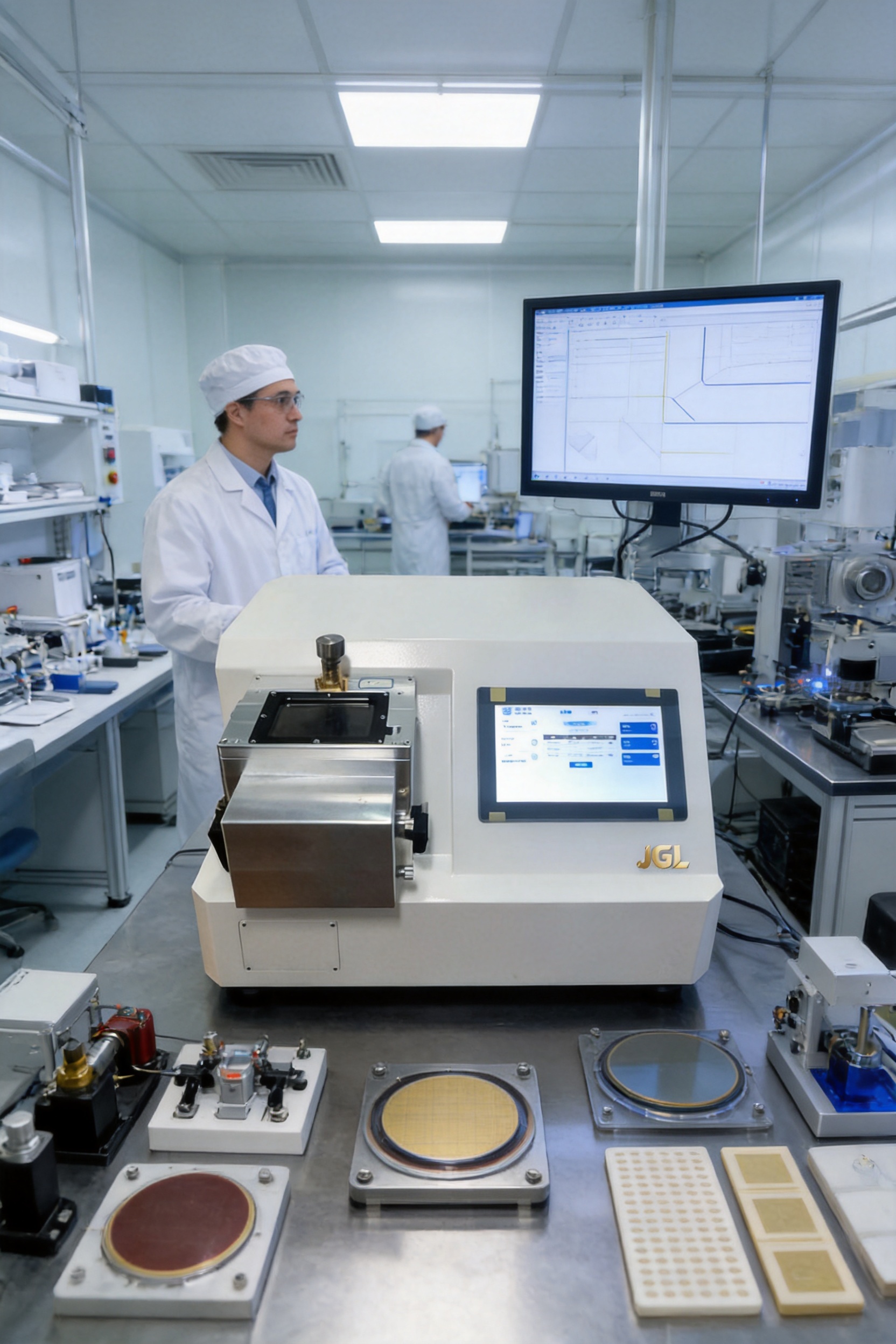
Modern research and manufacturing increasingly depend on the ability to control surfaces at extremely small scales. In many advanced applications, the performance of a component is determined not only by its bulk material, but also by the roughness, cleanliness, density, chemistry, thickness, and microstructure of its outermost layers. Optical coatings, semiconductor structures, magnetic materials, protective films, sensor components, and precision mechanical parts all require surface processes that are repeatable, controllable, and compatible with demanding production environments.
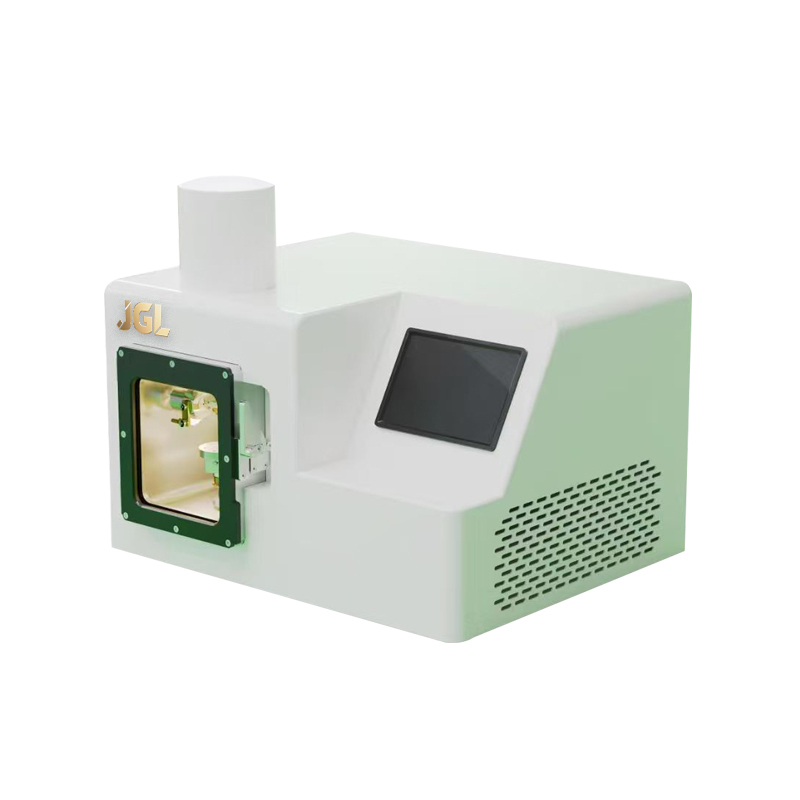
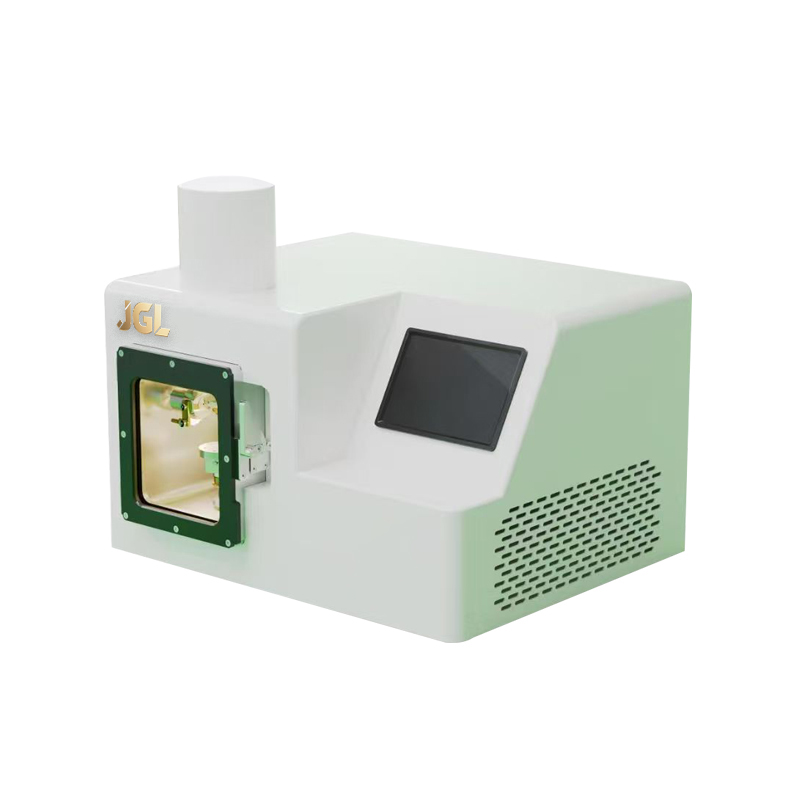
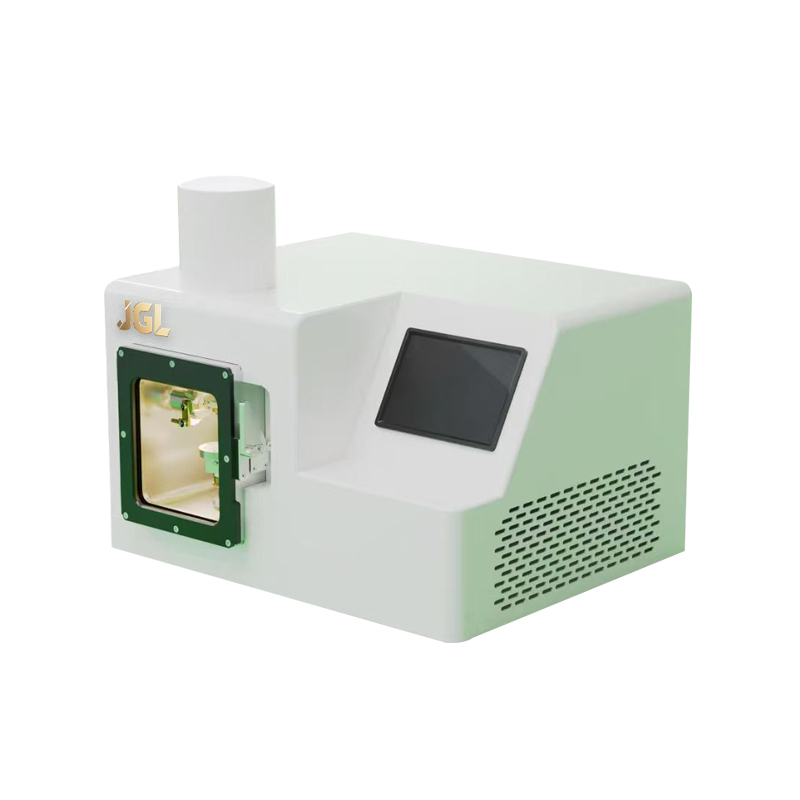
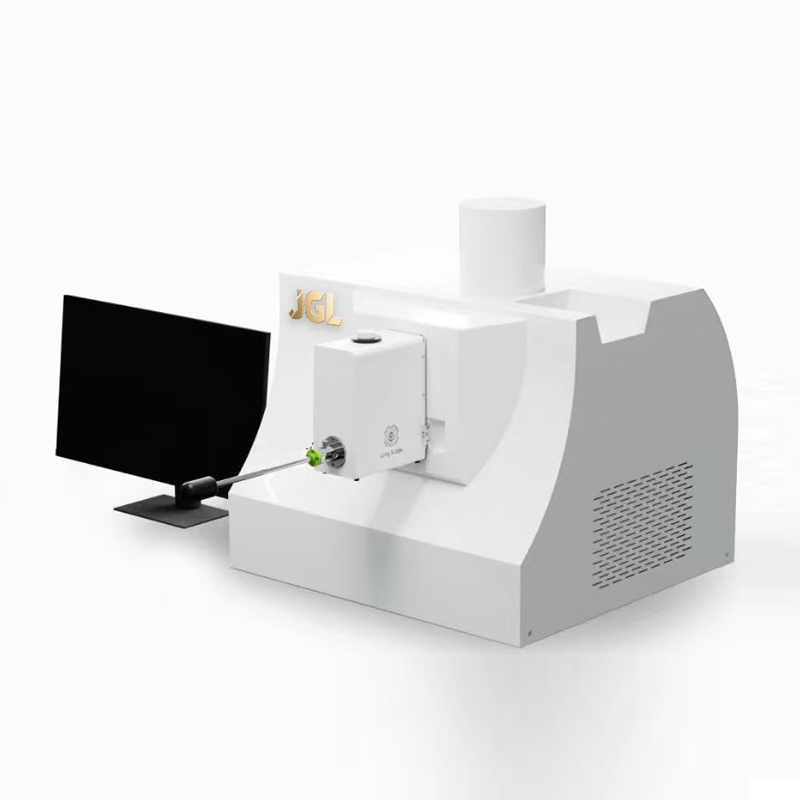
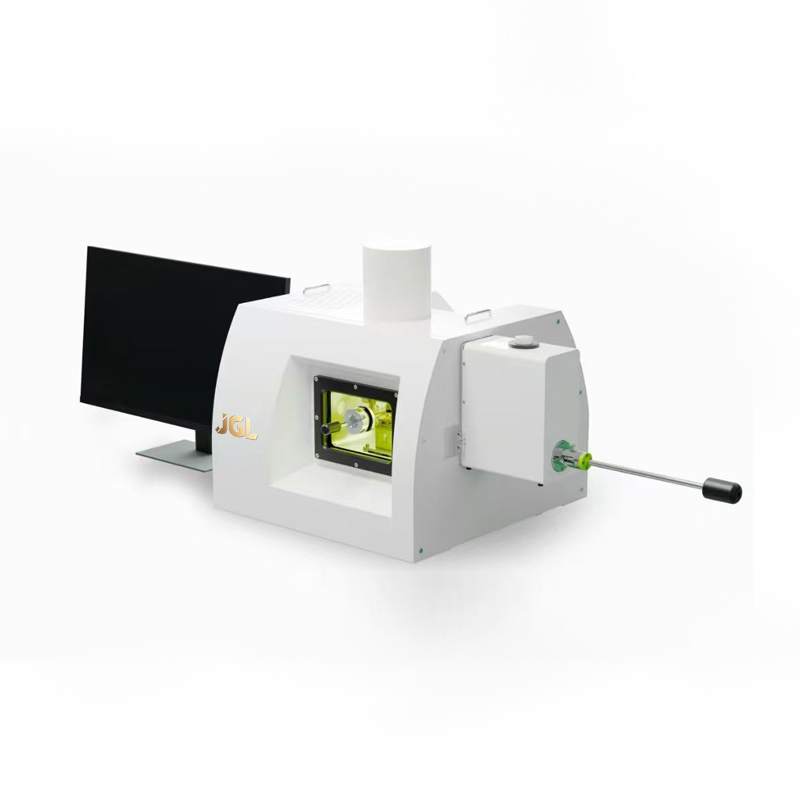
The IMP120 Multi-Beam Ion Beam Processing System is designed for these requirements. It combines ion beam etching, ion beam deposition, ion beam polishing, and surface modification within a versatile vacuum-based platform. Its multi-beam architecture allows independently controlled ion sources to perform complementary or sequential operations. This makes the system suitable for laboratories, pilot production lines, advanced materials research, and industrial users seeking more control than conventional single-beam or less integrated processing equipment can provide.
Rather than treating etching, deposition, and polishing as isolated operations, the IMP120 provides a process environment in which these technologies can be coordinated. A surface can be cleaned, modified, etched, coated, polished, or otherwise engineered according to a defined process sequence. Independent adjustment of beam energy, current, and incident angle supports careful optimization for different materials and geometries.
The result is a flexible platform for creating and refining thin films and functional surfaces. Its principal value lies in process precision, configuration flexibility, high-vacuum cleanliness, and the ability to support advanced in situ monitoring. These characteristics help users address challenges such as interface contamination, nonuniform film growth, excessive surface damage, uncontrolled roughness, and inconsistent process results.
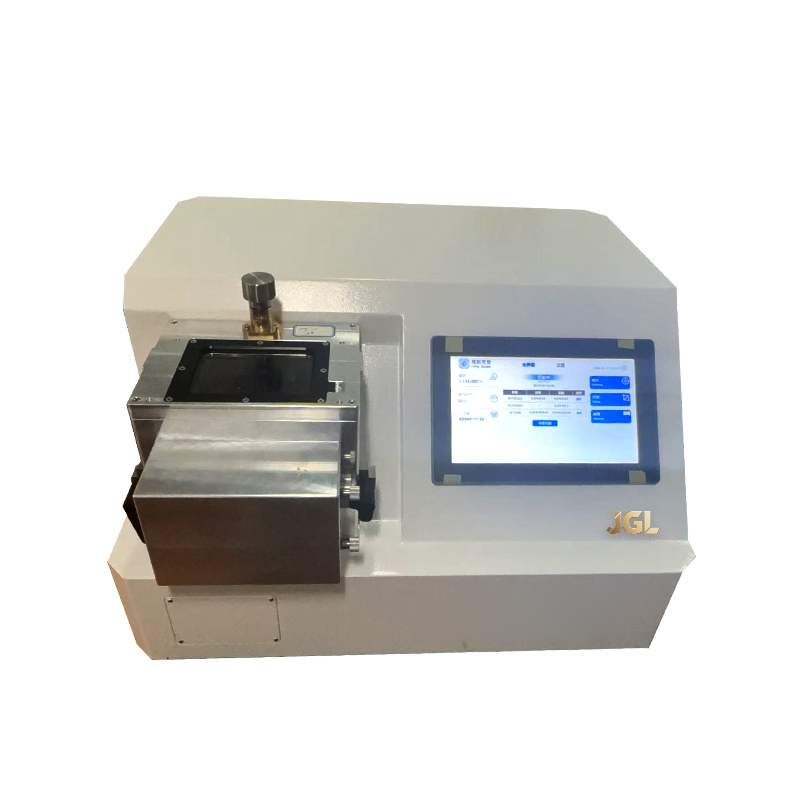
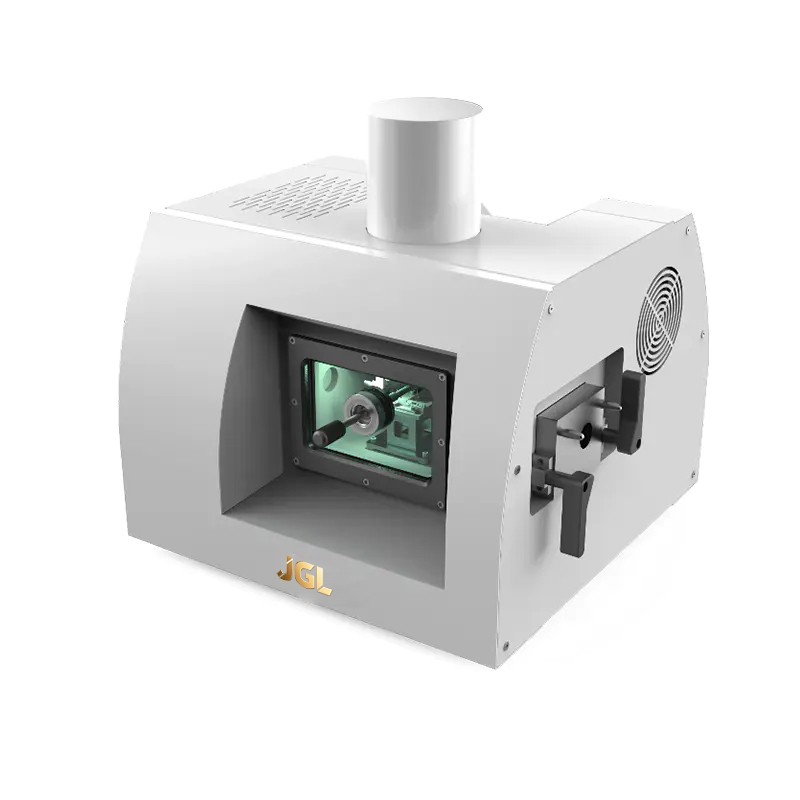
IMP120 Multi-Beam Ion Beam Processing System for Surface Modification and Thin Film Engineering
Understanding the Role of Ion Beam Processing
Ion beam processing uses accelerated ions to interact with a target surface under controlled vacuum conditions. Depending on the ion species, beam energy, current density, angle of incidence, and exposure time, the beam can remove material, activate a surface, densify a film, promote adhesion, alter surface chemistry, or assist in the formation of a deposited layer.
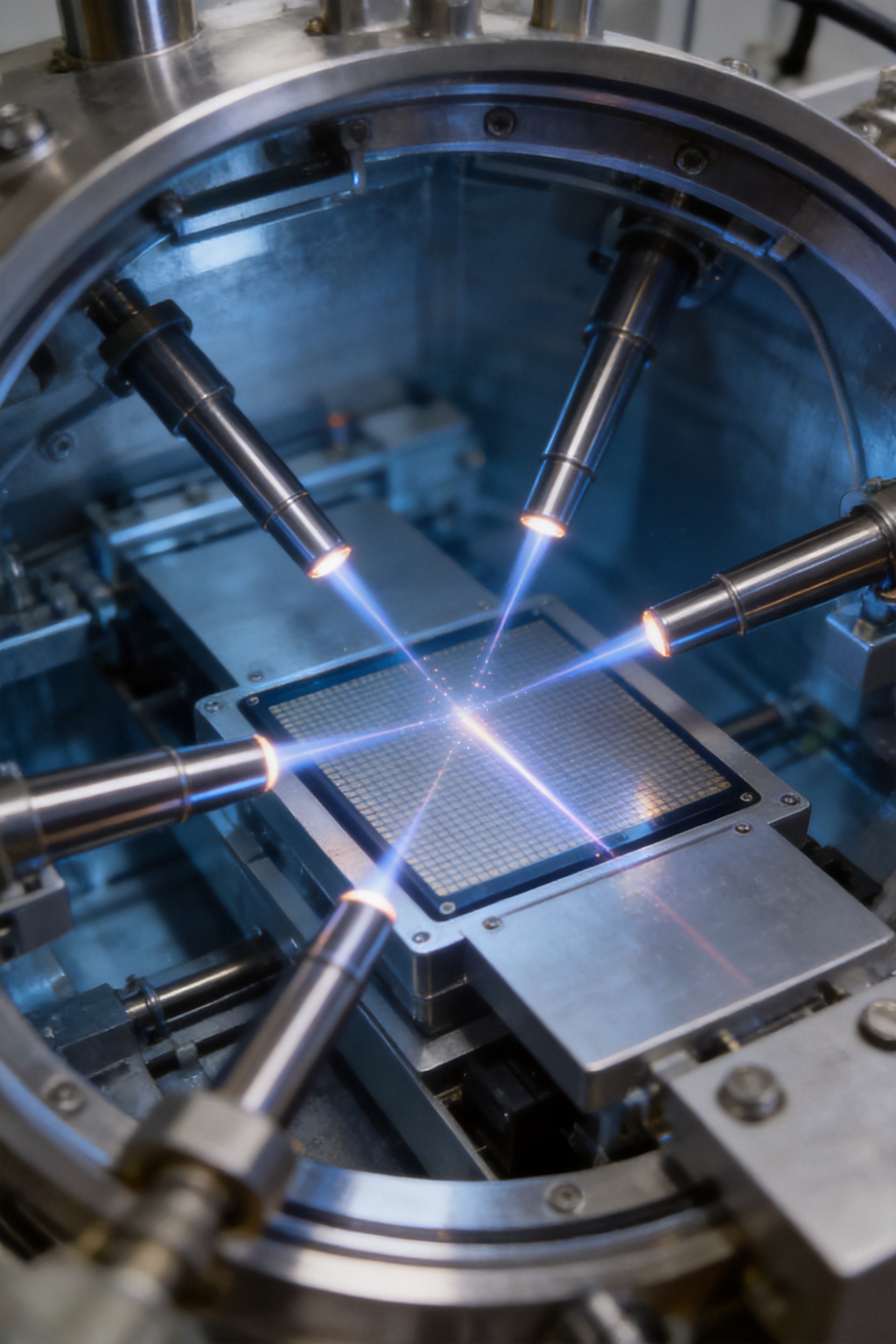
In ion beam etching, energetic ions transfer momentum to atoms at the surface. Material is removed through a physical sputtering mechanism, which can provide directional and highly controllable etching. This is particularly useful when anisotropic profiles, low-dimensional structures, or precise feature definition are required.
In ion beam deposition, ions may directly contribute to film formation or assist the deposition of material from a target or source. Ion assistance can improve film packing density, adhesion, crystallinity, stress control, and interface quality. Compared with purely thermal deposition methods, ion-assisted processes offer additional control over the energy delivered to the growing film.
Ion beam polishing uses controlled material removal to improve surface smoothness, reduce defects, and refine a component after machining or previous fabrication steps. With appropriate process conditions, it can be applied to optical substrates, precision components, semiconductor structures, and other surfaces where conventional mechanical polishing may introduce contamination, deformation, or subsurface damage.
Surface modification extends beyond material removal or film growth. Ion exposure can change wettability, surface energy, adhesion characteristics, electrical behavior, chemical reactivity, and near-surface microstructure. Such modifications are valuable when the goal is to improve a functional property without changing the dimensions or composition of the entire component.
System Concept and Multi-Beam Architecture
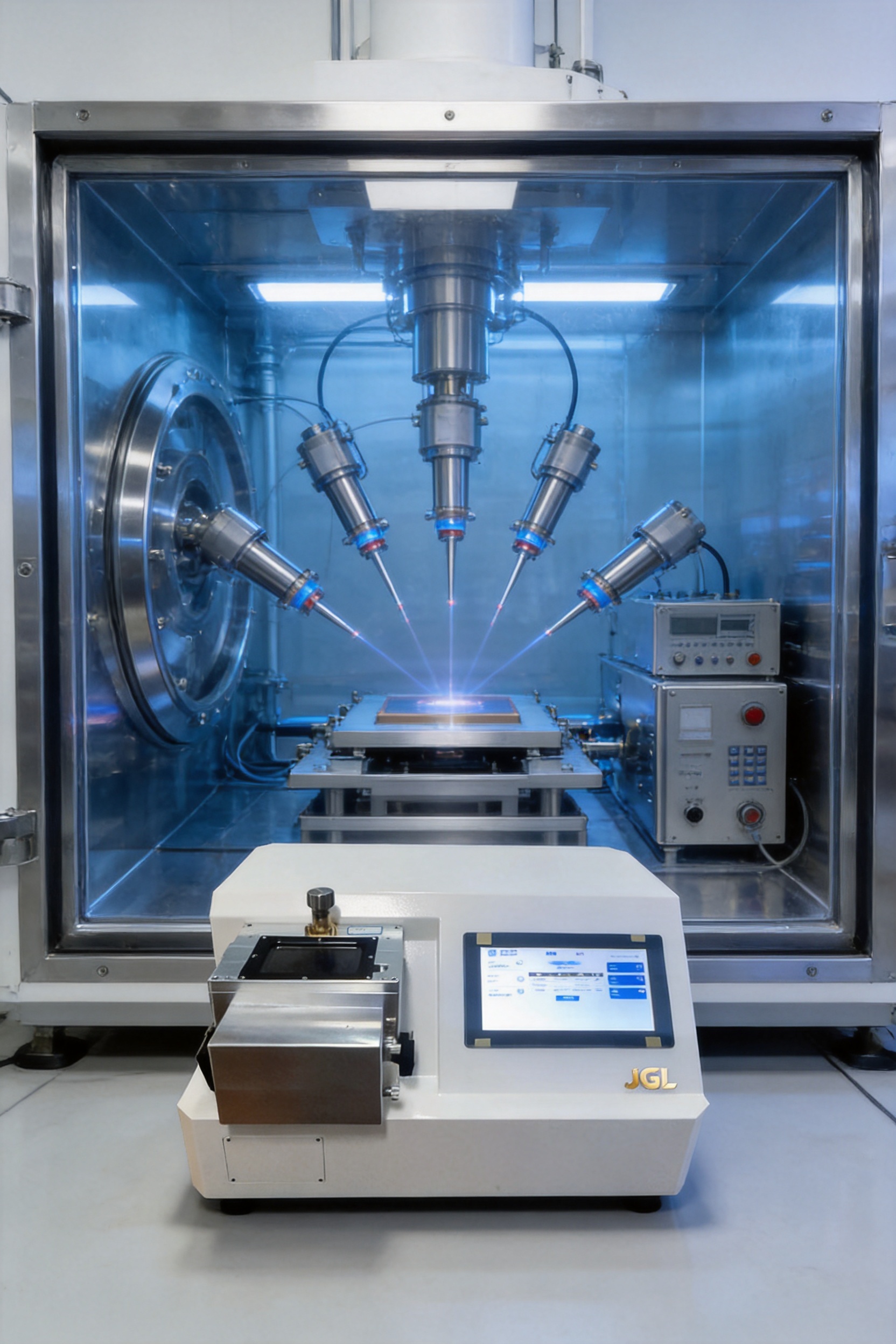
The central design principle of the IMP120 is the use of multiple independently controlled ion beams. Each beam source can be adjusted separately, allowing the process engineer to assign different functions to different sources or to operate several sources under coordinated conditions.
A multi-beam configuration can support simultaneous processing when production efficiency is important. For example, one beam may assist a deposition step while another modifies the substrate or improves interface conditions. In other processes, beams may be used sequentially, with each source activated at a specific stage of the recipe.
This architecture offers a broader process window than a single-beam system. A single ion source may require frequent compromise between beam energy, material removal rate, surface damage, deposition assistance, and film stress. Multiple independently controlled sources reduce the need to use one beam for every function. As a result, the user can separate or coordinate process roles according to the substrate and desired result.
Independent control is also useful when working with multilayer coatings or complex structures. Different layers may require different ion energies, angles, or exposure levels. The ability to change beam conditions during a recipe gives the operator more options for controlling the transition between layers and managing interfaces.
For research and development, this flexibility allows broader experimentation without replacing the primary processing platform. Engineers can compare different beam combinations, adjust process sequences, and evaluate how ion energy or incidence angle influences film properties. For industrial users, the same capability can support product-specific recipes and reduce the need for separate equipment dedicated to each surface operation.
Core Advantages of the IMP120
Multi-Function Surface Processing
The IMP120 is intended to support ion beam etching, deposition, polishing, and surface engineering in one adaptable system. This multi-function capability can simplify process development and reduce the number of transfers between separate vacuum chambers or processing tools.
Fewer transfers can improve workflow efficiency and reduce exposure to ambient contamination. It can also make it easier to maintain a clean interface between process steps. When a substrate is etched, cleaned, modified, and coated in a controlled vacuum environment, the risk of unwanted adsorption and handling-related variation may be reduced.
Independent Beam Adjustment
Each ion source can be adjusted independently for beam energy, current, and incident angle. These parameters strongly influence etch rate, sputtering behavior, film densification, surface damage, and the distribution of energy across the substrate.
Independent adjustment permits a more precise response to material differences. Metals, semiconductors, ceramics, optical materials, and multilayer coatings do not respond identically to ion bombardment. A process that is suitable for a hard ceramic may be too aggressive for a delicate semiconductor layer. Separate beam control allows the user to tune the process for the actual workpiece rather than relying on one generalized condition.
High-Vacuum Processing
The system operates under high-vacuum conditions. A controlled vacuum environment is essential for minimizing gas-phase contamination and maintaining a stable path for the ion beams. It also supports clean thin film deposition and controlled surface modification.
Vacuum processing is particularly important for optical and electronic coatings, where small quantities of contamination can affect adhesion, optical loss, electrical leakage, or long-term reliability. A clean chamber and stable vacuum environment provide a foundation for repeatable results, although the final process outcome also depends on substrate preparation, chamber maintenance, source condition, and recipe control.
Nanoscale Surface Control
Ion beam methods can provide precise control over surface roughness, film density, interface condition, and feature dimensions. The IMP120 is designed for applications where small changes in surface properties can produce significant differences in product performance.
For a thin film, density and interface quality may influence refractive index, hardness, barrier performance, conductivity, adhesion, and environmental durability. For etched structures, beam direction and energy can influence sidewall shape, dimensional accuracy, and the degree of redeposition. The system’s controllable process parameters help users investigate and optimize these effects.
In Situ Process Monitoring Support
The IMP120 is compatible with monitoring and feedback modules. In situ monitoring enables process information to be collected while the substrate remains inside the vacuum environment. Depending on the application, monitoring may include film thickness, deposition rate, optical response, plasma or beam condition, pressure, substrate temperature, or other relevant parameters.
Monitoring support is valuable because it changes the process from a purely open-loop sequence into a more measurable and potentially feedback-controlled operation. Process engineers can compare real-time signals with target values, identify drift, and improve run-to-run consistency. For research, monitoring helps correlate beam conditions with material properties. For manufacturing, it supports statistical process control and recipe verification.
Competitive Advantages Compared with Conventional Approaches
Equipment selection should be based on the specific process, material system, throughput requirement, and quality target. The IMP120 is not intended to replace every deposition or etching technology. Its competitive value comes from the combination of multiple independently controlled ion beams, integrated surface functions, vacuum cleanliness, and process adaptability.
Compared with Single-Beam Ion Systems
A single-beam system can be effective for a defined etching or deposition task, but its process flexibility may be limited when several surface functions are needed. The IMP120’s multi-beam architecture allows different sources to be used for different process roles. This can improve recipe flexibility and reduce the compromise required when one source must perform every operation.
Multiple beams may also enable more efficient process sequencing. A beam for surface activation, a beam for material removal, and a beam for deposition assistance can be coordinated within a single platform. The exact configuration depends on the user’s process design, but the architecture provides a larger technical foundation for experimentation and production development.
Compared with Mechanical Polishing
Mechanical polishing can produce excellent results, but it may introduce scratches, embedded particles, deformation, edge rounding, or subsurface damage. It may also be difficult to apply uniformly to delicate microstructures or complex geometries.
Ion beam polishing is a non-contact process. It removes material through controlled energetic bombardment, which can be advantageous for precision surfaces and small structures. It does not eliminate all process challenges, since ion bombardment must be optimized to prevent unwanted damage, redeposition, or surface chemistry changes. However, it offers an alternative when mechanical contact is undesirable.
Compared with Wet Chemical Etching
Wet chemical etching can provide high selectivity for certain material combinations, but it may generate chemical waste, undercut features, attack exposed materials, or create difficulties in controlling the final profile. Ion beam etching is a dry process and can provide directional material removal.
For micro- and nano-scale features, directional control can be important. The ability to adjust incident angle and beam energy gives the user additional ways to influence feature geometry. Ion beam processing may also be useful when a dry, contamination-controlled environment is preferred.
Compared with Less Integrated Vacuum Equipment
Using separate tools for cleaning, etching, deposition, and polishing can increase handling time and introduce more opportunities for contamination or alignment variation. An integrated multi-function system can reduce transfers and simplify process development.
The IMP120 is particularly useful when interfaces must remain clean between steps. In multilayer optical coatings, electronic structures, and functional surfaces, the transition between preparation and deposition can be as important as the deposition step itself. Maintaining the workpiece under vacuum during coordinated operations can support better interface control.
Compared with Fixed-Parameter Production Tools
Some production systems are optimized for one high-volume recipe and provide limited flexibility outside that process. The IMP120 is positioned as a versatile research and industrial platform. Its adjustable beam parameters and monitoring compatibility allow it to serve multiple materials and application categories.
This adaptability is valuable for companies developing new products, processing customer-specific materials, or moving from laboratory trials to pilot-scale production. Instead of investing in a different tool for every new surface requirement, users can explore a broader range of processes on one configurable platform.
Advanced Manufacturing and Engineering Strengths
The performance of a precision laboratory system depends on more than its visible configuration. Mechanical stability, vacuum design, source integration, electrical control, process software, thermal management, assembly quality, and verification procedures all influence long-term usability. JIANGSU BAISHENG INDUSTRIAL CO., LTD. presents the IMP120 within a broader manufacturing and engineering capability focused on laboratory equipment and safety testing instruments.
Technology-Driven Product Development
The company was founded in 2010 and has developed as a technology-driven enterprise. Its stated focus includes research, development, supply, and customization of high-end laboratory equipment and testing instruments. A dedicated research and development team supports the engineering side of the business, rather than relying solely on conventional trading operations.
This distinction is important for complex equipment. A multi-beam ion processing system requires coordination between vacuum engineering, ion source technology, power control, mechanical design, instrumentation, and application support. A technical organization can better evaluate process requirements, configure equipment, and communicate engineering details with customers.
Experience in Electronic Testing and Laboratory Equipment
The company’s predecessor began in 2013 as a research and development studio specializing in electronic testing. The founding team included engineers with backgrounds in laboratory equipment and safety compliance testing. This history contributes to an engineering-oriented approach to product design, technical documentation, and equipment integration.
Although ion beam processing is a specialized field, experience with electronic testing and laboratory instruments is relevant to the development of controlled equipment. Precision measurement, repeatability, electrical safety, instrumentation, and system verification are common concerns across advanced laboratory technologies.
Transition from Technical Development to Independent Production
In 2016, the organization transformed from a technical studio into an enterprise and completed its first independently developed production line. It also launched high-end laboratory equipment with independent intellectual property rights. This development indicates a progression from engineering concepts toward repeatable product manufacturing.
For customers, independent product development can support closer communication between design and manufacturing teams. It may also make customization more practical because the supplier has a deeper understanding of the equipment architecture and can evaluate modifications at the engineering level.
Technology and International Trade Integration
In 2019, the company adopted a “technology plus trade” development strategy. This approach combines product engineering with international market experience. For international customers, the combination can be useful because successful equipment delivery involves more than fabrication. It also requires clear specifications, export coordination, documentation, installation planning, communication, and after-sales support.
Technical trade capability can help translate customer requirements into practical equipment configurations. It can also support the preparation of process information, utility requirements, acceptance criteria, spare-parts planning, and training materials.
Quality Management and Technical Specification Control
The company further improved its quality management system in 2022, and its products passed rigorous technical specification certifications according to the supplied company information. For a vacuum-based processing platform, quality management should cover incoming materials, machined components, electrical assemblies, vacuum seals, source installation, control wiring, software configuration, and final system testing.
Reliable manufacturing is especially important for equipment intended to provide repeatable surface processing. A stable mechanical structure and consistent electrical control help reduce process variation. Proper inspection and documentation also make it easier to identify the source of deviations during commissioning and routine operation.
Continuous Product Upgrading
By 2025, the company continued to promote product innovation and technological upgrading while adapting to trends in intelligence and digitalization. For ion beam processing, digital development may include improved recipe management, data acquisition, alarm handling, monitoring integration, remote diagnostics, and process-history records.
These capabilities can improve the usability of a complex system. Operators benefit from structured recipes and clear status information, while process engineers gain access to historical data that can be used for optimization and troubleshooting. Digitalization does not replace sound vacuum and beam engineering, but it can make those technologies easier to control and reproduce.
Manufacturing Process Considerations for a Precision Ion Beam System
The following manufacturing stages represent the types of engineering activities required for a system such as the IMP120. Exact procedures and configurations depend on the final specification, but the general principles illustrate why manufacturing discipline matters.
Requirement Definition and Process Mapping
Manufacturing begins with a clear definition of the customer’s materials, substrate dimensions, process objectives, expected throughput, beam requirements, vacuum targets, monitoring needs, and facility conditions. The supplier must understand whether the system will primarily be used for etching, deposition, polishing, surface activation, or a combination of operations.
Process mapping helps identify the relationship between hardware and application. For example, a thin film process may require stable deposition assistance, accurate thickness monitoring, and careful substrate temperature management. A microfabrication process may place greater emphasis on beam direction, etch uniformity, stage motion, and endpoint control.
Mechanical and Vacuum Chamber Fabrication
The vacuum chamber and internal fixtures must be manufactured with suitable materials, dimensional accuracy, surface condition, and cleanliness. Chamber geometry influences beam access, substrate placement, pumping conductance, source arrangement, and maintenance accessibility.
Internal components should be designed to minimize unnecessary outgassing and reduce the accumulation of sputtered material. Sealing surfaces, flanges, feedthroughs, shields, and movable stages must be assembled carefully. Mechanical tolerances are important because small alignment errors can affect beam incidence, coating uniformity, and repeatability.
Ion Source and Power System Integration
Each ion source must be integrated with its power supply, gas delivery, control electronics, cooling or thermal management provisions, and mechanical mounting structure. Independent control requires clear separation of source channels and reliable adjustment of operating parameters.
Electrical integration should include appropriate protection, interlocks, grounding, isolation, and fault detection. High-voltage and high-current components must be installed and tested according to applicable safety practices. Stable source operation is essential because changes in beam current or energy can directly influence etch rate and film properties.
Control System Configuration
The control system coordinates vacuum pumps, valves, ion sources, substrate motion, process timing, monitoring instruments, alarms, and safety interlocks. A well-designed control architecture allows the operator to configure process recipes without unnecessary complexity.
For multi-beam operation, the control system should clearly identify each source and its status. It should support independent settings as well as coordinated sequences. Data logging is also valuable because it creates a record of beam conditions, pressure, timing, and monitoring signals for each process run.
Cleaning, Assembly, and Verification
Clean assembly is critical for vacuum equipment. Components should be prepared, inspected, and handled in a manner appropriate to the required vacuum level and application. Residues from machining, lubricants, dust, and fingerprints can contribute to outgassing or contamination.
After assembly, the system should undergo vacuum testing, leak inspection, electrical verification, source testing, control-system checks, and functional testing. Process verification may include trial runs using representative substrates or test coupons. These stages help confirm that the equipment performs according to the agreed technical specification.
Process Precision and Material Compatibility
The IMP120 is suitable for a broad range of material classes, including metals, semiconductors, ceramics, and optical coatings. Each class presents different challenges and requires a tailored process recipe.
Metals
Metal surfaces may require cleaning, activation, polishing, or coating to improve corrosion resistance, hardness, wear performance, electrical behavior, or optical reflectivity. Ion beam treatment can be used to remove contamination, alter surface roughness, or prepare a surface for improved adhesion.
Because metals differ in sputtering yield, thermal conductivity, and chemical reactivity, beam energy and exposure time must be selected carefully. Excessive bombardment may increase roughness or cause unwanted heating, while insufficient energy may produce an inadequate modification rate.
Semiconductors
Semiconductor processing requires strict control of contamination, dimensional accuracy, and surface damage. Ion beam etching can support the formation of micro- and nano-scale structures, while ion-assisted deposition can contribute to the formation of functional films.
Process development should consider charging effects, redeposition, mask selectivity, lattice damage, and post-process recovery. The ability to adjust beam conditions independently may help engineers balance material removal with preservation of underlying layers.
Ceramics
Ceramics are often hard and chemically stable, making conventional machining and polishing difficult. Ion beam polishing can provide a non-contact route for refining selected surfaces, while ion-assisted deposition may improve the adhesion and density of protective or functional coatings.
The thermal and mechanical properties of ceramics should be considered during processing. Uniform energy distribution, appropriate substrate mounting, and careful control of exposure can help reduce localized stress or temperature variation.
Optical Coatings
Optical films are sensitive to thickness, refractive index, absorption, density, surface roughness, and interface quality. Small deviations may affect transmission, reflection, polarization performance, laser damage resistance, or spectral characteristics.
Ion beam assistance can help produce dense films with improved interfaces, while in situ monitoring can help control thickness and process stability. The appropriate beam conditions depend on the coating material, substrate, target optical design, and required environmental durability.
Typical Application Areas
Functional Surface Modification
Functional surface modification is used when a component needs improved adhesion, wettability, conductivity, chemical activity, friction behavior, or biocompatibility. Ion exposure can alter only the near-surface region, allowing the bulk material to retain its original mechanical or thermal properties.
The IMP120 can support research into surface activation and engineered interfaces. This is useful in bonding studies, sensor development, protective treatments, and the preparation of substrates before coating or assembly.
Thin Film Engineering
Thin film engineering involves more than depositing a layer to a specified thickness. Engineers must also control film stress, density, crystallinity, roughness, composition, adhesion, and interface transitions. Multi-beam ion processing gives users additional variables for influencing these properties.
Applications include optical filters, reflective coatings, electronic layers, barrier films, wear-resistant coatings, and decorative or functional surfaces. The same platform can be used for development experiments and for producing repeatable process data before scale-up.
Precision Etching
Precision etching is important for microstructures, patterned surfaces, optical components, and electronic devices. Directional ion beams can remove material in a controlled manner and may be adapted to different feature sizes and substrate materials.
Etch development should evaluate rate, selectivity, sidewall profile, surface roughness, redeposition, and subsurface effects. The system’s adjustable beam energy and angle provide tools for exploring these variables.
Ion Beam Polishing
Ion beam polishing is suited to surfaces where low roughness and dimensional control are important. It can be used as a final refinement step or as part of a broader process sequence. The non-contact nature of the method is advantageous for small features and delicate substrates.
Users should define the target roughness, material removal depth, allowable damage, and surface chemistry requirements before establishing the polishing recipe. Process monitoring and test coupons can help confirm that the selected conditions produce the desired result.
Process Development Workflow
A successful ion beam process usually begins with characterization of the starting material. Surface roughness, composition, contamination, thickness, hardness, electrical condition, and geometry should be documented before processing. This information provides a baseline for evaluating the effect of the treatment.
The next stage is process design. Engineers select the beam source, ion energy, beam current, incident angle, exposure duration, substrate motion, and vacuum conditions. If deposition is required, they also define the source or target material, deposition rate, substrate temperature, and layer sequence.
Initial trials should use controlled test pieces whenever possible. The results can be evaluated using optical inspection, surface profilometry, microscopy, spectroscopy, ellipsometry, electrical measurement, adhesion testing, hardness testing, or other application-specific methods.
After the first trials, the process window can be refined. The objective is not merely to achieve one successful sample, but to identify conditions that remain stable despite normal variation in substrate preparation, source operation, and environmental conditions.
Once the recipe is established, monitoring parameters and acceptance criteria should be defined. A production-ready process should specify vacuum requirements, beam settings, sequence timing, substrate loading conditions, maintenance intervals, and criteria for handling deviations.
Operational Efficiency and Repeatability
Repeatability is one of the most important requirements for advanced laboratory and industrial equipment. A result is valuable only when it can be reproduced and transferred to additional samples. The IMP120 supports repeatability through independent beam control, vacuum processing, recipe-based operation, and compatibility with monitoring systems.
Process efficiency can also improve when several operations are performed in one platform. Reduced transfer time may shorten the overall workflow, while fewer atmospheric exposures may improve interface cleanliness. Multi-beam operation can be used to develop sequential or combined recipes that would otherwise require several tools.
Efficiency should not be evaluated only by processing speed. It also includes setup time, cleaning time, changeover time, sample handling, data review, and rework. A flexible platform may provide economic value by reducing the number of separate process stations and enabling more applications within one equipment investment.
For industrial users, repeatability depends on disciplined maintenance. Chamber cleaning, source inspection, vacuum system checks, calibration, monitoring verification, and preventive replacement of consumable components should be included in the operating plan. A strong manufacturer can support these activities through documentation, training, technical consultation, and customized service arrangements.
Safety and Facility Integration
Ion beam processing systems combine vacuum technology, electrical power, accelerated ions, process gases, moving mechanisms, and potentially high temperatures. Safe operation requires appropriate engineering controls, operator training, facility preparation, and compliance with applicable local regulations.
Important considerations may include high-voltage protection, access interlocks, emergency stops, gas supply controls, vacuum vessel integrity, grounding, cooling, exhaust, radiation or electromagnetic considerations, and safe maintenance procedures. The final requirements depend on the system configuration and the selected process conditions.
Before installation, the customer should confirm available electrical power, cooling water or other thermal-management services, compressed gases, exhaust provisions, floor space, access routes, and environmental conditions. Clear communication between the manufacturer and user helps prevent delays during commissioning.
A technically advanced system must also be practical for daily operation. Clear interfaces, logical alarms, accessible maintenance points, and well-organized documentation reduce the possibility of operator error. These features support both safety and productivity.
Customization and Customer Support
Surface processing requirements vary widely. A research laboratory may need broad parameter flexibility and easy access to experimental data, while an industrial customer may prioritize automated recipes, stable throughput, and integration with existing production controls.
Customization may involve substrate fixtures, chamber dimensions, ion source arrangements, beam angles, stage motion, monitoring modules, gas delivery, software functions, or process-specific accessories. The company’s stated focus on customized laboratory equipment solutions provides a basis for discussing these requirements during the specification stage.
Technical support should begin before purchase. Customers benefit from a structured review of the intended materials, sample sizes, process steps, performance targets, utility conditions, and acceptance tests. This helps ensure that the delivered configuration is aligned with the actual application rather than only with a general product category.
After delivery, commissioning and training are important. Operators should understand loading procedures, vacuum operation, source startup and shutdown, recipe management, monitoring interpretation, basic troubleshooting, and maintenance requirements. Process engineers should also receive information about parameter limits and recommended development practices.
Why the Platform Is Relevant to Research and Industry
Research laboratories often need equipment that can support uncertain and evolving requirements. New materials, new coating stacks, and new microfabrication methods may require frequent changes in beam energy, angle, sequence, and monitoring. A fixed-purpose tool can become restrictive when the research direction changes.
The IMP120’s multi-beam design provides a foundation for experimental flexibility. Researchers can study how independent ion sources influence surface morphology, film growth, interface structure, and material performance. They can also develop process sequences that combine surface preparation and deposition without moving the sample between separate vacuum environments.
Industrial users have different priorities, including repeatability, uptime, process documentation, quality control, and the ability to adapt to multiple products. The same system architecture can support pilot production, customer-specific coating development, and specialized surface treatments. Monitoring compatibility and controlled recipes are particularly relevant to industrial validation.
The platform can also serve as a bridge between laboratory research and manufacturing. A process developed under carefully measured conditions can be transferred more effectively when the development equipment already includes control, monitoring, and documentation features suitable for scale-up.
Technical Selection Checklist
| Evaluation Area | Questions for the User | Relevance to the IMP120 |
|---|---|---|
| Material system | Which metals, semiconductors, ceramics, or coating materials will be processed? | Material-specific beam energy, angle, exposure, and deposition conditions can be developed. |
| Primary operation | Is the main requirement etching, deposition, polishing, surface activation, or a combined sequence? | The multi-function platform supports several ion beam process categories. |
| Beam configuration | Are simultaneous or sequential beam operations required? | Multiple independently controlled ion sources provide process flexibility. |
| Surface quality | What roughness, density, adhesion, thickness, or interface target must be achieved? | Adjustable beam parameters and monitoring support optimization. |
| Substrate geometry | What are the sample size, shape, thickness, and loading requirements? | Fixtures, stage arrangements, and chamber configuration can be reviewed during specification. |
| Vacuum conditions | What cleanliness and pressure stability are needed? | High-vacuum processing supports clean and repeatable surface treatment. |
| Monitoring | Which process variables must be measured in situ? | The system is compatible with monitoring and feedback modules. |
| Throughput | How many samples or batches must be processed per day? | Multi-beam sequencing and reduced transfers may improve workflow efficiency. |
| Safety and utilities | What power, cooling, gases, exhaust, and facility controls are available? | Installation planning should align the system with the customer’s facility. |
| Future expansion | Will new materials or additional process steps be introduced later? | The adaptable architecture is suitable for evolving research and industrial needs. |
Best Practices for Achieving High-Quality Results
Substrate preparation should be standardized. Cleaning, drying, masking, mounting, and pre-treatment can influence the final result as strongly as the beam settings. A consistent preparation procedure makes it easier to identify the effect of the ion beam process itself.
Beam alignment should be checked regularly. Misalignment can create nonuniform removal, uneven deposition, or unexpected variations across the substrate. Mechanical fixtures and stage positioning should be inspected whenever a new sample format is introduced.
Process parameters should be changed systematically. If beam energy, current, angle, pressure, and exposure time are all changed at once, it becomes difficult to determine which factor caused an improvement or deterioration. Design-of-experiment methods can help reduce development time and reveal interactions between variables.
Chamber condition should be monitored. Deposited material on shields and internal surfaces can eventually flake, alter the local environment, or affect beam behavior. Preventive cleaning and documented maintenance intervals help protect process stability.
Monitoring data should be retained and reviewed. Trends in pressure, source power, deposition rate, or film thickness can reveal gradual equipment changes before they result in unacceptable product variation. Data records also provide evidence during process qualification and customer audits.
Test coupons are useful during both development and production. A representative coupon can be processed alongside valuable parts and evaluated using established metrology. This provides an additional check on the process without relying exclusively on final-product inspection.
Business Value of a Flexible Ion Beam Platform
The financial value of processing equipment is determined by its contribution to usable output, not simply by its purchase price. A versatile system may reduce the need for multiple specialized tools, simplify operator training, and decrease sample transfers. It may also accelerate new product development by allowing more process experiments to be completed on one platform.
For coating developers, the IMP120 can support fast comparison of beam conditions and layer structures. For research institutions, it can serve several projects involving different materials and surface objectives. For industrial users, it can support process qualification, pilot production, and specialized customer requirements.
The ability to customize the equipment can further improve its value. Instead of selecting a generic configuration and adding unsuitable accessories later, the customer can define the required sources, fixtures, monitoring functions, and control features during the engineering stage.
Long-term value also depends on technical support and product evolution. A supplier with an established history in laboratory equipment, research and development, international trade, and quality management can provide a more complete relationship than a supplier focused only on equipment shipment.
Frequently Asked Questions
What is the main purpose of the IMP120?
The IMP120 is a multi-beam ion beam processing system for surface modification, thin film engineering, ion beam etching, ion beam deposition, and precision polishing. It is designed for research and industrial users that require controlled and repeatable surface processing.
What does multi-beam operation mean?
Multi-beam operation means that the system uses more than one ion source, with each source capable of independent adjustment. The beams may be used simultaneously or sequentially, depending on the process recipe.
Can the ion beams be adjusted separately?
Yes. Each ion source can be adjusted independently for parameters such as beam energy, current, and incident angle. This allows the user to tune individual process functions for different materials or process stages.
Which materials can be processed?
The system is suitable for a wide range of materials, including metals, semiconductors, ceramics, and optical coating materials. The exact recipe must be developed according to the material properties, substrate geometry, and desired outcome.
Can the system perform both etching and deposition?
Yes. The platform is intended to support both ion beam etching and ion beam deposition. These operations may be performed separately or combined in a coordinated sequence, depending on the installed configuration and process requirements.
Is ion beam polishing suitable for delicate structures?
Ion beam polishing is a non-contact method and may be advantageous for delicate, small, or precision structures. However, the beam conditions must be carefully optimized to control material removal, surface damage, redeposition, and heating.
Why is high vacuum important?
High vacuum reduces contamination, supports stable ion beam transport, and provides a clean environment for thin film deposition and surface modification. It also helps improve interface quality and process repeatability.
Does the IMP120 include process monitoring?
The system is compatible with in situ monitoring and feedback modules. The specific monitoring instruments should be selected according to the application, such as film thickness control, deposition rate measurement, optical monitoring, or other process variables.
Is the system intended only for research?
No. It is designed for both research and industrial environments. Research users can benefit from its flexibility, while industrial users can use it for process development, pilot production, specialized treatment, and repeatable thin film or surface engineering operations.
Can the equipment be customized?
Customization can be discussed according to substrate size, material system, beam configuration, monitoring requirements, fixtures, automation, and facility conditions. A detailed technical review should be completed before final specification.
What should be prepared before installation?
The customer should review electrical power, cooling, process gases, exhaust, floor space, access routes, environmental conditions, safety controls, and operator training requirements. The final installation plan should be confirmed with the equipment supplier.
How can users improve process repeatability?
Users should standardize substrate preparation, verify beam alignment, control chamber cleanliness, document recipes, monitor key process variables, maintain the vacuum system, and evaluate representative test coupons. Preventive maintenance and data review are also important.
What makes the platform different from a single-purpose tool?
Its principal distinction is the combination of multiple independently controlled ion beams and support for etching, deposition, polishing, and surface modification. This provides a wider process development range than a tool designed for only one fixed operation.
Conclusion
The IMP120 Multi-Beam Ion Beam Processing System addresses the growing need for precise, clean, and adaptable surface engineering. Its multi-beam architecture allows independent control of ion sources and supports simultaneous or sequential processing. This creates opportunities to combine surface preparation, etching, deposition, polishing, and functional modification within one vacuum-based platform.
Its advantages include process flexibility, nanoscale surface control, high-vacuum operation, support for diverse materials, and compatibility with in situ monitoring. Compared with single-beam systems, mechanical polishing, wet chemical etching, and less integrated equipment, it offers a broader set of tools for controlling interfaces, film properties, and microstructural features.
The equipment is supported by the engineering and manufacturing background of JIANGSU BAISHENG INDUSTRIAL CO., LTD., a company that has developed from electronic testing research into a technology-driven supplier of laboratory equipment and safety testing instruments. Its research and development capabilities, independent production experience, quality-management development, international trade expertise, and focus on customized solutions provide a foundation for serving both laboratory and industrial customers.
For organizations working with optical coatings, electronic materials, protective films, precision components, ceramics, semiconductors, or advanced surface treatments, the IMP120 can provide a flexible route from experimental development to repeatable production. The most successful implementation will begin with a clear process definition, careful material characterization, appropriate facility planning, and close cooperation between the customer and equipment manufacturer.
References
1. Handbook of Thin Film Deposition Processes and Techniques, general principles of physical vapor deposition, ion assistance, and film property control.
2. Introduction to Vacuum Technology, fundamental concepts of vacuum generation, gas behavior, outgassing, leakage, and chamber cleanliness.
3. Ion Beam Processing of Materials, principles of sputtering, ion-assisted deposition, surface modification, ion polishing, and beam-material interactions.
4. Materials Characterization for Thin Films, methods for evaluating film thickness, roughness, adhesion, density, optical performance, and interface quality.
5. Microfabrication Engineering and Dry Etching, technical considerations for directional etching, feature definition, redeposition, selectivity, and process control.
6. Laboratory Equipment Quality and Safety Practices, general guidance for equipment design, electrical protection, vacuum safety, maintenance, and operator training.
7. Company technical information supplied for the IMP120 Multi-Beam Ion Beam Processing System and the manufacturing, research, development, and quality background of JIANGSU BAISHENG INDUSTRIAL CO., LTD.
Product: IMP120 Multi-Beam Ion Beam Processing System for Surface Modification and Thin Film Engineering

PREV:High-Vacuum Ion Beam Etching and Deposition for Precision Surface Engineering
NEXT:Dual-Layer Explosion-Proof Thermal Test Chamber for High-Risk Temperature Testing
NEXT:Dual-Layer Explosion-Proof Thermal Test Chamber for High-Risk Temperature Testing
Interested in cooperation or have questions?
Featured Products
Related products
Quick Link
Contact Information
- Tel: +86-13861043568
- E-mail: 1840784112@qq.com
- Add: Tianting District, Changzhou City, Jiangsu Province, China, No. 6 Hecircuit
Scan Code
Copyright © JIANGSU BAISHENG INDUSTRIAL CO., LTD.
All Rights Reserved. Privacy Custom Precision Laboratory Testing Equipment Manufacturers
