 English
 Español
NEWS
NEWS
NEWS
NEWS
NEWS
NEWS
NEWS
NEWS
NEWS
NEWS
NEWS
NEWS
NEWS
NEWS
NEWS
NEWS

Peng Shulan — Regional Sales Consultant
Home / Author / Peng Shulan — Regional Sales Consultant / High-Vacuum Ion Beam Etching and Deposition for Precision Surface Engineering
High-Vacuum Ion Beam Etching and Deposition for Precision Surface Engineering
Content
- 1 1. The Role of Ion Beam Processing in Modern Laboratories
- 2 2. Product Overview
- 3 3. High-Quality Ion Beam Etching and Coating Performance
- 4 4. Multi-Target Configuration and Vacuum-Preserved Switching
- 5 5. Adjustable Sample Motion for Improved Coating Uniformity
- 6 6. High-Vacuum Design and Process Cleanliness
- 7 7. Manufacturing Strengths and Engineering Approach
- 8 8. Advantages Over Basic or Less Flexible Coating Systems
- 9 9. Operating Workflow
- 10 10. Process Control and Maintenance
- 11 11. Safety and Responsible Use
- 12 12. Selecting the Right Configuration
- 13 13. Company Capabilities and Market Position
- 14 14. Why the HSC120 Is a Precision-Oriented Choice
- 15 15. Frequently Asked Questions
- 15.1 Q1: What is the main purpose of the HSC120?
- 15.2 Q2: Which coating materials are supported?
- 15.3 Q3: How many targets can be installed at the same time?
- 15.4 Q4: Does target replacement require the chamber to be vented?
- 15.5 Q5: What is the advantage of adjustable sample tilt?
- 15.6 Q6: Why is programmable sample rotation useful?
- 15.7 Q7: How does ion beam coating compare with magnetron sputtering?
- 15.8 Q8: Is the HSC120 suitable for nonconductive specimens?
- 15.9 Q9: Can the system coat complex specimen shapes?
- 15.10 Q10: What should be considered before installation?
- 15.11 Q11: Does the manufacturer provide customized solutions?
- 15.12 Q12: What information should buyers request from the supplier?
- 16 16. Conclusion
- 17 References
- 18 Product: HSC120 High-Vacuum Ion Beam Etching and Deposition Machine
High-quality surface preparation and thin-film deposition are essential in many modern research and industrial applications. Electron microscopy, materials analysis, semiconductor development, optical component fabrication, precision sensors, and advanced coatings all depend on the ability to modify a surface without compromising its structure. When the coating is uneven, poorly adhered, excessively rough, or contaminated, the reliability of the final analysis or product can be significantly reduced.
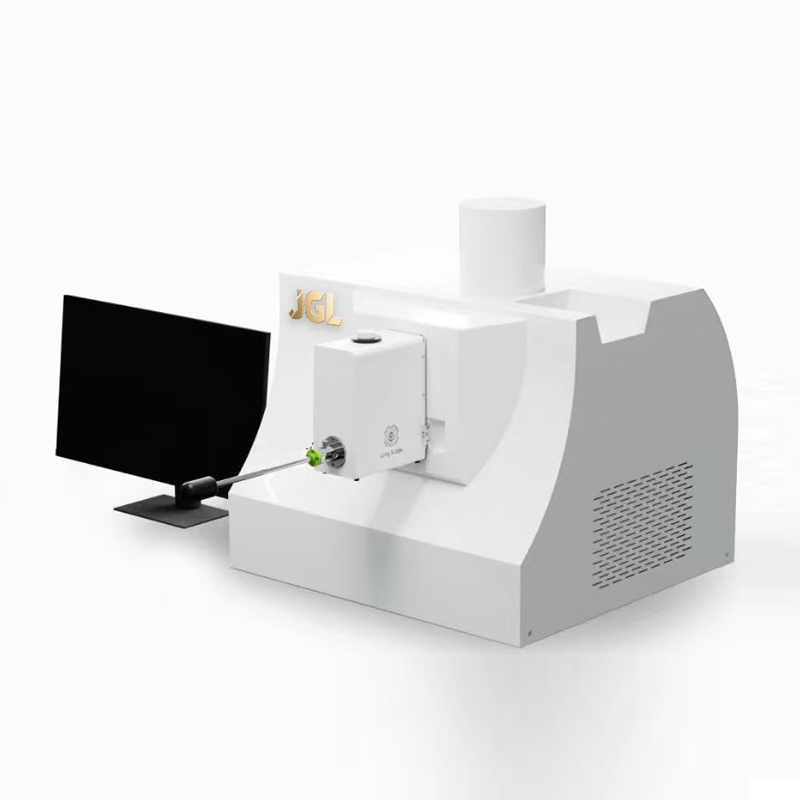
The HSC120 High-Vacuum Ion Beam Etching and Deposition Machine is designed for laboratories and production environments that require controlled ion beam etching, conductive coating, and thin-film deposition in a clean vacuum environment. Its operating concept combines high-vacuum processing, multi-target flexibility, adjustable sample movement, and vacuum-preserved target switching. Together, these features support repeatable coating results while reducing the limitations commonly associated with conventional single-target or less precisely controlled coating systems.
The system belongs to the category of ion beam etching, deposition, and polishing systems. It is particularly suitable for preparing specimens for electron microscopy and other analytical procedures in which coating quality, surface smoothness, film continuity, and adhesion directly affect the usefulness of the result. At the same time, its configuration can support broader research and development tasks involving thin films, surface modification, conductive layers, and experimental coating combinations.
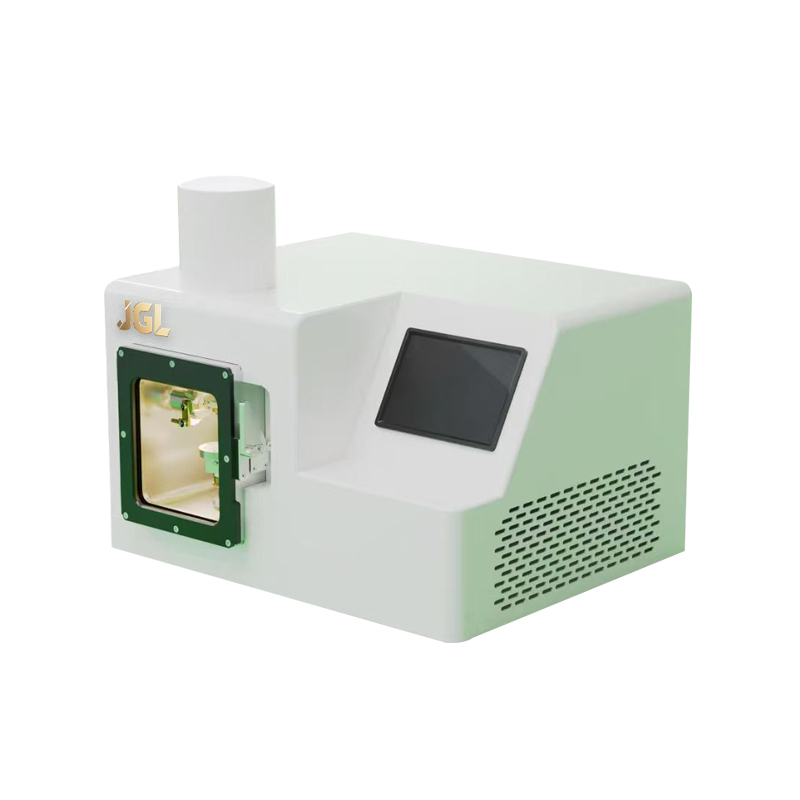
HSC120 High-Vacuum Ion Beam Etching and Deposition Machine
1. The Role of Ion Beam Processing in Modern Laboratories
Ion beam processing uses a controlled stream of energetic ions to remove material from a surface, assist in surface cleaning, or transfer material from a target onto a substrate. In an etching process, ions interact with the specimen surface and remove unwanted material. In a deposition process, ions assist in transporting or activating target material so that a thin film forms on the substrate. The ability to perform these operations in a controlled vacuum makes ion beam systems valuable for applications where cleanliness and precision are important.
Traditional coating methods can provide satisfactory results for routine applications, but they may present limitations when the substrate is sensitive, the required film is very thin, or the surface contains complex geometry. Coating roughness, shadowing, excessive grain growth, weak adhesion, or discontinuous coverage can affect imaging and analytical performance. These issues become more serious when a specimen contains recessed regions, vertical sidewalls, porous areas, or irregular three-dimensional structures.
The HSC120 addresses these requirements through a process design centered on ion beam etching and coating. The system is intended to produce dense, uniform, and fine-grained films with strong adhesion to the substrate. Such films can create a reliable conductive path over nonconductive specimens, helping to reduce charging during electron microscopy and improving the stability of imaging and analysis.
Ion beam processing also provides a useful degree of control over surface characteristics. By adjusting processing conditions, operators can adapt the coating to the specimen material, desired film thickness, target type, and application. This flexibility is important for laboratories that work with different materials rather than performing only one standardized coating operation.
2. Product Overview
The HSC120 High-Vacuum Ion Beam Etching and Deposition Machine is a laboratory-grade platform for ion beam etching and thin-film deposition. Its main operating functions include surface etching, conductive coating, metal deposition, carbon coating, and coating uniformity control through adjustable specimen movement.
The system is designed around three central requirements:
First, the film should have appropriate density, smoothness, adhesion, and continuity for the intended analytical or technical application. Second, the vacuum environment should remain stable and clean during processing, including when operators change targets. Third, the sample should be exposed to the deposited material as uniformly as possible, even when its shape is not flat or simple.
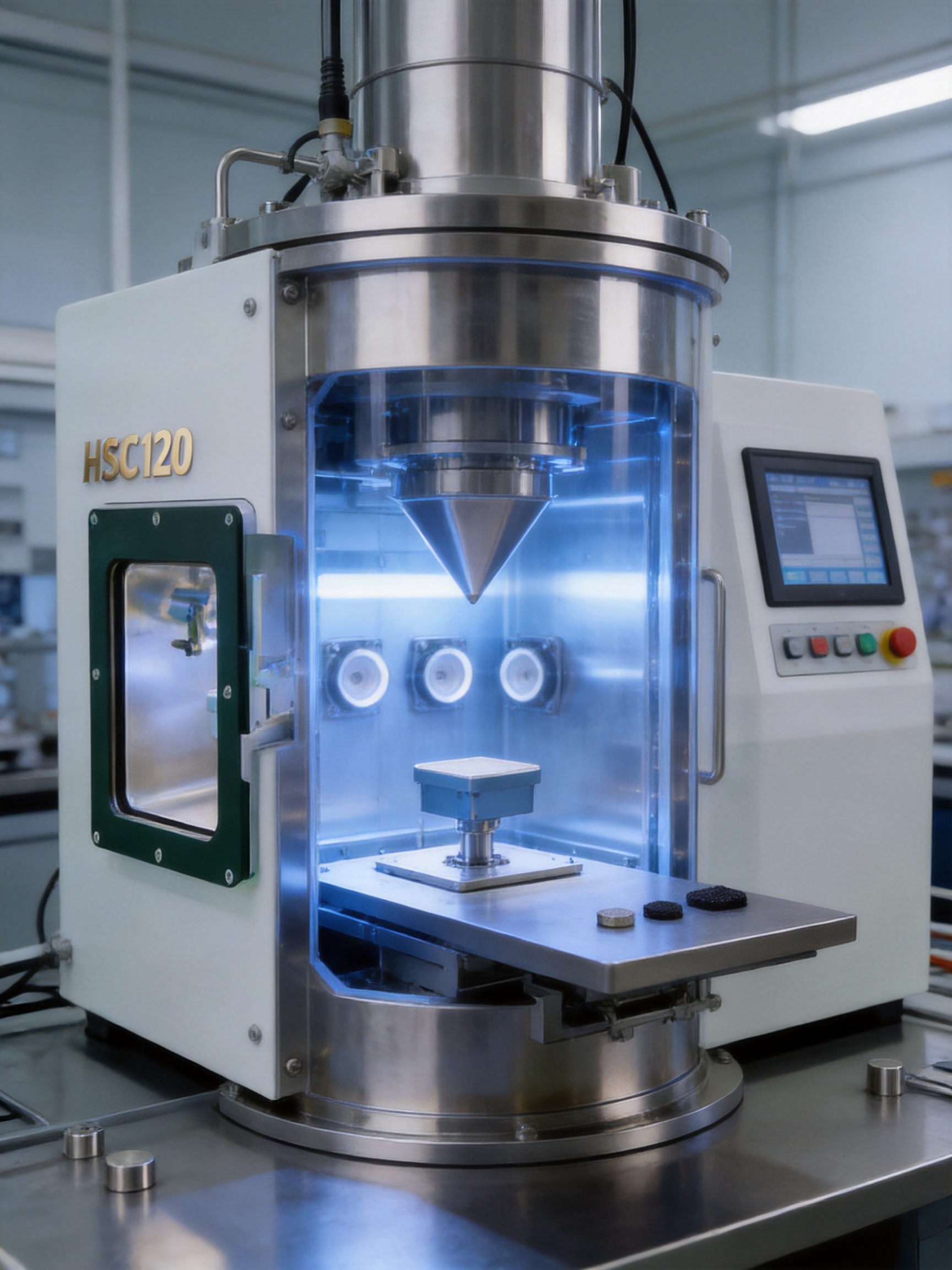
To support these requirements, the machine incorporates a patented inverted pyramid target holder capable of accommodating up to three targets inside the coating chamber. Target switching can be completed without breaking vacuum. The sample stage provides adjustable tilt angles and programmable rotation speeds, allowing the operator to establish a movement pattern suited to the specimen geometry and coating objective.
The system supports metallic targets including platinum, gold, chromium, and tungsten, as well as high-purity carbon. This combination enables laboratories to select materials according to conductivity, imaging requirements, surface compatibility, research objectives, or film characteristics.
2.1 Primary Applications
The machine is well suited to electron microscopy specimen preparation, especially where a conductive coating is required. Nonconductive samples can accumulate electrical charge under an electron beam. This charging may cause image drift, brightness fluctuations, distortion, reduced resolution, or unstable analytical signals. A continuous and well-adhered conductive coating can help dissipate charge and improve the quality of observation.
Other possible applications include surface preparation before analysis, coating research, materials development, thin-film experimentation, surface modification, and preparation of samples with irregular or three-dimensional structures. The system may also be considered for laboratories that need to compare different target materials without installing several separate coating platforms.
3. High-Quality Ion Beam Etching and Coating Performance
One of the most important advantages of the HSC120 is its emphasis on film quality. The system employs ion beam etching and coating technology to form dense, uniform, and fine-grained thin films. These characteristics are valuable because the coating is not merely a visual layer; it can influence imaging quality, electrical behavior, surface texture, adhesion, and the reliability of subsequent analysis.
A dense film generally provides better continuity than a loosely formed or highly porous coating. For conductive applications, continuity is particularly important because isolated islands or discontinuous regions may not create an effective path for charge dissipation. A uniform film also helps prevent localized differences in conductivity or contrast across the specimen surface.
Strong adhesion is equally significant. A coating that flakes, cracks, or separates during handling can contaminate the chamber, damage the specimen, or produce misleading analytical results. Adhesion is affected by factors such as surface cleanliness, substrate composition, surface energy, ion energy, deposition conditions, film thickness, and thermal behavior. The HSC120’s ion beam process is intended to support stable bonding between the deposited film and the substrate when appropriate operating parameters are selected.
Fine grain size is another distinguishing characteristic. According to the supplied product information, ion beam-deposited coatings exhibit smaller grain sizes than magnetron-sputtered coatings at the same film thickness. Smaller grains can contribute to a smoother surface and reduced surface artifacts. For high-resolution imaging, this can be especially useful because a rough or granular coating may obscure small features, introduce unwanted texture, or reduce the clarity of surface details.
3.1 Comparison with Conventional Magnetron Sputtering
Magnetron sputtering is a widely used and effective deposition method. It is suitable for many industrial and laboratory applications, particularly where relatively high deposition rates or larger-area coatings are required. However, the desired process depends on the specimen and the application. For high-resolution analytical specimens, a smaller-grained and smoother film may be preferable to a coating optimized primarily for throughput.
At comparable film thickness, ion beam deposition may provide a more refined surface structure. A smoother coating can reduce visual artifacts in microscopy and make it easier to distinguish the specimen’s actual morphology from texture introduced by the coating. This does not mean that ion beam deposition is automatically superior for every process. Rather, it offers a valuable alternative when surface smoothness, fine structure, strong adhesion, and controlled coverage are more important than maximum deposition speed.
The HSC120 is therefore positioned as a precision-focused system. Its advantages over a basic coating unit are not limited to the deposition source itself. They also arise from the combination of high-vacuum processing, multiple target availability, movement control, and the ability to preserve vacuum during target changes.
3.2 Benefits for Electron Microscopy
Electron microscopy often requires a careful balance between electrical conductivity and preservation of the original specimen morphology. A coating that is too thick can mask fine details, while a coating that is too thin or discontinuous may fail to control charging. The ability to produce a fine-grained and uniform film helps operators pursue this balance.
For scanning electron microscopy, a stable conductive coating can support clearer imaging, reduced charging, and more consistent detector response. In analytical workflows, the selected coating material may also influence signal behavior, surface contrast, and the interpretation of elemental information. Operators should therefore choose the target material and thickness according to the analytical method and the specimen composition.
High-resolution imaging benefits from reduced surface artifacts. When the coating is smooth and evenly distributed, the observed surface is less likely to be dominated by coating texture. This can help preserve edges, particles, pores, fibers, biological structures, and fine topographical features.
4. Multi-Target Configuration and Vacuum-Preserved Switching
The HSC120 incorporates an inverted pyramid target holder that can accommodate up to three targets simultaneously inside the coating chamber. This configuration provides a practical advantage for laboratories that use more than one coating material or frequently change between metal and carbon deposition.
In a single-target system, changing materials may require opening the chamber, removing the installed target, cleaning or inspecting the chamber, installing another target, and restoring the vacuum. Each additional intervention can consume time and may increase the opportunity for contamination or process variation. It may also interrupt a batch workflow and require the system to return to stable operating conditions before processing resumes.
With the HSC120, target switching can be performed without breaking vacuum. Maintaining the vacuum environment helps preserve process cleanliness and reduces unnecessary downtime. It also limits exposure of the chamber and target surfaces to ambient air, which can be beneficial when laboratories are working with sensitive materials or when process repeatability is important.
4.1 Supported Target Materials
The system supports a broad range of coating choices. Platinum is often selected when a fine conductive coating and high-quality imaging are required. Gold can provide effective conductivity and is familiar to many microscopy laboratories. Chromium may be useful when a particular adhesion or contrast behavior is desired. Tungsten can be selected for applications requiring a different material response or research comparison. High-purity carbon provides an alternative for laboratories that need carbon coating for microscopy, spectroscopy, or other analytical purposes.
The correct material depends on the sample, instrument, analytical goal, and required film thickness. For example, a coating intended to improve general conductivity may require a different target selection from a coating intended to minimize interference with elemental analysis. The multi-target design gives operators the flexibility to maintain several materials in the system and select the appropriate one for each workflow.
4.2 Efficiency in Multi-Application Laboratories
Research laboratories commonly handle a variety of specimens. One project may involve biological samples, another may involve ceramics, metals, powders, polymers, or semiconductor structures. These materials may require different coating strategies. A multi-target configuration reduces the need to dedicate a separate machine to every material or application.
Vacuum-preserved switching can also simplify experimental comparison. Operators may deposit one material on a group of samples, change to another target, and continue with a second group while maintaining the chamber environment. This can help reduce differences caused by repeated chamber venting and re-evacuation, although appropriate cleaning, calibration, and process verification remain necessary.
For facilities that serve multiple users, the feature can improve scheduling efficiency. The machine can be configured for several common coating materials, reducing preparation time between projects. This supports a more flexible shared-instrument model and may improve the utilization of the equipment.
5. Adjustable Sample Motion for Improved Coating Uniformity
Uniform coating is difficult to achieve when samples have complicated shapes. A flat specimen may be coated relatively evenly from a fixed direction, but recessed areas, sidewalls, cavities, ridges, particles, and irregular surfaces can create shadowed regions. If the deposited material arrives primarily from one direction, some parts of the sample may receive a thicker layer while others receive little or no coverage.
The HSC120 addresses this challenge through an adjustable sample stage. The stage allows the operator to adjust the specimen tilt angle and program the rotation speed. By changing the relationship between the sample and the ion beam or deposition source, the operator can improve exposure across the surface.
Tilting changes the angle at which material reaches the specimen. Rotation presents different parts of the sample to the deposition stream over time. When these parameters are selected appropriately, material can reach areas that would otherwise remain partially shielded. The result is improved coverage across the entire sample and better continuity around edges, recessed features, and sidewalls.
5.1 Processing Irregular and Three-Dimensional Specimens
Many modern specimens are not simple two-dimensional plates. They may include particles distributed over a substrate, porous structures, fractured surfaces, microfabricated features, fibers, biological structures, or components with steep height differences. These samples require a coating process that can accommodate variation in orientation and geometry.
Adjustable tilt and rotation provide a way to adapt the coating process to the shape of the specimen. The operator can develop a movement recipe that increases the probability of coating hidden or angled areas. This is especially valuable when conductive continuity is required across a complex structure, because an uncoated sidewall or recessed region can remain electrically isolated even if the top surface is well covered.
The motion system also supports process repeatability. Once an appropriate angle and rotation pattern have been established for a particular specimen type, the parameters can be documented and reused. This can reduce operator-to-operator variation and help create a more consistent sample preparation procedure.
5.2 Relationship Between Motion and Film Uniformity
Sample movement does not replace the need for correct vacuum conditions, target selection, surface preparation, and process control. Instead, it works together with those factors. Film uniformity depends on the distance between the sample and source, the deposition geometry, target condition, exposure time, beam settings, sample size, specimen shape, and motion pattern.
The HSC120 gives the operator additional control over these variables. This makes it possible to optimize the process rather than relying on a fixed orientation. For laboratories that routinely prepare different specimen geometries, the added control can be more valuable than a simple increase in nominal deposition speed.
6. High-Vacuum Design and Process Cleanliness
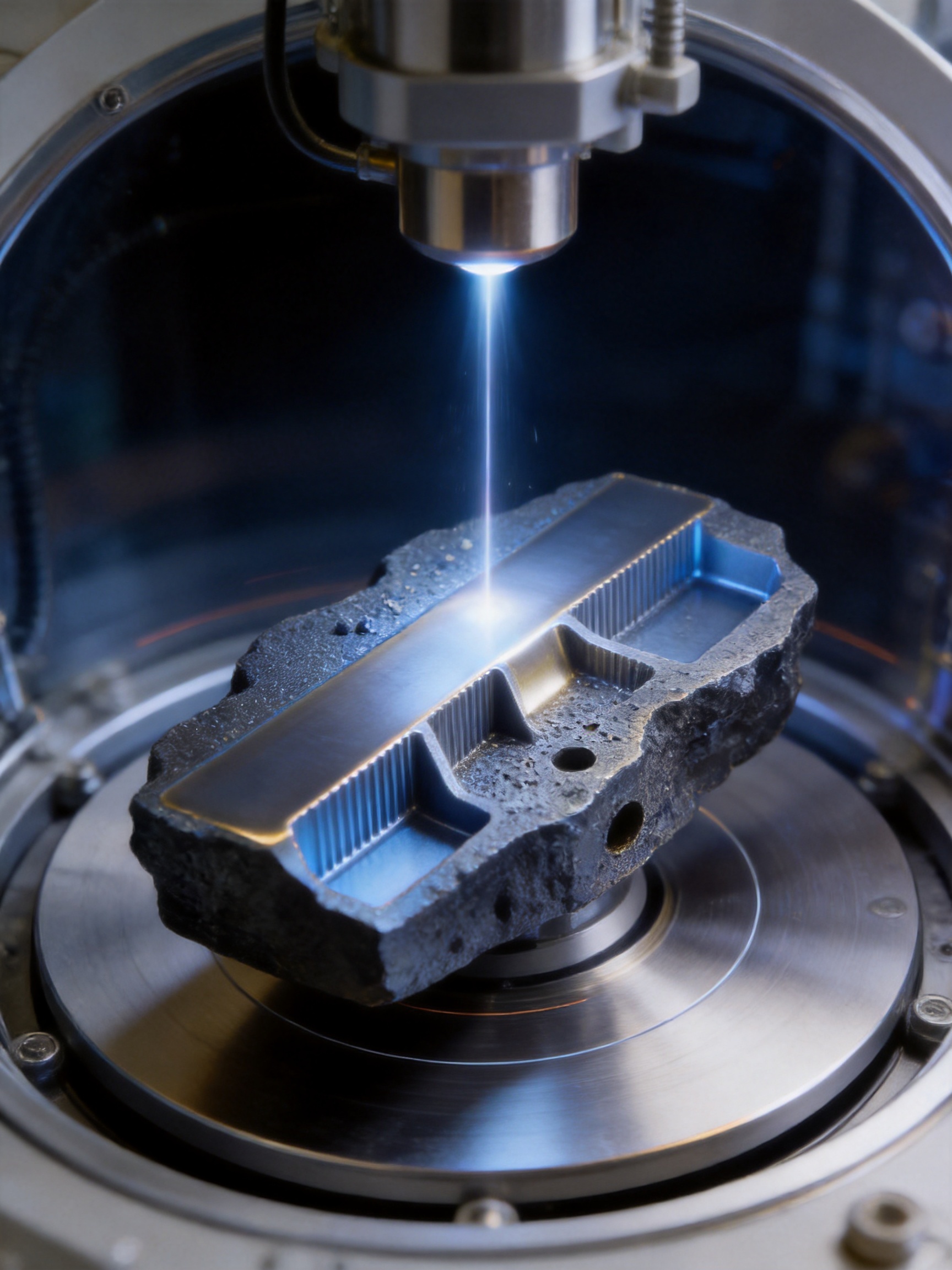
A stable vacuum environment is fundamental to ion beam etching and deposition. Low-pressure conditions help reduce the presence of unwanted gas molecules and contaminants that could interact with the ion beam, target material, or substrate. A clean environment supports more predictable film formation and helps protect the specimen from avoidable contamination.
The HSC120 is designed as a high-vacuum platform. Its vacuum-preserved target switching feature further supports this design philosophy by allowing target changes without intentionally returning the chamber to atmospheric pressure. Maintaining vacuum can reduce the time required for recovery and help preserve stable process conditions.
Cleanliness is particularly important for thin coatings. When a film is only a small fraction of the thickness of a conventional industrial coating, even a small amount of contamination can influence its electrical, mechanical, or imaging properties. Laboratory operators should still follow a suitable maintenance and cleaning schedule, because target erosion, chamber deposits, sample outgassing, and handling practices can affect performance over time.
6.1 Benefits of Vacuum Preservation
Preserving vacuum during target switching can provide several practical benefits. It can reduce exposure of the chamber to humidity and airborne particles. It can shorten the transition between coating materials. It can help maintain a more consistent thermal and pressure history. It can also reduce the number of manual steps required during routine operation.
These benefits are especially relevant for facilities that process many samples or use several target materials in a single working day. Less interruption can improve productivity, while reduced chamber exposure can support cleaner processing. The actual improvement will depend on the laboratory’s workflow, maintenance standards, pump configuration, and operating practices.
7. Manufacturing Strengths and Engineering Approach
The company behind the HSC120, JIANGSU BAISHENG INDUSTRIAL CO., LTD., was founded in 2010 as a technology-driven enterprise specializing in high-end laboratory equipment and safety testing instruments. Its stated development model combines research and development, precision engineering, product supply, and international trade. This structure is relevant to specialized equipment because customers often need more than a standard catalog product; they may require application guidance, configuration support, documentation, and customized technical communication.
The company’s history began with a research and development studio specializing in electronic testing in 2013. The founding team was formed by engineers with technical experience in laboratory equipment and safety compliance testing. In 2016, the organization developed its first independent production line and introduced laboratory equipment with independent intellectual property rights. This progression suggests an engineering-oriented foundation rather than a business model based only on reselling general-purpose equipment.
In 2019, the company adopted a “technology plus trade” development strategy. This approach combines product development with overseas market experience. For customers purchasing specialized laboratory equipment, the combination can be useful because successful deployment depends on both technical design and clear international project support.
By 2022, the company had further improved its quality management system and stated that its products had passed rigorous technical specification certifications. Specific certifications and applicable standards should be confirmed for the exact HSC120 configuration before purchase. Nevertheless, the stated focus on technical specifications and quality management indicates an effort to formalize production and verification processes.
7.1 R&D-Centered Product Development
A precision ion beam system requires coordinated development across vacuum engineering, mechanical design, electrical control, sample motion, target handling, and process application. The product’s multi-target holder and adjustable sample stage illustrate the importance of integrated engineering. These features must operate together without compromising chamber space, target accessibility, vacuum stability, or sample positioning.
The company identifies its dedicated R&D team as a core strength. A specialized engineering group can help refine product structures, improve user interfaces, study process stability, and adapt equipment to customer requirements. This is particularly important when customers work with unusual sample geometries or need a coating protocol that differs from standard microscopy preparation.
Research-driven manufacturing also supports gradual product improvement. Feedback from laboratories can identify issues such as difficult sample loading, inconvenient target replacement, insufficient movement flexibility, or challenges in process repeatability. A manufacturer with internal technical capabilities is better positioned to convert such feedback into engineering revisions.
7.2 Precision Manufacturing Considerations
Although detailed factory process parameters are not provided, the product’s design implies the need for careful manufacturing and assembly. A high-vacuum chamber must be constructed and sealed with appropriate attention to surface condition, interfaces, joints, and cleanliness. The target holder must maintain stable positioning while allowing controlled switching. The sample stage must provide repeatable tilt and rotation, and its motion must remain compatible with the vacuum environment.
Precision manufacturing for this type of equipment generally depends on controlled mechanical fabrication, careful assembly, electrical inspection, vacuum testing, motion verification, and functional process testing. Each stage contributes to the final reliability of the instrument. Dimensional accuracy affects alignment, sealing quality affects vacuum performance, and control-system verification affects repeatability.
For customers evaluating the equipment, it is appropriate to request documentation covering factory acceptance testing, vacuum performance, target compatibility, sample-stage specifications, electrical requirements, installation conditions, maintenance procedures, and operator training. These documents help translate the product’s engineering advantages into measurable purchasing criteria.
7.3 Customization and Application Support
The company describes its business as providing reliable and customized laboratory solutions. Customization may involve target combinations, sample-holder arrangements, chamber accessories, control settings, specimen dimensions, or application-specific process recommendations. The exact scope should be discussed with the manufacturer before ordering.
Application support is particularly important for ion beam equipment because the same machine may be used with very different substrates. Biological specimens, polymers, ceramics, powders, metals, and semiconductor materials can behave differently under vacuum and ion bombardment. A manufacturer that understands both equipment design and laboratory workflows can help customers define a more appropriate configuration.
Technical support should also cover installation, vacuum preparation, target installation, sample positioning, process development, routine cleaning, and troubleshooting. These services can shorten the learning curve and help laboratories achieve consistent results more quickly.
8. Advantages Over Basic or Less Flexible Coating Systems
The HSC120 offers several advantages when compared with a basic single-target coating unit or a system with limited sample movement. These advantages relate to process quality, operational flexibility, specimen compatibility, and workflow efficiency.
| Feature | HSC120 Approach | Practical Benefit |
|---|---|---|
| Deposition method | Ion beam etching and coating | Supports dense, uniform, fine-grained films with strong adhesion when properly configured |
| Film structure | Fine-grained coating design | Can reduce surface roughness and coating-related artifacts in high-resolution imaging |
| Target capacity | Up to three targets in an inverted pyramid holder | Allows several coating materials to be available in one chamber |
| Target switching | Switching without breaking vacuum | Helps reduce contamination risk, transition time, and process interruption |
| Target materials | Pt, Au, Cr, W, and high-purity carbon | Provides flexibility for conductive coating and application-specific experiments |
| Sample movement | Adjustable tilt and programmable rotation | Improves coverage on irregular specimens, recesses, and sidewalls |
| Workflow suitability | Designed for varied laboratory applications | Supports shared facilities and laboratories working with multiple specimen types |
In comparison with a fixed-orientation system, the adjustable stage is a major practical distinction. A fixed sample position may be adequate for flat specimens, but it can leave hidden areas uncoated. The HSC120 enables operators to optimize exposure for more complex surfaces.
Compared with a single-target platform, the multi-target arrangement reduces the need to repeatedly disassemble the chamber. It also makes it easier to maintain a selection of commonly used coating materials. Compared with a rougher or more granular coating process, the fine-grained ion beam film may better preserve small surface features.
These benefits should be evaluated according to the intended application. A high-throughput industrial coating process may prioritize deposition rate, automation, or large-area capability. A microscopy laboratory may instead prioritize film quality, target flexibility, clean processing, and sample coverage. The HSC120 is particularly relevant to the second group and to research facilities that require precision and adaptability.
9. Operating Workflow
A reliable coating result begins before the sample enters the chamber. Specimens should be clean, dry, securely mounted, and compatible with vacuum processing. Loose particles, moisture, oil, adhesive residues, and volatile materials can impair vacuum performance or contaminate the chamber. Sample preparation should therefore be planned as part of the complete process rather than treated as a separate task.
9.1 Sample Preparation
The specimen is mounted on a suitable sample holder and positioned so that the areas of interest are exposed to the deposition field. Operators should consider the height of the sample, its orientation, the presence of recesses, and the possibility of shadowing. If the specimen contains multiple regions, the holder should be arranged to avoid obstruction between samples.
For nonconductive samples, the intended coating thickness should be selected carefully. The goal is generally to provide adequate conductivity while preserving surface detail. Excessive coating may reduce the visibility of fine structures, while insufficient coating may not eliminate charging. The ideal condition depends on the specimen and the electron microscope settings.
9.2 Target Selection
The operator selects platinum, gold, chromium, tungsten, carbon, or another compatible target according to the application. Target selection should consider conductivity, film morphology, substrate compatibility, imaging requirements, and whether elemental analysis will be performed. If several targets are installed, the selected target can be positioned for processing without opening the chamber.
9.3 Vacuum and Process Setup
After loading, the chamber is evacuated according to the equipment operating procedure. The operator verifies that the sample is secure and that the selected target is correctly positioned. Process conditions may include beam settings, exposure time, sample tilt, rotation speed, and other parameters defined by the instrument configuration.
Because the HSC120 allows adjustable sample motion, operators can develop recipes for different specimen categories. A flat sample may require only modest movement, while an irregular specimen may benefit from a greater tilt range or a programmed rotation sequence. Parameters should be recorded so that successful processes can be repeated.
9.4 Deposition and Inspection
During deposition, the ion beam interacts with the selected target and transfers coating material toward the specimen. The process forms a thin film under vacuum. After deposition, the specimen should be inspected for visible defects, mechanical stability, and suitability for the next analytical step.
For critical applications, coating quality may be evaluated through imaging, electrical continuity checks, thickness measurement, surface inspection, or comparison with a reference process. Maintaining a process log can help identify relationships between target condition, movement parameters, sample type, and final imaging performance.
10. Process Control and Maintenance
Precision equipment delivers the best results when its operating environment is controlled. Operators should follow the manufacturer’s procedures for chamber cleaning, target inspection, vacuum-system maintenance, sample-stage checks, and electrical safety. Deposited material can gradually accumulate on chamber components, shields, apertures, or fixtures. If deposits become excessive, they may affect vacuum cleanliness, geometry, or process repeatability.
Targets should be inspected periodically for wear and uneven erosion. A target approaching the end of its useful life may produce less consistent deposition or require different operating conditions. Keeping records of target usage can support preventive replacement and reduce unexpected process variation.
The sample stage should be checked for smooth and repeatable tilt and rotation. Mechanical obstruction, contamination, or improper loading may affect motion. Because uniformity depends partly on sample movement, stage performance should be treated as a process-critical function rather than merely a convenience feature.
Vacuum performance should also be monitored. Unusual pump-down times, unstable pressure, or increased background contamination may indicate a need for chamber cleaning, seal inspection, pump maintenance, or improved sample preparation. A systematic maintenance program protects both the instrument and the quality of the coated specimens.
11. Safety and Responsible Use
Ion beam and vacuum coating equipment should be operated only by trained personnel. The system may involve high voltage, vacuum forces, energetic ions, heated components, pressurized or electrically powered subsystems, and materials that require controlled handling. Operators should read the equipment manual, follow local laboratory safety rules, and use appropriate personal protective equipment.
Samples should be evaluated for vacuum compatibility before processing. Materials that release moisture, solvents, or volatile compounds can affect the vacuum and may damage the system or compromise other samples. Target materials should be stored and handled to prevent contamination. Electrical connections, chamber access, interlocks, and maintenance operations should be managed according to the manufacturer’s instructions.
Safety procedures should also cover emergency shutdown, loss of vacuum, power interruption, target replacement, cleaning chemicals, and waste disposal. A clear operating checklist can help reduce errors in shared laboratories where users have different levels of experience.
12. Selecting the Right Configuration
Before purchasing an HSC120 system, customers should define their primary applications and expected workload. Important questions include the type and size of specimens, the required coating materials, the desired level of automation, the frequency of target changes, the required sample motion, and the available laboratory utilities.
Customers should also consider whether the system will be used primarily for microscopy preparation or for broader thin-film research. If the equipment will support multiple departments, the target configuration and sample-holder design should accommodate the most common specimen types. If the machine will be used for method development, flexible motion control and access to several target materials may be particularly valuable.
Installation planning should include floor space, ventilation, power supply, environmental conditions, vacuum-service requirements, and operator access. The manufacturer should provide the applicable technical specifications for the exact configuration, including chamber dimensions, sample capacity, vacuum performance, target sizes, control functions, and compatible accessories.
12.1 Questions for Technical Evaluation
When comparing suppliers, buyers should request information about factory testing, process validation, spare parts, service response, operator training, warranty terms, software or controller support, and documentation. They should also ask whether application samples can be processed before purchase or during commissioning.
A strong technical evaluation should compare not only the initial purchase price but also the total cost of ownership. Target availability, maintenance requirements, pump servicing, chamber cleaning, consumables, training, and downtime can all influence the long-term value of the equipment.
The HSC120’s value is strongest where the laboratory benefits from fine-grained films, flexible target selection, vacuum-preserved switching, and adjustable sample motion. Buyers should prioritize these features when their work involves high-resolution imaging, multiple specimen types, complex surface geometry, or frequent changes between coating materials.
13. Company Capabilities and Market Position
JIANGSU BAISHENG INDUSTRIAL CO., LTD. presents itself as a technology-oriented manufacturer and supplier rather than a conventional trading company. Its stated strengths include an internal R&D team, precision design capabilities, technical product development, international trade experience, and customized laboratory solutions.
This combination can be valuable for overseas customers. Specialized equipment often requires communication across engineering, procurement, installation, and compliance teams. A supplier with international project experience may be better prepared to manage technical specifications, packaging, shipping coordination, documentation, and customer questions.
The company’s development history also shows a gradual expansion from electronic testing research and development into high-end laboratory equipment and safety testing instruments. Its stated commitment to innovation and digitalization suggests an intention to continue upgrading its product portfolio as laboratory workflows become more intelligent, connected, and data-oriented.
For customers, the practical importance of these claims should be assessed through technical evidence. Product drawings, testing records, process demonstrations, customer references, service procedures, and formal specifications can help verify whether the manufacturer’s capabilities match the application. A transparent supplier should be able to explain the product’s operating limits and recommended maintenance requirements.
14. Why the HSC120 Is a Precision-Oriented Choice
The central advantage of the HSC120 is that it combines several controls that are often evaluated separately. The ion beam process addresses film quality. The high-vacuum chamber supports a cleaner deposition environment. The multi-target holder expands material flexibility. Vacuum-preserved target switching improves workflow efficiency. Adjustable sample tilt and rotation address coating uniformity on complex surfaces.
These functions reinforce one another. A fine-grained coating is more useful when it is also continuous. A multi-target holder is more valuable when switching does not require repeated vacuum interruption. Sample rotation is more effective when the chamber geometry and target arrangement allow stable and repeatable deposition. A high-vacuum environment supports all of these functions by reducing contamination and improving process control.
For electron microscopy laboratories, the system can support the preparation of conductive coatings that are smooth, adherent, and suitable for high-resolution imaging. For research organizations, it can provide a flexible platform for comparing metals and carbon. For shared facilities, its multi-target design can simplify scheduling and reduce changeover operations.
The equipment is not intended to eliminate the need for process development. Every specimen has its own requirements, and coating conditions should be optimized through controlled trials. However, the HSC120 provides the mechanical and process flexibility needed to develop those methods systematically.
15. Frequently Asked Questions
Q1: What is the main purpose of the HSC120?
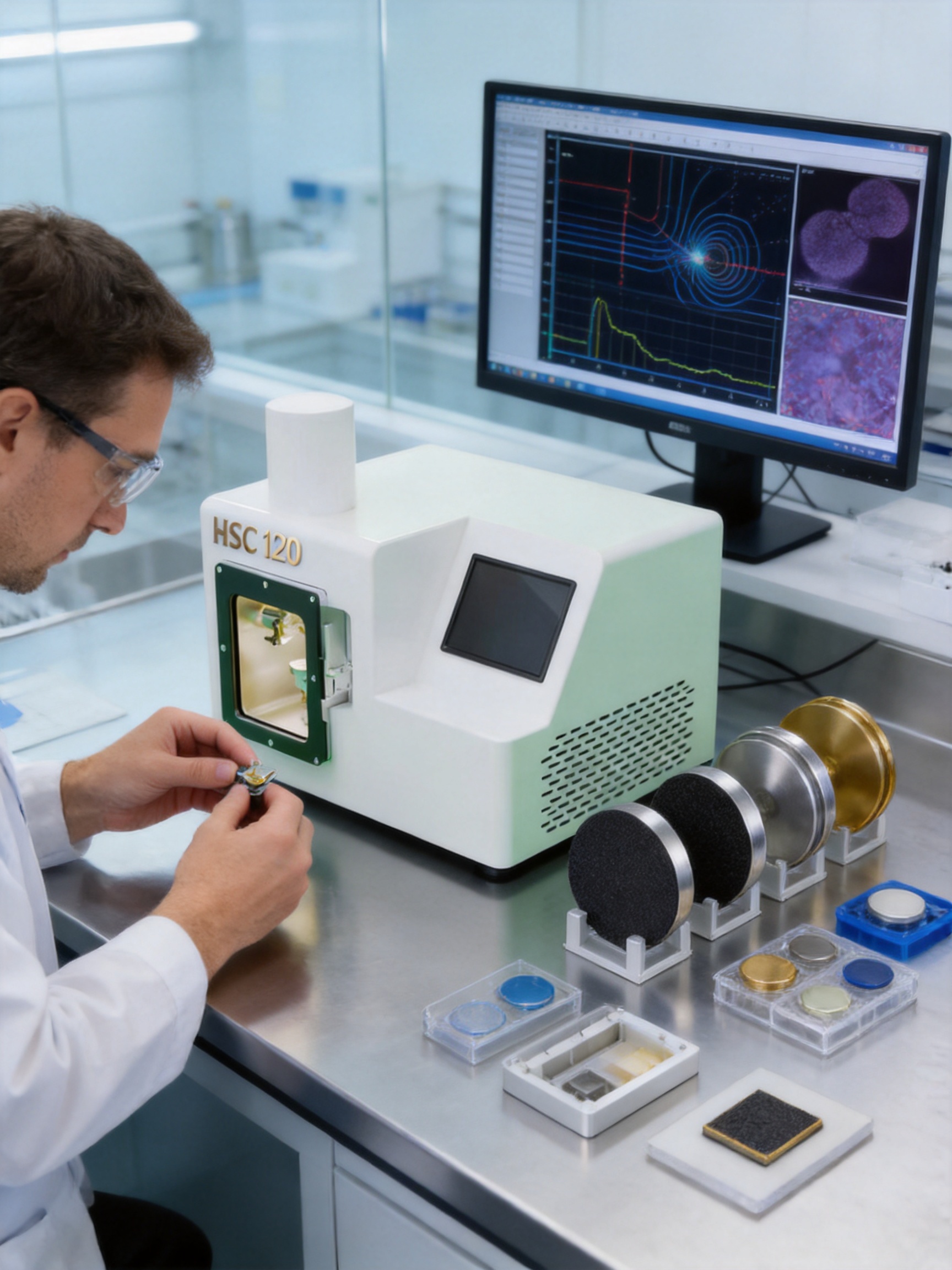
The HSC120 is designed for high-vacuum ion beam etching and thin-film deposition. It can be used to prepare conductive coatings, modify surfaces, deposit metal or carbon films, and support specimen preparation for electron microscopy and related analytical applications.
Q2: Which coating materials are supported?
The stated supported materials include platinum, gold, chromium, tungsten, and high-purity carbon. The final target selection should be based on the specimen, imaging method, conductivity requirement, and analytical objectives.
Q3: How many targets can be installed at the same time?
The inverted pyramid target holder can accommodate up to three targets simultaneously inside the coating chamber.
Q4: Does target replacement require the chamber to be vented?
The system is designed to allow target switching without breaking vacuum. This can help maintain a cleaner environment and reduce the time associated with changing between coating materials.
Q5: What is the advantage of adjustable sample tilt?
Adjustable tilt changes the angle between the specimen and the deposition direction. This can improve access to angled surfaces, recessed areas, and sidewalls that might otherwise receive insufficient coating.
Q6: Why is programmable sample rotation useful?
Rotation exposes different parts of a specimen to the deposition stream. It can improve coating uniformity, reduce directional shadowing, and support more reliable coverage on irregular or three-dimensional samples.
Q7: How does ion beam coating compare with magnetron sputtering?
According to the supplied product information, ion beam-deposited films can have smaller grain sizes than magnetron-sputtered films at the same thickness. This may produce smoother surfaces and fewer coating-related artifacts, which is beneficial for high-resolution imaging. The best method still depends on the application, production scale, and required deposition conditions.
Q8: Is the HSC120 suitable for nonconductive specimens?
Yes. Conductive metal or carbon coatings can be used to help reduce charging on nonconductive specimens during electron microscopy. Operators should select the target and film thickness according to the specimen and analytical requirements.
Q9: Can the system coat complex specimen shapes?
The adjustable tilt angle and programmable rotation speed are specifically intended to improve coverage on complex or irregular geometries, including recessed areas and sidewalls. Process parameters should be optimized for each specimen type.
Q10: What should be considered before installation?
Customers should confirm available space, power requirements, laboratory environmental conditions, vacuum-service arrangements, sample dimensions, target requirements, operator training, and maintenance access. The exact technical specifications should be obtained for the selected configuration.
Q11: Does the manufacturer provide customized solutions?
The company describes its product strategy as including customized laboratory equipment solutions. Potential customization should be discussed directly with the manufacturer, including sample holders, target configurations, process requirements, and installation conditions.
Q12: What information should buyers request from the supplier?
Buyers should request a complete technical specification, operating manual, installation requirements, target compatibility information, acceptance-testing documentation, warranty terms, spare-parts information, maintenance procedures, and available training or commissioning support.
16. Conclusion
The HSC120 High-Vacuum Ion Beam Etching and Deposition Machine is designed for laboratories that require more than basic coating capability. Its ion beam process supports dense, uniform, fine-grained films with strong adhesion. Its fine-grained coating characteristics can help reduce roughness and surface artifacts, supporting high-resolution imaging and stable conductive preparation.
The multi-target inverted pyramid holder provides access to up to three targets in one chamber. Vacuum-preserved switching reduces unnecessary interruptions and supports a cleaner working environment. The availability of platinum, gold, chromium, tungsten, and high-purity carbon gives laboratories flexibility across microscopy, materials research, and surface-engineering applications.
Adjustable sample tilt and programmable rotation further distinguish the system by addressing the difficulty of coating irregular specimens. These controls can improve coverage across complex surfaces, recessed regions, and sidewalls, thereby supporting more reliable conductive continuity and coating uniformity.
Behind the product is a company that emphasizes research and development, precision engineering, quality management, international trade experience, and customized solutions. Its development from an electronic testing R&D studio into a laboratory equipment enterprise reflects an engineering-led approach to product development. Customers should verify detailed specifications and certifications for the selected configuration, but the company’s stated capabilities provide a foundation for technical cooperation.
For electron microscopy facilities, analytical laboratories, materials researchers, and organizations developing advanced surface processes, the HSC120 offers a balanced combination of film quality, target flexibility, vacuum cleanliness, and sample-motion control. Its greatest value lies in giving operators the tools to develop repeatable, application-specific coating procedures while maintaining the precision expected from modern laboratory equipment.
References
1. Product information supplied for the HSC120 High-Vacuum Ion Beam Etching and Deposition Machine.
2. Company profile and development history supplied for JIANGSU BAISHENG INDUSTRIAL CO., LTD.
3. General laboratory practices for electron microscopy specimen preparation and conductive coating.
4. General principles of ion beam etching, ion-assisted deposition, and vacuum thin-film processing.
5. General guidance on vacuum-system cleanliness, sample preparation, target handling, and laboratory equipment maintenance.
Product: HSC120 High-Vacuum Ion Beam Etching and Deposition Machine

PREV:Advanced AC/DC/IR Withstand Voltage Testing for Safer Electrical Products
NEXT:Multi-Beam Ion Beam Processing for Precision Surface Modification and Thin Film Engineering
NEXT:Multi-Beam Ion Beam Processing for Precision Surface Modification and Thin Film Engineering
Interested in cooperation or have questions?
Featured Products
Related products

Quick Link
Contact Information
- Tel: +86-13861043568
- E-mail: 1840784112@qq.com
- Add: Tianting District, Changzhou City, Jiangsu Province, China, No. 6 Hecircuit
Scan Code
Copyright © JIANGSU BAISHENG INDUSTRIAL CO., LTD.
All Rights Reserved. Privacy Custom Precision Laboratory Testing Equipment Manufacturers
