 English
 Español
NEWS
NEWS
NEWS
NEWS
NEWS
NEWS
NEWS
NEWS
NEWS
NEWS
NEWS
NEWS
NEWS
NEWS
NEWS
NEWS

Peng Shulan — Regional Sales Consultant
Home / Author / Peng Shulan — Regional Sales Consultant / Cryogenic Environmental Chambers for Reliable Low-Temperature Sample Preparation and Analysis
Cryogenic Environmental Chambers for Reliable Low-Temperature Sample Preparation and Analysis
Content
- 1 The Role of Environmental Control in Cryogenic Research
- 2 Product Overview
- 3 Core Advantages of the MSC310
- 4 Design Features That Support Laboratory Workflows
- 5 Applications in Electron Microscopy and Surface Analysis
- 6 Applications in Polymer and Soft-Matter Characterization
- 7 Advantages Compared with Conventional Low-Temperature Setups
- 8 Manufacturing and Engineering Strengths
- 9 Recommended Workflow for Using a Cryogenic Environmental Chamber
- 10 Selection and Integration Considerations
- 11 Operational Reliability and Maintenance
- 12 Safety and Good Laboratory Practice
- 13 How the System Supports More Efficient Research
- 14 Quality-Oriented Manufacturing Approach
- 15 Customization and Project Development Process
- 16 Frequently Asked Questions
- 16.1 What is the primary purpose of the MSC310?
- 16.2 Does the chamber provide only cooling?
- 16.3 Why is frost suppression important?
- 16.4 Can the chamber be used with electron microscopy workflows?
- 16.5 Is it suitable for polymer research?
- 16.6 Can different sample holders be used?
- 16.7 Can the product be customized?
- 16.8 What should be discussed before purchase?
- 16.9 Does controlled operation eliminate the need for laboratory procedures?
- 16.10 How does the product compare with a basic cold enclosure?
- 16.11 What company capabilities support the product?
- 16.12 How should users maintain the chamber?
- 17 Conclusion
- 18 References
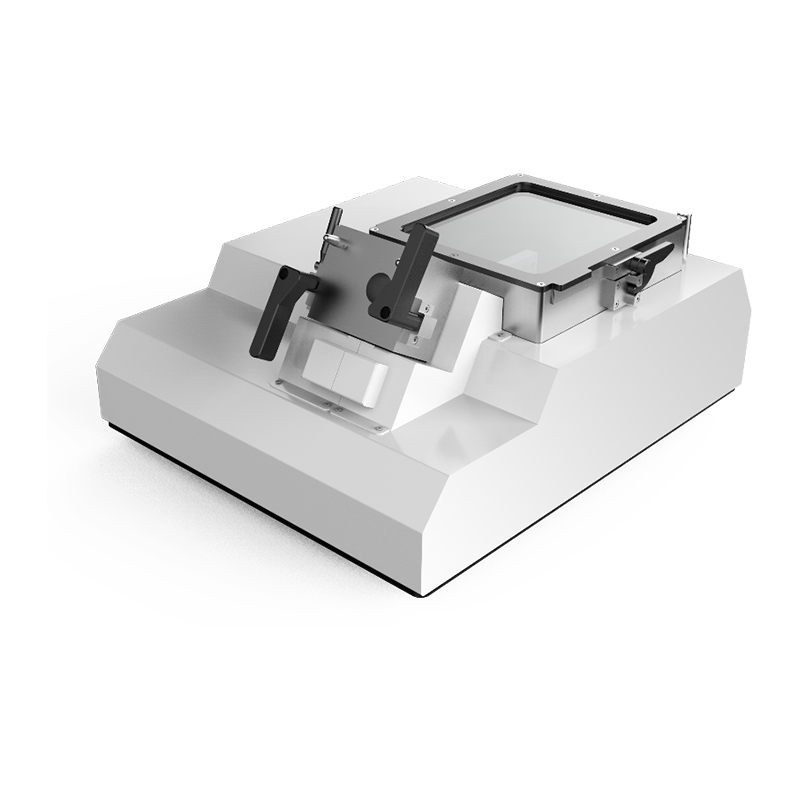
- 19 Product: MSC310 Cryogenic Environmental Chamber for Low-Temperature Sample Preparation and Analysis
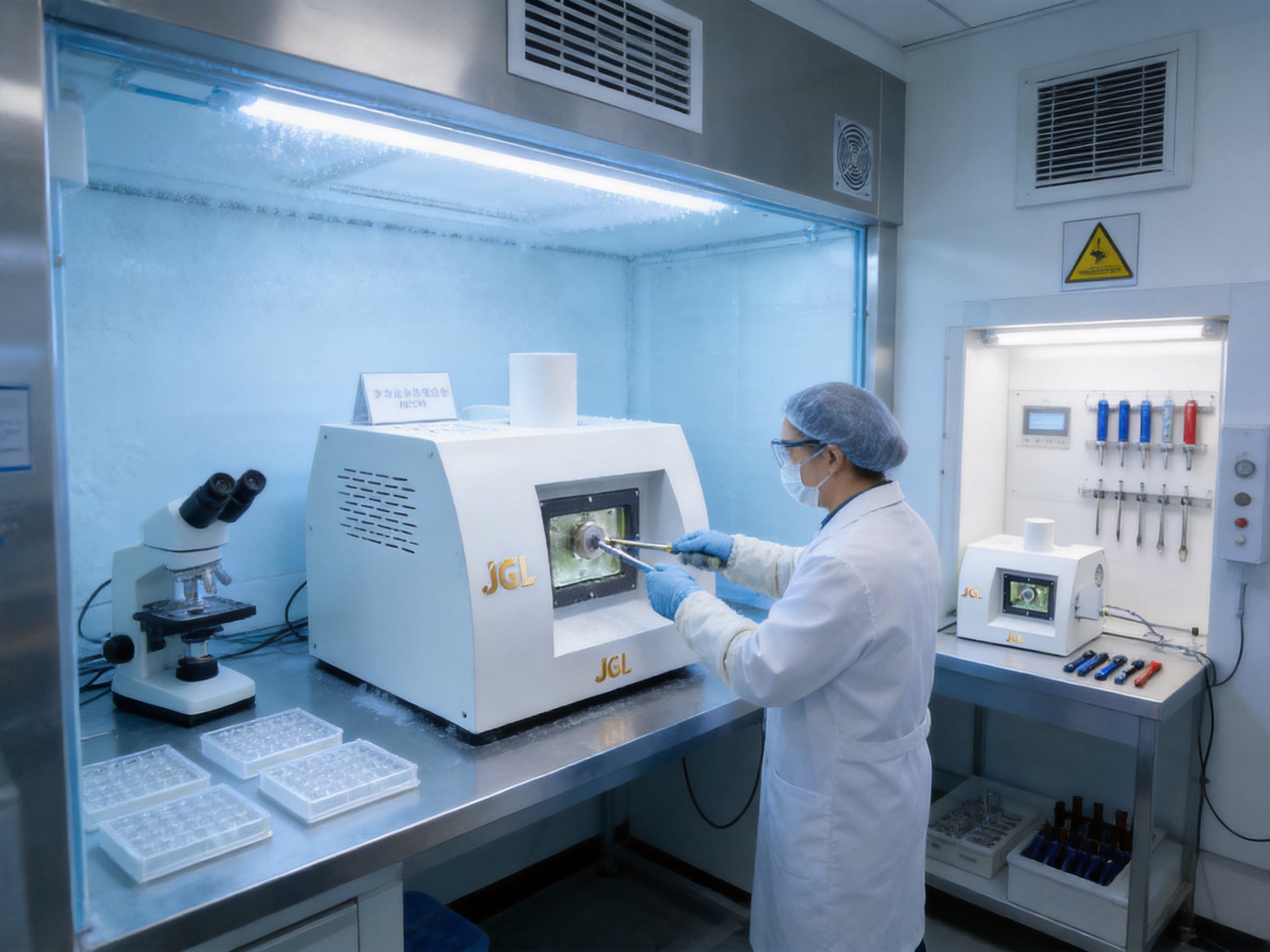
Low-temperature research depends on more than simply cooling a sample. A useful cryogenic workflow must control temperature, limit condensation, reduce frost formation, preserve sample integrity, and support the instruments used for observation or analysis. When these conditions are not managed together, researchers may encounter thermal drift, ice contamination, structural changes, inconsistent preparation results, or unreliable analytical data. The MSC310 Cryogenic Environmental Chamber is designed to address these challenges through an integrated approach to cryogenic environmental control.
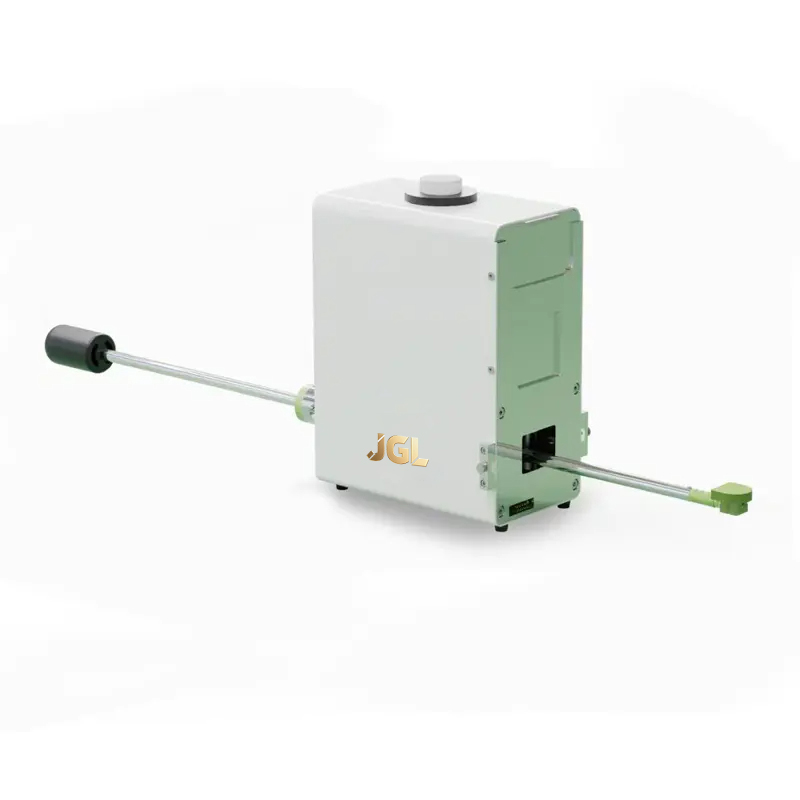
The system is intended for low-temperature sample preparation, environmental regulation, and in situ analysis. It provides a controlled chamber environment in which temperature-sensitive materials can be handled and observed under repeatable cryogenic conditions. Its design supports applications including cryogenic sample preparation for electron microscopy, surface analysis, low-temperature material characterization, polymer research, and soft-matter studies.
Rather than functioning as a basic cold enclosure, the MSC310 is developed as a multi-functional cryogenic laboratory chamber. Its value lies in the coordination of thermal regulation, environmental control, internal workspace design, and interface compatibility. This combination helps laboratories create a more stable process from sample loading through preparation and analysis.
The Role of Environmental Control in Cryogenic Research
Cryogenic sample preparation introduces technical requirements that do not arise in ordinary laboratory cooling. As a sample is exposed to low temperatures, moisture in the surrounding atmosphere can condense or freeze on its surface. Even a small amount of frost may obscure surface features, interfere with microscopy, alter the sample condition, or compromise subsequent measurements. Temperature changes can also create gradients across a holder, fixture, or specimen.
For this reason, the quality of a cryogenic experiment depends on the environment surrounding the sample as much as on the nominal temperature setting. The chamber must provide a controlled and repeatable thermal state while reducing the opportunity for unwanted moisture and ice contamination. It must also allow the operator to work with different sample formats and connect the chamber to complementary analytical equipment.
The MSC310 addresses these needs through a precision temperature control system, a controlled chamber environment, and an internal structure designed to accommodate diverse cryogenic holders and fixtures. These elements support the preparation and analysis of samples without requiring the laboratory to treat every low-temperature experiment as a completely separate process.
For research teams working with temperature-sensitive materials, stable environmental conditions can improve the reliability of both routine workflows and advanced investigations. Repeatability is particularly important when comparing material formulations, evaluating surface behavior, studying phase changes, or preparing multiple specimens for electron microscopy and other surface-sensitive techniques.
Product Overview
The MSC310 Cryogenic Environmental Chamber is a laboratory system for controlled cooling and cryogenic sample handling. It is categorized as a multi-functional cryogenic laboratory chamber because it can support several connected activities: low-temperature preparation, environmental conditioning, sample preservation, and in situ observation or analysis.
The chamber is designed around three operational objectives. The first is temperature stability. The second is environmental control, including the reduction of condensation and ice contamination. The third is process compatibility, allowing the chamber to work with sample holders, fixtures, microscopy systems, and analytical instruments.
These objectives are closely related. Temperature regulation without moisture control may still produce unacceptable frost. Moisture control without a practical internal layout may make sample handling unnecessarily difficult. A stable chamber that cannot be connected to the required analytical platform may force researchers to transfer the sample and risk changing its condition. The MSC310 is therefore intended to operate as part of a broader laboratory workflow rather than as an isolated cooling device.
The system is suitable for laboratories that need a controlled low-temperature workspace and for research groups seeking more consistent preparation conditions. It can be considered for materials science, surface analysis, electron microscopy preparation, polymer development, soft-matter research, and other studies in which sample temperature and environmental exposure influence the result.
Core Advantages of the MSC310
Stable Cryogenic Temperature Regulation
Temperature stability is one of the most important performance factors in low-temperature sample preparation. A chamber may reach a low setpoint, but reaching that setpoint is only part of the requirement. The system must also limit thermal variation during loading, preparation, observation, and analysis.
The MSC310 incorporates a precision temperature control system intended to support accurate and repeatable low-temperature regulation across the chamber workspace. By emphasizing stability rather than only cooling capacity, the design helps reduce thermal drift during experiments. This is valuable when researchers are comparing samples, monitoring changes over time, or collecting data that depends on a consistent thermal state.
Reduced thermal drift can also support more consistent sample behavior. Polymers, soft materials, coatings, biological-related specimens, and other temperature-sensitive materials may respond to small changes in temperature. A stable environment helps the operator distinguish actual sample behavior from changes caused by fluctuations in the chamber.
Compared with basic refrigerated enclosures or improvised cooling arrangements, a dedicated cryogenic environmental chamber offers a more controlled relationship between the selected operating condition and the sample workspace. It is not necessary to rely solely on external cooling containers, manual replenishment, or indirect assumptions about the sample temperature. The chamber architecture is intended to provide a managed low-temperature environment that can be incorporated into a repeatable procedure.
Controlled Atmosphere and Frost Suppression
Condensation and frost are persistent challenges in cryogenic work. When humid air contacts a sufficiently cold surface, water vapor can condense and freeze. This may occur on the sample, holder, chamber walls, windows, fixtures, or instrument interfaces. The resulting ice can interfere with observation and may change the condition of the specimen.
The MSC310 supports controlled environmental conditions to minimize condensation and ice contamination on cold samples. Environmental control is particularly important for applications involving surface features, small structures, thin films, porous materials, or samples whose morphology can be affected by moisture.
Frost suppression also improves operational efficiency. When ice accumulates inside a chamber, the operator may need to interrupt the experiment, clean the workspace, adjust the procedure, or discard a sample. A chamber designed to reduce such contamination can help maintain a smoother workflow and reduce the risk of repeated preparation.
The environmental-control concept is not limited to one type of laboratory atmosphere. Actual operating conditions can be configured according to the application, sample type, instrument connection, and process requirements. This makes it important for users to define their environmental and temperature needs during technical consultation so that the final configuration matches the intended workflow.
Consistent Conditions for Repeated Experiments
Research quality depends heavily on repeatability. If each sample is prepared under different cooling rates, exposure conditions, or moisture levels, it becomes difficult to determine whether an observed difference is caused by the material or by the preparation process.
The MSC310 is designed to support reproducible conditions for repeated low-temperature experiments and analytical workflows. Its controlled environment can help laboratories establish standard operating procedures for sample loading, temperature stabilization, holding, observation, and transfer.
Process consistency is especially useful in comparative studies. Researchers may need to compare different polymer formulations, surface treatments, composite materials, or soft-matter structures. When the chamber conditions remain consistent, the resulting data can be interpreted with greater confidence.
Repeatable operation may also reduce training variation. A well-defined chamber procedure gives different operators a common framework for preparing samples. This can be beneficial in shared laboratories, quality research facilities, university instrument centers, and industrial development departments.
Flexible Sample Holder and Fixture Accommodation
Cryogenic samples are not uniform. They may be mounted on microscopy stubs, placed in specialized holders, secured in custom fixtures, or positioned for direct observation. A chamber that only accommodates one fixed sample arrangement can limit laboratory productivity.
The MSC310 uses an optimized internal structure intended to accommodate diverse cryogenic sample holders and fixtures. This improves operational flexibility and allows the chamber to support different sample geometries and preparation methods.
Internal flexibility also helps laboratories adapt the system as their research evolves. New holders, custom jigs, or instrument-specific fixtures may be introduced over time. A practical chamber layout provides more opportunity to integrate these items without redesigning the entire low-temperature workflow.
Although the chamber is designed for flexibility, users should confirm the dimensions, mounting requirements, access limitations, and instrument interface requirements before ordering. These details help ensure that the selected configuration provides sufficient workspace and supports the intended sample-handling sequence.
Compatibility with Microscopy and Analytical Instruments
Many cryogenic workflows require more than preparation. Researchers may need to observe the sample in situ, monitor changes under controlled cooling, or connect the chamber to a microscopy or analytical platform. Transferring a cold sample between systems can expose it to ambient conditions and introduce thermal or environmental changes.
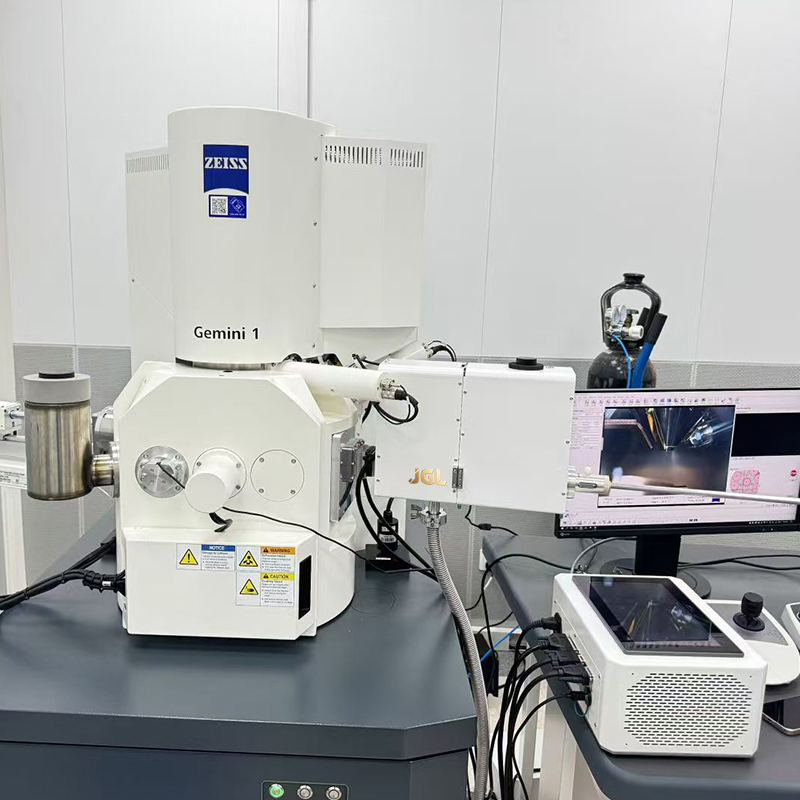
The MSC310 supports integration with microscopy systems and analytical instruments for in situ cryogenic observation and analysis. This compatibility is an important advantage over standalone cooling equipment that is designed only for storage or preliminary conditioning.
In situ capability can help preserve the relationship between sample condition and measurement. When the sample remains within a controlled environment during observation, the possibility of unwanted warming, condensation, or atmospheric exposure may be reduced. It can also simplify the experimental sequence by combining preparation and analysis in a coordinated setup.
Integration requirements vary significantly among laboratories. A technical review should consider optical access, mechanical mounting, sample-holder geometry, instrument clearance, vacuum or controlled-atmosphere requirements, cable routing, and control-system communication. The product is therefore suitable for discussion as a configurable laboratory platform rather than as a one-size-fits-all accessory.
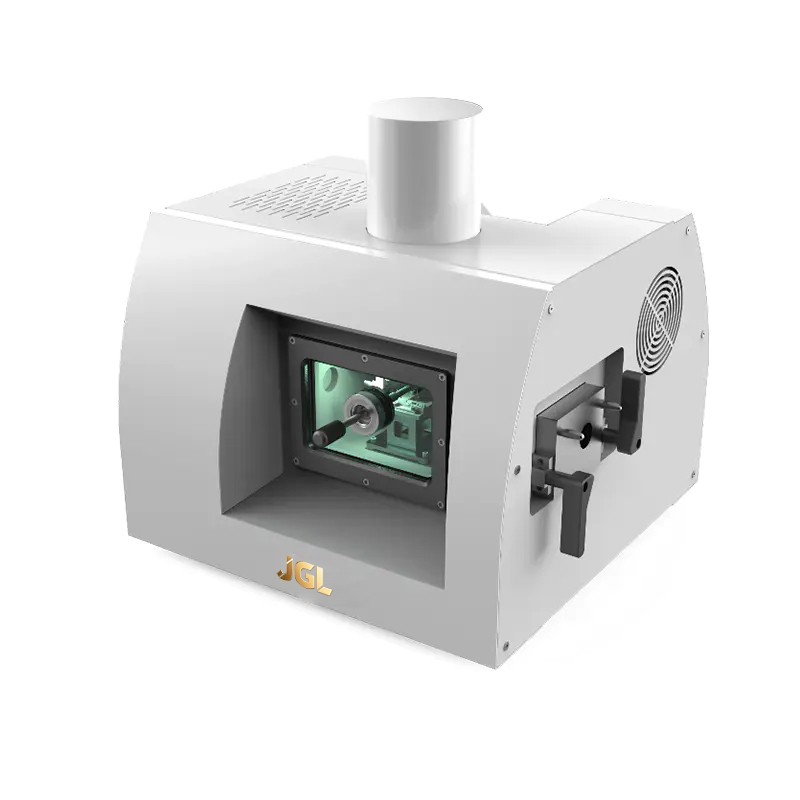
MSC310 Cryogenic Environmental Chamber for Low-Temperature Sample Preparation and Analysis
Design Features That Support Laboratory Workflows
Integrated Cryogenic Cooling Architecture
The cooling architecture is the foundation of the chamber’s operation. It must deliver low-temperature performance while maintaining a usable and stable workspace. The MSC310 integrates its cryogenic cooling structure with the chamber environment and temperature control system so that cooling is managed as part of the overall process.
An integrated design can provide practical benefits compared with assembling separate cooling components. Individual devices may have different control responses, thermal characteristics, or maintenance requirements. When these elements are designed to work together, the operator can manage the chamber through a more coherent procedure.
The cooling system also supports repeatable operation by providing a defined path from initial cooling to stabilized sample conditions. This is useful for protocols that require a controlled hold period before observation or analysis. The exact cooling profile should be established according to the sample, fixture, and connected instrument.
Workspace-Oriented Chamber Design
The internal chamber is designed to provide a practical workspace for sample holders and fixtures. This is important because cryogenic preparation can involve careful positioning, orientation, and access. A chamber with insufficient internal space may make routine handling difficult, while an overly open design may complicate environmental control.
The MSC310 balances environmental regulation with operational flexibility. Its structure is intended to support different sample arrangements while maintaining the controlled conditions required for low-temperature work. This makes it appropriate for laboratories that handle more than one type of specimen.
Workspace design also affects cleaning and maintenance. Surfaces, access points, holder locations, and instrument interfaces all influence how easily an operator can inspect the chamber and prepare it for the next experiment. During technical discussions, laboratories should identify the frequency of use, the types of materials handled, and any cleaning or decontamination procedures that may be required.
Support for Sample Integrity
Sample integrity is a central concern in cryogenic preparation. The purpose of cooling is often to preserve a structure, phase, surface, or physical state that could change at higher temperatures. If the sample warms unexpectedly or becomes contaminated with frost, the value of the experiment may be reduced.
The MSC310 supports sample integrity by combining stable low-temperature control with environmental management. These functions help reduce uncontrolled exposure during preparation and analysis. The system does not replace good laboratory practice, but it provides a more suitable environment for implementing such practices consistently.
Operators should still define appropriate loading times, stabilization periods, handling tools, and transfer procedures. Samples may have different sensitivity to temperature, moisture, mechanical contact, or atmospheric exposure. Proper protocols remain essential for obtaining reliable results.
Applications in Electron Microscopy and Surface Analysis
Cryogenic sample preparation is widely relevant to electron microscopy and surface analysis because many specimens can change when exposed to heat, vacuum, drying, or ambient humidity. The preparation environment may influence surface morphology, phase distribution, porosity, coating behavior, and other features of interest.
The MSC310 can support preparation workflows in which a sample must be cooled and maintained under controlled conditions before examination. It may also be considered for in situ observation where the microscope or analytical instrument is configured to work with a cryogenic chamber.
For electron microscopy preparation, the chamber can provide a controlled workspace for placing samples into suitable holders and conditioning them before transfer or observation. The reduction of frost and condensation is particularly important because ice may obscure fine features or create unwanted background effects.
For surface analysis, stable temperature and environmental conditions can help protect the condition of thin films, coatings, interfaces, and structured surfaces. Researchers may use the chamber to examine how a surface behaves at low temperature or to preserve a condition that would not remain stable at room temperature.
The chamber may also help standardize preparation across a series of specimens. When samples are conditioned through a common process, comparison between measurements becomes more meaningful. The precise procedure will depend on the analytical method and should be validated by the responsible laboratory.
Applications in Polymer and Soft-Matter Characterization
Polymers and soft materials often exhibit temperature-dependent changes in mobility, stiffness, phase behavior, morphology, and surface condition. A controlled cryogenic environment can help researchers examine these changes while minimizing uncontrolled warming or moisture exposure.
The MSC310 is suitable for low-temperature material characterization involving polymers and soft matter. Potential studies may include comparison of formulations, observation of low-temperature morphology, analysis of surface transitions, examination of coatings, or preparation of materials for microscopy.
In polymer research, the sample may need to remain below a critical temperature during preparation or observation. Even if the experiment does not require a specific cryogenic endpoint, a stable and repeatable low-temperature condition can improve the reliability of comparative work.
Soft matter can be particularly sensitive to drying, deformation, and phase changes. Controlled cooling may help researchers preserve a selected state for analysis. The chamber’s environmental-control features can also help reduce the risk that atmospheric moisture will alter the specimen before measurement.
Because polymers and soft materials vary widely, laboratories should evaluate compatibility with solvents, additives, biological components, coatings, and other sample constituents. The final operating procedure should be developed around the material’s thermal and chemical behavior.
Advantages Compared with Conventional Low-Temperature Setups
A conventional low-temperature setup may consist of a cold source, an insulated container, manual sample handling, and a separate analytical instrument. Such an arrangement can be practical for simple cooling tasks, but it may present limitations when the experiment requires stable regulation, environmental control, and in situ access at the same time.
The MSC310 offers a more integrated solution. Its advantages over basic or improvised arrangements include a dedicated chamber workspace, precision temperature control, controlled environmental operation, accommodation for different fixtures, and compatibility with microscopy or analytical systems.
One important difference is process control. Manual cooling methods may depend on operator timing, external temperature readings, or visual estimates of frost formation. An integrated chamber supports a more structured procedure in which temperature and environmental conditions are treated as controlled variables.
A second difference is sample protection. In an open or loosely insulated arrangement, the sample may experience air movement, moisture exposure, or temperature gradients. A controlled chamber is better suited to reducing these influences during preparation and observation.
A third difference is workflow integration. A simple cold box may provide storage but not convenient access for microscopy or analysis. The MSC310 is designed with interface compatibility in mind, allowing laboratories to consider a connected workflow that reduces unnecessary transfer between devices.
A fourth difference is flexibility. Fixed cooling accessories may be limited to one holder or specimen type. The optimized internal structure of the MSC310 is intended to support diverse holders and fixtures, allowing the chamber to serve more than one research program.
These advantages do not mean that every laboratory requires the same configuration. The most appropriate system depends on sample properties, target temperature, environmental requirements, instrument interfaces, throughput, and available space. The key benefit is the ability to evaluate these requirements within one coordinated chamber platform.
Manufacturing and Engineering Strengths
The performance of a cryogenic chamber depends not only on its listed functions but also on the quality of its engineering and production process. A stable chamber requires coordinated design of cooling components, temperature control, structural parts, internal fixtures, interfaces, and operating procedures.
JIANGSU BAISHENG INDUSTRIAL CO., LTD. was founded in 2010 and focuses on high-end laboratory equipment and safety testing instruments. Its development model combines product research and development with international trade experience. This combination supports communication between engineering teams and customers in different application environments.
The company’s technical foundation began with an electronic-testing research and development studio established in 2013. The founding team included engineers with backgrounds in laboratory equipment and safety compliance testing. This early emphasis on technical development provided a foundation for later product engineering.
In 2016, the organization developed into an enterprise, completed its first independently developed production line, and introduced laboratory equipment with independent intellectual property rights. This transition is significant because it reflects a move from project-based technical development toward repeatable product manufacturing.
In 2019, the company adopted a technology-plus-trade development strategy. It increased research and development investment, introduced technical talent, and expanded overseas markets. For international customers, this combination can be valuable because product communication must cover both technical details and practical export requirements.
By 2022, the company had further improved its quality management system and stated that its products had passed rigorous technical specification certifications. For a laboratory equipment supplier, quality management is important because performance depends on consistent assembly, inspection, documentation, and after-sales support.
By 2025, the company continued emphasizing product innovation, technological upgrading, intelligence, and digitalization. These priorities are relevant to modern laboratory equipment because users increasingly expect better control, clearer operating data, integration capability, and more adaptable systems.
The manufacturing strength behind the MSC310 can therefore be understood in several areas: engineering-led product development, experience with electronic testing, independent product-line development, quality-system improvement, international customer support, and a willingness to develop customized solutions.
Engineering-Led Product Development
The company identifies precision design and technical excellence as central to its product development approach. For a cryogenic environmental chamber, engineering-led development involves more than selecting a cooling unit. It requires attention to heat transfer, insulation, temperature sensing, control response, chamber geometry, sample access, environmental conditions, and instrument compatibility.
A dedicated research and development team can evaluate how these elements interact during actual use. For example, the location of a temperature sensor may affect the relationship between displayed temperature and sample temperature. The internal geometry may influence airflow or moisture accumulation. The structure of an interface may affect whether a microscope or analytical accessory can be connected effectively.
These considerations are part of the product-development process that distinguishes a purpose-designed laboratory chamber from a general cooling cabinet. The goal is to create a system that supports the complete experimental workflow.
Controlled Production and Quality Management
Laboratory equipment must be assembled consistently. Variations in component installation, wiring, sealing, sensor placement, or control calibration can influence performance. A structured production process helps reduce such variation.
The company’s development of independent production lines and improvement of its quality management system provide a basis for more organized manufacturing. Quality control may include incoming component inspection, assembly checks, electrical verification, control-system testing, temperature-performance evaluation, interface inspection, and final documentation review.
The exact inspection program should be confirmed for each configuration. Customers may request information about factory testing, acceptance criteria, calibration documentation, operating manuals, spare parts, and service arrangements before placing an order.
Customization Capability
Laboratories often require equipment adapted to a specific instrument, sample format, or facility layout. Customization may involve internal holders, access ports, chamber dimensions, control functions, environmental connections, optical paths, or integration with an existing analysis platform.
The company emphasizes customized laboratory solutions. This is an important strength for users whose applications cannot be served effectively by a standard catalog product. Customization should begin with a detailed technical specification that defines required temperature conditions, sample dimensions, holder types, instrument interfaces, environmental operation, utilities, safety requirements, and expected throughput.
A well-defined specification protects both the customer and the manufacturer. It ensures that customization is based on measurable requirements rather than general expectations. It also provides a reference for design review, production, testing, installation, and acceptance.
International Supply and Communication
Laboratory equipment purchased internationally requires more than manufacturing capability. Customers may need support with technical clarification, commercial documentation, packaging, shipping coordination, installation guidance, and after-sales communication.
The company combines engineering development with professional international trade experience. This can help reduce communication gaps when a customer needs to explain a specialized workflow or request a configuration for a foreign laboratory environment.
International customers should still confirm shipping terms, electrical requirements, language of documentation, installation responsibilities, warranty coverage, response times, and availability of replacement parts. Clear communication before production is one of the most effective ways to support a successful installation.
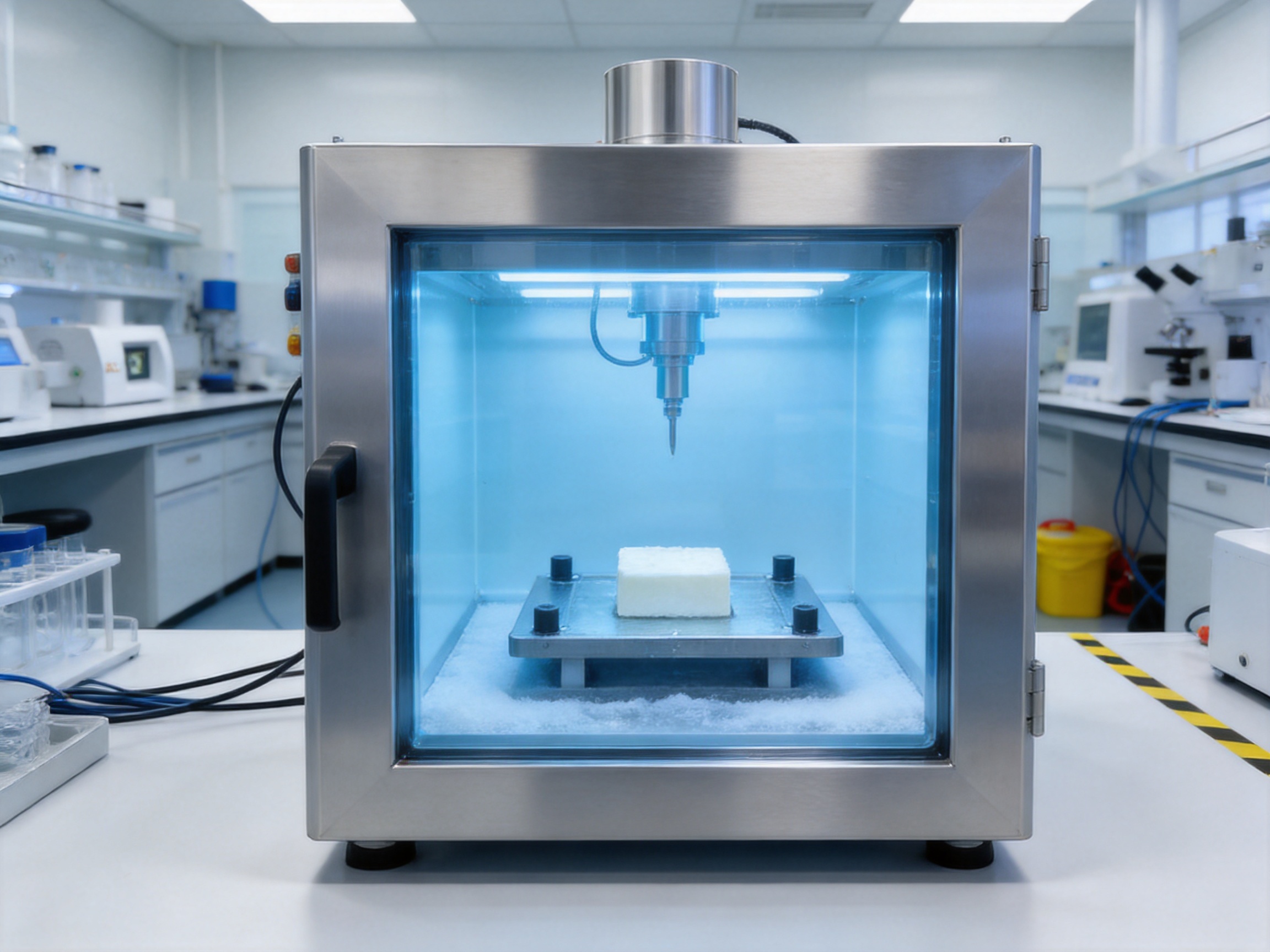
Recommended Workflow for Using a Cryogenic Environmental Chamber
Application Assessment
Before operating the chamber, the laboratory should identify the purpose of the process. Is the chamber being used for sample preparation, temporary conditioning, in situ observation, or a combination of these activities? The answer influences the required holder, environmental condition, access arrangement, and operating sequence.
The sample’s thermal sensitivity, moisture sensitivity, dimensions, mechanical stability, and chemical composition should also be evaluated. Some materials may require a slow cooling process, while others may need rapid stabilization. Some specimens may be sensitive to mechanical contact or to changes in atmospheric composition.
Sample Holder Preparation
The holder or fixture should be clean, compatible with the sample, and suitable for the intended analytical instrument. It should be positioned so that the sample is exposed to the controlled environment while remaining secure during cooling and observation.
When a custom fixture is used, the laboratory should confirm that it does not obstruct temperature sensors, environmental flow paths, viewing areas, or instrument interfaces. The fixture should also allow the operator to load and remove the sample without unnecessary exposure to ambient conditions.
Chamber Stabilization
The chamber should be allowed to reach and stabilize at the required operating condition before the sample is subjected to the full procedure. Stabilization time depends on the selected temperature, sample mass, holder material, chamber load, and connected instrument.
Researchers should define a repeatable stabilization criterion. This might involve a stable temperature reading over a specified period or confirmation that the sample holder has reached the expected condition. The criterion should be documented as part of the laboratory’s standard operating procedure.
Controlled Loading and Observation
Loading should be performed efficiently and consistently. Excessive opening time can allow moisture to enter and may disturb the thermal condition. Operators should use appropriate tools and follow procedures that reduce direct contact with cold surfaces.
During observation or analysis, the operator should monitor the chamber condition and watch for signs of frost, condensation, unexpected temperature variation, or instrument interference. If the sample changes unexpectedly, the event should be recorded and investigated rather than treated as normal variation.
Post-Process Handling
After analysis, the sample should be warmed or transferred according to its material requirements. Sudden exposure to warm, humid air may create condensation or thermal stress. The appropriate recovery procedure depends on the sample and the purpose of the experiment.
The chamber should then be inspected and prepared for the next cycle. Regular inspection helps identify moisture accumulation, damaged fixtures, loose connections, or changes in performance before they affect later experiments.
Selection and Integration Considerations
Choosing a cryogenic environmental chamber requires more than confirming that the equipment can reach a low temperature. Laboratories should evaluate how the system fits the complete process, including sample preparation, observation, analysis, cleaning, maintenance, and data recording.
| Selection Area | Questions for Evaluation | Why It Matters |
|---|---|---|
| Temperature range and stability | What operating temperature is required, and how much variation is acceptable? | Defines whether the chamber can maintain the condition needed for the material and measurement. |
| Environmental control | Is controlled atmosphere operation required, and how sensitive is the sample to moisture? | Helps reduce condensation, frost, and unwanted surface contamination. |
| Sample workspace | What are the dimensions, quantity, and arrangement of the samples? | Ensures that holders and fixtures can be used safely and efficiently. |
| Instrument integration | Which microscope or analytical system will be connected? | Confirms compatibility of mechanical, optical, electrical, and environmental interfaces. |
| Workflow frequency | How often will the chamber be operated, and how many samples are processed per cycle? | Supports decisions about access, throughput, cleaning, and maintenance. |
| Documentation and service | What manuals, test records, spare parts, and support arrangements are required? | Helps maintain reliable operation throughout the equipment life cycle. |
These questions should be reviewed with the manufacturer before finalizing the equipment configuration. Early technical communication can identify potential restrictions and prevent later modifications.
Operational Reliability and Maintenance
Reliable cryogenic operation depends on consistent maintenance. The chamber should be inspected according to a documented schedule, with attention to temperature sensors, control functions, internal surfaces, holders, seals, interfaces, and environmental connections.
Moisture management is especially important. Even when the system is designed to reduce condensation, moisture may enter during loading or maintenance. Operators should follow appropriate procedures for drying, cleaning, and preparing the chamber between uses.
Temperature performance should be checked periodically. The laboratory may establish verification intervals based on usage frequency, risk level, regulatory expectations, and the importance of the measurement. Any independent reference instrument used for verification should be suitable for the expected low-temperature conditions.
Sample holders and fixtures should be inspected for deformation, contamination, corrosion, or mechanical damage. A damaged fixture may affect sample positioning or create an obstruction inside the chamber. Replacement parts should be selected for compatibility with the chamber and the intended cryogenic environment.
Maintenance records are useful for identifying trends. If stabilization takes longer than usual, frost appears more frequently, or temperature variation increases, the change should be recorded and reviewed. Early attention may prevent a small issue from becoming an extended interruption.
Safety and Good Laboratory Practice
Cryogenic equipment should be operated by trained personnel who understand low-temperature hazards, cold-surface contact, pressure or atmosphere considerations, and the requirements of connected instruments. Laboratory procedures should address personal protective equipment, sample-handling tools, emergency response, ventilation, and access control.
Operators should not assume that a controlled chamber eliminates all risks associated with cryogenic work. Cold surfaces may cause injury, materials may become brittle, and environmental conditions may affect nearby equipment. The laboratory should complete its own risk assessment before installation and use.
When controlled atmospheres are used, the laboratory should confirm the requirements for gas supply, exhaust, oxygen monitoring, pressure relief, and room ventilation. These requirements depend on the selected configuration and operating conditions.
Electrical and instrument connections should be installed by qualified personnel. Compatibility should be reviewed before connecting the chamber to a microscope, analytical platform, vacuum system, or other laboratory equipment.
Safety documentation, operating instructions, maintenance recommendations, and acceptance procedures should be included in the project planning process. Clear documentation supports both operator training and long-term equipment management.
How the System Supports More Efficient Research
A controlled cryogenic chamber can improve research efficiency by reducing avoidable variation. If samples are repeatedly compromised by frost, warming, or inconsistent handling, the laboratory may spend significant time repeating preparation and analysis. More stable environmental control can reduce these interruptions.
The MSC310 also supports efficiency by bringing several functions together. Instead of using separate equipment for cooling, environmental protection, fixture support, and observation access, laboratories can evaluate these requirements through one coordinated platform.
Flexible fixture accommodation can reduce setup time when different sample formats are used. Interface compatibility can simplify the transition from preparation to analysis. Repeatable temperature control can make standard operating procedures easier to establish and teach.
Efficiency should not be measured only by the number of samples processed per hour. It also includes the quality of retained samples, the repeatability of results, the reduction of failed preparations, the ease of operator training, and the ability to adapt the system to future research needs.
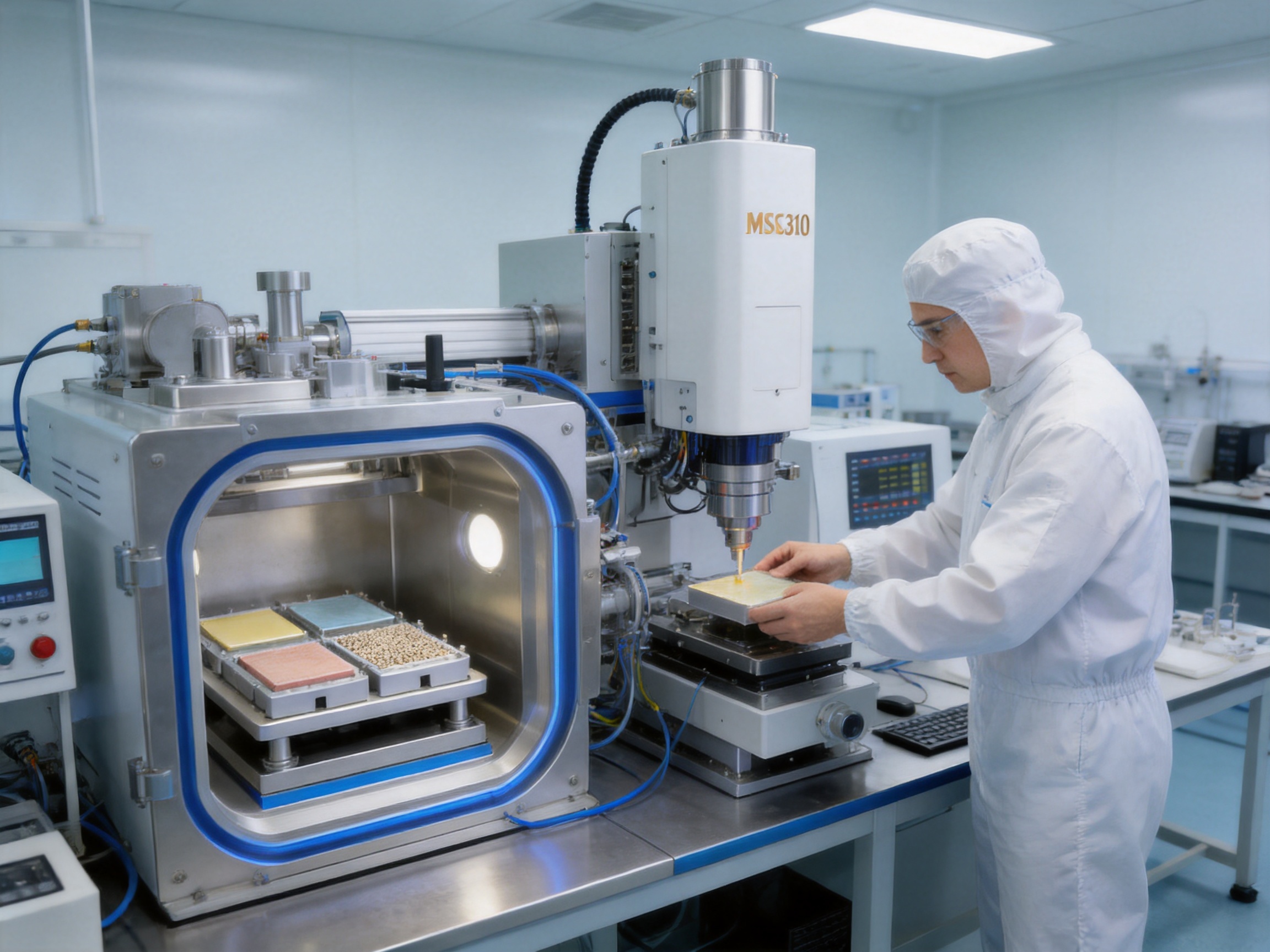
Quality-Oriented Manufacturing Approach
The manufacture of specialized laboratory equipment requires coordination between design, component selection, assembly, testing, documentation, and customer communication. A product such as the MSC310 must be evaluated as a complete system because the performance of one subsystem can influence the behavior of the others.
The company’s background in electronic testing and laboratory equipment provides experience relevant to control systems, instrumentation, and technical compliance. Its research and development focus supports the creation of equipment based on application requirements rather than only on standard mechanical construction.
The stated emphasis on precision craftsmanship reflects the need for accurate assembly and careful adjustment. In cryogenic equipment, small details can affect thermal performance, environmental sealing, sensor response, and user access. Attention to these details supports a more reliable final product.
The company also identifies long-term innovation as a core value. This is relevant to laboratories that expect their equipment to remain useful as applications develop. A chamber that can accommodate new holders, analytical platforms, or control requirements may offer greater long-term value than equipment designed for only one narrow task.
Customer feedback is an important part of this process. Technical discussions with end users can reveal practical requirements that may not be obvious from a general product description. These may include sample-loading preferences, instrument clearance, maintenance access, documentation format, or special environmental controls.
Customization and Project Development Process
Step One: Define the Application
The customer should describe the sample types, target temperature conditions, required environmental state, analytical method, and expected workflow. Drawings, holder dimensions, instrument manuals, and photographs of the existing setup can help clarify the requirement.
Step Two: Review Interfaces
The manufacturer and customer should review mechanical, optical, electrical, and environmental interfaces. This step is important when the chamber will be connected to microscopy or analytical equipment. It helps determine whether the chamber requires special ports, access areas, mounting structures, or control communication.
Step Three: Confirm the Technical Specification
The specification should identify the chamber workspace, temperature-control expectations, environmental operation, sample-holder support, power requirements, safety provisions, documentation, and acceptance testing. The more clearly these points are defined, the easier it is to evaluate the completed system.
Step Four: Design and Manufacturing Review
Before production, the proposed configuration should be reviewed for manufacturability, service access, component availability, and compatibility with the customer’s laboratory. Any changes should be documented and approved through the project communication process.
Step Five: Testing and Acceptance
Testing should confirm that the completed equipment meets the agreed technical requirements. Depending on the configuration, testing may involve control operation, temperature behavior, environmental functions, interface fit, sample-holder installation, and safety checks.
Step Six: Installation and Training
After delivery, the chamber should be installed in a suitable location and connected according to the approved requirements. Operators should receive instruction on startup, stabilization, sample loading, environmental management, shutdown, cleaning, and routine maintenance.
Frequently Asked Questions
What is the primary purpose of the MSC310?
The MSC310 is designed for low-temperature sample preparation, cryogenic environmental control, sample preservation, and in situ observation or analysis. It is intended for laboratories that need a stable and controlled workspace for temperature-sensitive samples.
Does the chamber provide only cooling?
No. Its design combines cryogenic cooling with precision temperature regulation, controlled environmental conditions, flexible sample-holder accommodation, and compatibility with microscopy and analytical systems. The exact functions available depend on the selected configuration.
Why is frost suppression important?
Frost can obscure sample surfaces, interfere with microscopy, contaminate fixtures, and change the condition of a specimen. Controlled environmental operation helps minimize condensation and ice contamination during cryogenic preparation and observation.
Can the chamber be used with electron microscopy workflows?
Yes. The chamber is suitable for cryogenic sample preparation for electron microscopy and can support integration with microscopy systems. The precise interface and holder arrangement should be reviewed before ordering to confirm compatibility with the intended microscope.
Is it suitable for polymer research?
Yes. The MSC310 is suitable for low-temperature characterization of polymers and soft matter. It can help researchers maintain controlled conditions while studying temperature-dependent morphology, surface behavior, phase changes, or material stability.
Can different sample holders be used?
The internal chamber structure is designed to accommodate diverse cryogenic sample holders and fixtures. Users should provide holder dimensions and mounting requirements so that the intended configuration can be confirmed during technical review.
Can the product be customized?
Customization may be available for applications involving special holders, chamber dimensions, instrument interfaces, environmental requirements, or control features. The final scope should be defined through a detailed technical specification.
What should be discussed before purchase?
Customers should discuss the required operating temperature, stability expectations, environmental conditions, sample size, holder type, instrument compatibility, laboratory utilities, safety requirements, documentation, installation, warranty, and after-sales support.
Does controlled operation eliminate the need for laboratory procedures?
No. The chamber supports controlled conditions, but reliable results still depend on proper sample preparation, loading, stabilization, cleaning, operator training, maintenance, and documentation. Each laboratory should establish procedures suitable for its samples and analytical methods.
How does the product compare with a basic cold enclosure?
A basic enclosure may provide low-temperature storage or simple cooling. The MSC310 is designed as a multi-functional chamber that combines temperature stability, environmental control, flexible fixture support, and analytical integration. This broader design is better suited to repeatable preparation and in situ workflows.
What company capabilities support the product?
The manufacturer has experience in laboratory equipment, safety testing instruments, electronic testing, research and development, independent production, quality-system improvement, international trade, and customized solutions. These capabilities support the engineering and supply of specialized laboratory systems.
How should users maintain the chamber?
Users should follow the supplied maintenance instructions and establish a routine for checking temperature performance, internal cleanliness, moisture accumulation, fixtures, seals, connections, and control functions. Maintenance frequency should reflect operating conditions and laboratory quality requirements.
Conclusion
The MSC310 Cryogenic Environmental Chamber is designed to provide a stable, controlled, and adaptable environment for low-temperature sample preparation and analysis. Its principal advantages come from the integration of precision temperature regulation, environmental control, frost suppression, flexible internal design, and compatibility with microscopy and analytical systems.
Compared with basic cooling arrangements, the chamber offers a more complete approach to cryogenic workflow management. It helps laboratories reduce thermal drift, limit condensation and ice contamination, preserve sample integrity, and establish more consistent preparation procedures. Its application range includes electron microscopy preparation, surface analysis, polymer characterization, and soft-matter research.
The product is supported by a company with a technology-driven development history, experience in electronic testing and laboratory equipment, independent product-line development, international trade capability, and a stated commitment to customized solutions. Its manufacturing strengths are connected to research and development, precision design, quality management, and continuous product improvement.
For laboratories considering a cryogenic chamber, the most important step is to define the complete application before selecting the final configuration. Temperature requirements, environmental conditions, sample holders, instrument interfaces, safety provisions, and maintenance expectations should all be reviewed. With these requirements clearly specified, the MSC310 can be evaluated as a practical platform for reliable cryogenic preparation, preservation, and in situ analysis.
References
1. General laboratory practice for temperature-controlled sample preparation and handling.
2. Principles of cryogenic environmental control, condensation reduction, and frost management in laboratory workflows.
3. Technical guidance for electron microscopy sample preparation and low-temperature surface analysis.
4. Materials science methods for polymer and soft-matter characterization under controlled thermal conditions.
5. Laboratory equipment quality-management principles covering design review, assembly inspection, functional testing, documentation, and service support.
6. Manufacturer-provided product information for the MSC310 Cryogenic Environmental Chamber.
7. Manufacturer company information concerning research and development, production history, quality-system improvement, international supply, and customized laboratory solutions.
Product: MSC310 Cryogenic Environmental Chamber for Low-Temperature Sample Preparation and Analysis

PREV:Integrated Cryogenic and Ion-Beam Sample Preparation for High-Fidelity Electron Microscopy
NEXT:Precision Ground Bond Testing for Safer, More Reliable Electrical Products
NEXT:Precision Ground Bond Testing for Safer, More Reliable Electrical Products
Interested in cooperation or have questions?
Featured Products
Related products
Quick Link
Contact Information
- Tel: +86-13861043568
- E-mail: 1840784112@qq.com
- Add: Tianting District, Changzhou City, Jiangsu Province, China, No. 6 Hecircuit
Scan Code
Copyright © JIANGSU BAISHENG INDUSTRIAL CO., LTD.
All Rights Reserved. Privacy Custom Precision Laboratory Testing Equipment Manufacturers
