 English
 Español
NEWS
NEWS
NEWS
NEWS
NEWS
NEWS
NEWS
NEWS
NEWS
NEWS
NEWS
NEWS
NEWS
NEWS
NEWS
NEWS

Luo Qinyue — Senior After-Sales Service Engineer
Home / Author / Luo Qinyue — Senior After-Sales Service Engineer / MSC300 Multi-Functional Cryogenic Chamber for Advanced Laboratory Applications
MSC300 Multi-Functional Cryogenic Chamber for Advanced Laboratory Applications
Content
- 1 1. The Role of Controlled Sample Preparation in Advanced Microscopy
- 2 2. Product Overview
- 3 3. High-Vacuum Sublimation Drying and Dehydration
- 4 4. Conductive Surface Coating for Electron Microscopy
- 5 5. Vacuum Cryogenic Transfer and Freeze-Fracture
- 6 6. An Integrated Workflow for Cryo-SEM Preparation
- 7 7. Advantages Compared with Conventional Single-Function Equipment
- 8 8. Manufacturing and Engineering Strengths
- 9 9. Applications Across Research and Industry
- 10 10. Operational Considerations
- 11 11. How to Evaluate the MSC300 for a Laboratory
- 12 12. Q&A
- 12.1 Q1: What is the MSC300 primarily used for?
- 12.2 Q2: Can it prepare biological samples without chemical fixation?
- 12.3 Q3: What types of biological samples can be considered?
- 12.4 Q4: Which coating materials are supported?
- 12.5 Q5: How does ion-beam-assisted coating differ from ordinary sputtering?
- 12.6 Q6: What is sublimation etching used for?
- 12.7 Q7: Can the MSC300 be used with other cryogenic equipment?
- 12.8 Q8: Is the MSC300 suitable for hydrogels and soft materials?
- 12.9 Q9: Does the system replace a scanning electron microscope?
- 12.10 Q10: What should be discussed before purchasing?
- 13 13. Conclusion
- 14 References
- 15 Product: MSC300 Multi-Functional Cryogenic Chamber for Advanced Laboratory Applications
Modern microscopy and materials research increasingly depend on the ability to preserve a sample’s original structure while preparing it for observation. Hydrated biological tissues, soft materials, pharmaceutical suspensions, food formulations, cosmetic products, and other water-containing specimens can change rapidly when exposed to drying, chemical fixation, warming, or uncontrolled atmospheric conditions. For laboratories working with delicate samples, preparation quality is often just as important as microscope resolution. If the sample structure is altered before imaging, even the most advanced analytical instrument may produce incomplete or misleading results.
The MSC300 Multi-Functional Cryogenic Laboratory Chamber is designed to address this challenge through an integrated combination of high-vacuum sublimation drying, conductive surface coating, cryogenic transfer support, freeze-fracture preparation, and controlled sublimation etching. Instead of treating dehydration, fracture, etching, and coating as unrelated operations, the system brings several critical preparation stages together in one coordinated laboratory platform.
This integrated design makes the MSC300 particularly relevant to laboratories using scanning electron microscopy, cryo-scanning electron microscopy, materials characterization, pharmaceutical analysis, food science, biological research, and quality-control testing. Its purpose is not simply to create a vacuum environment or apply a conductive coating. Its broader value lies in helping researchers establish a repeatable sample-preparation workflow that protects native morphology, reduces unnecessary handling, and supports reliable high-resolution observation.
1. The Role of Controlled Sample Preparation in Advanced Microscopy
Microscopy samples are rarely ready for direct observation immediately after collection or production. Water-containing samples present a special challenge because the liquid phase may evaporate, migrate, freeze, expand, or form damaging crystals depending on the preparation conditions. Biological samples may collapse or shrink. Hydrogels may lose their three-dimensional network. Pharmaceutical suspensions may separate. Food and cosmetic formulations may develop surface artifacts or lose the internal arrangement that researchers need to study.
Conventional drying can remove moisture quickly, but speed alone does not guarantee structural preservation. At atmospheric pressure, evaporation may cause capillary forces and surface tension effects that distort delicate structures. Chemical fixation can stabilize certain biological specimens, but it may also introduce chemical changes, mask soluble components, or make the final specimen less representative of its original hydrated state. Mechanical preparation can also create fracture surfaces that do not reflect the natural internal organization of a sample.
Cryogenic preparation provides another route. By rapidly stabilizing a sample at low temperature and maintaining the frozen condition during transfer and preparation, researchers can minimize movement and preserve a more representative structure. Under suitable vacuum conditions, ice can be removed by sublimation rather than by conventional liquid evaporation. This can reveal surfaces and internal features while reducing some of the deformation mechanisms associated with ordinary drying.
The MSC300 is built around this principle of controlled preparation. It provides a platform for applying vacuum, low-temperature handling, sublimation, etching, and conductive coating in a sequence appropriate to the sample and the intended microscopy method. The system can therefore serve as a bridge between sample collection and electron microscopy, helping laboratories control the stages that most strongly influence final image quality.
2. Product Overview
The MSC300 is a multi-functional cryogenic chamber for advanced laboratory applications. Its documented functions include high-vacuum sublimation drying and dehydration, conductive surface coating, vacuum cryogenic transfer support, freeze-fracture preparation, and sublimation etching. In combination with related equipment such as the LNS200 liquid nitrogen slurry workbench and the CVC100 vacuum transfer chamber, it can form part of a complete cryogenic workflow for hydrated samples.
The chamber is intended for laboratories that need more than a single-purpose coating or drying station. A single-function instrument may perform its assigned operation effectively, but it can also require researchers to move samples between separate devices. Every additional transfer may introduce contamination, temperature variation, mechanical disturbance, or accidental exposure to ambient humidity. The MSC300 addresses this workflow problem by integrating several preparation capabilities into a common system architecture.
Because the available product information does not define one universal set of chamber dimensions, temperature ranges, coating rates, or vacuum specifications, configuration should be selected according to the user’s sample type, microscope, throughput requirements, and process objectives. This is an important advantage for professional laboratories: rather than relying on a generic “one-size-fits-all” configuration, users can discuss the required workflow and select a suitable equipment solution.
| Function | Primary purpose | Potential laboratory value |
|---|---|---|
| High-vacuum sublimation drying | Removal of frozen water through controlled sublimation | Supports dehydration while helping preserve native morphology |
| Conductive surface coating | Application of conductive metal or carbon layers | Reduces charging and improves suitability for electron microscopy |
| Vacuum cryogenic transfer | Controlled movement of frozen samples between preparation stages | Reduces exposure to ambient contamination and warming |
| Freeze-fracture preparation | Creation of a controlled fracture surface in a frozen sample | Reveals internal structures and interfaces for examination |
| Sublimation etching | Selective removal of surface ice under controlled vacuum conditions | Helps expose microstructural details before coating or imaging |
| Multi-material coating | Use of Pt, Au, Cr, W, or carbon according to application | Provides flexibility for different imaging and analytical requirements |
The table demonstrates why the MSC300 should be viewed as a preparation platform rather than merely a vacuum chamber. Each function contributes to a different stage in the preparation chain, and the combination can reduce the need for disconnected procedures.
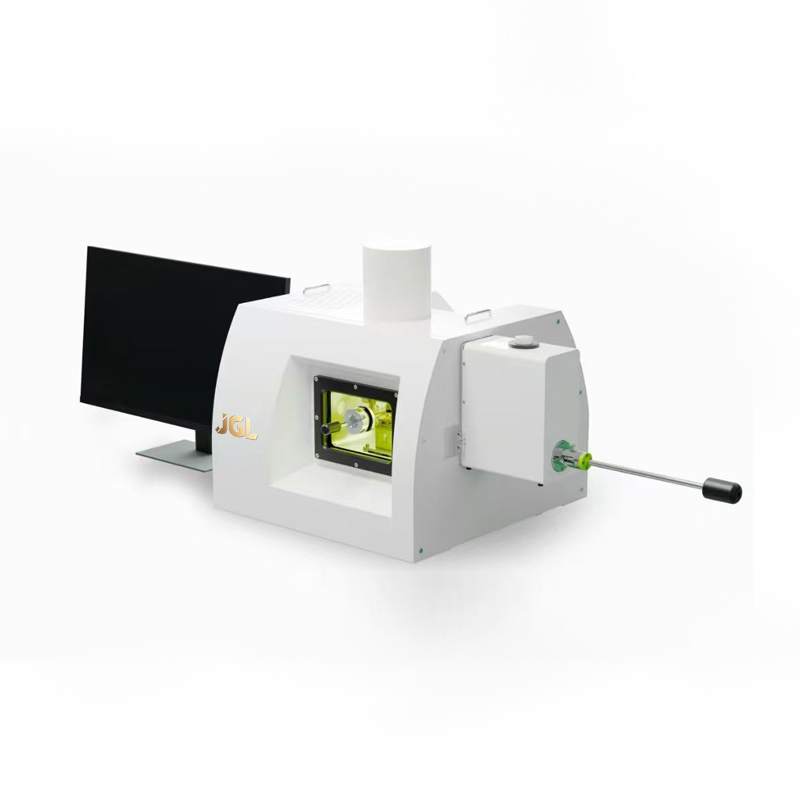
MSC300 Multi-Functional Cryogenic Chamber for Advanced Laboratory Applications
3. High-Vacuum Sublimation Drying and Dehydration
One of the principal functions of the MSC300 is high-vacuum sublimation drying. This approach is designed for hydrated samples that need to be dehydrated without relying on chemical fixation. Under suitable low-temperature and vacuum conditions, ice can transition directly from a solid state to vapor. This process is known as sublimation.
For delicate specimens, sublimation offers an important alternative to conventional evaporation. The sample remains frozen while water is removed, reducing the period during which mobile liquid water can redistribute materials or cause collapse. When the process is carefully controlled, the native arrangement of cells, tissue features, pores, particles, and other fine structures can be better retained for subsequent microscopic analysis.
The application range is broad. Biological users may work with cells, animal tissues, plant tissues, microorganisms, or other water-containing specimens. Materials researchers may prepare hydrogels, porous soft materials, emulsions, suspensions, and polymer-based formulations. Pharmaceutical laboratories may use the process to examine the distribution of active ingredients, excipients, particles, or internal voids. Food and cosmetic researchers may investigate the structure of creams, gels, foams, powders, and suspension-based products.
Sample preservation is not automatic. The quality of the final result depends on freezing history, specimen size, ice formation, vacuum conditions, heat transfer, sublimation rate, and the endpoint selected by the operator. The MSC300 does not eliminate the need for process development; instead, it provides a controlled environment in which the process can be studied and repeated. This is particularly valuable for laboratories establishing standard operating procedures for different classes of samples.
3.1 Benefits for Biological Specimens
Biological samples contain water, membranes, proteins, extracellular materials, and fragile interfaces. When they are dried using uncontrolled methods, the resulting surface may no longer represent the original structure. Cells may become flattened, tissue layers may contract, and soft biological matrices may lose their spatial relationships.
High-vacuum sublimation drying can help reduce these effects by removing water from the frozen state. Researchers can use the resulting preparation to examine surface topography, cellular organization, tissue morphology, and fracture surfaces. For cryo-SEM workflows, the ability to expose a controlled surface while maintaining a low-temperature environment is especially useful.
For plant tissues, sublimation preparation may help reveal cell walls, intercellular spaces, vascular features, and surface structures. For animal tissues, it may support the investigation of cellular boundaries, connective structures, and internal interfaces. For cell suspensions, the process can help preserve spatial distributions that might otherwise be disrupted by liquid drying.
3.2 Benefits for Soft and Formulated Materials
Hydrogels and soft materials are often difficult to prepare because their function depends on a water-rich network. Ordinary drying can cause significant contraction, pore collapse, or redistribution of dispersed components. A controlled cryogenic workflow can help researchers observe the relationship between the solid framework and the water-filled regions that existed before preparation.
Pharmaceutical suspensions, food emulsions, and cosmetic formulations also benefit from preparation methods that respect their multiphase nature. Researchers may need to examine particle distribution, droplet interfaces, crystallization, pore formation, or phase separation. By combining freezing, fracture, sublimation, and coating, the MSC300 can support studies in which the preparation sequence is closely matched to the structure being investigated.
These applications make the system relevant not only to academic research but also to product development and quality control. Manufacturers can use microscopy to investigate batch differences, stability behavior, drying defects, surface uniformity, and interactions among ingredients. A repeatable chamber-based workflow can make image comparisons more meaningful across experiments.
4. Conductive Surface Coating for Electron Microscopy
Nonconductive and poorly conductive samples can accumulate charge under an electron beam. Charging may cause image distortion, excessive brightness, drifting, loss of detail, or unstable contrast. Conductive coating is therefore an important preparation step for many electron microscopy applications.
The MSC300 uses argon ion beam bombardment of target materials to achieve etching-based deposition. According to the provided product information, this method is intended to provide improved coating uniformity, adhesion, and fine structural conformity compared with conventional magnetron sputtering. These characteristics are especially important when the sample contains small features, uneven surfaces, delicate edges, or complex topography.
Uniformity matters because an uneven coating can obscure small details or create artificial contrast. Adhesion matters because a weakly attached layer may crack, peel, or move during handling and imaging. Fine structural conformity matters because the coating should follow the sample’s contours rather than bridge gaps or fill narrow features. In high-resolution electron microscopy, the coating process must protect conductivity without becoming a dominant feature in the image.
4.1 Flexible Coating Material Selection
The MSC300 supports multiple coating materials, including platinum, gold, chromium, tungsten, and carbon. Each material can be selected according to the imaging method, sample characteristics, analytical objectives, and required surface behavior.
Platinum is often considered when a fine-grained and highly uniform conductive layer is required. Gold is widely recognized as a practical coating material for routine electron microscopy and can provide effective conductivity for many nonconductive specimens. Chromium may be selected where a thin, fine-grained layer and particular imaging behavior are desirable. Tungsten can be relevant to applications requiring a different balance of conductivity, durability, and analytical performance. Carbon is valuable when the researcher wants a conductive layer with comparatively low elemental interference in certain analytical workflows.
The correct material and thickness depend on the microscope, accelerating voltage, working distance, sample composition, and whether imaging is combined with elemental analysis. The MSC300’s multi-material capability gives laboratories more flexibility than a system restricted to one coating target. It also supports method development when users are comparing surface treatments for different specimen types.
4.2 Coating Advantages in High-Resolution Work
High-resolution microscopy often requires the coating to be as unobtrusive as possible. A thick or irregular film may mask surface features, alter apparent roughness, or reduce the visibility of nanoscale structures. An optimized ion-beam-assisted deposition process can help create a controlled layer that follows the specimen’s morphology more closely.
For biological samples, improved conformity can help preserve the appearance of membranes, tissue surfaces, cellular openings, and fracture details. For soft materials, it can help coat uneven or porous structures without completely obscuring their architecture. For particles and powders, it can support more stable imaging by reducing charging on isolated surfaces.
Coating is also important for operator efficiency. If the conductive layer is applied consistently, researchers may spend less time adjusting beam conditions to compensate for charging. Better process repeatability can reduce the number of rejected specimens and make comparison between samples more reliable.
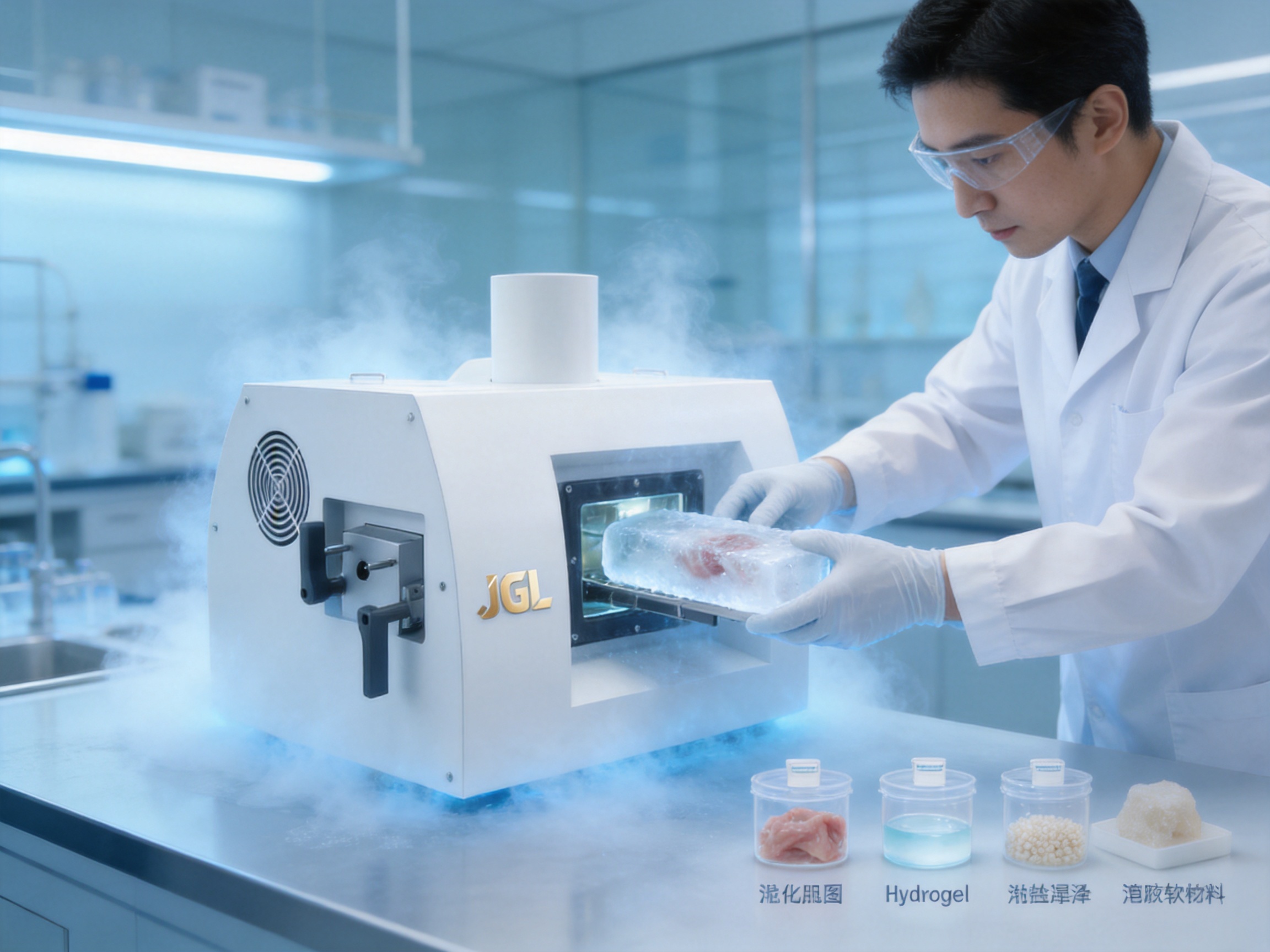
5. Vacuum Cryogenic Transfer and Freeze-Fracture
Sample transfer is one of the most vulnerable stages in cryogenic microscopy. A frozen specimen can be damaged by warming, condensation, frost formation, or exposure to contaminants. Even a short transfer through ordinary laboratory air may change the surface condition of the sample or introduce material that interferes with imaging.
The MSC300 is designed to support vacuum cryogenic transfer and freeze-fracture of hydrated samples. When used with the LNS200 liquid nitrogen slurry workbench and the CVC100 vacuum transfer chamber, it can form part of a complete workflow that includes rapid cryo-fixation, vacuum-based freeze-fracture, controlled sublimation etching, and high-vacuum conductive coating.
The value of this arrangement is continuity. The sample can be prepared, transferred, fractured, etched, and coated under conditions intended to minimize unnecessary exposure. Maintaining the low-temperature state is not merely a convenience; it helps preserve the physical condition established during initial freezing.
5.1 Rapid Cryo-Fixation
Rapid cryo-fixation is used to stabilize a hydrated sample at low temperature. The objective is to reduce molecular movement and preserve the sample before ice growth or other structural changes become significant. The exact freezing method should be selected according to sample size, thermal properties, water content, and the research objective.
The MSC300 functions as part of a larger cryogenic preparation system rather than replacing every upstream freezing method. Its role is to provide a controlled environment for subsequent vacuum preparation and coating. When the sample arrives in an appropriate frozen condition, the chamber can help maintain process continuity.
5.2 Controlled Freeze-Fracture
Freeze-fracture creates a fresh surface through a frozen specimen. The fracture may expose internal interfaces, membranes, pores, particles, or structural boundaries that cannot be seen from the exterior. For hydrated samples, this is especially useful because the internal architecture may be more informative than the original outer surface.
A controlled fracture is preferable to random mechanical damage. The operator can select the preparation approach according to the specimen’s geometry and the feature of interest. After fracture, controlled sublimation can remove a limited amount of surface ice and reveal additional details. The exposed surface may then be coated for electron microscopy.
Freeze-fracture is applicable to biological membranes, tissue interiors, hydrogels, emulsions, suspensions, and other multiphase systems. It can also support comparative studies in which researchers examine how processing, storage, temperature cycling, or formulation changes affect internal structure.
5.3 Sublimation Etching
After fracture, a frozen surface may retain an ice layer that conceals the structures beneath it. Sublimation etching removes a controlled amount of ice under vacuum. The process can reveal topographical differences, membrane surfaces, particles, or interfaces that would otherwise remain hidden.
Etching must be controlled carefully. Excessive sublimation may remove or modify features of interest, while insufficient sublimation may leave the surface obscured. The MSC300 provides a dedicated environment in which the operator can develop an appropriate balance for the specimen. This process-oriented control is an important advantage over improvised preparation methods.
6. An Integrated Workflow for Cryo-SEM Preparation
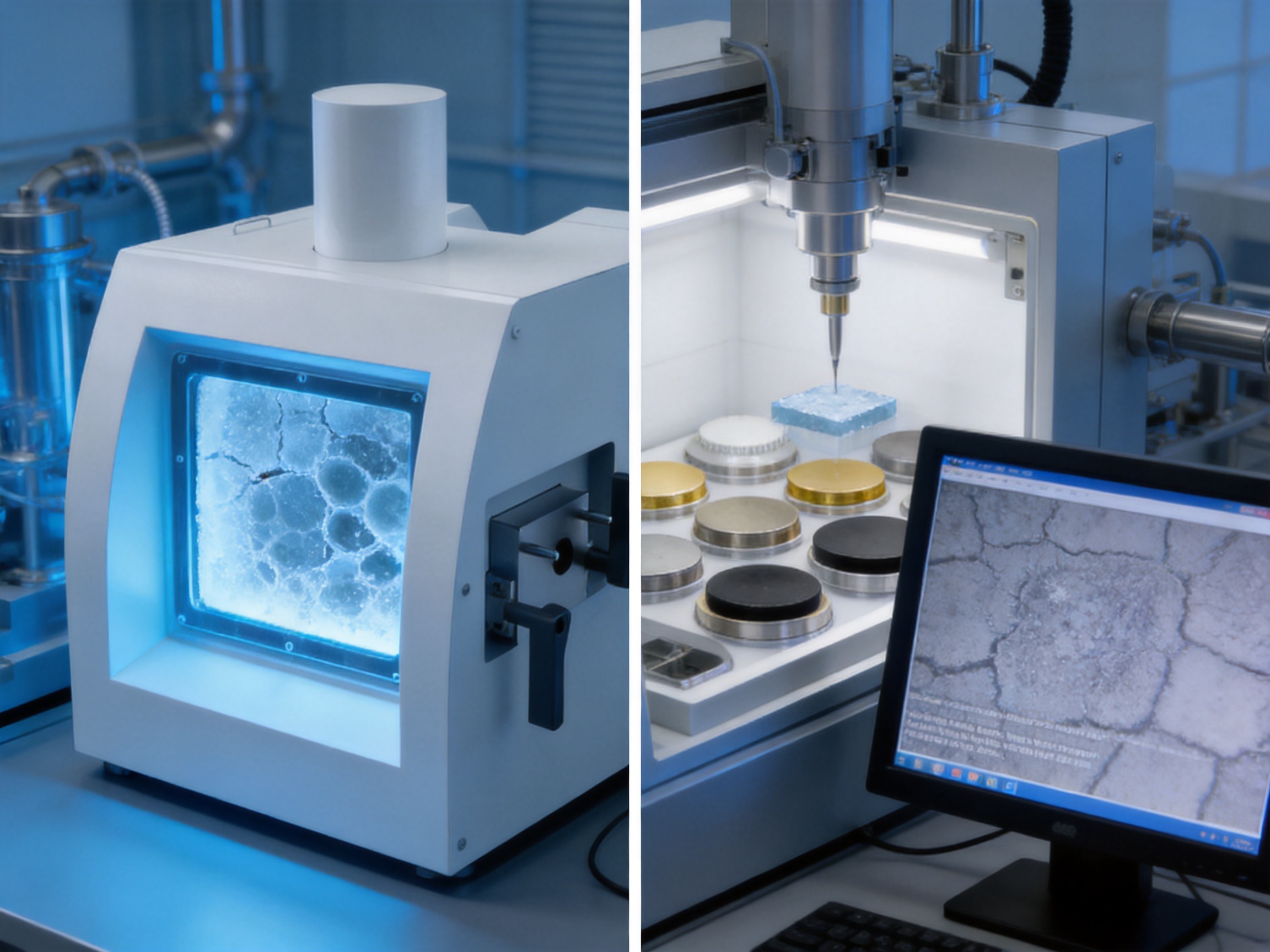
The MSC300 can support a workflow organized around five broad stages: cryo-fixation, vacuum transfer, freeze-fracture, sublimation etching, and conductive coating. The precise order and duration may vary depending on the sample and the microscope, but the integrated concept remains consistent.
First, the specimen is rapidly stabilized in a frozen condition. Second, it is transferred using equipment designed to reduce warming and contamination. Third, the sample may be fractured to expose an internal region. Fourth, sublimation etching can remove surface ice and reveal the morphology required for observation. Fifth, the prepared surface is coated using platinum, gold, chromium, tungsten, or carbon as appropriate.
This sequence supports cryo-SEM observation while helping maintain sample integrity. It also gives the operator more control over the preparation variables that affect image quality. Rather than applying a general drying method to every specimen, the laboratory can adjust fracture, etching, and coating decisions according to the sample’s physical and analytical requirements.
Integration can also improve laboratory organization. Multiple standalone devices may require separate loading procedures, transfer accessories, cleaning schedules, and operator training. A multifunctional chamber reduces the number of disconnected operations and can help create a more coherent standard operating procedure. This is valuable for facilities serving multiple research groups or handling a wide variety of specimens.
The following workflow illustrates a typical decision sequence:
Sample assessment: Determine whether the specimen is hydrated, soft, porous, particulate, biological, or formulated, and identify the features that must be preserved.
Freezing strategy: Select an appropriate cryo-fixation method and confirm that the sample is sufficiently stabilized before transfer.
Transfer protection: Move the frozen specimen through a controlled route to reduce atmospheric exposure, frost formation, and temperature change.
Fracture selection: Decide whether the external surface is adequate or whether an internal fracture plane is needed.
Etching development: Apply sublimation long enough to reveal target features without unnecessarily removing structural information.
Coating selection: Choose a coating material and process suitable for the microscope and any associated elemental or surface analysis.
Imaging verification: Review image quality and record the process conditions so that successful preparation can be reproduced.
7. Advantages Compared with Conventional Single-Function Equipment
The main competitive advantage of the MSC300 is functional integration. Conventional laboratory setups may use one instrument for drying, another for coating, and additional equipment for cryogenic transfer or fracture preparation. Such arrangements can be appropriate for specialized facilities, but they may also create bottlenecks and increase the number of points at which a sample can be compromised.
7.1 Reduced Sample Handling
Every transfer creates a potential risk. The sample may be exposed to air, moisture, vibration, contamination, or temperature fluctuations. A multifunctional chamber can reduce the number of handling events between critical preparation stages. This is particularly important for hydrated samples because their surfaces can change quickly once the controlled environment is interrupted.
7.2 Better Process Continuity
When dehydration, etching, and coating are handled in a coordinated environment, the operator can follow a defined process rather than adapting the sample to several unrelated instruments. This continuity can improve repeatability and make it easier to compare results across batches or experiments.
7.3 Greater Material Flexibility
A system restricted to one coating material may be adequate for routine imaging but less suitable for laboratories with varied analytical needs. The MSC300’s support for Pt, Au, Cr, W, and carbon allows users to match the coating to the specimen and the intended analysis. This is useful for facilities that work with both biological and non-biological materials.
7.4 Support for Delicate and Complex Samples
Single-purpose drying systems may not provide an effective route for freeze-fracture or cryogenic transfer. A conventional sputter coater may not be designed for hydrated specimens or sublimation etching. By combining these capabilities, the MSC300 is better aligned with samples whose preparation requirements are complex, sequential, and temperature-sensitive.
7.5 More Efficient Method Development
Research laboratories frequently need to test several preparation conditions before identifying the best procedure. The MSC300 supports this development process by allowing users to vary the dehydration, etching, fracture, and coating strategy within a common equipment platform. The result may be faster optimization and fewer compromises between structural preservation and image contrast.
8. Manufacturing and Engineering Strengths
Equipment for cryogenic and electron microscopy preparation must combine mechanical reliability, vacuum engineering, thermal control, contamination management, process flexibility, and user safety. The manufacturer’s background is therefore an important part of product evaluation.
JIANGSU BAISHENG INDUSTRIAL CO., LTD. was founded in 2010 as a technology-driven enterprise specializing in laboratory equipment and safety testing instruments. Its development history began with an electronic testing research and development studio in 2013. The founding team had technical experience in laboratory equipment and safety compliance testing, providing a foundation in engineering-oriented product development rather than simple equipment distribution.
In 2016, the organization transformed from a technical studio into an enterprise, completed its first independently developed production line, and introduced high-end laboratory equipment with independent intellectual property rights. This progression is relevant to the MSC300 because multifunctional cryogenic equipment requires the ability to combine different technical disciplines into a coherent product. Vacuum systems, coating assemblies, cryogenic accessories, mechanical structures, and control processes must work together as an engineered solution.
In 2019, the company adopted a technology-plus-trade development strategy. This approach combined continued research and development with experience in international markets. For customers outside China, international trade capability can be valuable because equipment procurement often involves technical communication, documentation, customization, shipping coordination, installation support, and after-sales discussion.
The company further improved its quality management system in 2022, and its products passed rigorous technical specification certifications according to the supplied company information. A strengthened quality system can support better control of design changes, manufacturing consistency, inspection records, and product documentation. These factors matter when laboratories need repeatable equipment performance and traceable operating procedures.
By 2025, the company continued to promote product innovation and technological upgrading while responding to trends in intelligent and digitalized laboratory equipment. This direction is consistent with the needs of modern laboratories, which increasingly value data recording, process repeatability, modular configuration, and efficient operator workflows.
8.1 Research and Development Orientation
The company identifies a dedicated R&D team as one of its core strengths. For a product such as the MSC300, research and development is not limited to appearance or basic mechanical assembly. It involves understanding how vacuum conditions affect sublimation, how ion bombardment affects coating quality, how cryogenic transfer influences contamination, and how different samples respond to fracture and etching.
An R&D-oriented manufacturer can also respond more effectively when a laboratory requires adjustments. Different customers may need different chamber arrangements, target materials, sample holders, workflow combinations, or integration with existing microscopy equipment. A company with engineering resources is better positioned to evaluate such requests than a supplier that only resells standardized products.
8.2 Precision Manufacturing Mindset
The company’s stated core value, “Precision in Craftsmanship, Innovation for the Long-Term,” reflects the requirements of laboratory equipment. Precision is important because small variations in alignment, sealing, surface condition, deposition behavior, or handling mechanisms can influence the final sample. Long-term innovation is equally important because microscopy methods continue to evolve and laboratories expect equipment to remain useful as applications expand.
The product should therefore be evaluated not only by its basic functions but also by the manufacturer’s ability to maintain consistency across production, provide technical guidance, and support future upgrades. A precision laboratory equipment supplier should understand that product quality includes design, fabrication, inspection, documentation, communication, and service.
8.3 Customization Capability
Customized equipment can be valuable when a laboratory’s workflow does not match a standard catalog configuration. Requirements may relate to sample dimensions, coating materials, transfer interfaces, chamber arrangement, operating sequence, or compatibility with other instruments. The company presents customized solutions as part of its service model, which may help customers adapt the MSC300 concept to specialized research programs.
Customization should be discussed in technical terms before an order is placed. Customers should clarify sample types, microscope model, required coating materials, expected throughput, available utilities, preferred control functions, and operator training needs. A detailed technical review helps ensure that customization improves the workflow rather than adding unnecessary complexity.
9. Applications Across Research and Industry
9.1 Biological and Life Science Research
The MSC300 can support the preparation of cells, animal tissues, plant tissues, and other hydrated biological samples. Researchers may use freeze-fracture to investigate internal structures, sublimation etching to expose surfaces, and conductive coating to stabilize the sample for electron microscopy.
Possible research topics include cellular morphology, tissue interfaces, membrane-related structures, plant anatomy, microbial organization, and the effects of treatment or environmental stress. Because the system is suitable for non-chemically fixed dehydration, it may also be useful when researchers want to reduce the influence of chemical preparation on the observed structure.
9.2 Pharmaceutical Development
Pharmaceutical formulations can contain suspended particles, dispersed phases, crystalline components, polymers, and water-sensitive structures. Microscopy may be used to investigate formulation uniformity, drying behavior, particle distribution, or changes caused by storage.
The MSC300 can provide a controlled way to prepare such samples for electron microscopy. The choice of coating material may be particularly important where surface morphology and elemental analysis are both considered. Carbon or a selected metal coating can be evaluated according to the analytical method and the degree of conductivity required.
9.3 Food Science and Cosmetic Formulation
Foods and cosmetics frequently contain emulsions, foams, gels, droplets, particles, and layered structures. Their appearance, stability, texture, and performance can depend on microscopic organization. Conventional drying may alter these structures, making it difficult to distinguish a product’s original morphology from preparation artifacts.
Cryogenic preparation can help researchers examine the internal arrangement of a product in a state closer to its original hydrated condition. This may support formulation comparison, stability testing, raw-material evaluation, and investigation of processing effects.
9.4 Materials Science
Hydrogels, porous polymers, soft composites, and suspension-based materials can be challenging to characterize because their structure depends on water content or solvent distribution. Freeze-fracture and sublimation etching may reveal pores, interfaces, particles, and network features that are not visible on an untreated exterior surface.
Materials researchers can use the system for comparative studies involving formulation changes, curing conditions, aging, temperature cycling, or mechanical treatment. The ability to select different conductive coatings also provides flexibility when the sample will undergo imaging, elemental mapping, or other surface analysis.
9.5 Quality Control and Failure Analysis
In industrial laboratories, microscopy is often used to determine why a product has changed or failed. A surface defect may originate from a hidden internal interface, a formulation imbalance, a contamination event, or a processing variation. Freeze-fracture can expose the region where the problem begins, while controlled sublimation and coating can make the area suitable for electron microscopy.
A repeatable preparation process is essential for quality control. If each sample is prepared differently, it becomes difficult to determine whether an observed difference comes from the product or from the preparation method. The MSC300 can help laboratories standardize the sequence and document the selected process conditions.
10. Operational Considerations
Although the MSC300 is multifunctional, successful operation depends on disciplined laboratory practice. Users should begin with sample classification and define the purpose of each preparation step. Not every specimen requires freeze-fracture, extended sublimation, or the same coating material.
Operators should also consider sample thickness. Large or thick samples may require different freezing and sublimation strategies than thin films or small particles. If freezing is incomplete or uneven, the final structure may not represent the original sample. Process parameters should therefore be developed through controlled trials rather than copied indiscriminately between materials.
Cleanliness is another important consideration. Cryogenic and vacuum workflows are sensitive to contaminants, residues, and moisture. Chamber components, sample holders, transfer accessories, and coating targets should be maintained according to the operating procedure. Preventive maintenance can help preserve vacuum performance and reduce the risk of cross-contamination.
Training should cover both equipment operation and sample-preparation theory. An operator who understands sublimation, fracture behavior, coating thickness, beam charging, and cryogenic handling will be better able to diagnose poor images. The manufacturer’s technical support and application discussion can assist laboratories in establishing appropriate procedures.
11. How to Evaluate the MSC300 for a Laboratory
Before purchasing a multifunctional cryogenic chamber, a laboratory should define its current and future applications. Important questions include the number of samples processed per week, the range of sample types, the microscope used for observation, the need for elemental analysis, and the degree of workflow integration required.
Users should request a technical discussion covering sample holders, chamber capacity, vacuum requirements, coating targets, cryogenic accessories, transfer interfaces, control functions, and available documentation. If a laboratory already owns an LNS200 or CVC100, compatibility and workflow integration should be reviewed in detail. If those systems are not yet available, the supplier should explain the complete equipment arrangement required for the intended process.
It is also useful to evaluate the system using representative samples. A demonstration or application trial can help determine whether the selected coating material, fracture method, and sublimation procedure produce the required image quality. For laboratories with multiple users, the evaluation should include ease of operation, cleaning, loading, training, and process documentation.
Recommended Evaluation Checklist
Sample compatibility: Confirm that the chamber and accessories are appropriate for biological tissues, hydrogels, suspensions, food products, cosmetic formulations, or other intended samples.
Workflow compatibility: Determine whether the system can be integrated with existing cryogenic workbenches, vacuum transfer chambers, and electron microscopes.
Coating flexibility: Confirm the availability and handling requirements for platinum, gold, chromium, tungsten, and carbon targets.
Process repeatability: Ask how operating conditions are recorded, adjusted, and reproduced between batches.
Maintenance: Clarify cleaning procedures, consumable requirements, target replacement, vacuum maintenance, and service arrangements.
Customization: Discuss whether sample holders, interfaces, chamber features, or workflow components can be adapted.
Technical support: Evaluate application guidance, operator training, documentation, installation support, and response procedures.
12. Q&A
Q1: What is the MSC300 primarily used for?
The MSC300 is primarily used for cryogenic and vacuum-based preparation of hydrated or sensitive samples for electron microscopy and related laboratory analysis. Its functions include sublimation drying, dehydration, freeze-fracture support, sublimation etching, conductive coating, and vacuum cryogenic transfer.
Q2: Can it prepare biological samples without chemical fixation?
Yes. The product is designed to support high-vacuum sublimation drying and dehydration of hydrated biological samples without the need for chemical fixation. Users should still develop a suitable freezing and sublimation procedure for each specimen type.
Q3: What types of biological samples can be considered?
Potential samples include cells, animal tissues, plant tissues, and other water-containing biological specimens. The appropriate preparation sequence depends on sample size, water content, structural fragility, and the features the researcher wants to observe.
Q4: Which coating materials are supported?
The system supports platinum, gold, chromium, tungsten, and carbon coating. The best choice depends on the sample, the electron microscope, the desired image quality, and whether additional analytical techniques such as elemental analysis will be used.
Q5: How does ion-beam-assisted coating differ from ordinary sputtering?
The MSC300 uses argon ion beam bombardment of target materials to achieve etching-based deposition. The stated advantages include improved uniformity, adhesion, and conformity to fine structures compared with conventional magnetron sputtering. Actual results depend on sample geometry, process conditions, coating material, and operator settings.
Q6: What is sublimation etching used for?
Sublimation etching removes a controlled amount of surface ice from a frozen sample under vacuum. It can expose structures after freeze-fracture and make cellular, porous, particulate, or interfacial features more visible before conductive coating and microscopy.
Q7: Can the MSC300 be used with other cryogenic equipment?
Yes. The documented workflow describes use with the LNS200 liquid nitrogen slurry workbench and the CVC100 vacuum transfer chamber. Customers should confirm the desired interfaces and configuration with the supplier before ordering.
Q8: Is the MSC300 suitable for hydrogels and soft materials?
Yes. Hydrogels and hydrated soft materials are among the application areas described for the system. Cryogenic preparation can help researchers examine pore networks, internal interfaces, and other structural features that may be distorted by conventional drying.
Q9: Does the system replace a scanning electron microscope?
No. The MSC300 is a sample-preparation system. It prepares specimens for observation in an electron microscope, including cryo-SEM workflows, but it does not replace the imaging instrument itself.
Q10: What should be discussed before purchasing?
Laboratories should discuss sample types, sample dimensions, desired workflow, microscope compatibility, coating materials, throughput, transfer equipment, utilities, maintenance, training, and any customization requirements. A technical review can help ensure that the delivered configuration matches the intended application.
13. Conclusion
The MSC300 Multi-Functional Cryogenic Laboratory Chamber provides a practical platform for laboratories that need controlled preparation of hydrated, delicate, or structurally complex samples. Its combination of high-vacuum sublimation drying, cryogenic transfer support, freeze-fracture, sublimation etching, and multi-material conductive coating addresses several of the most difficult stages in electron microscopy sample preparation.
Its advantages over conventional single-function equipment are centered on integration, reduced sample handling, workflow continuity, coating flexibility, and support for method development. These benefits can be important when researchers need to preserve native morphology, minimize contamination, reduce charging, and obtain repeatable high-resolution images.
The system is also supported by a manufacturer with a technology-driven history, an engineering-focused R&D team, experience in laboratory and safety testing equipment, a developed quality management approach, and a stated commitment to customized solutions. For customers evaluating precision laboratory equipment from China, these capabilities provide a meaningful basis for technical cooperation and long-term product support.
Ultimately, the MSC300 should be selected as part of a complete application workflow. The best results will come from matching freezing, transfer, fracture, sublimation, and coating conditions to the sample and analytical objective. With appropriate process development and operator training, the system can help laboratories transform fragile hydrated specimens into stable, conductive, and informative samples for advanced microscopy.
References
1. Product information for the MSC300 Multi-Functional Cryogenic Laboratory Chamber, including high-vacuum sublimation drying, conductive coating, cryogenic transfer, freeze-fracture, and sublimation etching functions.
2. Manufacturer-provided company profile and development history of JIANGSU BAISHENG INDUSTRIAL CO., LTD.
3. Manufacturer-provided information concerning the LNS200 liquid nitrogen slurry workbench and CVC100 vacuum transfer chamber.
4. Goldstein, J., Newbury, D., Joy, D., Lyman, C., Echlin, P., Lifshin, E., Sawyer, L., and Michael, J. Scanning Electron Microscopy and X-Ray Microanalysis. General reference work on electron microscopy preparation and analysis.
5. Reimer, L. Scanning Electron Microscopy: Physics of Image Formation and Microanalysis. General reference work on electron-beam imaging, specimen interaction, and image quality.
6. General laboratory guidance on cryogenic sample preparation, freeze-fracture methods, vacuum sublimation, and conductive coating for electron microscopy.
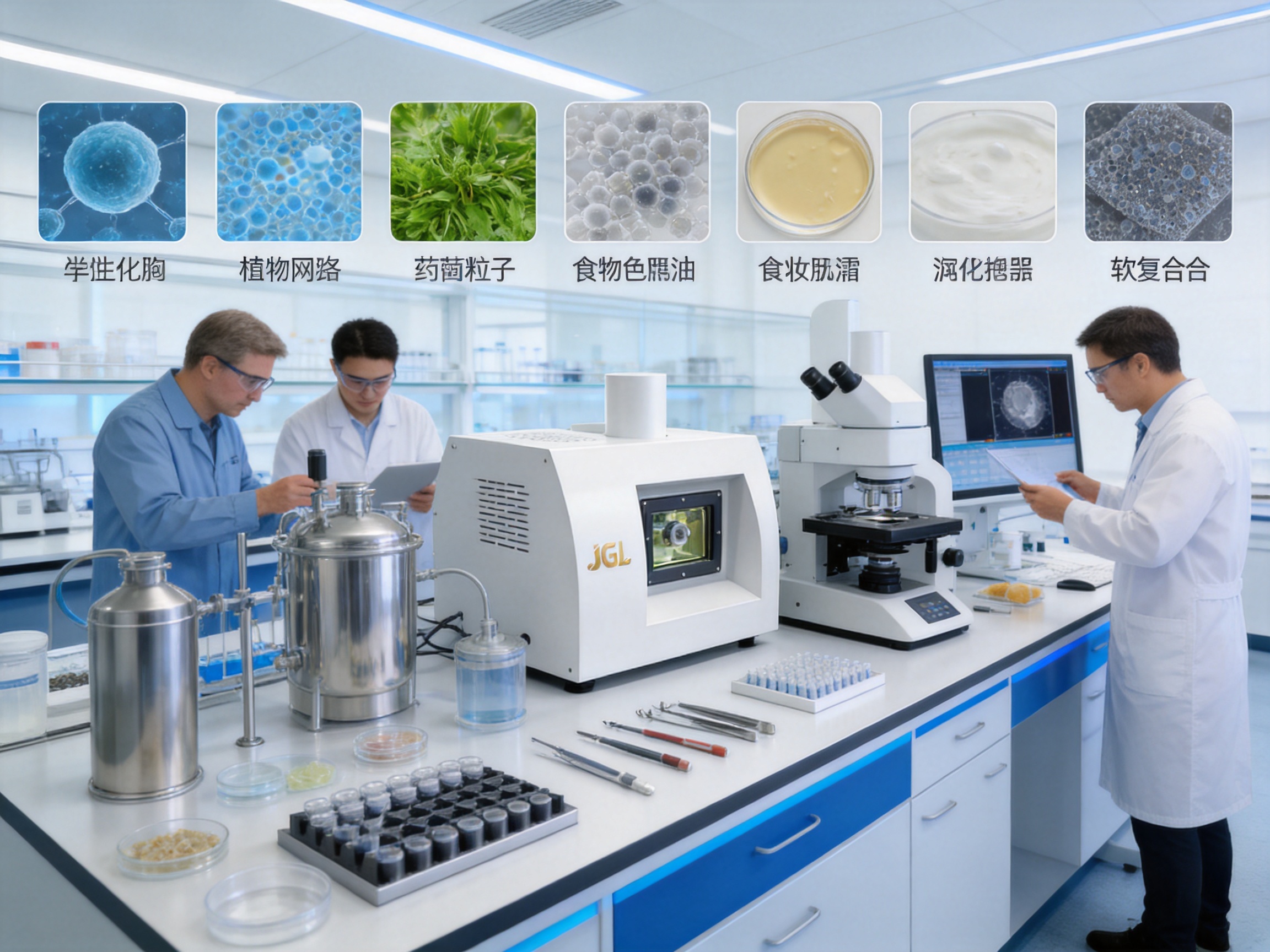
Product: MSC300 Multi-Functional Cryogenic Chamber for Advanced Laboratory Applications

PREV:Precision High-Low Temperature Humidity Cycling Chambers for Reliable Environmental Testing
NEXT:Ion Beam Precision Grinding and Polishing for High-Fidelity Sample Preparation
NEXT:Ion Beam Precision Grinding and Polishing for High-Fidelity Sample Preparation
Interested in cooperation or have questions?
Featured Products
Related products

Quick Link
Contact Information
- Tel: +86-13861043568
- E-mail: 1840784112@qq.com
- Add: Tianting District, Changzhou City, Jiangsu Province, China, No. 6 Hecircuit
Scan Code
Copyright © JIANGSU BAISHENG INDUSTRIAL CO., LTD.
All Rights Reserved. Privacy Custom Precision Laboratory Testing Equipment Manufacturers
