 English
 Español
NEWS
NEWS
NEWS
NEWS
NEWS
NEWS
NEWS
NEWS
NEWS
NEWS
NEWS
NEWS
NEWS
NEWS
NEWS
NEWS

Luo Qinyue — Senior After-Sales Service Engineer
Home / Author / Luo Qinyue — Senior After-Sales Service Engineer / Ion Beam Precision Grinding and Polishing for High-Fidelity Sample Preparation
Ion Beam Precision Grinding and Polishing for High-Fidelity Sample Preparation
Content
- 1 1. The Importance of Controlled Sample Preparation
- 2 2. Product Overview
- 3 3. How Ion Beam Grinding and Polishing Works
- 4 4. Advantages Compared with Conventional Preparation Methods
- 5 5. Cryogenic Operation for Sensitive Samples
- 6 6. Applications in Materials Science
- 7 7. Semiconductor and Microelectronics Inspection
- 8 8. Energy Materials and Electrochemical Systems
- 9 9. Integration with Electron Microscopy Workflows
- 10 10. Manufacturing and Engineering Strengths
- 11 11. Recommended Operating Approach
- 12 12. Laboratory Safety and Maintenance Considerations
- 13 13. Why the HSC126 Is a Competitive Choice
- 14 14. Selection Considerations for Prospective Users
- 15 15. Frequently Asked Questions
- 15.1 Q1: What is the primary purpose of the HSC126?
- 15.2 Q2: Which materials can be processed?
- 15.3 Q3: How does ion beam polishing differ from mechanical polishing?
- 15.4 Q4: Can the system replace all mechanical preparation?
- 15.5 Q5: What is the benefit of cryogenic operation?
- 15.6 Q6: Is cryogenic processing required for every sample?
- 15.7 Q7: Can the HSC126 be used for semiconductor cross-sections?
- 15.8 Q8: Can it prepare biological samples for microscopy?
- 15.9 Q9: How does automation improve preparation?
- 15.10 Q10: What makes the system suitable for research laboratories?
- 15.11 Q11: What support can a customer expect from the manufacturer?
- 15.12 Q12: How should a laboratory validate a new preparation recipe?
- 16 16. Conclusion
- 17 References
- 18 Product: HSC126 Ion Beam Precision Grinding and Polishing System
Advanced microscopy, semiconductor inspection, materials research, and life-science analysis increasingly depend on the quality of sample preparation. Even the most capable scanning electron microscope or transmission electron microscope cannot produce reliable results from a sample whose surface has been distorted, contaminated, overheated, or mechanically damaged during preparation. For this reason, laboratories are placing greater emphasis on preparation systems that can create clean, flat, and representative surfaces while preserving the original microstructure.
The HSC126 Ion Beam Precision Grinding and Polishing System is designed for this demanding stage of the analytical workflow. It uses a controlled ion beam to remove material gradually and uniformly, enabling high-precision grinding, polishing, thinning, and surface preparation. Compared with conventional mechanical methods, the system is intended to reduce deformation, residual stress, particle contamination, and preparation-induced artifacts. Its ability to support both ambient and cryogenic processing also makes it suitable for a broader range of materials, including polymers, biological specimens, battery components, and water- or oil-containing samples.
Manufactured and supplied by JIANGSU BAISHENG INDUSTRIAL CO., LTD., the HSC126 reflects a product-development approach that combines laboratory equipment engineering, electronic testing experience, customized design, and international technical service. The company’s research and development background supports the integration of stable beam delivery, automated process control, monitoring functions, and compatibility with complementary sample-transfer equipment.
This article examines the operating principles, major advantages, applications, manufacturing strengths, and practical selection considerations associated with the HSC126. It also explains how ion beam processing compares with traditional preparation technologies and why cryogenic capability can be important when working with sensitive or reactive materials.
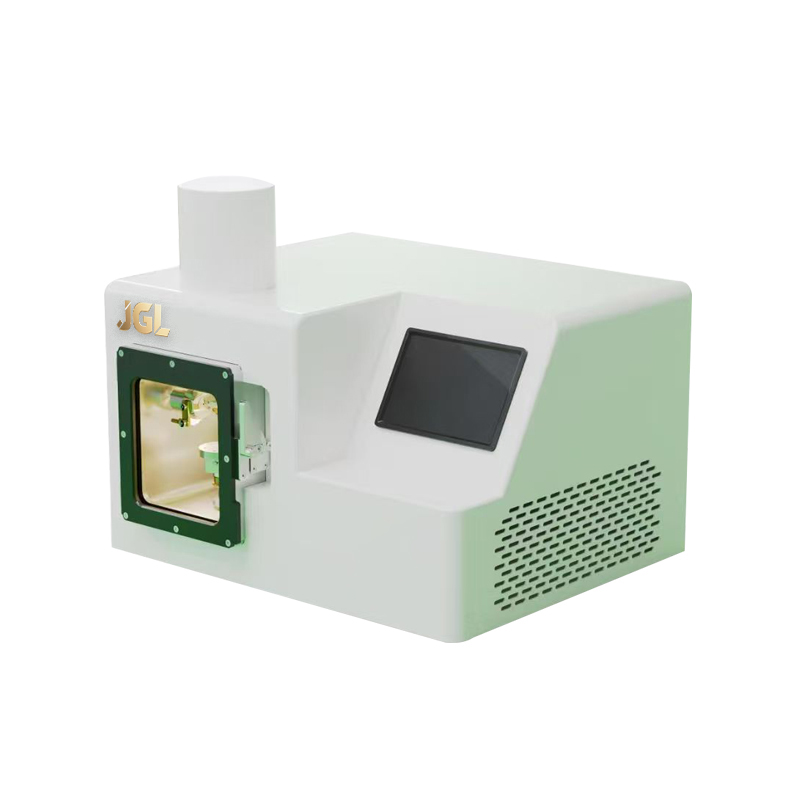
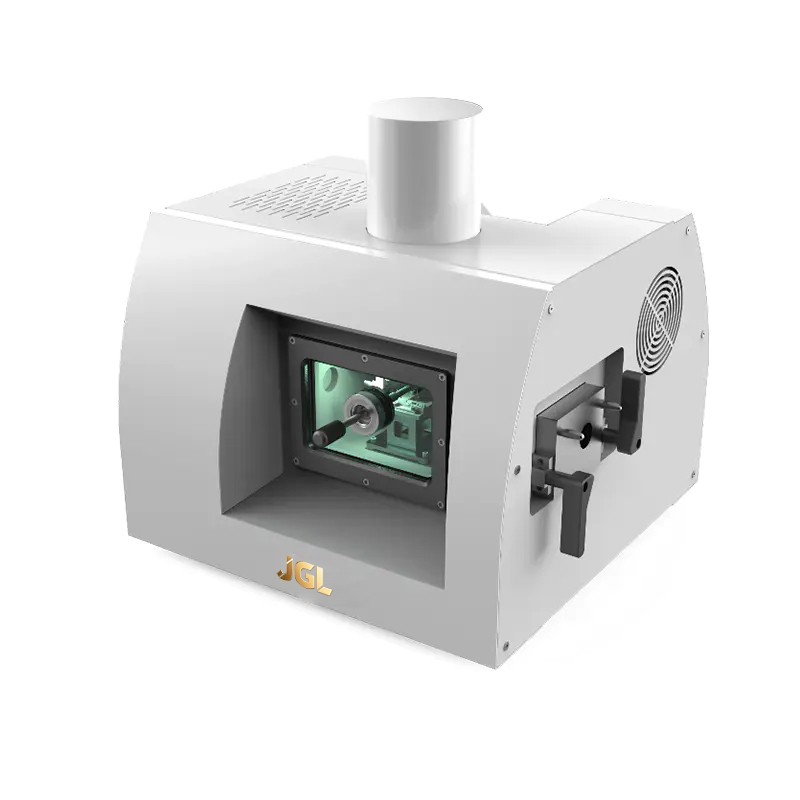
HSC126 Ion Beam Precision Grinding and Polishing System
1. The Importance of Controlled Sample Preparation
Sample preparation is often the most underestimated part of an electron microscopy or materials analysis project. A microscope records the condition of the specimen presented to it, not necessarily the condition of the original material. If preparation introduces scratches, smearing, redeposition, cracks, heating, or contamination, the resulting image may contain features that are artifacts rather than true characteristics of the sample.
Mechanical cutting and polishing remain useful for many routine applications, but they can become difficult when the target structure is very small, soft, brittle, layered, porous, or chemically sensitive. Mechanical abrasion may pull out particles from a composite, smear a ductile metal across a cross-section, fracture a ceramic interface, or deform a thin semiconductor layer. In biological and polymeric materials, the combination of friction and heat can alter morphology before observation begins.
Ion beam preparation offers a different approach. Instead of relying primarily on physical contact between a tool and the sample, an accelerated beam of ions interacts with the surface and removes material through sputtering. When the beam energy, incidence angle, raster pattern, exposure time, and sample temperature are carefully controlled, the process can gradually produce a smooth and highly representative surface.
The objective is not simply to remove material quickly. High-quality preparation requires a balance between removal rate, surface roughness, subsurface damage, dimensional accuracy, and preservation of interfaces. The HSC126 is intended to provide this balance through precision beam control, automated processing, and stable operating conditions.
2. Product Overview
The HSC126 Ion Beam Precision Grinding and Polishing System is a laboratory instrument for ultra-fine grinding, polishing, thinning, and surface preparation. It is designed for use with metals, ceramics, semiconductors, polymers, composites, biological materials, energy materials, and other specimens requiring low-damage preparation.
The system can be used to create flat cross-sections for scanning electron microscopy, prepare thin or refined regions for transmission electron microscopy, expose interfaces in electronic devices, and remove surface layers that may have been affected by previous cutting or polishing operations. It can also serve as a final finishing instrument after conventional mechanical preparation.
A central feature of the HSC126 is its support for both ambient and cryogenic operation. Ambient processing is suitable for many metals, ceramics, inorganic materials, and robust samples. Cryogenic processing is valuable when thermal effects, volatilization, chemical changes, water loss, or structural collapse could compromise the specimen.
The system is also designed with automated control and process monitoring in mind. Controlled beam rastering allows the ion beam to scan a selected area in a repeatable pattern rather than concentrating removal in one location. Monitoring functions help operators maintain consistent processing conditions and improve reproducibility between samples.
2.1 Core Processing Functions
The HSC126 is intended to support several closely related preparation tasks:
Precision ion beam grinding removes material in a controlled manner to reveal a target plane or cross-section.
Ion beam polishing refines a previously prepared surface and reduces visible preparation marks, localized deformation, and loose debris.
Surface preparation removes contaminated, oxidized, smeared, or otherwise altered surface layers before microscopic analysis.
Cross-section preparation exposes internal structures in electronic devices, layered materials, composites, coatings, and biological specimens.
Fine thinning can reduce selected regions to a thickness or geometry appropriate for advanced microscopy and analytical examination.
Cryogenic preparation helps maintain the integrity of samples that are sensitive to heat, radiation, dehydration, phase change, or chemical instability.
2.2 Designed for High-Fidelity Analysis
The meaning of “high fidelity” in sample preparation is straightforward: the prepared surface should represent the original sample as accurately as possible. A high-fidelity surface should be flat enough for imaging, clean enough for analysis, and free from preparation-induced features that could be mistaken for genuine microstructural characteristics.
For this reason, the HSC126 emphasizes controlled material removal rather than aggressive removal alone. A stable ion beam, predictable rastering pattern, and carefully selected processing conditions can help produce a more uniform surface across the selected area. This is especially important when comparing multiple samples or monitoring subtle differences between material batches.
Repeatability is equally important. A preparation method that produces an excellent result only under highly individual operator judgment may be unsuitable for production laboratories, contract testing services, or multi-user research facilities. Automated control helps reduce operator-to-operator variation and supports the development of standardized preparation recipes.
3. How Ion Beam Grinding and Polishing Works
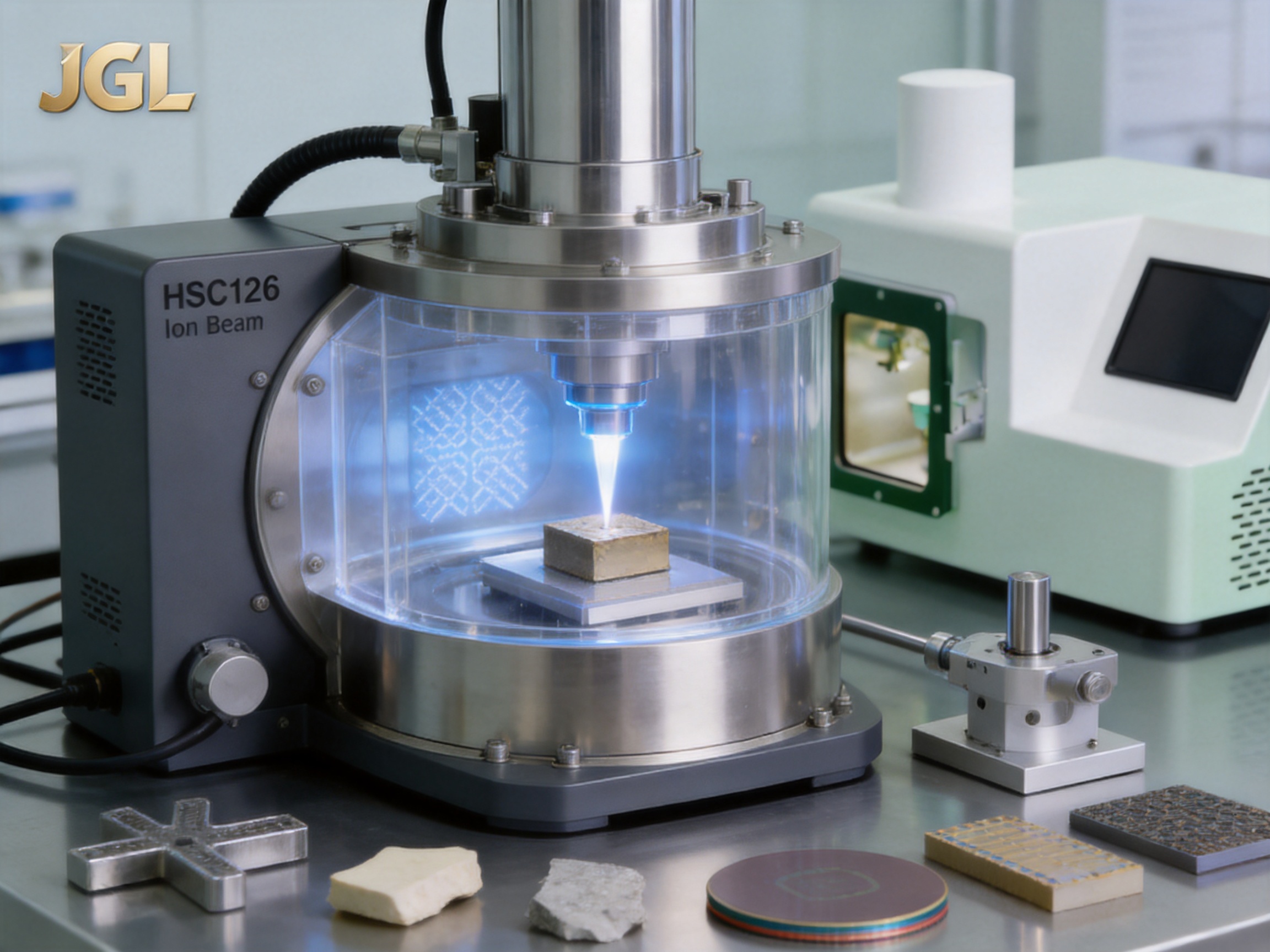
Ion beam processing is based on the interaction between energetic ions and a solid surface. Ions are accelerated toward the sample, and their collision with surface atoms transfers energy into the material. Some atoms and small particles are displaced and ejected from the surface, a process commonly known as sputtering.
The amount of material removed depends on multiple variables. These include ion energy, beam current, incidence angle, exposure time, raster speed, beam geometry, sample composition, and sample temperature. A skilled process design uses these variables to achieve the required removal rate and surface finish without excessive heating or unwanted redeposition.
At higher removal rates, the system can expose a cross-section or remove a damaged layer. At lower and more controlled settings, the same basic process can refine a surface and reduce preparation artifacts. The HSC126 is intended to support this range of operation, allowing laboratories to adapt the process to different materials and analytical objectives.
3.1 Controlled Beam Rastering
Beam rastering refers to the controlled movement of the ion beam across the selected processing region. Instead of allowing the beam to remain concentrated at a single point, rastering distributes the removal process over a defined area. This can reduce localized over-polishing and improve surface uniformity.
Rastering is particularly useful for samples with large analytical fields or regions containing multiple material phases. It enables the operator to define a processing zone and apply a programmed movement pattern. When combined with stable beam parameters, this approach can help produce consistent preparation across repeated specimens.
Rastering also supports process development. A laboratory may create different patterns for a narrow device cross-section, a broad composite interface, a delicate biological sample, or a localized region of a battery electrode. The ability to adjust the scanned area and process duration improves flexibility without requiring a completely different instrument.
3.2 Beam Stability and Process Control
Beam stability is one of the most important characteristics of an ion beam preparation system. Variations in beam intensity or position can result in uneven removal, local heating, inconsistent surface roughness, or differences between samples.
The HSC126 incorporates controlled beam delivery and process monitoring to support stable operation. These functions are intended to help operators observe the preparation process, maintain selected parameters, and repeat established procedures. The result is a more controlled relationship between the process recipe and the finished sample.
Automation does not eliminate the need for technical knowledge. Material composition, desired surface geometry, and analytical method still influence the correct settings. However, automation can reduce unnecessary manual intervention and make the process easier to standardize once suitable conditions have been established.
4. Advantages Compared with Conventional Preparation Methods
The HSC126’s principal competitive advantage is its ability to perform precision, low-damage surface processing without the direct mechanical contact associated with traditional grinding and polishing. This difference can be important when a sample contains thin layers, fragile interfaces, small particles, porous regions, or structures that are easily smeared or fractured.
4.1 Reduced Mechanical Stress
Mechanical polishing applies force through abrasives, pads, blades, or other physical tools. Even when carefully controlled, this can introduce deformation beneath the surface. Soft materials may smear, while brittle materials may chip or crack. A layered specimen may experience delamination or interface distortion.
Ion beam processing is not completely free of physical effects, but it can avoid many forms of tool-induced mechanical stress. This makes it valuable for final polishing and for samples where preserving the actual geometry of the cross-section is more important than achieving the highest possible bulk removal rate.
4.2 Lower Risk of Contamination
Conventional polishing can leave abrasive particles, polishing media, lubricants, or residues on the sample. These contaminants may interfere with elemental analysis, obscure small features, or create uncertainty in surface chemistry measurements.
The HSC126 is designed to support clean surface preparation by using a controlled ion beam rather than a loose abrasive slurry or physical polishing compound. Proper chamber cleanliness, sample handling, and process management remain essential, but the instrument can reduce contamination sources associated with contact polishing.
4.3 Improved Cross-Section Quality
Cross-section analysis often requires a surface that is both flat and representative. Cutting alone may leave saw marks, burrs, chipping, or a rough fracture plane. Mechanical finishing can improve the surface but may also smear soft phases or pull out weakly bonded particles.
Ion beam polishing can be used as a finishing step to remove the mechanically affected layer and reveal a cleaner cross-section. For microelectronics, this can improve the visibility of thin films, contact layers, vias, interconnects, package interfaces, and other small structures. In materials research, it can help expose grain boundaries, pores, inclusions, coatings, and reaction zones.
4.4 Adaptability to Sensitive Materials
Many emerging materials do not tolerate aggressive preparation. Polymers can soften, biological specimens can dehydrate, battery materials can react with air or heat, and water-containing samples can lose their original structure. The HSC126’s cryogenic capability expands the range of materials that can be considered for ion beam preparation.
Low-temperature operation can reduce thermal diffusion and help maintain the physical state of a sensitive sample during processing. It may also help limit beam-induced changes in materials whose morphology or chemistry is strongly temperature-dependent. Cryogenic operation must still be selected and validated according to the sample type, because not every material responds identically to cooling.
4.5 Repeatability for Research and Production
Manual polishing often depends heavily on operator skill. Two operators may use different pressures, polishing times, abrasive sizes, or finishing sequences, leading to differences in sample quality. The HSC126’s automated control and monitoring functions are intended to make the process more consistent.
Repeatability is useful in research because it improves confidence when comparing data from multiple specimens. It is also valuable in industrial laboratories, where preparation procedures may need to be documented, transferred, audited, or applied to recurring product inspections.
| Preparation Consideration | Conventional Mechanical Methods | HSC126 Ion Beam Processing | Practical Benefit |
|---|---|---|---|
| Material removal | Uses physical contact and abrasives | Uses controlled ion sputtering | Enables fine, localized surface modification |
| Mechanical deformation | May produce smearing, scratches, or subsurface stress | Designed for low-damage processing | Improves representation of delicate structures |
| Contamination risk | May involve polishing compounds and loose abrasive particles | Uses a controlled beam process | Supports cleaner analytical surfaces |
| Temperature management | Friction can generate heat | Supports ambient and cryogenic operation | Protects thermally sensitive samples |
| Process repeatability | Often depends strongly on operator technique | Uses automated control and beam rastering | Helps standardize preparation recipes |
| Application range | Effective for many robust materials | Suitable for robust and sensitive materials | Expands laboratory capability |
5. Cryogenic Operation for Sensitive Samples
Cryogenic preparation is an important capability when a sample must be maintained at a reduced temperature during processing. The purpose is not simply to make the specimen cold. Rather, temperature control can be used to protect the sample from changes that could occur under room-temperature beam exposure or mechanical handling.
Biological samples may contain water or other volatile components. Polymers may soften or deform as their temperature rises. Battery materials may undergo chemical or structural changes when exposed to heat, vacuum, or energetic particles. Soft composites may lose the relationship between phases if the matrix becomes less rigid during preparation.
By supporting cryogenic operation, the HSC126 can be integrated into preparation workflows for materials that would be difficult to process using ordinary ambient methods. Cryogenic processing may help preserve morphology, reduce thermal damage, and maintain the condition of the specimen before transfer to an electron microscope or another analytical instrument.
5.1 Biological and Life-Science Applications
In life-science research, the surface of a specimen may contain information about cellular organization, membrane structures, extracellular materials, viruses, tissue interfaces, or biological inclusions. Drying, heating, or mechanical pressure can change these structures and reduce the value of the resulting image.
Cryo-polishing can help prepare biological specimens while reducing the risk of temperature-related deformation. It may be used in conjunction with cryo-transfer systems and cryogenic microscopy workflows. The preparation sequence should be designed around the biological material, embedding method, freezing condition, and target imaging technique.
For biological work, contamination control is especially important. The preparation environment, sample mounts, transfer components, and handling procedures should be managed as part of a complete workflow. The HSC126 provides the processing platform, while the laboratory remains responsible for validating the overall protocol.
5.2 Polymers and Soft Materials
Polymers can present several preparation challenges. They may smear under a blade, deform under pressure, or soften during prolonged processing. Filled polymers can also show differences in hardness between the matrix and reinforcement, leading to uneven removal.
Ion beam polishing can provide a non-contact finishing route for these materials. Cryogenic processing can further improve dimensional stability by reducing the mobility of the polymer matrix. This can be useful when examining fillers, voids, interfaces, phase separation, coatings, and fracture surfaces.
5.3 Water- and Oil-Containing Samples
Samples containing water, oil, solvents, or other volatile substances may change when exposed to vacuum or heat. A successful preparation approach must consider freezing, containment, transfer, and vacuum compatibility. The HSC126’s cryogenic capability can form part of a strategy for protecting such samples, although the exact preparation method must be established for each composition.
For these applications, a laboratory should evaluate the sample’s freezing behavior, expected outgassing, thermal sensitivity, and compatibility with the planned microscopy method. Controlled preparation and careful transfer are essential for maintaining the condition of the specimen.
6. Applications in Materials Science
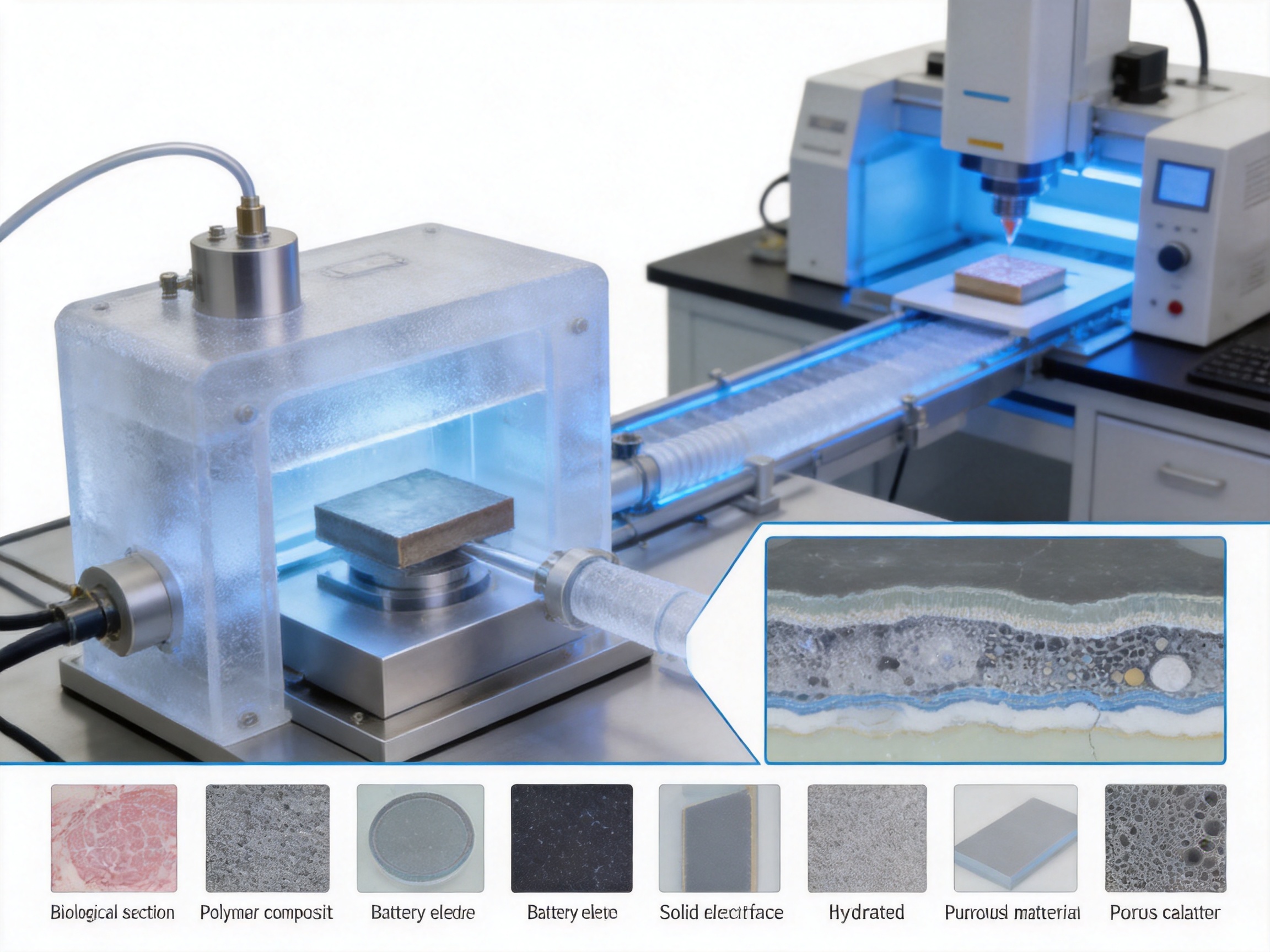
Materials scientists frequently need to examine interfaces, grain structures, inclusions, cracks, pores, reaction layers, and phase distributions. These features may be only a few micrometers or nanometers in size, so preparation quality has a direct effect on the reliability of the analysis.
The HSC126 can be used to prepare metals, ceramics, composites, coatings, and nanostructured materials for SEM, TEM, and related analytical methods. It is suitable for removing surface damage after sectioning, refining a cross-section, or exposing a selected region for detailed imaging.
6.1 Metals and Alloys
Metals vary widely in hardness, ductility, thermal conductivity, and phase composition. A conventional method that works well for a hard alloy may smear a soft phase or create relief in a multiphase material. Ion beam preparation can help reduce these differences in surface appearance by providing a controlled finishing step.
Applications may include examination of weld zones, coatings, inclusions, precipitates, corrosion layers, fatigue cracks, and additive-manufactured structures. A clean cross-section can assist in identifying the relationship between processing history and microstructure.
6.2 Ceramics and Brittle Materials
Ceramics and other brittle materials can chip or fracture during sectioning and polishing. Fine cracks may be difficult to distinguish from preparation damage. A carefully controlled ion beam process can help remove loose or damaged surface material while limiting additional mechanical contact.
This capability is relevant to structural ceramics, electronic ceramics, transparent ceramics, catalyst supports, and ceramic matrix composites. It can also support the study of pores, grain boundaries, interfaces, and local fracture mechanisms.
6.3 Composites and Multiphase Materials
Composites often contain constituents with different hardness, elasticity, thermal expansion, or sputtering behavior. Mechanical polishing may produce relief, pullout, or selective wear. Ion beam processing can provide a useful final preparation step for revealing the arrangement of reinforcement, matrix, voids, and interfacial regions.
Examples include fiber-reinforced polymers, metal matrix composites, ceramic composites, layered coatings, and particulate materials. The laboratory should optimize parameters to avoid excessive preferential removal between phases.
7. Semiconductor and Microelectronics Inspection
Modern semiconductor devices contain extremely small and complex structures. Cross-section analysis may be required to investigate fabrication defects, interconnect integrity, dielectric layers, contact formation, package reliability, or advanced transistor geometries.
The HSC126 is intended to support preparation of device cross-sections, FinFET structures, advanced packaging, thin-film stacks, and other microelectronic features. Its precision beam processing can help expose selected structures while reducing the risk that mechanical preparation will smear or fracture delicate layers.
7.1 Device Cross-Sections
A device cross-section must reveal the relationship between multiple materials and layers. These may include metals, dielectrics, semiconductors, barrier layers, adhesives, solder joints, underfills, and encapsulants. The contrast between these materials can be weakened by smearing or uneven removal.
Ion beam polishing can improve the final quality of the cross-section after mechanical cutting. By removing the mechanically affected layer, it may produce a more suitable surface for imaging and elemental analysis.
7.2 FinFET and Advanced Structures
FinFETs and other advanced transistor architectures contain narrow, high-aspect-ratio features where small preparation errors can obscure the intended geometry. A controlled preparation process can help expose fins, gate structures, source and drain regions, spacers, and contacts for inspection.
Because these structures are very small, the preparation plan should include careful sample mounting, orientation, beam control, and endpoint judgment. The HSC126’s automated rastering and monitoring functions can support repeatable handling of these demanding tasks.
7.3 Advanced Packaging
Electronic packages contain multiple interfaces that may fail through cracking, delamination, void formation, corrosion, thermal cycling, or mechanical fatigue. Cross-sectional analysis is used to investigate solder joints, bond wires, interposers, substrates, mold compounds, and thermal-management components.
A low-damage finishing process is useful because package materials often combine hard, soft, ductile, brittle, and porous constituents. The HSC126 can help prepare a representative surface for SEM imaging and associated analytical techniques.
8. Energy Materials and Electrochemical Systems
Energy materials can be especially sensitive to preparation. Battery electrodes, solid electrolytes, catalyst layers, and fuel-cell components may contain reactive phases, pores, binders, liquids, or interfaces that change during heating and exposure to air.
The HSC126 can support examination of battery electrodes, solid electrolyte interfaces, catalytic materials, and other energy-related structures. Cryogenic processing may be considered when maintaining the original morphology or limiting thermal effects is important.
8.1 Battery Electrodes
Battery electrodes are usually heterogeneous structures composed of active particles, conductive additives, binders, pores, and current-collector interfaces. Mechanical preparation can pull particles from the matrix or smear binder material across the surface.
A controlled ion beam process can help reveal particle morphology, cracking, pore distribution, coating uniformity, and interfacial layers. When studying cells after cycling, the preparation method should also account for electrolyte residues, air sensitivity, and possible chemical reactivity.
8.2 Solid Electrolyte Interfaces
Solid electrolyte interfaces may be thin, chemically complex, and mechanically fragile. Their properties can determine battery performance, safety, and cycle life. Preparation-induced heating or mechanical damage may alter the very layer under investigation.
Low-temperature processing and careful transfer can help preserve these interfaces for microscopy. The HSC126 can form part of a broader workflow that includes controlled disassembly, cryogenic handling, ion beam finishing, and microscopy under appropriate environmental conditions.
8.3 Catalysts and Porous Materials
Catalytic materials often contain high surface areas, pores, deposited nanoparticles, and support structures. Aggressive mechanical polishing may dislodge particles or block pores with debris. Ion beam preparation can provide a cleaner route for examining particle distribution, support interfaces, and cross-sectional porosity.
9. Integration with Electron Microscopy Workflows
The HSC126 is not an isolated preparation device; it is most valuable when integrated into a complete analytical workflow. The final objective is usually high-quality imaging or analysis in an SEM, TEM, or related instrument. Sample mounting, orientation, transfer, cleaning, and microscopy conditions therefore influence the success of the preparation.
For SEM workflows, the system can prepare flat and clean surfaces for imaging, backscattered electron contrast, secondary electron analysis, electron backscatter diffraction, and energy-dispersive spectroscopy. A reduced level of surface contamination can improve signal quality and help prevent ambiguous analytical results.
For TEM workflows, thinner regions and clean interfaces are essential. The exact preparation route depends on the sample geometry and the required electron transparency. Ion beam processing may be used for final thinning, localized refinement, or removal of preparation damage from a pre-thinned region.
The system can also be combined with cryo-transfer equipment. This is particularly relevant for biological materials, hydrated specimens, frozen liquids, polymers, and air-sensitive energy materials. A cryogenic transfer chain helps reduce the time during which a specimen is exposed to unsuitable temperature or environmental conditions.
9.1 Workflow Standardization
A standardized workflow should define sample receipt, cleaning, mounting, orientation, initial sectioning, ion beam parameters, endpoint criteria, transfer conditions, and microscopy settings. The HSC126’s automated functions can support the beam-processing portion of this procedure.
Standardization improves data comparability and simplifies training. It also makes it easier to identify whether an observed difference comes from the material itself or from variations in preparation. For laboratories serving multiple departments or external customers, documented recipes can support efficient scheduling and quality assurance.
10. Manufacturing and Engineering Strengths
The performance of a precision laboratory instrument depends not only on its visible features but also on the engineering discipline used during design, assembly, testing, and support. JIANGSU BAISHENG INDUSTRIAL CO., LTD. describes itself as a technology-driven enterprise with experience in laboratory equipment, electronic testing, safety compliance testing, and international technical supply.
The company was founded in 2010. Its predecessor began in 2013 as a research and development studio specializing in electronic testing. This origin is relevant because electronic test development requires attention to signal stability, control logic, measurement repeatability, and technical documentation—all qualities that are also valuable in ion beam instrument engineering.
In 2016, the organization developed its first independent production line and introduced laboratory equipment with independent intellectual property rights. This transition from a technical studio to an enterprise with manufacturing capability established a foundation for product development beyond ordinary equipment distribution.
In 2019, the company adopted a technology-and-trade development strategy. This approach combined continued research and development with overseas market expansion. For specialized laboratory equipment, such a combination can be beneficial because international customers often require both technical customization and responsive commercial communication.
10.1 Research and Development Capability
The company’s stated core advantage is a dedicated R&D team focused on precision design and technical improvement. For a system such as the HSC126, engineering work may involve beam-generation stability, vacuum compatibility, thermal management, automated motion, sample mounting, control software, safety interlocks, and process monitoring.
These subsystems must work together. A stable beam is not sufficient if the sample stage is difficult to position. Automation is less useful if the process cannot be monitored. Cryogenic capability requires coordinated temperature control, transfer planning, and vacuum management. A product-development team with experience across laboratory hardware and electronic control can address these interactions more effectively.
10.2 Customization and Application Engineering
Laboratory samples vary considerably in shape, size, composition, sensitivity, and analytical purpose. A standardized instrument provides the core platform, but practical success may depend on sample holders, transfer accessories, software settings, operating protocols, and integration with existing equipment.
JIANGSU BAISHENG INDUSTRIAL CO., LTD. emphasizes customized solutions. This can be useful for research organizations that need a particular sample geometry, cryogenic workflow, process sequence, or instrument interface. Application engineering should begin with a clear definition of the analytical objective rather than with specifications alone.
For example, a semiconductor laboratory may prioritize localized cross-section positioning and repeatable device orientation. A life-science laboratory may need cryogenic handling and transfer compatibility. A materials laboratory may require a broad processing area and flexible parameter control. Customization allows the system configuration and operating procedure to reflect these differences.
10.3 Quality Management and Technical Specifications
By 2022, the company reports that it had further improved its quality management system and that its products had passed rigorous technical specification certifications. Quality management is especially important for precision instruments because the final result depends on the stability of many individual components.
A robust manufacturing process should include design review, supplier control, incoming inspection, assembly verification, electrical testing, mechanical inspection, software validation, vacuum testing, beam-performance checks, and final acceptance testing. Documentation of these stages helps establish product consistency and provides a foundation for after-sales service.
The specific acceptance criteria should be aligned with the customer’s application. A laboratory purchasing an ion beam system may evaluate beam stability, processing uniformity, temperature control, automation functions, safety performance, repeatability, and compatibility with existing microscopy equipment.
10.4 Manufacturing for Long-Term Use
Research laboratories often operate instruments for many years and subject them to changing applications. A durable instrument should therefore be designed with serviceability, component accessibility, software updates, and operating flexibility in mind.
The company’s stated commitment to continuous innovation and product-line expansion suggests an emphasis on long-term development rather than a single-purpose product. This approach can help customers extend the value of their initial investment as new sample types and analytical requirements emerge.
11. Recommended Operating Approach
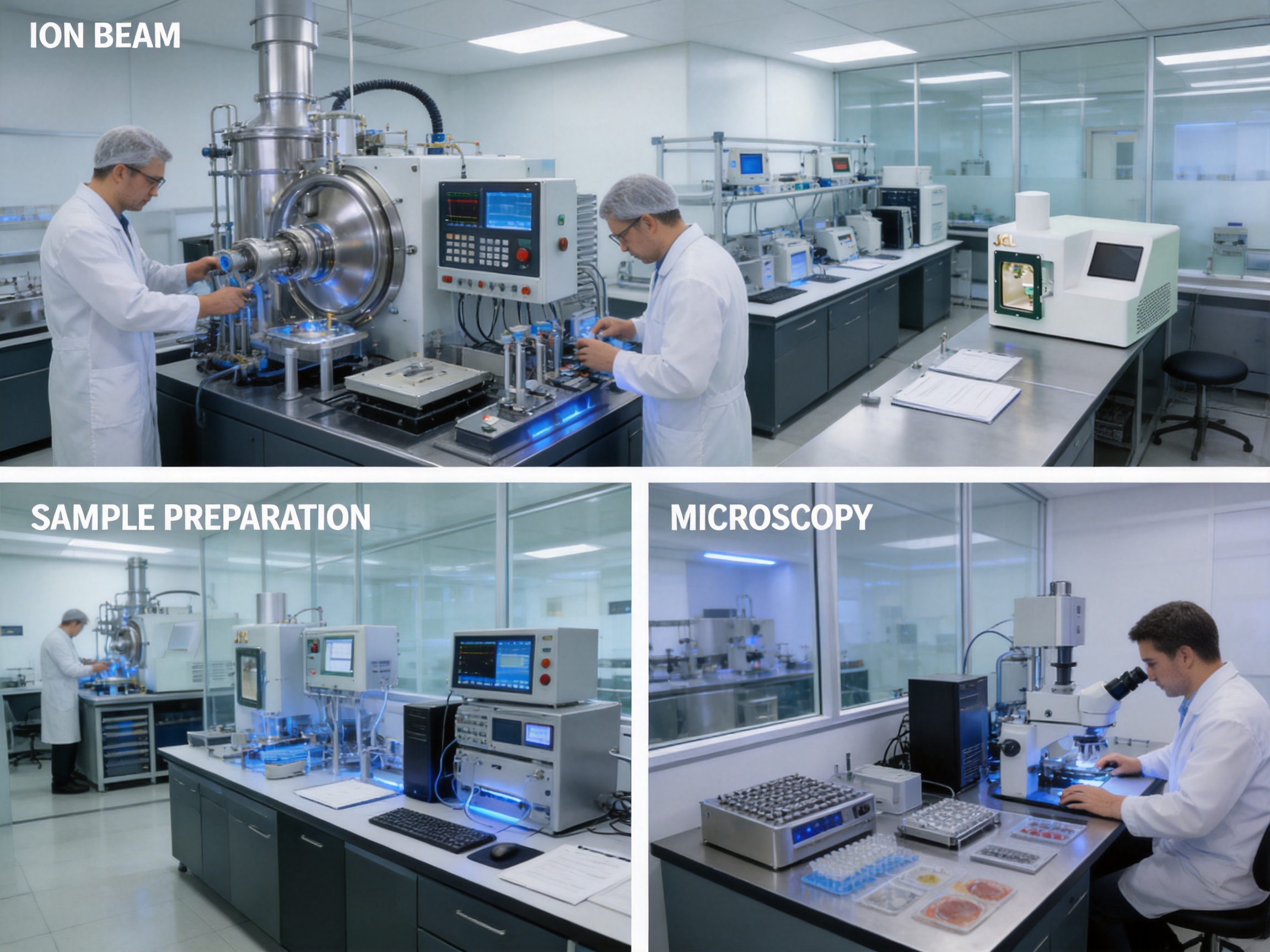
A successful HSC126 workflow begins before the sample enters the chamber. The operator should define the desired analytical surface, determine whether the sample is suitable for ambient or cryogenic processing, and select a preparation sequence that balances removal rate with surface preservation.
11.1 Sample Assessment
Important sample characteristics include hardness, brittleness, ductility, porosity, thermal sensitivity, electrical conductivity, volatile content, chemical reactivity, and the presence of multiple phases. The intended microscope and analytical technique should also be considered.
A sample intended for elemental analysis may require especially careful contamination control. A biological sample may require cryogenic handling. A semiconductor cross-section may require precise orientation. A composite may require parameter adjustment to reduce relief between phases.
11.2 Initial Sectioning
Ion beam processing is a precision method and may not be the most efficient choice for removing large volumes of material. In many workflows, the sample is first cut or mechanically reduced to a suitable geometry. The HSC126 is then used to remove the affected layer, refine the surface, and prepare the final analytical region.
The initial sectioning step should avoid unnecessary damage. Excessive force, heat, or vibration may create defects that extend deeper than the intended ion beam finishing depth. Choosing an appropriate pre-preparation method can reduce total processing time and improve the final result.
11.3 Parameter Development
Process parameters should be developed gradually. A laboratory may begin with conservative settings, inspect the result, and then adjust beam energy, current, raster area, incidence angle, temperature, or duration. Reference samples are useful when establishing a new procedure.
Once a satisfactory process is established, the parameters can be documented as a recipe. The recipe should include sample type, mounting orientation, processing region, beam conditions, temperature, duration, and endpoint criteria.
11.4 Inspection and Verification
After preparation, the surface should be inspected for flatness, debris, redeposition, charging, cracks, thermal alteration, and evidence of preferential removal. If possible, the laboratory should compare the result with a known reference or an alternative preparation method.
Verification is particularly important for new materials. A visually smooth surface is not automatically a damage-free surface. Microscopy, spectroscopy, surface roughness measurement, or cross-checking against independent preparation may be required depending on the application.
12. Laboratory Safety and Maintenance Considerations
Ion beam systems combine high voltage, vacuum, energetic particles, controlled motion, low temperatures, and electronic control. Operators should receive appropriate training and follow the manufacturer’s procedures for startup, operation, shutdown, maintenance, and emergency response.
Sample compatibility should be reviewed before processing. Materials that release significant gas, contain hazardous substances, or react under vacuum may require special handling. Cryogenic operation also requires suitable procedures for cold surfaces, condensation, transfer, and temperature monitoring.
Routine maintenance may include chamber cleaning, inspection of seals, verification of sample-stage movement, monitoring of vacuum performance, inspection of cooling components, and review of beam stability. Preventive maintenance helps preserve repeatability and can reduce unexpected downtime.
Cleanliness is an essential part of maintenance. Even when the ion beam process itself is clean, residues from previous samples may become a source of contamination. Laboratories should establish cleaning intervals based on workload, sample type, and analytical sensitivity.
13. Why the HSC126 Is a Competitive Choice
The HSC126 competes through a combination of precision processing, material flexibility, cryogenic capability, automation, and application-oriented engineering. Many preparation systems may perform one or two of these functions, but a broader combination can reduce the need for separate instruments or complex manual workarounds.
Its low-damage approach is valuable when the objective is not merely to expose a surface but to preserve the relationship between structures. Its ability to process metals, ceramics, semiconductors, polymers, biological materials, and energy materials supports use across multiple departments.
Cryogenic operation is another meaningful differentiator. Laboratories studying biological samples, hydrated materials, polymers, or air-sensitive electrochemical components may need temperature control that is not available in a basic ambient polishing system.
Automation and monitoring support repeatability, which is important for both research and industrial inspection. A controlled process can make training easier, reduce dependence on individual operator technique, and improve the consistency of data generated over time.
Finally, the company’s combination of R&D, manufacturing, customization, and international trade experience can provide a more complete purchasing and implementation process. Customers may benefit from technical discussions before purchase, configuration guidance, application support, and equipment integration assistance after delivery.
14. Selection Considerations for Prospective Users
Before purchasing an ion beam grinding and polishing system, laboratories should identify their most frequent sample types and the microscopy results they need to obtain. The correct system is determined not only by nominal instrument capability but also by workflow compatibility.
14.1 Questions About Samples
Are the samples metallic, ceramic, polymeric, biological, composite, semiconductor-based, or electrochemical?
Do they contain water, oil, solvent, electrolyte, or other volatile substances?
Are they sensitive to heat, vacuum, radiation, mechanical pressure, or air exposure?
Is the target region a broad cross-section, a localized device feature, a thin film, or a fragile interface?
Will the sample be examined by SEM, TEM, spectroscopy, diffraction, or several methods?
14.2 Questions About Throughput
Research laboratories may prioritize flexibility and process development, while production laboratories may focus on cycle time, recipe management, repeatability, and service support. The HSC126 should be evaluated according to the number of samples, variety of materials, expected preparation frequency, and degree of automation required.
14.3 Questions About Integration
Customers should consider whether the system needs to work with existing sample holders, cryo-transfer devices, vacuum systems, SEM or TEM workflows, data-recording procedures, and laboratory safety infrastructure. Early integration planning can avoid delays during installation and commissioning.
15. Frequently Asked Questions
Q1: What is the primary purpose of the HSC126?
The HSC126 is designed for high-precision ion beam grinding, polishing, thinning, and surface preparation. It is used to create clean, flat, and low-damage surfaces for SEM, TEM, materials research, semiconductor analysis, and related laboratory applications.
Q2: Which materials can be processed?
The system is intended for a broad range of materials, including metals, ceramics, semiconductors, polymers, composites, biological specimens, battery materials, solid electrolytes, and catalytic materials. Parameters should be selected according to the composition and sensitivity of each sample.
Q3: How does ion beam polishing differ from mechanical polishing?
Mechanical polishing uses physical contact and abrasives, which may cause scratches, smearing, particle pullout, deformation, or contamination. Ion beam polishing removes material through controlled sputtering and is designed to provide a low-contact, low-damage finishing process.
Q4: Can the system replace all mechanical preparation?
Not necessarily. For many samples, mechanical cutting or rough grinding is an efficient first step for removing bulk material. The HSC126 is especially valuable for final polishing, cross-section refinement, localized preparation, thinning, and removal of mechanically affected layers.
Q5: What is the benefit of cryogenic operation?
Cryogenic operation can help protect samples that are sensitive to heat, beam exposure, dehydration, phase change, or chemical alteration. It is particularly relevant to biological specimens, polymers, hydrated materials, oil-containing samples, battery components, and other temperature-sensitive materials.
Q6: Is cryogenic processing required for every sample?
No. Robust metals, ceramics, and many semiconductor samples may be prepared under ambient conditions. Cryogenic operation should be selected when the sample’s physical or chemical stability would benefit from lower-temperature processing.
Q7: Can the HSC126 be used for semiconductor cross-sections?
Yes. Typical applications include device cross-sections, FinFET structures, thin-film stacks, interconnects, advanced packaging, solder joints, and other microelectronic features. Precise orientation and process development are important because these structures are very small.
Q8: Can it prepare biological samples for microscopy?
The system is intended to support cryo-polishing and preparation of biological samples such as cells, tissues, and viruses. The complete workflow should also address freezing, mounting, transfer, contamination control, and compatibility with the selected microscopy method.
Q9: How does automation improve preparation?
Automated control can regulate beam rastering, process timing, monitoring, and repeatable parameter execution. This helps reduce operator variation and supports the development of standardized preparation recipes.
Q10: What makes the system suitable for research laboratories?
Its broad material compatibility, ambient and cryogenic capabilities, controlled ion beam delivery, automation, and integration potential make it suitable for laboratories working across materials science, microelectronics, life sciences, and energy research.
Q11: What support can a customer expect from the manufacturer?
JIANGSU BAISHENG INDUSTRIAL CO., LTD. presents itself as a technology-driven manufacturer with R&D, production, customization, and international trade capabilities. Customers should discuss application requirements, installation, training, accessories, process development, and after-sales service during the purchasing process.
Q12: How should a laboratory validate a new preparation recipe?
The laboratory should use representative samples, begin with conservative conditions, inspect the prepared surface, compare results with reference methods where possible, and document the successful parameters. Validation should consider morphology, roughness, contamination, chemical integrity, and suitability for the intended microscope.
16. Conclusion
The quality of microscopic analysis is strongly influenced by the quality of the prepared surface. Scratches, deformation, contamination, heat, and phase alteration can obscure important information and lead to incorrect conclusions. A precision ion beam system provides a controlled way to refine and prepare surfaces while reducing many of the risks associated with direct mechanical polishing.
The HSC126 Ion Beam Precision Grinding and Polishing System is designed to address these challenges through stable ion beam delivery, controlled rastering, automated operation, process monitoring, and support for both ambient and cryogenic preparation. Its application range extends from metals, ceramics, and composites to semiconductors, biological specimens, polymers, battery materials, and catalytic systems.
Its strongest advantages are the combination of low-damage processing, clean cross-section preparation, material flexibility, cryogenic capability, and repeatability. These features can help laboratories improve sample quality, expand their analytical capabilities, and establish more consistent preparation workflows.
The product is supported by the engineering and manufacturing background of JIANGSU BAISHENG INDUSTRIAL CO., LTD., a company with experience in electronic testing, laboratory equipment, safety testing instruments, research and development, customized solutions, and international supply. Its stated emphasis on precision craftsmanship, continuous innovation, quality management, and technical cooperation provides a foundation for serving laboratories with specialized preparation requirements.
For organizations seeking reliable sample preparation for advanced microscopy and materials analysis, the HSC126 represents a practical platform for moving beyond conventional polishing limitations. When correctly configured and integrated into a validated workflow, it can help produce flatter, cleaner, and more representative surfaces for high-value scientific and industrial analysis.
References
1. Goldstein, J., Newbury, D., Joy, D., Lyman, C., Echlin, P., Lifshin, E., Sawyer, L., and Michael, J. Scanning Electron Microscopy and X-Ray Microanalysis. Springer.
2. Williams, D. B., and Carter, C. B. Transmission Electron Microscopy: A Textbook for Materials Science. Springer.
3. Reimer, L. Scanning Electron Microscopy: Physics of Image Formation and Microanalysis. Springer.
4. Brundle, C. R., Evans, C. A., and Wilson, S. Encyclopedia of Materials Characterization. Butterworth-Heinemann.
5. Egerton, R. F. Physical Principles of Electron Microscopy: An Introduction to TEM, SEM, and AEM. Springer.
6. Standard laboratory practices for ion beam sputtering, surface preparation, vacuum operation, and cryogenic specimen handling.
7. Manufacturer-provided product information and technical materials for the HSC126 Ion Beam Precision Grinding and Polishing System.
Product: HSC126 Ion Beam Precision Grinding and Polishing System
PREV:MSC300 Multi-Functional Cryogenic Chamber for Advanced Laboratory Applications
NEXT:Advanced Ion Beam Etching and Thin Film Deposition for Precision Materials Processing
NEXT:Advanced Ion Beam Etching and Thin Film Deposition for Precision Materials Processing
Interested in cooperation or have questions?
Featured Products
Related products

Quick Link
Contact Information
- Tel: +86-13861043568
- E-mail: 1840784112@qq.com
- Add: Tianting District, Changzhou City, Jiangsu Province, China, No. 6 Hecircuit
Scan Code
Copyright © JIANGSU BAISHENG INDUSTRIAL CO., LTD.
All Rights Reserved. Privacy Custom Precision Laboratory Testing Equipment Manufacturers
