 English
 Español
NEWS
NEWS
NEWS
NEWS
NEWS
NEWS
NEWS
NEWS
NEWS
NEWS
NEWS
NEWS
NEWS
NEWS
NEWS
NEWS

Luo Qinyue — Senior After-Sales Service Engineer
Home / Author / Luo Qinyue — Senior After-Sales Service Engineer / Advanced Ion Beam Etching and Thin Film Deposition for Precision Materials Processing
Advanced Ion Beam Etching and Thin Film Deposition for Precision Materials Processing
Content
- 1 Why Ion Beam Processing Matters in Advanced Laboratories
- 2 Overview of the HSC121 System
- 3 Core Processing Functions
- 4 Cryogenic and Ambient Processing Flexibility
- 5 Advantages Compared with Conventional and Single-Purpose Alternatives
- 6 Applications in Materials Science
- 7 Semiconductor and Microelectronics Analysis
- 8 Life Sciences and Nanotechnology
- 9 Energy Materials and Electrochemical Devices
- 10 Process Control and Reproducibility
- 11 Manufacturing and Engineering Strengths
- 12 Designing an Efficient Laboratory Workflow
- 13 Operational Benefits for Research and Industry
- 14 Recommended Evaluation Criteria Before Purchase
- 15 Maintenance, Safety, and Long-Term Reliability
- 16 How the HSC121 Supports Future Laboratory Development
- 17 Frequently Asked Questions
- 17.1 What is the primary purpose of the HSC121?
- 17.2 Can the system process both hard and soft materials?
- 17.3 Does the HSC121 support cryogenic preparation?
- 17.4 Can it be integrated with a cryo-transfer system?
- 17.5 What advantages does integrated deposition provide?
- 17.6 Is the system suitable for semiconductor failure analysis?
- 17.7 Can the HSC121 prepare battery and fuel cell materials?
- 17.8 How does ion beam preparation differ from mechanical polishing?
- 17.9 What role does automated rastering play?
- 17.10 What should laboratories consider before ordering?
- 17.11 Who supplies the HSC121?
- 18 Conclusion
- 19 References
- 20 Product: HSC121 Ion Beam Etching and Thin Film Deposition System
Modern materials research increasingly depends on the ability to prepare surfaces and cross-sections with exceptional accuracy. Whether the objective is to examine a semiconductor interface, investigate a battery electrode, prepare a biological specimen, or create a functional thin film, the quality of the final result is strongly influenced by the precision of the preparation process. Mechanical polishing, conventional cutting, and less controlled coating methods can introduce deformation, contamination, heat, or other artifacts that obscure the true structure of a sample.
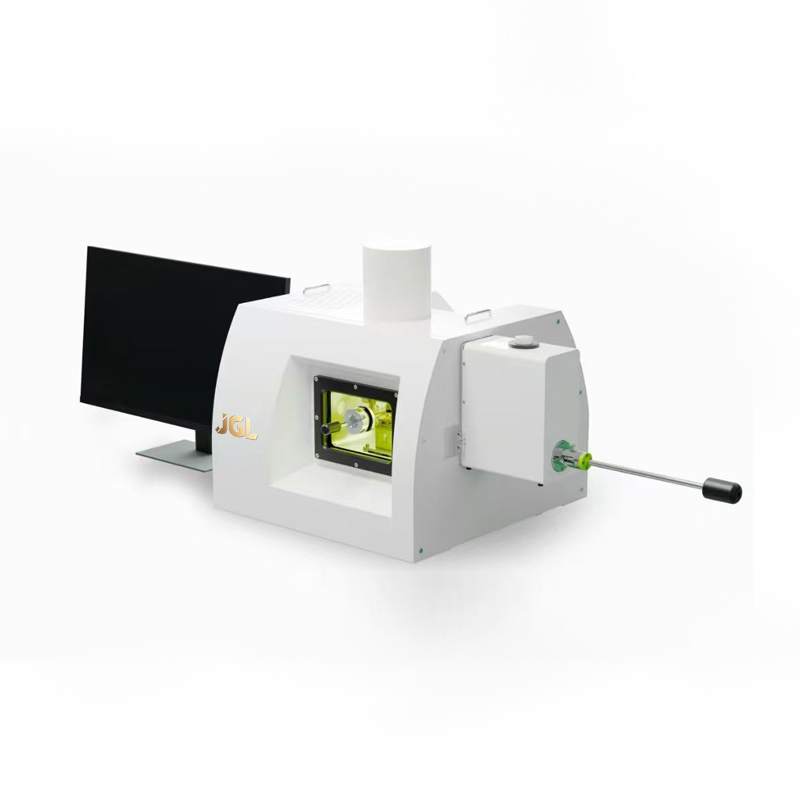
The HSC121 Ion Beam Etching and Thin Film Deposition System is designed to address these challenges through controlled ion beam processing and high-purity coating capabilities. It combines ion beam etching, milling, polishing, thinning, and thin film deposition in a single advanced platform. The system is intended for applications that require a clean, uniform, and carefully controlled surface, including electron microscopy, semiconductor failure analysis, advanced materials research, nanotechnology, and cryogenic specimen preparation.
A major strength of the HSC121 is its flexibility. It can support both ambient-temperature and cryogenic processing, allowing users to select conditions appropriate to the physical, chemical, and biological sensitivity of the material. Hard metals, ceramics, polymers, composites, battery materials, nanoparticles, and biological specimens can all require different preparation strategies. By combining precise beam control with process monitoring and integration options, the system provides a practical foundation for repeatable laboratory workflows.
JIANGSU BAISHENG INDUSTRIAL CO., LTD. supplies the HSC121 as part of its broader portfolio of precision laboratory equipment and safety testing instruments. The company’s technology-driven development model, dedicated research and development capability, and experience in customized laboratory solutions support the system’s application-oriented design. Rather than treating the equipment as a basic commodity, the company positions it as a configurable processing platform for laboratories with demanding surface preparation and thin film requirements.
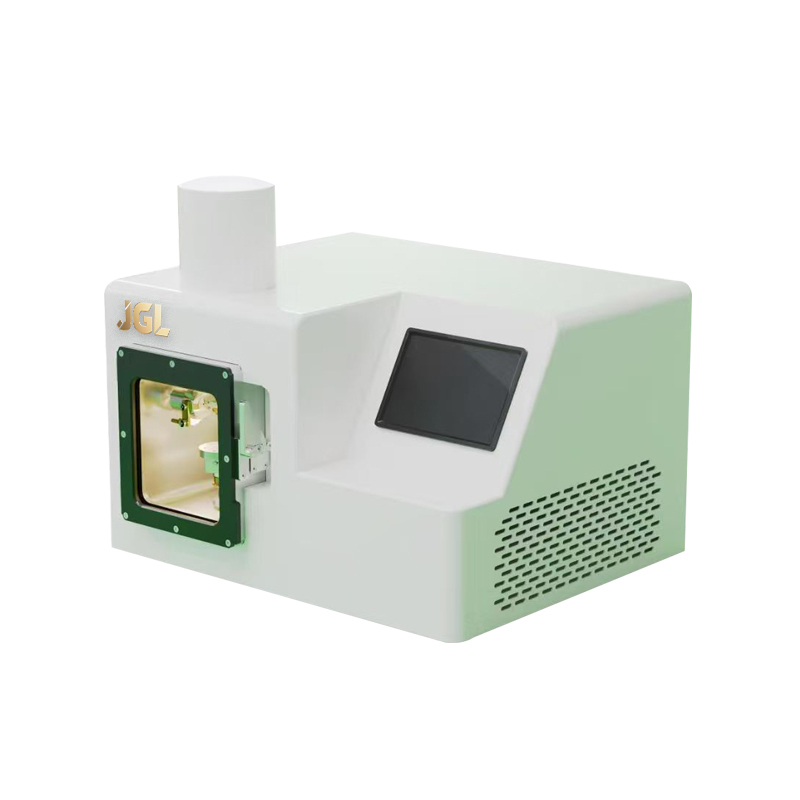
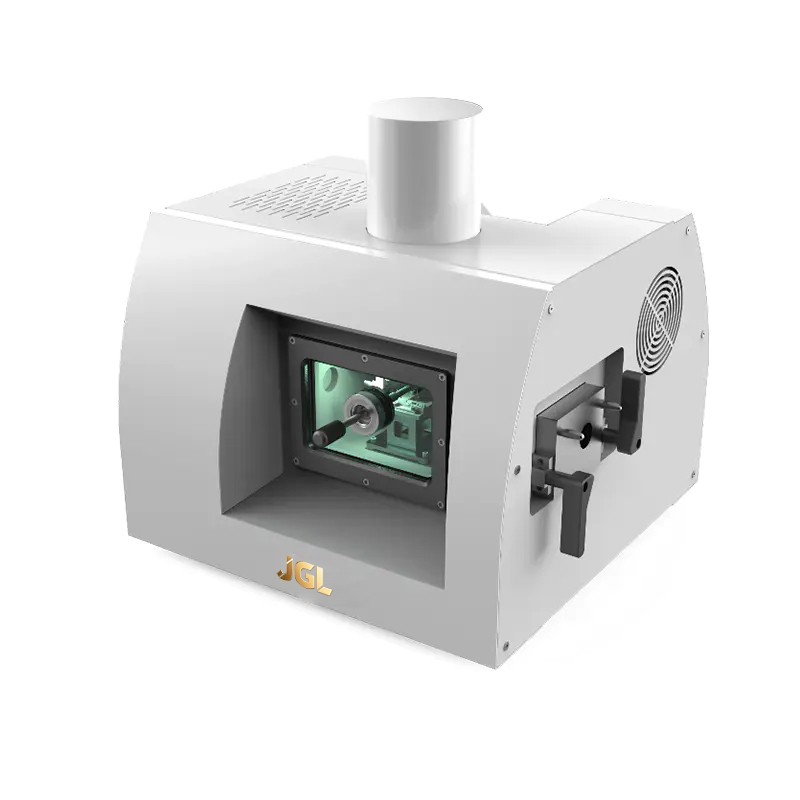
HSC121 Ion Beam Etching and Thin Film Deposition System
Why Ion Beam Processing Matters in Advanced Laboratories
Ion beam processing uses accelerated ions to remove, modify, or deposit material under controlled conditions. In an etching or milling operation, ions strike the sample surface and transfer energy to the material. At appropriate beam energies, the interaction can remove material gradually and predictably. This makes it possible to expose buried structures, create cross-sections, reduce specimen thickness, or polish a surface with less reliance on mechanical contact.
Mechanical preparation methods remain useful for many applications, but they can cause scratches, smearing, deformation, residual stress, and localized heating. These effects are especially problematic when the purpose of the preparation is to observe a surface or interface at microscopic or nanoscale resolution. A preparation artifact may be mistaken for a real material feature, leading to inaccurate conclusions about failure mechanisms, layer thickness, adhesion, porosity, or phase distribution.
Ion beam processing offers a non-contact approach that can be adjusted to the material and the desired result. The beam may be used for aggressive milling during the initial stage of cross-sectioning, followed by lower-intensity polishing for surface refinement. This staged approach helps laboratories balance processing speed with surface quality. When a sample is sensitive to temperature, moisture, oxidation, or structural collapse, cryogenic operation can provide an additional level of protection.
Ion beam deposition applies a related principle in reverse. Instead of removing material, the process introduces a coating material onto the target surface. The resulting thin film may serve as a conductive layer, protective coating, functional interface, or analytical aid. Controlled deposition can improve surface conductivity for electron microscopy, protect delicate structures, or create a defined layer for research into electronic, optical, magnetic, chemical, or energy-related properties.
The combination of removal and deposition in one system is particularly valuable. A laboratory may prepare a cross-section, refine the exposed region, and then deposit a thin conductive or protective layer without transferring the sample between unrelated instruments. Reducing transfers can simplify workflow, lower the risk of contamination, and improve registration between preparation and inspection steps.
Overview of the HSC121 System
The HSC121 is an advanced ion beam system intended for precision material processing and thin film deposition under controlled laboratory conditions. Its core functions include ion beam etching, milling, polishing, thinning, and coating. These functions are supported by beam control, automated rastering, process monitoring, and compatibility with cryogenic or ambient sample preparation.
The system is designed for laboratories that need more than a single-purpose etching tool. Some samples require material removal; others need a final polish, a conductive coating, or protection against environmental exposure. The HSC121 addresses these requirements through an integrated workflow that can be adapted to different specimen geometries and research objectives.
In practical use, a laboratory can define a preparation sequence based on the sample’s composition, thickness, sensitivity, and analytical destination. A typical sequence may begin with controlled milling to expose an area of interest. The operator may then reduce the beam intensity or adjust the processing pattern for a smoother finish. If the sample will be viewed by electron microscopy, a suitable thin film may be deposited to improve signal quality or reduce charging. For temperature-sensitive materials, the sequence can be performed using cryogenic protection and compatible transfer equipment.
The HSC121 is suitable for both research laboratories and industrial analysis departments. Research users can apply it to experimental materials, new devices, nanostructures, and biological specimens. Industrial users can apply it to failure analysis, quality verification, process development, and inspection of advanced packaging. The shared requirement in these environments is reliable access to a clean and representative sample surface.
Core Processing Functions
Precision Ion Beam Etching
Precision ion beam etching is central to the HSC121’s operating concept. The system is intended to remove material in a controlled manner while limiting unnecessary damage to the remaining surface. This is important when the sample contains multiple layers, fragile interfaces, or features that must be preserved for observation.
Uniform etching can support cross-sectioning of multilayer structures, exposure of embedded components, and preparation of samples for high-resolution microscopy. The beam may be directed across a defined area through controlled rastering, helping distribute processing more evenly than a static or poorly controlled beam. The result is a preparation process that can be adjusted to the geometry and material response of the specimen.
Low-damage processing is especially valuable for materials that are prone to amorphization, redeposition, cracking, or thermal alteration. While all ion beam processes must be selected carefully according to material and beam conditions, the HSC121’s control-oriented design gives operators the ability to optimize the treatment rather than relying on a single fixed setting.
Milling and Cross-Section Preparation
Cross-sectional analysis is widely used in semiconductor engineering, coating development, metallurgy, ceramics, composites, and energy materials research. The quality of a cross-section influences the accuracy of measurements related to layer thickness, voids, delamination, cracks, inclusions, grain structure, and interface bonding.
The HSC121 can be used to create cross-sections in hard and soft materials. For a semiconductor device, the system may expose a gate structure, interconnect, contact, or package interface. For a battery electrode, it may reveal particle distribution, binder structure, coating uniformity, or interphase development. For a composite, it may expose the relationship between reinforcement and matrix.
Compared with purely mechanical cross-sectioning, ion beam milling can reduce the risk of dragging or smearing softer phases across harder phases. It can also provide access to small or localized regions that would be difficult to prepare using conventional cutting and polishing equipment. This localized capability is important in failure analysis, where the relevant feature may occupy only a small area of a complex device.
Surface Polishing and Thinning
After bulk material removal, a surface may require further refinement before analysis. The HSC121 can support ion beam polishing and thinning as part of a controlled preparation sequence. These operations can reduce roughness, remove superficial damage, and bring a specimen to a thickness suitable for transmission or high-resolution observation.
Thinning is often necessary when electrons, ions, or other analytical probes must pass through the sample. The target thickness depends on material density, composition, instrument voltage, and analytical method. A controlled ion beam approach allows the operator to proceed gradually and observe process progress through monitoring and predefined parameters.
For delicate samples, the ability to combine thinning with cryogenic protection can be a major benefit. Biological materials, hydrated structures, soft polymers, and certain energy materials may change when exposed to heat or vacuum for extended periods. Cryogenic preparation can help preserve a more representative state by limiting mobility, evaporation, or structural rearrangement during processing.
Thin Film Deposition
The deposition function extends the HSC121 beyond sample removal. High-purity thin film deposition can be used to apply metallic or functional coatings with controlled coverage. In microscopy workflows, a conductive coating may reduce charging and improve image stability. In materials research, a deposited film may act as a protective layer or serve as part of a controlled experimental structure.
Uniformity and cleanliness are important in thin film work. A non-uniform coating can interfere with dimensional measurements, alter surface contrast, or produce misleading analytical results. Contamination can be equally problematic when a film is being used to study interfaces, chemical composition, or surface reactions. The HSC121’s controlled processing environment and process monitoring are intended to support consistent coating results.
Because the system combines deposition with etching and polishing, the operator can prepare the surface immediately before coating. This reduces the time during which a freshly exposed surface is exposed to uncontrolled laboratory conditions. The integrated sequence is useful when oxidation, adsorption, or surface contamination could affect the reliability of the final analysis.
Cryogenic and Ambient Processing Flexibility
One of the most important differentiating features of the HSC121 is its compatibility with both cryogenic and ambient operation. Not every material benefits from the same preparation temperature. Metals and many ceramics may tolerate room-temperature processing, while biological specimens, polymers, hydrated materials, and certain battery components may require low-temperature protection.
Cryogenic preparation can help preserve a material’s structure by reducing thermal motion and limiting changes caused by heating, evaporation, or chemical reaction. This does not eliminate the need for careful method development, but it provides a more suitable environment for specimens whose native or service-state condition is temperature-sensitive.
Ambient processing, meanwhile, offers operational convenience for materials that do not require low-temperature protection. It can simplify routine cross-sectioning, polishing, and deposition tasks and may support higher-throughput laboratory work. The ability to use either mode means that the laboratory does not need to select a completely different platform for ordinary and temperature-sensitive samples.
The HSC121 can also be combined with cryo-transfer systems such as LSCT-series equipment. This type of integration is valuable because the sample’s environmental history can be managed across preparation and microscopy. A controlled transfer path may help reduce exposure to ambient moisture, oxygen, or temperature changes between the processing chamber and the analytical instrument.
For laboratories working with increasingly complex samples, environmental control is not an optional feature. A battery electrode may react with air after cycling. A biological specimen may lose volatile components. A polymer may soften or reorganize. A cryogenic workflow can therefore improve the connection between the original specimen condition and the observed analytical result.
Advantages Compared with Conventional and Single-Purpose Alternatives
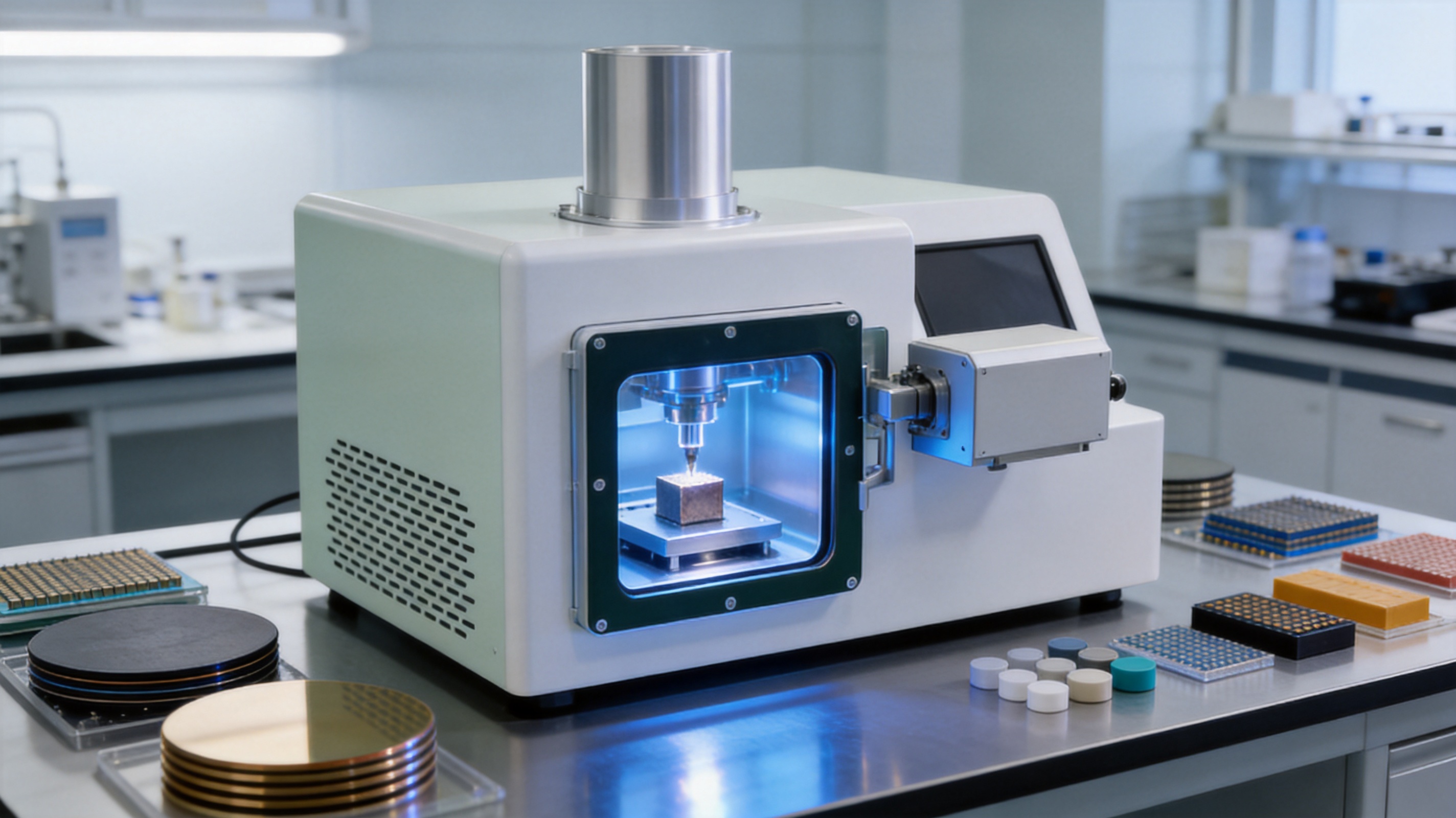
The HSC121’s advantages are best understood in relation to common alternative approaches. Conventional mechanical preparation may require several instruments, repeated handling, and substantial operator skill. A separate coating instrument may then be needed before microscopy. A dedicated cryogenic tool may be required for temperature-sensitive specimens. Each transfer introduces additional opportunities for contamination, misalignment, drying, or damage.
By combining multiple functions in one controlled platform, the HSC121 can simplify the preparation chain. It is not merely a milling system or a coating unit. It is designed as a multi-stage surface engineering and specimen preparation system. This integrated concept can reduce equipment duplication and make it easier to establish standardized protocols.
Compared with a basic ion milling instrument, the HSC121 offers a broader processing scope through its deposition capability and compatibility with cryogenic workflows. Compared with a separate deposition tool, it provides the ability to prepare and refine the surface before coating. Compared with a purely mechanical polishing line, it offers non-contact ion beam treatment for localized and delicate structures.
The following table summarizes the principal comparison points. Actual performance depends on the material, beam settings, process duration, chamber conditions, and operator-developed protocol.
| Evaluation Area | Conventional Mechanical Preparation | Single-Purpose Ion Milling | HSC121 Integrated Approach |
|---|---|---|---|
| Material removal | Effective for bulk removal but may introduce scratches, smearing, or deformation | Provides controlled ion-based removal | Combines controlled etching, milling, polishing, and thinning |
| Thin film capability | Normally requires a separate coating process | May be limited or unavailable | Supports high-purity coating within the same overall workflow |
| Temperature flexibility | Often dependent on external cooling arrangements | May depend on the specific instrument configuration | Designed for both ambient and cryogenic sample processing |
| Sample transfers | May require several transfers between cutting, polishing, cleaning, and coating | Usually fewer than mechanical workflows but may still require coating transfer | Can reduce transfers by integrating preparation and deposition functions |
| Application range | Strong for routine bulk specimens | Strong for selected milling and cross-section tasks | Suitable for metals, ceramics, polymers, biological specimens, semiconductors, and energy materials |
| Process repeatability | Can vary with operator technique and consumables | Improved through beam control | Enhanced through fine control, automated rastering, and process monitoring |
Another competitive advantage is workflow adaptability. Laboratories rarely examine only one class of material. A semiconductor analysis department may also inspect package materials, coatings, adhesives, and solder joints. A university laboratory may work on ceramics one week and biological or polymer specimens the next. A system capable of supporting several process environments can provide greater long-term value than a platform optimized for only one material family.
The HSC121 also supports a more deliberate approach to process development. Users can create different protocols for bulk milling, final polishing, cryogenic thinning, conductive coating, and surface protection. This improves the possibility of establishing repeatable methods across operators and projects. Standardized process recipes can help laboratories compare results over time and reduce dependence on individual experience.
Applications in Materials Science
Materials science depends on accurate observation of surfaces, interfaces, grains, defects, and phase boundaries. The HSC121 can support the preparation of samples for these investigations by exposing regions that are otherwise hidden or difficult to access.
In metals research, ion beam cross-sectioning can help reveal inclusions, coating adhesion, corrosion pathways, weld structures, and fatigue-related defects. A carefully prepared surface can make it easier to distinguish actual microstructural features from scratches or mechanical deformation. The deposition function may also be used to add a conductive or protective film before microscopy.
In ceramics and glass-ceramic systems, the material’s hardness can make mechanical preparation challenging. Ion beam processing can provide a controlled alternative for localized surfaces and interfaces. Researchers may use the system to examine pores, cracks, phase boundaries, multilayer coatings, and reaction zones.
For polymers and composites, the main concern may be the contrast between phases with different hardness and mechanical behavior. Mechanical polishing can displace or smear a soft phase, while ion beam processing can help preserve the relationship between matrix and reinforcement when the process is properly selected. Cryogenic operation may be appropriate when the polymer becomes soft or structurally unstable at ambient temperature.
Surface engineering researchers can use the HSC121 to prepare a surface before deposition or to investigate a coating after controlled removal. This is useful for studying multilayer stacks, diffusion zones, adhesion, barrier performance, and surface modification treatments. The ability to alternate between removal and deposition supports iterative experimentation.
Semiconductor and Microelectronics Analysis
Modern semiconductor devices contain extremely small features arranged in complex multilayer structures. Failure analysis and process verification often require a precise cross-section through a specific region rather than a broad, randomly selected cut. The HSC121 is suited to this type of localized preparation.
Potential applications include chip failure analysis, FinFET cross-sectioning, advanced packaging inspection, interconnect evaluation, contact analysis, and investigation of voids or delamination. A controlled ion beam can expose a selected area while limiting mechanical forces that might fracture delicate structures or move loose material.
In advanced packaging, the relationships among dies, solder joints, underfill, redistribution layers, adhesives, and substrate materials can be difficult to study with conventional preparation. Different layers may respond differently to cutting and polishing. An integrated ion beam approach can assist with localized exposure and final surface refinement.
Conductive coating may also be important when a nonconductive or partially conductive sample is examined by electron microscopy. Charging can distort images, reduce signal stability, and make quantitative interpretation more difficult. Applying a suitable high-purity film can improve measurement conditions, although coating thickness and material selection must always be matched to the analytical objective.
The HSC121’s process monitoring and automated rastering capabilities can support repeatable semiconductor workflows. When failure analysis requires multiple samples or comparison between a failed device and a reference device, consistent processing is essential. A repeatable preparation protocol helps ensure that observed differences relate to the devices rather than uncontrolled sample preparation variations.
Life Sciences and Nanotechnology
Biological specimens and soft materials present special preparation challenges. They may contain water or volatile components, have low mechanical strength, or undergo rapid structural changes when exposed to heat, vacuum, or radiation. Cryogenic processing can help preserve delicate structures for subsequent microscopy and analysis.
The HSC121 can support cryo-thinning and preparation of biological specimens when integrated into an appropriately controlled workflow. The objective is to expose a representative internal region while minimizing collapse, drying, or deformation. The system’s compatibility with cryo-transfer equipment can help maintain the sample environment between preparation and electron microscopy.
Nanotechnology applications also benefit from localized, low-damage surface preparation. Nanoparticles, nanowires, thin membranes, layered materials, and functional interfaces may be too fragile for aggressive mechanical contact. Ion beam treatment can be adapted for cross-sectioning, cleaning, thinning, or deposition, depending on the research objective.
For soft matter and polymer nanocomposites, temperature control can be especially important. A cryogenic condition may stabilize the structure during thinning, while ambient processing may be sufficient for robust samples. The flexibility to choose the processing environment allows researchers to develop a method around the specimen rather than forcing every material into the same preparation regime.
Thin film deposition is also relevant to nanotechnology. A controlled coating can protect a nanostructure, alter surface chemistry, improve conductivity, or serve as a defined layer in an experimental device. Since the required film may be extremely thin, process cleanliness and uniformity are critical. The HSC121 is intended to provide a controlled platform for such work rather than relying on improvised coating arrangements.
Energy Materials and Electrochemical Devices
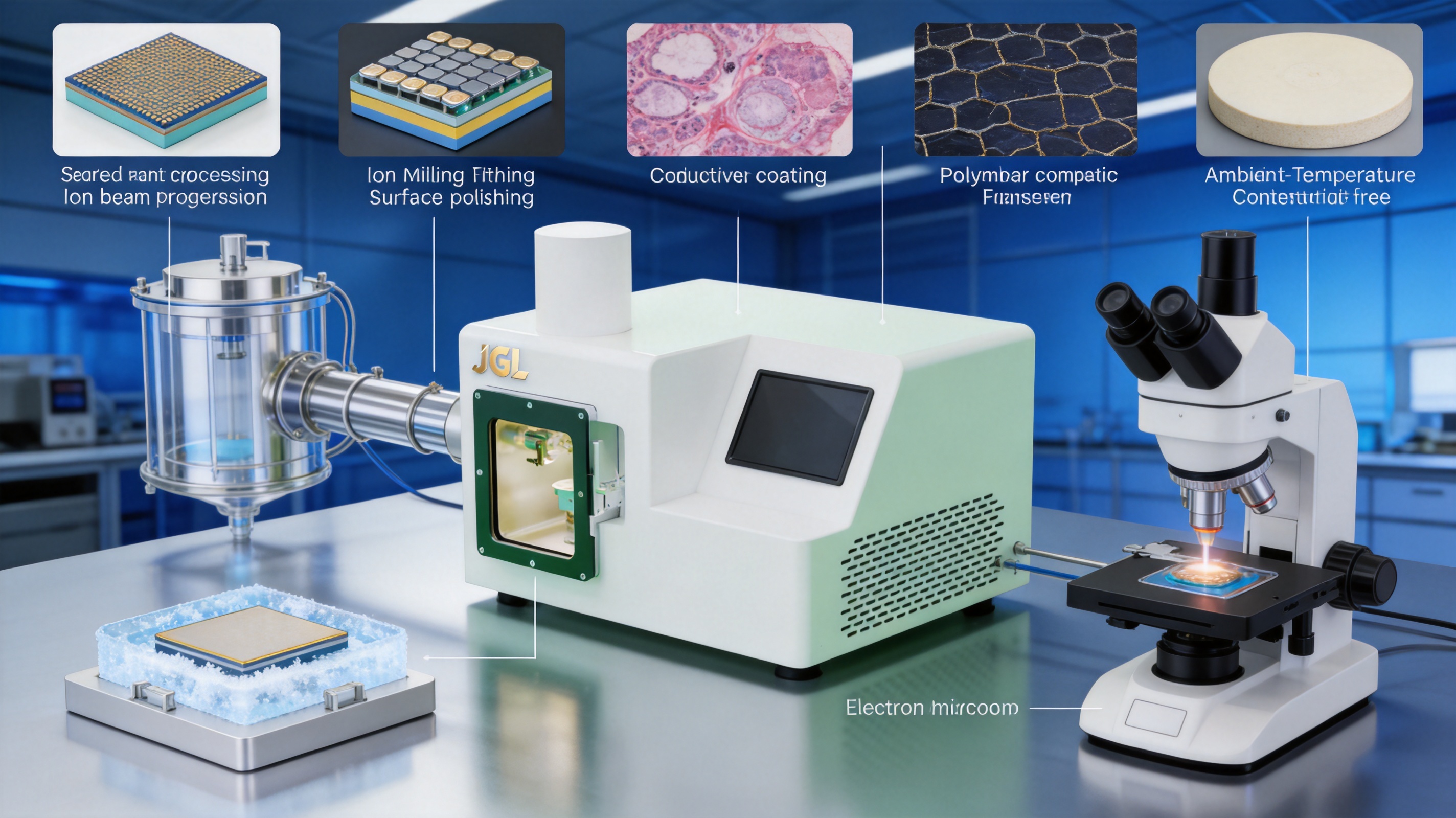
Energy materials often contain complex interfaces that determine performance, degradation, and safety. Battery electrodes, solid electrolytes, fuel cell catalysts, photovoltaic layers, and other functional materials may include particles, binders, pores, coatings, and reaction products distributed across several length scales.
For battery research, cross-sectional preparation can help reveal electrode porosity, particle cracking, binder distribution, coating uniformity, and interfacial layers. These structures may be sensitive to air and temperature. A cryogenic preparation workflow can be useful when the research objective is to preserve a post-cycling state or reduce changes in unstable components.
Solid electrolyte interfaces and related reaction layers can be extremely thin and chemically sensitive. Uncontrolled exposure during sample transfer may alter their composition. An integrated processing and cryogenic transfer strategy can help reduce the time between sample isolation, preparation, and microscopy.
Fuel cell catalysts and porous electrodes also benefit from high-quality cross-sections. Researchers may need to examine catalyst distribution, pore blockage, delamination, or interfacial reaction zones. Ion beam milling can expose these features while reducing some of the mechanical distortion associated with conventional preparation.
In photovoltaic and other layered energy devices, the thickness and continuity of individual films are central to performance. The HSC121 can assist with cross-sectional inspection and, where appropriate, controlled film deposition. Its multi-function design is valuable during development because the same laboratory may need to analyze existing structures and create experimental coatings.
Process Control and Reproducibility
Precision processing is not achieved by the beam source alone. It depends on the interaction of beam energy, current, raster pattern, exposure time, chamber conditions, sample mounting, and material properties. The HSC121 emphasizes control of these variables through fine beam adjustment, automated rastering, and process monitoring.
Fine beam control allows the operator to select a treatment appropriate to the stage of preparation. A higher removal rate may be useful during initial milling, while a gentler condition may be preferred for final polishing. The capability to adjust processing parameters supports a more controlled transition between these stages.
Automated rastering can help distribute the beam across the selected area. This is important for uniformity, particularly when preparing a surface for quantitative microscopy or when creating a thin film with consistent coverage. Automation can also reduce the influence of hand movements and inconsistent manual scanning.
Process monitoring provides information that can help the operator evaluate progress and identify abnormal conditions. Monitoring does not replace method development, but it supports better decision-making by making the process more observable. Over time, recorded observations and validated parameter sets can form a laboratory knowledge base for different materials.
Reproducibility is a major consideration in both academic and industrial work. A result that cannot be repeated is difficult to publish, verify, or use for quality control. The HSC121’s control-oriented features can contribute to repeatable sample preparation when combined with proper calibration, maintenance, operator training, and documented procedures.
Manufacturing and Engineering Strengths
The performance of a precision laboratory system depends not only on its advertised functions but also on how it is engineered, assembled, tested, and supported. JIANGSU BAISHENG INDUSTRIAL CO., LTD. describes itself as a technology-driven enterprise specializing in high-end laboratory equipment and safety testing instruments. Its stated strength is the combination of engineering research and international trade experience.
The company’s development history began with a research and development studio focused on electronic testing. This background is relevant to the HSC121 because ion beam systems require more than mechanical construction. They involve coordinated control of vacuum-related conditions, beam behavior, sample handling, deposition, monitoring, and user operation. Experience in electronic testing can support an understanding of precision measurement and controlled instrumentation.
According to the provided company information, the organization later developed independently produced laboratory equipment and expanded its product portfolio through a technology-plus-trade strategy. This approach can be valuable to overseas users because the supplier must understand both technical requirements and the practical communication needed for customized equipment projects.
A dedicated R&D team is another important strength. Laboratories often require adaptations related to sample dimensions, transfer arrangements, chamber configuration, cryogenic accessories, software control, deposition materials, or integration with existing microscopy equipment. A supplier with in-house technical capability is better positioned to evaluate these requirements than a company that only resells standard catalog products.
The company also emphasizes precise design and technical specifications. For an ion beam system, precision design may include the layout of the processing chamber, sample positioning, beam alignment, thermal management, control interfaces, and accessibility for maintenance. The success of these elements is reflected in daily usability, not only in a product specification sheet.
Quality management improvements and technical specification certifications are also identified in the company history. Customers should verify the exact certifications, applicable standards, and test documentation for the configuration being purchased. Nevertheless, a formal quality-oriented development process is an important foundation for reliable laboratory equipment, especially when the system will support regulated, high-value, or safety-critical research.
Customization as a Manufacturing Advantage
Customization is particularly important for advanced sample preparation systems because laboratories differ in their sample types, analytical instruments, available space, transfer requirements, and process priorities. One laboratory may prioritize cryogenic transfer, while another may focus on high-throughput semiconductor cross-sectioning. A third may require a deposition configuration optimized for a particular research material.
The HSC121 can be positioned as a basis for customized solutions rather than a rigid, one-size-fits-all instrument. Customization may involve workflow design, accessory selection, sample fixtures, integration with cryo-transfer equipment, process recipe development, or user training. The specific options should be confirmed during technical consultation, but the company’s stated focus on customized laboratory solutions supports this application-oriented approach.
Customization also helps protect the customer’s investment. A system that fits existing microscopes, sample holders, laboratory utilities, and operating procedures is easier to adopt than an isolated instrument requiring major infrastructure changes. Early engineering communication can identify vacuum, power, ventilation, cooling, floor-space, and transfer requirements before installation.
Designing an Efficient Laboratory Workflow
A successful HSC121 implementation begins with a clear definition of the analytical objective. The laboratory should identify whether the primary need is cross-sectioning, thinning, polishing, coating, cryogenic preservation, or a combination of these tasks. The material composition, sample size, environmental sensitivity, and final analytical instrument should also be documented.
The next step is to define the preparation sequence. A robust workflow often separates the process into stages: sample mounting, initial material removal, controlled exposure of the target area, fine polishing or thinning, optional deposition, and transfer to analysis. Each stage should have a defined purpose and acceptance criterion.
Sample mounting deserves careful attention. The sample must be held securely without obstructing the processing area or creating unwanted thermal pathways. For cryogenic work, mounting materials and handling procedures should be selected to maintain temperature stability. For irregularly shaped samples, a suitable fixture may improve reproducibility and reduce the risk of movement.
Cleaning and contamination control are equally important. The preparation environment should be maintained according to the material and analytical requirements. Users should document sample history, cleaning steps, deposition materials, and transfer conditions. A high-quality instrument cannot compensate for uncontrolled contamination introduced before or after processing.
Process recipes should be validated on representative samples whenever possible. A recipe developed for one alloy, polymer, device architecture, or battery chemistry may not be directly transferable to another. The HSC121 provides adjustable control, but the laboratory remains responsible for establishing suitable conditions and confirming that the preparation does not alter the feature under investigation.
Training should cover both operation and interpretation. Operators need to understand how beam conditions affect removal rate, surface quality, redeposition, charging, and potential damage. They should also know how to recognize abnormal process behavior, respond to alarms, protect the vacuum system, and perform routine maintenance.
Operational Benefits for Research and Industry
For research institutions, the HSC121 can consolidate several sample preparation capabilities into one platform. This can reduce the need to send samples to external facilities and shorten the time between experiment and analysis. Faster iteration is useful when researchers are optimizing a material, comparing processing conditions, or investigating a new failure mode.
For industrial users, the system can support internal failure analysis and process control. Semiconductor, electronics, energy, coating, and advanced materials manufacturers often need rapid answers when a product does not meet expectations. An internally available precision preparation system can help teams identify defects, verify process changes, and communicate findings across engineering and quality departments.
The equipment may also improve collaboration between preparation and microscopy specialists. When the preparation process is documented and repeatable, microscopists can interpret images with greater confidence. Researchers can compare specimens from different batches, operating conditions, or locations while using a common preparation framework.
Another benefit is the potential reduction of sample handling. Each transfer between separate instruments consumes time and introduces risk. Integrated etching, polishing, and deposition can make the workflow more efficient, particularly for fragile, reactive, or very small specimens. Cryogenic integration extends this benefit to materials that cannot safely tolerate repeated exposure to ambient conditions.
Recommended Evaluation Criteria Before Purchase
Prospective users should evaluate the HSC121 according to their actual samples and analytical objectives. Important questions include the required specimen dimensions, materials to be processed, desired removal depth, target surface quality, deposition requirements, and compatibility with existing microscopes or transfer systems.
The laboratory should also assess the available infrastructure. Vacuum equipment, electrical supply, cooling requirements, ventilation, clean working areas, and operator access must be considered. A technical discussion with the supplier can clarify installation conditions and identify any required accessories.
Users should request information about beam control ranges, process monitoring functions, sample-stage movement, available raster patterns, deposition materials, cryogenic operating conditions, and system maintenance. They should also ask how process data can be recorded and whether the system supports recipe management or integration with laboratory documentation procedures.
Training and after-sales support are important considerations. Advanced equipment is most valuable when operators can reach proficiency quickly and obtain timely technical assistance. The supplier’s international trade experience may support communication with overseas customers, but the precise service scope, response times, spare parts policy, installation support, and warranty terms should be confirmed in the commercial agreement.
Finally, the customer should evaluate the supplier’s ability to provide customization. A suitable supplier should be able to discuss the full workflow rather than focusing only on the equipment body. The best configuration is the one that connects sample preparation, environmental protection, deposition, transfer, and microscopy into a coherent process.
Maintenance, Safety, and Long-Term Reliability
Regular maintenance is necessary for stable ion beam and deposition performance. The chamber, sample stage, beam-related components, vacuum interfaces, and monitoring systems should be inspected according to the supplier’s recommended schedule. Contamination control is especially important because residue can affect both etching behavior and film purity.
Operators should follow documented procedures for loading and unloading samples, checking chamber conditions, selecting process parameters, and responding to unusual readings. Cryogenic operation requires additional attention to temperature control, condensation prevention, transfer procedures, and safe handling of cold components.
Safety training should address vacuum equipment, electrical systems, high-energy beams, cryogenic materials, deposition sources, and any process gases or consumables used in the selected configuration. The laboratory should establish access controls and ensure that only trained personnel operate the system.
Long-term reliability is supported by good engineering, disciplined operation, preventive maintenance, and appropriate spare-parts planning. The manufacturer’s research and development background and stated quality-management improvements provide a foundation, but users should establish a complete service plan that reflects their operating hours and sample throughput.
How the HSC121 Supports Future Laboratory Development
Materials research is moving toward smaller structures, more complex interfaces, environmentally sensitive samples, and increasingly data-driven analysis. A preparation system must therefore be adaptable. The HSC121’s combination of beam control, automated rastering, deposition, cryogenic compatibility, and process monitoring provides a platform that can evolve with laboratory needs.
As laboratories develop new sample types, they can build additional preparation recipes instead of purchasing a separate instrument for every application. This may be particularly useful in multidisciplinary facilities that serve semiconductor, energy, biological, and materials science projects.
The system also supports the broader movement toward integrated workflows. Sample preparation, transfer, microscopy, and data interpretation are becoming more closely connected. Equipment that can communicate effectively with adjacent processes and preserve environmental control can contribute to more reliable research results.
Digitalization is another area of potential development. Process monitoring and documented recipes can create a foundation for traceability, comparison, and optimization. Over time, laboratories may analyze process records alongside microscopy results to identify the conditions that provide the best balance between removal rate, surface quality, coating uniformity, and sample preservation.
The value of a precision system should therefore be considered over its expected service life rather than only at the time of purchase. A configurable platform supported by an engineering-focused supplier can provide greater flexibility as research priorities change.
Frequently Asked Questions
What is the primary purpose of the HSC121?
The HSC121 is designed for precision ion beam etching, milling, polishing, thinning, and thin film deposition. It is intended to prepare high-quality surfaces and cross-sections for electron microscopy, semiconductor inspection, materials research, nanotechnology, life sciences, and energy-materials analysis.
Can the system process both hard and soft materials?
Yes. The system is described as suitable for metals, ceramics, polymers, biological specimens, composites, nanoparticles, and other advanced materials. Because different materials respond differently to ion beams, users should develop and validate process conditions for each material family.
Does the HSC121 support cryogenic preparation?
Yes. The system is designed for both cryogenic and ambient operation. Cryogenic processing can help protect temperature-sensitive, hydrated, reactive, or structurally delicate specimens during thinning and surface preparation.
Can it be integrated with a cryo-transfer system?
The HSC121 can be combined with cryo-transfer systems such as LSCT-series equipment. This can support a controlled workflow from cryogenic sample preparation to electron microscopy. Exact compatibility and configuration should be confirmed before purchase.
What advantages does integrated deposition provide?
Integrated deposition allows users to apply a conductive, protective, or functional thin film after preparing the surface. It can reduce sample transfers, limit exposure to uncontrolled conditions, and simplify the transition from etching or polishing to microscopy or further experimentation.
Is the system suitable for semiconductor failure analysis?
Yes. Potential semiconductor applications include chip failure analysis, FinFET cross-sectioning, advanced packaging inspection, interconnect evaluation, and examination of localized defects. The system’s controlled milling and monitoring functions can support repeatable preparation of selected device regions.
Can the HSC121 prepare battery and fuel cell materials?
Yes. The system can support investigation of battery electrodes, solid electrolyte interfaces, fuel cell catalysts, porous structures, and related energy materials. Cryogenic operation may be useful when the specimen is sensitive to air, heat, or changes after electrochemical operation.
How does ion beam preparation differ from mechanical polishing?
Mechanical polishing uses physical contact and can introduce scratches, smearing, deformation, or stress, especially in multilayer or soft materials. Ion beam preparation is a non-contact process that can provide localized and controlled material removal. Mechanical methods remain useful for bulk preparation, while ion beam processing can provide a refined final surface or access to difficult regions.
What role does automated rastering play?
Automated rastering distributes the ion beam across a defined area according to a controlled pattern. This can improve processing uniformity, reduce dependence on manual scanning, and support more repeatable cross-sectioning, polishing, thinning, and deposition procedures.
What should laboratories consider before ordering?
Laboratories should define their materials, sample dimensions, analytical instruments, desired surface quality, cryogenic requirements, deposition needs, expected throughput, available infrastructure, and integration plans. They should also confirm specifications, accessories, training, installation requirements, maintenance procedures, warranty terms, and customization options with the supplier.
Who supplies the HSC121?
The HSC121 is supplied by JIANGSU BAISHENG INDUSTRIAL CO., LTD., a China-based technology-driven company specializing in laboratory equipment, safety testing instruments, and customized precision solutions.
Conclusion
The HSC121 Ion Beam Etching and Thin Film Deposition System provides an integrated solution for laboratories that require precise, repeatable, and adaptable sample preparation. Its combination of ion beam etching, milling, polishing, thinning, and high-purity deposition addresses the needs of advanced microscopy and materials analysis more comprehensively than a single-purpose preparation tool.
Its support for both ambient and cryogenic processing is particularly significant. Different materials demand different environmental conditions, and the ability to protect sensitive samples while also processing conventional materials gives laboratories greater flexibility. Integration with cryo-transfer systems can further improve the continuity between preparation and electron microscopy.
Compared with conventional mechanical preparation, the system offers a controlled non-contact approach that can reduce the risk of surface artifacts. Compared with separate etching and coating instruments, it can simplify workflow, reduce transfers, and support more consistent preparation protocols. Automated rastering, fine beam control, and process monitoring add important advantages for reproducibility.
The product is supported by the engineering and customization orientation of JIANGSU BAISHENG INDUSTRIAL CO., LTD. The company’s stated history in electronic testing, independent equipment development, research and development investment, quality management, and international cooperation provides a foundation for supplying application-focused laboratory systems.
For semiconductor analysis, energy materials, life sciences, nanotechnology, advanced coatings, and general materials research, the HSC121 can serve as a central platform for preparing representative surfaces and interfaces. Its greatest value lies not in one isolated function, but in the way multiple controlled processes can be combined into a reliable laboratory workflow.
References
1. General principles of ion beam sputtering, milling, and surface modification in materials analysis.
2. General laboratory practices for electron microscopy specimen preparation and conductive coating.
3. General methods for cross-sectional preparation of semiconductor devices and advanced electronic packages.
4. General considerations for cryogenic preservation and transfer of temperature-sensitive microscopy specimens.
5. General approaches to characterization of battery electrodes, solid electrolyte interfaces, and fuel cell catalyst layers.
6. Manufacturer-provided product information for the HSC121 Ion Beam Etching and Thin Film Deposition System.
7. Manufacturer-provided company information concerning research and development, quality management, customized laboratory equipment, and international technical support.
Product: HSC121 Ion Beam Etching and Thin Film Deposition System
PREV:Ion Beam Precision Grinding and Polishing for High-Fidelity Sample Preparation
NEXT:Advanced Electron Microscopy Sample Preparation Platforms for High-Fidelity Analysis
NEXT:Advanced Electron Microscopy Sample Preparation Platforms for High-Fidelity Analysis
Interested in cooperation or have questions?
Featured Products
Related products
Quick Link
Contact Information
- Tel: +86-13861043568
- E-mail: 1840784112@qq.com
- Add: Tianting District, Changzhou City, Jiangsu Province, China, No. 6 Hecircuit
Scan Code
Copyright © JIANGSU BAISHENG INDUSTRIAL CO., LTD.
All Rights Reserved. Privacy Custom Precision Laboratory Testing Equipment Manufacturers
