 English
 Español

NEWS
NEWS
NEWS
NEWS
NEWS
NEWS
NEWS
NEWS
NEWS
NEWS
NEWS
NEWS
NEWS
NEWS
NEWS
NEWS

Luo Qinyue — Senior After-Sales Service Engineer
Home / Author / Luo Qinyue — Senior After-Sales Service Engineer / High-Precision Vacuum Cryogenic Sample Transfer Chambers for Reliable Laboratory Workflows
High-Precision Vacuum Cryogenic Sample Transfer Chambers for Reliable Laboratory Workflows
Content
- 1 The Importance of Controlled Cryogenic Sample Transfer
- 2 Product Overview
- 3 Software-Controlled Electric Valves
- 4 Liquid Nitrogen Cooling Trap and Frost Reduction
- 5 Broad Compatibility with Microscopy and Preparation Systems
- 6 Advantages Over Conventional Transfer Methods
- 7 Advanced Manufacturing and Engineering Strengths
- 8 Manufacturing Process Considerations for a Vacuum Cryogenic Chamber
- 9 Application Areas
- 10 Operational Benefits for Laboratory Managers
- 11 Installation and Integration Planning
- 12 Maintenance and Long-Term Reliability
- 13 Why Choose a Specialized Manufacturer
- 14 Selection Guide for Potential Users
- 15 Q&A
- 15.1 What is the primary purpose of the CVC100?
- 15.2 How does the liquid nitrogen cooling trap help protect samples?
- 15.3 Does the system require manual valve operation?
- 15.4 Can the CVC100 connect to an existing scanning electron microscope?
- 15.5 Is it compatible with FIB-SEM equipment?
- 15.6 Can it be used with sample preparation equipment?
- 15.7 What types of samples may benefit from this equipment?
- 15.8 Does the chamber replace a microscope’s own vacuum system?
- 15.9 Why is software control valuable in a shared laboratory?
- 15.10 Can the chamber be customized?
- 15.11 What should be checked before installation?
- 15.12 How does the manufacturer support product development?
- 15.13 What maintenance does the system require?
- 16 Conclusion
- 17 References
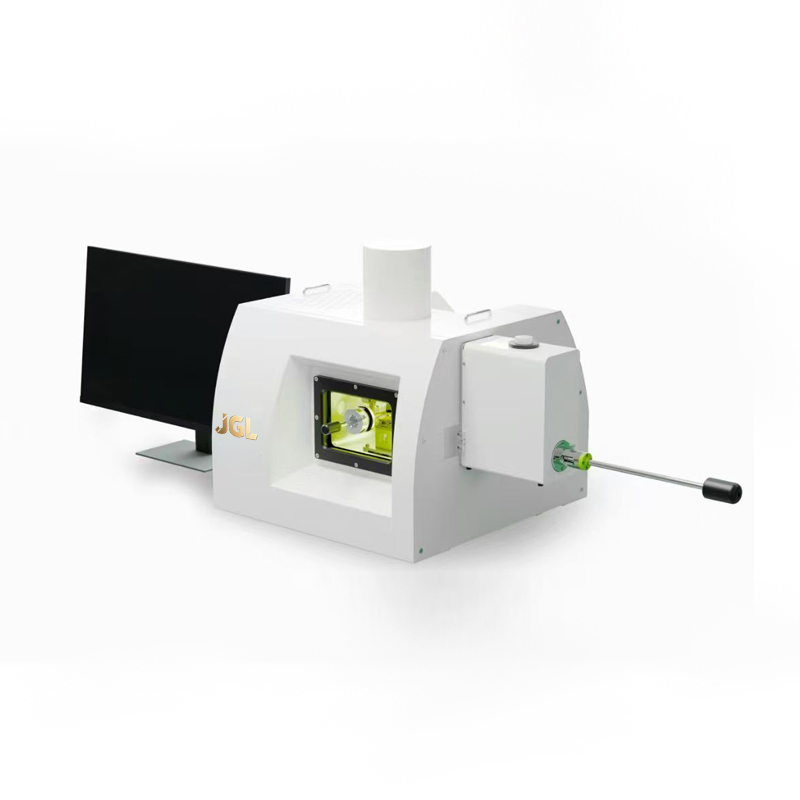
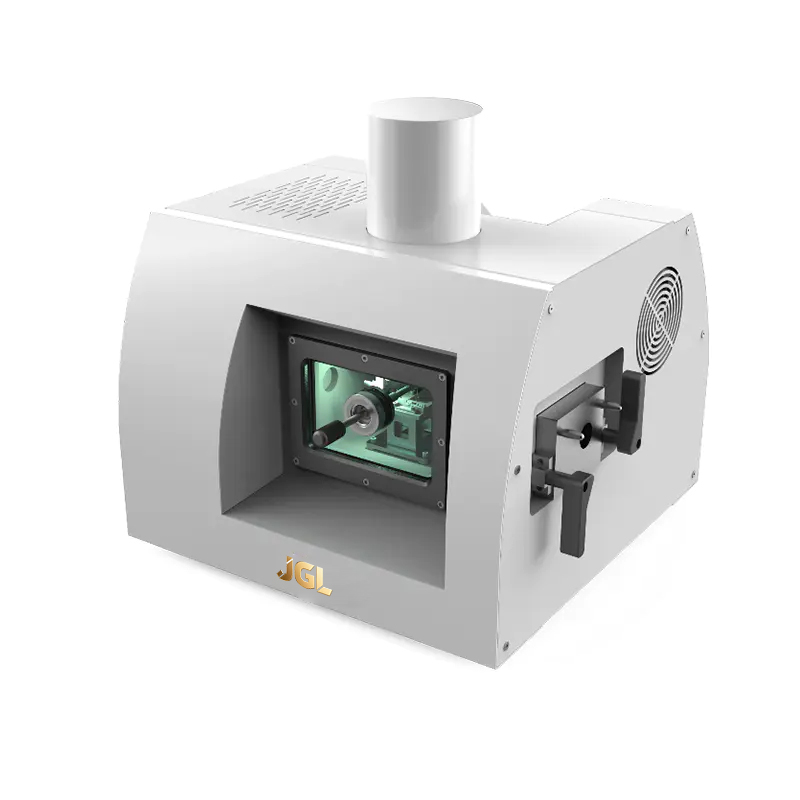
- 18 Product: CVC100 High-Precision Vacuum Cryogenic Sample Transfer Chamber for Laboratory Use
Modern microscopy and sample preparation increasingly depend on the ability to preserve a specimen’s original condition from preparation through observation. This requirement is especially demanding when the material contains water, volatile components, biological structures, soft matter, or other features that can be altered by warming, atmospheric exposure, frost formation, or uncontrolled pressure changes. A sample may be prepared successfully, yet lose valuable information before it reaches the microscope if the transfer process is not carefully controlled.
The CVC100 high-precision vacuum cryogenic sample transfer chamber is designed to address this critical stage of laboratory work. It provides a controlled pathway for moving frozen or temperature-sensitive samples between preparation equipment, storage environments, and analytical instruments. By combining software-controlled electric valves, a built-in liquid nitrogen cooling trap, and adaptable instrument interfaces, the CVC100 supports a cleaner, safer, and more repeatable transfer process.
Rather than treating sample transfer as a simple mechanical movement, the system treats it as a controlled environmental process. Vacuum management, cryogenic protection, contamination reduction, operator guidance, and equipment compatibility are integrated into one solution. This approach helps laboratories protect sample integrity while improving workflow efficiency and reducing the risk of avoidable handling errors.
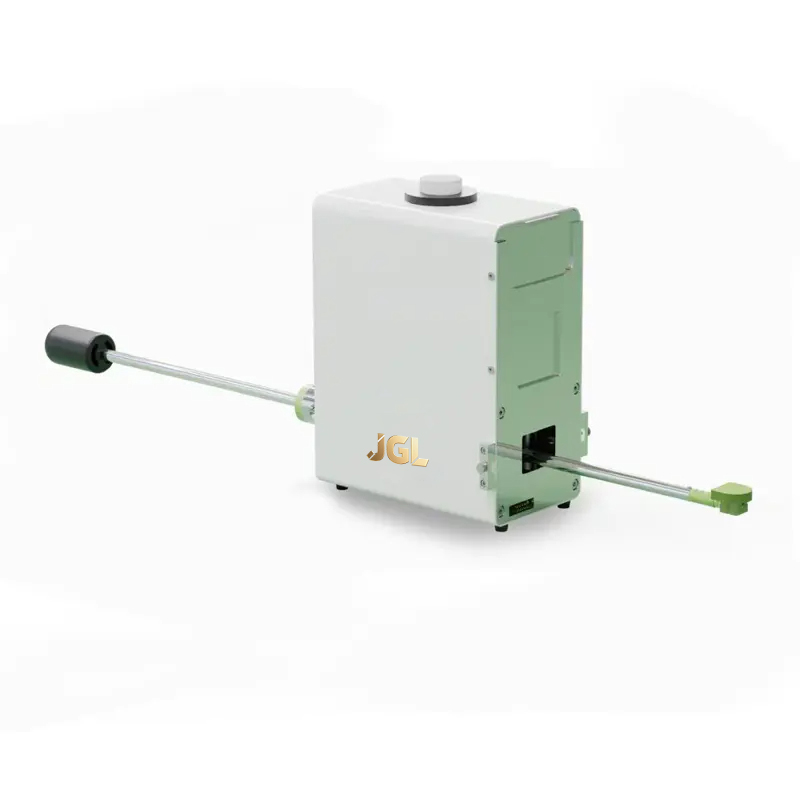
CVC100 High-Precision Vacuum Cryogenic Sample Transfer Chamber for Laboratory Use
The Importance of Controlled Cryogenic Sample Transfer
Many advanced laboratory samples cannot tolerate ordinary atmospheric transfer. Frozen specimens can develop surface frost when exposed to humid air. Moisture may condense on cold sample holders, obscure surface features, interfere with imaging, or introduce unwanted contamination into an analysis chamber. Even short periods of uncontrolled exposure can change the structure or chemistry of a specimen.
In electron microscopy and related techniques, sample quality directly affects the usefulness of the final result. A contaminated or partially altered surface may produce misleading contrast, obscure fine morphology, or reduce the reliability of elemental and structural observations. For this reason, laboratories often require a transfer route that maintains low pressure and low temperature from one stage to the next.
A suitable transfer chamber must do more than hold a sample. It must help create a stable environment, limit exposure to ambient moisture, support compatible sample holders, and provide a practical connection to other equipment. It should also be simple enough for routine operation while offering sufficient control for demanding research applications.
The CVC100 is designed around these requirements. Its vacuum environment limits contact with atmospheric contaminants, while its cryogenic cooling trap helps capture moisture and reduce frost formation. Its software-controlled valves provide logical control over the transfer sequence, reducing dependence on manual valve operation and supporting a more consistent procedure from one sample to another.
Product Overview
The CVC100 is a vacuum cryogenic sample transfer chamber for laboratory use. It is intended to maintain sample integrity during the movement of frozen specimens between sample preparation systems, microscopes, and related analytical platforms. The product combines vacuum control, liquid nitrogen cooling, touchscreen operation, and flexible connection options within a single transfer solution.
The chamber can be configured for connection to scanning electron microscopes, dual-beam electron microscopes, ion polishing systems, ion thinning systems, coating instruments, glove boxes, and other preparation or analysis equipment. Standard or custom-designed ports allow the unit to be adapted to different laboratory layouts and instrument interfaces.
Its principal operating concept is straightforward. A prepared sample is placed in a suitable holder, the chamber is isolated and evacuated, and the cooling trap is maintained at cryogenic temperature. Software-controlled valves then guide the vacuum and transfer sequence. When the receiving instrument is ready, the sample can be moved through a controlled interface rather than being exposed unnecessarily to ordinary laboratory air.
This design gives the CVC100 value in laboratories where sample condition is more important than simple transport speed. It is particularly relevant to workflows involving frozen biological specimens, water-containing materials, cryogenic preparation, surface-sensitive samples, and research programs that depend on repeatable imaging conditions.
| Feature | Function | Laboratory Benefit |
|---|---|---|
| Software-controlled electric valves | Manage evacuation, isolation, and transfer sequences through programmed logic | Improved repeatability, easier operation, and reduced manual error |
| Touchscreen control | Provides an accessible interface for operating the chamber | Clearer workflow management and more convenient daily use |
| Liquid nitrogen cooling trap | Maintains a cold, large-area surface around the frozen sample holder | Reduced frost formation and lower contamination risk |
| Vacuum transfer environment | Limits contact with atmospheric moisture and particles | Better preservation of sample condition |
| Standard and custom ports | Connect the chamber with microscopy and preparation equipment | Greater installation flexibility and broader application potential |
| Compatibility with SEM and FIB-SEM workflows | Supports transfer into high-value analytical instruments | More efficient integration into advanced microscopy laboratories |
Software-Controlled Electric Valves
One of the most important features of the CVC100 is its use of software-controlled electric valves. In a conventional manually operated transfer arrangement, the user may need to open and close several valves in a particular order. If the sequence is performed incorrectly, the chamber may experience pressure instability, unnecessary exposure, or an increased risk of sample damage.
The CVC100 replaces much of this uncertainty with logical software sequences. Through the touchscreen interface, the operator can initiate and monitor the relevant stages of the process. The system is intended to coordinate valve operation in a controlled order, helping maintain the vacuum environment and supporting a more uniform transfer procedure.
Automation does not eliminate the need for trained personnel, but it makes the intended procedure easier to follow. Operators can work with a defined sequence rather than relying entirely on memory or informal habits. This is especially useful in laboratories with multiple users, changing shifts, or strict sample-handling protocols.
Software control also creates a foundation for safer operation. A logically arranged sequence can reduce the likelihood of opening an unsuitable path, exposing a cold sample to humid air, or disrupting the pressure conditions required by the receiving instrument. The result is a transfer process that is more predictable and easier to standardize.
Improved Repeatability
Repeatability is essential when a laboratory compares samples over time. If each operator performs the transfer differently, variations in frost, pressure, timing, or atmospheric exposure may influence the results. By using programmed valve logic, the CVC100 helps reduce procedural variation and gives laboratory managers a clearer basis for training and quality control.
Repeatable operation can also reduce the number of unsuccessful transfers. A failed transfer may require a sample to be re-prepared, which consumes materials, instrument time, and researcher effort. In applications involving rare specimens or complex preparation procedures, protecting each sample is particularly valuable.
Touchscreen Operation
The touchscreen interface is intended to make control more direct and accessible. Instead of depending on a collection of isolated manual controls, the operator can interact with the transfer process through a centralized interface. This arrangement can make the operating status easier to understand and can support a clearer division between setup, evacuation, transfer, and isolation steps.
An intuitive interface is also beneficial when the chamber is integrated into a broader laboratory workflow. Users can learn a consistent control method even when the receiving instruments differ. This helps laboratories establish standard operating procedures that are easier to communicate and maintain.
Liquid Nitrogen Cooling Trap and Frost Reduction
Frost is one of the most serious concerns when transferring frozen or water-containing samples. Moisture from the surrounding atmosphere can condense and freeze on cold surfaces. If the transfer chamber is not designed to manage that moisture, frost can build around the sample holder, contaminate the specimen, interfere with mechanical movement, or enter connected equipment.
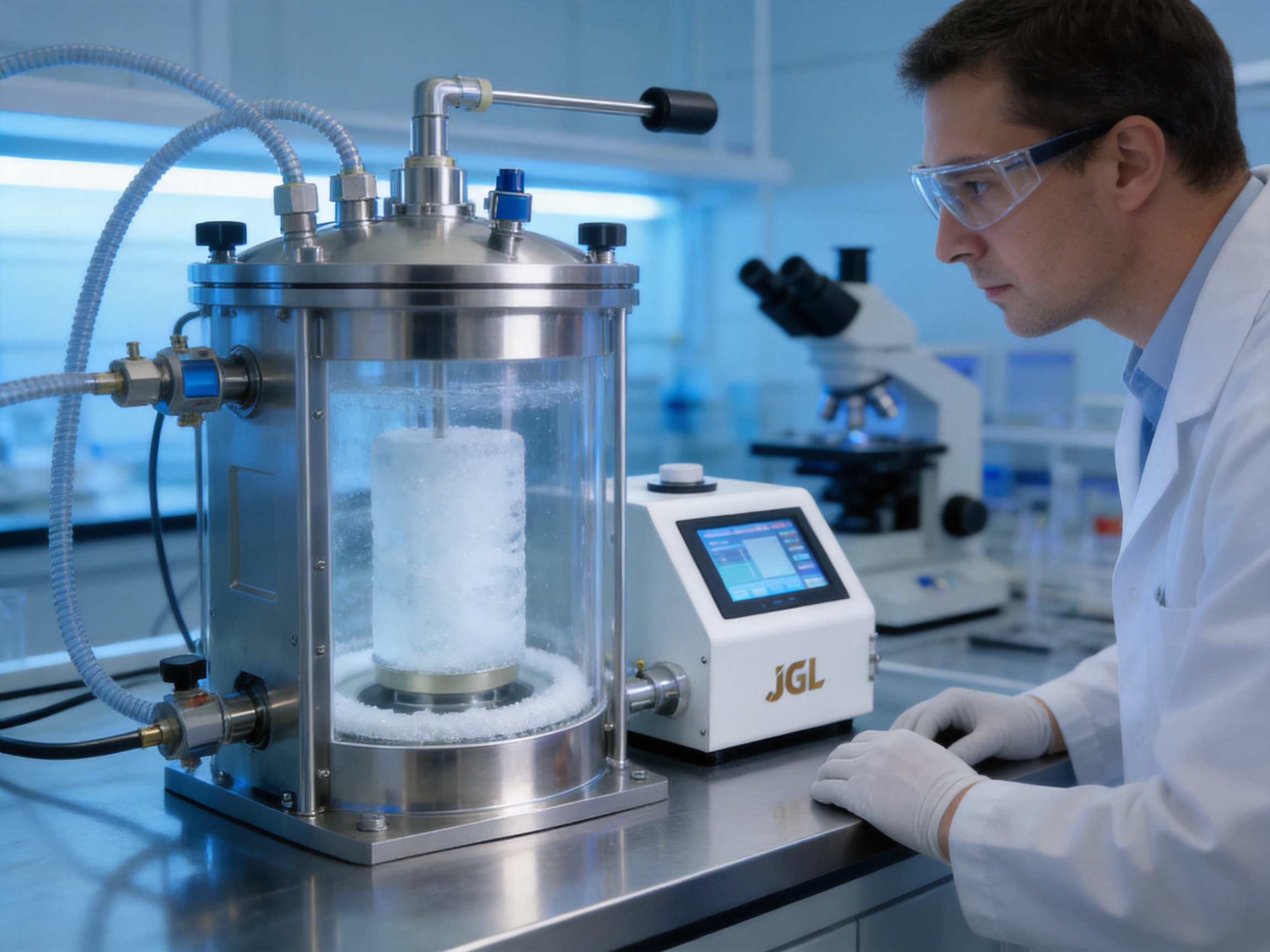
The CVC100 incorporates a large-area liquid nitrogen cooling trap surrounding the frozen sample holder. The trap provides a very cold surface within the chamber, helping attract and retain residual water vapor. By controlling moisture near the sample, the system helps minimize frost contamination during transfer.
The large-area design is important because moisture management depends not only on achieving a low temperature but also on providing sufficient cold surface area. A broader trap can offer a more effective region for capturing water vapor around the sample transfer path. This supports a cleaner environment and reduces the chance that moisture will settle directly on the specimen.
The cooling trap is intended to work together with the vacuum environment. Under low pressure, the amount of atmospheric gas surrounding the sample is reduced. The liquid nitrogen trap then provides a cryogenic surface that helps remove residual moisture from the chamber environment. These two functions complement one another and create a more suitable setting for frozen sample handling.
Protecting Water-Containing Frozen Samples
Water-containing samples are especially sensitive because their condition can change rapidly when temperature and pressure are not controlled. Biological tissues, hydrated materials, emulsions, gels, and some prepared research specimens may lose important features if they thaw, dehydrate, or become covered with ice contamination.
The CVC100 is designed to reduce these risks during the transfer stage. It does not replace proper sample preparation or instrument-specific cryogenic procedures, but it provides an environmental barrier between preparation and analysis. Maintaining a cold, clean transfer path helps researchers preserve the condition that was intentionally created during preparation.
Reducing Contamination in Connected Instruments
Frost contamination is not limited to the sample itself. Ice or water vapor may migrate into an analytical instrument, affect a holder interface, reduce cleanliness, or increase maintenance requirements. A dedicated cooling trap helps concentrate moisture capture within the transfer chamber instead of allowing it to travel toward the receiving instrument.
This can be especially important when the chamber is connected to high-value systems such as scanning electron microscopes or dual-beam electron microscopes. These instruments depend on controlled vacuum conditions and clean internal environments. Reducing the moisture load before connection supports more reliable operation and protects the broader laboratory investment.
Broad Compatibility with Microscopy and Preparation Systems
A major advantage of the CVC100 is its ability to support several types of laboratory equipment. Research facilities often use instruments from different manufacturers, purchased at different times and installed for different applications. A transfer solution that can only connect to one specific platform may become a limitation rather than an asset.
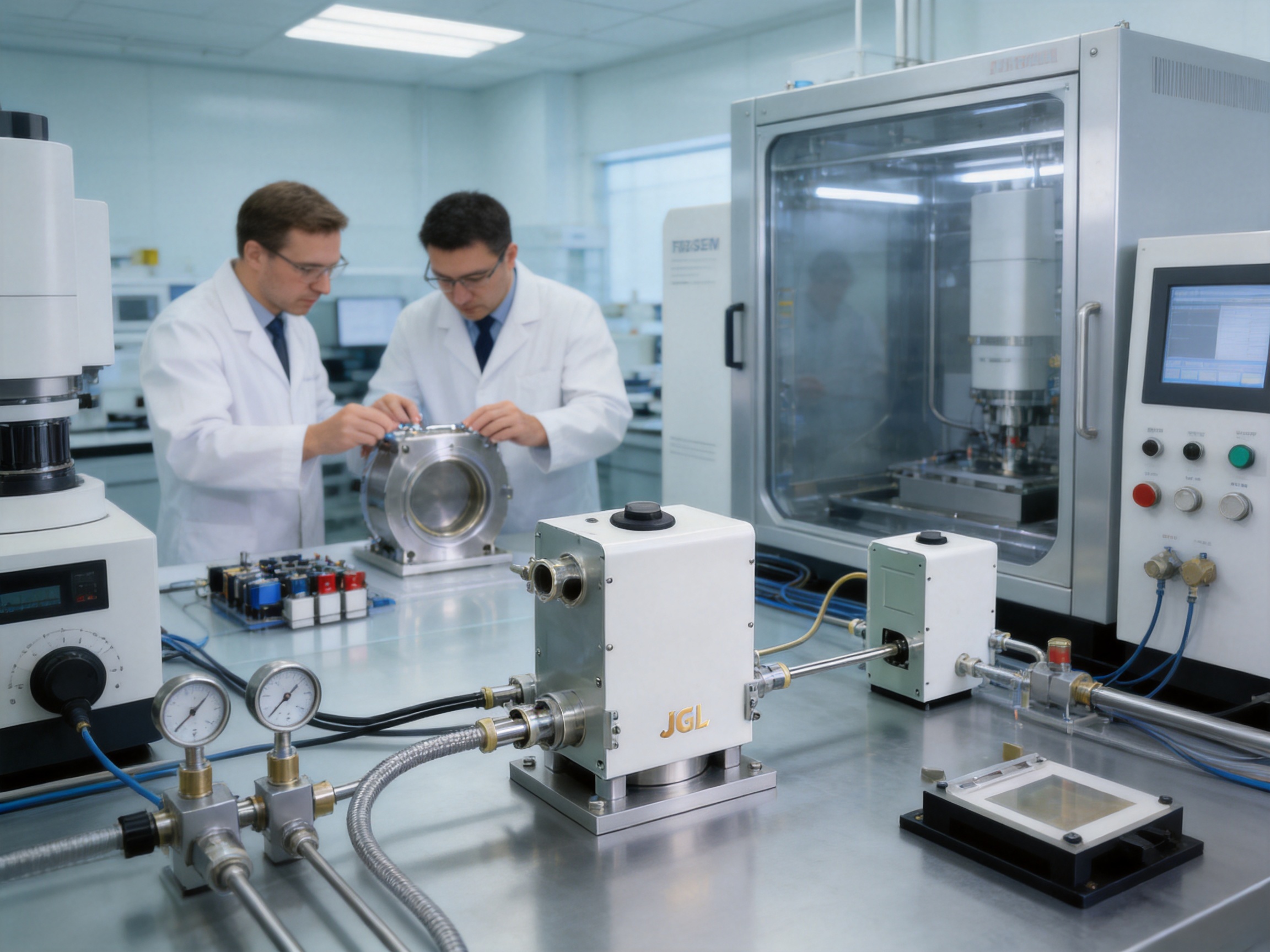
The CVC100 addresses this challenge through standard or custom-designed ports. These interfaces allow the chamber to be adapted to the requirements of the receiving and preparation equipment. The result is a more flexible solution for laboratories that need to connect cryogenic sample handling with existing instruments.
Scanning Electron Microscopes
Scanning electron microscopy is widely used to examine surface morphology, microstructure, particle distribution, and material features at high magnification. When the specimen is sensitive to moisture or temperature, transferring it through ambient conditions can compromise the surface before it enters the microscope.
By providing a controlled vacuum cryogenic route, the CVC100 can support the movement of prepared samples toward an SEM interface. The chamber’s valve control and cooling trap help reduce unnecessary exposure and limit the introduction of moisture into the microscope environment.
Dual-Beam and FIB-SEM Systems
Dual-beam systems combining focused ion beam and scanning electron microscopy are often used for site-specific milling, cross-section preparation, three-dimensional analysis, and failure investigation. These applications may require the sample to retain a highly specific surface condition before it enters the instrument.
The CVC100 can be configured to interface with FIB-SEM workflows through suitable ports. This flexibility is valuable when the laboratory needs to protect a cryogenic or moisture-sensitive sample during movement into a system that performs both imaging and material removal.
Ion Polishing and Ion Thinning Equipment
Ion polishing and ion thinning systems are used to prepare surfaces and sections for advanced examination. Samples may need to remain clean, cold, or isolated from humid air between preparation steps. The CVC100 supports connection with these systems, helping laboratories coordinate cryogenic transfer with specialized surface preparation.
Integration with ion-based equipment can also improve workflow continuity. Instead of treating transfer as an independent task between each stage, the laboratory can develop a connected process in which sample condition is protected from preparation through final analysis.
Coating Instruments
Coating systems are commonly used to improve conductivity or enhance imaging performance. However, the sample must reach the coating stage in a controlled condition, particularly when moisture or frost could interfere with the coating process. The CVC100 can be incorporated into workflows involving coating instruments, subject to the relevant interface and operating requirements.
Glove Boxes and Other Preparation Equipment
Glove boxes provide controlled atmospheres for handling materials that are sensitive to oxygen, moisture, or contamination. The CVC100 can support connection with glove box environments and other sample preparation equipment through suitable standard or customized interfaces.
This capability makes the chamber useful not only as a connection between a preparation unit and a microscope, but also as part of a wider controlled-atmosphere workflow. Laboratories can develop a transfer path that matches their material, preparation method, and analytical objectives.
Advantages Over Conventional Transfer Methods
The CVC100 offers several advantages when compared with open-air transfer, manually controlled vacuum arrangements, or narrowly configured transport devices. These advantages relate to sample protection, operational consistency, integration flexibility, and long-term laboratory efficiency.
Advantage One: Less Atmospheric Exposure
Open-air transfer exposes cold samples to humidity, airborne particles, and changing room conditions. Even when the exposure lasts only a short time, moisture can condense rapidly on a cold surface. A vacuum cryogenic chamber creates a much more controlled route and reduces the time that the sample spends in an unsuitable environment.
Advantage Two: Better Moisture Management
Some conventional transfer containers provide thermal insulation but do not actively manage residual water vapor. The CVC100 combines low-pressure transfer with a liquid nitrogen cooling trap. This integrated approach helps limit moisture near the sample and reduces the chance of frost contamination.
Advantage Three: Reduced Dependence on Manual Valve Timing
Manual valve operation may be adequate for simple setups, but it can become difficult when several stages must be coordinated. Software-controlled electric valves help guide the process through logical sequences. This supports consistent operation and reduces the possibility of a valve being opened or closed at an unsuitable point.
Advantage Four: Broader Instrument Compatibility
A dedicated transfer device designed for only one microscope or one preparation system may require replacement when the laboratory expands. The CVC100’s standard and custom port approach provides more flexibility. It can be adapted to different instruments and workflows, allowing the laboratory to protect its investment as applications develop.
Advantage Five: Better Support for Standardized Procedures
Laboratories increasingly need documented procedures for sample handling, instrument protection, and result reliability. The CVC100’s software-guided operation and integrated environmental control make it easier to establish repeatable transfer protocols. This is useful for research groups, industrial laboratories, quality control departments, and shared instrument facilities.
| Transfer Approach | Atmospheric Exposure | Moisture Control | Sequence Consistency | Integration Flexibility |
|---|---|---|---|---|
| Open-air manual transfer | High | Limited | Dependent on operator | Usually simple but not protective |
| Basic insulated container | Reduced during short transport | May not actively capture water vapor | Generally manual | Limited analytical integration |
| Manually operated vacuum transfer arrangement | Low when correctly operated | Depends on system design | Dependent on valve timing and training | Varies by configuration |
| CVC100 vacuum cryogenic transfer chamber | Designed to be minimized | Supported by a large-area liquid nitrogen trap | Supported by software-controlled valves | Standard or custom ports for multiple systems |
Advanced Manufacturing and Engineering Strengths
The performance of a precision transfer chamber depends not only on its visible features but also on the quality of its engineering and manufacturing process. Vacuum equipment must be designed with attention to sealing, mechanical stability, surface cleanliness, thermal behavior, control logic, and interface accuracy. A reliable product requires these elements to work together.
JIANGSU BAISHENG INDUSTRIAL CO., LTD. describes itself as a technology-driven enterprise with a dedicated research and development team focused on high-end laboratory equipment and safety testing instruments. This technical orientation is important for products such as the CVC100 because a transfer chamber must be developed as an engineered system rather than assembled as a simple enclosure.
Research-Led Product Development
The company’s history began with a research and development studio specializing in electronic testing. This origin provides a foundation in instrumentation, control, and technical problem-solving. Over time, the organization developed into an enterprise with its own production capabilities and expanded into laboratory equipment.
Its stated development path combines engineering research with international trade experience. This combination can help the company understand both the technical requirements of laboratory equipment and the practical expectations of customers working in different markets. For a product such as the CVC100, this broader perspective is valuable because installation conditions, instrument interfaces, and laboratory procedures can vary significantly.
Precision-Oriented Mechanical Design
Vacuum performance depends on mechanical precision. Chamber surfaces, access points, valve connections, sample interfaces, and port assemblies must be manufactured and assembled with care. The company’s emphasis on precision design supports the development of equipment intended for controlled laboratory environments.
A precision-oriented manufacturing process typically includes attention to dimensional consistency, connection alignment, sealing surfaces, component fit, and the repeatability of assembly. These considerations are essential when a chamber must connect with microscopes or preparation systems that have their own alignment and vacuum requirements.
Integrated Control and Hardware Development
The CVC100’s software-controlled valve system reflects the importance of combining mechanical hardware with electronic control. The valves, sensors, user interface, and logical operating sequences must function as a coordinated system. This requires more than selecting individual components; it requires engineering the relationship between them.
The company’s background in electronic testing and laboratory instruments supports this type of integration. Its R&D capability can be applied to control architecture, operator interface design, sequence logic, and the practical needs of laboratory users. The goal is to make advanced control useful in daily operation rather than adding complexity without benefit.
Customization Capability
Laboratories often require customized interfaces because their microscopes, preparation equipment, sample holders, and spatial arrangements differ. A manufacturer that can design standard and custom ports has greater ability to provide a practical installation rather than forcing every customer into the same configuration.
Customization may involve port dimensions, connection arrangements, holder compatibility, chamber layout, control requirements, or integration with an existing workflow. Each modification must be considered in relation to vacuum performance, sample access, thermal conditions, and operator safety. A dedicated technical team is essential for evaluating these factors before production.
Quality Management and Technical Compliance
According to the company information provided, the organization further improved its quality management system and its products passed rigorous technical specification certifications. Quality management is particularly important for laboratory equipment because customers depend on stable performance, clear procedures, and dependable support over the product’s working life.
A strong quality process can include design review, component inspection, assembly control, functional testing, vacuum verification, control-system checks, and final documentation. The precise tests applicable to an individual configuration depend on the customer’s requirements, but a systematic approach helps reduce variation and supports confidence in the delivered equipment.
Manufacturing Process Considerations for a Vacuum Cryogenic Chamber
Although the exact internal production procedures for a specific unit depend on its configuration, a high-quality vacuum cryogenic transfer chamber generally requires several coordinated manufacturing stages.
Design and Application Review
The process begins with understanding the intended application. Engineers need to consider the sample type, cryogenic requirements, receiving instrument, available space, preferred sample holder, port arrangement, operating sequence, and laboratory safety procedures. This review helps ensure that the final chamber is suitable for its actual workflow rather than being selected only by general category.
Component Selection
Components must be selected for compatibility with vacuum service, cryogenic temperatures, electrical control, and repeated operation. Valves, seals, connectors, electrical elements, sample interfaces, and cooling-trap components all influence the performance of the complete system.
Suitable material and component selection also supports cleanliness. Surfaces and parts that can release contaminants or retain moisture may reduce the quality of the transfer environment. A carefully considered bill of materials is therefore an important part of precision laboratory equipment manufacturing.
Mechanical Fabrication and Assembly
The chamber body, access components, port structures, and support assemblies must be fabricated to the required dimensions. Assembly should preserve alignment and protect sealing surfaces. Interfaces need to be fitted carefully so that the chamber can connect reliably with external equipment.
Where custom ports are required, the manufacturing team must translate the customer’s instrument information into a practical mechanical design. This may involve reviewing drawings, confirming connection standards, checking clearance, and considering how the sample holder will move between systems.
Vacuum and Leak Verification
A vacuum chamber must be evaluated for its ability to maintain the intended low-pressure environment. Verification may include leak checks, valve operation checks, connection inspection, and observation of pressure behavior during evacuation and isolation. These evaluations help identify problems before the chamber is installed in the customer’s laboratory.
Vacuum verification is also important after customization. A special interface or modified port can change the behavior of the system, so the complete configured unit should be assessed rather than relying only on tests of individual parts.
Control-System Testing
The software-controlled valve sequence should be reviewed through practical operating tests. The touchscreen commands, logical interlocks where applicable, valve responses, and status indications must work together in a way that operators can understand.
Testing should reflect realistic use. A system that functions correctly in an isolated component test must also perform consistently when connected to the chamber, cooling trap, sample holder, and external equipment. Integrated testing is therefore a significant part of delivering reliable laboratory equipment.
Final Inspection and Documentation
Before shipment, the unit should be checked for physical condition, connection accuracy, control response, and completeness of supplied documentation. Clear operating instructions help users establish appropriate procedures and reduce the time required for installation and training.
For international customers, technical communication is especially important. The manufacturer’s experience in overseas markets can support clearer coordination regarding specifications, installation conditions, shipping arrangements, and application expectations.
Application Areas
Electron Microscopy of Frozen Samples
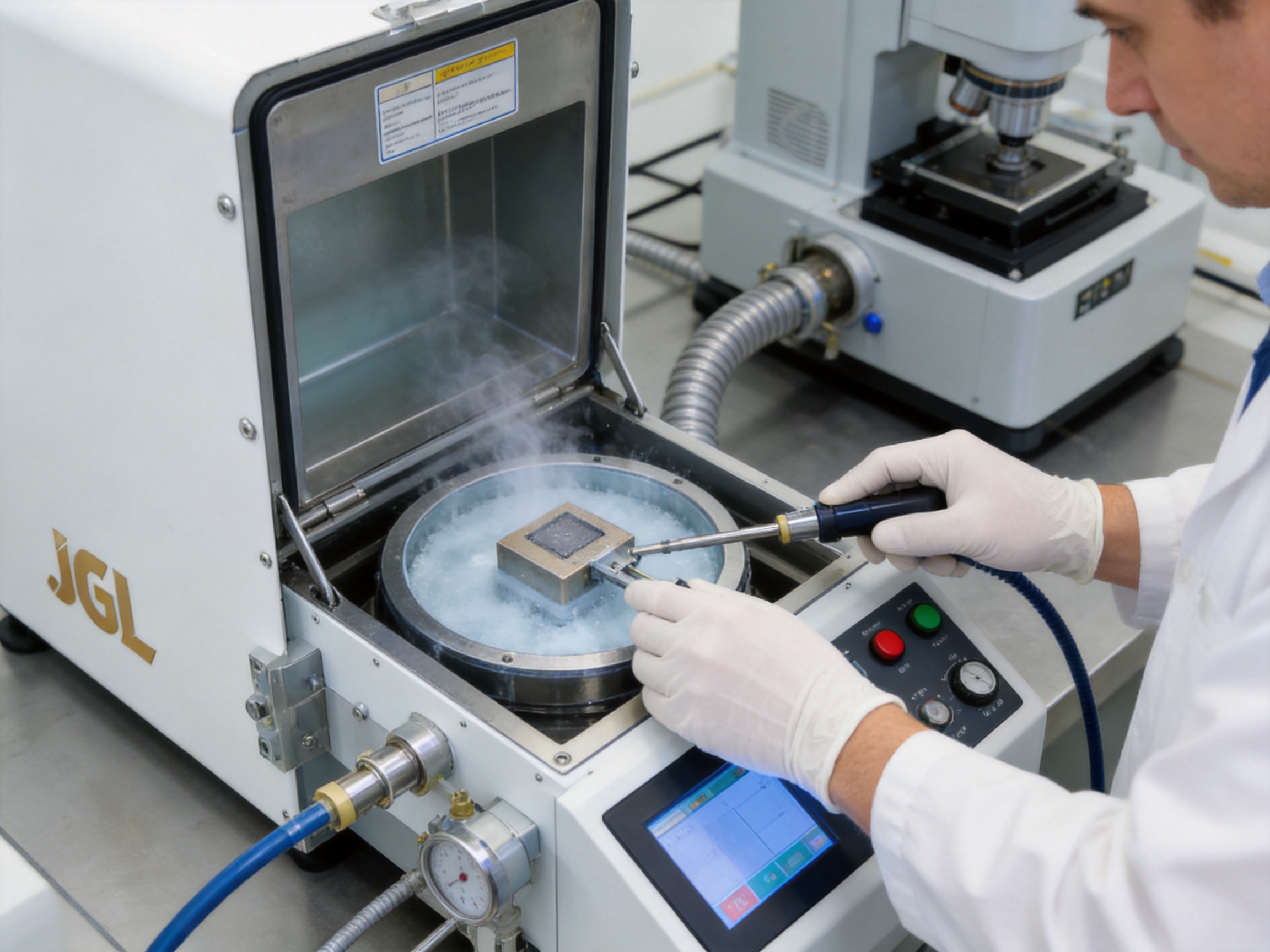
The CVC100 is well suited to workflows in which frozen samples must be transferred into an electron microscope without unnecessary exposure to ambient conditions. It can support research involving biological specimens, hydrated materials, frozen surfaces, and other samples whose morphology may be affected by temperature or moisture changes.
Materials Research
Materials laboratories may study porous structures, polymers, composites, coatings, powders, emulsions, or other systems containing volatile or moisture-sensitive components. A controlled cryogenic transfer path can help researchers preserve the state of a specimen for surface and cross-sectional examination.
Failure Analysis
In failure analysis, the surface condition of a sample may contain important evidence. Frost, contamination, or uncontrolled warming can alter that evidence. Connecting the transfer chamber with FIB-SEM or other analytical tools can help preserve the condition of sensitive samples during preparation and observation.
Biological and Life Science Research
Biological samples frequently contain significant water content and may require frozen handling to preserve structural information. The CVC100 can support workflows involving cryogenic preparation, controlled transfer, and microscopy-based examination. The exact procedure should be determined by the laboratory’s sample protocol and instrument requirements.
Central laboratories and shared facilities benefit from equipment that can be used by multiple research teams. A software-guided transfer process can make training more consistent, while flexible ports can allow the chamber to serve several instruments or application groups. This versatility may improve the utilization of existing microscopy and preparation equipment.
Operational Benefits for Laboratory Managers
Laboratory managers evaluate equipment not only by its technical specifications but also by its effect on daily work. The CVC100 can contribute to operational improvement in several ways.
First, it can help reduce sample loss associated with frost contamination or uncontrolled exposure. Avoiding even a small number of failed transfers may save considerable preparation time, especially when specimens are difficult to reproduce.
Second, it can make procedures easier to standardize. Software-controlled valves and touchscreen operation give users a consistent operating framework. This is useful when equipment is shared by experienced researchers, new users, technicians, and visiting teams.
Third, its broad compatibility can extend the usefulness of the chamber. Instead of purchasing separate transfer solutions for every instrument, a laboratory may be able to develop a more coordinated infrastructure around one adaptable platform, subject to technical compatibility and configuration requirements.
Fourth, the CVC100 can support a cleaner instrument environment. By limiting moisture and capturing residual water vapor through a cryogenic trap, it may help reduce the burden placed on connected analytical systems. Proper maintenance and instrument-specific procedures remain essential, but environmental control at the transfer stage is a valuable preventive measure.
Installation and Integration Planning
Successful installation begins with a detailed review of the laboratory environment. The available floor or bench space, access routes, instrument positions, vacuum connections, electrical supply, liquid nitrogen handling arrangements, and operator access should all be considered.
The receiving microscope or preparation system should be reviewed before the chamber is manufactured or configured. Important information may include interface dimensions, port orientation, sample-holder design, working height, vacuum requirements, and any manufacturer-specific restrictions. Early technical communication reduces the likelihood of modification after delivery.
Laboratories should also define how samples will enter and leave the transfer process. A clear workflow may include sample preparation, holder loading, cooling, evacuation, transfer, connection, analysis, and return or disposal. Mapping these stages helps identify the most useful port arrangement and control sequence.
Liquid nitrogen use requires appropriate site procedures. Personnel should follow established laboratory rules for cryogenic liquids, personal protective equipment, ventilation, storage, and spill response. The chamber’s cooling function should be incorporated into the facility’s existing safety management system.
Maintenance and Long-Term Reliability
Like all vacuum and cryogenic equipment, the CVC100 benefits from preventive maintenance. The chamber, valves, cooling trap, ports, seals, sample-holder interfaces, and control components should be inspected according to the operating frequency and laboratory conditions.
Operators should keep connection surfaces clean and protect them from unnecessary contamination. Any unusual pressure behavior, difficulty in valve operation, touchscreen fault, or change in cooling performance should be recorded and investigated before it affects valuable samples.
The cooling trap should be used and serviced according to the applicable operating instructions. Moisture accumulation, residue, or other contamination should not be allowed to compromise the trap’s function. Maintaining a clean transfer environment supports both sample quality and connected instrument protection.
Software and control-system checks should also be included in routine service. A sequence that was correct during commissioning should continue to be verified after maintenance, component replacement, or configuration changes. Documentation of service activities helps establish a history of equipment performance.
Why Choose a Specialized Manufacturer
Vacuum cryogenic transfer equipment sits at the intersection of mechanical engineering, vacuum technology, cryogenic handling, electronic control, and laboratory applications. A manufacturer focused on laboratory equipment is better positioned to understand the interaction among these areas.
JIANGSU BAISHENG INDUSTRIAL CO., LTD. combines an R&D-oriented background with manufacturing and international trade capabilities. Its stated core values, centered on precision craftsmanship and long-term innovation, align with the needs of customers purchasing specialized laboratory systems.
The company’s development from an electronic testing research studio into a technology and trade enterprise demonstrates a progression from technical problem-solving toward broader product development and market support. Its continuing investment in research, technical personnel, quality management, and product-line expansion supports the delivery of customized laboratory solutions.
For customers, this means the relationship can extend beyond the supply of a standard product. Application review, interface planning, customized configuration, manufacturing coordination, technical documentation, and after-sales communication are all important when equipment must be integrated into an existing analytical workflow.
Selection Guide for Potential Users
Before ordering a vacuum cryogenic sample transfer chamber, laboratories should define their application clearly. The following questions can support a productive technical discussion.
What types of samples will be transferred? Frozen biological samples, hydrated materials, polymers, powders, and industrial components may have different holder and temperature requirements.
Which instruments will receive or prepare the sample? The manufacturer should be informed of the microscope model, preparation system, coating equipment, glove box, or other connected platform.
What sample holder is currently used? Holder dimensions, access requirements, thermal mass, and handling method may influence the chamber configuration.
How frequently will the chamber operate? A shared facility with continuous daily use may require a different maintenance and training plan from a research laboratory using the system occasionally.
What level of customization is needed? Standard ports may be suitable for some workflows, while other installations require custom interfaces or a special arrangement around existing equipment.
What laboratory safety and utility conditions are available? Liquid nitrogen procedures, electrical requirements, space, ventilation, and vacuum infrastructure should be reviewed before installation.
Q&A
What is the primary purpose of the CVC100?
The CVC100 is designed to transfer frozen or temperature-sensitive samples while maintaining a controlled vacuum and cryogenic environment. Its purpose is to reduce atmospheric exposure, frost contamination, and handling variability between sample preparation and analysis.
How does the liquid nitrogen cooling trap help protect samples?
The large-area cooling trap surrounds the frozen sample holder and provides a very cold surface that helps capture residual water vapor. This reduces the likelihood of frost forming directly on the sample or moving toward connected equipment.
Does the system require manual valve operation?
The CVC100 uses software-controlled electric valves. Operators control the process through a touchscreen interface, while logical software sequences help coordinate valve opening and closing. Users must still follow the applicable operating procedure and safety requirements.
Can the CVC100 connect to an existing scanning electron microscope?
It is designed to support connection with scanning electron microscopes through standard or custom-designed ports. Compatibility must be confirmed by reviewing the microscope interface, sample holder, available space, and vacuum requirements.
Is it compatible with FIB-SEM equipment?
The chamber can support integration with dual-beam and FIB-SEM systems when the appropriate interface is designed and configured. Technical details should be reviewed with the manufacturer before ordering.
Can it be used with sample preparation equipment?
Yes. The CVC100 is intended to work with equipment such as ion polishing systems, ion thinning systems, coating instruments, glove boxes, and other preparation platforms, provided that the interfaces and operating conditions are suitable.
What types of samples may benefit from this equipment?
Samples that are frozen, water-containing, moisture-sensitive, surface-sensitive, or vulnerable to atmospheric contamination may benefit. The chamber is especially relevant when preserving the condition of the sample between preparation and microscopy is important.
Does the chamber replace a microscope’s own vacuum system?
No. The CVC100 is a transfer chamber and should be integrated with the vacuum and operating procedures of the receiving instrument. It is intended to support sample movement and environmental protection rather than replace the microscope’s main vacuum architecture.
Software-guided operation helps create a more consistent procedure for different users. It can reduce dependence on individual memory, support training, and lower the risk of incorrect valve timing during the transfer sequence.
Can the chamber be customized?
The product supports standard or custom-designed ports. Customization may be considered for instrument interfaces, sample holders, laboratory layouts, or workflow requirements after technical review.
What should be checked before installation?
Laboratories should review space, instrument interfaces, vacuum connections, electrical supply, liquid nitrogen handling, sample-holder dimensions, operator access, and safety procedures. Early planning helps ensure that the final configuration fits the intended workflow.
How does the manufacturer support product development?
JIANGSU BAISHENG INDUSTRIAL CO., LTD. operates with a dedicated R&D focus, manufacturing experience, international trade capability, and an emphasis on precision laboratory equipment. These strengths support product customization, technical coordination, and the development of application-specific solutions.
What maintenance does the system require?
Maintenance normally includes inspection of the chamber, seals, ports, valves, cooling trap, sample-holder interfaces, and control system. Users should follow the supplied operating and service instructions and investigate any change in vacuum, cooling, or valve performance.
Conclusion
The CVC100 high-precision vacuum cryogenic sample transfer chamber is designed for laboratories that cannot afford to treat sample transfer as an uncontrolled intermediate step. Its combination of software-controlled electric valves, touchscreen operation, liquid nitrogen cooling, and flexible instrument compatibility creates a practical platform for protecting sensitive samples.
Compared with open-air handling and basic transport arrangements, the CVC100 offers stronger environmental control, better moisture management, improved procedural consistency, and broader integration potential. These advantages are particularly relevant to SEM, FIB-SEM, cryogenic microscopy, ion preparation, coating, glove box, and other advanced laboratory workflows.
The product is also supported by the engineering strengths of JIANGSU BAISHENG INDUSTRIAL CO., LTD., including an R&D-oriented history, precision design capability, electronic testing experience, manufacturing development, customization support, and a stated commitment to quality improvement. Together, these capabilities provide a foundation for delivering laboratory equipment that is not only technically sophisticated but also adaptable to real-world research and industrial applications.
For laboratories seeking to improve sample integrity, reduce frost contamination, standardize transfer procedures, and connect cryogenic handling with advanced analytical instruments, the CVC100 provides a flexible and carefully integrated solution.
References
1. General principles of vacuum technology for laboratory instruments and analytical systems.
2. General laboratory guidance for cryogenic liquid handling, sample preservation, and frost contamination control.
3. Standard operating practices for scanning electron microscopy sample preparation and transfer.
4. General technical literature on focused ion beam and scanning electron microscopy workflows.
5. General engineering principles for vacuum chamber design, sealing, leak verification, and controlled gas environments.
6. General laboratory quality-management practices for precision scientific equipment.
7. Product information supplied for the CVC100 High-Precision Vacuum Cryogenic Sample Transfer Chamber.
8. Company information supplied for JIANGSU BAISHENG INDUSTRIAL CO., LTD., including its history, R&D capabilities, manufacturing development, and quality-management direction.
Product: CVC100 High-Precision Vacuum Cryogenic Sample Transfer Chamber for Laboratory Use
PREV:High-Performance Fast Temperature and Humidity Cycling Chamber for Precision Environmental Testing
NEXT:Advanced Walk-In Dual-Layer Explosion-Proof Temperature and Humidity Test Chamber for High-Risk Testing
NEXT:Advanced Walk-In Dual-Layer Explosion-Proof Temperature and Humidity Test Chamber for High-Risk Testing
Interested in cooperation or have questions?
Featured Products
Related products
Quick Link
Contact Information
- Tel: +86-13861043568
- E-mail: 1840784112@qq.com
- Add: Tianting District, Changzhou City, Jiangsu Province, China, No. 6 Hecircuit
Scan Code
Copyright © JIANGSU BAISHENG INDUSTRIAL CO., LTD.
All Rights Reserved. Privacy Custom Precision Laboratory Testing Equipment Manufacturers
