 English
 Español

NEWS
NEWS
NEWS
NEWS
NEWS
NEWS
NEWS
NEWS
NEWS
NEWS
NEWS
NEWS
NEWS
NEWS
NEWS
NEWS

Luo Qinyue — Senior After-Sales Service Engineer
Home / Author / Luo Qinyue — Senior After-Sales Service Engineer / Advanced Walk-In Dual-Layer Explosion-Proof Temperature and Humidity Test Chamber for High-Risk Testing
Advanced Walk-In Dual-Layer Explosion-Proof Temperature and Humidity Test Chamber for High-Risk Testing
Content
- 1 1. The Need for Safer Environmental Testing
- 2 2. Product Overview
- 3 3. Dual-Layer Architecture and Testing Flexibility
- 4 4. Explosion-Proof Safety Design
- 5 5. Temperature and Humidity Performance
- 6 6. Manufacturing Strengths and Engineering Approach
- 7 7. Advantages Compared with Conventional Competitor Equipment
- 8 8. Typical Applications
- 9 9. Installation, Operation, and Maintenance Considerations
- 10 10. Selecting the Correct Configuration
- 11 11. Why Manufacturer Support Matters
- 12 12. Quality, Documentation, and Acceptance Testing
- 13 13. Frequently Asked Questions
- 13.1 What is the main purpose of the U2T(H)-EXZ2-W?
- 13.2 What is the chamber capacity?
- 13.3 What temperature ranges are available?
- 13.4 Does the chamber control humidity?
- 13.5 What does the dual-layer design mean?
- 13.6 What is the purpose of the dual evaporator?
- 13.7 How does the chamber respond to smoke or fire?
- 13.8 Why is pressure relief necessary?
- 13.9 Can the chamber be customized?
- 13.10 Is the chamber suitable for battery testing?
- 13.11 What facility requirements should be considered?
- 13.12 How should customers compare this chamber with a conventional chamber?
- 13.13 What information should be provided when requesting a quotation?
- 14 14. Conclusion
- 15 References
- 16 Product: U2T(H)-EXZ2-W Walk-In Dual-Layer Explosion-Proof Temperature & Humidity Chamber
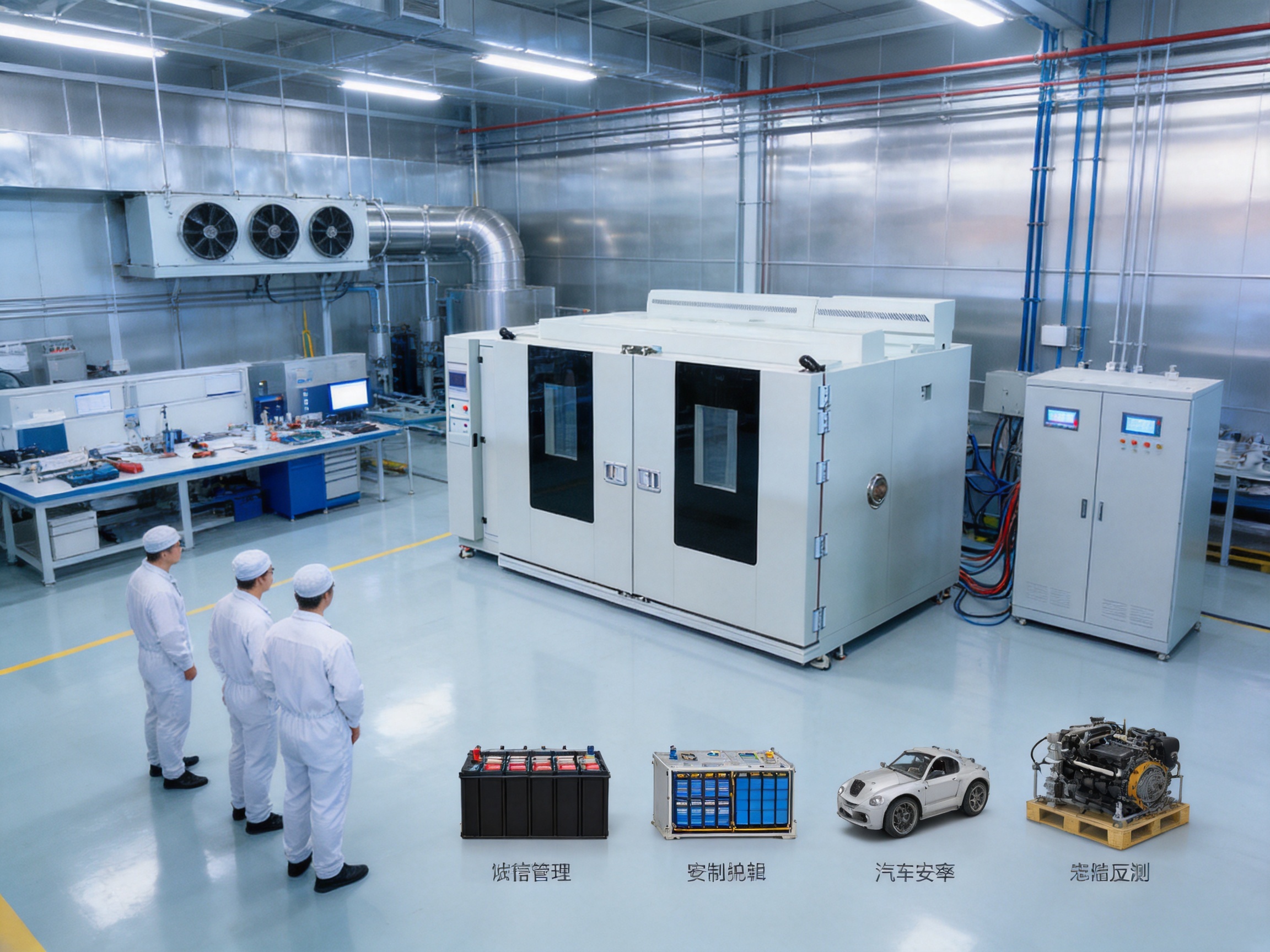
Modern laboratories and industrial testing facilities increasingly require environmental test equipment that can reproduce severe temperature and humidity conditions while maintaining a high level of operational safety. Conventional environmental chambers may provide accurate temperature control, but applications involving combustible materials, energetic components, flammable vapors, batteries, electronic assemblies, or safety-critical products require a more comprehensive approach. The U2T(H)-EXZ2-W walk-in dual-layer explosion-proof temperature and humidity chamber is designed for this demanding class of testing.
With a nominal capacity of 2000 liters, a temperature capability extending from low-temperature conditions to elevated heat, and a safety architecture that incorporates explosion-proof construction, automatic fire suppression, smoke detection, sprinkler protection, rapid water injection, and pressure relief, the chamber provides a robust platform for controlled environmental testing. It is intended for organizations that need more than basic heating, cooling, and humidity regulation. It is engineered for testing environments where thermal performance, moisture control, fault response, and risk containment must operate together.
The chamber is manufactured by JIANGSU BAISHENG INDUSTRIAL CO., LTD., a China-based technology-driven enterprise specializing in laboratory equipment, safety testing instruments, and customized testing solutions. The company combines research and development capabilities with production experience and international trade expertise, allowing it to support customers that require customized dimensions, performance ranges, safety functions, and application-specific configurations.
1. The Need for Safer Environmental Testing
Environmental testing is used to evaluate how products behave under controlled conditions of heat, cold, moisture, and repeated climatic stress. Electronic components, power systems, vehicle parts, industrial controls, communication equipment, chemical products, and other assemblies may all be exposed to temperature and humidity changes during their service life. A properly designed test chamber allows engineers to accelerate these conditions and identify weaknesses before products are released or placed into service.
In many conventional applications, the principal concerns are temperature uniformity, humidity accuracy, test repeatability, and energy consumption. However, certain products create additional hazards during testing. Batteries may experience thermal runaway. Electronic equipment may short-circuit. Materials may release flammable vapors. Components may ignite when subjected to electrical faults or high-temperature operation. In these cases, a standard chamber may not provide sufficient protection or emergency response capability.
An explosion-proof environmental chamber must therefore be considered as an integrated safety system rather than simply a temperature-controlled enclosure. Its design must address ignition prevention, pressure management, fire detection, extinguishing, water delivery, operator protection, and the safe containment of abnormal events. The U2T(H)-EXZ2-W is designed around this principle.
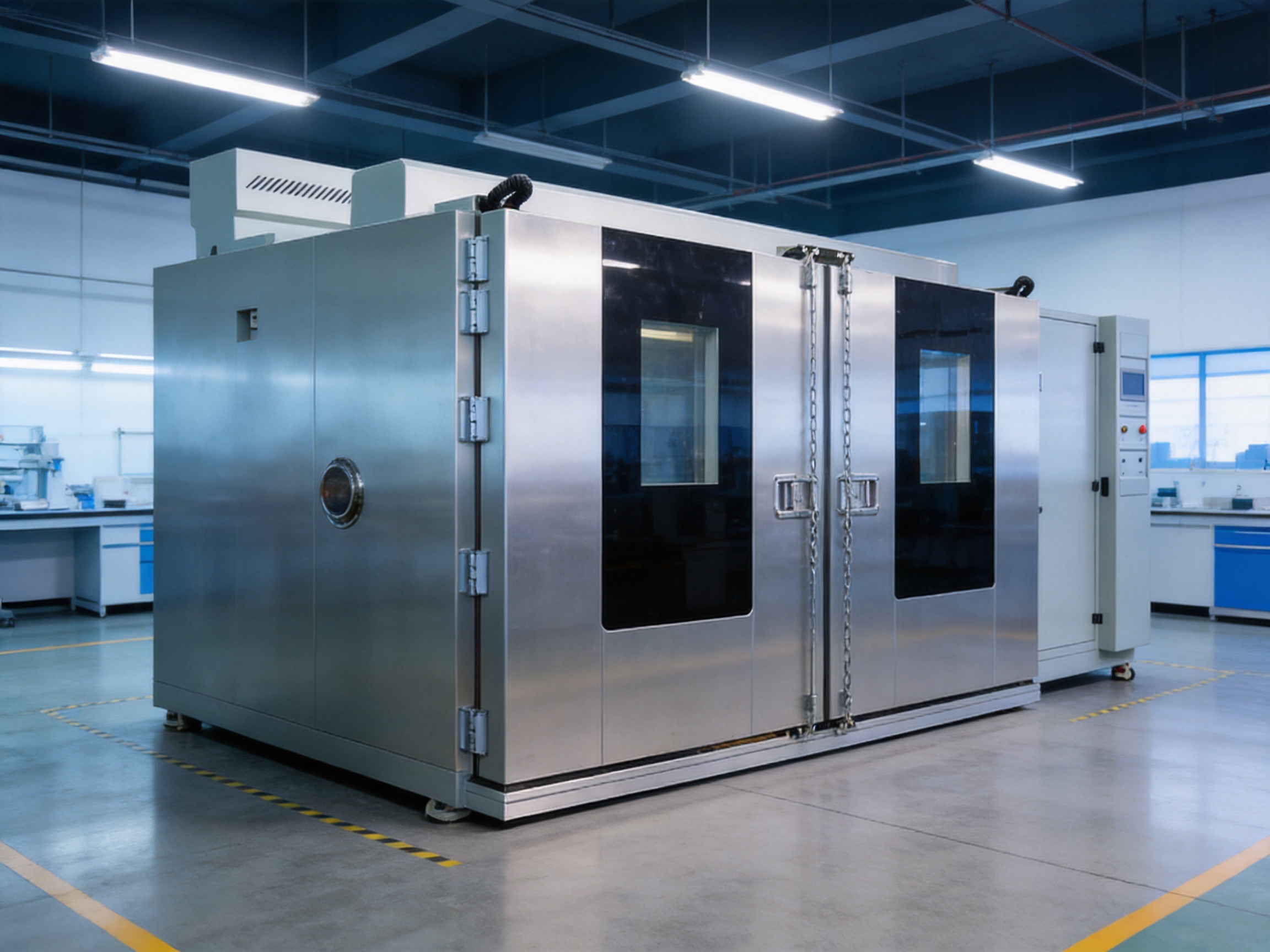
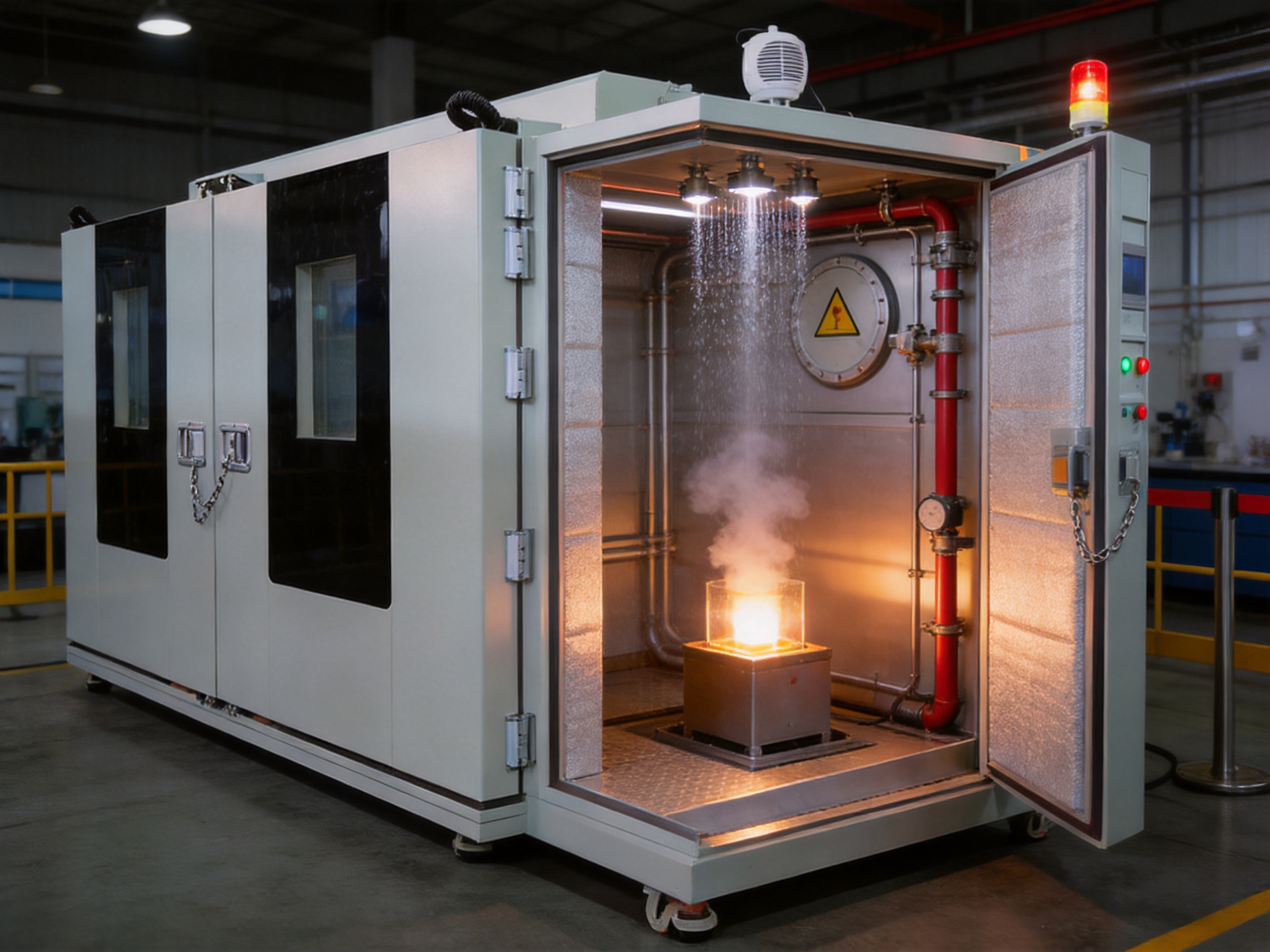
The equipment combines environmental conditioning with multiple layers of protective technology. An explosion-proof chain and viewing window are installed at the door position. Automatic fire extinguishing is included in the safety concept. Smoke detection and a fine water mist sprinkler system are provided for rapid response. A rapid water injection device supports emergency cooling or suppression. An explosion-proof pressure relief device is used to help manage abnormal pressure conditions. Together, these functions give the chamber a broader safety capability than equipment that relies only on passive insulation and conventional temperature control.
2. Product Overview
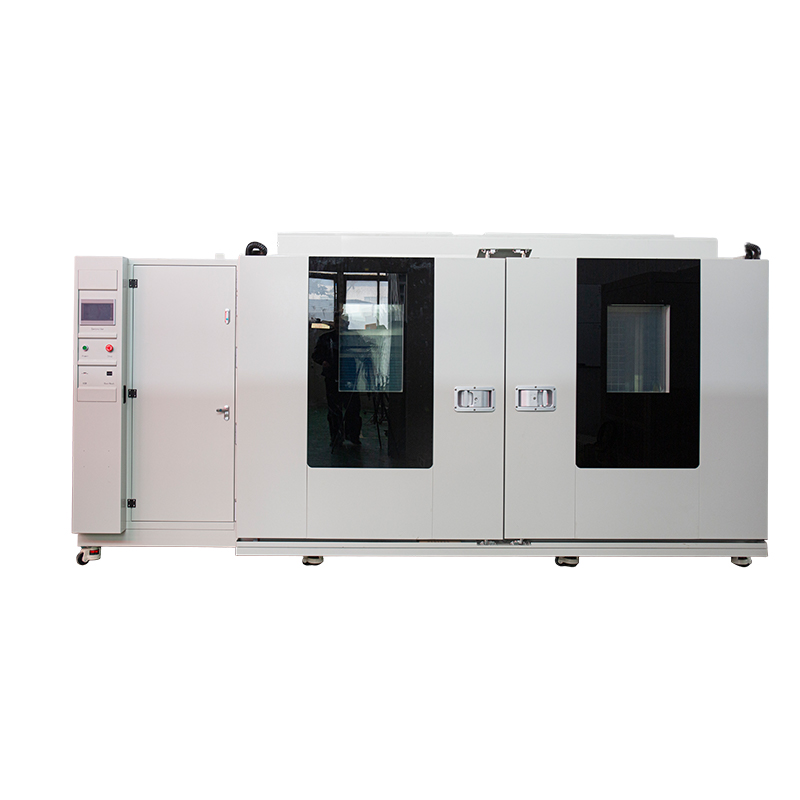
The U2T(H)-EXZ2-W is categorized as a walk-in explosion-proof high- and low-temperature humidity test chamber. Its walk-in format is appropriate for larger components, assemblies, product batches, and test fixtures that cannot be conveniently placed inside a small benchtop or floor-standing chamber.
The designation also identifies its dual-layer configuration. The supplied technical information describes a studio dimension of 2000 millimeters in width, 1000 millimeters in depth, and 1000 millimeters in height, with a dual arrangement indicated by “×2.” This structure supports the use of two testing spaces or a dual-evaporator configuration, depending on the final engineering design and customer requirements. The manufacturer can clarify the exact operating relationship between the two sections during technical consultation and quotation.
The chamber has a stated capacity of 2000 liters. The available temperature specifications include a range of -40°C to +150°C and an extended range of -70°C to +180°C. These figures indicate that different configurations may be available according to the selected cooling system, heating system, control requirements, and operating conditions. The final temperature range should be confirmed before purchase because the applicable range may depend on the chosen model configuration and test load.
For a large environmental test chamber, the balance between working volume and physical footprint is important. The listed overall dimensions are approximately 2460 millimeters in width, 2500 millimeters in depth, and 2740 millimeters in height. Listed machine weights include approximately 1200 and 1300 kilograms for different configurations. These values should be considered during facility planning, including floor loading, access routes, door clearances, ventilation, electrical supply, cooling-water arrangements, and emergency-response planning.
| Item | Specification or Configuration |
|---|---|
| Product type | Walk-in dual-layer explosion-proof temperature and humidity test chamber |
| Model | U2T(H)-EXZ2-W |
| Nominal capacity | 2000 liters |
| Available temperature configuration | -40°C to +150°C |
| Extended temperature configuration | -70°C to +180°C |
| Studio dimensions | 2000 × 1000 × 1000 millimeters, dual arrangement indicated |
| Overall dimensions | 2460 × 2500 × 2740 millimeters |
| Approximate machine weight | 1200 to 1300 kilograms, depending on configuration |
| Safety functions | Explosion-proof door chain, explosion-proof viewing window, automatic fire extinguishing, smoke detection, fine water mist sprinkler system, rapid water injection, pressure relief |
The table summarizes the principal information available for the product. Exact performance values, electrical parameters, humidity limits, recovery times, uniformity, ramp rates, refrigeration specifications, and control-system functions should be documented in the final technical proposal.
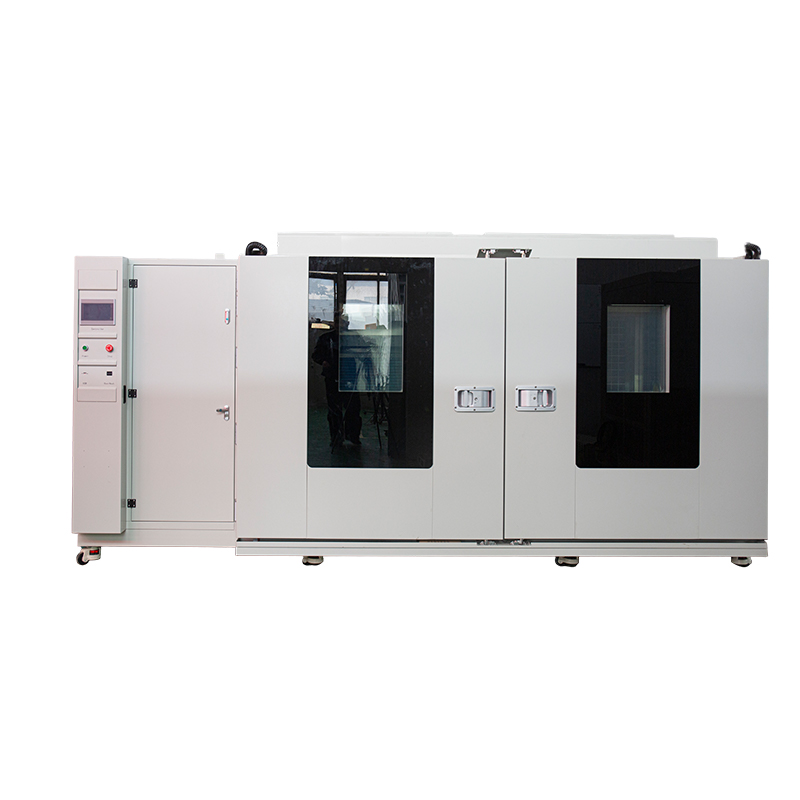
U2T(H)-EXZ2-W Walk-In Dual-Layer Explosion-Proof Temperature & Humidity Chamber
3. Dual-Layer Architecture and Testing Flexibility
The dual-layer design is one of the chamber’s most distinctive features. In a conventional single-zone chamber, one test program generally occupies the entire working volume. A dual-layer configuration can provide additional flexibility by separating test spaces, supporting different test stages, or enabling a more efficient arrangement of test samples and equipment.
Depending on the final configuration, the two sections may be operated as coordinated spaces or as distinct test areas. This can be useful when products require staged conditioning, comparative testing, or parallel preparation. For example, one area may be used for preconditioning while another is used for the main environmental exposure. A dual arrangement can also help laboratories organize test workflows more efficiently, reducing the need to interrupt a test program when another group of samples must be prepared.
The supplied product information also mentions a case demonstration of dual evaporator usage. A dual-evaporator arrangement can contribute to cooling-system flexibility in a multi-section chamber. It may help distribute cooling capacity more appropriately, support separate sections, and improve the engineering adaptability of the equipment. The exact control logic and evaporator relationship depend on the final design, but the presence of dual-evaporator technology indicates that the chamber is developed for more advanced cooling applications than a basic single-circuit unit.
Dual-layer construction also presents engineering challenges. The cooling system must be balanced, the air circulation path must be carefully designed, and the control system must coordinate temperature and humidity conditions without creating unnecessary interaction between test sections. Structural sealing, insulation, drainage, cable routing, and safety interlocks must all be considered. The value of the design therefore lies not only in having two layers, but in integrating those layers into a stable and safe operating system.
Advantages of a Dual-Layer Test Arrangement
A dual-layer chamber can provide better utilization of facility space than two completely independent chambers, particularly when the customer requires a compact installation. It may also reduce the number of separate operators, control interfaces, and supporting utility connections. In applications involving repeated environmental test cycles, two coordinated spaces can simplify sample transfer and test scheduling.
The dual-layer structure may also support product development work in which samples must be compared under related but different conditions. Engineers can evaluate two product versions, two material selections, or two operating states within one integrated equipment platform. This can improve the consistency of comparison because the two sections are built and controlled as part of the same system.
However, dual-layer equipment must be selected based on actual testing needs. Customers should confirm whether they need simultaneous independent operation, sequential operation, linked operation, or a dedicated dual-evaporator solution. JIANGSU BAISHENG INDUSTRIAL CO., LTD. can use this information to develop a suitable configuration rather than applying a one-size-fits-all design.
4. Explosion-Proof Safety Design
The chamber’s primary competitive distinction is its multi-level explosion-proof and fire-response design. Safety functions are distributed across the enclosure, door, detection system, suppression system, pressure-management system, and emergency water-delivery system. This approach is intended to reduce the likelihood that a single abnormal event will develop into an uncontrolled incident.
Explosion-Proof Door Chain
The explosion-proof chain is installed at the door position. A chamber door must remain secure during normal operation while also allowing controlled access for loading and unloading. In a high-risk application, the door assembly is not merely a mechanical closure. It must contribute to containment, prevent unsafe opening during an active test, and support safe handling of internal pressure or fire events.
The door chain can help restrict or manage door movement and provide an additional mechanical safety measure. Its role is especially important when a test sample may generate pressure, flame, smoke, or sudden mechanical force. The final chain construction, locking method, interlock arrangement, and allowable operating conditions should be confirmed in the technical documentation for the specific installation.
Explosion-Proof Viewing Window
The explosion-proof viewing window allows operators and engineers to observe the test space without opening the chamber. Visual access is valuable when monitoring sample condition, checking fixture placement, and identifying signs of smoke, abnormal heating, or material failure.
A viewing window is only useful if it is designed for the expected hazards. The product specification identifies an explosion-proof viewing window at the door position, indicating that the window is intended to support observation while contributing to the protective enclosure. Its construction should be matched to the expected temperature, pressure, chemical exposure, and impact conditions of the application.
Automatic Fire Extinguishing
The automatic fire extinguishing system is intended to respond without requiring an operator to open the door or enter the immediate area. Automatic response is important because an abnormal event may develop faster than a person can identify the problem and manually activate a control.
Automatic extinguishing should be coordinated with temperature control, power interruption, alarm signaling, and pressure relief. A properly integrated system can detect a dangerous condition, stop or isolate selected equipment, activate suppression, and alert personnel. The precise trigger conditions, extinguishing medium, discharge time, and reset procedure must be verified during commissioning and documented in the operating manual.
Smoke Detection and Fine Water Mist Sprinkler Protection
Smoke detection provides an early indication of combustion or material decomposition. In an environmental chamber, smoke may appear before an open flame is visible, making detection a valuable part of the safety chain. The fine water mist sprinkler system is specified as a protection measure for fire suppression.
Fine water mist can be useful because it distributes small droplets through the protected volume. The system may help cool surfaces, reduce the temperature of the surrounding atmosphere, and suppress or control certain fires. The actual effectiveness depends on the product materials, electrical configuration, airflow, chamber geometry, and selected system design. For that reason, the sprinkler system should be evaluated as part of the complete risk assessment rather than treated as a universal solution for every possible fire.
Rapid Water Injection Device
The rapid water injection device adds another layer of emergency response. It is designed to introduce water into the chamber quickly when the operating strategy requires rapid cooling or suppression. In high-energy testing, reducing temperature quickly can be an important part of preventing escalation.
Rapid water injection must be engineered with suitable piping, valves, drainage, flow control, water supply, and electrical isolation. The chamber installation should provide a safe method for handling discharged water and contaminated runoff. Facility designers should also consider whether the test material reacts with water and whether additional containment or treatment is required.
Explosion-Proof Pressure Relief
Pressure relief is essential in an enclosure that could experience rapid gas expansion, combustion, or other abnormal pressure generation. The explosion-proof pressure relief device is intended to help release pressure in a controlled manner while maintaining the protective purpose of the chamber.
Pressure relief design should account for the chamber volume, possible energy release, vent direction, room layout, personnel locations, and nearby equipment. A pressure relief device cannot replace a complete hazard analysis, but it can form an important part of the containment strategy. The final installation should include appropriate clearances and safety barriers around the relief path.
5. Temperature and Humidity Performance
The chamber is designed for a wide temperature range, with configurations listed from -40°C to +150°C and from -70°C to +180°C. These ranges allow users to investigate both low-temperature behavior and high-temperature durability. Such testing can reveal changes in electrical resistance, insulation performance, battery capacity, seal integrity, mechanical strength, material flexibility, display operation, and component reliability.
Low-temperature testing is particularly relevant for products used outdoors, in cold climates, in transportation, or in refrigerated environments. Exposure to severe cold can cause materials to become brittle, lubricants to thicken, batteries to lose available capacity, and electronic systems to experience startup difficulties. A chamber capable of reaching -70°C can provide a more demanding stress condition than equipment limited to moderate cold.
High-temperature testing is used to evaluate thermal aging, heat resistance, deformation, component drift, insulation breakdown, and cooling-system performance. The listed upper limit of +180°C is suitable for applications requiring more severe thermal exposure than a standard +100°C or +150°C chamber can provide. Actual use at the highest temperature should be based on the selected configuration, test duration, sample load, and material compatibility.
Humidity testing introduces an additional stress factor. Moisture can accelerate corrosion, reduce insulation resistance, promote condensation, degrade coatings, and affect mechanical and electronic interfaces. Temperature and humidity cycles can be more demanding than constant exposure because repeated expansion, contraction, condensation, and drying may create fatigue in seals, solder joints, connectors, and protective coatings.
The chamber’s environmental control system should be evaluated according to the user’s test protocol. Key parameters may include temperature stability, temperature uniformity, humidity stability, humidity uniformity, ramp rate, recovery time after door opening, condensation control, and performance under maximum sample heat load. These values are not provided in the supplied specification and should be included in the final acceptance criteria where necessary.
Year-Round Frost-Free Operation
The product information emphasizes year-round frost-free stable operation technology. Frost formation can be a significant problem in low-temperature and humidity-controlled chambers. Ice accumulation may restrict airflow, reduce heat-transfer efficiency, affect sensors, obstruct drains, and increase maintenance requirements.
A frost-free strategy may involve coordinated evaporator design, defrost management, airflow control, drainage, insulation, and operating logic. The reference to dual evaporator usage suggests that the cooling system can be designed to improve stability and manage the thermal load more effectively. The specific defrost method and frost-control performance should be verified under the intended low-temperature and humidity conditions.
Stable operation throughout the year is valuable for laboratories that run continuous qualification programs or production quality checks. Reducing frost-related interruptions can improve equipment availability and help maintain consistent test scheduling. It may also reduce the risk of unexpected temperature deviations during long-duration tests.
6. Manufacturing Strengths and Engineering Approach
JIANGSU BAISHENG INDUSTRIAL CO., LTD. was established in 2010 and has developed as a technology-driven manufacturer and supplier of laboratory equipment and safety testing instruments. The company’s development path began with an engineering and research background rather than a purely commercial distribution model. This foundation is relevant to the manufacture of complex environmental chambers because such equipment requires coordinated mechanical, electrical, refrigeration, control, and safety engineering.
The company’s predecessor was a research and development studio specializing in electronic testing. In 2016, the organization developed into an enterprise with an independently developed production line and launched laboratory equipment supported by its own intellectual property. This progression gave the company experience in translating engineering concepts into manufactured products.
In 2019, the company adopted a technology-plus-trade development strategy. This combination allows it to understand both the technical requirements of equipment and the practical needs of international customers. Overseas buyers often require detailed specifications, customized documentation, export packaging, installation guidance, spare parts planning, and communication across different regulatory and operational environments.
The company also reports that it strengthened its quality management system in 2022 and continued product innovation and technical upgrading through 2025. These efforts support the development of more intelligent, digitally managed, and application-specific laboratory equipment. For a product such as the U2T(H)-EXZ2-W, quality management is particularly important because the chamber contains multiple integrated systems whose performance must remain coordinated.
Integrated Engineering Rather Than Separate Components
A competitive environmental chamber should not be judged only by its nominal temperature range or chamber volume. The overall value depends on how well the enclosure, insulation, refrigeration, heating, humidity generation, air circulation, sensors, controller, emergency systems, and documentation work together.
JIANGSU BAISHENG INDUSTRIAL CO., LTD. positions its strength in precision design and dedicated research and development. This approach is valuable for custom equipment because the manufacturer can consider the customer’s test sample, hazard profile, facility layout, and required test sequence during the design stage.
For example, a chamber intended for electronic components may need careful attention to electromagnetic compatibility, cable access, grounding, and insulation resistance. A chamber used for battery testing may require stronger fire-response measures, pressure relief, rapid cooling, and water management. A chamber for industrial assemblies may require reinforced flooring, loading access, customized fixtures, and larger cable ports. The same basic chamber platform can therefore require very different engineering details.
Manufacturing Process Considerations
The manufacturing process for a complex walk-in chamber typically begins with application review and technical specification. Engineers evaluate the required temperature range, humidity range, sample size, test load, operating schedule, safety hazards, installation environment, and applicable customer standards. This stage prevents the equipment from being selected solely on the basis of nominal specifications.
The next stage is structural design. The enclosure must provide mechanical strength, thermal insulation, internal corrosion resistance, suitable access, and safe routing for utilities. Door construction, viewing-window placement, pressure-relief location, internal drainage, and maintenance access are all considered as part of the enclosure design.
Refrigeration engineering follows closely. The cooling system must remove heat from the chamber and test sample while maintaining the requested low-temperature capability. For dual-layer equipment, the refrigeration arrangement must distribute capacity in a controlled manner. The evaporator, compressor, expansion devices, piping, sensors, and control logic must be matched to the required operating envelope.
The heating and humidity systems are then integrated with the refrigeration system. Heating capacity must be sufficient for the specified upper-temperature range and sample load. Humidity control requires careful management of water generation, air circulation, condensation, drainage, and sensor feedback. Poor coordination between heating, cooling, and humidity functions can create instability or excessive energy consumption.
Safety-system integration is a separate but connected manufacturing stage. Smoke detection, automatic extinguishing, fine water mist, rapid water injection, door security, emergency stop functions, and pressure relief must be installed in locations that support effective response. Control logic should define how the systems interact during abnormal conditions.
Before shipment, the manufacturer should conduct inspection and functional testing. Depending on the agreed scope, this may include temperature operation, control response, door interlock checks, alarm tests, water-system tests, pressure-relief inspection, electrical safety checks, and verification of dimensions. For customized equipment, factory acceptance testing should be based on the technical agreement between the manufacturer and purchaser.
7. Advantages Compared with Conventional Competitor Equipment
The U2T(H)-EXZ2-W offers several potential advantages over conventional environmental chambers that are designed primarily for non-hazardous temperature and humidity testing.
More Comprehensive Safety Coverage
Many standard chambers provide alarms and over-temperature protection but do not include a complete combination of explosion-proof construction, automatic fire extinguishing, smoke detection, fine water mist, rapid water injection, and pressure relief. The U2T(H)-EXZ2-W is differentiated by bringing these functions into one integrated equipment concept.
This does not mean that the chamber eliminates all risk or that it automatically satisfies every local safety requirement. However, it gives users a stronger technical basis for applications in which abnormal heating, smoke, flame, pressure, or combustible materials are possible. Customers can work with the manufacturer and their safety professionals to define the appropriate installation and operating controls.
Broader Temperature Capability
The availability of both -40°C to +150°C and -70°C to +180°C configurations allows the chamber to be matched to different testing requirements. A customer does not necessarily need to purchase a separate chamber for moderate and severe temperature testing if the selected configuration can cover the full program.
A broad range is especially useful for product qualification programs that combine storage, operation, thermal cycling, and accelerated aging. The customer should nevertheless confirm ramp rates and performance under actual sample loads, because the ability to reach a temperature is only one part of environmental test performance.
Large and Adaptable Working Volume
With a stated capacity of 2000 liters and a walk-in format, the chamber is suited to larger assemblies and batch testing. The listed studio dimensions provide space for products that cannot be placed in smaller chambers. The dual-layer arrangement can further improve the use of available laboratory or factory space.
Compared with purchasing multiple small units, a large integrated chamber may simplify test management and reduce the need to divide one product assembly into separate test sequences. It may also permit more representative testing because larger products can be evaluated in a condition closer to their actual installed configuration.
Dual-Evaporator and Frost-Control Potential
The case demonstration of dual evaporator usage and the stated year-round frost-free operating technology indicate attention to cooling stability. These features may provide advantages in applications involving low-temperature operation, repeated cycles, or extended testing.
Frost control is often overlooked when equipment is compared only by catalog temperature range. A chamber that reaches a low temperature but frequently requires manual defrosting may create more downtime than expected. Stable cooling and frost management can therefore have a direct effect on laboratory productivity.
Customization Capability
Because the company emphasizes research and development and customized solutions, the equipment can be discussed according to the customer’s specific test objectives. Possible customization areas may include internal fixtures, cable ports, door arrangements, control functions, safety interlocks, water connections, drainage, electrical requirements, and data recording.
Customization is particularly important for explosion-proof testing because the hazard profile depends on the product under test. A chamber designed for small electronic assemblies may differ from one intended for battery modules, chemical containers, or industrial control cabinets. Engineering the equipment around the actual product can provide a more useful and safer result than relying on a generic specification.
8. Typical Applications
The U2T(H)-EXZ2-W may be considered for a range of high-risk or high-value testing applications. The final suitability depends on the sample material, energy content, test method, and required standards.
Battery and Energy Storage Testing
Battery cells, modules, and energy storage components may be exposed to low temperature, high temperature, humidity, cycling, and abnormal operating conditions. Such products can generate significant heat or gas during failure. An explosion-proof chamber with fire detection, automatic suppression, pressure relief, and rapid water injection can provide a more appropriate test environment than a standard climatic chamber.
Battery testing must be planned carefully. The customer should define the battery chemistry, maximum voltage, maximum current, state of charge, expected failure modes, gas generation, and emergency response requirements. The chamber should not be used for any battery test until the manufacturer and responsible safety personnel have reviewed the application.
Electronic and Electrical Equipment
Electronic devices may require testing under combined temperature and humidity conditions to evaluate insulation, corrosion resistance, reliability, and operating stability. Equipment with high-power circuits or energy storage components may also create ignition or thermal risks.
The chamber can support qualification of control systems, power electronics, communication equipment, industrial controllers, sensors, and other assemblies. Customized cable ports and fixtures may help the test sample operate while exposed to controlled environmental conditions.
Automotive and Transportation Components
Vehicle components often encounter severe temperature changes, moisture, vibration, and long operating cycles. The large working volume can accommodate selected assemblies or groups of components. Explosion-proof protection may be especially relevant for energy-storage systems, power electronics, fuel-related components, and products that could release flammable substances.
Materials and Industrial Products
Materials, coatings, seals, plastics, adhesives, and industrial assemblies can be evaluated for thermal aging, moisture resistance, deformation, and failure behavior. A walk-in chamber makes it possible to test larger samples or assembled products rather than only small laboratory coupons.
9. Installation, Operation, and Maintenance Considerations
A high-capacity explosion-proof chamber requires careful installation planning. The customer should prepare a level and structurally adequate foundation, sufficient access for delivery, appropriate electrical service, ventilation, drainage, water supply, and safe clearance around the equipment.
The pressure-relief direction must be considered during layout. Personnel should not routinely occupy the relief-discharge area. Fire-response equipment, emergency controls, and evacuation routes should remain accessible. The chamber should be installed according to the manufacturer’s instructions and the requirements of local authorities or facility safety departments.
Water-based protection systems require particular attention. The fine water mist system and rapid water injection device should have a dependable water supply and appropriate drainage. Discharged water may contain residue from the test sample, so the facility should determine how runoff is collected and treated.
Before operation, users should receive training on loading, test programming, alarm response, emergency shutdown, fire-system activation, water-system reset, door operation, and post-event inspection. Operators should never bypass safety interlocks or open the chamber during an active abnormal event unless the approved emergency procedure specifically allows it.
Routine maintenance should include inspection of door seals, viewing-window condition, chain and locking components, sensors, wiring, drainage, water valves, smoke detectors, sprinkler nozzles, pressure-relief devices, refrigeration components, and control-system alarms. Maintenance intervals should be established according to operating frequency, test material, environmental severity, and manufacturer recommendations.
Calibration and verification are also important. Temperature and humidity sensors should be checked at defined intervals using traceable reference instruments where required by the customer’s quality system. Alarm functions and emergency systems should be tested periodically. Any modification to the chamber should be reviewed because changes to internal airflow, sample fixtures, electrical loading, or safety devices may affect performance.
10. Selecting the Correct Configuration
Customers should begin the selection process by describing the test product rather than choosing a chamber from a temperature range alone. Important information includes product dimensions, mass, material composition, electrical power, battery capacity, operating voltage, expected heat generation, gas release potential, and failure modes.
The required environmental profile should then be defined. This includes minimum and maximum temperature, humidity range, ramp rate, dwell time, cycle count, condensation requirements, sample operating state, and maximum allowable recovery time. If both -40°C to +150°C and -70°C to +180°C are available, the customer should select the range that corresponds to the actual test program and future expansion plans.
The dual-layer arrangement should also be clarified. The user should determine whether the two sections need independent temperature control, simultaneous operation, sequential operation, shared control, or a dual-evaporator cooling configuration. Clear definition at the quotation stage will reduce misunderstandings about capacity and performance.
Safety requirements should be specified in equal detail. Customers should identify the likely hazards, required detection methods, preferred extinguishing strategy, pressure-relief direction, water supply conditions, and local compliance requirements. The manufacturer can then prepare a more suitable technical solution.
11. Why Manufacturer Support Matters
Environmental testing equipment often remains in service for many years. The initial purchase is only one part of the ownership experience. Documentation, installation support, spare parts, troubleshooting, calibration assistance, and engineering communication all influence the long-term value of the equipment.
JIANGSU BAISHENG INDUSTRIAL CO., LTD. combines product development with international trade experience. This can help overseas customers communicate technical requirements, arrange shipping and delivery, understand installation conditions, and obtain customized solutions. A manufacturer with its own engineering capability may also respond more effectively when a customer needs modifications or replacement parts.
The company’s stated values, including precision in craftsmanship, long-term innovation, integrity, and win-win cooperation, are aligned with the requirements of industrial test equipment. A safety-critical chamber should be supplied with clear technical documents and transparent specification boundaries. Customers should receive confirmation of what is included, what is optional, what requires site preparation, and what must be verified during acceptance.
12. Quality, Documentation, and Acceptance Testing
Before purchasing the chamber, customers should request a detailed technical specification. The document should include chamber dimensions, capacity, temperature range, humidity range, control accuracy, uniformity, ramp performance, sample loading limits, electrical power, cooling requirements, water requirements, noise information, safety functions, and applicable environmental conditions.
Acceptance testing should be planned in advance. A basic acceptance process may include dimensional inspection, visual inspection, temperature operation, humidity operation, control-system verification, alarm testing, door safety checks, smoke detection checks, fire-system simulation, water-system verification, and pressure-relief inspection. The exact tests should be agreed upon according to the application and risk level.
For customers operating under a formal quality system, documentation may include calibration certificates, inspection records, wiring diagrams, refrigeration diagrams, operating manuals, maintenance instructions, spare-parts lists, safety procedures, and factory test reports. The manufacturer can discuss additional documentation during the project stage.
It is important to distinguish between the manufacturer’s stated product capabilities and the standards required by a particular country, industry, or customer. The chamber should be reviewed by the purchaser’s safety and compliance personnel before final approval. Where third-party certification or site approval is required, those requirements should be specified at the beginning of the project.
13. Frequently Asked Questions
What is the main purpose of the U2T(H)-EXZ2-W?
The chamber is designed for walk-in temperature and humidity testing where the product or test process may involve elevated safety risks. It combines environmental conditioning with explosion-proof construction, fire detection, fire suppression, water injection, and pressure relief.
What is the chamber capacity?
The stated nominal capacity is 2000 liters. The final usable space and internal arrangement should be confirmed from the approved technical drawing, particularly because the product uses a dual-layer configuration.
What temperature ranges are available?
The supplied information lists a configuration from -40°C to +150°C and another from -70°C to +180°C. The appropriate range depends on the selected design, cooling system, heating system, and test requirements.
Does the chamber control humidity?
Yes. The product is categorized as a temperature and humidity test chamber. The exact humidity range, stability, uniformity, and operating limits should be confirmed in the final specification.
What does the dual-layer design mean?
The dual-layer design indicates two arranged testing sections or a dual-section structure. Depending on the final engineering configuration, the sections may support coordinated, sequential, or separate testing. Customers should confirm the required operating relationship before ordering.
What is the purpose of the dual evaporator?
The dual evaporator arrangement can support cooling distribution and control in a multi-section chamber. It may improve adaptability and stability, particularly when different sections or thermal loads must be managed. The exact operating logic should be defined in the technical proposal.
How does the chamber respond to smoke or fire?
The specified safety system includes smoke detection, automatic fire extinguishing, and a fine water mist sprinkler system. The chamber also includes a rapid water injection device. Trigger conditions, suppression sequence, and reset procedures must be confirmed during commissioning.
Why is pressure relief necessary?
Pressure relief helps manage abnormal pressure generated by rapid gas expansion, combustion, or other emergency conditions. It is one element of the overall safety system and must be installed with a suitable discharge direction and safe clearance.
Can the chamber be customized?
The manufacturer specializes in customized laboratory and safety testing equipment. Possible customization areas may include internal dimensions, fixtures, cable ports, safety interlocks, control functions, cooling configuration, water connections, and other application-specific requirements.
Is the chamber suitable for battery testing?
It may be suitable for certain battery and energy-storage tests, subject to an engineering and safety review. Battery chemistry, energy level, charging method, operating state, possible gas release, fire behavior, and local requirements must be evaluated before use.
What facility requirements should be considered?
Customers should plan for floor loading, delivery access, electrical power, ventilation, drainage, water supply, maintenance clearance, pressure-relief clearance, and emergency access. The manufacturer should provide installation requirements for the selected configuration.
How should customers compare this chamber with a conventional chamber?
Comparison should include more than temperature range and volume. Customers should evaluate explosion-proof construction, fire response, pressure management, frost control, dual-layer flexibility, cooling architecture, documentation, customization, service support, and total ownership requirements.
What information should be provided when requesting a quotation?
The customer should provide product dimensions, weight, material, electrical load, battery or energy information, desired temperature and humidity profile, test duration, cycle requirements, expected hazards, facility conditions, applicable standards, and required documentation.
14. Conclusion
The U2T(H)-EXZ2-W walk-in dual-layer explosion-proof temperature and humidity chamber is designed for demanding environmental testing in which ordinary climatic control is not sufficient. Its principal strengths include a 2000-liter nominal capacity, dual-layer architecture, broad temperature configurations, dual-evaporator application potential, frost-free operating technology, and a multi-level safety system.
The combination of an explosion-proof door chain, explosion-proof viewing window, automatic fire extinguishing, smoke detection, fine water mist sprinkler protection, rapid water injection, and explosion-proof pressure relief gives the chamber a comprehensive approach to abnormal-event management. These features can make it a strong candidate for battery, electronic, automotive, industrial, and other high-risk testing applications.
Its value is further supported by the manufacturer’s research and development background, customized engineering capability, production experience, and international supply expertise. JIANGSU BAISHENG INDUSTRIAL CO., LTD. has developed from an electronic testing research studio into a technology-driven enterprise serving laboratory and safety testing markets. This history supports a product-development approach based on engineering integration rather than simple component assembly.
Customers should confirm all performance values, safety functions, compliance requirements, and facility conditions before placing an order. When correctly specified, installed, operated, and maintained, the U2T(H)-EXZ2-W can provide a flexible and safety-oriented platform for environmental qualification, reliability testing, and controlled investigation of product performance under severe temperature and humidity conditions.
References
1. Product technical information supplied for the U2T(H)-EXZ2-W walk-in dual-layer explosion-proof temperature and humidity chamber.
2. JIANGSU BAISHENG INDUSTRIAL CO., LTD. company history, engineering profile, and corporate information supplied for product documentation.
3. General principles of environmental conditioning and accelerated reliability testing for electronic and industrial products.
4. General laboratory equipment practices for temperature, humidity, fire detection, emergency response, and equipment maintenance.
5. General engineering principles for refrigeration systems, evaporator design, frost management, pressure relief, and controlled water-based fire suppression.
Product: U2T(H)-EXZ2-W Walk-In Dual-Layer Explosion-Proof Temperature & Humidity Chamber

PREV:High-Precision Vacuum Cryogenic Sample Transfer Chambers for Reliable Laboratory Workflows
NEXT:MSC300 Multi-Functional Cryogenic Chamber for Advanced Laboratory Applications
NEXT:MSC300 Multi-Functional Cryogenic Chamber for Advanced Laboratory Applications
Interested in cooperation or have questions?
Featured Products
Related products
Quick Link
Contact Information
- Tel: +86-13861043568
- E-mail: 1840784112@qq.com
- Add: Tianting District, Changzhou City, Jiangsu Province, China, No. 6 Hecircuit
Scan Code
Copyright © JIANGSU BAISHENG INDUSTRIAL CO., LTD.
All Rights Reserved. Privacy Custom Precision Laboratory Testing Equipment Manufacturers
