 English
 Español
NEWS
NEWS
NEWS
NEWS
NEWS
NEWS
NEWS
NEWS
NEWS
NEWS
NEWS
NEWS
NEWS
NEWS
NEWS
NEWS

Deng Xinyi — Product After-Sales Support Specialist
Home / Author / Deng Xinyi — Product After-Sales Support Specialist / UTH-150-A High-Low Temperature Humidity Cycling Chamber: Precision Environmental Simulation for Reliable Product Testing
UTH-150-A High-Low Temperature Humidity Cycling Chamber: Precision Environmental Simulation for Reliable Product Testing
Content
- 1 Why High-Low Temperature Humidity Cycling Matters
- 2 Product Overview
- 3 Core Engineering Advantages
- 4 Comparison with Conventional Environmental Chambers
- 5 Energy-Efficient Operation
- 6 Safety and Reliability Features
- 7 Manufacturing and Quality Strengths
- 8 Applications Across Multiple Industries
- 9 Recommended Testing Workflow
- 10 Maintenance Considerations
- 11 Selection Guidance for Buyers
- 12 Advantages for Research and Quality Departments
- 13 How the Chamber Supports Competitive Product Development
- 14 Operational Best Practices
- 15 Frequently Asked Questions
- 15.1 What is the primary purpose of the UTH-150-A?
- 15.2 What types of products can be tested?
- 15.3 How does dynamic PID control improve testing?
- 15.4 Why is water vapor partial pressure regulation useful?
- 15.5 What is the benefit of the stainless steel interior?
- 15.6 Why is the circulation fan important?
- 15.7 Does the chamber include safety protection?
- 15.8 How does the water tray help prevent corrosion?
- 15.9 Can the chamber support customized laboratory requirements?
- 15.10 What should be considered before installation?
- 15.11 How often should the chamber be calibrated?
- 15.12 Is the UTH-150-A suitable for unattended operation?
- 16 Conclusion
- 17 References
- 18 Product: UTH-150-A High-Low Temperature Humidity Cycling Chamber
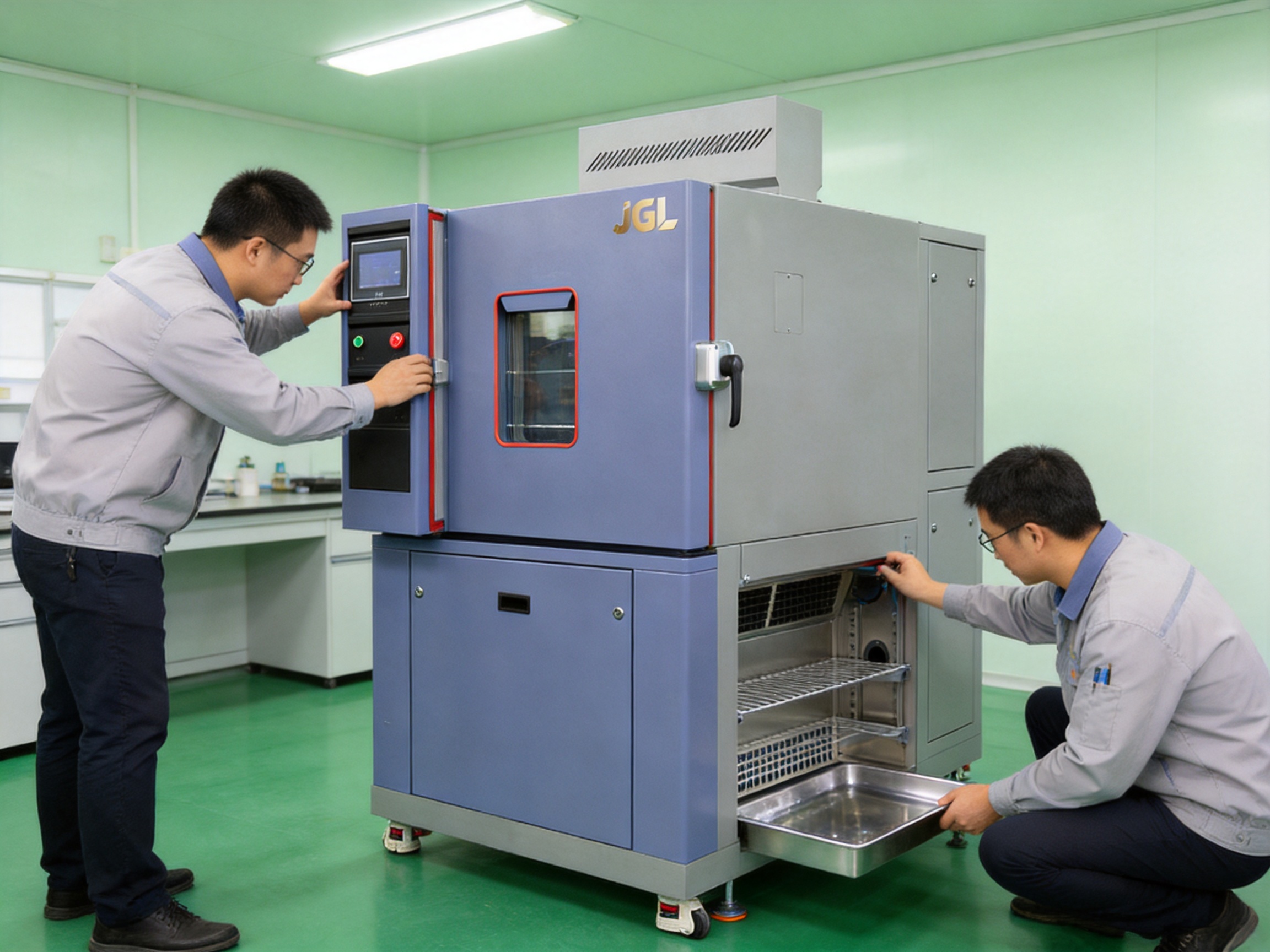
Modern products are expected to operate reliably in environments that may change rapidly and severely. Electronic assemblies encounter temperature fluctuations during transportation and use. Batteries may experience condensation, thermal stress, and humidity-related degradation. Automotive components must withstand seasonal changes, engine-compartment heat, cold starts, and prolonged exposure to moisture. Aerospace components face demanding combinations of low temperature, humidity variation, and material aging. To verify product reliability before commercialization, manufacturers need testing equipment capable of reproducing these conditions accurately and repeatedly.
The UTH-150-A high-low temperature humidity cycling chamber is designed for this purpose. It provides a controlled laboratory environment for temperature and humidity cycling tests, allowing engineers and quality teams to evaluate performance under simulated climatic stress. Its design combines precise temperature and humidity regulation, robust chamber construction, efficient refrigeration, reliable airflow, electrical safety features, and energy-conscious operation.
Rather than functioning as a simple heating or cooling cabinet, the UTH-150-A is an integrated environmental testing system. It coordinates sensing, control, humidification, refrigeration, airflow, insulation, water management, and safety protection to produce stable and repeatable test conditions. This integrated approach helps reduce test variability and gives users greater confidence in their results.
Why High-Low Temperature Humidity Cycling Matters
Many product failures do not occur because of a single extreme temperature. Instead, failures develop after repeated transitions between hot, cold, dry, and humid conditions. Thermal expansion and contraction can loosen connections, weaken solder joints, deform materials, or create stress at interfaces. Moisture can accelerate corrosion, reduce insulation resistance, cause swelling, and contribute to electrical leakage. When temperature changes occur together with humidity fluctuations, the resulting stress can be more severe than either factor alone.
A high-low temperature humidity cycling chamber allows these effects to be studied in a repeatable environment. A product can be exposed to programmed stages, such as a high-temperature and high-humidity period followed by cooling, stabilization, and another controlled exposure. Engineers can then inspect the product, measure electrical or mechanical performance, and determine whether the design meets internal or industry requirements.
Compared with uncontrolled field testing, laboratory cycling offers several important benefits. Test conditions can be documented, repeated, compared, and adjusted. Multiple development samples can be evaluated under the same profile. Potential weaknesses can be discovered earlier, before they lead to warranty claims, field failures, or costly redesigns. The chamber is therefore useful not only for final quality inspection but also for research and development, process verification, supplier qualification, and production testing.
Product Overview
The UTH-150-A is a cyclic high and low temperature humidity test chamber intended for controlled environmental simulation. Its principal function is to expose test specimens to programmed temperature and humidity conditions while maintaining uniform air circulation and stable control. The equipment is suitable for electronic products, batteries, automotive parts, aerospace components, materials, and other items whose reliability may be affected by climate variation.
The chamber uses a mirror-finished, film-coated stainless steel interior. This material selection supports corrosion resistance, simplifies cleaning, and helps maintain a professional laboratory environment. The door includes damped hinges that allow the opening angle to be adjusted smoothly. This improves accessibility when placing samples inside the chamber and reduces the risk of sudden door movement.
At the heart of the system is a balanced temperature and humidity control architecture. Dynamic proportional-integral-derivative control works together with water vapor partial pressure regulation to maintain accurate environmental conditions. This combination is particularly valuable during changing test stages, when the chamber must respond to new setpoints without excessive overshoot or unstable humidity behavior.
The refrigeration system includes a full-size stainless steel water tray. Condensation and defrost water can create corrosion problems in poorly designed chambers, especially when moisture remains in contact with vulnerable components. A stainless steel tray provides a durable collection surface and supports easier maintenance. The chamber also uses a Panasonic circulation fan equipped with high-temperature bearings rated for operation up to 200°C, helping sustain airflow reliability under demanding conditions.
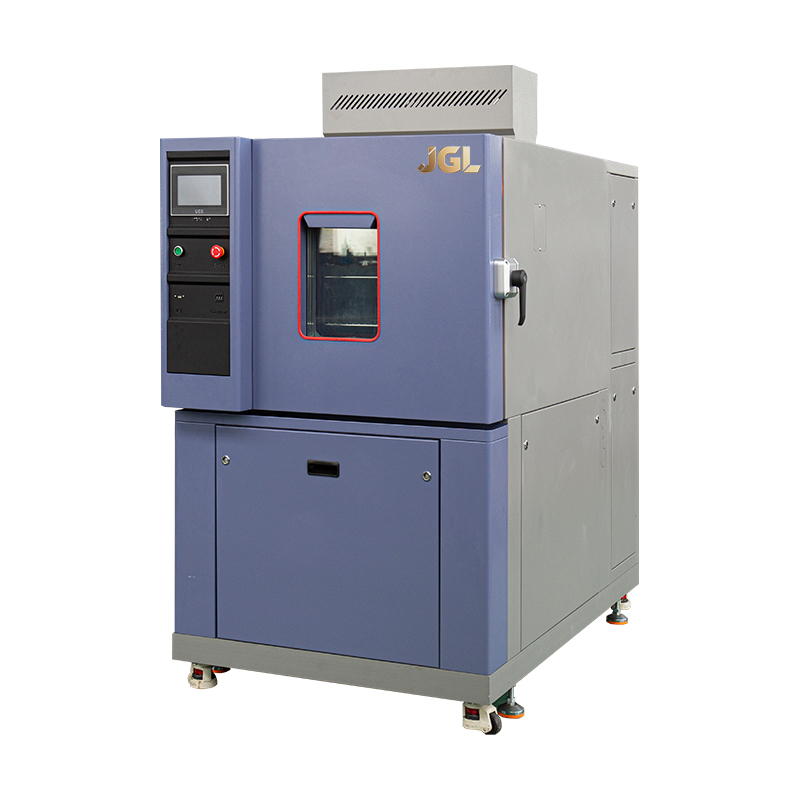
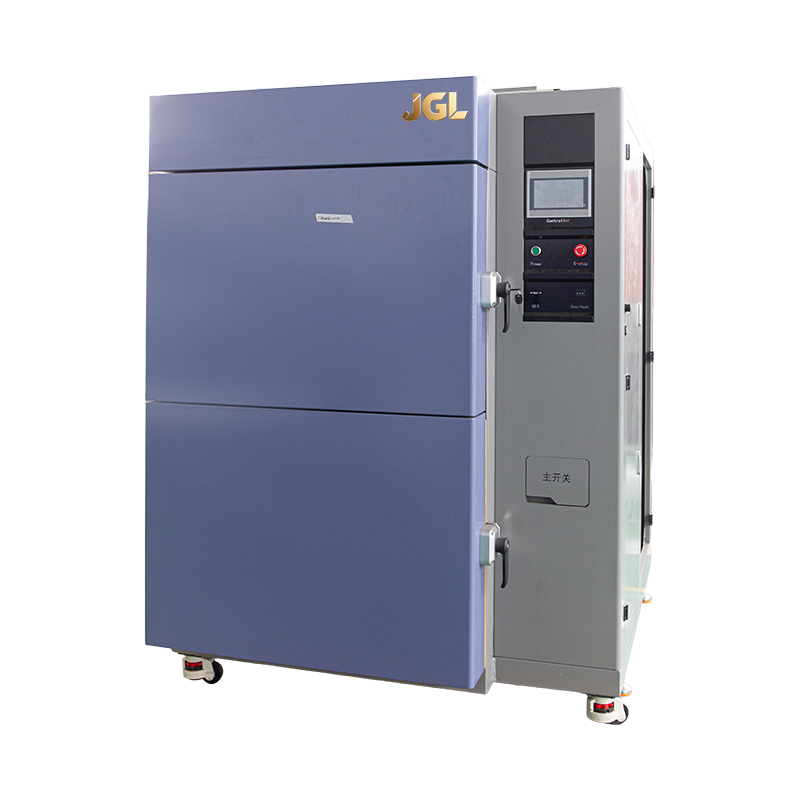
UTH-150-A High-Low Temperature Humidity Cycling Chamber
Core Engineering Advantages
Dynamic Temperature and Humidity Control
Environmental testing depends on more than reaching a target value. The chamber must reach the target in a controlled manner, maintain it for the required duration, and transition to the next stage without introducing unnecessary instability. The UTH-150-A uses dynamic PID control to coordinate thermal response. The controller continuously compares measured conditions with programmed values and adjusts the system to reduce deviation.
Dynamic control is advantageous during high-low cycling because the thermal load changes continuously. A chamber may need to move from a high-temperature condition to a low-temperature condition, then stabilize before humidity is introduced or adjusted. A static or poorly tuned control approach may produce large overshoot, slow recovery, or oscillation. A well-balanced PID strategy supports a smoother response and more repeatable test profile.
Humidity control is supported by water vapor partial pressure regulation. Relative humidity is affected by temperature, so simply adding or removing water vapor is not always sufficient. When temperature changes, the amount of vapor required to maintain a particular relative humidity also changes. Partial pressure regulation provides a more technically appropriate way to manage moisture during temperature transitions. This helps the chamber maintain more consistent humidity conditions and improves the validity of humidity-sensitive testing.
Uniform Air Circulation
Environmental conditions must be distributed evenly around the test specimen. If one area of the chamber is significantly hotter, colder, wetter, or drier than another, test results may reflect chamber nonuniformity rather than true product performance. The UTH-150-A addresses this requirement through a dedicated circulation system.
The Panasonic circulation fan uses high-temperature bearings designed for operation up to 200°C. Although actual test conditions may vary according to the configured application, the bearing rating provides a substantial reliability margin for a fan operating in a heated environment. Stable airflow supports uniform heat and moisture distribution, reduces local hot or cold spots, and helps ensure that different samples receive comparable exposure.
Consistent airflow is also important when samples have complex shapes or when several items are tested at the same time. Air movement helps transfer heat to surfaces, distribute moisture, and reduce stagnant zones. The result is a more representative test environment and greater confidence when comparing samples from different production lots.
Corrosion-Resistant Interior
The interior of a humidity chamber must withstand repeated exposure to water vapor, condensation, and cleaning procedures. Conventional materials may discolor, corrode, or become difficult to maintain. The UTH-150-A uses film-coated mirror stainless steel for the chamber interior. Its smooth surface is resistant to corrosion and easier to wipe clean after testing.
A clean interior is essential for reliable operation. Residual water, dust, or test debris can affect humidity behavior and may contaminate samples. The smooth stainless steel finish reduces areas where contaminants can accumulate. It also supports regular inspection, allowing operators to identify moisture buildup or unusual deposits at an early stage.
The stainless steel water tray provides a related advantage. Defrost condensation must be collected and removed without damaging the chamber structure. A full-size tray offers practical capacity and a durable surface, reducing the risk of corrosion associated with repeated contact between water and ordinary metal components.
Adjustable Damped Door Hinges
Access to the test area is a daily operational requirement. Operators need to load samples, remove completed specimens, inspect the chamber, and clean internal surfaces. The UTH-150-A incorporates damped hinges that allow flexible door positioning and controlled movement.
Damped hinges improve usability in several ways. They reduce abrupt door motion, help prevent accidental impact against nearby equipment, and make it easier for an operator to hold the door at a convenient angle while handling samples. Controlled movement also contributes to long-term mechanical durability by reducing stress on the door assembly and frame.
The design is particularly useful in laboratories where the chamber may be installed near benches, inspection instruments, or other environmental test equipment. Flexible access can make sample handling more efficient without compromising the chamber’s sealed operating condition.
Comparison with Conventional Environmental Chambers
Environmental chambers differ significantly in their ability to produce stable and repeatable test conditions. Basic heating or cooling cabinets may be sufficient for simple temperature exposure, but they often lack the humidity regulation, airflow stability, water management, and safety integration required for demanding cycling tests. The UTH-150-A is designed as a more complete system.
| Evaluation Area | Basic Temperature Cabinet | UTH-150-A High-Low Temperature Humidity Cycling Chamber | User Benefit |
|---|---|---|---|
| Environmental capability | Primarily temperature exposure | Temperature and humidity cycling with programmed environmental stages | Supports more realistic reliability simulations |
| Control method | Basic on-off or simple proportional control | Dynamic PID combined with water vapor partial pressure regulation | Improves stability and reduces unnecessary fluctuation |
| Air movement | May provide limited or uneven circulation | Dedicated high-temperature circulation fan | Promotes uniform exposure throughout the workspace |
| Interior materials | May use less corrosion-resistant surfaces | Film-coated mirror stainless steel | Supports durability, cleaning, and long-term humidity operation |
| Condensation management | Basic or separate drainage arrangement | Full-size stainless steel water tray | Reduces corrosion risk and simplifies water handling |
| Safety design | May provide limited protection | Integrated leakage protection design | Improves operator protection during extended testing |
| Energy management | May have less optimized insulation and components | Energy-efficient structure and environmentally conscious components | Helps reduce operating costs and laboratory energy demand |
The comparison does not mean that every conventional chamber is unsuitable. Rather, it demonstrates why a purpose-built temperature and humidity cycling chamber is preferable when the test objective involves changing climate conditions, moisture exposure, or long-duration reliability evaluation. The UTH-150-A integrates the functions that users would otherwise need to manage separately.
Energy-Efficient Operation
Environmental chambers can consume substantial energy because they must heat, cool, dehumidify, humidify, and circulate air over extended periods. Energy efficiency is therefore important both for operating cost control and for responsible laboratory management. The UTH-150-A is engineered with optimized insulation, environmentally friendly components, and a system architecture intended to reduce unnecessary energy consumption.
Effective insulation limits heat transfer between the chamber and the surrounding laboratory. When thermal loss is reduced, the refrigeration and heating systems do not need to work as hard to maintain the setpoint. Stable insulation also supports more consistent chamber performance during long dwell periods.
Energy efficiency should not be viewed only as a reduction in electrical consumption. It also influences laboratory productivity. A chamber that maintains conditions steadily and recovers efficiently may complete test programs with fewer interruptions. Reduced thermal stress on system components can support longer service life, while better moisture management can reduce the time spent on corrective cleaning and maintenance.
The environmentally conscious design approach is consistent with the needs of modern laboratories, which increasingly evaluate equipment according to total cost of ownership. Purchase price remains important, but energy demand, maintenance requirements, downtime, component life, and test repeatability are equally relevant when selecting equipment for long-term use.
Safety and Reliability Features
Leakage Protection
Electrical safety is essential for any apparatus that combines electrical power, heating, refrigeration, water, and humidity. The UTH-150-A includes a leakage protection design intended to reduce the risk associated with electrical leakage during operation. This is especially important during long-duration tests, when equipment may run unattended or overnight.
Leakage protection should be considered part of a complete laboratory safety program rather than a replacement for proper installation. Operators should still follow applicable electrical requirements, inspect cables and connections, keep the surrounding area dry, and ensure that the chamber is connected to an appropriate power supply and protective grounding system.
International-Grade Core Components
The chamber’s core electrical components are sourced from first-tier international brands. Component quality affects control stability, switching reliability, serviceability, and equipment life. Using established components can also make troubleshooting more straightforward because technicians are familiar with their operating characteristics and replacement procedures.
Reliable electrical components are particularly important in cycling applications. Repeated starts, stops, thermal transitions, compressor operation, fan operation, and humidity control create a demanding duty cycle. Components selected for dependable performance help the complete system maintain its intended function over repeated test programs.
Mechanical Durability
Durability is supported by several coordinated design choices: a corrosion-resistant stainless steel interior, a stainless steel water tray, damped door hinges, robust airflow equipment, and careful selection of electrical components. These features address different sources of wear and degradation.
A durable chamber is not simply one that survives high or low temperatures. It must also withstand repeated moisture exposure, condensation, cleaning, loading, unloading, and changes in thermal conditions. The UTH-150-A is designed with these practical laboratory demands in mind.
Manufacturing and Quality Strengths
The performance of an environmental chamber depends on manufacturing quality as much as on its component list. Control algorithms cannot compensate for poor sealing, inconsistent insulation, inaccurate sensors, weak wiring, or inadequate assembly. The manufacturer behind the UTH-150-A combines engineering development, equipment production, quality management, and international trade experience.
Established in 2010, Jiangsu Baisheng Industrial Co., Ltd. is a technology-driven enterprise specializing in laboratory equipment and safety testing instruments. Its development has been based on a dedicated research and development capability rather than on a purely trading model. This distinction is important for customers requiring customized configurations, technical clarification, and equipment adapted to specific testing procedures.
The company’s earlier development began with a research and development studio focused on electronic testing. This origin gave the engineering team practical experience with test requirements, laboratory workflows, and safety compliance considerations. In 2016, the organization developed an independent production line and introduced laboratory equipment with independent intellectual property rights.
In 2019, the company adopted a technology-plus-trade development strategy. This approach combined product engineering with international market knowledge. The resulting strength is useful for overseas customers because equipment selection often involves more than mechanical production. It may require technical communication, application analysis, documentation, packaging coordination, and after-sales support.
The company continued to improve its quality management system in 2022, while its products underwent rigorous technical specification evaluations. By 2025, it was continuing to promote product innovation, digitalization, and broader application scenarios. This history demonstrates an emphasis on progressive development rather than a fixed product range.
Application-Oriented Product Development
A high-low temperature humidity chamber should be designed around actual test tasks. The equipment must accommodate sample loading, test duration, thermal transitions, humidity control, observation, cleaning, and maintenance. Product development based on real application requirements can help identify details that are easily overlooked in a purely theoretical design.
The manufacturer’s experience with electronic testing provides a useful foundation for the UTH-150-A. Electronics and electrical products are especially sensitive to moisture, insulation changes, corrosion, thermal cycling, and connection reliability. Understanding these failure mechanisms helps guide the selection of chamber materials, control methods, airflow arrangements, and safety features.
Customized Laboratory Solutions
Different customers may need different test volumes, control interfaces, sample fixtures, access arrangements, or environmental profiles. A manufacturer with in-house technical capability is better positioned to discuss these requirements and propose a suitable configuration. Customization may involve the chamber structure, test workflow, monitoring arrangement, or integration with a broader laboratory system.
Customization should be managed carefully. Each change must be reviewed for its effect on airflow, sealing, heat transfer, humidity response, electrical load, and maintenance access. The advantage of an engineering-led manufacturer is that customization can be evaluated as a complete system rather than treated as an isolated modification.
Production and Inspection Discipline
Reliable manufacturing involves controlled assembly and inspection at multiple stages. The chamber structure must be assembled with appropriate alignment and sealing. The refrigeration, heating, humidification, and circulation systems must be installed according to their intended configuration. Electrical wiring must be organized, protected, and checked. Sensors and control elements must be verified before shipment.
Final testing should examine whether the equipment responds correctly to programmed conditions, whether the door closes properly, whether airflow is maintained, and whether safety functions operate as intended. Proper inspection reduces the likelihood of commissioning problems and helps customers begin testing more quickly after installation.
Because environmental chambers may be used in quality-critical applications, documentation is also important. Product records, operating instructions, maintenance guidance, electrical information, and test-related data help laboratory personnel operate the equipment consistently and support future service work.
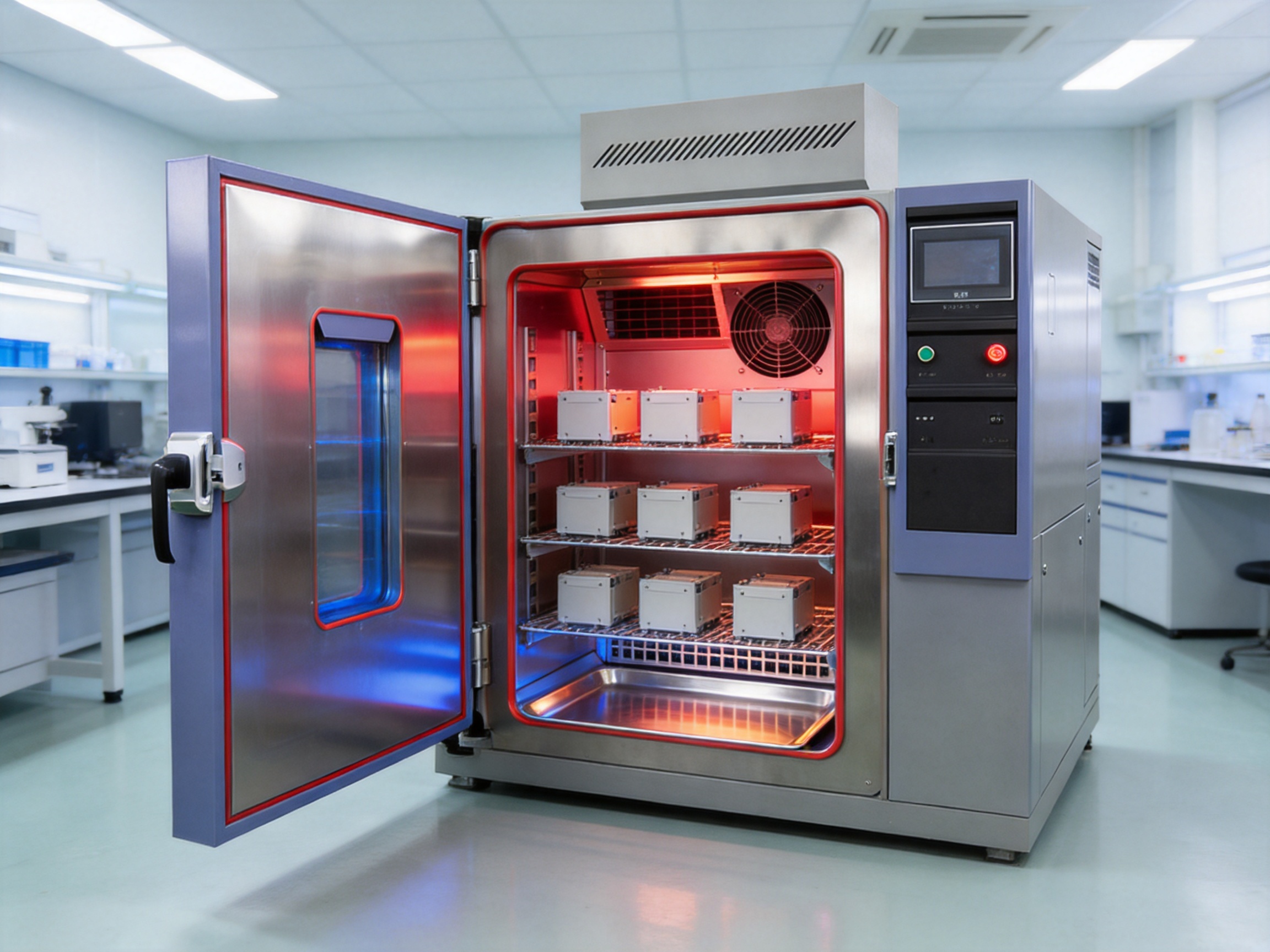
Applications Across Multiple Industries
Electronics and Electrical Products
Electronic components and assemblies can experience changes in resistance, insulation, solder integrity, adhesive performance, display behavior, and battery response when exposed to temperature and humidity cycling. The UTH-150-A helps manufacturers evaluate these effects under controlled conditions.
It can be used during design verification to compare materials and construction methods. It can also support quality inspection, incoming material evaluation, process validation, and failure analysis. For products intended for outdoor, industrial, transportation, or consumer applications, environmental cycling can reveal weaknesses that ordinary room-temperature testing may not detect.
Batteries and Energy Storage Components
Batteries are sensitive to temperature because electrochemical performance changes with heat and cold. Humidity can also affect housings, terminals, insulation, connectors, and protective components. A controlled chamber allows engineers to investigate performance changes and identify environmental limits.
Battery testing must always follow appropriate safety procedures and application-specific protocols. The chamber should be selected and configured according to the type, size, chemistry, energy level, and potential hazards of the samples. Operators must also consider protection, monitoring, sample spacing, and emergency procedures before beginning a test.
Automotive Components
Automotive parts are exposed to rapid environmental changes throughout their service life. Interior electronics may encounter seasonal humidity and temperature variation, while under-hood components can face heat, vibration, moisture, and repeated thermal transitions. Sensors, connectors, lighting assemblies, displays, control modules, seals, and plastic parts can all benefit from climatic testing.
The chamber helps suppliers and vehicle manufacturers compare designs, qualify materials, and identify potential failures before field trials. It can also be used for production audits when a consistent environmental stress test is included in a quality plan.
Aerospace and Advanced Materials
Aerospace components require dependable performance under demanding conditions. Temperature variation can affect dimensional stability, coatings, seals, electronic assemblies, and composite materials. Humidity exposure may accelerate corrosion or influence bonding and insulation properties.
Although laboratory testing cannot reproduce every aspect of an aerospace environment, controlled temperature and humidity cycling provides valuable information about material behavior and product robustness. The UTH-150-A can be incorporated into a wider qualification program involving mechanical, electrical, vibration, and pressure-related tests.
Material Aging and Research
Materials such as plastics, elastomers, coatings, adhesives, films, textiles, and packaging products may change after repeated exposure to heat and moisture. Researchers can use the chamber to compare formulations, study aging mechanisms, and estimate performance retention.
For material studies, consistency is particularly important. Samples should be prepared with controlled dimensions and conditioning history. The same test profile should be applied to comparison groups, and measurements should be taken before, during, or after exposure according to the research objective. A stable chamber environment supports more meaningful conclusions.
Recommended Testing Workflow
A successful environmental test begins before the chamber is switched on. The test objective should be clearly defined, including the property to be evaluated, the environmental profile, sample quantity, exposure duration, acceptance criteria, and measurement method.
Operators should inspect samples for damage and record their initial condition. Electrical products may require baseline measurements such as operating current, insulation resistance, signal output, or communication performance. Physical samples may require mass, dimensions, hardness, appearance, or tensile measurements. Establishing baseline data makes it easier to quantify changes after cycling.
The chamber should be loaded so that airflow is not unnecessarily blocked. Samples should be spaced appropriately and positioned to represent the intended test configuration. Excessive loading can reduce air circulation and affect recovery time, while poor placement may create misleading exposure differences.
Before a long test begins, the programmed profile should be reviewed. Temperature stages, humidity stages, ramp transitions, dwell times, and repetition counts should correspond to the written test plan. Operators should confirm that the selected profile does not exceed the limitations of the samples or the intended chamber configuration.
During testing, important observations should be recorded. These may include unusual odors, visible condensation, discoloration, leakage, deformation, electrical interruptions, or unexpected alarms. If a sample is energized inside the chamber, the measurement and safety arrangement must be designed specifically for that purpose.
After the test, samples should be allowed to stabilize according to the applicable procedure before final measurements are taken. Results should be compared with baseline data and acceptance criteria. The chamber interior should be inspected, and the water tray should be emptied or cleaned as required. Good housekeeping supports reliable operation during the next test cycle.
Maintenance Considerations
Regular maintenance helps preserve control accuracy, airflow performance, and equipment life. Operators should keep the interior clean and remove standing water or residue. The stainless steel water tray should be checked for deposits and cleaned using suitable materials that will not damage the surface.
The door seal and hinge area should be inspected periodically. A compromised seal can increase energy consumption, slow recovery, and create humidity instability. Damped hinges should move smoothly without excessive looseness or resistance. Any unusual door alignment should be addressed before it affects chamber sealing.
The circulation fan should be monitored for abnormal noise, vibration, or reduced airflow. Because the fan is central to environmental uniformity, any change in its operation should be investigated promptly. The high-temperature bearing design improves durability, but no bearing or motor is maintenance-free under all operating conditions.
Refrigeration and electrical systems should be inspected by qualified personnel according to the maintenance schedule. Sensors, wiring, protective devices, and control elements may require periodic verification. Calibration intervals should be established according to the laboratory’s quality system, usage frequency, regulatory obligations, and required measurement uncertainty.
Maintenance records should include the date, work performed, findings, replacement parts, calibration results, and technician information. These records help identify trends and support audits. They also make it easier to plan preventive maintenance rather than waiting for an unexpected failure.
Selection Guidance for Buyers
When selecting a high-low temperature humidity cycling chamber, users should evaluate the complete application rather than focusing only on nominal chamber size or purchase price. Important questions include the type of samples, required temperature and humidity profiles, sample quantity, test duration, monitoring requirements, installation environment, power availability, and service expectations.
Control precision and recovery behavior are important when the test includes rapid transitions. Airflow uniformity matters when samples occupy a large portion of the workspace or when results must be compared between locations. Interior materials and drainage design matter when humidity tests are frequent. Safety protection and documentation matter when tests run for long periods or involve energized products.
Energy consumption should also be considered. A chamber that is inexpensive to purchase but inefficient to operate may cost more over its service life. Buyers should examine insulation, refrigeration design, control strategy, operating schedule, maintenance requirements, and expected utilization.
Technical support is another differentiating factor. Customers may need assistance with application selection, test profile development, installation, calibration, troubleshooting, spare parts, or integration with existing laboratory procedures. A manufacturer that combines engineering knowledge with international supply experience can provide more practical support than a supplier focused only on shipment.
Advantages for Research and Quality Departments
For research departments, the UTH-150-A provides a controlled platform for exploring how products and materials respond to environmental stress. It can support design comparisons, accelerated aging studies, prototype evaluation, and the development of internal test procedures. The ability to repeat defined temperature and humidity cycles helps engineers make decisions based on evidence rather than assumptions.
For quality departments, the chamber supports incoming inspection, production audits, reliability verification, and failure investigation. A stable test environment improves confidence when comparing suppliers, production batches, or design revisions. It also helps create documented evidence that products have been exposed to defined conditions.
For production departments, environmental testing can be used selectively to monitor process consistency. The chamber is not necessarily intended to test every unit, but it can be included in sampling plans, first-article verification, process-change validation, or periodic reliability audits.
For international customers, the equipment can serve as part of a broader laboratory solution. The manufacturer’s combined experience in product development and foreign trade supports communication across technical and commercial requirements. This is valuable when customers need customized equipment, coordinated delivery, or documentation for internal qualification.
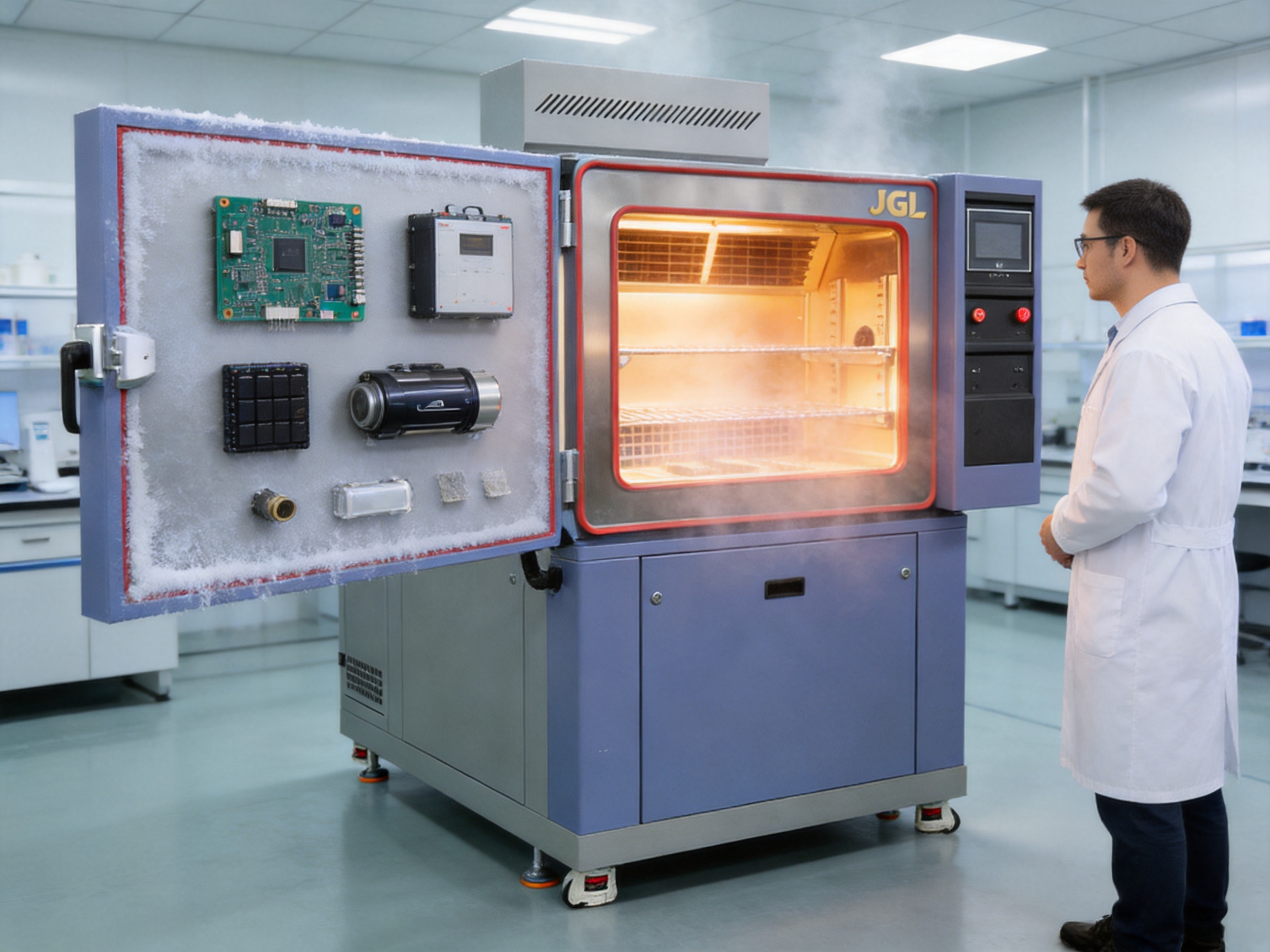
How the Chamber Supports Competitive Product Development
Product development cycles are becoming shorter, while customer expectations for reliability are becoming higher. Manufacturers must identify environmental weaknesses early and make design improvements before tooling, certification, and mass production are complete. A dependable temperature and humidity cycling chamber contributes directly to this process.
Testing can reveal whether a selected enclosure material remains stable, whether a seal maintains integrity, whether a connector resists moisture, whether an adhesive loses strength, or whether an electronic assembly continues to function after repeated climatic transitions. This information can guide material selection, structural design, coating choice, process control, and packaging decisions.
The chamber also encourages a more systematic engineering culture. Instead of treating environmental reliability as a final inspection issue, companies can include temperature and humidity cycling in early design reviews. Test data can be compared across prototypes, and corrective actions can be verified using the same or an improved profile.
In this context, the UTH-150-A is not only a laboratory appliance. It is a development tool that helps shorten feedback cycles, support root-cause analysis, and reduce the commercial risk associated with premature product release.
Operational Best Practices
Operators should avoid opening the door unnecessarily during a test. Door openings disturb the internal environment, extend recovery time, and may influence the test result. If visual inspection is required, the test plan should define when and how the door may be opened.
Samples should be prepared consistently. Differences in sample mass, surface condition, packaging, or placement can influence heat and moisture transfer. A written loading plan helps maintain consistency between test runs.
Humidity testing requires attention to water quality and water management. The selected water supply should follow the equipment instructions and laboratory practice. Water should not be allowed to remain in the chamber for excessive periods, and the tray should be inspected routinely.
Operators should also distinguish between chamber performance and sample performance. A product may generate heat, release moisture, or obstruct airflow. Such effects should be considered when designing the test arrangement. If samples are energized, their heat output and electrical connections must be evaluated in advance.
Finally, results should be interpreted in relation to the test objective. A single failure does not always identify the root cause, and a successful cycle does not guarantee performance in every field environment. Environmental cycling is most valuable when combined with appropriate inspection, measurement, analysis, and complementary tests.
Frequently Asked Questions
What is the primary purpose of the UTH-150-A?
The UTH-150-A is designed to simulate controlled high-low temperature and humidity conditions for reliability, aging, quality, and research testing. It helps users evaluate how products and materials respond to repeated environmental changes.
What types of products can be tested?
The chamber is suitable for electronics, batteries, automotive parts, aerospace components, packaging, coatings, polymers, adhesives, and other materials or assemblies that may be affected by temperature and humidity.
How does dynamic PID control improve testing?
Dynamic PID control continuously adjusts the chamber system in response to measured deviations from the programmed setpoint. This supports smoother transitions, reduced overshoot, and more stable conditions during changing temperature stages.
Why is water vapor partial pressure regulation useful?
Relative humidity changes with temperature, so humidity cannot always be controlled accurately by adding water alone. Water vapor partial pressure regulation provides a more precise method of managing moisture as the chamber temperature changes.
What is the benefit of the stainless steel interior?
The film-coated mirror stainless steel interior offers corrosion resistance, durability, and easier cleaning. These qualities are valuable in a chamber that operates repeatedly with humidity and condensation.
Why is the circulation fan important?
The circulation fan distributes heat and moisture throughout the workspace. The UTH-150-A uses a Panasonic fan with high-temperature bearings rated up to 200°C, supporting airflow reliability and environmental uniformity.
Does the chamber include safety protection?
Yes. The chamber incorporates a leakage protection design intended to improve electrical safety during operation, including long-duration testing. Correct installation, grounding, inspection, and operator training remain necessary.
How does the water tray help prevent corrosion?
The full-size stainless steel water tray collects defrost condensation and provides a corrosion-resistant surface for water management. This helps protect the chamber structure and simplifies cleaning.
Can the chamber support customized laboratory requirements?
Configuration requirements should be discussed with the manufacturer. The company has a research and development background and can evaluate application-specific needs such as test workflows, sample arrangements, monitoring, and related laboratory solutions.
What should be considered before installation?
Users should review available floor space, ventilation, power supply, access for maintenance, ambient laboratory conditions, drainage or water management needs, and the intended sample-testing procedure.
How often should the chamber be calibrated?
Calibration frequency depends on usage, internal quality requirements, applicable standards, and the level of measurement confidence required. Laboratories should establish a documented schedule and use qualified calibration personnel.
Is the UTH-150-A suitable for unattended operation?
Long-duration operation may be possible when the equipment is correctly installed and the test plan includes appropriate monitoring and safety procedures. Users should follow the operating instructions and establish safeguards suitable for the samples and application.
Conclusion
The UTH-150-A high-low temperature humidity cycling chamber provides an integrated solution for demanding environmental simulation. Its advantages are based on the interaction of several features: dynamic PID control, water vapor partial pressure regulation, reliable air circulation, corrosion-resistant stainless steel construction, a durable water tray, damped door hinges, leakage protection, internationally sourced electrical components, and energy-conscious design.
These features give the chamber practical advantages over simpler temperature cabinets and less integrated environmental systems. The equipment is designed to help users obtain more stable conditions, more uniform sample exposure, safer operation, easier maintenance, and more repeatable results.
The manufacturer’s strengths further support the product. With a history rooted in electronic testing research and a development strategy that combines engineering with international trade, Jiangsu Baisheng Industrial Co., Ltd. is positioned to provide more than standard equipment supply. Its R&D capability, independent production experience, quality-system development, customized solution approach, and commitment to precision support customers in research, quality inspection, and production testing.
For organizations evaluating electronics, batteries, automotive components, aerospace materials, or other climate-sensitive products, the UTH-150-A can become a central part of a reliability testing program. By transforming complex environmental stress into controlled and repeatable laboratory cycles, it helps engineers make better design decisions and helps manufacturers deliver products with greater confidence.
References
1. International Electrotechnical Commission, Environmental Testing Procedures and Climatic Test Principles, technical reference material.
2. International Organization for Standardization, Quality Management Systems: Requirements and Implementation Guidance, technical reference material.
3. American Society for Testing and Materials, Standard Practices for Temperature, Humidity, and Environmental Conditioning of Materials and Products, technical reference material.
4. International Electrotechnical Commission, Environmental Testing Guidance for Electronic and Electrical Equipment, technical reference material.
5. Manufacturer Product Information, UTH-150-A High-Low Temperature Humidity Cycling Chamber, technical product documentation.
6. Manufacturer Quality and Application Information, Laboratory Testing Equipment and Customized Environmental Simulation Solutions, technical company documentation.
Product: UTH-150-A High-Low Temperature Humidity Cycling Chamber

PREV:Precision Ion Beam Processing for Advanced Surface Preparation and Thin Film Deposition
NEXT:Precision Ground Bond Testing for Modern Electrical Safety and Automated Quality Control
NEXT:Precision Ground Bond Testing for Modern Electrical Safety and Automated Quality Control
Interested in cooperation or have questions?
Featured Products
Related products
Quick Link
Contact Information
- Tel: +86-13861043568
- E-mail: 1840784112@qq.com
- Add: Tianting District, Changzhou City, Jiangsu Province, China, No. 6 Hecircuit
Scan Code
Copyright © JIANGSU BAISHENG INDUSTRIAL CO., LTD.
All Rights Reserved. Privacy Custom Precision Laboratory Testing Equipment Manufacturers
