 English
 Español
NEWS
NEWS
NEWS
NEWS
NEWS
NEWS
NEWS
NEWS
NEWS
NEWS
NEWS
NEWS
NEWS
NEWS
NEWS
NEWS

Deng Xinyi — Product After-Sales Support Specialist
Home / Author / Deng Xinyi — Product After-Sales Support Specialist / Precision Ion Beam Processing for Advanced Surface Preparation and Thin Film Deposition
Precision Ion Beam Processing for Advanced Surface Preparation and Thin Film Deposition
Content
- 1 1. The Role of Ion Beam Processing in Modern Laboratories
- 2 2. Core Capabilities of the HSC121 System
- 3 3. Ambient and Cryogenic Sample Processing
- 4 4. Advantages Compared with Conventional and Less Integrated Systems
- 5 5. Comparison of Processing Approaches
- 6 6. System Stability, Control, and Reproducibility
- 7 7. Manufacturing and Engineering Strengths
- 8 8. Applications in Materials Science
- 9 9. Applications in Semiconductors and Microelectronics
- 10 10. Applications in Life Sciences and Nanotechnology
- 11 11. Applications in Energy Materials
- 12 12. Recommended Laboratory Workflow
- 13 13. Quality, Safety, and Maintenance Considerations
- 14 14. Selecting the System for a Specific Laboratory
- 15 15. Why Manufacturing Experience Matters
- 16 16. Frequently Asked Questions
- 16.1 16.1 What is the primary purpose of the HSC121?
- 16.2 16.2 Can the system be used for electron microscopy preparation?
- 16.3 16.3 Does the HSC121 support cryogenic operation?
- 16.4 16.4 What types of materials can be processed?
- 16.5 16.5 What is the benefit of combining etching and deposition?
- 16.6 16.6 How does automated rastering help users?
- 16.7 16.7 Is the system suitable for semiconductor failure analysis?
- 16.8 16.8 Can the system be integrated with cryo-transfer equipment?
- 16.9 16.9 What should be considered before purchasing?
- 16.10 16.10 Who manufactures the HSC121?
- 17 17. Conclusion
- 18 References
- 19 Product: HSC121 Ion Beam Etching and Thin Film Deposition System
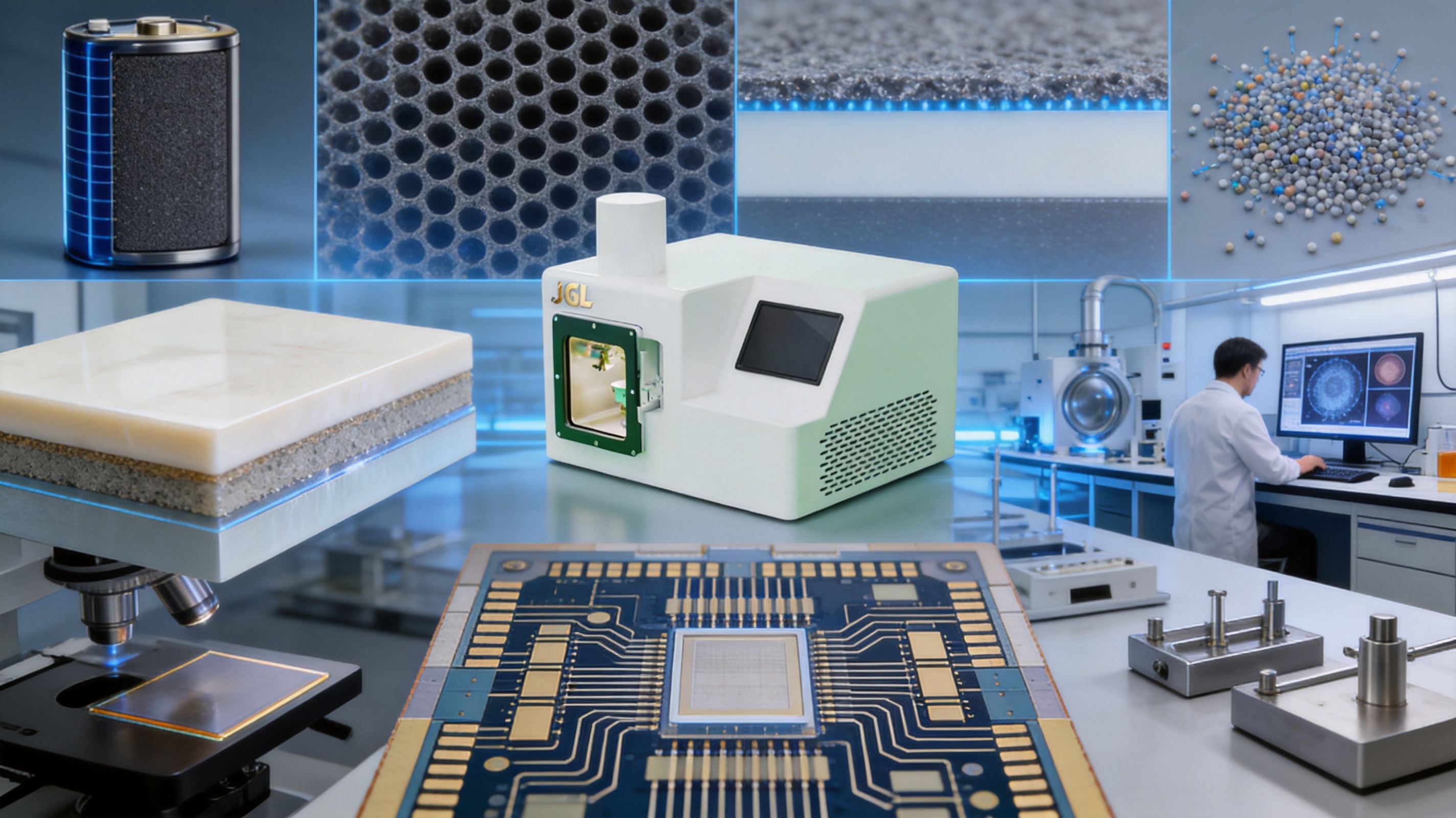
Modern materials research, semiconductor analysis, electron microscopy, and cryogenic science increasingly depend on the ability to prepare samples with exceptional precision. A surface that is rough, contaminated, thermally damaged, or mechanically distorted can compromise an entire analytical workflow. The HSC121 Ion Beam Etching and Thin Film Deposition System is designed to address these challenges by combining controlled ion beam etching, milling, polishing, and thin film deposition in one advanced laboratory platform.
The system is intended for applications that require high-quality surfaces, accurate cross-sections, ultra-thin coatings, and careful handling of sensitive materials. It supports both ambient-temperature and cryogenic processing, making it suitable for metals, ceramics, polymers, biological specimens, semiconductor structures, battery materials, and other advanced samples. By integrating material removal and coating functions, the HSC121 can help laboratories reduce transfers between instruments, protect delicate specimens, and improve the consistency of preparation results.
Its value is not limited to a single processing technique. Instead, the system provides a flexible environment in which users can perform localized etching, cross-section preparation, surface polishing, sample thinning, and high-purity deposition according to the needs of a specific project. This integrated design is especially useful when the final objective is high-resolution observation by electron microscopy or precise characterization of interfaces and multilayer structures.
1. The Role of Ion Beam Processing in Modern Laboratories
Ion beam processing uses accelerated ions to remove, modify, or deposit material under controlled conditions. Compared with conventional mechanical preparation, ion beam techniques can provide a cleaner and more localized method of surface treatment. Mechanical cutting and polishing may introduce scratches, deformation, embedded abrasive particles, edge rounding, or residual stress. These effects can obscure the true structure of a specimen and make later analysis more difficult.
In an ion beam system, the beam is directed toward the sample with carefully controlled energy, angle, position, and exposure time. Material is removed through sputtering, allowing the operator to prepare a cross-section, thin a specimen, polish a surface, or expose a buried interface. Because the process is digitally controllable, it can be adapted to samples with different hardnesses, geometries, and sensitivities.
Ion beam processing is particularly valuable for electron microscopy. Transmission electron microscopy requires extremely thin specimens, while scanning electron microscopy often benefits from clean, damage-free cross-sections. Focused preparation is also important for semiconductor failure analysis, where a defect may be located within a very small region of a complex multilayer device. In materials science, the same approach can reveal grain boundaries, coatings, cracks, pores, diffusion layers, phase interfaces, and degradation products.
The HSC121 is positioned as a multifunctional solution for these requirements. It combines precision etching and milling with coating capabilities, allowing the same general platform to support both removal and addition of material. This is a practical advantage for laboratories that work with diverse projects and cannot justify separate systems for every preparation task.
2. Core Capabilities of the HSC121 System
2.1 Precision Ion Beam Etching
The HSC121 is designed to perform controlled ion beam etching for surface modification, cross-sectioning, thinning, and polishing. The process can be used to remove selected layers or prepare a smooth observation surface without relying entirely on mechanical contact. This is helpful when the material is brittle, layered, porous, soft, or easily deformed.
Uniform beam distribution is important for consistent processing. Uneven exposure can produce local over-etching, unprocessed zones, or unwanted surface topography. The HSC121 incorporates fine beam control and automated rastering functions to support more even treatment across the selected region. Automated movement can also reduce operator-dependent variation, which is valuable when a laboratory needs to compare multiple samples or establish a repeatable preparation method.
The system can be applied to hard materials such as ceramics and semiconductor packages, as well as softer materials including polymers and biological specimens. The appropriate operating conditions depend on the sample composition, geometry, thermal sensitivity, and desired final thickness. The system’s flexibility allows users to develop process recipes that balance material removal rate, surface quality, and specimen protection.
2.2 Milling and Cross-Section Preparation
Cross-section preparation is one of the most important uses of an ion beam system. A properly prepared cross-section exposes internal structures without excessive smearing or mechanical deformation. This is essential when investigating solder joints, interconnects, coatings, multilayer devices, composites, cracks, delamination, and interfaces.
For semiconductor and microelectronics applications, controlled milling can help expose transistor structures, advanced packaging layers, interconnect failures, and localized defects. Features such as FinFET structures and other three-dimensional device architectures require careful removal of surrounding material. Excessive force or poorly controlled preparation can destroy the very feature being examined. Ion beam processing provides a non-contact route for removing material with a high level of positional control.
In materials research, cross-sectioning can be used to examine the adhesion and thickness of protective coatings, the distribution of reinforcement phases in composites, or the internal morphology of energy-storage materials. The HSC121 can support these investigations by providing a preparation method that is adaptable to different material combinations and sample sizes.
2.3 Surface Polishing and Low-Damage Finishing
Surface polishing is not simply a cosmetic operation. A rough or damaged surface can alter the interpretation of microscopic and spectroscopic results. It can create artificial contrast, mask small defects, and make the measurement of layer thickness or interface quality less reliable.
Ion beam polishing can be used as a final finishing step after cutting, grinding, or mechanical polishing. It can remove a shallow damaged layer and improve the quality of the surface presented to the microscope. In some cases, it may also serve as the main preparation method when mechanical contact is unsuitable.
The HSC121 is designed to support low-damage surface modification. This is especially relevant for materials that are sensitive to stress, heat, contamination, or chemical attack. Controlled processing conditions can help preserve the original microstructure and reduce preparation artifacts. The final result depends on the selected beam parameters and material properties, but the system provides the process-control functions required for method development.
2.4 Thin Film Deposition
In addition to removing material, the HSC121 supports the deposition of thin films using metals or other functional materials. Thin film deposition can serve several purposes. It may improve electrical conductivity, provide a protective layer, create a contrast-enhancing coating, form a functional interface, or prepare a surface for subsequent testing.
High-purity deposition is important because contamination can interfere with microscopy, spectroscopy, electrical measurements, and surface analysis. Uniform coverage is equally important, particularly when the coating is used to stabilize a delicate sample or create a controlled conductive path. The HSC121 is designed to support consistent coating under controlled conditions, with attention to process stability and contamination reduction.
Combining deposition and etching in a single system creates a useful workflow advantage. A sample can be cleaned or shaped before coating, then coated without being transferred to a different chamber or preparation station. This can reduce handling, limit exposure to the laboratory environment, and help maintain alignment between preparation steps.
3. Ambient and Cryogenic Sample Processing
Many conventional preparation methods are suitable for robust materials but may be unsuitable for specimens that change structure when heated, dried, exposed to vacuum, or subjected to mechanical stress. Biological specimens, soft matter, hydrated materials, some polymers, battery components, and low-temperature phases may require cryogenic protection during transfer and preparation.
The HSC121 is compatible with both room-temperature and cryogenic sample processing. This flexibility allows laboratories to select a suitable preparation environment according to the physical and chemical sensitivity of the sample. Ambient operation can be used for common metals, ceramics, semiconductor components, and other stable materials. Cryogenic operation can help protect samples whose morphology or composition may change during conventional preparation.
Low-temperature processing may reduce the risk of structural collapse, volatile loss, redistribution of components, or thermal alteration. For biological specimens, cryogenic conditions can help preserve delicate structures. For battery electrodes and solid electrolyte interfaces, temperature control may be important when studying materials in a state closer to their operating or preserved condition.
The cryogenic capability also supports workflows connected to cryo-transfer equipment, including compatible LSCT-series transfer systems where applicable. A controlled transfer route can help maintain the sample condition between preparation and electron microscopy. This is particularly valuable when exposure to ambient conditions could lead to ice contamination, dehydration, oxidation, or other changes.
Users should select cryogenic operating parameters according to the specimen’s composition and research objective. Cryogenic processing is not a universal substitute for ambient preparation; rather, it is an additional capability that expands the range of samples that can be handled by the same laboratory platform.
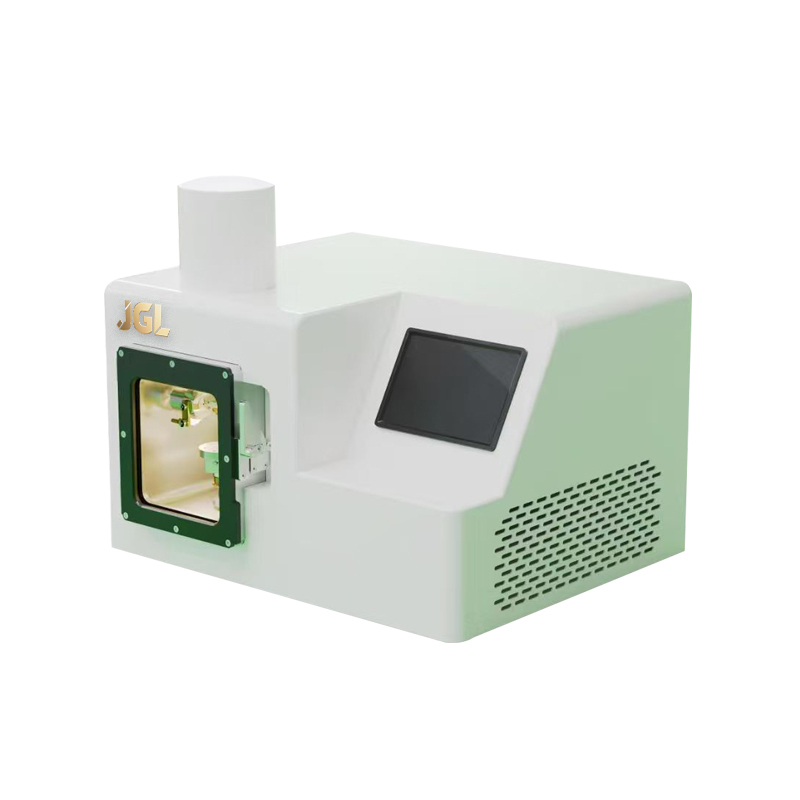
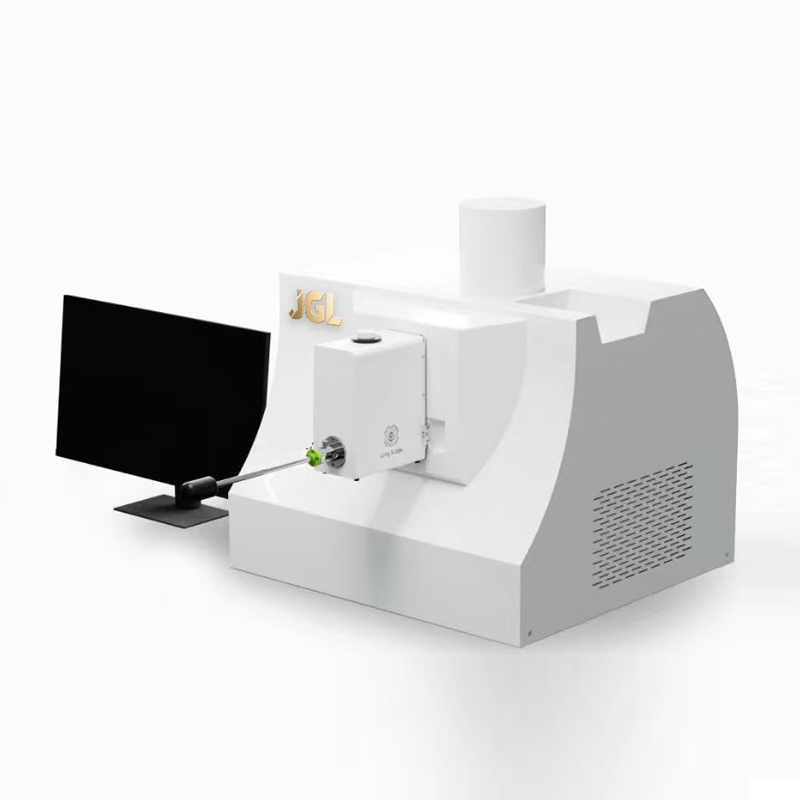
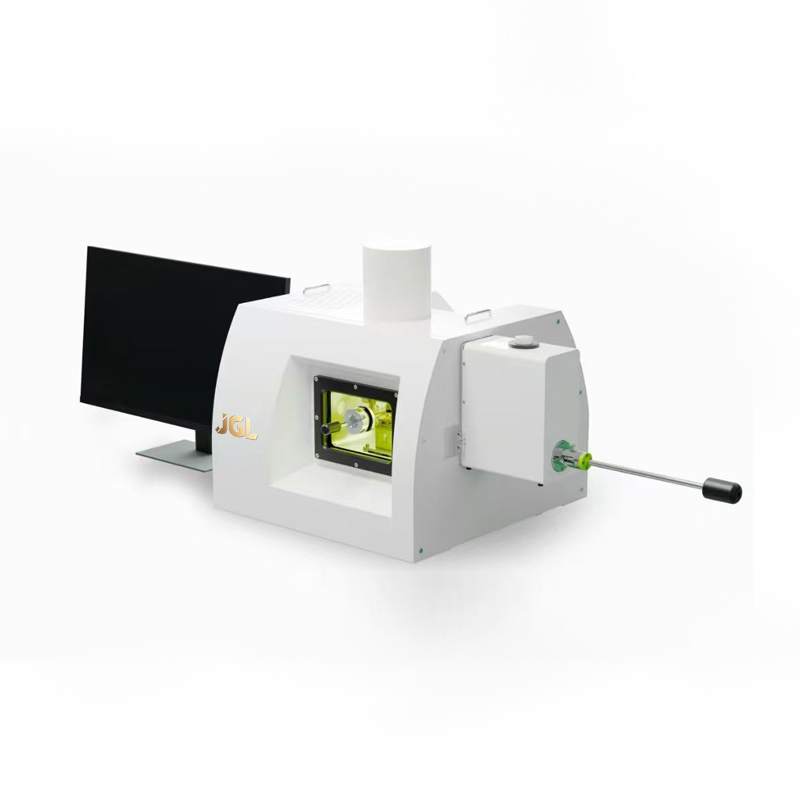
HSC121 Ion Beam Etching and Thin Film Deposition System
4. Advantages Compared with Conventional and Less Integrated Systems
4.1 One Platform for Multiple Preparation Functions
A major advantage of the HSC121 is its multifunctional design. In a less integrated laboratory, etching, polishing, coating, and cryogenic transfer may require several separate instruments. Each transfer introduces opportunities for contamination, misalignment, sample damage, and process delay. Separate equipment also increases the space, maintenance, training, and purchasing requirements of the laboratory.
By bringing major preparation functions together, the HSC121 can simplify the overall workflow. A sample may be prepared, refined, and coated using a coordinated sequence. This does not eliminate the need for other instruments in a complete laboratory, but it can reduce dependence on disconnected preparation steps and improve process continuity.
4.2 Better Control than Manual Preparation Alone
Manual preparation methods depend heavily on operator skill and physical handling. Experienced technicians can achieve excellent results, but repeatability may still vary when samples have different hardnesses, shapes, coatings, or internal structures. Automated rastering and fine beam control help establish a more consistent process.
Process monitoring further supports repeatability by allowing operators to observe or record key operating conditions. A documented recipe can be adapted for future samples, which is useful in failure analysis, production quality control, and long-term research programs. Consistency is particularly important when the purpose of preparation is to compare samples from different production lots or stages of material degradation.
4.3 Reduced Mechanical Damage
Mechanical cutting and polishing remain useful techniques, but they can cause deformation and introduce preparation artifacts. The HSC121 provides a non-contact ion beam approach that can be used to refine or replace mechanical steps in sensitive applications. The result can be a cleaner surface and a more accurate representation of the material beneath it.
For hard materials, ion beam processing can reach locations that are difficult to polish mechanically. For soft materials, it can avoid some of the smearing associated with abrasive contact. For layered structures, controlled removal can help preserve the distinction between adjacent materials.
4.4 Cryogenic Flexibility
Many standard etching and coating platforms are primarily intended for room-temperature operation. The HSC121’s ability to support cryogenic and ambient processing gives it a broader application range. Laboratories can use the same general system for conventional solid materials and specimens requiring low-temperature protection.
This flexibility is valuable for institutions working across materials science, life sciences, semiconductor analysis, and energy research. It also supports collaboration between departments because the system is not limited to one sample class or one research discipline.
4.5 Controlled Deposition and Surface Protection
A separate coating step may expose a prepared surface to air, moisture, dust, or accidental contact. Integrated thin film deposition helps reduce such exposure. It also allows coating to be performed after etching or polishing while the sample remains within a controlled environment.
Uniform, high-purity coatings can improve the reliability of subsequent observation and measurement. Depending on the selected material and purpose, a deposited film may provide conductivity, protection, contrast, or a functional surface. The ability to combine coating with material removal gives users more options when developing specialized preparation routines.
5. Comparison of Processing Approaches
| Processing approach | Typical strengths | Common limitations | Role of the HSC121 |
|---|---|---|---|
| Mechanical cutting and polishing | Widely available, familiar, and suitable for bulk specimens | May create scratches, deformation, edge rounding, embedded particles, or stress | Provides ion beam finishing or an alternative low-contact preparation route |
| Chemical or plasma treatment | Can remove selected materials quickly under suitable conditions | May require specialized chemistry, produce residues, or affect sensitive phases | Offers controlled physical removal without depending solely on wet chemistry |
| Separate coating equipment | Effective for dedicated deposition tasks | Requires additional transfer, alignment, space, and maintenance | Combines thin film deposition with etching and polishing functions |
| Room-temperature-only preparation | Suitable for stable metals, ceramics, and many electronic components | May alter biological, hydrated, volatile, or thermally sensitive specimens | Supports ambient and cryogenic workflows according to sample requirements |
| Manual beam processing without automated rastering | Can be flexible for experienced operators | May have greater operator-to-operator variation | Uses fine beam control, automated rastering, and monitoring to improve consistency |
The table illustrates that the HSC121 should not be viewed only as a replacement for one individual instrument. Its principal advantage is the way multiple capabilities are combined into a controlled preparation environment. The best choice still depends on the material, desired result, laboratory workflow, and available process expertise. However, an integrated ion beam and deposition system can offer meaningful efficiency and quality benefits when a laboratory handles varied or demanding samples.
6. System Stability, Control, and Reproducibility
Precision sample preparation depends on more than beam energy. System stability, vacuum conditions, sample positioning, beam uniformity, process timing, and operator control all influence the final result. Small variations may become significant when preparing thin layers, nanoscale features, or fragile samples.
The HSC121 is designed with high stability and control as central features. Fine beam adjustment allows the operator to tune the process for different materials and objectives. Automated rastering can distribute the beam across a defined region rather than relying on irregular manual movement. Process monitoring helps the user follow the operating state and identify deviations during preparation.
These functions support repeatable laboratory procedures. A repeatable procedure is important for research because it improves the credibility of comparisons between samples. It is also important for industrial analysis, where failure investigations may need to be repeated or verified by another technician.
Reproducibility can be improved further through written process documentation. A laboratory may record sample identity, pre-treatment, mounting method, beam settings, exposure time, temperature, deposition material, coating duration, and post-process observations. By combining system control with good documentation, users can establish reliable preparation recipes for recurring applications.
System stability also contributes to efficient instrument use. When beam conditions and process behavior are predictable, operators spend less time correcting irregularities and more time processing samples. This can increase the practical value of the equipment in laboratories with high sample throughput or strict project deadlines.
7. Manufacturing and Engineering Strengths
7.1 Technology-Driven Product Development
The HSC121 is supplied by Jiangsu Baisheng Industrial Co., Ltd., a technology-driven enterprise founded in 2010 and focused on high-end laboratory equipment and safety testing instruments. The company’s stated development model combines product engineering with international trade experience. This combination is important for specialized equipment because customers often require both technical customization and dependable communication throughout the purchasing and service process.
The company identifies research and development as a core strength. Its engineering team is focused on precision design and technical performance rather than treating the product as a standard trading item. For an ion beam system, this engineering orientation is relevant to beam control, chamber integration, sample handling, control software, process monitoring, and compatibility with connected equipment.
7.2 Development History
The company’s predecessor began in 2013 as a research and development studio specializing in electronic testing. This early focus gave the founding team experience in laboratory equipment and safety compliance testing. In 2016, the organization developed into an enterprise, completed its first independently developed production line, and introduced laboratory equipment supported by independent intellectual property.
In 2019, the company adopted a “technology plus trade” development strategy. This involved increasing research and development investment, bringing in technical personnel, and expanding international markets. Such a strategy can be beneficial for overseas customers because it links manufacturing capability with an understanding of export communication, documentation, and project coordination.
By 2022, the company had further improved its quality management system, and its products underwent rigorous technical specification certifications. By 2025, the company continued to emphasize product innovation, technological upgrading, intelligence, digitalization, and the expansion of application scenarios.
7.3 Customization and Application-Oriented Engineering
Ion beam preparation requirements vary significantly from one laboratory to another. Sample holders, chamber dimensions, cryogenic interfaces, deposition materials, control functions, and transfer arrangements may need to be adapted to specific workflows. A manufacturer with an active research and development team is better positioned to discuss these requirements than a supplier focused only on catalogue sales.
Jiangsu Baisheng Industrial Co., Ltd. presents customized solutions as part of its core business approach. This can support projects that require integration with electron microscopy, cryogenic transfer, semiconductor failure-analysis procedures, or specialized sample fixtures. Customization should be confirmed through a technical specification review, but the company’s engineering structure provides a foundation for application-specific development.
The company’s stated core values emphasize precision in craftsmanship and long-term innovation. These principles align with the requirements of ion beam equipment, where small design details can influence beam consistency, sample safety, maintenance, and user productivity.
8. Applications in Materials Science
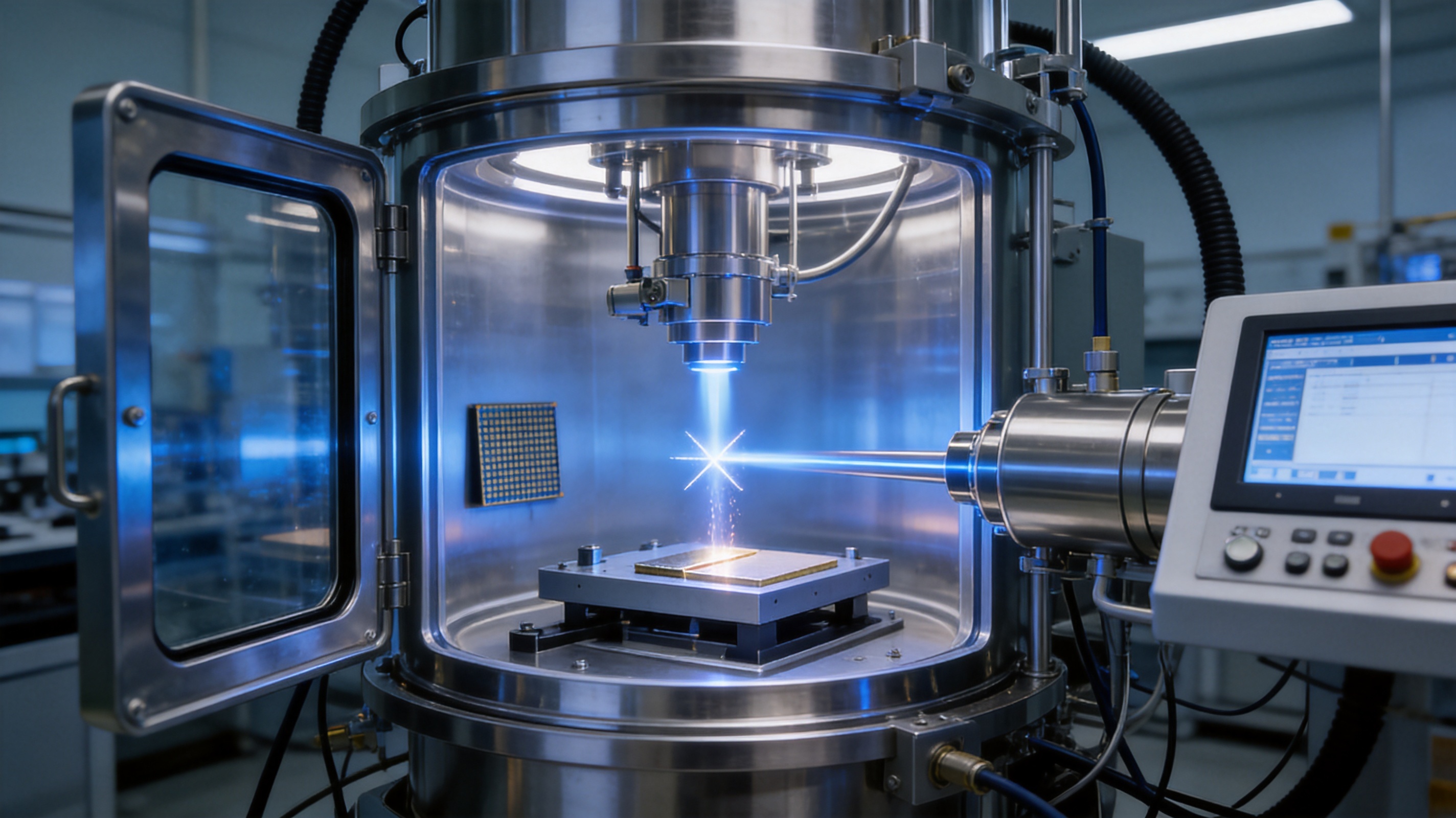
Materials science laboratories often need to examine surfaces and interfaces at multiple scales. The HSC121 can support the preparation of metallic alloys, ceramics, composites, coatings, polymers, and other advanced materials. Its etching and polishing functions can expose internal features while reducing some of the artifacts associated with aggressive mechanical preparation.
For coated materials, a cross-section can reveal film thickness, adhesion, interface continuity, pores, cracks, and diffusion zones. For composites, ion beam preparation can help expose the relationship between matrix and reinforcement phases. For ceramics, controlled milling can support the examination of grain boundaries, sintering defects, and fracture surfaces.
The system may also be useful in surface and interface analysis. A sample can be prepared to expose a buried region or remove contamination before microscopic examination. If a conductive or protective film is required, the deposition function can be incorporated into the same preparation sequence.
9. Applications in Semiconductors and Microelectronics
Semiconductor devices contain complex structures that may include multiple dielectric, metallic, semiconductor, and polymer layers. Failure analysis often requires access to a very specific location without destroying surrounding features. Controlled ion beam milling can support localized cross-sectioning and inspection.
Potential applications include chip failure analysis, advanced packaging inspection, interconnect evaluation, solder joint analysis, and FinFET cross-sectioning. These applications demand careful control because modern devices contain features that are small, closely spaced, and sensitive to preparation damage.
Thin film deposition can also support microelectronics analysis. A conductive layer may be useful for reducing charging during electron microscopy, while a protective layer may help stabilize a surface during subsequent preparation. The appropriate deposition material and thickness depend on the analytical method and the sample’s electrical and chemical properties.
For production-related laboratories, repeatability is a major consideration. A consistent preparation recipe can help analysts compare failed and reference devices. Automated rastering and process monitoring contribute to this objective by reducing variation in beam exposure and preparation time.
10. Applications in Life Sciences and Nanotechnology
Biological specimens and soft materials are often more vulnerable than metals or ceramics. Drying, heating, mechanical contact, and exposure to air can significantly change their structure. Cryogenic processing can help preserve the condition of sensitive specimens during preparation.
The HSC121 can support cryo-thinning and related preparation tasks for biological samples, nanoparticles, and delicate soft matter. The purpose may be to prepare a thin region for electron microscopy, expose an internal structure, or preserve a material arrangement that would be lost under ambient conditions.
Nanotechnology applications often require a carefully controlled surface. A coating may be used to improve conductivity, stabilize a particle assembly, or create a functional interface. Etching may be used to remove a surface layer, open a region for analysis, or refine a nanostructured feature.
Because biological and nanoscale materials can respond strongly to processing conditions, users should establish a validated method for each sample type. The HSC121 provides the control and environmental flexibility required for such method development, while the final result depends on appropriate parameter selection and specimen handling.
11. Applications in Energy Materials
Energy materials present complex preparation challenges because their performance often depends on interfaces and microstructural changes. Battery electrodes, solid electrolytes, fuel cell catalysts, and related materials may contain brittle particles, porous networks, binders, coatings, and reactive phases.
Ion beam cross-sectioning can help researchers study particle distribution, electrode porosity, coating integrity, interfacial layers, fracture paths, and degradation products. Cryogenic conditions may be selected when the material contains volatile components or when the objective is to preserve a state formed during operation or cycling.
For solid electrolyte interfaces, gentle and controlled preparation is particularly important. These layers may be thin, chemically reactive, and easily altered by air exposure or heating. A controlled preparation environment, together with suitable cryogenic transfer, can help researchers obtain more representative observations.
Thin film deposition may also be useful for energy research. Conductive coatings, protective layers, or contrast-enhancing films can support microscopic characterization and improve the handling of fragile surfaces. The multifunctional design of the HSC121 allows preparation and coating to be incorporated into a coordinated workflow.
12. Recommended Laboratory Workflow
12.1 Sample Assessment
Before processing, the operator should identify the sample’s composition, dimensions, hardness, thermal sensitivity, volatility, electrical behavior, and desired observation area. The preparation objective should also be defined. For example, the goal may be a polished surface, a cross-section, an ultra-thin specimen, a conductive coating, or preservation of a cryogenic state.
12.2 Mounting and Positioning
Correct mounting is essential for stable processing. The sample should be securely positioned, with the target region aligned to the beam and sufficient clearance for the intended movement. Fragile samples may require specialized support. For cryogenic work, the mounting and transfer sequence should be planned to minimize warming and exposure.
12.3 Beam Parameter Development
The operator should select beam conditions based on material properties and the desired removal rate. A higher removal rate may be appropriate for rough bulk removal, while a more conservative setting may be preferable for final polishing or sensitive materials. Beam angle, raster pattern, exposure time, and sample temperature should be considered together.
12.4 Monitoring and Intermediate Inspection
Process monitoring allows the operator to observe whether the preparation is proceeding as expected. Intermediate inspection can help prevent over-etching and provide information for adjusting the next stage. A staged process is often preferable to a single long exposure, especially when the target interface or feature is difficult to locate.
12.5 Deposition and Final Preparation
If a thin film is required, deposition can be performed after the surface has been cleaned, etched, or polished. The selected coating should match the analytical purpose. For example, electrical conductivity may be prioritized for electron microscopy, while chemical compatibility may be more important for a later surface analysis.
12.6 Documentation
All important conditions should be recorded. Documentation improves repeatability, supports quality assurance, and makes it easier to transfer procedures between operators. A complete record may include sample history, mounting method, temperature, beam conditions, processing time, deposition parameters, and final observations.
13. Quality, Safety, and Maintenance Considerations
High-end laboratory equipment requires a disciplined operating environment. Users should receive training in vacuum operation, ion beam safety, cryogenic handling, sample mounting, material compatibility, and emergency procedures. The correct operating practice should always follow the manufacturer’s technical documentation and applicable laboratory regulations.
Vacuum-related components should be kept clean, and materials with significant outgassing should be evaluated before they are introduced into the chamber. Sample residues can affect vacuum quality and may contaminate internal surfaces. Proper cleaning and preparation of holders, fixtures, and chamber components contribute to stable operation.
Cryogenic work requires additional attention. Operators should use suitable personal protective equipment, follow procedures for handling cold surfaces and transfer components, and ensure that samples are compatible with the selected temperature range. Moisture control is also important because condensation and ice formation can affect both the sample and the equipment.
Routine maintenance should include inspection of seals, sample holders, beam-related components, deposition sources, monitoring devices, and vacuum performance. Preventive maintenance can reduce unexpected downtime and help preserve process stability. A laboratory should also maintain records of service, calibration, cleaning, and performance checks.
Quality management is one of the stated strengths of Jiangsu Baisheng Industrial Co., Ltd. The company has reported continued improvement of its quality management system and technical specification controls. For customers evaluating an HSC121 project, it is appropriate to request detailed information about factory testing, acceptance criteria, documentation, installation support, training, warranty terms, and after-sales service.
14. Selecting the System for a Specific Laboratory
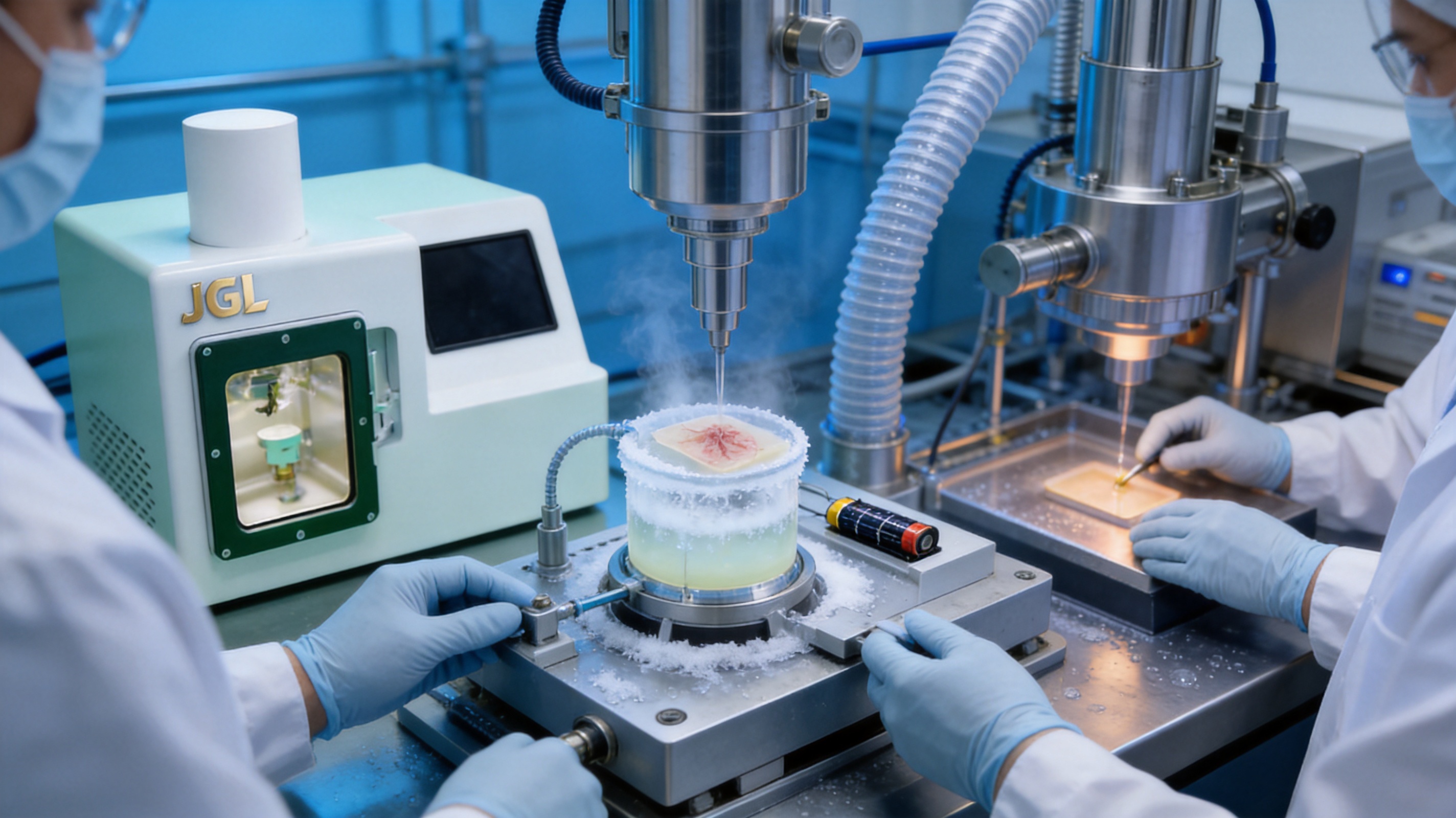
The HSC121 is most suitable for laboratories that need more than a single-purpose coating or polishing instrument. Potential users include electron microscopy centers, semiconductor analysis laboratories, university research groups, industrial failure-analysis departments, energy-materials laboratories, and life-science facilities working with cryogenic specimens.
Before purchasing, the laboratory should identify the most common sample types and the most important preparation outcomes. It should also determine whether ambient operation, cryogenic processing, thin film deposition, or integration with a cryo-transfer system is essential. A clear list of applications helps the supplier configure the equipment and recommend suitable accessories.
Other evaluation factors include chamber capacity, sample dimensions, process automation, deposition materials, vacuum requirements, operating costs, training, and service response. The manufacturer’s ability to provide customized engineering should be discussed in detail, particularly when the system will be connected to existing microscopy or transfer infrastructure.
A technical consultation should include representative sample information. Photographs, drawings, material descriptions, target cross-section locations, required surface quality, desired coating thickness, and expected throughput can help the manufacturer understand the application. Test processing may also be useful when the samples are unusually fragile or complex.
15. Why Manufacturing Experience Matters
For specialized laboratory equipment, manufacturing quality affects much more than external appearance. Chamber design, component alignment, control stability, vacuum integrity, sample movement, software logic, and maintenance access all contribute to practical performance. An instrument may have impressive individual specifications but still be difficult to use if these elements are not properly integrated.
A manufacturer with a history of research and development can respond more effectively when customers encounter a non-standard application. Engineering knowledge supports configuration changes, fixture development, process optimization, and integration with other equipment. This is particularly important for the HSC121 because the system is intended for a wide range of materials and operating environments.
Jiangsu Baisheng Industrial Co., Ltd. describes itself as different from a conventional trading company because it maintains a dedicated R&D capability. Its history in electronic testing, laboratory equipment development, international trade, quality management, and product upgrading provides a foundation for serving both domestic and overseas customers.
The company’s stated long-term approach combines precise craftsmanship, innovation, integrity, and win-win cooperation. In practice, customers should assess these qualities through technical documents, factory communication, production records, inspection reports, customer references, and the clarity of the proposed acceptance process.
16. Frequently Asked Questions
16.1 What is the primary purpose of the HSC121?
The HSC121 is an ion beam etching and thin film deposition system intended for precision surface preparation, cross-sectioning, milling, polishing, thinning, and coating. It is designed for research and analytical applications involving materials such as metals, ceramics, polymers, biological specimens, semiconductors, and energy materials.
16.2 Can the system be used for electron microscopy preparation?
Yes. Its capabilities are suited to preparing clean surfaces, cross-sections, thin specimens, and conductive or protective coatings for electron microscopy. The exact process should be selected according to the microscope type, sample material, target feature, and required final condition.
16.3 Does the HSC121 support cryogenic operation?
Yes. The system is described as compatible with both cryogenic and ambient-temperature sample processing. Cryogenic operation can be useful for biological materials, soft matter, volatile specimens, battery components, and other samples that may be altered by heat or exposure to normal laboratory conditions.
16.4 What types of materials can be processed?
The system is suitable for a broad range of materials, including metals, ceramics, polymers, biological specimens, semiconductors, composites, nanoparticles, battery electrodes, fuel cell catalysts, and solid electrolyte interfaces. Processing parameters should be developed for the specific material and research objective.
16.5 What is the benefit of combining etching and deposition?
Combining these functions can reduce sample transfers, minimize environmental exposure, simplify workflow planning, and allow the user to etch, polish, and coat a sample within a coordinated preparation environment. It can also help preserve alignment between the prepared region and the deposited film.
16.6 How does automated rastering help users?
Automated rastering moves the beam across a defined area according to a controlled pattern. This can improve exposure uniformity and reduce the variation associated with manual beam movement. It is useful when laboratories need repeatable preparation across multiple samples.
16.7 Is the system suitable for semiconductor failure analysis?
Yes. Potential applications include chip failure analysis, FinFET cross-sectioning, advanced packaging inspection, interconnect evaluation, and exposure of localized internal structures. The required configuration and process parameters should be confirmed according to device geometry and analytical requirements.
16.8 Can the system be integrated with cryo-transfer equipment?
The HSC121 can be combined with compatible cryo-transfer systems, including LSCT-series equipment where applicable. Integration should be reviewed during the technical planning stage to confirm mechanical, vacuum, temperature, and workflow compatibility.
16.9 What should be considered before purchasing?
Customers should review sample types, target dimensions, operating temperature, deposition materials, required throughput, chamber configuration, process automation, software functions, maintenance, training, installation, warranty, and after-sales support. Representative sample information should be provided to support accurate configuration.
16.10 Who manufactures the HSC121?
The system is supplied by Jiangsu Baisheng Industrial Co., Ltd., a China-based technology-driven company specializing in laboratory equipment, electronic testing, safety testing instruments, research and development, and customized solutions.
17. Conclusion
The HSC121 Ion Beam Etching and Thin Film Deposition System is designed for laboratories that require controlled, versatile, and repeatable material preparation. Its combination of precision ion beam etching, milling, polishing, thinning, and thin film deposition allows users to address multiple preparation stages within one coordinated platform.
Its support for both ambient and cryogenic processing expands the range of samples that can be handled, from robust metals and ceramics to sensitive biological specimens, polymers, battery materials, and solid electrolyte interfaces. Fine beam control, automated rastering, and process monitoring contribute to stability and reproducibility, while integration with compatible cryo-transfer systems can support a continuous route to electron microscopy.
Compared with conventional mechanical preparation or disconnected single-purpose equipment, the system offers potential advantages in surface quality, workflow efficiency, sample protection, and process flexibility. Its value is especially clear in applications where contamination, mechanical damage, thermal alteration, or repeated sample transfer could compromise the final analysis.
The manufacturing background of Jiangsu Baisheng Industrial Co., Ltd. further supports the product’s positioning. The company combines research and development, laboratory equipment engineering, international trade experience, customized solutions, and an evolving quality management system. For customers seeking a precision laboratory testing equipment solution made in China, the HSC121 represents a platform-oriented option for advanced microscopy preparation, semiconductor analysis, materials research, life sciences, nanotechnology, and energy-materials investigation.
References
1. Jiangsu Baisheng Industrial Co., Ltd. Product information for the HSC121 Ion Beam Etching and Thin Film Deposition System.
2. Jiangsu Baisheng Industrial Co., Ltd. Corporate information, company history, research and development profile, and quality management overview.
3. Goldstein, J., Newbury, D., Michael, J., Ritchie, N., Scott, J., and Joy, D. Scanning Electron Microscopy and X-Ray Microanalysis. Springer.
4. Reimer, L. Scanning Electron Microscopy: Physics of Image Formation and Microanalysis. Springer.
5. Williams, D. B. and Carter, C. B. Transmission Electron Microscopy: A Textbook for Materials Science. Springer.
6. Egerton, R. F. Physical Principles of Electron Microscopy: An Introduction to TEM, SEM, and AEM. Springer.
7. Standard laboratory practices for vacuum equipment, cryogenic sample handling, ion beam processing, and electron microscopy specimen preparation.
Product: HSC121 Ion Beam Etching and Thin Film Deposition System

PREV:MSC310 Cryogenic Environmental Chamber: Precision Control for Low-Temperature Sample Preparation and Analysis
NEXT:UTH-150-A High-Low Temperature Humidity Cycling Chamber: Precision Environmental Simulation for Reliable Product Testing
NEXT:UTH-150-A High-Low Temperature Humidity Cycling Chamber: Precision Environmental Simulation for Reliable Product Testing
Interested in cooperation or have questions?
Featured Products
Related products
Quick Link
Contact Information
- Tel: +86-13861043568
- E-mail: 1840784112@qq.com
- Add: Tianting District, Changzhou City, Jiangsu Province, China, No. 6 Hecircuit
Scan Code
Copyright © JIANGSU BAISHENG INDUSTRIAL CO., LTD.
All Rights Reserved. Privacy Custom Precision Laboratory Testing Equipment Manufacturers
