 English
 Español
NEWS
NEWS
NEWS
NEWS
NEWS
NEWS
NEWS
NEWS
NEWS
NEWS
NEWS
NEWS
NEWS
NEWS
NEWS
NEWS

Deng Xinyi — Product After-Sales Support Specialist
Home / Author / Deng Xinyi — Product After-Sales Support Specialist / MSC310 Cryogenic Environmental Chamber: Precision Control for Low-Temperature Sample Preparation and Analysis
MSC310 Cryogenic Environmental Chamber: Precision Control for Low-Temperature Sample Preparation and Analysis
Content
- 1 1. The Importance of Environmental Control in Cryogenic Laboratory Work
- 2 2. Product Overview
- 3 3. Core Advantages of the MSC310
- 4 4. Applications in Research and Industry
- 5 5. Advantages Compared with Less Integrated Alternatives
- 6 6. Engineering and Manufacturing Strengths
- 6.1 6.1 Technology-Driven Product Development
- 6.2 6.2 Experience Developed from Electronic Testing
- 6.3 6.3 Transition to Independent Production
- 6.4 6.4 Integration of Technology and International Trade
- 6.5 6.5 Quality Management and Specification Control
- 6.6 6.6 Continuous Innovation and Product Upgrading
- 7 7. Manufacturing Process Considerations for a Precision Cryogenic Chamber
- 8 8. Customization and Integration Planning
- 9 9. Benefits for Laboratory Productivity and Data Quality
- 10 10. Technical Feature Summary
- 11 11. Recommended User Workflow
- 12 12. Maintenance, Reliability, and Long-Term Use
- 13 13. Why Choose a Specialized Manufacturer
- 14 14. Selection Guide for Prospective Buyers
- 15 15. Frequently Asked Questions
- 15.1 Q1: What is the primary purpose of the MSC310 Cryogenic Environmental Chamber?
- 15.2 Q2: Which types of research can use this chamber?
- 15.3 Q3: How does the chamber help reduce frost and ice contamination?
- 15.4 Q4: Can the MSC310 be connected to a microscope?
- 15.5 Q5: Does the chamber support different sample holders?
- 15.6 Q6: What are the main advantages over a basic freezer or open cryogenic container?
- 15.7 Q7: Can the MSC310 be customized?
- 15.8 Q8: Why is temperature stability important for cryogenic analysis?
- 15.9 Q9: Is the chamber suitable for polymer and soft-matter research?
- 15.10 Q10: What should be discussed before placing an order?
- 15.11 Q11: What manufacturing capabilities support the MSC310?
- 15.12 Q12: How can users maintain consistent performance?
- 16 16. Conclusion
- 17 References
- 18 Product: MSC310 Cryogenic Environmental Chamber for Low-Temperature Sample Preparation and Analysis
Low-temperature research places demanding requirements on laboratory equipment. Samples may be sensitive to thermal fluctuations, atmospheric moisture, frost formation, contamination, mechanical disturbance, and extended exposure to uncontrolled conditions. In applications such as electron microscopy preparation, surface analysis, polymer characterization, soft-matter research, and in situ observation, the quality of the final result depends not only on the analytical instrument itself, but also on the stability of the environment surrounding the sample.
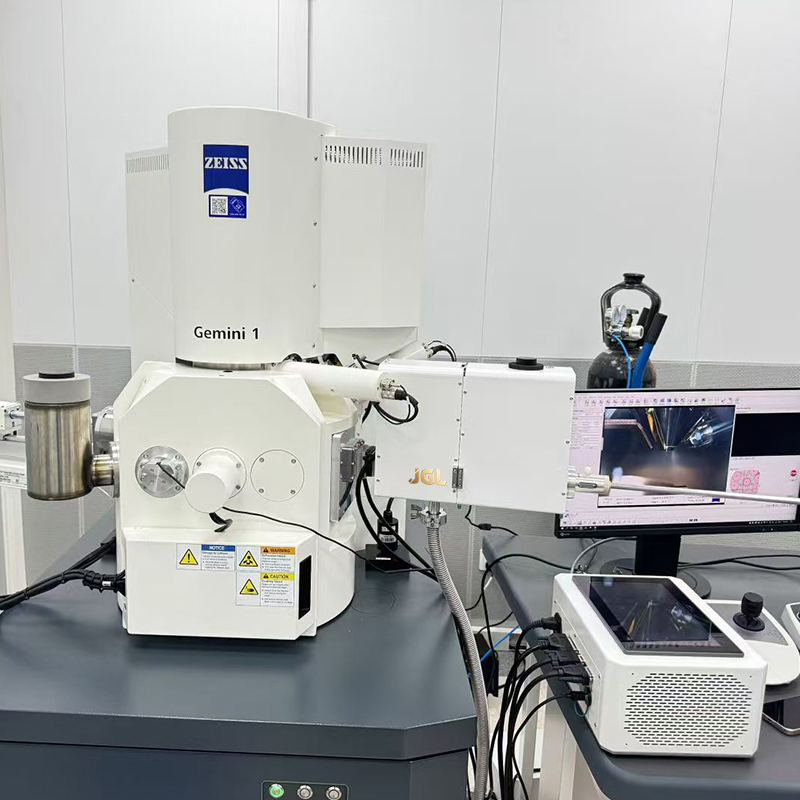
The MSC310 Cryogenic Environmental Chamber is a multi-functional laboratory chamber developed for controlled low-temperature sample preparation, environmental management, and in situ analysis. Its purpose is to provide a stable cryogenic workspace in which temperature-sensitive materials can be handled, prepared, and examined with improved consistency. By combining cryogenic cooling, precision temperature regulation, controlled environmental operation, and interface compatibility, the system supports workflows that require reliable thermal conditions and protection against condensation or ice contamination.
For laboratories seeking a practical solution for cryogenic preparation and analysis, the MSC310 offers a focused combination of temperature stability, operational flexibility, and integration potential. It is designed to support research teams that need repeatable low-temperature conditions without treating sample preparation as a separate, disconnected step from observation or analysis.
1. The Importance of Environmental Control in Cryogenic Laboratory Work
Cryogenic experiments are highly sensitive to changes in the surrounding environment. When a sample is cooled below ambient temperature, water vapor and other atmospheric components may condense or freeze on exposed surfaces. Even a thin layer of frost can obscure a surface, interfere with imaging, alter a material’s apparent morphology, or introduce uncertainty into analytical results. In some cases, contamination may become difficult to distinguish from the sample itself.
Temperature instability creates another challenge. A sample that repeatedly warms and cools can experience changes in phase, viscosity, dimensional stability, surface structure, or mechanical behavior. These variations may affect the reliability of measurements, especially when researchers are comparing multiple samples or monitoring a process over time. A chamber that reduces thermal drift helps establish a more consistent basis for experimental analysis.
Traditional low-temperature workstations may address only one part of this problem. Some systems provide cooling but offer limited environmental control. Others may be suitable for temporary storage but are not designed for active preparation or observation. In addition, a basic cold enclosure may not accommodate different sample holders, fixtures, microscopes, or analytical accessories.
The MSC310 is designed around a broader workflow. Rather than functioning only as a cooling container, it provides a controlled cryogenic environment for preparation and analysis. This approach helps laboratories reduce the number of transfers between separate devices, improve process continuity, and maintain better control over the sample condition from preparation through observation.
2. Product Overview
The MSC310 Cryogenic Environmental Chamber is categorized as a multi-functional cryogenic laboratory chamber. It is intended for low-temperature sample preparation, controlled environmental operation, and integration with microscopy or analytical systems. Its internal arrangement is designed to accommodate diverse cryogenic sample holders and fixtures, allowing users to adapt the workspace to different experimental configurations.
The chamber combines several functional elements:
• A cryogenic cooling architecture for maintaining a stable low-temperature environment.
• A precision temperature control system for accurate and repeatable regulation.
• An environmental control approach intended to minimize condensation and ice contamination.
• An internal chamber layout that supports different holders, fixtures, and sample arrangements.
• Interface compatibility for microscopy systems and analytical instruments used in in situ observation and measurement.
This combination makes the MSC310 suitable for research environments in which the sample must remain cold while being prepared, positioned, observed, or analyzed. The chamber can support repeatable workflows rather than isolated cooling operations, which is particularly valuable when laboratories conduct comparative studies, repeated testing, or long-term method development.
2.1 A Controlled Workspace for Sensitive Samples
The primary function of the MSC310 is to create a stable environment around the sample. This controlled workspace helps reduce the impact of ambient temperature changes and atmospheric exposure. By limiting uncontrolled environmental influences, the chamber supports better preservation of sample condition during preparation and analysis.
For temperature-sensitive materials, sample integrity is often a critical part of the testing method. A sample may be damaged or altered by warming, moisture, frost, or repeated handling. The MSC310 addresses these risks through its focus on cryogenic temperature stability and controlled environmental conditions. The result is a more orderly preparation process and a clearer relationship between the sample’s actual characteristics and the measured data.
2.2 Support for Preparation and Analysis in One Workflow
In many laboratories, sample preparation and analysis are performed in separate stages. Every transfer between devices can introduce time delays, temperature changes, contamination, or mechanical disturbance. The MSC310 is intended to support a more integrated workflow by allowing prepared samples to remain within a cryogenic environment during observation or connection to analytical equipment.
This capability is especially useful for in situ work. Researchers can observe how a sample behaves under low-temperature conditions, examine a prepared surface before it warms, or conduct a sequence of measurements without unnecessary exposure to ambient laboratory conditions. Although the exact configuration depends on the associated instrument and experimental method, the chamber’s interface compatibility provides a foundation for this type of integration.
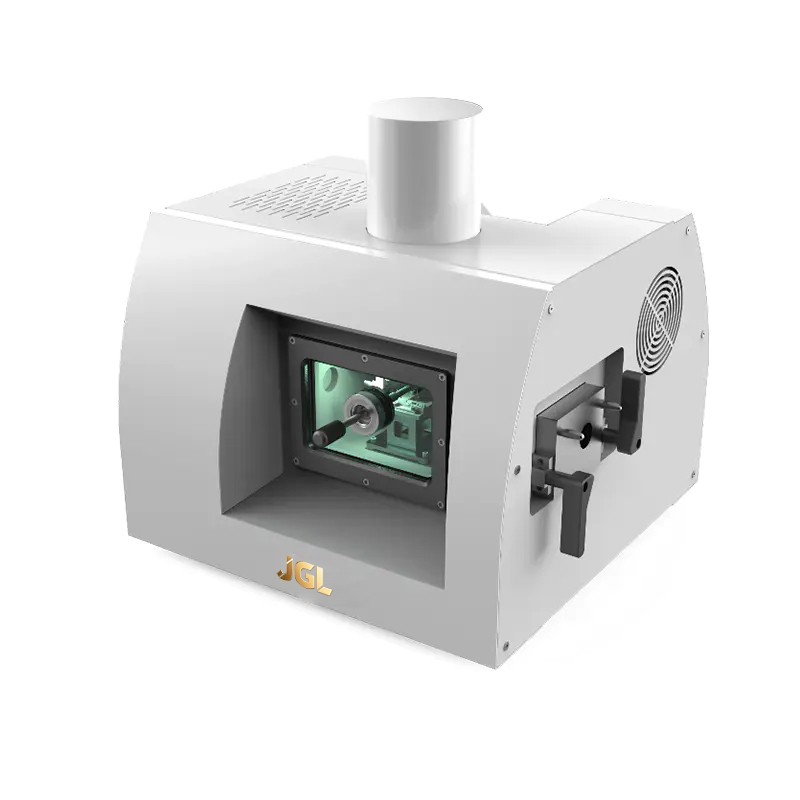
MSC310 Cryogenic Environmental Chamber for Low-Temperature Sample Preparation and Analysis
3. Core Advantages of the MSC310
3.1 Cryogenic Temperature Stability
Temperature stability is one of the most important performance requirements in low-temperature experimentation. The MSC310 uses an integrated cryogenic cooling architecture and precision temperature control system to support accurate and repeatable regulation across the chamber workspace.
A stable chamber environment helps reduce thermal drift during sample preparation and observation. This is beneficial when researchers need to compare results across different runs, evaluate subtle changes in material behavior, or maintain a defined condition for a relatively long observation period. Stable cooling can also reduce the likelihood that a sample will undergo unintended transitions caused by irregular warming and cooling.
The value of temperature stability extends beyond the displayed setpoint. In practical laboratory work, performance also depends on how consistently the chamber maintains the desired condition as samples are introduced, fixtures are changed, or instruments are connected. A purpose-designed chamber helps laboratories establish a more predictable thermal routine than improvised cooling arrangements or open cryogenic containers.
3.2 Controlled Environmental Conditions
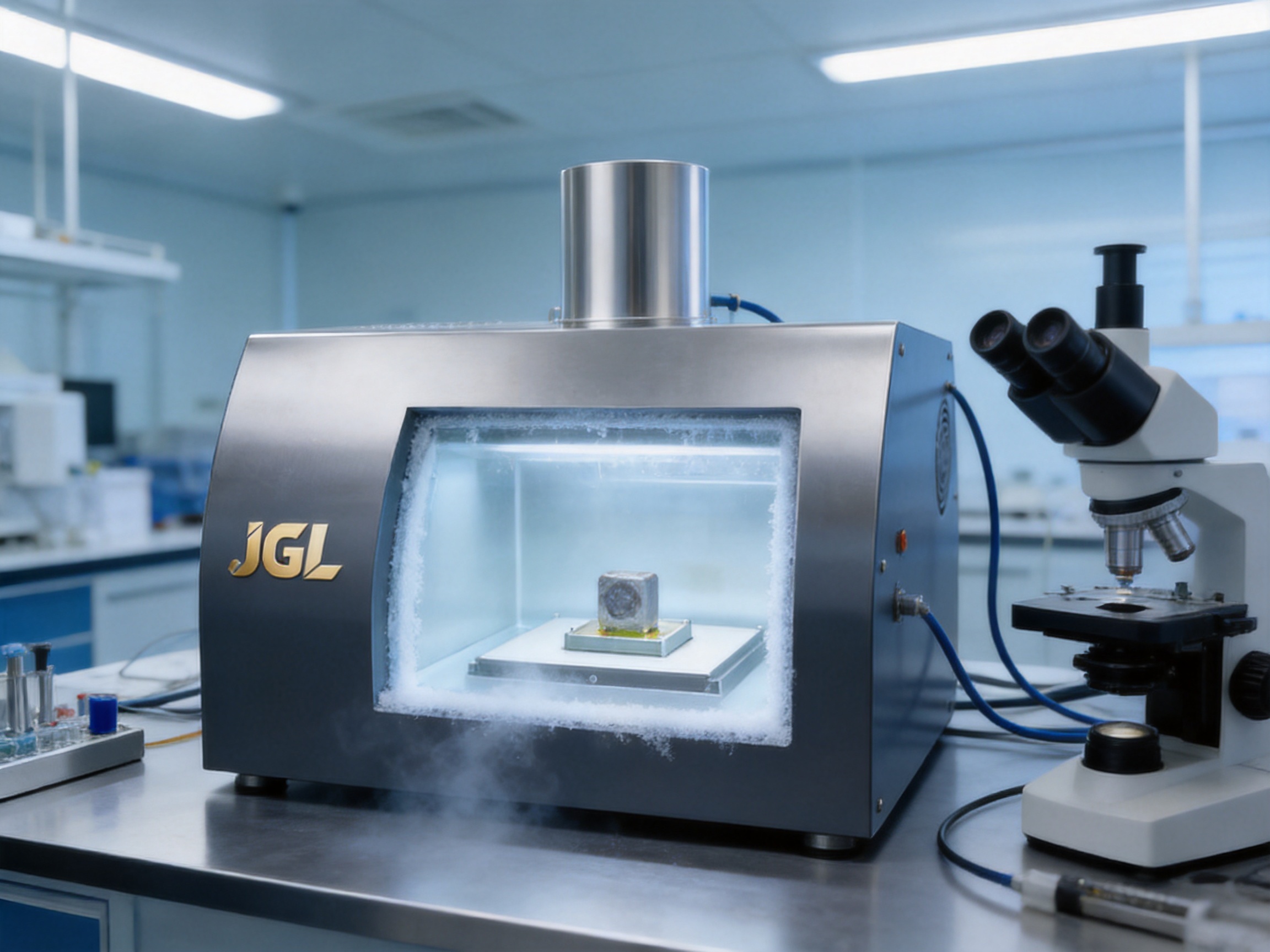
Low temperature alone does not guarantee a clean or reliable experiment. Moisture and airborne contamination can become significant problems when surfaces are cooled. The MSC310 is designed to support controlled atmosphere operation, helping reduce condensation and ice contamination on cold samples.
By managing the environment surrounding the sample, the chamber helps protect important surfaces during preparation and analysis. Frost suppression is particularly relevant to microscopy and surface analysis, where a small amount of unwanted material can interfere with imaging or obscure features. Controlled conditions can also improve the repeatability of sample handling by reducing the effect of changing laboratory humidity and ambient conditions.
The environmental control function contributes to sample integrity preservation. It helps researchers focus on the intended material or process rather than correcting for avoidable contamination. For laboratories developing standardized methods, this can support more consistent operating procedures and more dependable comparisons among samples.
3.3 Reproducible Processing
Research quality depends heavily on repeatability. If each sample is prepared under different thermal or atmospheric conditions, it becomes difficult to determine whether an observed difference comes from the material or from the process. The MSC310 is designed to ensure reproducible conditions for repeated low-temperature experiments and analytical workflows.
Reproducibility can improve laboratory productivity in several ways. It reduces the need to repeat tests because of uncertain preparation conditions, makes method validation more straightforward, and helps different operators follow a common process. It can also support more systematic data collection when a research team is studying a series of formulations, treatment conditions, or temperature-dependent behaviors.
3.4 Flexible Internal Chamber Design
Different research applications require different sample geometries and mounting methods. A chamber intended for only one holder or fixed arrangement may be difficult to use as laboratory priorities change. The MSC310 includes an optimized internal design intended to accommodate diverse cryogenic sample holders and fixtures.
This flexibility supports a broader range of experiments. Users may configure the workspace for microscopy samples, surface-analysis specimens, material coupons, polymer films, soft-matter systems, or other temperature-sensitive materials. The ability to adapt the internal arrangement can extend the useful life of the equipment and reduce the need for separate chambers dedicated to narrowly defined tasks.
Flexible accommodation does not mean that every holder or instrument will be automatically compatible. The specific dimensions, interfaces, clearances, and operating requirements should be confirmed during the planning stage. However, the chamber’s design philosophy is aimed at supporting customization and practical laboratory integration rather than limiting users to a single configuration.
3.5 Compatibility with Microscopy and Analytical Instruments
Modern materials research increasingly depends on observing samples under controlled conditions. The MSC310 supports integration with microscopy systems and analytical instruments for in situ cryogenic observation and analysis. This makes it relevant to laboratories that need to preserve low-temperature conditions while acquiring visual or analytical information.
Integration may help reduce the time between preparation and measurement. It can also minimize the risk that a sample will change during transfer. When connected to an appropriate microscope or analytical platform, the chamber can become part of a larger controlled workflow for examining structure, surface condition, phase behavior, or other temperature-dependent characteristics.
The practical benefit of compatibility is not limited to instrument connection. A well-planned interface can improve operator access, simplify positioning, support stable sample mounting, and make the overall process easier to standardize. These factors are important when a laboratory performs repeated measurements or shares equipment among multiple researchers.
4. Applications in Research and Industry
4.1 Cryogenic Sample Preparation for Electron Microscopy
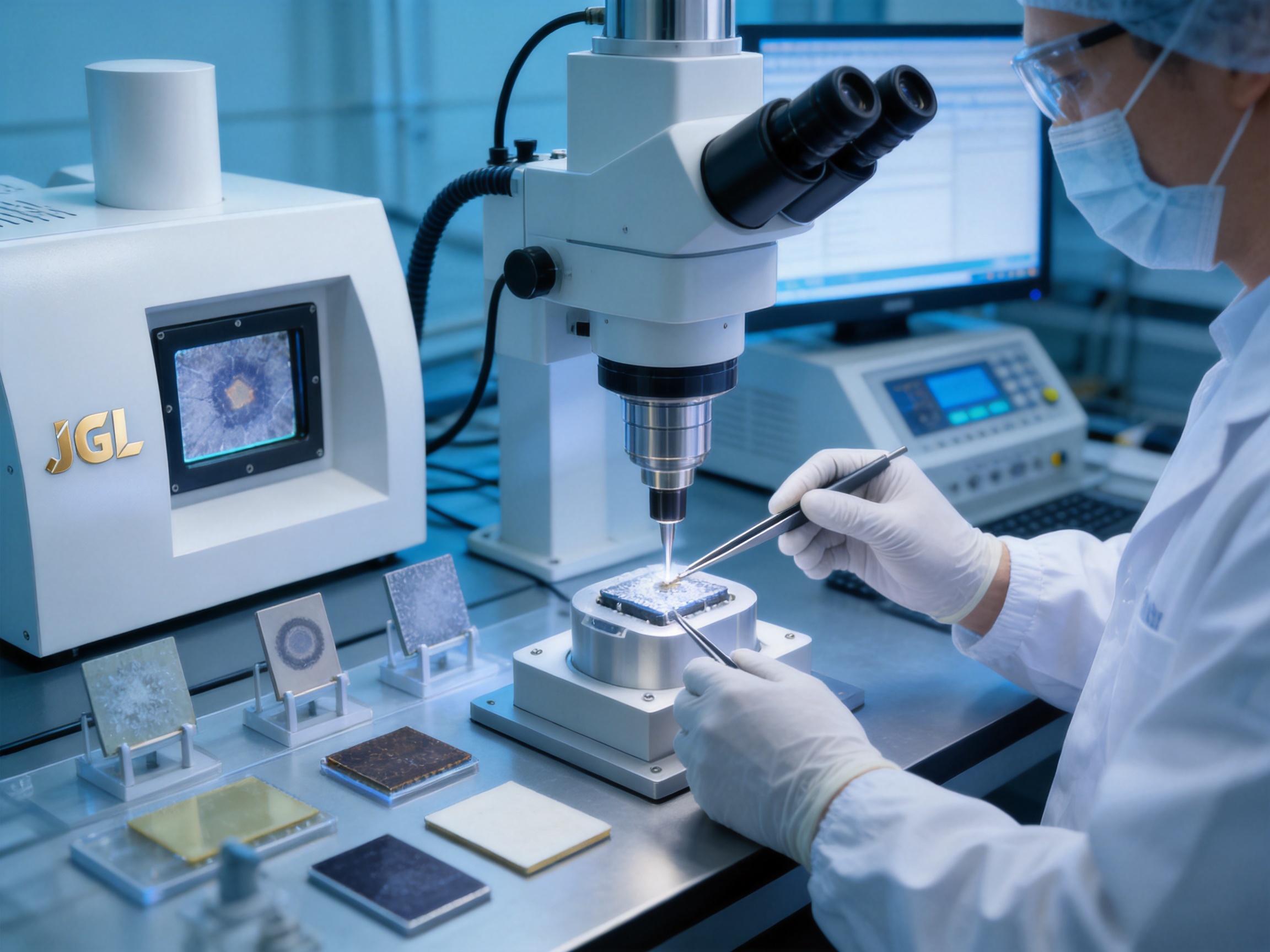
Electron microscopy often requires careful preparation to preserve the structure and condition of a sample. In cryogenic workflows, maintaining a low-temperature state can be essential for reducing structural changes, limiting drying effects, or protecting volatile or delicate components. The MSC310 provides a controlled environment for low-temperature preparation and handling before observation.
The chamber can support workflows in which samples are positioned in cryogenic holders, prepared under reduced contamination risk, and transferred into an observation system with fewer uncontrolled exposures. The exact preparation procedure depends on the material and microscopy method, but the chamber’s temperature stability and environmental control provide a useful foundation for repeatable operation.
For microscopy laboratories, frost suppression is particularly important. Ice or condensation can reduce image quality, cover surface features, and make it more difficult to interpret the sample. A controlled chamber environment helps reduce these issues and supports clearer, more dependable observation.
4.2 Surface Analysis
Surface-sensitive analytical techniques can be affected by contamination, oxidation, moisture, and changes in surface morphology. When a sample is cooled, environmental exposure may create deposits that are mistaken for natural surface features. The MSC310 helps provide a controlled setting for preparation and observation, reducing the risk of uncontrolled atmospheric effects.
A stable cryogenic environment can also be useful when researchers want to examine how a surface behaves at low temperature. Such studies may involve changes in adhesion, phase condition, roughness, coating behavior, or the interaction between a material and its surroundings. By supporting in situ analysis, the chamber can help maintain the relationship between the preparation condition and the measured surface response.
4.3 Polymer Characterization
Polymers can exhibit significant temperature-dependent behavior. Their flexibility, stiffness, morphology, dimensional stability, and phase structure may change as temperature decreases. The MSC310 is suitable for low-temperature material characterization, including polymer research where maintaining a defined thermal condition is important.
Researchers can use a controlled cryogenic workspace to prepare polymer specimens, examine low-temperature morphology, or compare samples exposed to different controlled conditions. Stable temperature regulation helps reduce uncertainty when evaluating changes across a test series. Environmental control is also valuable because moisture and frost may affect the surface of polymer specimens or interfere with microscopic observation.
4.4 Soft-Matter Research
Soft matter includes materials whose structures and behaviors can be strongly influenced by temperature, moisture, and handling history. Gels, emulsions, biological soft materials, colloidal systems, films, and related substances may be difficult to preserve during preparation. A stable low-temperature environment can help slow unwanted changes and support more controlled observation.
The MSC310 can be incorporated into soft-matter workflows where researchers need to examine a sample before it warms or changes phase. Its flexible chamber arrangement allows different holders and fixtures to be considered, while its interface compatibility supports connection to suitable microscopy or analytical platforms.
4.5 Method Development and Comparative Testing
Beyond routine testing, the MSC310 can support method development. Laboratories can use it to evaluate preparation protocols, compare sample holders, determine suitable temperature-control procedures, and establish environmental requirements for new materials. Because the system is designed for repeatable operation, it can help researchers build a documented method rather than relying on informal handling practices.
Comparative testing is another important use. When multiple formulations, coatings, polymers, or surface treatments must be assessed at low temperature, consistent chamber conditions help ensure that the comparison is meaningful. The equipment can serve as a common preparation and observation platform for a range of related experiments.
5. Advantages Compared with Less Integrated Alternatives
The MSC310’s competitive value comes from the combination of functions it brings together. A simple cold bath, open cryogenic vessel, basic freezer, or non-environmental sample stage may provide cooling, but these alternatives may not offer the same level of integrated preparation, environmental control, fixture flexibility, and instrument compatibility.
5.1 More Than a Cooling Device
A cooling-only device is primarily designed to reduce temperature. It may not be optimized for controlled sample positioning, frost suppression, or observation. The MSC310 is designed as an environmental chamber, meaning that the sample’s surroundings are considered alongside the cooling function.
This distinction is important for analytical work. The objective is not merely to make a sample cold; it is to maintain a usable and reproducible condition in which the sample can be prepared and studied. The MSC310’s integrated approach can reduce the need for additional protective measures and help laboratories organize a more complete low-temperature workflow.
5.2 Reduced Sample Transfer Risk
Separate preparation and analysis devices may require the sample to be moved between environments. During transfer, the sample can warm, collect moisture, experience mechanical vibration, or become contaminated. These effects may be especially serious for fragile or reactive materials.
By supporting in situ observation and analytical integration, the MSC310 can reduce unnecessary transfers. Keeping the sample in a controlled environment for a larger portion of the workflow may improve sample integrity and reduce variation between preparation and measurement.
5.3 Improved Repeatability
Open or improvised cooling arrangements may be strongly affected by operator technique, room conditions, container geometry, and exposure time. Such factors can produce inconsistent results. The MSC310 is designed to provide a more standardized environment, supporting repeatable temperature regulation and controlled atmospheric conditions.
Improved repeatability is valuable to research groups that must reproduce published methods, validate internal procedures, or transfer a method from development to quality-control testing. A controlled chamber can also help train new users because the workflow is less dependent on individual experience.
5.4 Broader Configuration Potential
Some specialized systems are optimized for a single sample type or instrument. The MSC310 is intended to accommodate diverse holders and fixtures, giving laboratories more flexibility as their application portfolio develops. This can make the chamber a more practical long-term investment for institutions working across multiple areas of low-temperature research.
Configuration flexibility may also support collaboration. One research team may use the chamber for electron microscopy preparation, while another may use it for polymer or soft-matter characterization. With appropriate holder and interface planning, the same core system can contribute to several experimental programs.
5.5 Better Alignment with Digital and Instrumented Laboratories
Laboratories are increasingly organized around connected instruments, documented methods, and digitally traceable workflows. A chamber that can be integrated with microscopy and analytical systems is better aligned with this direction than an isolated cooling accessory. The MSC310 can form part of a broader experimental platform in which preparation conditions and observations are coordinated.
The precise level of automation, data logging, or external control depends on the final configuration and the connected instruments. Nevertheless, the chamber’s compatibility-oriented design supports laboratories that are moving toward more structured, instrument-centered research processes.
6. Engineering and Manufacturing Strengths
The performance of a cryogenic chamber depends on more than its listed functions. Mechanical structure, thermal design, control logic, assembly accuracy, interface quality, inspection procedures, and application knowledge all contribute to the final user experience. Jiangsu Baisheng Industrial Co., Ltd. positions its manufacturing capability around precision laboratory equipment, safety testing instruments, research and development, and customized engineering solutions.
6.1 Technology-Driven Product Development
The company was founded in 2010 as a technology-driven enterprise specializing in high-end laboratory equipment and safety testing instruments. Its development model combines engineering design with professional international trade experience. This combination is relevant to specialized laboratory equipment because customers often require more than a standard catalog product. They may need an adapted interface, a specific fixture arrangement, a customized configuration, or assistance in matching the chamber to an existing instrument.
A dedicated research and development team supports the company’s emphasis on precision design and technical performance. For a cryogenic environmental chamber, R&D capability is important because the product must balance cooling behavior, chamber geometry, sample accessibility, environmental protection, and external integration. These factors must be considered together rather than developed as unrelated features.
6.2 Experience Developed from Electronic Testing
The company’s predecessor began in 2013 as a research and development studio specializing in electronic testing. The founding team included engineers with technical backgrounds in laboratory equipment and safety compliance testing. This history provides a foundation in controlled measurement, test reliability, engineering discipline, and compliance-oriented product development.
Electronic testing experience can contribute to the development of modern laboratory equipment in several ways. It encourages attention to control systems, repeatability, signal and interface management, testing procedures, and equipment reliability. These principles are relevant to cryogenic chambers, where stable regulation and dependable operation are essential to the quality of experimental results.
6.3 Transition to Independent Production
In 2016, the company transformed from a technical studio into an enterprise and completed its first independently developed production line. It also launched high-end laboratory equipment with independent intellectual property rights. The move toward independent production is significant because it gives a manufacturer greater control over design refinement, assembly quality, production scheduling, and product improvement.
For customers, independent production can simplify communication between engineering and manufacturing teams. Technical feedback from the field can be incorporated into later product iterations, while customer-specific requirements can be evaluated by personnel who understand the design and production process. This is especially useful for equipment such as the MSC310, where the final application may involve special holders, instrument interfaces, or laboratory-specific operating procedures.
6.4 Integration of Technology and International Trade
In 2019, the company adopted a “technology plus trade” development strategy, increasing research and development investment, introducing technical talent, and expanding overseas markets. This approach combines product engineering with an understanding of international customer communication, project coordination, documentation, and export-oriented cooperation.
International laboratory-equipment projects often require careful clarification of technical requirements. Customers may operate different instruments, follow different laboratory standards, or require customized documentation. A company that combines manufacturing knowledge with international trade experience can be better positioned to coordinate these details before production begins.
6.5 Quality Management and Specification Control
In 2022, the company further improved its quality management system, and its products passed rigorous technical specification certifications according to the company’s stated development history. Quality management is particularly important for cryogenic equipment because performance depends on the consistency of materials, assembly, control components, thermal interfaces, sealing arrangements, and final inspection.
A disciplined quality process may include design review, component verification, assembly inspection, functional testing, temperature-control verification, interface checks, and documentation review. The exact procedures depend on the product configuration, but the general objective is to ensure that equipment leaving production performs consistently with its intended design.
6.6 Continuous Innovation and Product Upgrading
By 2025, Jiangsu Baisheng Industrial Co., Ltd. continued to promote product innovation and technological upgrading while adapting to trends in intelligence and digitalization. This direction is relevant to laboratory users who increasingly expect equipment to fit into connected, traceable, and data-oriented workflows.
Continuous improvement can involve refinements to chamber structure, control performance, user interfaces, sample compatibility, manufacturing methods, or integration options. For a specialized chamber, product development does not end when the first unit is delivered. Feedback from laboratories can reveal new applications and help guide future fixture designs, accessories, and configuration options.
7. Manufacturing Process Considerations for a Precision Cryogenic Chamber
Although the detailed production procedures for each MSC310 configuration are determined by the manufacturer and project requirements, several manufacturing principles are important for this class of equipment.
7.1 Requirement Definition and Application Review
The manufacturing process should begin with a clear understanding of the intended application. The required temperature range, sample type, holder dimensions, observation method, atmospheric requirements, access arrangements, and associated instruments all influence the chamber design.
For customized projects, the manufacturer can review the customer’s sample workflow and determine which features are essential. This may include the location of sample stages, viewing or instrument interfaces, access ports, fixture supports, control requirements, and environmental operating procedures. Early clarification helps reduce the risk of modifications after fabrication.
7.2 Precision Mechanical Fabrication
A cryogenic chamber requires accurately fabricated structural components. Internal dimensions, mounting locations, access openings, and interface surfaces must be produced with sufficient consistency to support reliable assembly and practical use. Precision fabrication also contributes to repeatable positioning of samples and fixtures.
Material selection and surface treatment are likewise important. Components must be suitable for low-temperature operation and compatible with the intended environmental conditions. Smooth, cleanable, and appropriately finished surfaces can help reduce contamination risks and simplify routine maintenance.
7.3 Thermal and Environmental Assembly
The cooling architecture, temperature sensors, environmental-control components, and chamber structure must be assembled as a coordinated system. Sensor placement influences the quality of temperature feedback. The arrangement of cooling elements affects how evenly the chamber workspace is regulated. Environmental-control components must be positioned so that they support sample protection without obstructing access or instrument integration.
Careful assembly helps ensure that the chamber performs as a unified system rather than as a collection of individual parts. It also supports serviceability by making key components accessible for inspection, adjustment, or replacement when required.
7.4 Control-System Verification
Temperature control should be verified through functional testing before shipment. Testing may examine setpoint response, stability over time, repeatability between cycles, sensor feedback, alarm behavior, and the effect of typical sample or fixture loading. The appropriate verification plan depends on the final specification.
Control verification is important because laboratory users rely on the displayed and regulated condition when interpreting data. A properly tested system helps establish confidence that the operating environment corresponds to the intended experimental setting.
7.5 Interface and Fixture Inspection
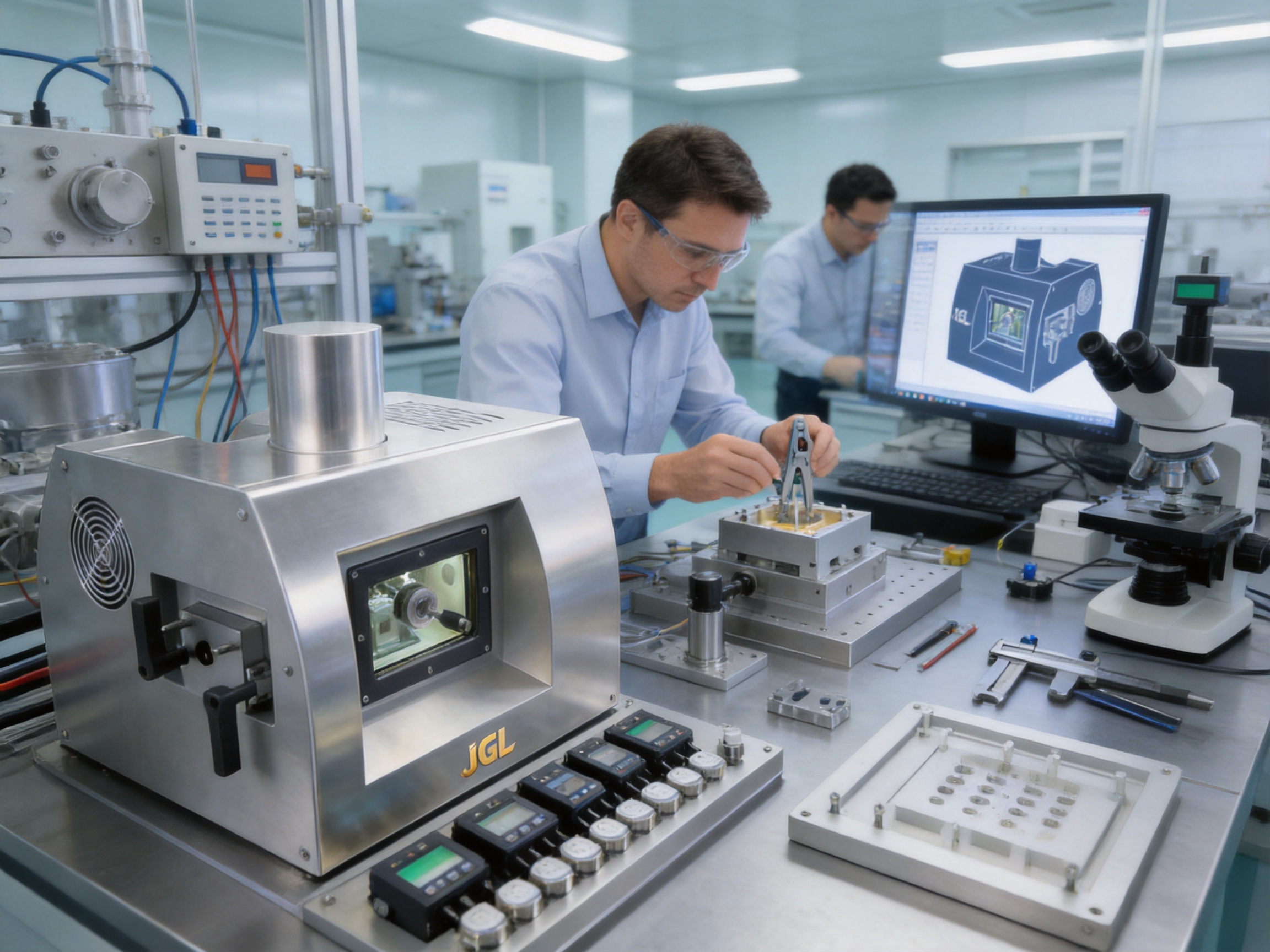
When a chamber is intended for integration with microscopy or analytical equipment, interface inspection is essential. The manufacturer should confirm that mounting locations, access areas, clearances, and alignment features correspond to the approved design. Fixtures and sample holders should also be checked for fit, stability, and practical operator access.
This stage is particularly valuable for custom projects. Small dimensional differences can affect whether a holder can be inserted smoothly, whether a microscope has an unobstructed field of view, or whether an analytical instrument can operate without interference. Early inspection reduces commissioning delays at the customer’s site.
7.6 Final Testing and Documentation
Before delivery, a precision laboratory chamber should undergo final inspection and functional testing. Documentation may include operating instructions, configuration information, maintenance guidance, inspection records, and any available technical specifications or certificates relevant to the order.
Clear documentation helps users establish standard operating procedures and supports more consistent training. It also gives maintenance personnel a reference for troubleshooting, routine inspection, and future configuration changes.
8. Customization and Integration Planning
The MSC310 is suitable for laboratories with different application requirements, but customization should be planned systematically. A successful project begins with communication between the laboratory, the instrument manufacturer, and the chamber supplier.
8.1 Questions to Define Before Ordering
Customers should identify the types and dimensions of samples to be tested, the expected operating temperature, the required preparation sequence, and the analytical instruments that will be connected. They should also clarify whether the chamber will be used for occasional preparation, continuous observation, or repeated production-like testing.
Other important considerations include the available laboratory space, utility requirements, operator access, sample-transfer procedures, cleaning expectations, and safety practices. These factors help determine whether the standard configuration is appropriate or whether a customized arrangement is preferable.
8.2 Sample Holders and Fixtures
Sample holders are central to cryogenic workflows. They must secure the specimen without causing unwanted damage, permit appropriate thermal contact, and remain compatible with the intended observation or analysis method. The MSC310’s internal design is intended to support diverse holders and fixtures, but exact compatibility should be confirmed before production.
Custom fixtures may be developed for specialized geometries, delicate materials, repeated test formats, or instrument-specific mounting requirements. A well-designed fixture can improve positioning repeatability and make the workflow easier for different operators to reproduce.
8.3 Instrument Interfaces
Integration with a microscope or analytical instrument requires attention to mechanical, thermal, optical, electrical, and operational interfaces. The chamber must provide sufficient access while maintaining environmental control. It must also fit within the instrument’s working envelope and avoid interference with moving components.
Interface planning should include drawings, dimensional checks, and, where appropriate, a joint technical review. This is one of the areas in which the manufacturer’s R&D capability and experience with customized laboratory equipment can provide practical value.
8.4 Operating Procedures
A cryogenic chamber performs best when users follow a consistent operating procedure. The procedure may cover pre-cooling, sample loading, atmosphere preparation, temperature stabilization, observation, controlled warming, cleaning, and shutdown. Standardized steps help reduce operator-to-operator variation and support better data comparability.
Laboratories should also define how to respond to abnormal conditions, such as unexpected temperature changes, excessive frost, sensor warnings, or loss of environmental control. Appropriate procedures should be developed in accordance with the final equipment configuration and the laboratory’s safety requirements.
9. Benefits for Laboratory Productivity and Data Quality
The MSC310 can contribute to laboratory productivity by making low-temperature work more organized and repeatable. A controlled chamber reduces the need for improvised arrangements and helps users follow a documented preparation sequence. This can shorten setup time, reduce avoidable sample loss, and improve the efficiency of repeated experiments.
Data quality can also benefit from improved environmental consistency. When samples are prepared and analyzed under similar conditions, researchers can place greater confidence in comparisons across runs. Reduced frost and contamination may improve image interpretation, while better thermal stability can reduce uncertainty in temperature-dependent measurements.
The chamber may also support collaboration between research, development, and quality teams. A method first developed in a research laboratory can be documented and transferred more effectively when the equipment provides controlled, repeatable conditions. Similarly, an industrial laboratory can use the chamber to investigate material performance under low-temperature conditions before making process or product decisions.
Another benefit is equipment utilization. Because the MSC310 is designed for multiple cryogenic applications and can accommodate different holders or interfaces, it may serve more than one project. This versatility can help laboratories obtain greater value from a single specialized system while retaining the ability to adapt the configuration as research priorities evolve.
10. Technical Feature Summary
| Feature | Function | Practical Laboratory Value |
|---|---|---|
| Cryogenic cooling architecture | Provides a controlled low-temperature environment for sample preparation and analysis. | Supports temperature-sensitive workflows and reduces unwanted thermal changes. |
| Precision temperature regulation | Maintains accurate and repeatable temperature conditions across the chamber workspace. | Improves experimental consistency and reduces thermal drift. |
| Controlled environmental operation | Helps minimize condensation, frost, and ice contamination on cold samples. | Protects sample surfaces and supports clearer observation. |
| Flexible internal structure | Accommodates diverse cryogenic sample holders and fixtures. | Allows the chamber to support multiple research applications. |
| Microscopy and analytical compatibility | Supports integration with appropriate instruments for in situ observation and analysis. | Reduces unnecessary sample transfers and improves workflow continuity. |
| Process-oriented design | Combines preparation, environmental control, and analysis support in one system. | Helps laboratories establish standardized low-temperature procedures. |
| Customization potential | Allows configuration planning around customer samples, holders, and instruments. | Supports specialized laboratory requirements and future expansion. |
11. Recommended User Workflow
A typical MSC310 workflow begins with inspection of the chamber, sample holder, fixture, and connected instruments. Users should confirm that the selected configuration is clean, correctly installed, and suitable for the intended sample. Any required environmental or safety checks should be completed before cooling begins.
The chamber is then brought toward the target low-temperature condition using the approved operating procedure. Allowing the environment to stabilize before sample loading can help reduce temperature variation during preparation. The sample is placed in the appropriate holder or fixture and positioned within the workspace.
During preparation, users should minimize unnecessary exposure and handling. The controlled atmosphere should be maintained according to the experimental method, and the sample should remain within the specified operating range. If in situ observation is required, the compatible microscope or analytical instrument can be used after the sample and chamber conditions have stabilized.
At the end of the experiment, the sample should be removed or warmed according to the approved procedure. Rapid or uncontrolled changes may affect the sample and may create unnecessary condensation. The chamber should then be inspected, cleaned as required, and prepared for the next operation.
This workflow is intentionally general because exact procedures vary according to the sample, temperature, atmosphere, holder, and analytical platform. The key principle is continuity: the sample should remain under controlled conditions for as much of the preparation and analysis sequence as the method requires.
12. Maintenance, Reliability, and Long-Term Use
Routine maintenance is essential for maintaining reliable cryogenic performance. Users should inspect sample holders, internal surfaces, interfaces, sensors, and environmental-control components at intervals appropriate to the workload. Any residue, frost accumulation, or contamination should be addressed using approved cleaning procedures.
Temperature-control performance should also be checked periodically. Monitoring stability and response over time can help identify changes before they affect important experiments. Laboratories may choose to maintain internal records of operating cycles, service activities, calibration checks, and unusual events.
Good operating practice contributes to equipment life. Avoiding unnecessary mechanical impact, using compatible materials, preventing contamination, and following the recommended cooling and warming sequence can reduce stress on the chamber and its components. Training is equally important because many problems arise from inconsistent sample loading, improper fixture use, or failure to follow environmental-control procedures.
Jiangsu Baisheng Industrial Co., Ltd.’s combination of product development, manufacturing, technical support, and international project experience can be useful when customers require assistance with configuration, commissioning, maintenance planning, or future upgrades. The level of support should be confirmed for each order, particularly for customized installations.
13. Why Choose a Specialized Manufacturer
Purchasing a specialized laboratory chamber is different from purchasing a general-purpose cooling product. The equipment must match the experimental method, sample geometry, analytical instrument, and operating environment. A manufacturer with experience in precision laboratory equipment can contribute to the project before manufacturing begins by identifying compatibility issues and clarifying performance expectations.
Jiangsu Baisheng Industrial Co., Ltd. has developed from an electronic-testing research and development background into a manufacturer and supplier of laboratory equipment and safety testing instruments. Its stated strengths include dedicated R&D capability, independent product development, production experience, quality-system improvement, international trade expertise, and a commitment to customized solutions.
These strengths are relevant to the MSC310 because the product is not simply a standard insulated enclosure. It is a functional platform that may need to work with specialized holders, microscopes, analytical instruments, and laboratory procedures. The ability to understand both the engineering and commercial sides of an equipment project can help reduce communication gaps and support more efficient implementation.
The company’s core values, summarized as “Precision in Craftsmanship, Innovation for the Long-Term,” also align with the needs of cryogenic laboratory equipment. Precision is necessary for temperature regulation, mechanical assembly, and instrument interfaces. Long-term innovation is important because laboratory methods continue to evolve, creating new requirements for flexibility, connectivity, and automation.
14. Selection Guide for Prospective Buyers
14.1 Confirm the Application
Begin by defining whether the chamber will be used for sample preparation, in situ observation, surface analysis, material characterization, or a combination of these functions. A clear application description helps determine the appropriate configuration and accessories.
14.2 Review Environmental Requirements
Consider the acceptable temperature range, required stability, atmospheric conditions, frost-control needs, sample exposure time, and expected operating frequency. These requirements should be discussed with the manufacturer before finalizing the design.
14.3 Verify Instrument Compatibility
Provide information about the microscope, analyzer, vacuum system, stage, or other equipment that will interface with the chamber. Dimensional drawings and connection requirements should be reviewed to confirm practical compatibility.
14.4 Evaluate Sample and Fixture Needs
List the sample sizes, materials, holder types, mounting directions, and access requirements. If several sample formats are expected, discuss a flexible fixture strategy rather than designing only for the first application.
14.5 Request Technical Documentation
Before purchase, buyers should request the applicable technical specifications, operating requirements, inspection information, installation guidance, and service conditions. Clear documentation supports internal approval, laboratory planning, and operator training.
15. Frequently Asked Questions
Q1: What is the primary purpose of the MSC310 Cryogenic Environmental Chamber?
The MSC310 is designed for low-temperature sample preparation, environmental control, and in situ analysis. It provides a stable cryogenic workspace for temperature-sensitive samples and supports integration with microscopy or analytical instruments.
Q2: Which types of research can use this chamber?
Typical applications include cryogenic sample preparation for electron microscopy and surface analysis, low-temperature material characterization, polymer research, and soft-matter studies. The flexible internal design also allows the system to be considered for other temperature-sensitive laboratory workflows.
Q3: How does the chamber help reduce frost and ice contamination?
The MSC310 supports controlled atmosphere operation around cold samples. By managing environmental exposure and reducing condensation, it helps minimize frost and ice contamination that could interfere with sample preparation, imaging, or surface analysis.
Q4: Can the MSC310 be connected to a microscope?
Yes. The chamber is designed to support interface compatibility with microscopy systems and analytical instruments for in situ cryogenic observation and analysis. Exact compatibility depends on the microscope, sample holder, dimensions, and interface requirements, which should be reviewed during project planning.
Q5: Does the chamber support different sample holders?
The internal structure is designed to accommodate diverse cryogenic sample holders and fixtures. Customers should provide holder dimensions and application details so the final configuration can be checked for fit, access, and instrument compatibility.
Q6: What are the main advantages over a basic freezer or open cryogenic container?
The MSC310 combines cryogenic cooling with precision temperature regulation, controlled environmental operation, flexible sample accommodation, and analytical integration potential. A basic freezer or open container may provide cooling but may not offer the same level of preparation control, frost suppression, or in situ workflow support.
Q7: Can the MSC310 be customized?
Configuration planning can be adapted to different sample holders, fixtures, analytical instruments, and laboratory workflows. The extent of customization should be confirmed with the manufacturer after reviewing technical drawings, operating conditions, and application requirements.
Q8: Why is temperature stability important for cryogenic analysis?
Temperature fluctuations can change sample structure, phase condition, mechanical behavior, or surface properties. Stable temperature regulation reduces thermal drift and helps researchers compare results more reliably across repeated experiments.
Q9: Is the chamber suitable for polymer and soft-matter research?
Yes. The MSC310 is identified as suitable for low-temperature material characterization, including polymers and soft matter. These materials can be highly sensitive to temperature and moisture, making controlled cryogenic preparation and observation valuable.
Q10: What should be discussed before placing an order?
Customers should discuss the target temperature conditions, sample types, holder dimensions, atmosphere requirements, connected instruments, available laboratory space, operating procedures, maintenance expectations, and any desired customization. This information helps ensure that the final chamber configuration matches the intended workflow.
Q11: What manufacturing capabilities support the MSC310?
The manufacturer emphasizes dedicated R&D, precision laboratory equipment development, independent production experience, quality-management improvement, international project coordination, and customized engineering solutions. These capabilities support the design and delivery of specialized laboratory systems.
Q12: How can users maintain consistent performance?
Users should follow the approved cooling and warming procedures, keep the chamber and fixtures clean, inspect interfaces and sensors, monitor temperature behavior, and train operators in standardized sample-handling methods. Periodic technical inspection and documented maintenance can further support long-term reliability.
16. Conclusion
The MSC310 Cryogenic Environmental Chamber is designed to address the practical challenges of low-temperature sample preparation and analysis. Its value lies in the integration of cryogenic cooling, precision temperature regulation, controlled environmental operation, flexible sample accommodation, and compatibility with microscopy and analytical systems.
For electron microscopy preparation, surface analysis, polymer characterization, soft-matter research, and related applications, the chamber can help laboratories protect sample integrity, reduce frost contamination, improve process consistency, and maintain better continuity between preparation and observation. Compared with less integrated cooling alternatives, it offers a more complete platform for controlled cryogenic workflows.
The product is supported by Jiangsu Baisheng Industrial Co., Ltd.’s technology-driven development model, R&D background, independent production experience, quality-management development, and international customization capability. These strengths are important for laboratories that require equipment configured around specific samples, holders, instruments, and research methods.
As cryogenic research becomes more connected, precise, and application-specific, a controlled environmental chamber can become an important part of the laboratory infrastructure. By providing a stable and adaptable workspace, the MSC310 helps researchers move toward more reproducible preparation, more reliable observation, and more efficient low-temperature experimentation.
References
1. Jiangsu Baisheng Industrial Co., Ltd. Product information for the MSC310 Cryogenic Environmental Chamber.
2. Jiangsu Baisheng Industrial Co., Ltd. Corporate history, research and development profile, and manufacturing information.
3. International Organization for Standardization. General principles for competence, consistency, and quality management in testing and laboratory operations.
4. Relevant laboratory guidance on cryogenic sample handling, frost prevention, contamination control, and low-temperature equipment safety.
5. General technical literature on cryogenic microscopy, low-temperature materials characterization, polymer behavior, and soft-matter analysis.
Product: MSC310 Cryogenic Environmental Chamber for Low-Temperature Sample Preparation and Analysis

PREV:High-Low Temperature Humidity Cycling Chambers for Precision Environmental Testing
NEXT:Precision Ion Beam Processing for Advanced Surface Preparation and Thin Film Deposition
NEXT:Precision Ion Beam Processing for Advanced Surface Preparation and Thin Film Deposition
Interested in cooperation or have questions?
Featured Products
Related products
Quick Link
Contact Information
- Tel: +86-13861043568
- E-mail: 1840784112@qq.com
- Add: Tianting District, Changzhou City, Jiangsu Province, China, No. 6 Hecircuit
Scan Code
Copyright © JIANGSU BAISHENG INDUSTRIAL CO., LTD.
All Rights Reserved. Privacy Custom Precision Laboratory Testing Equipment Manufacturers
