 English
 Español
NEWS
NEWS
NEWS
NEWS
NEWS
NEWS
NEWS
NEWS
NEWS
NEWS
NEWS
NEWS
NEWS
NEWS
NEWS
NEWS

Deng Xinyi — Product After-Sales Support Specialist
Home / Author / Deng Xinyi — Product After-Sales Support Specialist / Rapid Thermal and Humidity Test Systems for Precision Environmental Reliability Testing
Rapid Thermal and Humidity Test Systems for Precision Environmental Reliability Testing
Content
- 1 Why Rapid Temperature and Humidity Testing Matters
- 2 Product Overview
- 3 Rapid Temperature Transition Capability
- 4 Integrated Temperature and Humidity Control
- 5 Dynamic PID Regulation and Test Repeatability
- 6 Chamber Construction and Material Selection
- 7 Adjustable Damped Door Hinge
- 8 Air Circulation and Environmental Uniformity
- 9 Refrigeration System and Condensate Management
- 10 Safety-Oriented Engineering
- 11 Energy Efficiency and Environmental Considerations
- 12 Manufacturing and Engineering Strengths
- 13 Process-Oriented Product Development
- 14 Competitive Advantages in Laboratory Use
- 14.1 Versus Basic Temperature Chambers
- 14.2 Versus Fixed-Rate Thermal Cycling Equipment
- 14.3 Versus Chambers with Limited Airflow Performance
- 14.4 Versus Equipment with Minimal Condensation Protection
- 14.5 Versus Chambers Designed Without Operator Flexibility
- 14.6 Versus Equipment with Unclear Configuration Options
- 15 Applications Across Multiple Industries
- 16 Designing an Effective Test Program
- 17 Installation and Maintenance Considerations
- 18 Customer Support and Customization Potential
- 19 Recommended Selection Checklist
- 20 Quality, Reliability, and Long-Term Value
- 21 Frequently Asked Questions
- 21.1 What is the primary purpose of the U5QTH-150-A/W?
- 21.2 What is the chamber capacity?
- 21.3 Which temperature ranges are available?
- 21.4 Which temperature transition rates can be selected?
- 21.5 Does the system control both temperature and humidity?
- 21.6 Why is water vapor partial pressure control useful?
- 21.7 What type of interior does the chamber have?
- 21.8 How does the door hinge improve operation?
- 21.9 What circulation fans are used?
- 21.10 How is condensation managed?
- 21.11 What safety feature is specifically highlighted?
- 21.12 Which industries can use this equipment?
- 21.13 Can the system be customized?
- 21.14 What should be confirmed before ordering?
- 22 Conclusion
- 23 References
- 24 Product: U5QTH-150-A/W Rapid Thermal and Humidity Test System
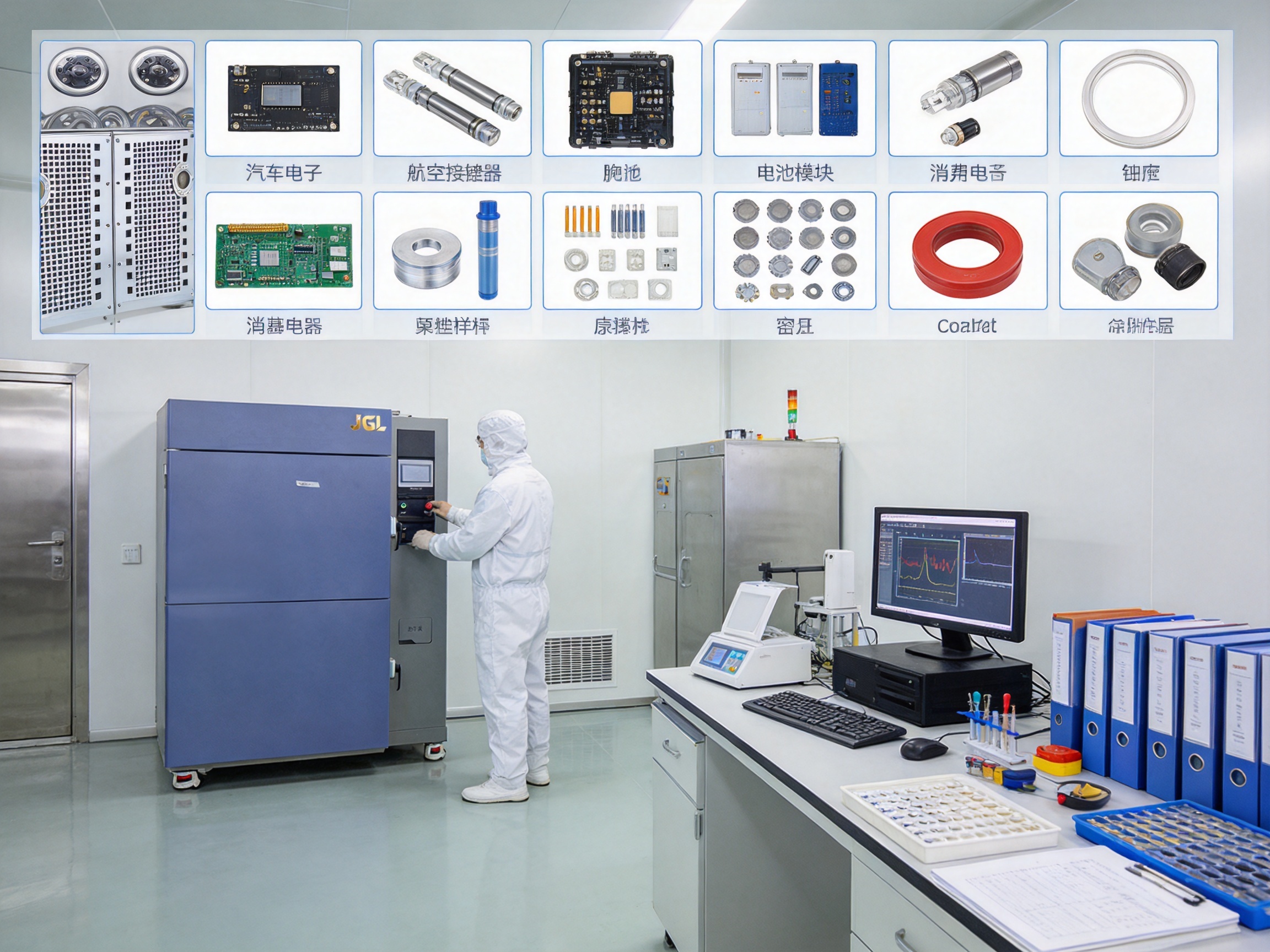
Modern products are expected to perform reliably across rapidly changing temperatures, high and low humidity, transportation conditions, storage environments, and demanding operating cycles. Electronic assemblies, automotive components, batteries, aerospace parts, polymers, coatings, and other engineered products can experience dimensional changes, condensation, corrosion, insulation failure, material fatigue, seal deterioration, and electrical instability when exposed to environmental stress. Reliable environmental testing is therefore an essential part of research and development, design verification, production quality control, and long-term reliability assessment.
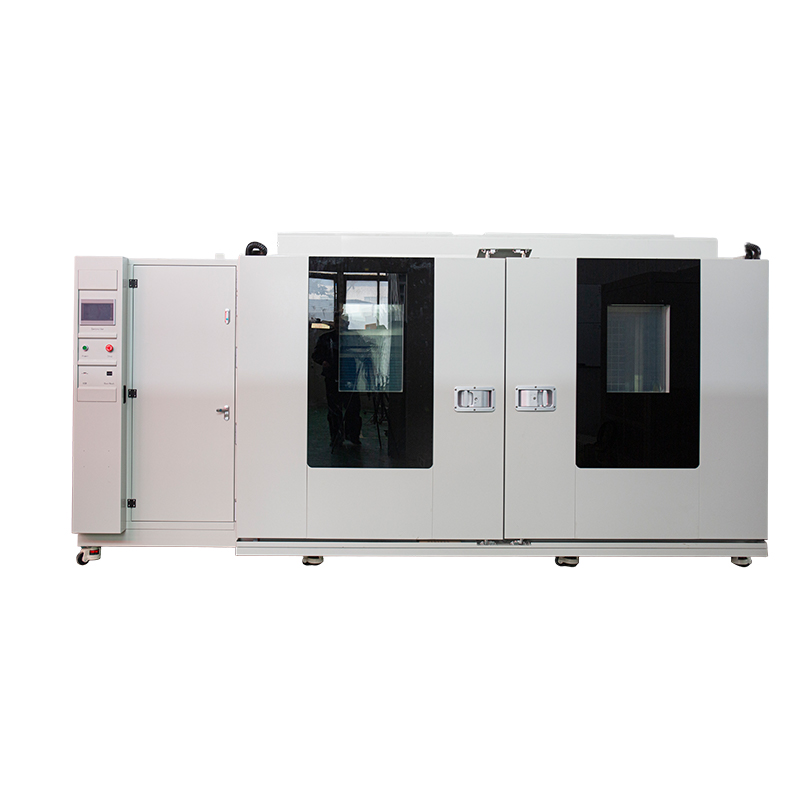
The U5QTH-150-A/W Rapid Thermal and Humidity Test System is designed for laboratories that require controlled, repeatable, and accelerated temperature and humidity testing in a compact 150-liter chamber. It combines rapid temperature transition capability, balanced temperature and humidity regulation, durable stainless-steel construction, operator-oriented safety features, and an industrial refrigeration and circulation system. Its configuration supports testing programs that demand more than simple temperature cycling, including controlled moisture exposure and combined thermal-humidity stress.
Unlike a basic temperature chamber, this system is engineered to manage the interaction between temperature, water vapor, airflow, refrigeration, heating, and condensation. That integrated approach is important because environmental test accuracy depends not only on the programmed setpoint but also on how uniformly and quickly the chamber reaches that condition, how effectively moisture is controlled, and how consistently the system repeats the same profile.
JIANGSU BAISHENG INDUSTRIAL CO., LTD. supplies the system as part of a broader portfolio of laboratory testing equipment, environmental test chambers, vacuum cryogenic transport devices, and electronic test instruments. Its technical foundation combines product development, equipment engineering, manufacturing coordination, and international trade experience. This combination allows the company to support customers seeking both standard equipment and application-oriented laboratory solutions.
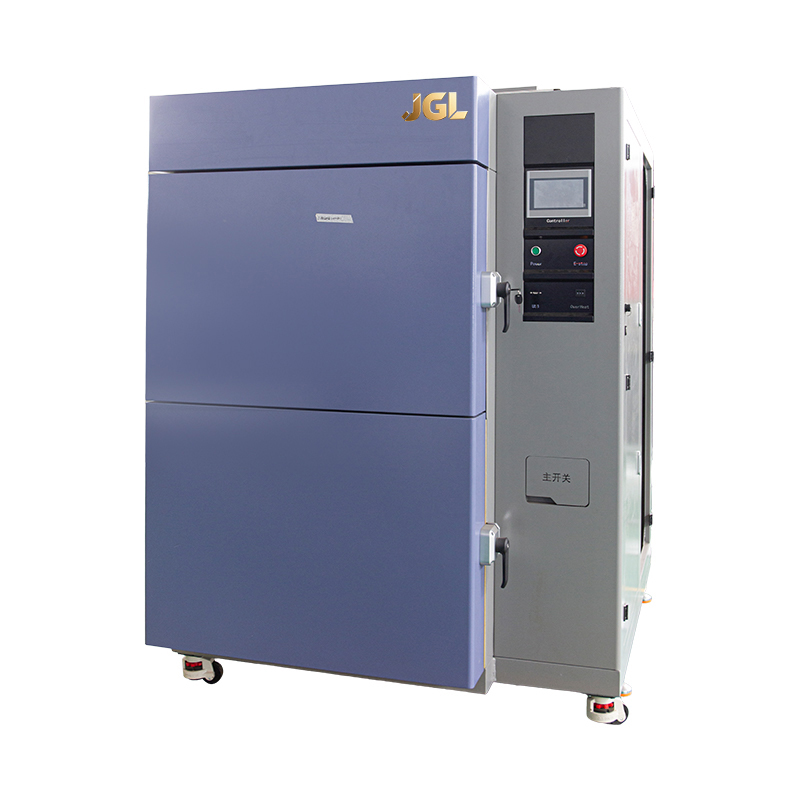
U5QTH-150-A/W Rapid Thermal and Humidity Test System
Why Rapid Temperature and Humidity Testing Matters
Environmental stress testing helps reveal weaknesses that may not appear during ordinary room-temperature operation. A product can function correctly during a short inspection yet fail after repeated exposure to temperature gradients, moisture, condensation, or thermal expansion and contraction. Accelerated testing makes these hidden weaknesses easier to identify before the product reaches customers or enters a critical operating environment.
Rapid temperature changes are especially useful for evaluating solder joints, connectors, circuit boards, sensors, displays, battery components, seals, adhesives, coatings, and composite materials. When a specimen moves between hot and cold conditions, different materials expand or contract at different rates. These mismatches create mechanical stress. Repeated cycles can cause cracks, delamination, loss of contact pressure, warping, leakage, or changes in electrical performance.
Humidity adds another layer of stress. Water vapor can penetrate porous materials, condense on cooler surfaces, reduce insulation resistance, accelerate corrosion, and alter the mechanical or electrical properties of polymers. In electronic products, the combination of heat and moisture can be more damaging than either factor alone. In materials testing, humidity can change mass, flexibility, hardness, adhesion, and dimensional stability.
A rapid thermal and humidity test system is therefore valuable when a laboratory needs to evaluate not only whether a product survives a temperature range, but also how it responds to repeated environmental transitions under controlled moisture conditions. The U5QTH-150-A/W is intended for this combined testing role, supporting applications across electronics, automotive engineering, batteries, aerospace, materials research, and 3C product development.
Product Overview
The U5QTH-150-A/W has a nominal chamber capacity of 150 liters. This size is suitable for small and medium-sized samples, assemblies, qualification specimens, and batches of components. A 150-liter work space can provide a useful balance between test volume and environmental response. Compared with a very large chamber, a smaller chamber generally allows laboratories to focus testing energy on the specimen space while maintaining a practical footprint for research and quality laboratories.
The listed internal studio dimensions are 500 × 500 × 600 millimeters, measured as width × depth × height. The listed overall dimensions are 780 × 1,700 × 1,810 millimeters. The equipment is supplied in configurations with stated temperature ranges of -40°C to +150°C and -70°C to +180°C. These specifications indicate that the product family can be configured for different performance requirements. Customers should confirm the applicable temperature range, heating and cooling rate, power supply, humidity operating envelope, and other options with the manufacturer before ordering.
The listed machine weights are approximately 950 kilograms and 1,000 kilograms for the corresponding configurations. This substantial mass reflects the chamber structure, thermal insulation, refrigeration system, heating elements, control components, airflow equipment, and supporting mechanical assemblies. The installation area should be evaluated carefully, including floor loading, access routes, ventilation, electrical supply, drainage, and service clearance.
| Item | Specification or Configuration | Practical Significance |
| Product model | U5QTH-150-A/W | Rapid thermal and humidity test system |
| Chamber capacity | 150 L | Suitable for component, assembly, material, and product-level testing within the working volume |
| Temperature configuration | -40°C to +150°C | Supports a broad range of environmental qualification and accelerated aging tests |
| Alternative temperature configuration | -70°C to +180°C | Supports more demanding low-temperature and high-temperature applications |
| Internal dimensions | 500 × 500 × 600 mm | Provides a defined working space for specimens and fixtures |
| External dimensions | 780 × 1,700 × 1,810 mm | Important for laboratory layout, delivery planning, and installation access |
| Approximate weight | 950 kg or 1,000 kg | Requires appropriate floor capacity and handling arrangements |
| Selectable temperature change rates | 5°C/min, 10°C/min, 15°C/min, and 20°C/min | Allows test designers to select a transition speed suited to the test standard or product application |
| Interior construction | Film-coated mirror-finished stainless steel | Supports corrosion resistance, cleaning, durability, and stable chamber performance |
| Circulation fans | Panasonic fans with bearings rated up to 200°C | Promote heat and moisture uniformity under demanding conditions |
Rapid Temperature Transition Capability
One of the central advantages of the U5QTH-150-A/W is its selectable temperature variation performance. The system is available with heating and cooling rate options of 5°C/min, 10°C/min, 15°C/min, and 20°C/min. This range allows the equipment to be matched to different test objectives rather than forcing every customer to use one fixed transition speed.
A 5°C/min rate may be appropriate for controlled environmental cycling, general component qualification, and applications where the laboratory wants to reproduce a moderate field transition. Higher rates can be selected for accelerated thermal stress testing, rapid aging studies, or products exposed to abrupt temperature changes during transportation, operation, or deployment. The appropriate rate depends on the test method, specimen mass, fixture design, starting temperature, ending temperature, and whether humidity is active during the transition.
Rapid transition is not simply a matter of installing a powerful heater or refrigeration compressor. The chamber must coordinate heating, cooling, airflow, insulation, control logic, and moisture management. A fast programmed rate has little value if the specimen experiences large spatial gradients or if the chamber overshoots the setpoint. The U5QTH-150-A/W addresses this challenge through dynamic PID control, balanced temperature and humidity regulation, and designed air circulation.
For product developers, selectable transition rates create flexibility during the development process. A laboratory may begin with a moderate profile to understand general behavior and then increase the rate to investigate failure margins. Quality departments can use a standardized rate for production screening, while research teams can compare multiple rates to determine the sensitivity of a material or assembly to thermal shock.
Integrated Temperature and Humidity Control
Temperature and humidity are interdependent variables. When air temperature changes, its ability to hold water vapor also changes. Cooling air can bring it closer to the dew point, while heating can reduce relative humidity if moisture is not added. A reliable combined environmental chamber must therefore coordinate temperature regulation and moisture control rather than treating them as completely separate functions.
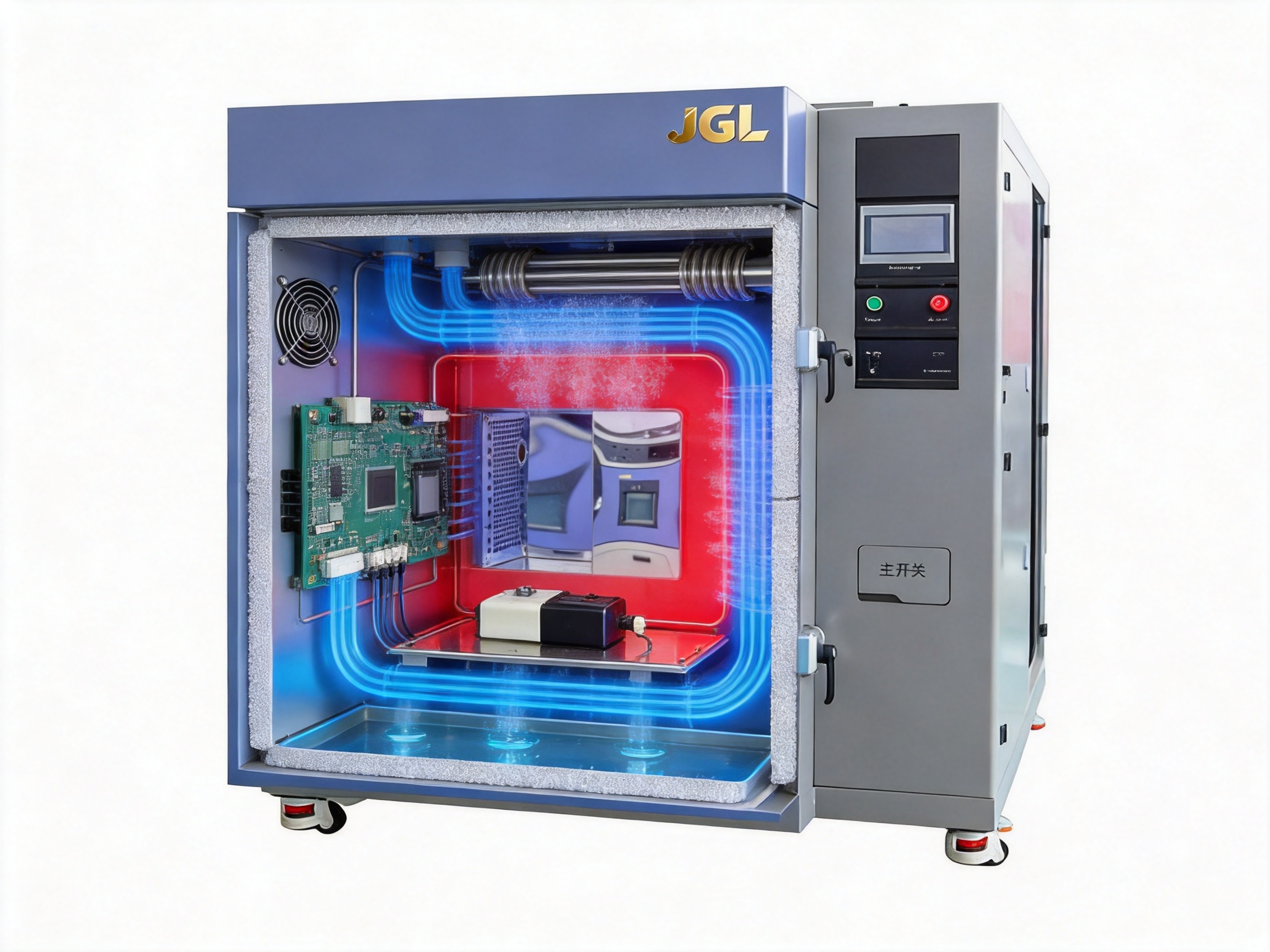
The U5QTH-150-A/W uses a high-precision balanced temperature and humidity control system. Its dynamic PID regulation is designed to continuously compare measured conditions with programmed values and adjust the heating, cooling, humidification, or related control outputs. This type of feedback control helps reduce unnecessary oscillation and supports stable chamber conditions during extended tests.
The system also incorporates water vapor partial pressure regulation. This approach is important because relative humidity changes with temperature, even when the absolute amount of water vapor remains constant. Managing water vapor partial pressure gives the control system a more meaningful way to regulate moisture during temperature transitions. It can support better repeatability when a test profile includes both rapid thermal changes and humidity requirements.
Precise control is particularly valuable when testing products that are sensitive to condensation or moisture absorption. It helps laboratories distinguish between failures caused by temperature alone and failures caused by the combined temperature-humidity environment. More stable conditions also improve the comparability of results between test cycles, samples, and laboratories.
Customers should select humidity settings according to the intended test standard and product requirements. The supplied product information does not specify a single humidity range, so the final humidity operating envelope should be confirmed during technical consultation. Factors such as minimum temperature, condensation prevention, specimen heat load, humidity accuracy, water quality, and operating altitude may influence the final configuration.
Dynamic PID Regulation and Test Repeatability
PID control is widely used in environmental test equipment because it can respond to the difference between a desired setpoint and the measured chamber condition. The proportional component reacts to present error, the integral component helps address accumulated error, and the derivative component can anticipate changes based on the rate of error variation. In a rapid thermal and humidity system, these functions must be coordinated with the physical response of the chamber and the characteristics of the specimen.
The value of dynamic PID regulation is not limited to reaching a setpoint quickly. It also involves maintaining stable conditions after the target is reached, limiting overshoot, and responding appropriately when the specimen introduces a changing thermal load. A chamber containing a large metal assembly may behave differently from one containing lightweight electronic components. Good control logic helps the system adapt to these practical differences.
Repeatability is essential in reliability testing. If two identical specimens are tested under significantly different chamber conditions, the resulting comparison may be misleading. Stable control supports more reliable trend analysis, failure investigations, product comparisons, and process improvements. It also helps laboratories document test conditions with greater confidence.
Control performance should always be verified through commissioning, calibration, and periodic maintenance. Sensors, humidity systems, refrigeration components, and airflow paths can change over time. The U5QTH-150-A/W provides the control architecture for precise environmental testing, while the laboratory remains responsible for establishing an appropriate calibration and verification program.
Chamber Construction and Material Selection
The chamber interior is constructed from mirror-finished stainless steel with a protective film coating. This design provides several practical benefits. Stainless steel offers durability and resistance to many common laboratory conditions. A smooth mirror-finished surface is easier to wipe down than a rough or porous interior, helping reduce contamination and simplifying routine maintenance.
The protective film contributes an additional layer of surface protection. It can help preserve the chamber finish during manufacturing, transportation, installation, or normal use. The exact maintenance procedure should follow the manufacturer’s recommendations, particularly when specimens release chemicals, solvents, corrosive vapors, or particulate matter.
Interior surface selection also affects thermal performance and airflow. A smooth reflective surface can support consistent heat distribution within the test area and reduce the likelihood that dirt or residue will interfere with cleaning. The chamber design is intended to provide a stable environment for repeated cycles rather than serving as a disposable enclosure.
Durability is especially important for laboratories that run long test programs. Environmental chambers may operate for many hours or days at a time, often with repeated transitions between high and low temperatures. A robust interior, properly protected insulation, reliable door sealing, and high-quality mechanical components contribute to equipment life and reduce avoidable downtime.
Adjustable Damped Door Hinge
The U5QTH-150-A/W features a damped hinge mechanism that allows free adjustment of the door opening angle. Although a door hinge may appear to be a minor mechanical detail, it affects daily laboratory efficiency and operator safety. An adjustable door can be positioned according to the available workspace, specimen size, operator posture, and access requirements.
During sample loading, a door that remains in a stable position can reduce the need for repeated manual correction. It can also help prevent the door from swinging unexpectedly into nearby equipment or personnel. For laboratories with restricted floor space, the ability to manage the opening angle can simplify placement and improve accessibility.
The hinge design is also useful when operators need to inspect a specimen, install instrumentation, route cables, or perform fixture adjustments before a test begins. The door should still be handled according to the operating instructions, especially when the chamber is hot, cold, humid, or under a condition that could create condensation.
Air Circulation and Environmental Uniformity
Temperature and humidity uniformity depend strongly on airflow. Even a well-designed heater and refrigeration system can produce inconsistent test results if air is not distributed effectively through the working space. The U5QTH-150-A/W uses Panasonic circulation fans with high-temperature-resistant bearings rated up to 200°C. These fans are intended to maintain airflow under demanding thermal conditions.
Continuous circulation helps move conditioned air around the specimen and reduces stagnant zones. It supports more even heat transfer, assists moisture distribution, and helps the sensors measure a condition that represents the chamber environment rather than a localized pocket. Air movement also contributes to faster recovery after the door is opened and closed, although recovery time depends on the duration of opening, specimen load, and programmed conditions.
Fan bearing capability is an important reliability consideration. Components operating near high-temperature zones must tolerate thermal exposure without excessive wear or loss of performance. The use of high-temperature-resistant bearings supports the long-term stability of the circulation assembly, provided that the system is operated within its specified limits and maintained correctly.
Specimen placement remains important even in a well-circulated chamber. Test articles should not block supply or return paths, touch chamber walls unless the method requires it, or exceed the recommended loading density. Proper fixture design and spacing help the chamber achieve the intended uniformity and protect the validity of the test.
Refrigeration System and Condensate Management
The refrigeration system is a major part of any low-temperature environmental chamber. It must remove heat from the working space, respond to changing thermal loads, and support the programmed cooling rate. In a humidity test system, refrigeration also interacts with moisture because cooling surfaces may attract condensation when air reaches its dew point.
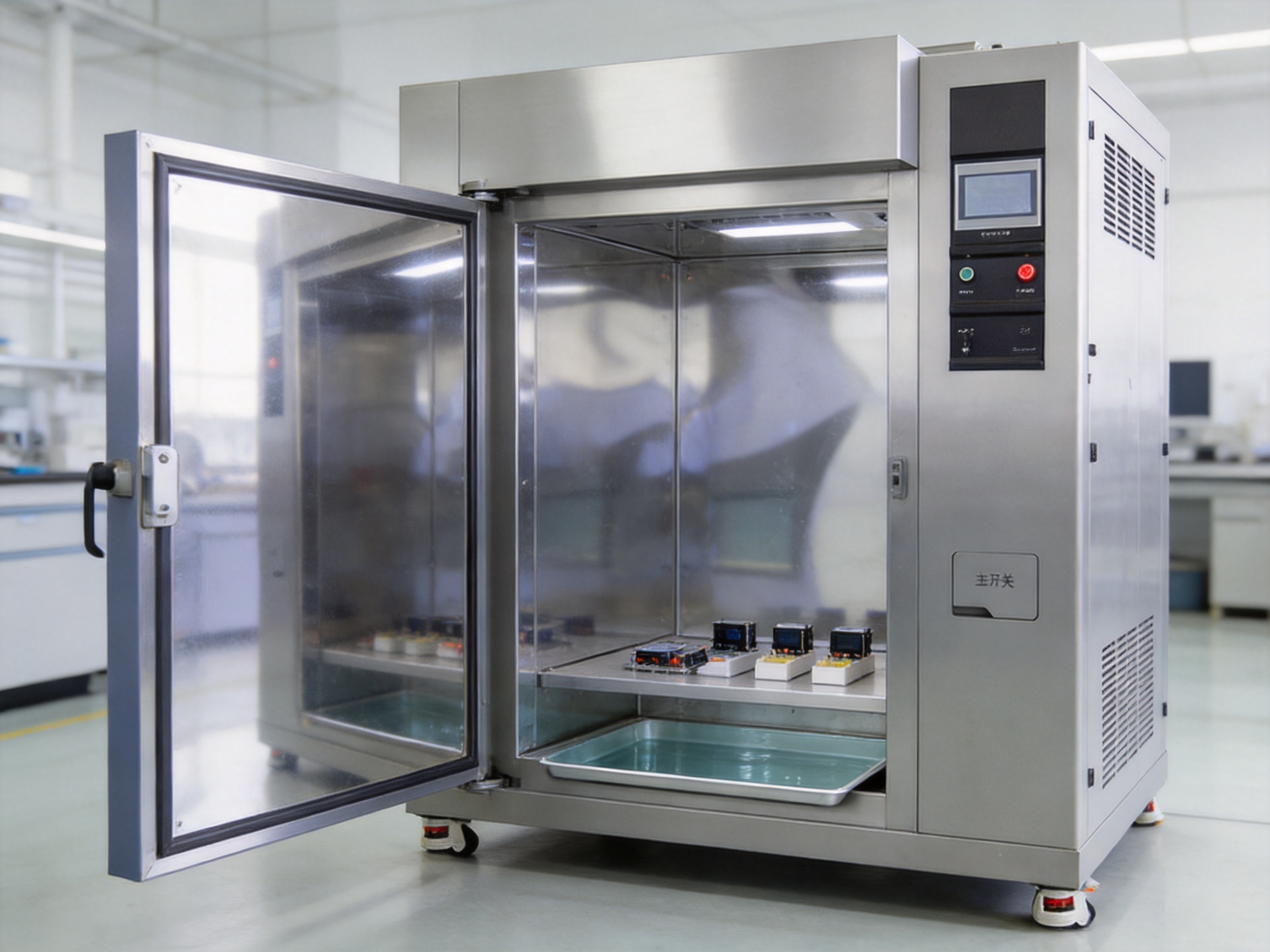
The U5QTH-150-A/W includes a full-size stainless-steel condensate tray. This tray is designed to collect and manage condensed water while protecting the compressor and related components from moisture-related problems. Condensation that is not properly managed can contribute to corrosion, contamination, insulation damage, or premature component wear.
Stainless steel construction gives the tray durability and resistance to the wet conditions associated with repeated humidity testing. Its full-size design is intended to provide suitable coverage for condensate collection and reduce the risk of overflow or uncontrolled water accumulation. Drainage procedures should be included in the laboratory’s operating and maintenance plan.
Effective condensate management also supports equipment cleanliness. Water left in inaccessible areas can create an environment for residue buildup or corrosion. Regular inspection of the tray, drain path, seals, and surrounding surfaces helps preserve system performance and reduces the risk of unexpected interruptions.
The refrigeration configuration should be selected according to the required low-temperature range and transition rate. The -70°C to +180°C configuration represents a more demanding operating envelope than the -40°C to +150°C configuration and may involve different system requirements. Technical confirmation is recommended before purchase to ensure that the selected configuration matches the intended test profile.
Safety-Oriented Engineering
Environmental chambers combine electricity, heating, refrigeration, moving air, water, pressure differences, and extreme temperatures. Safety must therefore be considered as part of the equipment design and operating procedure. The U5QTH-150-A/W incorporates unique leakage protection as part of its safety-oriented design.
Leakage protection is intended to reduce electrical risk by helping detect or limit unwanted current leakage under appropriate conditions. It should be used together with correct grounding, suitable circuit protection, proper installation, and routine inspection. Operators should never bypass protective devices or operate the equipment with damaged cables, connectors, seals, or panels.
Operator safety also depends on training. Personnel should understand how to load specimens, handle hot and cold surfaces, respond to alarms, manage water and drainage, and recover from a power interruption. When testing batteries, chemicals, pressurized components, or specimens that may release gas, the laboratory should perform a separate risk assessment and confirm that the chamber configuration is suitable.
Safety procedures should cover emergency shutdown, door operation, specimen failure, smoke or odor, abnormal noise, refrigeration faults, excessive condensation, and sensor alarms. The environmental chamber is a test platform, not a substitute for application-specific containment. Additional safety systems may be necessary for hazardous samples.
Energy Efficiency and Environmental Considerations
The system is designed with energy-efficient and environmentally friendly technology. Energy efficiency in an environmental chamber depends on several factors, including insulation quality, refrigeration performance, control strategy, door sealing, airflow design, operating profile, and maintenance condition.
Dynamic control can help reduce unnecessary heating and cooling activity by adjusting system output according to actual chamber conditions. Good insulation limits unwanted heat transfer, while an effective door seal helps preserve the programmed environment. Efficient fans and correctly maintained refrigeration components can also reduce avoidable energy loss.
Energy efficiency is valuable for laboratories that operate chambers continuously or run extended qualification programs. Lower energy consumption can reduce operating costs and contribute to more sustainable laboratory management. It may also reduce heat released into the laboratory, which can be relevant in facilities with limited ventilation or air-conditioning capacity.
Environmental performance should be evaluated over the full equipment life cycle. Preventive maintenance, timely replacement of worn seals, proper cleaning, correct loading, and appropriate test programming all influence energy use. Running a chamber with unnecessary empty space, frequent door openings, or unsuitable setpoints can increase consumption even when the equipment itself is efficient.
Manufacturing and Engineering Strengths
The performance of a rapid thermal and humidity test system depends on the quality of its design, component selection, assembly, inspection, commissioning, and technical support. JIANGSU BAISHENG INDUSTRIAL CO., LTD. describes itself as a technology-driven enterprise specializing in high-end laboratory equipment and safety testing instruments. Its development approach combines engineering innovation with professional international trade experience.
The company was founded in 2010. Its earlier development began with a research and development studio specializing in electronic testing. The founding team included engineers with technical backgrounds in laboratory equipment and safety compliance testing. This origin is significant because environmental test equipment requires an understanding of both mechanical systems and the test objectives of electronic and industrial products.
In 2016, the organization transitioned from a technical studio into an enterprise and completed its first independently developed production line. The company then introduced laboratory equipment developed with independent intellectual property. This progression indicates an emphasis on internal technical development rather than relying exclusively on external product sourcing.
In 2019, the company adopted a technology-plus-trade strategy. It increased research and development investment, introduced technical talent, and expanded into overseas markets. For international customers, this combination can be useful because technical communication, documentation, export coordination, and application support often need to work together.
By 2022, the company had further improved its quality management system, and its products underwent rigorous technical specification certifications according to the supplied company information. Customers should request the relevant certificates, inspection records, and compliance documents for the specific model and destination market because requirements can vary by country, electrical system, and application.
The company’s stated manufacturing strengths include the use of core electrical components from leading international brands. This approach can support long-term stability, parts availability, and service familiarity. It is particularly relevant for control systems, electrical protection, temperature measurement, switching, refrigeration management, and fan operation. Final component selection may vary according to configuration and customer requirements.
Manufacturing quality is also reflected in mechanical details. The film-coated mirror stainless-steel chamber, damped door hinge, full-size condensate tray, high-temperature-resistant circulation fan bearings, and integrated control design are examples of features that must work together. A high-quality chamber is not defined by one component alone; it is the result of coordinated design, accurate assembly, testing, and quality control.
Process-Oriented Product Development
A technically capable manufacturer typically develops environmental equipment through several linked stages. The process begins with understanding the intended application, required temperature range, transition rate, humidity conditions, specimen dimensions, loading, and applicable standards. This information influences the selection of refrigeration capacity, heating output, sensors, control logic, airflow arrangement, and safety devices.
Mechanical design follows the performance requirements. Engineers must consider the chamber volume, insulation, door structure, hinge movement, internal surfaces, drainage, airflow path, service access, and external footprint. The U5QTH-150-A/W’s compact working volume and substantial external structure illustrate the need to integrate a usable test space with the refrigeration and control hardware required for rapid environmental changes.
Electrical and control design then coordinates temperature measurement, humidity measurement, dynamic PID regulation, heating, cooling, fan operation, water vapor control, alarms, and leakage protection. Clear separation of power and measurement circuits, appropriate component ratings, secure wiring, and accessible service points are important aspects of equipment reliability.
Assembly quality determines whether the design performs consistently in practice. Insulation joints, door seals, sensor locations, fan mounting, drainage connections, electrical terminals, and refrigeration lines all require careful installation. Small assembly defects can create large performance problems, including heat leakage, condensation, noise, inaccurate readings, or slow recovery.
Testing and commissioning provide the final confirmation that the completed system performs as intended. Verification may include temperature uniformity, temperature stability, transition rate, humidity stability, alarm behavior, door operation, leakage protection, refrigeration response, and condensate management. The exact inspection program should be matched to the configuration and the customer’s acceptance requirements.
Competitive Advantages in Laboratory Use
Versus Basic Temperature Chambers
A basic temperature chamber may provide heating and cooling but lack the humidity control, water vapor regulation, or condensate management required for combined environmental testing. The U5QTH-150-A/W is designed for laboratories that need to examine the interaction between thermal and moisture stress. This broader capability can reduce the need to divide a test program between multiple pieces of equipment.
Versus Fixed-Rate Thermal Cycling Equipment
Some chambers are designed around one nominal temperature transition rate. The U5QTH-150-A/W offers selectable rates of 5°C/min, 10°C/min, 15°C/min, and 20°C/min. This flexibility allows the test profile to be matched more closely to a product’s real use conditions, a customer specification, or a research objective.
Versus Chambers with Limited Airflow Performance
Uneven airflow can create hot and cold zones, leading to inconsistent specimen exposure. The Panasonic circulation fans and high-temperature-resistant bearings support continuous air movement and environmental uniformity. Correct specimen arrangement remains necessary, but the equipment design provides a strong foundation for repeatable chamber conditions.
Versus Equipment with Minimal Condensation Protection
Moisture management is a critical issue in combined temperature and humidity testing. The full-size stainless-steel condensate tray provides a dedicated approach to collecting and managing condensed water. This can help protect the refrigeration system and simplify maintenance compared with designs that provide limited or less durable condensate handling.
Versus Chambers Designed Without Operator Flexibility
The damped, adjustable door hinge improves access and allows the operator to adapt the door position to the laboratory environment. This feature can make loading, inspection, fixture adjustment, and cable installation more convenient, particularly when the chamber is placed in a compact laboratory area.
Versus Equipment with Unclear Configuration Options
The availability of multiple temperature configurations allows customers to select an operating envelope that reflects their actual requirements. A laboratory conducting ordinary low-temperature qualification may not need the same configuration as a laboratory testing components at -70°C or high-temperature materials at +180°C. Selecting the appropriate version avoids paying for unsuitable capacity while preserving the ability to meet the intended test conditions.
Applications Across Multiple Industries
Electronics and Electrical Components
Electronic components can be affected by rapid temperature changes, moisture absorption, condensation, contact resistance, insulation degradation, and solder fatigue. The U5QTH-150-A/W can be used to investigate the stability of circuit boards, connectors, sensors, displays, power modules, relays, switches, and other electrical assemblies.
Testing may involve programmed temperature ramps, humidity exposure, repeated cycling, dwell periods, functional monitoring, or post-test inspection. The chamber can support development teams evaluating design margins and quality teams verifying that production components remain within performance requirements.
Automotive Components
Automotive parts are exposed to changing ambient temperatures, engine or battery heat, moisture, road conditions, and long service periods. Environmental testing can be applied to electronic control units, lighting assemblies, sensors, connectors, interior materials, seals, displays, and power-management components.
Rapid temperature and humidity testing can help identify failures associated with thermal expansion, condensation, corrosion, seal performance, and material compatibility. When combined with electrical or mechanical monitoring, the chamber can provide insight into both environmental durability and functional reliability.
Batteries and Energy Storage Systems
Batteries and energy-storage components must operate reliably over a wide range of environmental conditions. Temperature affects internal resistance, charge acceptance, discharge behavior, dimensional stability, and safety margins. Humidity may affect enclosures, connectors, insulation, corrosion resistance, and associated control electronics.
Before using a chamber for battery testing, the laboratory should confirm the allowable specimen size, energy level, electrical feedthrough requirements, exhaust arrangements, fire protection, and emergency response provisions. The U5QTH-150-A/W can provide controlled thermal and humidity conditions, but hazardous battery testing may require additional safety engineering beyond the standard chamber configuration.
Aerospace Components
Aerospace products and components may encounter severe temperature changes during storage, transportation, altitude transitions, and operation. Environmental testing can be used for avionics, sensors, connectors, materials, seals, displays, and structural subassemblies. Reproducible test conditions are important because aerospace qualification programs often require detailed records and strict repeatability.
Materials and Polymer Research
Materials researchers can use controlled temperature and humidity exposure to evaluate aging, swelling, shrinkage, cracking, discoloration, adhesion, hardness, flexibility, and dimensional change. Polymers, coatings, adhesives, elastomers, metals, composites, and packaging materials can be tested under controlled environmental cycles.
The 150-liter capacity provides a practical space for comparative studies involving multiple small specimens, provided that the loading arrangement maintains appropriate airflow and does not interfere with the test conditions.
3C Products and Consumer Devices
Computers, communication products, mobile devices, displays, small appliances, and other 3C products are often expected to withstand changing conditions during shipping, storage, and use. Rapid thermal and humidity testing can identify enclosure deformation, display defects, battery issues, connector instability, condensation-related faults, and performance drift.
Designing an Effective Test Program
A reliable chamber produces the best results when the test program is designed carefully. The first step is to define the purpose of testing. A qualification test, accelerated aging study, design comparison, failure analysis, or production screening program may require different temperature rates, dwell times, humidity conditions, sample quantities, and acceptance criteria.
The second step is to define the specimen and fixture arrangement. The specimen mass and material affect the response of the chamber. Large metal samples may absorb considerable thermal energy, while lightweight products may respond quickly. Fixtures should be compatible with the temperature and humidity range and should not introduce unexpected contamination or block airflow.
The third step is to select the temperature configuration and transition rate. The -40°C to +150°C version may suit many general environmental qualification programs, while the -70°C to +180°C version can address more extreme requirements. The selected rate should reflect the relevant test method and the real stress mechanism being investigated.
The fourth step is to establish the humidity profile. The laboratory should specify the target humidity, tolerance, ramp behavior, dwell time, condensation limits, water quality, and recovery expectations. Because humidity performance depends on temperature, the complete temperature-humidity profile should be reviewed as one integrated program.
The fifth step is to define monitoring and acceptance criteria. Functional signals, electrical resistance, insulation resistance, leakage current, dimensional measurements, mass change, visual defects, and post-test performance may all be relevant. Data acquisition equipment can be installed inside or outside the chamber depending on the test design and available feedthrough options.
Finally, the laboratory should document the test procedure, calibration status, specimen identification, chamber configuration, program version, alarms, interruptions, and final observations. Good documentation increases the value of the test and helps engineers compare results over time.
Installation and Maintenance Considerations
Because the system weighs approximately 950 to 1,000 kilograms, installation planning is essential. The destination floor must support the equipment and its operating loads. Delivery routes should be checked for door widths, lift capacity, turning space, ramps, and ceiling clearance. The external dimensions of approximately 780 × 1,700 × 1,810 millimeters should be included in the layout plan.
The chamber requires an appropriate electrical supply that matches the final configuration. Refrigeration equipment may generate heat during operation, so laboratory ventilation and air-conditioning capacity should be considered. Service access should remain available around the equipment, especially near electrical panels, refrigeration components, drainage connections, and control assemblies.
Routine maintenance should include inspection of door seals, cleaning of the interior, checking the condensate tray and drain path, examining fan operation, confirming sensor condition, and reviewing alarm records. The chamber should be kept free of specimens or residues that could release corrosive vapors or contaminate the interior.
Calibration should be performed at intervals appropriate to the laboratory’s quality system and test requirements. Temperature and humidity sensors should be verified against traceable standards or an approved calibration process. If the equipment is used for regulated or customer-mandated testing, the calibration and maintenance records should be retained with the test documentation.
Operators should avoid excessive door openings during active testing. Each opening allows conditioned air to escape and can increase recovery time, energy consumption, and moisture fluctuation. Loading the chamber consistently and following the manufacturer’s recommended specimen spacing can also improve repeatability.
Customer Support and Customization Potential
Environmental testing requirements vary widely between industries. Some customers need a standard chamber for component qualification, while others require customized fixtures, cable ports, monitoring interfaces, specimen racks, control functions, or special safety arrangements. A manufacturer with an internal research and development background can be better positioned to discuss these requirements at the engineering stage.
JIANGSU BAISHENG INDUSTRIAL CO., LTD. emphasizes customized solutions as part of its laboratory equipment business. Customization should begin with a clear technical specification covering temperature range, humidity range, rate requirements, specimen dimensions, load, power supply, safety risks, operating environment, documentation, and acceptance testing.
International customers may also require support with packing, shipping, installation guidance, operating instructions, spare parts, electrical adaptation, and technical documentation. The company’s combined technology and trade experience is intended to support this type of project coordination.
Customization should not be limited to cosmetic changes. The most valuable customization addresses measurable testing requirements. Examples may include modified racks, additional ports for instrumentation, special sample holders, software communication, enhanced safety measures, or a selected refrigeration configuration. Every modification should be reviewed for its effect on temperature uniformity, humidity control, transition rate, maintenance, and safety.
Recommended Selection Checklist
Before ordering the U5QTH-150-A/W, customers should identify the lowest and highest required temperatures and determine whether the -40°C to +150°C or -70°C to +180°C configuration is appropriate. If the actual test requires temperatures outside these ranges, a different model or custom design may be necessary.
Customers should also specify the required temperature change rate. The available options are 5°C/min, 10°C/min, 15°C/min, and 20°C/min. The rate should be considered together with specimen mass, fixture design, test standard, and the transition direction.
The humidity operating range and accuracy should be confirmed because the supplied product information does not list a single humidity range. The customer should ask how humidity is controlled at low temperatures, whether condensation is permitted, how water is supplied and drained, and how humidity calibration is performed.
Installation requirements should include electrical power, floor loading, ventilation, service clearance, water supply, drainage, ambient temperature, and delivery access. The approximate equipment weight makes these considerations particularly important.
Finally, customers should confirm the required documentation. Depending on the application, this may include an operating manual, factory inspection record, calibration certificate, wiring documentation, spare-parts list, test report, acceptance protocol, and compliance information for the destination country.
Quality, Reliability, and Long-Term Value
The value of an environmental chamber should be measured over its operating life rather than only by its purchase price. A system that provides stable control, repeatable transitions, convenient maintenance, durable construction, and dependable support can reduce the hidden costs of unreliable testing. These hidden costs may include repeated tests, delayed product release, inaccurate failure analysis, sample loss, equipment downtime, and inconsistent customer reports.
The U5QTH-150-A/W is designed around several features that contribute to long-term value: high-precision environmental control, dynamic PID regulation, water vapor partial pressure control, robust circulation, stainless-steel interior construction, condensate protection, adjustable door operation, and leakage protection. Each feature addresses a practical laboratory requirement.
Its competitive position is strengthened by the combination of rapid temperature variation and humidity testing in one system. The selectable rate options provide flexibility, while the 150-liter capacity keeps the unit suitable for many component- and assembly-level applications. The use of internationally recognized core electrical components can also support maintainability and confidence in critical control functions.
Long-term reliability still depends on proper installation, operating discipline, preventive maintenance, calibration, and the selection of a configuration appropriate for the actual test load. A well-designed chamber performs best when it is integrated into a complete laboratory quality system.
Frequently Asked Questions
What is the primary purpose of the U5QTH-150-A/W?
The U5QTH-150-A/W is designed for rapid temperature and humidity testing. It exposes products, components, materials, and assemblies to controlled environmental conditions so that engineers can evaluate reliability, aging, performance stability, and resistance to thermal and moisture stress.
What is the chamber capacity?
The nominal chamber capacity is 150 liters. The listed internal dimensions are 500 × 500 × 600 millimeters. The usable space should be considered together with specimen spacing, airflow requirements, fixtures, and any instrumentation installed inside the chamber.
Which temperature ranges are available?
The supplied specifications list configurations from -40°C to +150°C and from -70°C to +180°C. The applicable range depends on the selected configuration. Customers should confirm the final specification before purchase.
Which temperature transition rates can be selected?
The listed selectable rates are 5°C/min, 10°C/min, 15°C/min, and 20°C/min. Actual performance can depend on the temperature interval, specimen load, fixture mass, humidity condition, and other test parameters.
Does the system control both temperature and humidity?
Yes. The system is designed as a rapid thermal and humidity test system. It uses balanced temperature and humidity control, dynamic PID regulation, and water vapor partial pressure regulation. The exact humidity range and accuracy should be confirmed for the selected configuration.
Why is water vapor partial pressure control useful?
Relative humidity changes as temperature changes. Water vapor partial pressure provides an additional way to manage the actual moisture condition during thermal transitions. This can support more consistent humidity control when temperature and moisture are changing together.
What type of interior does the chamber have?
The chamber interior uses mirror-finished stainless steel with a protective film coating. This supports durability, corrosion resistance, easier cleaning, and stable environmental performance.
How does the door hinge improve operation?
The damped hinge allows the door opening angle to be adjusted and held in a convenient position. This can improve sample loading, inspection, fixture installation, and operator access while reducing unwanted door movement.
What circulation fans are used?
The system uses Panasonic circulation fans with high-temperature-resistant bearings rated up to 200°C. These fans promote airflow and help support temperature and humidity uniformity within the working space.
How is condensation managed?
The system includes a full-size stainless-steel condensate tray designed to collect condensed water and help protect the compressor from moisture-related corrosion or damage. The tray and drainage path should be inspected and maintained regularly.
What safety feature is specifically highlighted?
The product information identifies unique leakage protection as a safety feature. It should be used with correct grounding, circuit protection, installation, inspection, and operator training.
Which industries can use this equipment?
Applications include electronics, electrical components, automotive parts, aerospace components, batteries, energy storage systems, polymers, metals, composites, materials research, and 3C products.
Can the system be customized?
Customization may be possible depending on the requested temperature and humidity conditions, fixtures, instrumentation ports, control interfaces, safety requirements, and other technical specifications. Customers should discuss application details with the manufacturer before finalizing the design.
What should be confirmed before ordering?
Customers should confirm the temperature range, temperature transition rate, humidity range, accuracy, specimen load, internal fixtures, power supply, dimensions, weight, installation environment, drainage, safety requirements, documentation, calibration, and acceptance criteria.
Conclusion
The U5QTH-150-A/W Rapid Thermal and Humidity Test System provides a focused solution for laboratories that need fast, controlled, and repeatable environmental stress testing. Its 150-liter capacity, selectable temperature transition rates, broad temperature configurations, dynamic PID regulation, water vapor partial pressure control, stainless-steel chamber, adjustable damped hinge, high-temperature circulation fans, condensate tray, and leakage protection address the practical demands of modern reliability laboratories.
Its advantage over basic environmental chambers lies in the integration of rapid thermal change and humidity control. Its advantage over fixed-rate equipment lies in the choice of four transition rates. Its advantage in long-term laboratory use is supported by durable materials, internationally sourced core electrical components, robust airflow, and a design intended for maintenance and repeated testing.
The manufacturer’s development history, R&D foundation, technology-plus-trade strategy, customized solution capability, and commitment to precision engineering provide additional support for customers seeking laboratory equipment from China. For the best result, the selected configuration should be matched carefully to the test standard, specimen type, safety risk, and installation conditions.
When properly specified, installed, calibrated, and maintained, the U5QTH-150-A/W can become a valuable part of a laboratory’s product development, quality assurance, materials research, and environmental reliability program.
References
1. JIANGSU BAISHENG INDUSTRIAL CO., LTD. Product information for the U5QTH-150-A/W Rapid Thermal and Humidity Test System.
2. JIANGSU BAISHENG INDUSTRIAL CO., LTD. Company profile, development history, engineering capabilities, and product portfolio information.
3. International Electrotechnical Commission. Environmental Testing: Climatic and Temperature Test Methods.
4. International Organization for Standardization. Environmental Conditions and Testing Procedures for Electronic and Electrical Products.
5. American Society for Testing and Materials. Standard Practices for Temperature, Humidity, Thermal Cycling, and Environmental Exposure Testing.
6. Laboratory environmental chamber commissioning, calibration, maintenance, and measurement-control principles.
Product: U5QTH-150-A/W Rapid Thermal and Humidity Test System
PREV:High-Precision Vacuum Cryogenic Sample Transfer Chambers for Reliable Laboratory Workflows
NEXT:Fast Temperature and Humidity Cycling Chamber for High-Precision Environmental Reliability Testing
NEXT:Fast Temperature and Humidity Cycling Chamber for High-Precision Environmental Reliability Testing
Interested in cooperation or have questions?
Featured Products
Related products
Quick Link
Contact Information
- Tel: +86-13861043568
- E-mail: 1840784112@qq.com
- Add: Tianting District, Changzhou City, Jiangsu Province, China, No. 6 Hecircuit
Scan Code
Copyright © JIANGSU BAISHENG INDUSTRIAL CO., LTD.
All Rights Reserved. Privacy Custom Precision Laboratory Testing Equipment Manufacturers
