 English
 Español
NEWS
NEWS
NEWS
NEWS
NEWS
NEWS
NEWS
NEWS
NEWS
NEWS
NEWS
NEWS
NEWS
NEWS
NEWS
NEWS

Deng Xinyi — Product After-Sales Support Specialist
Home / Author / Deng Xinyi — Product After-Sales Support Specialist / Fast Temperature and Humidity Cycling Chamber for High-Precision Environmental Reliability Testing
Fast Temperature and Humidity Cycling Chamber for High-Precision Environmental Reliability Testing
Content
- 1 Product Overview
- 2 Key Technical Specifications
- 3 Why Rapid Temperature and Humidity Cycling Matters
- 4 Structural Design for Long-Term Reliability
- 5 Advanced Temperature and Humidity Control
- 6 Refrigeration Design and Condensation Protection
- 7 Electrical System Quality and Imported Core Components
- 8 Advantages Over Conventional Competitor Chambers
- 9 Applications in Electronics and Component Reliability
- 10 Applications in Automotive, Aerospace, and Industrial Testing
- 11 Manufacturing Strength Behind the Chamber
- 12 Advanced Manufacturing Processes and Quality Control
- 13 Energy Efficiency and Environmental Responsibility
- 14 User Experience and Laboratory Integration
- 15 Customization Value for Professional Customers
- 16 How the Chamber Supports Reliable Test Data
- 17 Recommended Use Practices
- 18 Q&A Section
- 18.1 What is the U5QTH-100-A/W designed to test?
- 18.2 What capacity does the chamber provide?
- 18.3 What temperature ranges are available?
- 18.4 How fast can the temperature change?
- 18.5 Why is dynamic PID control important?
- 18.6 What is the advantage of water vapor partial pressure control?
- 18.7 Why does the chamber use mirror stainless steel inside?
- 18.8 How does the product improve safety?
- 18.9 What makes it different from lower-cost competitor chambers?
- 18.10 Can the chamber be customized?
- 19 Conclusion
- 20 References
- 21 Product: U5QTH-100-A/W Fast Temperature & Humidity Cycling Chamber
Modern product reliability depends on the ability to reproduce severe, repeatable, and measurable environmental stress conditions inside the laboratory. The U5QTH-100-A/W Fast Temperature and Humidity Cycling Chamber is designed for this purpose: it provides rapid temperature change, controlled humidity performance, stable chamber uniformity, and durable mechanical construction in a compact 100 L workspace. As electronic components, automotive modules, aerospace assemblies, batteries, materials, sensors, medical devices, and industrial instruments become smaller and more complex, manufacturers need a test chamber that can expose specimens to fast thermal transitions without sacrificing control accuracy or operational safety. This product is positioned as a professional solution for laboratories that require dependable cycling performance, long service life, and flexible customized support.
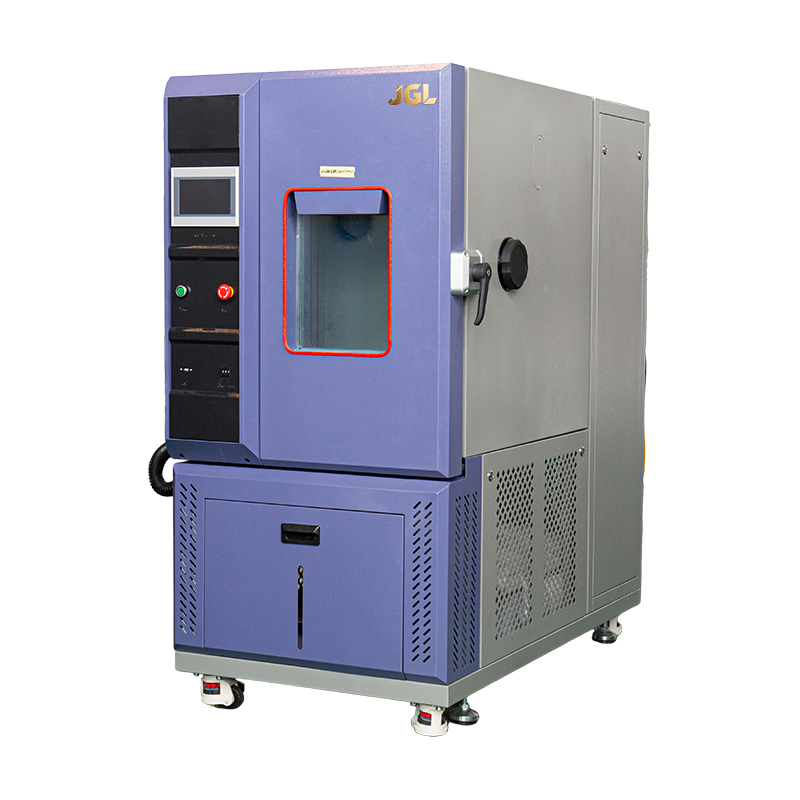
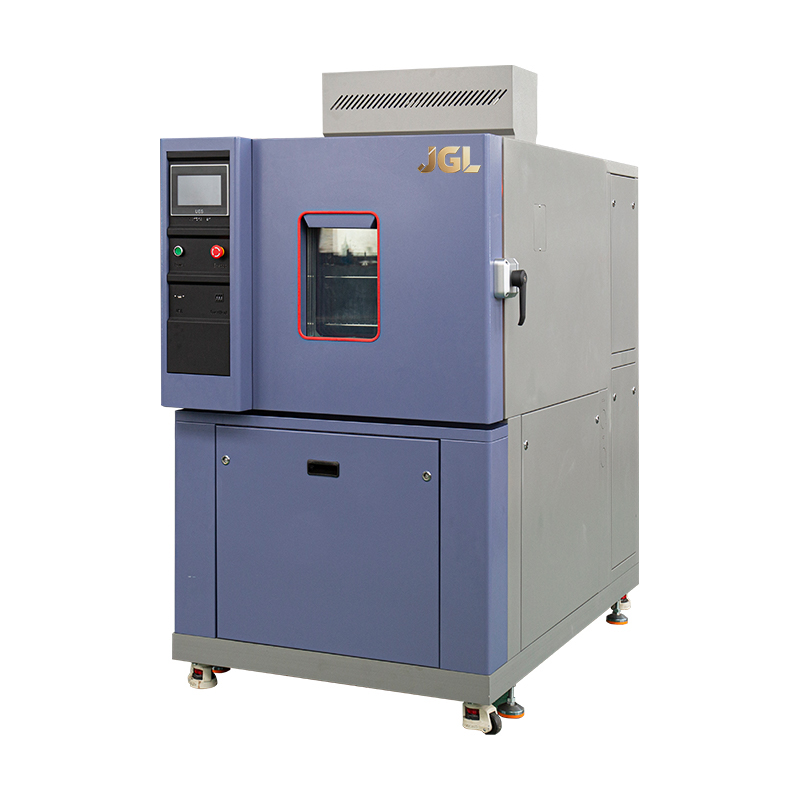
U5QTH-100-A/W Fast Temperature & Humidity Cycling Chamber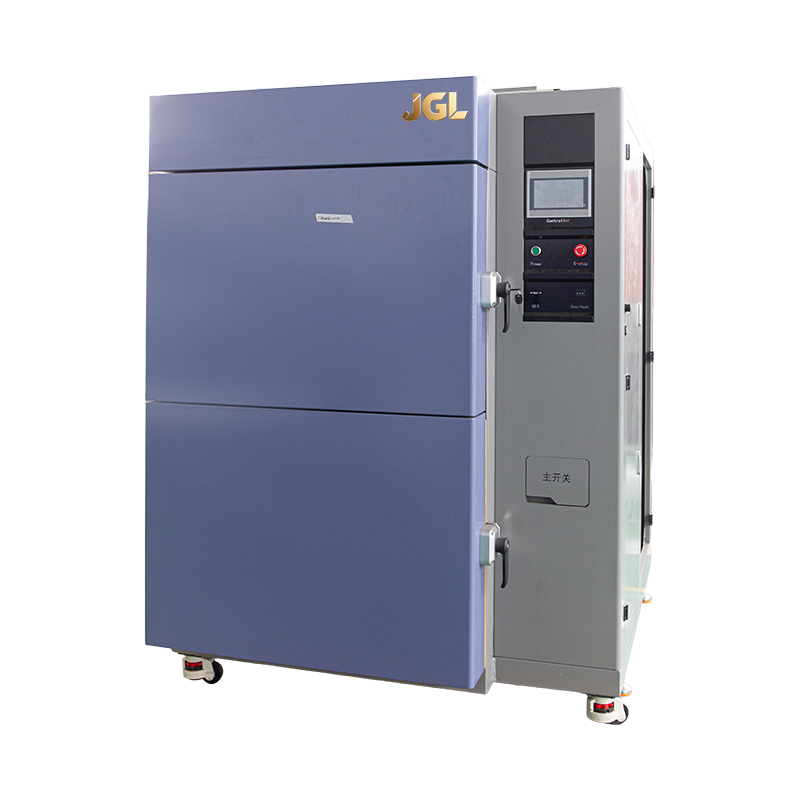
Product Overview
The U5QTH-100-A/W is a rapid temperature change humidity test chamber with a 100 L internal capacity and a studio size of 500 mm by 400 mm by 500 mm. It is engineered for fast temperature and humidity cycling, with selectable rapid temperature rates such as 5°C/min, 10°C/min, 15°C/min, and 20°C/min, depending on configuration and test requirements. The chamber supports demanding temperature ranges, including -40°C to +150°C and an extended -70°C to +180°C configuration. These specifications make it suitable for accelerated reliability testing, environmental stress screening, temperature-humidity cycling, quality verification, and research applications where product stability must be proven under changing environmental conditions.
The chamber is not only a box that becomes hot, cold, dry, or humid. It is a controlled test environment built around a balanced temperature and humidity regulation system. Dynamic PID control and water vapor partial pressure control help maintain precision as the chamber moves through complex profiles. In practical terms, this means the equipment can respond intelligently to temperature and humidity deviations rather than simply switching heaters, refrigeration, and humidification elements on and off. The result is improved control, better repeatability, and more credible test data.
For many laboratories, the value of a rapid temperature change chamber is measured by three things: the speed of transition, the stability after transition, and the confidence that the system will operate safely over thousands of test cycles. The U5QTH-100-A/W addresses all three. Its rapid cycling capability shortens test time, its advanced control strategy supports precision, and its structural and electrical design focuses on durability and safety. These qualities are especially important for manufacturers that must test products before mass production, validate design changes, or comply with internal and external reliability standards.
Key Technical Specifications
| Item | Specification |
| Product model | U5QTH-100-A/W |
| Product category | Rapid Temperature Change Humidity Test Chamber |
| Capacity | 100 L |
| Temperature range options | -40°C to +150°C; -70°C to +180°C |
| Workspace dimensions | 500 mm × 400 mm × 500 mm |
| Overall dimensions | 780 mm × 1600 mm × 1710 mm |
| Approximate machine weight | 650 kg or 820 kg, depending on configuration |
| Rapid temperature rate options | Average or linear 5°C/min, 10°C/min, 15°C/min, and 20°C/min |
| Inner chamber material | Film-coated mirror stainless steel plates |
| Control method | Dynamic PID with water vapor partial pressure control |
| Circulating fan motor | Panasonic motor with high-temperature resistant bearings rated up to 200°C |
| Safety design | Unique leakage protection design and enhanced operational safeguards |
Why Rapid Temperature and Humidity Cycling Matters
Environmental testing has become a critical stage in modern manufacturing because many product failures occur only when materials, solder joints, seals, adhesives, coatings, sensors, or assemblies experience repeated environmental stress. A product that works well at room temperature may fail when exposed to a sudden transition from low temperature to high temperature, or when humidity condenses on sensitive surfaces. The purpose of rapid temperature and humidity cycling is to accelerate these stresses in a controlled manner so that weaknesses appear in the laboratory rather than in the field.
Fast temperature change can reveal thermal expansion mismatches between materials. For example, printed circuit boards, connectors, plastic housings, metal brackets, and encapsulated components all expand and contract at different rates. Repeated cycling can cause cracks, delamination, solder fatigue, insulation problems, or sealing failure. Humidity adds another layer of stress by encouraging corrosion, insulation resistance degradation, moisture absorption, and electrochemical migration. A chamber that combines temperature cycling with humidity control allows engineers to evaluate these combined effects with greater realism.
The U5QTH-100-A/W is well suited to accelerated test programs because its rapid temperature rate options allow laboratories to select a profile that matches their standard, customer requirement, or internal reliability goal. A 5°C/min rate may be appropriate for many verification procedures, while 10°C/min, 15°C/min, or 20°C/min can support more aggressive screening or accelerated development work. The ability to select the rate helps users avoid over-testing while still achieving meaningful stress exposure.
In competitive manufacturing environments, testing speed matters. A slow chamber may require many days to complete a profile that a rapid temperature cycling chamber can finish much faster. Shorter test cycles can accelerate design iteration, reduce waiting time for qualification, and improve production decision-making. For laboratories with multiple projects, faster temperature transitions also increase chamber utilization. This makes the U5QTH-100-A/W not just a technical instrument, but also a productivity tool.
Structural Design for Long-Term Reliability
The chamber features an advanced and rational structural design intended to support daily laboratory use. One detail that directly affects operator convenience is the damping hinge system, which allows free adjustment of the door opening angle. This helps operators load and unload samples more comfortably and reduces the risk of sudden door movement. In a busy test lab, where technicians may perform repeated operations every day, mechanical details such as hinge quality, door alignment, sealing performance, and ergonomic access influence both safety and productivity.
The inner chamber is made of film-coated mirror stainless steel plates. Mirror stainless steel is widely favored in environmental chambers because it resists corrosion, is easy to clean, and provides a smooth professional finish. The film-coated surface adds protection during fabrication and assembly, helping preserve surface quality. A clean interior is important because environmental tests often involve condensation, temperature extremes, and repeated exposure to humidity. Inferior inner materials may stain, corrode, or accumulate residues that affect future tests. Stainless steel helps maintain a stable and clean test environment over long service periods.
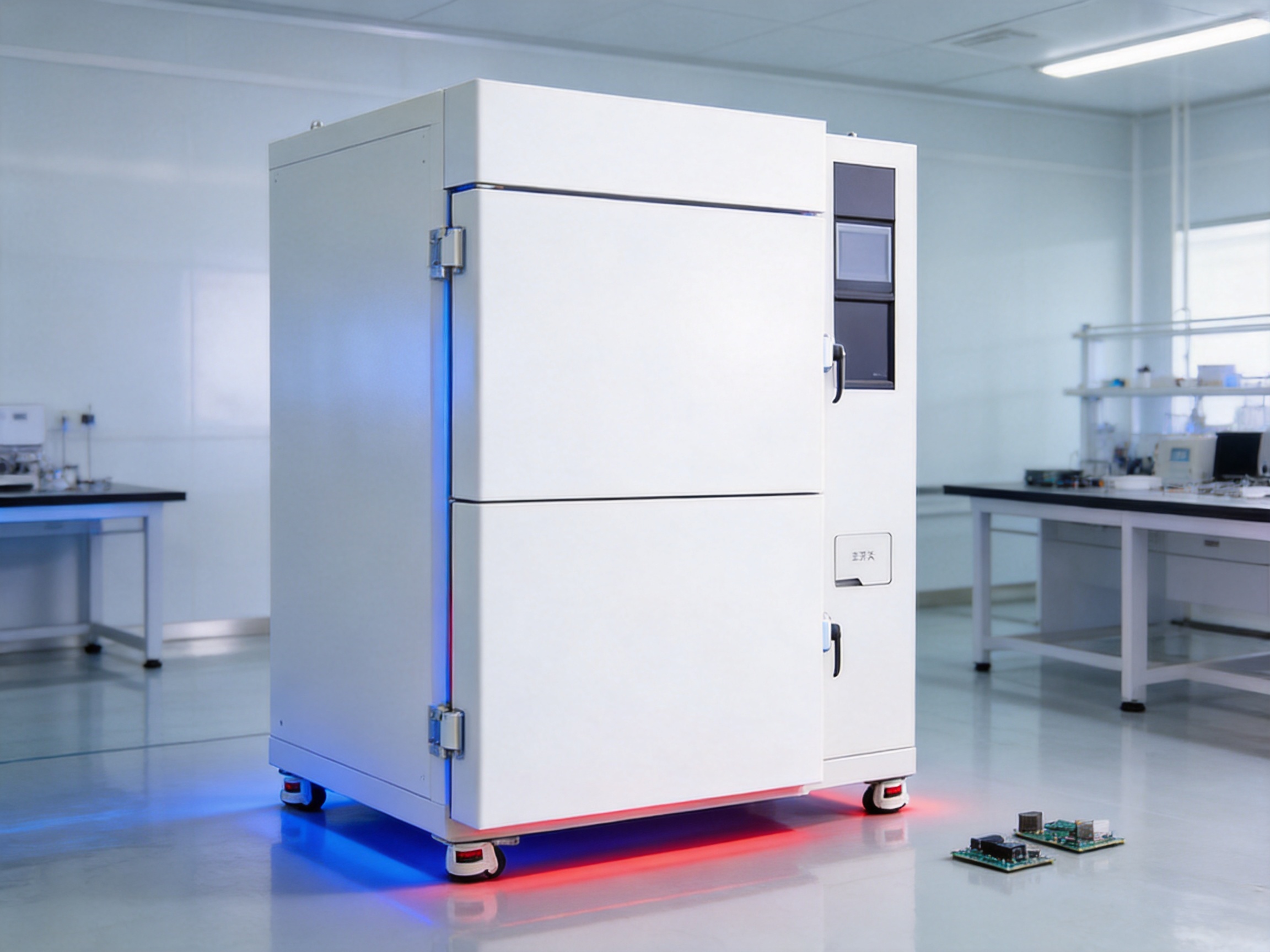
Structural rationality also supports airflow. In a rapid temperature change chamber, uniformity is not achieved only by heating and cooling power. It depends on air circulation, chamber geometry, duct design, fan performance, and the relationship between the specimen load and the air path. The U5QTH-100-A/W uses a circulating fan driven by a Panasonic motor with built-in high-temperature resistant bearings rated up to 200°C. This is a significant advantage because the fan must operate reliably under repeated high and low temperature exposure. A weak fan motor or unsuitable bearing system can lead to airflow instability, noise, reduced uniformity, or premature failure.
Compared with basic environmental chambers that may prioritize low initial cost over mechanical endurance, this chamber emphasizes robust construction. For professional laboratories, a chamber failure does not only mean repair cost. It can interrupt qualification schedules, invalidate ongoing tests, delay product launches, and reduce customer confidence. By using a durable chamber structure, high-quality internal materials, reliable fan components, and safety-focused design, the U5QTH-100-A/W helps reduce operational risk throughout its life cycle.
Advanced Temperature and Humidity Control
One of the most important strengths of the chamber is its balanced temperature and humidity control system. Temperature and humidity interact with each other. When temperature changes rapidly, the air’s capacity to hold moisture changes as well. If the chamber cannot coordinate heating, cooling, humidification, and dehumidification properly, the actual humidity condition may overshoot, undershoot, or become unstable. For sensitive reliability testing, such instability can compromise repeatability.
The chamber uses dynamic PID control. PID control refers to proportional, integral, and derivative regulation, a widely used industrial control method. Dynamic PID means the control system can adjust response behavior according to changing conditions rather than relying on a static control approach. This helps the chamber respond smoothly to transitions and maintain stable setpoints. In practical testing, this improves profile accuracy, reduces temperature fluctuation, and supports consistent recovery after door opening or specimen heat load changes.
Water vapor partial pressure control further enhances humidity accuracy. Instead of treating humidity as a simple percentage value alone, partial pressure control considers the physical behavior of water vapor in air. This is valuable because relative humidity is temperature dependent. At different temperatures, the same amount of water vapor produces different relative humidity values. By controlling the water vapor condition more intelligently, the system can improve humidity regulation, especially during changing temperature profiles.
For laboratories, better control means better evidence. When a product passes a test, the test record must be credible. When it fails, engineers must know that the failure was caused by the intended stress condition rather than unstable chamber behavior. The U5QTH-100-A/W helps provide this confidence by combining precise sensing, responsive control, and carefully designed environmental regulation.
Refrigeration Design and Condensation Protection
Rapid cooling is one of the most challenging functions in an environmental test chamber. Achieving low temperatures quickly requires a capable refrigeration system, proper insulation, stable refrigerant management, and efficient heat exchange. The U5QTH-100-A/W is available in configurations reaching -40°C or -70°C, giving users flexibility based on their application. The -40°C range is suitable for many industrial, electronic, automotive, and material tests, while the -70°C range supports more severe low-temperature validation, aerospace-related applications, and high-stress reliability programs.
A notable feature of the refrigeration unit is the full-size stainless steel water tray. Condensation and frost are common challenges in temperature cycling equipment. When a chamber repeatedly moves between hot, humid, and cold conditions, moisture can form and migrate. If not properly managed, condensate can corrode the compressor casing, damage surrounding components, and reduce long-term reliability. The stainless steel water tray helps prevent compressor frost issues and protects the casing from condensate corrosion.
This detail reflects a deeper design philosophy: reliability is not achieved by one major component alone, but by many small protective choices throughout the equipment. A competitor may advertise similar temperature ranges, but if its condensation management is weak, long-term performance may decline. The stainless steel tray, leakage protection design, high-quality electrical components, and durable internal materials work together to extend service life and reduce maintenance risk.
In rapid cycling chambers, refrigeration must also handle repeated load changes. Each transition places stress on compressors, valves, heat exchangers, and control elements. The use of high-quality components and thoughtful mechanical layout helps stabilize operation. For end users, this translates into fewer unexpected shutdowns, improved test continuity, and stronger confidence when running long-duration cycling programs.
Electrical System Quality and Imported Core Components
The product uses core electrical components from top-tier imported brands. This is a meaningful advantage because environmental chambers rely heavily on electrical control stability. Contactors, relays, controllers, sensors, safety devices, and switching elements must operate repeatedly under demanding conditions. Lower-grade electrical components can introduce instability, measurement drift, control delays, or safety risks. In contrast, premium components help maintain responsiveness and durability.
Electrical reliability is particularly important in rapid temperature and humidity cycling because multiple systems operate simultaneously. Heating, refrigeration, air circulation, humidification, dehumidification, protection circuits, alarms, and control interfaces all interact during a test. If one component behaves inconsistently, the entire profile can be affected. By choosing high-grade electrical elements, the chamber is built to support stable operation over many cycles.
Another key safety point is the unique leakage protection design. Environmental chambers often combine electricity, water, humidity, and metal structures. This combination requires strong electrical safety engineering. Leakage protection helps reduce risk to operators and equipment, especially during humidity testing and condensation-prone profiles. For laboratories that must meet internal safety rules or customer audit requirements, such protection is not optional; it is a fundamental requirement.
Compared with low-cost alternatives that may use generic components and simplified protection circuits, the U5QTH-100-A/W provides a stronger foundation for professional use. The benefit is not only performance but also safety assurance. A chamber operating at high temperatures, low temperatures, and high humidity must be trusted by operators. Electrical design quality is central to that trust.
Advantages Over Conventional Competitor Chambers
The environmental chamber market includes a wide range of products, from basic constant temperature chambers to advanced rapid thermal cycling systems. The U5QTH-100-A/W stands out because it combines rapid temperature change, humidity control, safety protection, robust construction, and precision regulation in one 100 L platform. Many competitor chambers may offer one or two of these strengths, but fewer integrate them as a complete system.
First, the chamber offers flexible rapid temperature rates. Some conventional humidity chambers are designed mainly for stable setpoint testing and cannot deliver rapid transitions. Others may cool quickly but lack humidity control precision. The U5QTH-100-A/W gives users selectable rates such as 5°C/min, 10°C/min, 15°C/min, and 20°C/min, enabling both moderate and aggressive test profiles. This flexibility makes it suitable for a broader range of standards and internal test methods.
Second, the chamber uses advanced dynamic PID and water vapor partial pressure control. Basic chambers often rely on simpler control logic, which may be acceptable for static temperature tests but less effective during rapid changes. Better control helps reduce overshoot and improves repeatability. In qualification testing, repeatability is essential because test results must be defensible.
Third, the internal structure uses film-coated mirror stainless steel plates. Some lower-cost chambers use less durable internal materials or lower-grade stainless steel finishes. Over time, humidity and temperature cycling can expose weaknesses in material selection. A clean, corrosion-resistant interior is an important long-term advantage, especially for laboratories that run humidity tests frequently.
Fourth, the use of a Panasonic circulating fan motor with high-temperature resistant bearings rated up to 200°C provides confidence in air circulation durability. Airflow is a core factor in temperature uniformity and specimen exposure. A chamber with weak airflow may show good sensor readings at one point while specimens experience different conditions elsewhere. A reliable circulation system helps maintain consistent environmental distribution.
Fifth, the refrigeration unit includes a full-size stainless steel water tray to reduce frost and condensate corrosion risks. This practical design detail can improve service life and reduce maintenance problems. Competitors that overlook condensation management may face corrosion, leakage, or compressor-area degradation after long-term operation.
Finally, the unique leakage protection design strengthens operational safety. In professional laboratories, safety cannot be separated from performance. A rapid cycling humidity chamber must protect users, specimens, and facility infrastructure. The U5QTH-100-A/W is designed with this broader responsibility in mind.
Applications in Electronics and Component Reliability
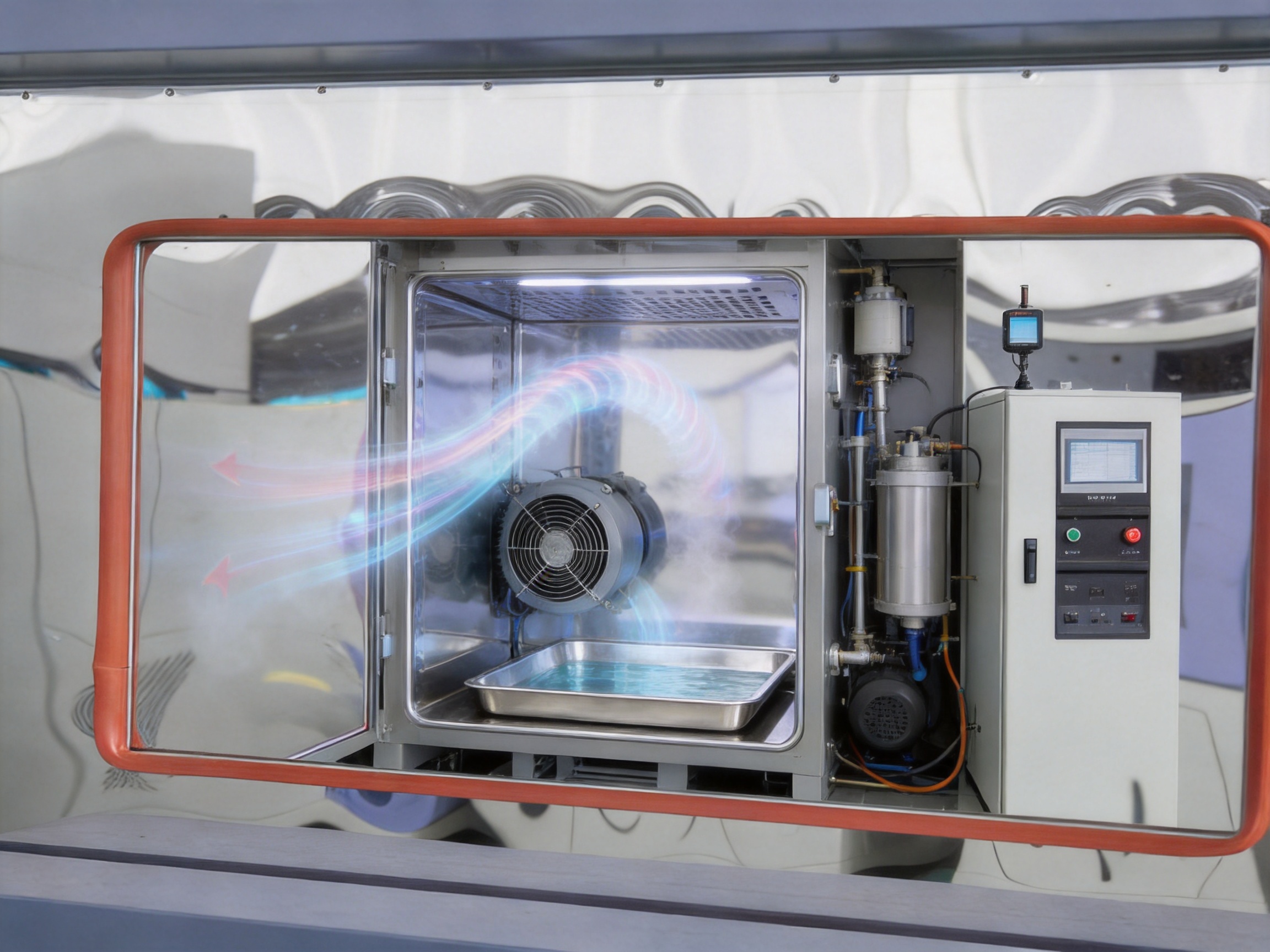
Electronics are among the most common products tested in rapid temperature and humidity cycling chambers. Printed circuit boards, semiconductors, connectors, sensors, power modules, displays, communication devices, and consumer electronics can all be affected by thermal shock, moisture, corrosion, and material fatigue. The U5QTH-100-A/W provides an appropriate environment for evaluating these risks before products enter the market.
In electronic testing, one common objective is to discover intermittent failures. A device may function correctly at room temperature but fail temporarily at low temperature because of contraction, or at high temperature because of material softening, resistance changes, or semiconductor behavior. Humidity can further expose insulation weakness, connector corrosion, or leakage current problems. By cycling temperature and humidity, engineers can observe how devices behave under realistic and accelerated stress.
The 100 L capacity is practical for small and medium electronic assemblies. It provides enough volume for multiple samples while remaining compact enough for laboratory integration. The workspace size of 500 mm by 400 mm by 500 mm supports boards, modules, sensors, small instruments, and component fixtures. For many R&D laboratories, this size is ideal because it balances test flexibility with chamber footprint and energy efficiency.
Fast cycling also supports production screening. Environmental stress screening can identify weak units before shipment. When used appropriately, it helps reduce field failures and warranty costs. Because the U5QTH-100-A/W offers selectable temperature rates, manufacturers can choose a stress level that screens defects without causing unrealistic damage to good products.
Applications in Automotive, Aerospace, and Industrial Testing
Automotive electronics and components must survive changing climates, engine compartment heat, winter cold, vibration, condensation, and long service periods. Sensors, control modules, switches, lighting assemblies, battery-related electronics, and interior components all require environmental validation. The chamber’s wide temperature range and fast cycling ability make it useful for automotive reliability programs, especially during design verification and supplier quality testing.
Aerospace and aviation-related equipment often faces even more severe requirements. High-altitude conditions, ground-to-flight temperature transitions, storage extremes, and mission-critical reliability expectations make environmental testing essential. While the U5QTH-100-A/W is a laboratory chamber rather than a flight simulation system, its -70°C to +180°C configuration can support severe thermal exposure for materials, electronics, and assemblies used in demanding industries.
Industrial equipment also benefits from rapid temperature and humidity testing. Control devices, meters, relays, sensors, power supplies, and safety instruments may be installed in factories, outdoor cabinets, cold regions, high-humidity locations, or hot operating environments. Testing helps confirm that these products remain stable under environmental variation. Manufacturers can use the chamber to validate design choices, compare suppliers, and improve product quality.
For material testing, rapid cycling can expose expansion, contraction, warping, cracking, coating separation, or moisture absorption. Plastics, rubber seals, adhesives, composites, and protective coatings can all be evaluated. Because the chamber includes humidity control, it is useful for studying combined thermal and moisture effects rather than temperature alone.
Manufacturing Strength Behind the Chamber
Jiangsu Baisheng Industrial Co., Ltd. was founded in 2010 and has developed as a technology-driven enterprise specializing in high-end laboratory equipment and safety testing instruments. Its strength lies in the integration of research, engineering, manufacturing, and international trade experience. Unlike companies that operate only as trading intermediaries, the company has built its competitiveness around a dedicated R&D team, precision design, and continuous product development.
The company’s background in electronic testing and laboratory equipment supports a practical understanding of user requirements. In 2013, the predecessor team operated as a research and development studio focused on electronic testing. This engineering foundation shaped the later product direction. In 2016, the organization transformed into an entity enterprise and completed its first independently developed production line. This transition strengthened its ability to control manufacturing quality and product consistency.
By 2019, the company adopted a technology-plus-trade development strategy, increasing R&D investment, introducing high-end technical talent, and expanding overseas markets. This combination is valuable because international customers often require both technical competence and responsive communication. A laboratory instrument supplier must understand standards, specifications, customization requests, documentation, packaging, delivery, and after-sales support. The company’s trade experience helps bridge engineering capabilities with global customer expectations.
In 2022, the company further improved its quality management system and its products passed rigorous technical specification certifications. This indicates an ongoing commitment to process control and product reliability. By 2025, the company continued promoting product innovation and technical upgrading, responding to trends in intelligence, digitalization, and expanded application scenarios. This development history demonstrates that the U5QTH-100-A/W is not an isolated product, but part of a broader engineering platform focused on precision laboratory testing equipment.
Advanced Manufacturing Processes and Quality Control
The quality of an environmental chamber depends heavily on manufacturing discipline. Precision sheet-metal processing, welding quality, insulation assembly, refrigeration layout, electrical wiring, sensor installation, airflow design, sealing, and calibration must all be controlled. A small defect in one process can affect chamber performance. The manufacturing approach behind the U5QTH-100-A/W emphasizes accuracy, consistency, and long-term reliability.
For the inner chamber, mirror stainless steel plates must be cut, formed, protected, and assembled carefully. Smooth internal surfaces reduce contamination and make cleaning easier. Accurate forming also helps avoid gaps, deformation, or stress points. The film-coated finish protects surfaces during processing, reducing scratches before final assembly. Professional fabrication supports both appearance and corrosion resistance.
Door sealing is another important manufacturing area. Rapid temperature cycling places repeated stress on the door gasket and sealing structure. Poor sealing can cause heat leakage, moisture leakage, condensation, unstable humidity, and increased energy consumption. A rational door structure with damping hinges supports stable operation and user convenience. The ability to adjust the opening angle freely is not merely an ergonomic feature; it also reflects attention to mechanical usability and long-term handling.
Refrigeration assembly requires skilled technicians. Piping layout, brazing quality, leak detection, vacuuming, refrigerant charging, drainage design, and insulation must be handled precisely. The full-size stainless steel water tray demonstrates attention to moisture management around the compressor and refrigeration unit. Effective condensation control helps protect key components and reduces corrosion risk.
Electrical assembly is equally critical. Using imported core electrical components provides a strong base, but wiring quality and control cabinet layout also matter. Proper wire routing, labeling, grounding, terminal tightening, overload protection, and leakage protection all contribute to safety and serviceability. A well-built electrical system is easier to inspect, maintain, and troubleshoot. It also reduces the chance of vibration-related loosening or humidity-related electrical problems.
Calibration and testing are the final gates before delivery. A chamber must be checked for temperature response, humidity control, safety protection, airflow operation, refrigeration performance, alarm functions, and control stability. For rapid cycling equipment, performance verification should include transition behavior as well as setpoint stability. The company’s focus on technical specifications and quality management helps ensure that customers receive equipment capable of meeting demanding laboratory expectations.
Energy Efficiency and Environmental Responsibility
The chamber is described as environmentally friendly, energy-saving, and efficient. In environmental test equipment, energy efficiency is becoming increasingly important. Rapid temperature change chambers can consume significant power because they must heat, cool, humidify, and circulate air repeatedly. Efficient design helps reduce operating cost and supports responsible laboratory management.
Several elements contribute to efficiency. A balanced control system reduces unnecessary overshoot and corrective action. Good insulation reduces thermal loss. Reliable airflow improves heat transfer and allows the chamber to reach target conditions efficiently. Proper refrigeration design reduces wasted cooling capacity. Door sealing helps maintain internal conditions and prevents excessive load on the system. Together, these factors improve energy performance while also supporting control precision.
Energy efficiency is not only a cost issue. It also affects equipment durability. Systems that operate with excessive cycling, poor control, or unnecessary load may experience faster component wear. By improving control and structural design, the chamber can reduce operational strain. This supports longer service life and lower total cost of ownership.
For companies pursuing sustainability goals, efficient laboratory equipment contributes to lower energy consumption. Environmental chambers are often used for long-duration tests, sometimes running continuously for days or weeks. Even modest efficiency improvements can accumulate into meaningful savings over time. The U5QTH-100-A/W supports this direction by combining performance with energy-conscious design.
User Experience and Laboratory Integration
A high-performance chamber must also be practical for daily use. The U5QTH-100-A/W has overall dimensions of 780 mm by 1600 mm by 1710 mm, making it a substantial but manageable laboratory instrument. Its 100 L workspace is suitable for R&D labs, quality departments, universities, certification labs, and production screening areas. The machine weight varies by configuration, approximately 650 kg or 820 kg, reflecting the robust refrigeration and structural systems required for rapid cycling performance.
The door design with damping hinges improves usability when loading samples. This is important when operators handle fixtures, cables, product samples, or monitoring equipment. A controlled door opening angle helps prevent accidental impact and makes sample placement more convenient. The stainless steel interior supports cleaning and visual inspection.
Laboratory integration also involves test planning. Users should consider sample size, heat generation, airflow blockage, humidity response, and required temperature rate. Specimens should be placed to allow air circulation around them. If a sample produces heat, the chamber configuration should be matched to that load. For humidity testing, users should avoid materials or packaging that absorb excessive moisture unless that behavior is part of the test objective.
The chamber can be used in combination with data acquisition systems, product power supplies, monitoring cables, and external measurement tools, depending on laboratory practice. When testing powered electronics, cable routing and feedthrough requirements should be considered during configuration discussions. Customization support is important here, and the company’s engineering orientation enables it to provide tailored solutions according to customer needs.
Customization Value for Professional Customers
Different industries rarely share identical test requirements. One customer may need a -40°C chamber for automotive electronics, another may need -70°C for aerospace materials, while another may focus on humidity cycling for consumer electronics. Some users prioritize fast temperature rates, while others require stable long-duration humidity performance. The U5QTH-100-A/W platform supports configuration flexibility, including different temperature ranges and rapid rate options.
Customization can involve more than temperature range. Professional users may need specific sample racks, cable ports, observation windows, communication interfaces, safety interlocks, recording functions, or test profile capabilities. They may also require documentation, factory acceptance testing, packaging requirements, or compliance with internal procurement standards. A supplier with R&D and manufacturing ability is better positioned to handle these requests than a simple reseller.
The company’s core values, described as precision in craftsmanship and innovation for the long term, align well with customization. Precision ensures the equipment is built to meet technical expectations. Innovation supports continuous improvement and adaptation to new test scenarios. For customers in emerging fields such as advanced electronics, battery-related systems, smart devices, and digitalized laboratory workflows, this combination is especially valuable.
Customization also improves investment value. Instead of purchasing a generic chamber and adapting test methods around its limitations, users can select a configuration that fits their actual reliability program. This can improve test relevance, reduce operational workarounds, and increase long-term satisfaction.
How the Chamber Supports Reliable Test Data
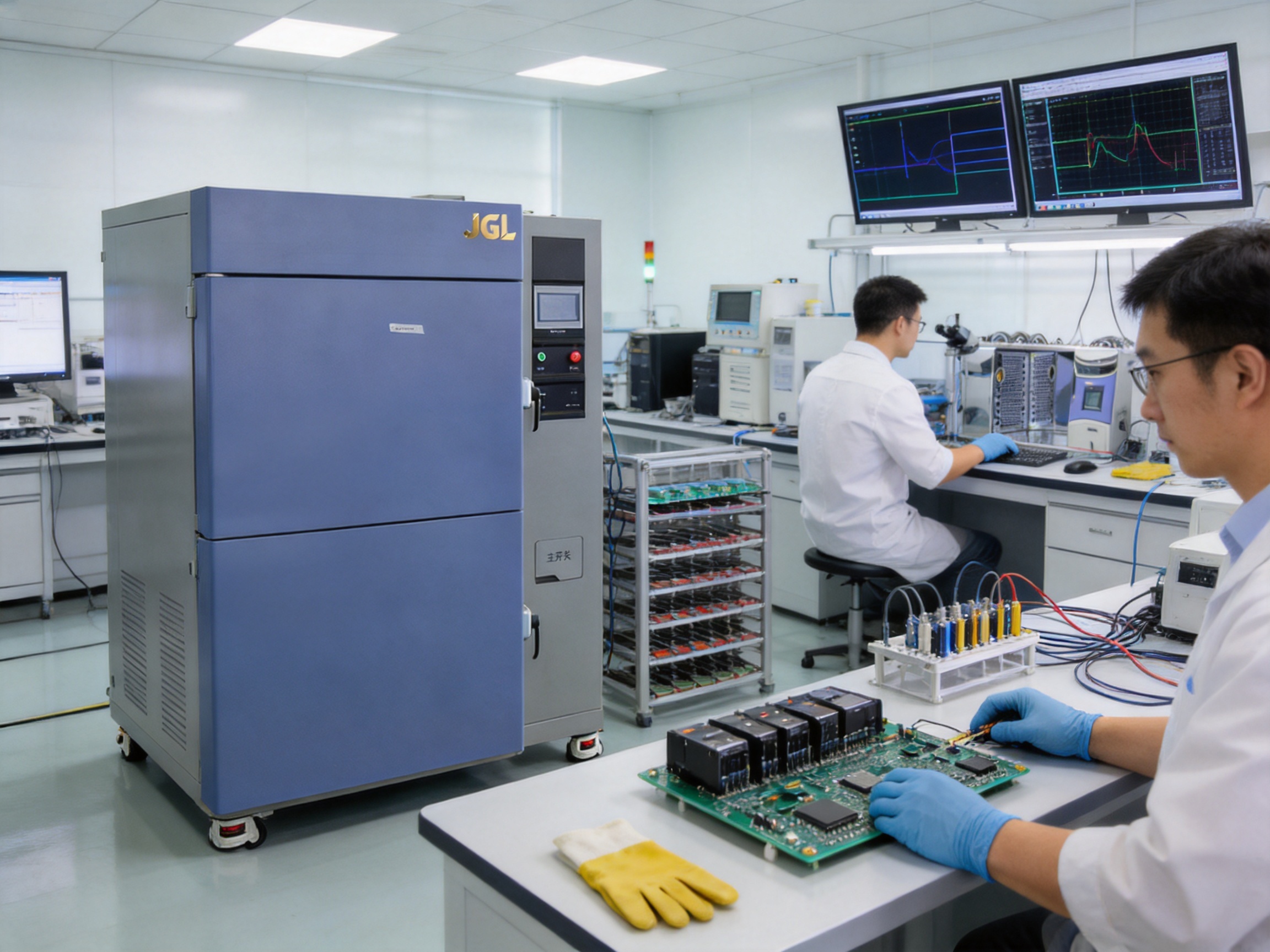
Reliable test data requires controlled stress, repeatable conditions, and documented performance. The U5QTH-100-A/W supports these requirements through its precise control system, durable circulation design, and stable chamber construction. Dynamic PID control helps maintain the intended profile, while water vapor partial pressure control improves humidity management. The circulation fan supports environmental uniformity, and the stainless steel interior helps maintain a clean test space.
When evaluating test results, engineers need to trust that the chamber exposed all specimens to the intended conditions. If temperature distribution is poor or humidity fluctuates significantly, failures may be difficult to interpret. The chamber’s airflow and control approach reduce this risk. Although users should always validate their specific loading arrangement, the equipment provides a strong foundation for repeatable environmental exposure.
Reliable data also depends on safety systems. If a chamber trips unexpectedly, leaks, condenses in the wrong area, or damages electrical components, test continuity suffers. The leakage protection design and condensation management features help reduce such risks. A stable and safe chamber allows long-duration testing with greater confidence.
For manufacturers, reliable test data supports better decisions. It helps determine whether a design is ready for production, whether a supplier component is acceptable, whether a material change creates risk, or whether a failure mode has been solved. The U5QTH-100-A/W contributes directly to this decision-making process by providing controlled environmental stress.
Recommended Use Practices
To obtain the best performance from the chamber, users should plan tests carefully. Samples should not block airflow outlets or returns. A heavily loaded chamber may require adjusted ramp expectations because specimen mass affects thermal response. If the product under test generates heat, users should communicate the heat load when selecting chamber configuration. For humidity profiles, absorbent materials and open liquid surfaces should be managed because they can influence humidity stability.
Before running critical tests, users should allow the chamber to stabilize and verify sensor readings. Test profiles should be programmed according to the required standard or internal method. Safety limits should be set appropriately to protect specimens and equipment. Operators should inspect the door seal, water supply, drainage, and chamber interior before long tests. Regular maintenance should include cleaning, checking filters if applicable, inspecting electrical terminals, reviewing refrigeration performance, and confirming alarm functions.
When comparing results across different laboratories or chamber models, users should remember that sensor placement, loading, airflow, and ramp definitions can affect data. The U5QTH-100-A/W offers average or linear rapid temperature rate options, and the selected definition should match the test requirement. Clear documentation helps ensure that results are understood correctly.
Q&A Section
What is the U5QTH-100-A/W designed to test?
It is designed for rapid temperature and humidity cycling tests used in product reliability validation, environmental stress screening, material evaluation, electronic component testing, automotive module testing, aerospace-related thermal exposure, and industrial quality verification.
What capacity does the chamber provide?
The chamber provides a 100 L internal capacity, with workspace dimensions of 500 mm by 400 mm by 500 mm. This size is suitable for small and medium samples, electronic assemblies, components, sensors, instruments, and material specimens.
What temperature ranges are available?
The product supports configurations such as -40°C to +150°C and -70°C to +180°C. The appropriate range depends on the application, required severity, and test standards.
How fast can the temperature change?
Rapid temperature rate options include average or linear 5°C/min, 10°C/min, 15°C/min, and 20°C/min. These options allow users to select a cycling speed that matches their reliability program.
Why is dynamic PID control important?
Dynamic PID control helps the chamber respond intelligently to changing conditions. It improves stability, reduces overshoot, and supports repeatable temperature and humidity profiles during rapid cycling.
What is the advantage of water vapor partial pressure control?
Water vapor partial pressure control improves humidity regulation by considering the physical behavior of moisture in air, especially when temperature changes. This helps maintain more accurate humidity conditions during complex test profiles.
Why does the chamber use mirror stainless steel inside?
Mirror stainless steel provides corrosion resistance, cleanliness, durability, and easy maintenance. It is well suited for humid, hot, cold, and cycling environments.
How does the product improve safety?
The chamber includes a unique leakage protection design, high-quality electrical components, robust construction, and condensation management features. These elements help protect operators, equipment, and test samples.
What makes it different from lower-cost competitor chambers?
Its advantages include flexible rapid temperature rates, advanced temperature and humidity control, film-coated mirror stainless steel interior, premium imported core electrical components, a Panasonic circulation fan motor with high-temperature resistant bearings, a stainless steel water tray for refrigeration protection, and a safety-focused leakage protection design.
Can the chamber be customized?
Yes. The manufacturing and R&D capabilities behind the product support customized solutions based on customer requirements, including temperature range selection, rapid rate selection, testing accessories, sample handling needs, and laboratory integration requirements.
Conclusion
The U5QTH-100-A/W Fast Temperature and Humidity Cycling Chamber is a professional environmental test solution for laboratories that require speed, precision, durability, and safety. Its 100 L workspace, wide temperature range options, rapid temperature rates up to 20°C/min, advanced dynamic PID control, and water vapor partial pressure control make it suitable for demanding reliability tests across electronics, automotive, aerospace, industrial, and material applications.
The product’s competitive strength is not limited to headline specifications. Its real value comes from a complete engineering approach: film-coated mirror stainless steel construction, a durable circulation fan motor, imported core electrical components, a stainless steel water tray for refrigeration protection, leakage protection, and carefully considered mechanical usability. These details help the chamber perform reliably over repeated cycles and support credible test data.
Behind the equipment is Jiangsu Baisheng Industrial Co., Ltd., a technology-driven manufacturer with a history of R&D development, production-line construction, quality management improvement, and international market expansion. The company’s focus on precision craftsmanship, innovation, and customized solutions strengthens the product’s value for professional customers. For organizations seeking dependable laboratory testing equipment made with serious engineering discipline, the U5QTH-100-A/W offers a strong combination of performance, safety, and long-term reliability.
References
1. International Electrotechnical Commission. Environmental Testing Standards for Electrical and Electronic Products.
2. ASTM International. Standard Practices for Environmental Conditioning and Reliability Evaluation of Materials and Components.
3. MIL-STD Environmental Engineering Considerations and Laboratory Tests.
4. ASHRAE Handbook. Fundamentals of Temperature, Humidity, and Psychrometric Control.
5. Reliability Engineering Handbook. Environmental Stress Screening and Accelerated Life Testing Methods.
6. Industrial Refrigeration and Environmental Chamber Design Guidelines for Controlled Laboratory Testing.
Product: U5QTH-100-A/W Fast Temperature & Humidity Cycling Chamber
PREV:Rapid Thermal and Humidity Test Systems for Precision Environmental Reliability Testing
NEXT:No next article
NEXT:No next article
Interested in cooperation or have questions?
Featured Products
Related products
Quick Link
Contact Information
- Tel: +86-13861043568
- E-mail: 1840784112@qq.com
- Add: Tianting District, Changzhou City, Jiangsu Province, China, No. 6 Hecircuit
Scan Code
Copyright © JIANGSU BAISHENG INDUSTRIAL CO., LTD.
All Rights Reserved. Privacy Custom Precision Laboratory Testing Equipment Manufacturers
