 English
 Español

NEWS
NEWS
NEWS
NEWS
NEWS
NEWS
NEWS
NEWS
NEWS
NEWS
NEWS
NEWS
NEWS
NEWS
NEWS
NEWS

Shen Yiru — International Sales Manager
Home / Author / Shen Yiru — International Sales Manager / Double-Layer Explosion-Proof Temperature Test Chamber for Safer High- and Low-Temperature Testing
Double-Layer Explosion-Proof Temperature Test Chamber for Safer High- and Low-Temperature Testing
Content
- 1 1. The Role of Advanced Temperature Test Chambers
- 2 2. Product Overview
- 3 3. Explosion-Proof Construction and Containment
- 4 4. Integrated Fire Prevention and Emergency Response
- 5 5. Temperature Control Performance
- 6 6. Advantages of the Double-Layer Structure
- 7 7. Comparison with Conventional Environmental Chambers
- 8 8. Applications Across Industry
- 9 9. Digital Control and Laboratory Usability
- 10 10. Manufacturing Strengths and Engineering Capability
- 11 11. Recommended Manufacturing and Acceptance Process
- 12 12. Maintenance and Long-Term Reliability
- 13 13. Selecting the Correct Configuration
- 14 14. Practical Operating Workflow
- 15 15. Frequently Asked Questions
- 15.1 What is the primary purpose of the U2T(H)-EX80-A?
- 15.2 What temperature ranges are available?
- 15.3 Does the chamber have one test space or two?
- 15.4 Why is an explosion-proof viewing window useful?
- 15.5 What happens if smoke is detected?
- 15.6 What is the purpose of the rapid water injection device?
- 15.7 How does the dual evaporator design help?
- 15.8 Is the chamber suitable for lithium-ion battery testing?
- 15.9 Does explosion-proof construction eliminate all laboratory risk?
- 15.10 What should customers confirm before ordering?
- 15.11 Who manufactures the chamber?
- 15.12 Can the product be customized?
- 16 16. Conclusion
- 17 References
- 18 Product: U2T(H)-EX80-A Double-Layer Explosion-Proof Temperature Test Chamber
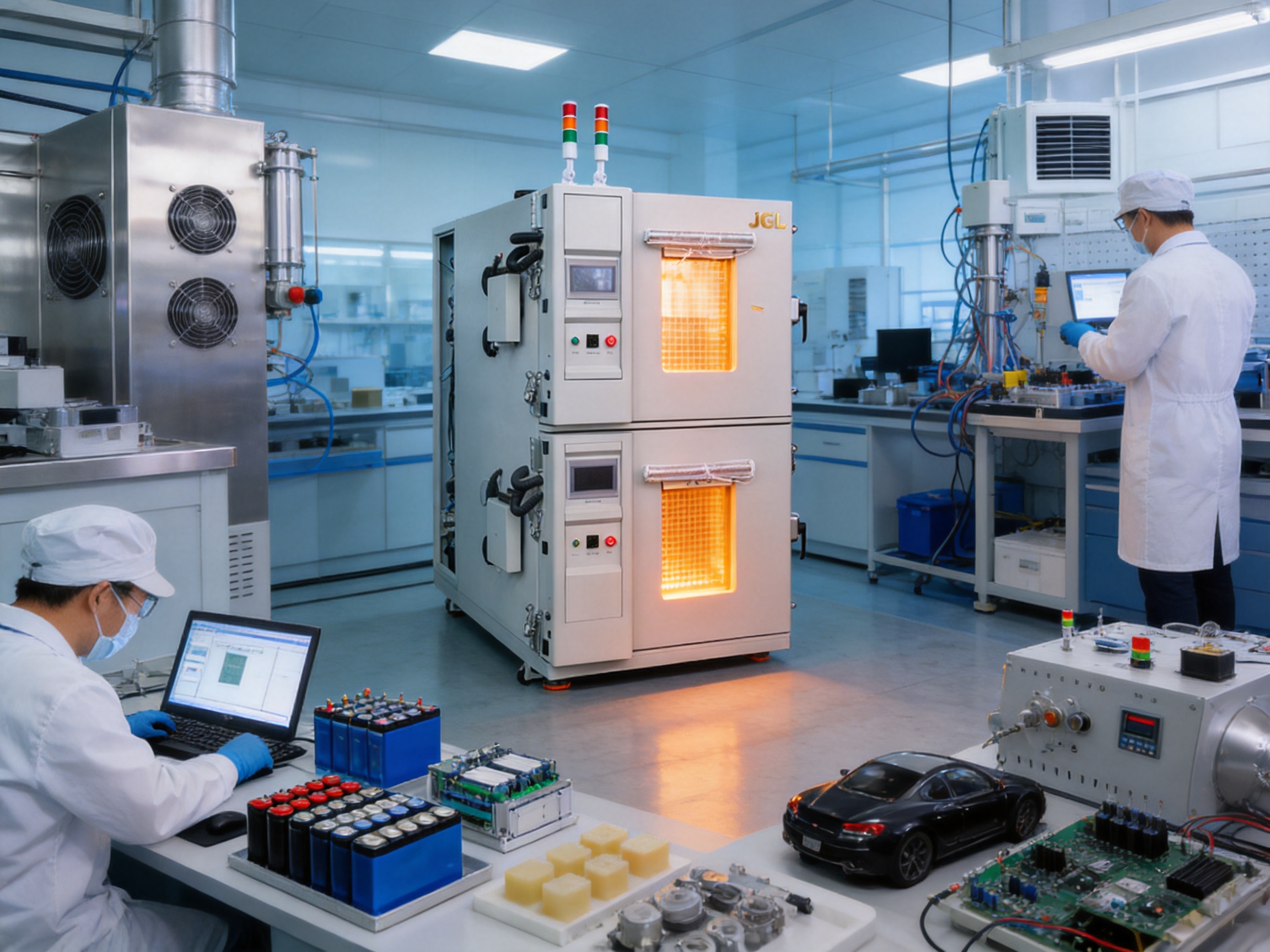
Temperature testing becomes significantly more demanding when a laboratory must evaluate batteries, electronic assemblies, chemical materials, polymers, or other temperature-sensitive products under severe thermal conditions. Standard environmental chambers can provide heating and cooling, but they may not offer the level of containment, fire response, pressure management, and operational flexibility required for potentially hazardous test articles. The U2T(H)-EX80-A Double-Layer Explosion-Proof Temperature Test Chamber is designed for this more challenging class of application.
Built for controlled high- and low-temperature testing, the U2T(H)-EX80-A combines a double-layer chamber structure with explosion-proof construction, automatic fire extinguishing, smoke detection, fine water mist suppression, rapid water injection, and pressure relief. Its design addresses not only temperature accuracy but also the possible safety events that may occur when test specimens are exposed to thermal stress. This makes it particularly suitable for battery research, electronic component qualification, materials testing, industrial quality assurance, and other laboratory activities where abnormal heat, smoke, combustion, or pressure release must be managed promptly.
The equipment is supplied by JIANGSU BAISHENG INDUSTRIAL CO., LTD., a Chinese technology-driven manufacturer specializing in laboratory equipment and safety testing instruments. The company combines engineering development, customized manufacturing, and international trade experience to provide equipment for customers with demanding technical requirements. Its development history includes a foundation in electronic testing, the establishment of independent production capabilities, continued investment in research and development, and the improvement of quality management practices.
This article explains the chamber’s construction, safety systems, temperature performance, applications, manufacturing strengths, operating value, and selection considerations. It also compares the advantages of a specialized double-layer explosion-proof chamber with conventional environmental test equipment.
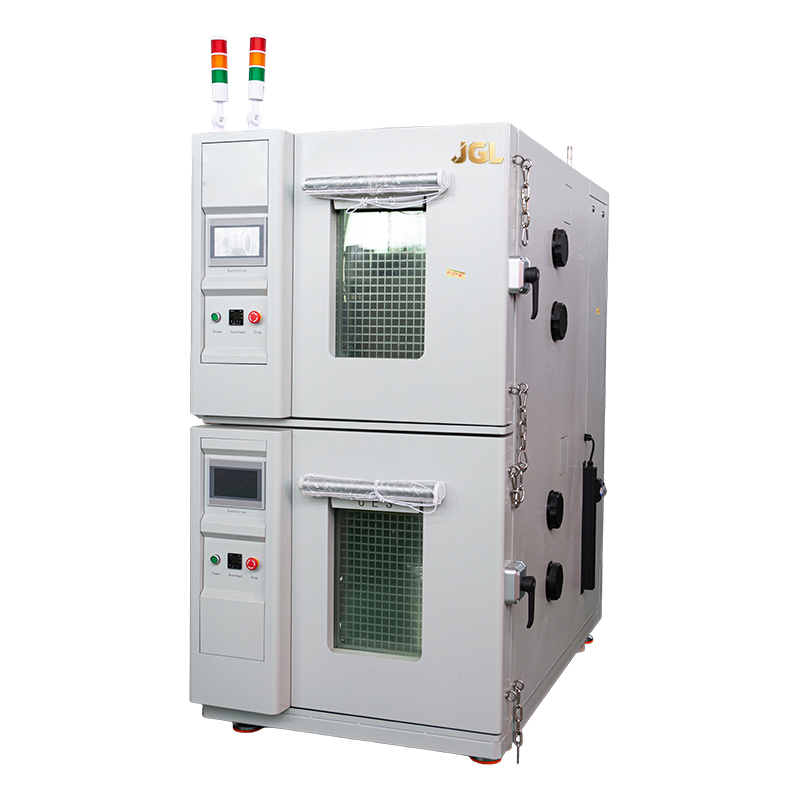
U2T(H)-EX80-A Double-Layer Explosion-Proof Temperature Test Chamber
1. The Role of Advanced Temperature Test Chambers
Environmental temperature testing is used to determine whether a product can maintain its expected performance when exposed to heat, cold, rapid temperature changes, or extended thermal stress. A test chamber creates a controlled atmosphere in which temperature can be programmed and monitored more consistently than in an ordinary room or uncontrolled outdoor environment.
For simple components, a conventional chamber may be sufficient. However, many modern products contain stored energy, reactive chemicals, combustible materials, or electronic systems that may fail in unpredictable ways. Lithium-ion batteries are a clear example. During abusive or abnormal testing, a cell may produce excessive heat, vent gas, ignite, or experience a pressure event. Similar risks may arise when testing chemical materials, power electronics, automotive components, or aerospace assemblies.
A chamber intended for these applications must therefore deliver more than a broad temperature range. It should provide a strong enclosure, controlled access, suitable observation, automatic event detection, and rapid response mechanisms. The U2T(H)-EX80-A is designed around this integrated approach. Temperature control remains the primary function, but containment and emergency response are treated as essential parts of the equipment rather than optional accessories.
The chamber supports a specified temperature range of either -40°C to +150°C or -70°C to +180°C, depending on the selected configuration. Because these ranges represent different performance options, purchasers should confirm the required model configuration, cooling system, heating capacity, control parameters, and test protocol before ordering. The chamber is listed with an 80-liter capacity and two internal test compartments, each measuring approximately 500 × 400 × 400 millimeters according to the supplied technical information.
This combination of two test spaces and safety systems is valuable for laboratories that need to conduct more than one experiment within a compact footprint. It may allow separate specimens, different test conditions, or repeat tests to be arranged in parallel, subject to the laboratory’s safety procedures and the selected control configuration.
2. Product Overview
The U2T(H)-EX80-A is a double-layer explosion-proof high- and low-temperature test chamber. The term “double-layer” refers to its two-level or dual-compartment test arrangement, which provides independent upper and lower test spaces. The structure is intended to improve laboratory productivity by making better use of the chamber enclosure and floor area.
The overall machine dimensions are approximately 1,100 × 1,600 × 1,380 millimeters, while the listed machine weight is approximately 450 kilograms for one configuration and 560 kilograms for another. The difference in weight is likely associated with the selected temperature range or corresponding refrigeration and safety configuration. Exact shipping weight, installation weight, and service clearance should be confirmed with the manufacturer before site preparation.
The main product identity and technical scope are summarized below.
| Item | Specification or Description |
| Product type | Double-layer explosion-proof high- and low-temperature test chamber |
| Model | U2T(H)-EX80-A |
| Nominal capacity | 80 liters |
| Temperature configuration | -40°C to +150°C or -70°C to +180°C |
| Internal test spaces | Two compartments, approximately 500 × 400 × 400 mm each |
| Overall dimensions | Approximately 1,100 × 1,600 × 1,380 mm |
| Approximate weight | 450 kg or 560 kg, depending on configuration |
| Door safety | Explosion-proof chain and explosion-proof viewing window |
| Fire protection | Automatic fire extinguishing, smoke detection, and fine water mist sprinkler system |
| Emergency response | Rapid water injection device and explosion-proof pressure relief device |
| Temperature stability | Dual evaporator design and frost-free operation technology |
| Typical applications | Batteries, electronic components, chemical materials, polymers, automotive parts, aerospace products, and industrial quality assurance |
The table represents the supplied product information and should be used as a preliminary selection reference. Final technical data may vary according to configuration, control system, regional electrical requirements, test standards, and customer-specific engineering.
3. Explosion-Proof Construction and Containment
One of the most important differences between a general-purpose temperature chamber and the U2T(H)-EX80-A is the attention given to abnormal events. An explosion-proof chamber is designed to reduce the consequences of ignition, rapid gas expansion, internal pressure, or a sudden release of energy within the test space. It does not eliminate every possible hazard, and it must always be operated according to a documented risk assessment, but it provides a stronger protective platform than an ordinary environmental chamber.
Explosion-proof door chain
The chamber door includes an explosion-proof chain intended to help restrain the door during an abnormal pressure event. A door retention feature can reduce the possibility of uncontrolled opening and can help maintain the integrity of the enclosure when pressure changes occur. The exact operating principle, allowable pressure, maintenance requirements, and inspection procedure should be verified in the final technical documentation.
For laboratory staff, the door chain also reinforces the importance of controlled access. Operators should not open the chamber immediately after an alarm, smoke event, or thermal runaway indication. The chamber should be allowed to complete the appropriate emergency sequence, and the responsible safety procedure should determine when inspection is permissible.
Explosion-proof viewing window
The explosion-proof viewing window enables visual observation while helping protect the operator from direct exposure to the test area. This is useful when researchers need to inspect a specimen, verify a fixture position, observe a visible failure, or confirm whether a fire suppression sequence has operated.
Observation through a protected window can reduce the need for frequent door opening. Every unnecessary door opening interrupts temperature stability and may expose personnel to heat, smoke, vapors, or other hazards. The viewing window therefore contributes both to safety and to more consistent testing practice.
Pressure relief device
The explosion-proof pressure relief device is intended to provide a controlled route for managing unexpected pressure changes. In a severe failure, gas generation or rapid combustion may cause internal pressure to rise quickly. A properly engineered relief system can help protect the main enclosure by directing pressure through a designed mechanism rather than allowing uncontrolled structural failure.
Pressure relief equipment must be treated as a critical safety component. It should remain unobstructed, inspected according to the maintenance schedule, and installed with the required clearance. The laboratory should also evaluate where any relieved heat, gas, vapor, or smoke could be discharged. Safe installation involves the chamber, the room, ventilation, fire protection, and emergency procedures as a complete system.
4. Integrated Fire Prevention and Emergency Response
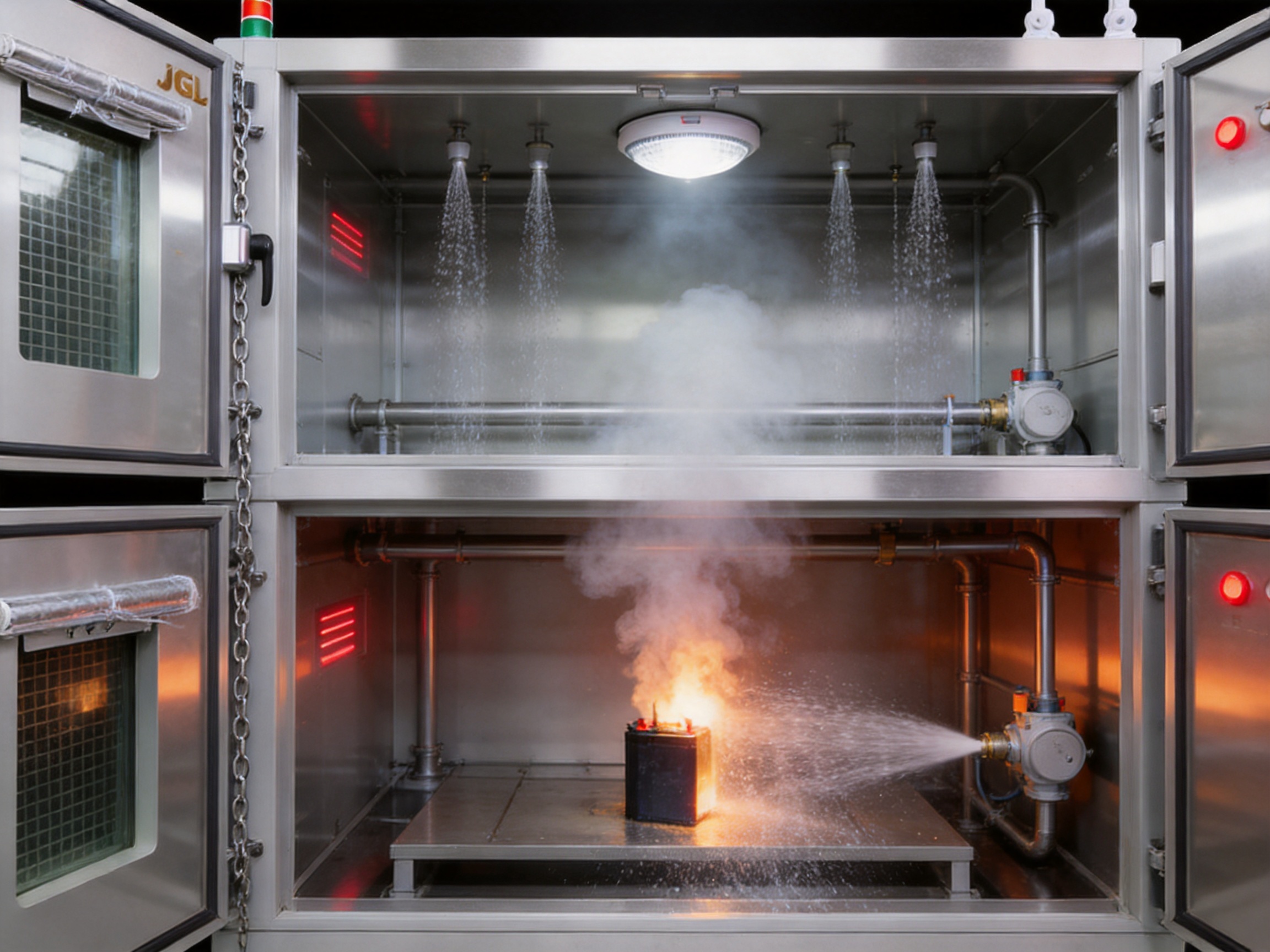
The U2T(H)-EX80-A incorporates several layers of fire-related protection. These include an automatic fire extinguishing system, smoke detection, a sprinkler system using fine water mist, and a rapid water injection device. Combining detection with suppression and emergency water supply allows the chamber to respond at more than one stage of a potential incident.
Smoke detection
Smoke detection provides an early warning when a specimen begins to decompose, burn, or generate visible combustion products. Early detection is important because a test article may show smoke before flames become visible. A sensor-based response can initiate an alarm or an automatic safety sequence without waiting for an operator to identify the event manually.
Smoke detection must be maintained carefully. Sensors can become contaminated by dust, residue, or repeated test exposure. A scheduled inspection and functional test program should be established, and any sensor fault should be treated as a reason to suspend hazardous testing until the system is restored.
Fine water mist suppression
The sprinkler system is described as a fine water mist fire extinguishing system. Fine water mist can support fire suppression by cooling the affected area, reducing flame temperature, and limiting the spread of combustion. Compared with a conventional large-volume water discharge, a fine mist system can distribute water in smaller droplets and may be better suited to an enclosed test environment.
The suitability of water mist depends on the test article and the type of event. Laboratories should assess whether water could create a secondary hazard with the specimen, electrical systems, chemicals, or hot surfaces. The chamber’s integrated protection should be used together with a site-specific safety review rather than as a replacement for professional fire engineering.
Rapid water injection
The rapid water injection device is intended to deliver water quickly when an emergency response is required. Fast action can be especially important during battery abuse testing or other experiments in which heat generation can accelerate rapidly. A quick injection function may help reduce temperature and limit the progression of a localized event.
The availability of a dedicated rapid injection system also reduces dependence on manual intervention. An operator does not need to approach the chamber immediately to introduce water, which can improve personal safety. The exact activation logic, manual override, water pressure requirement, drainage arrangement, and reset procedure should be documented during installation and commissioning.
Automatic fire extinguishing
An automatic fire extinguishing system creates an additional safety layer between event detection and human response. The system can be integrated with temperature controls, alarms, smoke detection, and emergency shutdown functions. This type of coordination is valuable because a fire event may require heating, refrigeration, fans, and other components to stop or change state at the same time.
A comprehensive commissioning process should verify alarm signals, sensor operation, water flow, emergency stop behavior, pressure relief clearance, and notification to the laboratory’s safety system. Records of these tests provide evidence that the chamber is ready for use and help identify maintenance needs before a real incident occurs.
5. Temperature Control Performance
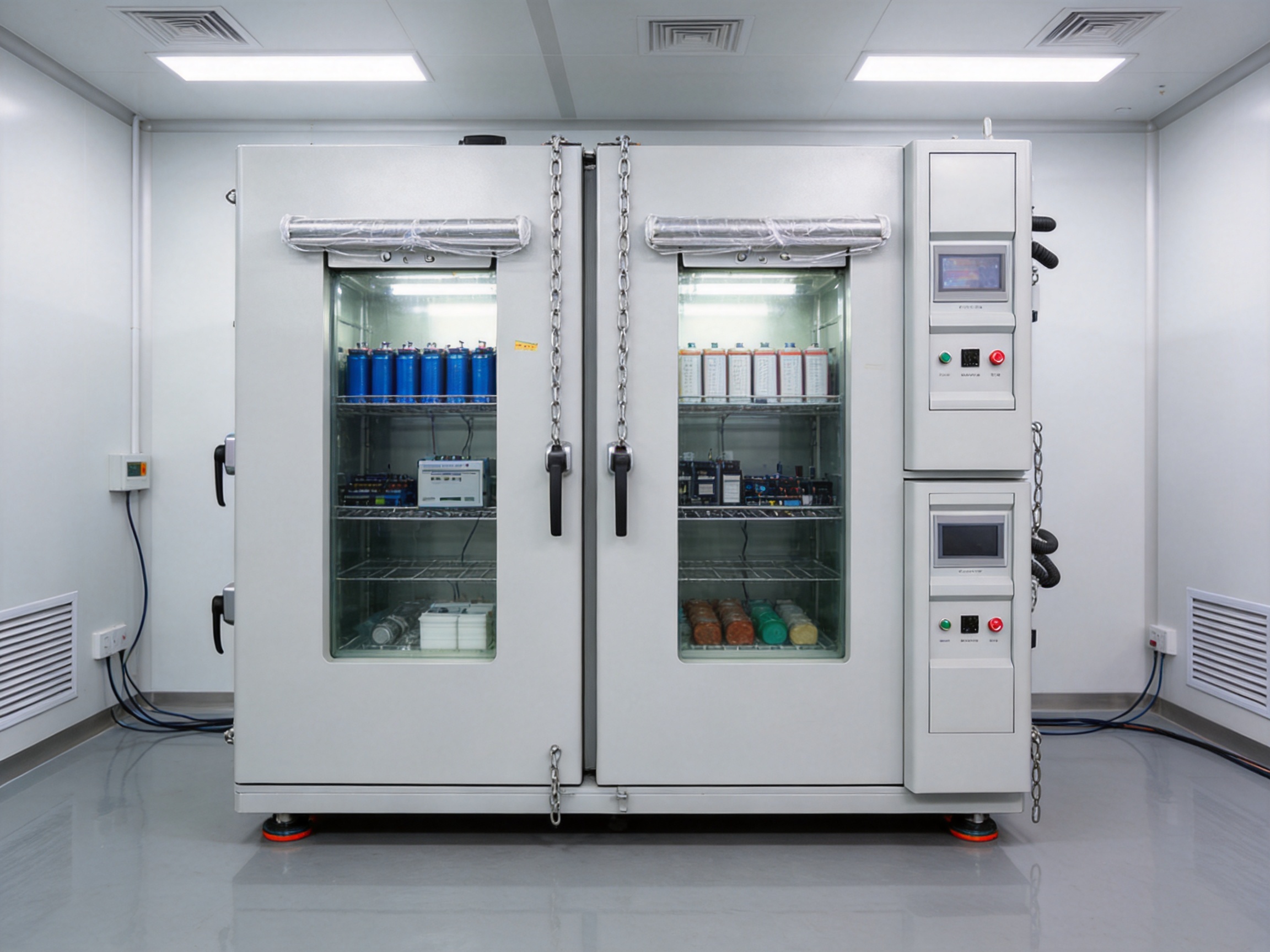
Safety features are essential, but the chamber must also deliver reliable thermal performance. The U2T(H)-EX80-A is intended for high- and low-temperature testing across a broad range. The available specifications include a -40°C to +150°C configuration and a more demanding -70°C to +180°C configuration. These operating ranges allow the chamber to support both routine environmental qualification and more severe accelerated or abuse-oriented thermal studies.
High-temperature testing
High-temperature testing can reveal insulation weaknesses, solder or adhesive degradation, material softening, electrolyte instability, electronic drift, and premature component failure. It can also be used to study how products behave during storage or operation in hot environments. A maximum temperature of +150°C or +180°C gives laboratories flexibility when examining materials and components with elevated thermal limits.
High-temperature operation should always be matched to the specimen’s documented limits and to the laboratory’s safety risk assessment. A test chamber is not automatically suitable for every material at every temperature. Researchers should consider decomposition products, vapor pressure, ignition point, chemical compatibility, and the possibility of internal energy release.
Low-temperature testing
Low-temperature testing can identify reduced battery output, brittle materials, seal contraction, lubricant thickening, display failure, sensor drift, and changes in electronic behavior. The -40°C configuration is appropriate for many industrial, automotive, and electronic qualification programs, while the -70°C option provides a more severe low-temperature environment for specialized research.
Low-temperature testing may also produce condensation when the chamber or specimen returns to a warmer environment. A controlled recovery procedure is necessary to prevent moisture-related damage. Operators should consider whether the chamber should be dried, purged, or allowed to equilibrate before the door is opened.
Dual evaporator design
The product information highlights a case study demonstrating the use of dual evaporators. A dual evaporator arrangement can support more balanced cooling performance in a double-layer chamber, where upper and lower compartments may otherwise experience different thermal loads or airflow conditions.
Independent or coordinated evaporator operation may help distribute cooling more evenly across the two test spaces. It can also support temperature recovery after the door is opened or after a specimen introduces heat into the chamber. The final performance depends on control logic, refrigerant circuit design, insulation, air circulation, specimen loading, and the selected set point.
The dual evaporator approach is an important advantage over a basic single-circuit chamber when the equipment must maintain two internal areas. It demonstrates that the manufacturer has considered the practical thermal challenges created by a multi-compartment layout rather than simply dividing one cabinet into two sections.
Frost-free operation
The chamber is described as using technology for stable operation throughout the year without frost. Frost can reduce heat transfer, obstruct airflow, interfere with sensors, and increase the time required for temperature recovery. It can be particularly troublesome during repeated low-temperature testing or when humidity enters the chamber during door openings.
A frost-free operating strategy can improve repeatability and reduce maintenance interruptions. It may involve coordinated refrigeration control, defrost management, airflow design, moisture control, or other engineering measures. The specific method should be confirmed in the technical documentation, but the stated objective is clear: maintain stable operation while minimizing the performance degradation commonly associated with ice accumulation.
6. Advantages of the Double-Layer Structure
The double-layer design provides two internal test compartments in a single equipment body. This structure can increase productivity without requiring two independent chambers, two separate footprints, and two complete sets of supporting utilities. For laboratories with limited floor space, this can be a practical way to expand testing capacity.
Two compartments may support parallel testing of different products, duplicate specimens, or separate temperature programs. For example, one compartment may be used for a controlled low-temperature exposure while the other is used for a high-temperature evaluation, subject to the chamber’s control architecture and safety limitations. Alternatively, the compartments may be used for a primary test and a repeatability test within the same general operating period.
The double-layer arrangement also provides organizational advantages. Test articles can be separated by customer, project, chemistry, or risk category. This can improve laboratory workflow and reduce the time spent removing and replacing specimens. It may also make it easier to maintain a clear record of which samples were tested under which conditions.
However, laboratories should not assume that two compartments automatically mean complete independence. Before purchase, users should confirm whether the compartments have separate temperature sensors, independent programs, independent alarms, separate air circuits, or shared refrigeration and suppression systems. The manufacturer can provide the correct operating limitations for simultaneous testing.
7. Comparison with Conventional Environmental Chambers
A conventional environmental chamber is generally optimized for temperature and humidity control under normal test conditions. Its enclosure, door, viewing window, and control system may not be designed for specimens that can ignite, vent, or produce a pressure event. By contrast, the U2T(H)-EX80-A is developed for applications in which safety response is a central design requirement.
The first major advantage is containment. The explosion-proof door chain, reinforced viewing window, and pressure relief device address mechanical risks that are often not priorities in ordinary chambers. These features can provide a more appropriate physical barrier for tests involving stored energy or reactive materials.
The second advantage is integrated emergency response. Smoke detection, automatic extinguishing, fine water mist, and rapid water injection provide multiple layers of protection. A conventional chamber may require external fire equipment and manual intervention, while the specialized design coordinates protective functions closer to the test location.
The third advantage is productive use of space. Two test compartments can support more organized testing within one machine enclosure. A laboratory may reduce the need for multiple separate cabinets, although the final benefit depends on the required temperature programs and whether simultaneous operation is permitted.
The fourth advantage is thermal reliability in a dual-compartment format. The use of dual evaporators and frost-free operating technology is intended to address uneven cooling and icing concerns. These features may help the chamber maintain more stable performance over repeated testing cycles than a simple divided cabinet.
The fifth advantage is suitability for high-risk research. Battery, chemical, and advanced materials testing often requires a risk-aware chamber rather than a general-purpose unit. The U2T(H)-EX80-A is positioned for this demanding environment, combining temperature testing with protective engineering.
8. Applications Across Industry
Battery testing
Battery testing is one of the most important applications for an explosion-proof temperature chamber. Cells and battery packs may be evaluated for performance at low and high temperatures, storage behavior, thermal stability, abuse response, and failure progression. Lithium-ion and nickel-metal hydride chemistries are specifically identified among the suitable battery types.
During battery testing, the chamber can help researchers examine capacity retention, voltage behavior, internal resistance, charging response, discharge performance, and thermal characteristics. The temperature range allows laboratories to compare normal operating conditions with extreme environments. The safety systems provide additional protection when a specimen vents, smokes, ignites, or experiences a rapid pressure event.
Battery test plans should define the state of charge, electrical connections, fixture arrangement, ventilation, data acquisition, and emergency shutdown logic. The chamber’s protection systems should be integrated into the laboratory’s battery safety procedure rather than considered in isolation.
Electronic component testing
Electronic components and assemblies are often exposed to high and low temperatures to evaluate reliability, performance drift, insulation behavior, solder integrity, connector stability, and enclosure durability. The chamber can support testing of power electronics, sensors, circuit boards, control modules, and other temperature-sensitive equipment.
For electronic products, controlled temperature transitions can reveal defects that are not visible during room-temperature operation. A component may work correctly in a normal laboratory but fail when contraction, expansion, or thermal stress changes the relationship between materials. The viewing window and digital controls can help operators monitor the test without repeatedly disturbing the environment.
Materials science
Polymers, composites, adhesives, coatings, insulation materials, and other engineered substances can change significantly with temperature. High-temperature exposure may cause softening, decomposition, outgassing, or loss of mechanical strength. Low-temperature exposure may produce brittleness, shrinkage, cracking, or loss of flexibility.
The chamber provides a controlled environment for comparing formulations, measuring degradation, and evaluating material compatibility. When materials may generate smoke or combustible vapor, the explosion-proof construction and fire response functions become particularly valuable.
Automotive and transportation components
Automotive components may experience severe temperature changes during vehicle operation, storage, transportation, and charging. Battery systems, electronic control units, sensors, wiring assemblies, displays, thermal management components, and interior materials can all benefit from environmental qualification.
The double-layer structure may allow a supplier to organize different component tests in parallel. It can also support repeated production verification when a laboratory needs to process several small test articles rather than one large assembly.
Aerospace and industrial quality assurance
Aerospace and industrial equipment often require documented environmental testing before release. Temperature exposure can be used to identify manufacturing defects, confirm design margins, and verify that materials or subassemblies meet performance expectations.
In a quality assurance environment, repeatability and traceability are as important as temperature range. Operators need clear programming, stable operation, accessible records, and a defined response to abnormal events. The chamber’s digital controls and integrated monitoring functions support this type of organized test process.
9. Digital Control and Laboratory Usability
The U2T(H)-EX80-A includes digital controls for temperature programming and monitoring. A digital interface allows operators to establish set points, define temperature sequences, monitor actual conditions, and identify alarms. This is important for tests that involve multiple stages, such as preconditioning, low-temperature exposure, recovery, high-temperature exposure, and final stabilization.
Good control design should make it possible to distinguish a normal temperature transition from an abnormal condition. The operator should be able to see current temperature, programmed temperature, alarm status, and safety-system status without ambiguity. User access levels can also help prevent unauthorized changes to an active test program.
For industrial laboratories, usability includes more than the screen interface. It also includes loading access, viewing capability, cleaning access, alarm acknowledgement, emergency controls, and maintenance access. The explosion-proof viewing window can reduce door openings, while the two-compartment layout can simplify specimen organization.
Before commissioning, operators should receive training in normal operation, alarm interpretation, fire suppression response, pressure relief precautions, water system inspection, emergency shutdown, and post-event procedures. Training should be refreshed whenever the test method, chamber configuration, or safety policy changes.
10. Manufacturing Strengths and Engineering Capability
JIANGSU BAISHENG INDUSTRIAL CO., LTD. was founded in 2010 and focuses on laboratory equipment and safety testing instruments. The company’s stated development model combines research and development with professional international trade. This combination is important for specialized equipment because customers often need both technical customization and clear export coordination.
The company’s predecessor was a research and development studio specializing in electronic testing in 2013. This early focus provided a technical foundation related to electronic equipment, laboratory control, and safety compliance testing. In 2016, the organization developed into an enterprise with an independently developed production line and launched laboratory equipment with independent intellectual property rights.
In 2019, the company adopted a “technology plus trade” development strategy. This approach increased research and development investment, introduced technical talent, and supported expansion into overseas markets. For customers purchasing complex laboratory equipment, an international supply capability can be useful when the project involves documentation, export packing, electrical adaptation, installation coordination, and remote technical communication.
The company further improved its quality management system in 2022, and its products underwent rigorous technical specification certification processes according to the supplied company information. Customers should request the specific certificates, test reports, standards, and scope applicable to the selected chamber rather than relying on general company-level statements.
The company’s manufacturing strengths are especially relevant to the U2T(H)-EX80-A in several areas.
Application-oriented research and development
The chamber addresses a specialized application rather than a basic temperature requirement. Its safety features suggest that the design process considered the behavior of hazardous specimens, emergency response, pressure changes, and the challenges of operating two internal compartments. Application-oriented research can produce a more useful machine because the equipment is designed around laboratory problems rather than only around nominal temperature specifications.
Customized engineering
Laboratories may have different requirements for temperature range, electrical supply, fixture geometry, data logging, water connections, alarm outputs, and installation space. A manufacturer with an engineering-oriented production model can evaluate these requirements before production and offer a configuration that better fits the intended test program.
Customization should be controlled carefully. Any change to the chamber structure, fire system, pressure relief path, or control logic must be reviewed for its effect on safety and performance. Technical drawings, interface lists, acceptance criteria, and responsibility boundaries should be approved before manufacturing begins.
Integration of mechanical and safety systems
The product combines a thermal system, a double-layer enclosure, explosion-resistant mechanical components, smoke detection, water mist, rapid water injection, pressure relief, and digital controls. Integrating these systems requires coordination between mechanical design, refrigeration, electrical control, fire protection, and manufacturing assembly.
This integrated approach is a meaningful strength because isolated components do not automatically create a safe chamber. The value comes from ensuring that the systems work together during normal operation, alarm conditions, power interruption, emergency shutdown, and post-event recovery.
Quality and process discipline
A reliable temperature chamber depends on consistent fabrication, insulation quality, wiring practices, sensor placement, refrigeration assembly, door alignment, seal performance, and functional testing. Process discipline is necessary to ensure that the finished equipment performs consistently from one unit to the next.
The company’s stated emphasis on precision design, technical specifications, and continuous improvement supports this requirement. Customers should still request factory acceptance documentation, calibration records, inspection reports, and a clear list of commissioning tests for the actual machine being purchased.
11. Recommended Manufacturing and Acceptance Process
For specialized equipment, the manufacturing process should begin with a technical clarification stage. The customer and manufacturer should confirm the temperature range, number of compartments, specimen size, test load, heating and cooling rates, electrical standards, water supply, drainage, ventilation, alarm interfaces, and installation environment.
The next stage is engineering review. At this point, the manufacturer can verify the refrigeration capacity, insulation structure, evaporator arrangement, internal airflow, sensor locations, door safety, pressure relief path, and fire suppression layout. A general arrangement drawing and utility requirement sheet should be submitted for customer approval.
Fabrication then involves enclosure construction, internal chamber assembly, insulation installation, door and viewing window integration, refrigeration installation, electrical wiring, sensor installation, and safety system assembly. Critical components should be identified through controlled bills of materials and inspection records.
After assembly, the chamber should undergo functional testing. This may include temperature pull-down, high-temperature operation, temperature recovery, control accuracy, alarm operation, viewing window inspection, door chain verification, pressure relief inspection, smoke sensor testing, water mist testing, rapid water injection testing, and emergency shutdown verification.
Factory acceptance testing should be based on agreed criteria. A customer may request temperature uniformity data, stability data, empty-chamber performance, loaded-chamber performance, alarm response records, and calibration certificates. If the chamber is intended for regulated or certified testing, the applicable standard and documentation requirements should be identified before production.
On-site installation is another important stage. The chamber may require a stable floor, sufficient ventilation, service clearance, electrical protection, water supply, drainage, fire safety coordination, and appropriate environmental conditions. The pressure relief outlet and emergency discharge path must be installed according to the approved design.
Final acceptance should include operator training and a handover package. The package should include an operation manual, maintenance schedule, wiring information, spare parts list, safety instructions, test records, calibration documentation, and emergency procedures.
12. Maintenance and Long-Term Reliability
Regular maintenance is essential for a chamber that combines refrigeration, heating, fire protection, sensors, and pressure management. Preventive maintenance should be scheduled according to operating frequency, test materials, temperature severity, and the manufacturer’s instructions.
The door seal and explosion-proof viewing window should be inspected for damage, contamination, aging, or loss of integrity. The door chain should be checked for secure attachment and correct movement. Any sign of deformation or abnormal wear should be investigated before further hazardous testing.
Smoke detectors and fire suppression components should be tested periodically. Water lines, nozzles, valves, filters, and rapid injection components should be checked for blockage, leakage, corrosion, and adequate supply pressure. After a suppression event, the chamber should not be returned to service until all affected systems have been inspected and reset by qualified personnel.
The refrigeration system should be monitored for unusual noise, poor pull-down performance, excessive frost, unstable temperature, or longer-than-normal recovery time. These symptoms may indicate a refrigeration problem, sensor issue, airflow restriction, door seal problem, or loading condition that needs attention.
The internal compartments should be cleaned after tests that produce residue, smoke, vapor, or deposits. Cleaning materials must be compatible with the chamber surfaces, insulation, sensors, seals, and electrical components. Combustible residue should never be allowed to accumulate inside the chamber.
Calibration should be performed using suitable reference instruments and a documented schedule. Temperature sensors, control readings, independent monitoring probes, smoke detection, and alarm functions should be included in the laboratory’s quality system where appropriate.
13. Selecting the Correct Configuration
The most important selection decision is the required temperature range. Users should determine whether -40°C to +150°C is sufficient or whether the more severe -70°C to +180°C configuration is necessary. The wider range may involve different refrigeration capacity, machine weight, power requirements, and operating procedures.
The second consideration is specimen size and loading. The listed internal dimensions are approximately 500 × 400 × 400 millimeters for each of two compartments. The specimen, fixture, cables, and safety clearance must all fit without obstructing airflow or emergency protection devices.
The third consideration is the nature of the test article. Customers should provide information about chemistry, state of charge, maximum energy, expected gases, possible flames, pressure generation, and water compatibility. This allows the manufacturer to confirm whether the proposed configuration is suitable and whether additional protection is required.
The fourth consideration is the intended test method. Some programs require rapid transitions, while others require long-duration stability. Some tests need independent programs in each compartment, while others require synchronized operation. The control architecture should be selected accordingly.
The fifth consideration is facility infrastructure. The laboratory must confirm the available electrical supply, room dimensions, floor loading, ventilation, water source, drainage, fire alarm interface, and service access. A chamber with excellent technical performance cannot operate correctly if the installation environment is unsuitable.
14. Practical Operating Workflow
Before loading, the operator should inspect the chamber, confirm that the internal spaces are clean, check the door and viewing window, verify that no pressure relief path is obstructed, and confirm that the required fire protection systems are available.
The specimen should be mounted in an approved fixture with adequate clearance from walls, sensors, evaporators, and suppression nozzles. Electrical and data cables should be routed through designated ports and checked for insulation, strain relief, and compatibility with the temperature range.
The test program should be reviewed before starting. It should specify initial temperature, ramp rate, dwell time, transition sequence, alarm limits, specimen monitoring, and termination conditions. If the test involves a battery or reactive material, state of charge and emergency criteria should be recorded.
During testing, the operator should monitor chamber temperature, specimen data, alarm status, and any indication of smoke or abnormal behavior. The viewing window can support observation without opening the door. Any alarm should be handled according to the approved emergency procedure, not bypassed for convenience.
After testing, the chamber should be returned to a safe temperature before opening. If the specimen has generated vapor, smoke, or residue, the chamber should be ventilated and inspected under the appropriate safety procedure. Test results, alarms, interruptions, and maintenance observations should be recorded for traceability.
15. Frequently Asked Questions
What is the primary purpose of the U2T(H)-EX80-A?
The chamber is designed for high- and low-temperature testing of batteries, electronic components, chemical materials, polymers, automotive parts, aerospace products, and other temperature-sensitive specimens where enhanced explosion and fire protection are required.
What temperature ranges are available?
The supplied information lists two possible configurations: -40°C to +150°C and -70°C to +180°C. The exact range depends on the selected model configuration, so it should be confirmed during quotation and technical review.
Does the chamber have one test space or two?
It is a double-layer chamber with two internal test compartments. Each compartment is listed at approximately 500 × 400 × 400 millimeters. The degree of independence between the compartments should be confirmed with the manufacturer.
Why is an explosion-proof viewing window useful?
It allows operators to observe the test article without opening the chamber door. This reduces unnecessary exposure to heat or smoke and helps maintain the controlled temperature environment.
What happens if smoke is detected?
The chamber includes smoke detection and integrated fire response functions. The exact alarm and suppression sequence depends on the final control configuration. Operators must follow the approved emergency procedure and should not open the chamber until it is safe to do so.
What is the purpose of the rapid water injection device?
It is designed to provide a quick water response during an emergency. Rapid cooling and suppression may help limit the progression of a fire or thermal event, subject to the compatibility of water with the specimen and the approved safety design.
How does the dual evaporator design help?
Dual evaporators can support more balanced cooling across the two internal compartments. They are particularly relevant to a double-layer chamber because the upper and lower spaces may experience different thermal loads and airflow conditions.
Is the chamber suitable for lithium-ion battery testing?
The product is identified as suitable for lithium-ion and nickel-metal hydride battery testing. Users must provide detailed information about battery size, energy, chemistry, state of charge, test method, and possible failure behavior so the final configuration can be reviewed properly.
Does explosion-proof construction eliminate all laboratory risk?
No. It provides additional containment and response features but does not eliminate every hazard. Safe operation still requires risk assessment, trained operators, proper installation, maintenance, ventilation, emergency planning, and compliance with applicable regulations and test standards.
What should customers confirm before ordering?
Customers should confirm the temperature range, chamber capacity, compartment dimensions, control independence, heating and cooling rates, electrical requirements, water supply, drainage, pressure relief arrangement, alarm interfaces, certificates, acceptance testing, installation conditions, and after-sales support.
Who manufactures the chamber?
The chamber is supplied by JIANGSU BAISHENG INDUSTRIAL CO., LTD., a Chinese manufacturer focused on laboratory equipment, safety testing instruments, research and development, customized engineering, and international supply.
Can the product be customized?
The company describes its solutions as customizable. Possible areas may include control functions, electrical standards, fixtures, alarm interfaces, and installation requirements. Any modification affecting safety or thermal performance should be reviewed and approved through formal engineering documentation.
16. Conclusion
The U2T(H)-EX80-A Double-Layer Explosion-Proof Temperature Test Chamber is designed for laboratories that need more than ordinary environmental temperature control. Its value comes from the combination of a broad high- and low-temperature range, two internal test compartments, explosion-proof door and viewing-window construction, pressure relief, smoke detection, automatic fire extinguishing, fine water mist, rapid water injection, dual evaporators, and frost-free operating technology.
Compared with a conventional single-compartment temperature chamber, the design offers stronger support for hazardous testing, better use of laboratory space, and a more integrated response to abnormal events. Its applications extend across batteries, electronics, materials science, automotive components, aerospace products, and industrial quality assurance.
The engineering background of JIANGSU BAISHENG INDUSTRIAL CO., LTD. further supports the product’s positioning. The company’s development from an electronic testing research studio to a technology-driven laboratory equipment enterprise reflects an emphasis on research, independent production, technical improvement, and customized supply. Its manufacturing approach is especially relevant for customers who require coordination between refrigeration, mechanical containment, fire protection, control systems, and facility installation.
Successful use of the chamber depends on correct configuration and disciplined operation. Customers should confirm the required temperature range, specimen risk, compartment arrangement, utility conditions, suppression compatibility, documentation, and acceptance criteria before purchase. When properly selected, installed, commissioned, and maintained, the U2T(H)-EX80-A can provide a controlled and safety-oriented platform for demanding temperature test programs.
References
1. Product technical information for the U2T(H)-EX80-A Double-Layer Explosion-Proof Temperature Test Chamber, supplied by the manufacturer.
2. Manufacturer company profile and development history for JIANGSU BAISHENG INDUSTRIAL CO., LTD.
3. General principles of environmental testing for electrical, electronic, battery, and material specimens.
4. General laboratory guidance for temperature chamber installation, preventive maintenance, calibration, and operational safety.
5. General fire protection principles for enclosed test equipment, smoke detection, water mist suppression, emergency response, and pressure relief.
6. General quality assurance practices for factory acceptance testing, equipment commissioning, operator training, and technical documentation.
Product: U2T(H)-EX80-A Double-Layer Explosion-Proof Temperature Test Chamber

PREV:Fast Temperature and Humidity Cycling Chamber for Precision Environmental Testing
NEXT:U2T(H)-EXZ3-W Large Walk-In Explosion-Proof Thermal and Humidity Chamber: Precision Environmental Testing for High-Risk Applications
NEXT:U2T(H)-EXZ3-W Large Walk-In Explosion-Proof Thermal and Humidity Chamber: Precision Environmental Testing for High-Risk Applications
Interested in cooperation or have questions?
Featured Products
Related products
Quick Link
Contact Information
- Tel: +86-13861043568
- E-mail: 1840784112@qq.com
- Add: Tianting District, Changzhou City, Jiangsu Province, China, No. 6 Hecircuit
Scan Code
Copyright © JIANGSU BAISHENG INDUSTRIAL CO., LTD.
All Rights Reserved. Privacy Custom Precision Laboratory Testing Equipment Manufacturers
