 English
 Español
NEWS
NEWS
NEWS
NEWS
NEWS
NEWS
NEWS
NEWS
NEWS
NEWS
NEWS
NEWS
NEWS
NEWS
NEWS
NEWS

Shen Yiru — International Sales Manager
Home / Author / Shen Yiru — International Sales Manager / Advanced Ion Beam Etching and Thin Film Deposition for Precision Material Processing
Advanced Ion Beam Etching and Thin Film Deposition for Precision Material Processing
Content
- 1 Why Precision Ion Beam Processing Matters
- 2 Core Functions of the HSC121 System
- 3 Advantages Compared with Conventional Preparation Methods
- 4 Technical Design Philosophy
- 5 Applications in Materials Science
- 6 Applications in Semiconductors and Microelectronics
- 7 Applications in Life Sciences and Cryogenic Research
- 8 Applications in Energy Materials
- 9 Manufacturing Strengths and Quality-Oriented Production
- 10 Comparison of Processing Approaches
- 11 Operational Workflow
- 12 Safety, Maintenance, and Training Considerations
- 13 How the HSC121 Supports Laboratory Productivity
- 14 Recommended Selection Criteria for Buyers
- 15 Conclusion
- 16 Questions and Answers
- 16.1 What is the primary purpose of the HSC121?
- 16.2 Can the system process both hard and soft materials?
- 16.3 Does the HSC121 support cryogenic processing?
- 16.4 Why is thin film deposition integrated into the system?
- 16.5 What advantages does ion beam polishing offer?
- 16.6 Is the HSC121 suitable for semiconductor failure analysis?
- 16.7 Can it be used for battery and energy-material research?
- 16.8 How does automated rastering improve processing?
- 16.9 What should be considered before purchasing the system?
- 16.10 Can the system be customized?
- 16.11 What type of training is required?
- 16.12 How does the system support reproducible research?
- 17 References
- 18 Product: HSC121 Ion Beam Etching and Thin Film Deposition System
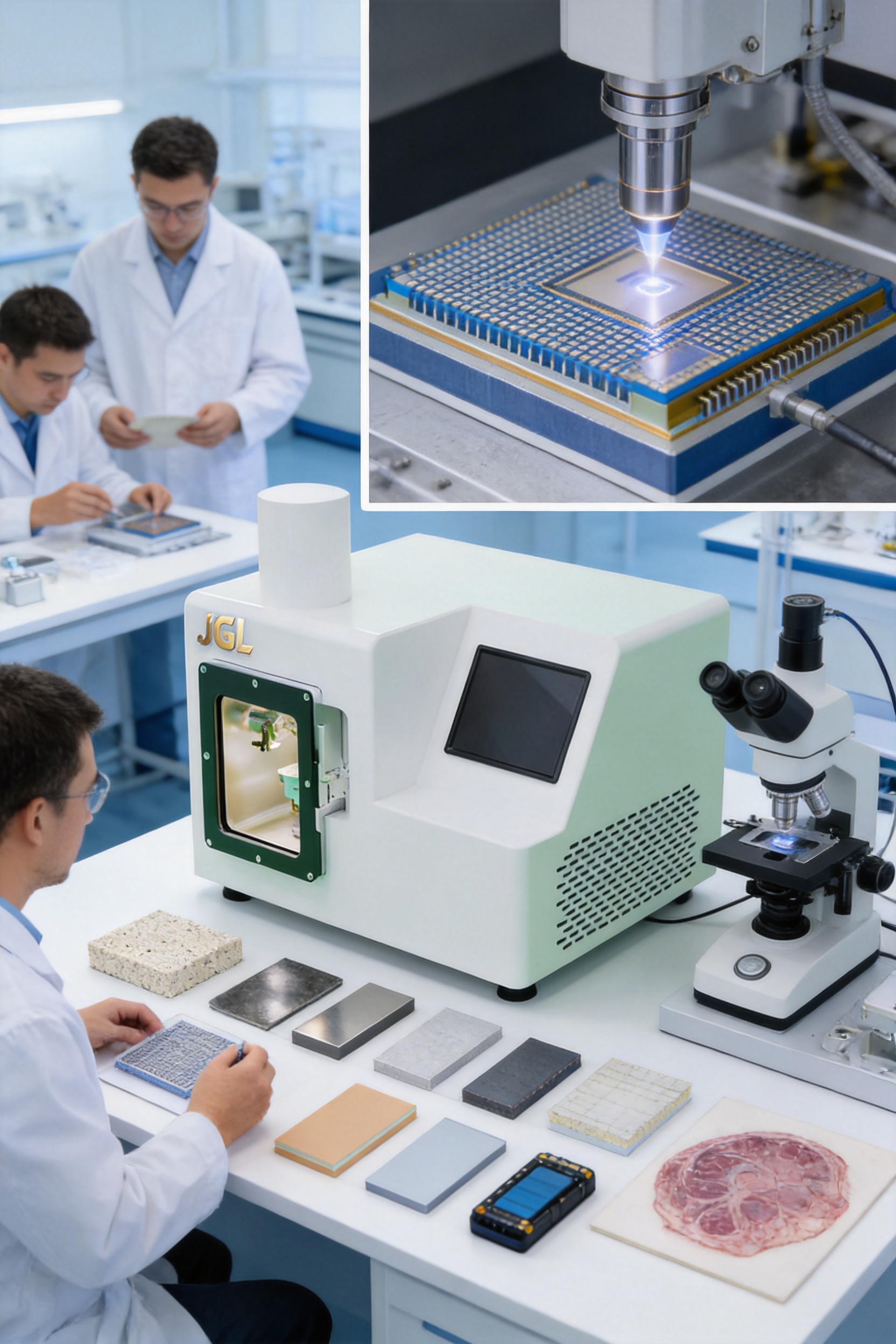
Modern materials research, semiconductor development, electron microscopy, and advanced manufacturing increasingly depend on the ability to prepare surfaces with exceptional precision. A small amount of unwanted damage, contamination, redeposition, or structural change can compromise an entire analysis. Conventional mechanical polishing, chemical preparation, and basic coating methods may be useful for routine work, but they often provide limited control when a specimen is extremely thin, highly sensitive, multilayered, porous, or difficult to process. The HSC121 Ion Beam Etching and Thin Film Deposition System is designed to address these challenges by combining controlled ion beam processing with high-quality thin film deposition in one advanced laboratory platform.
The system supports ion beam etching, milling, polishing, thinning, and coating under controlled conditions. It is intended for applications ranging from cross-sectional preparation and surface modification to conductive coating and the protection of sensitive specimens. Its ability to support both ambient-temperature and cryogenic sample processing increases its usefulness for materials that may be altered by heat, vacuum exposure, mechanical stress, or prolonged preparation.
Developed for demanding laboratory environments, the HSC121 emphasizes beam stability, process repeatability, precise control, and compatibility with broader sample preparation workflows. It can be used with metals, ceramics, polymers, biological specimens, semiconductors, composites, battery materials, and other advanced research samples. By integrating several processing functions into a controlled system, it helps laboratories reduce manual preparation steps and establish more consistent results.
Why Precision Ion Beam Processing Matters
Sample preparation is often the most decisive stage in microscopy and materials analysis. Even when an instrument such as a scanning electron microscope, transmission electron microscope, or surface analysis system has excellent resolution, the final result can be limited by the condition of the sample placed inside it. A rough surface, smeared interface, fractured edge, redeposited material layer, or contaminated cross section can conceal important information and create misleading results.
Mechanical preparation methods can introduce scratches, deformation, strain, and local heating. Chemical methods may selectively attack particular phases or create residues. Focused methods that depend on high-energy particle exposure can produce their own forms of damage if beam energy, incidence angle, dwell time, and raster movement are not carefully controlled. For this reason, a modern ion beam system must do more than generate a beam. It must provide stable operating conditions and accurate control over how the beam interacts with the specimen.
Ion beam etching offers a physical approach to material removal. Accelerated ions strike the surface and remove material through controlled sputtering. With suitable process parameters, this can produce a clean surface or cross section while minimizing the mechanical deformation associated with contact-based methods. Ion milling can also be used to thin a specimen, expose a buried interface, or improve the quality of a previously prepared surface.
The value of the HSC121 lies in its ability to combine this controlled material removal with thin film deposition. After etching or polishing, the same general workflow can support coating operations. This is valuable when a sample requires a conductive layer for electron microscopy, a protective layer for handling, or a functional coating for an experimental study. Combining these capabilities helps reduce transfers between separate systems, which can lower the risk of contamination, alignment changes, and accidental damage.
Core Functions of the HSC121 System
Precision Ion Beam Etching
The HSC121 is designed for precise ion beam etching in applications where uniform and controlled surface modification is important. Etching may be used to remove surface layers, expose interfaces, create clean cross sections, or eliminate the damaged region left by earlier preparation steps. The system is intended to support both delicate and robust materials through controlled process adjustment.
Beam control is central to this function. A stable beam helps maintain a consistent material removal rate across the target area. Automated rastering can distribute ion exposure across the surface and help reduce localized over-processing. This is particularly important for larger regions, layered specimens, and samples with different material phases. Consistent movement and controlled exposure can improve surface uniformity and reduce operator-dependent variation.
For research teams preparing multiple samples, repeatability is as important as maximum processing speed. A process that produces an excellent result only under highly individual manual adjustment is difficult to scale. The HSC121 is therefore suited to laboratories seeking more systematic preparation procedures, where process settings and monitoring can be incorporated into standard operating methods.
Ion Beam Milling and Polishing
Ion beam milling extends the system’s usefulness beyond simple surface etching. It can be used for thinning, cross-sectioning, surface refinement, and the preparation of regions for high-resolution imaging. Milling is especially valuable when a specimen must be opened or shaped without applying direct mechanical force.
Polishing with an ion beam can improve the quality of an already prepared surface. Mechanical polishing may create a thin layer of deformation or introduce scratches that interfere with phase identification and interface analysis. A carefully controlled ion beam step can help remove or reduce some of these preparation artifacts. The result is a surface that may be more representative of the underlying material and better suited to detailed microscopy.
The appropriate process depends on material composition, specimen geometry, required thickness, and analytical objective. Hard metals, ceramics, semiconductor structures, polymers, biological materials, and battery components do not respond identically to ion bombardment. The HSC121’s emphasis on fine beam control enables users to adjust the process to the physical characteristics of the sample rather than relying on a single fixed preparation method.
Thin Film Deposition
Thin film deposition is another major function of the HSC121. The system supports the application of high-purity coatings using metals or other functional materials. A deposited layer can provide electrical conductivity, enhance imaging contrast, protect a surface, or serve as part of a research structure.
Uniform coating is particularly important in electron microscopy. Nonuniform films may produce inconsistent contrast, localized charging, or misleading surface features. A controlled deposition process helps improve coverage across the selected specimen area. It can also reduce the possibility that the coating itself will obscure fine details or interfere with subsequent examination.
Because the system combines deposition with ion beam processing, users can establish a logical sequence: clean or refine the surface, prepare the target area, and then deposit the required film under controlled conditions. This integrated approach may be more efficient than moving the specimen between unrelated instruments. It also helps maintain a more controlled sample environment during critical preparation stages.
Ambient and Cryogenic Operation
Many materials are sensitive to temperature. Polymers may soften, biological materials may degrade, and battery or catalytic materials may undergo structural changes during preparation. Local heating can also alter interfaces, cause phase changes, or modify the distribution of volatile components. The HSC121 is designed to support both room-temperature and cryogenic sample processing, helping laboratories select a preparation condition that better matches the physical requirements of the specimen.
Cryogenic processing can help preserve the structure of sensitive materials by reducing thermal movement and slowing certain degradation mechanisms. For biological specimens and soft matter, low-temperature handling may be important for retaining morphology. For energy materials, cryogenic preparation can assist in examining structures or interfaces that may change when exposed to ambient conditions. The exact process should be selected according to the sample and the intended analysis, but the availability of cryogenic compatibility provides a significant expansion of laboratory capability.
The system can also be combined with cryogenic transfer equipment, including compatible LSCT-series cryo-transfer solutions, to support a more continuous workflow between sample preparation and electron microscopy. This type of integration can reduce exposure to ambient conditions and help protect samples that are vulnerable to moisture, oxygen, or temperature changes.
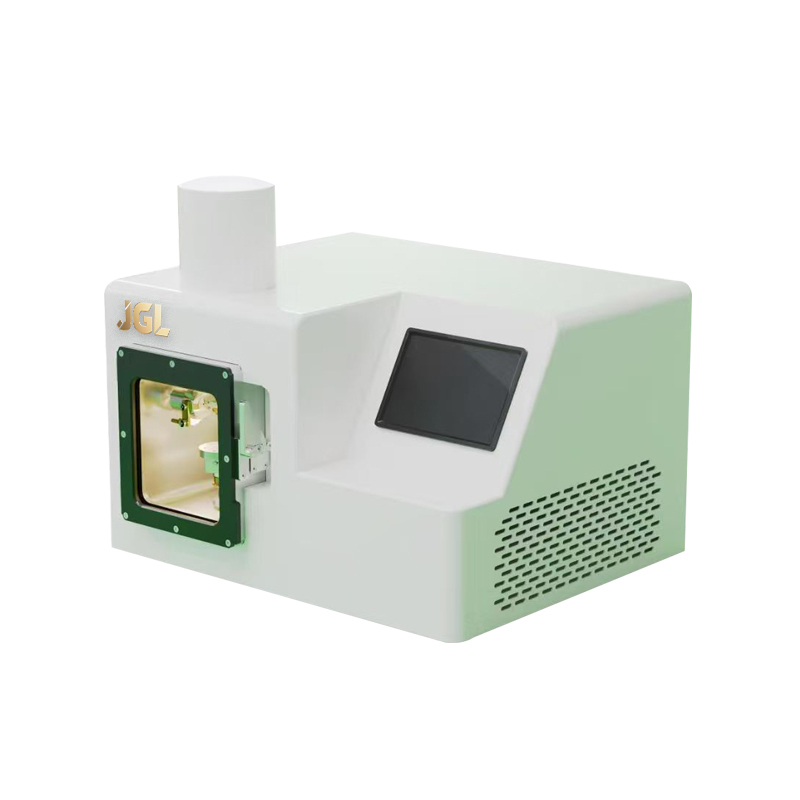
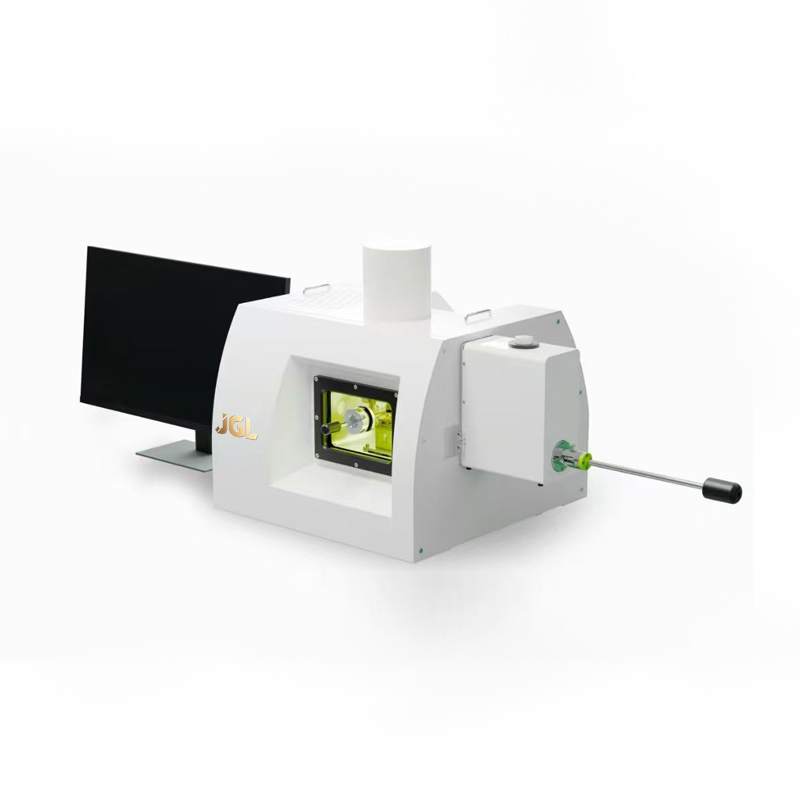
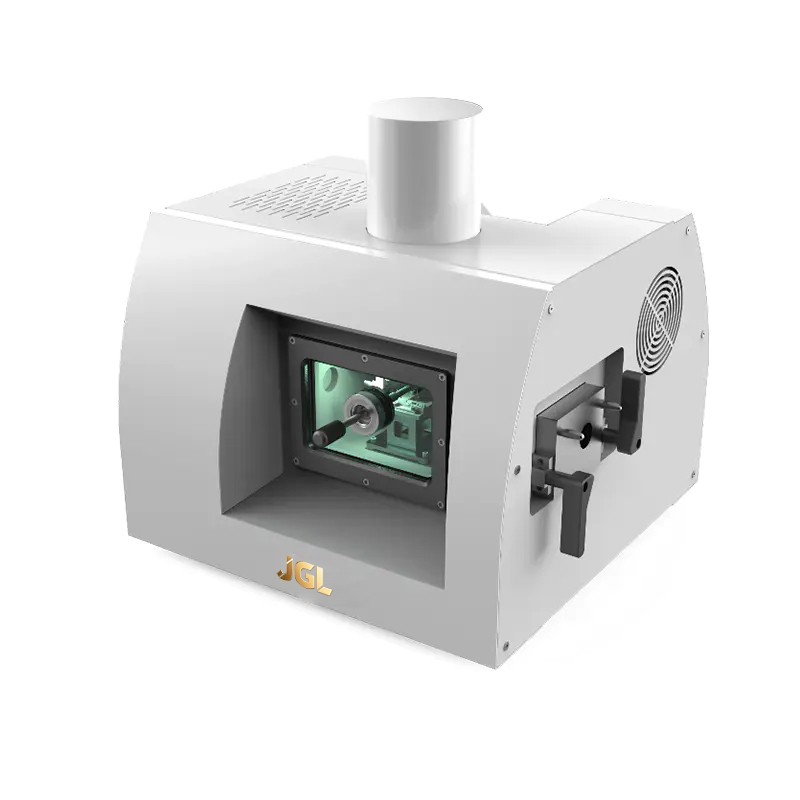
HSC121 Ion Beam Etching and Thin Film Deposition System
Advantages Compared with Conventional Preparation Methods
Reduced Mechanical Disturbance
Mechanical cutting and polishing are effective for many materials, but they apply physical force directly to the specimen. Brittle samples may fracture, soft samples may smear, and layered structures may delaminate. Contact preparation can also round sharp features or distort interfaces. Ion beam processing removes material without a cutting tool directly contacting the surface, making it suitable for applications where mechanical disturbance must be minimized.
This does not mean that ion beam preparation eliminates every possible form of damage. Ion energy, dose, angle, and exposure time must still be selected carefully. However, the controlled and non-contact nature of the process provides a useful alternative when mechanical techniques are likely to compromise the region of interest.
Improved Cross-Section Quality
Cross-sectional analysis is essential in semiconductor inspection, coating evaluation, multilayer materials research, and failure analysis. The quality of the cross section determines whether interfaces, defects, voids, cracks, and layer thicknesses can be evaluated accurately. A poor cross section may contain tearing, smearing, uneven edges, or contamination that hides important features.
The HSC121 is designed to support controlled cross-section preparation through ion beam etching and milling. By adjusting the process to the specimen, users can work toward a flatter, cleaner, and more representative exposed region. This is useful for advanced packaging, thin-film stacks, FinFET structures, composite materials, and other samples where the relationship between layers is central to the investigation.
Better Suitability for Sensitive Materials
Polymers, biological specimens, nanoparticles, battery electrodes, catalysts, and solid electrolyte interfaces often require more careful treatment than conventional metals. They may be porous, chemically reactive, thermally sensitive, or structurally unstable. The HSC121’s compatibility with cryogenic and ambient operation gives users additional options for controlling the preparation environment.
The system is not limited to one material class. Its application range includes hard materials such as ceramics and metals as well as soft and delicate specimens. This broad compatibility is an advantage for universities, central research facilities, industrial laboratories, and contract testing organizations that process many different sample types.
Integrated Etching and Coating
Using separate instruments for cleaning, milling, coating, and cryogenic transfer can add time and complexity to a laboratory workflow. Every transfer creates opportunities for contamination, sample misalignment, exposure to the atmosphere, and accidental damage. An integrated system can reduce the number of handling steps and help laboratories create a more efficient process sequence.
The HSC121’s combination of ion beam preparation and thin film deposition is particularly useful when a sample needs to be modified and coated in close succession. This can simplify preparation planning and improve consistency between the prepared surface and the deposited film. It may also reduce the need for multiple fixtures or repeated alignment procedures.
Process Reproducibility
Research and industrial inspection both benefit from repeatable preparation. If two samples are processed under substantially different conditions, it may be difficult to determine whether observed differences originate from the material or from sample preparation. Fine beam control, automated rastering, and process monitoring are intended to help users establish more repeatable procedures.
Reproducibility also supports training and collaboration. A well-defined process can be documented, reviewed, and repeated by different operators. This is especially valuable in shared laboratories where equipment is used by multiple research groups and where results may need to be compared over long periods.
Technical Design Philosophy
Controlled Beam Delivery
A precision ion beam instrument must maintain control from beam generation through sample interaction. Variations in beam intensity, position, or distribution can affect etch depth, surface roughness, coating uniformity, and processing time. The HSC121 is designed around stable beam operation and fine adjustment so that users can align the process with the geometry and composition of the specimen.
Controlled beam delivery is important for both large-area and localized processing. Large-area preparation benefits from uniform scanning, while localized work requires accurate positioning and careful exposure management. Automated rastering supports systematic movement over the selected region, reducing the risk of leaving untreated zones or repeatedly overexposing one location.
Monitoring and Operator Control
Process monitoring helps users understand how a preparation step is progressing. Rather than relying solely on fixed time intervals, operators can use the system’s control and observation capabilities to make more informed decisions about exposure and completion. This is useful when samples vary in density, thickness, or composition.
Operator control should not be viewed as a substitute for established procedures. Instead, it complements method development by allowing users to compare process conditions and refine them for particular material families. Over time, laboratories can establish internal protocols for common sample types, including semiconductor cross sections, metallic surfaces, cryogenic biological specimens, and energy-material interfaces.
Compatibility with Broader Laboratory Workflows
The HSC121 can serve as part of a larger analytical chain. A typical workflow may begin with sample extraction or sectioning, continue with ion beam cleaning or thinning, proceed to coating, and end with electron microscopy or another surface-sensitive analysis. Cryogenic transfer compatibility can be added when the sample must remain cold or isolated from the atmosphere.
This workflow-oriented design is important because laboratory productivity depends on more than the performance of an individual instrument. A system that works well with sample holders, transfer devices, microscopy platforms, and existing process controls can provide more practical value than an instrument considered in isolation.
Applications in Materials Science
Materials science research often focuses on surfaces, interfaces, defects, phase boundaries, and microstructural changes. These features may be only a few nanometers or micrometers in size, and their interpretation depends on preparing the sample without masking the information of interest.
For metals and alloys, ion beam processing can support cross-sectional examination of grains, inclusions, welds, coatings, corrosion sites, and failure regions. A controlled surface can make it easier to evaluate the relationship between microstructure and performance. For ceramics and composites, ion milling may help reveal pores, cracks, interfaces, and reinforcing phases while reducing the mechanical damage associated with cutting.
In thin-film research, the HSC121 can be used to prepare layered structures for interface analysis or to deposit a controlled film for imaging and experimentation. Coatings may be applied to improve conductivity, protect a surface during handling, or provide a functional layer for a specific study. The exact coating material and process parameters should be selected according to the analytical goal and compatibility requirements.
Nanotechnology applications also benefit from precise, low-contact processing. Nanoparticles, nanowires, thin membranes, and other small structures may be damaged by conventional handling. Controlled ion beam exposure and localized deposition can help researchers prepare such materials for observation and characterization.
Applications in Semiconductors and Microelectronics
Semiconductor devices contain complex stacks of metals, dielectrics, semiconductors, barriers, contacts, and protective layers. Modern device architectures may include narrow lines, three-dimensional structures, high-aspect-ratio features, and fragile interfaces. Preparing these structures for failure analysis or process verification requires careful control.
The HSC121 is suited to cross-sectional preparation for chip analysis, FinFET inspection, advanced packaging evaluation, and related microelectronics applications. Ion beam milling can expose selected regions for examination, while controlled polishing can improve the quality of the exposed surface. A conductive coating may be added when required for electron microscopy or when surface charging must be reduced.
In failure analysis, the objective is often to locate a defect without introducing a new artifact. Cracks, delamination, voids, electromigration damage, solder joint failures, and interface defects must be distinguished from preparation-induced damage. A controlled, non-contact approach can help analysts preserve more of the original evidence and improve confidence in their conclusions.
For research and development, the ability to prepare repeatable cross sections is also valuable. Device designers can compare process variations, investigate layer thickness, verify material interfaces, and examine localized defects. When the sample preparation method is stable, the resulting images and measurements are easier to compare across wafers, lots, and development stages.
Applications in Life Sciences and Cryogenic Research
Biological materials and soft matter present special preparation challenges. Their structures may collapse, dry, deform, or react when exposed to unsuitable temperatures or environments. Cryogenic handling can help preserve morphology and reduce changes during preparation.
The HSC121 is designed to support cryogenic thinning and preparation of sensitive biological specimens. It may be used in workflows involving cells, tissues, biomaterials, and other specimens intended for electron microscopy or nanoscale examination. The ability to combine low-temperature processing with controlled ion beam exposure gives researchers an additional method for preparing regions that are difficult to preserve using conventional techniques.
Soft polymers and hydrogels may also benefit from reduced mechanical contact. A mechanical tool can drag or compress these materials, while an ion beam can remove material without direct contact. Nevertheless, process parameters must be selected carefully to prevent excessive heating, chemical alteration, or beam-related modification. The purpose of the system is to provide control and flexibility, not to replace the need for material-specific method development.
Nanobiotechnology researchers can use related capabilities for nanoparticle preparation, membrane examination, and the study of delicate interfaces. When combined with cryogenic transfer, the workflow can help reduce exposure to environmental conditions between preparation and microscopy.
Applications in Energy Materials
Energy materials often contain chemically active and structurally complex interfaces. Battery electrodes, solid electrolytes, catalyst layers, fuel cell components, and protective coatings may change when exposed to air, moisture, heat, or mechanical stress. Understanding these changes requires careful preservation and cross-sectional examination.
The HSC121 can support the preparation of battery electrodes and solid electrolyte interfaces for microscopy and materials analysis. Cryogenic operation may be useful when the objective is to preserve a particular state or reduce changes during sample handling. Ion beam etching can expose interfaces and help reveal cracks, reaction layers, pores, deposits, and other features relevant to performance and degradation.
Fuel cell catalysts and electrode assemblies can also require detailed investigation of layered structures and interfaces. A clean, controlled cross section may help researchers evaluate catalyst distribution, binder regions, porosity, and contact between functional layers. Thin film deposition can provide a conductive or protective coating when required for examination.
Because energy materials vary widely in composition and sensitivity, users should establish process conditions through validation experiments. The broad operating flexibility of the HSC121 provides a platform for this development work, allowing laboratories to compare ambient and cryogenic preparation strategies and determine which method best preserves their material system.
Manufacturing Strengths and Quality-Oriented Production
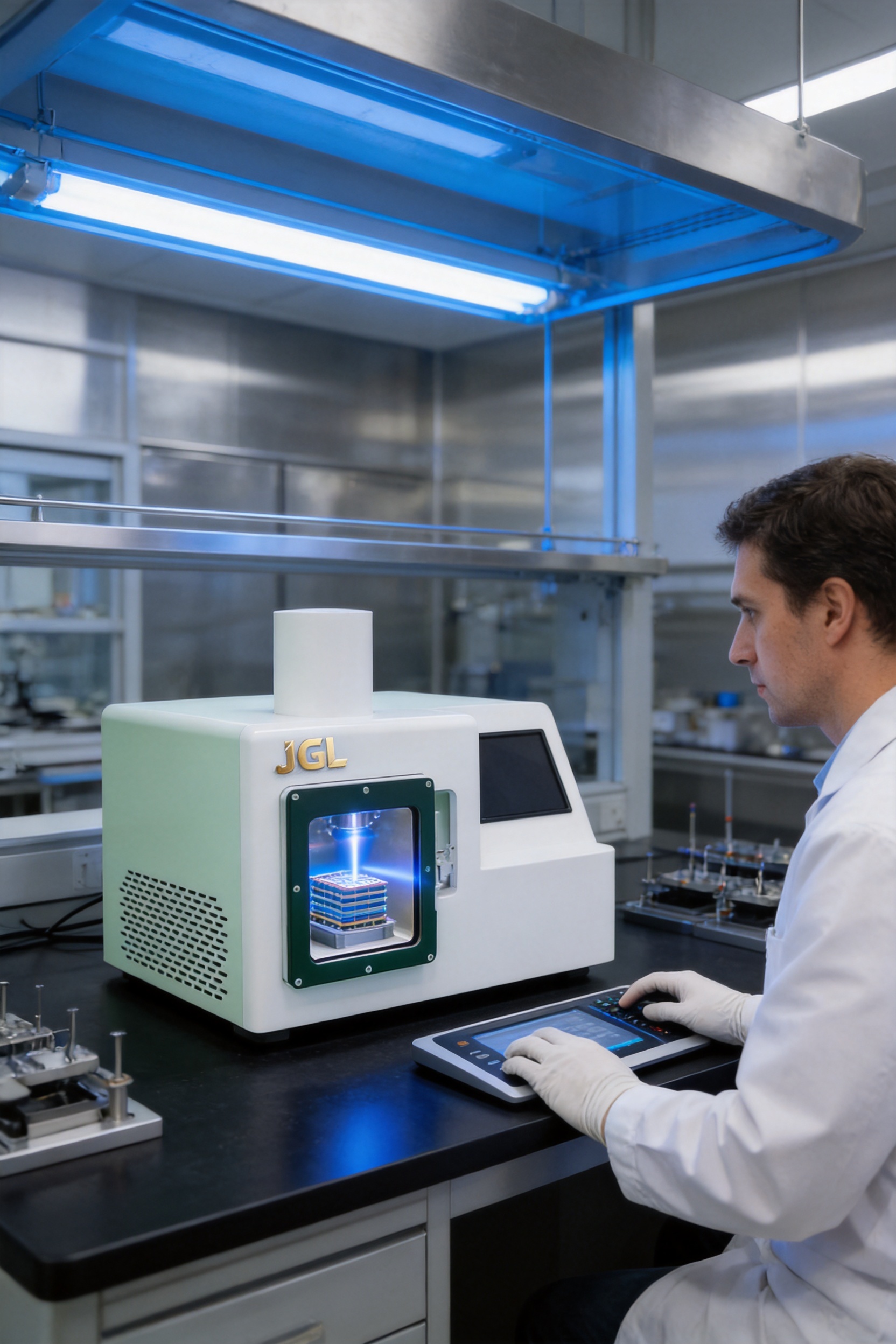
The performance of a precision laboratory instrument depends on the quality of its engineering, assembly, testing, and technical support. The manufacturer behind the HSC121, Jiangsu Baisheng Industrial Co., Ltd., combines product development with international supply experience. Its business is positioned around high-end laboratory equipment and safety testing instruments, supported by a dedicated research and development team.
The company’s manufacturing approach is based on precision design and technical specification control rather than simple product trading. This distinction is important for specialized ion beam equipment because the system must integrate mechanical structures, vacuum-related components, beam control, sample handling, temperature management, electronic control, and process monitoring. Each part must function as part of a coordinated system.
A technology-driven production model also supports customization. Laboratories do not always require identical sample holders, transfer arrangements, operating configurations, or process interfaces. A manufacturer with engineering capability can better evaluate application requirements and adapt the equipment configuration to the intended workflow. Customization should be managed through documented specifications, verification, and acceptance testing so that flexibility does not compromise reliability.
Research and Development Capability
The company’s history reflects a progression from electronic testing research and development to independent laboratory equipment production and international market expansion. This background is relevant to the HSC121 because precision ion beam systems rely on both hardware engineering and electronic control.
A dedicated research and development team can contribute to improvements in beam stability, automation, sample handling, thermal management, software control, and system integration. It can also help translate user feedback into practical design changes. For laboratories purchasing specialized equipment, this technical connection may be more valuable than a standard catalog-only supply model.
Engineering Integration
Ion beam processing systems are multidisciplinary products. Mechanical accuracy affects sample positioning. Electrical stability affects beam control. Vacuum performance affects contamination and process consistency. Thermal management affects sensitive specimens. Software and monitoring affect repeatability. Manufacturing strength is therefore closely connected with the ability to integrate these disciplines.
The HSC121 is presented as an integrated platform rather than a single-purpose device. Its etching, milling, polishing, deposition, cryogenic compatibility, rastering, and monitoring functions are intended to work together. This integrated approach can reduce the need for laboratories to coordinate multiple independent suppliers and may simplify installation, training, maintenance, and process validation.
Quality Management and Product Verification
High-end laboratory equipment requires more than functional assembly. Quality management should include incoming component control, dimensional inspection, electrical testing, vacuum verification, software checks, beam stability evaluation, deposition assessment, and final system testing. The manufacturer has emphasized the improvement of its quality management system and compliance with rigorous technical specifications.
For customers, a thorough acceptance process is an important part of purchasing. It may include checking operating stability, sample movement, coating uniformity, temperature performance, control response, and the repeatability of representative preparation tasks. Clear documentation of these checks helps users establish confidence before the system enters routine operation.
Customized Technical Solutions
Different laboratories may prioritize different capabilities. A semiconductor failure-analysis center may need precise cross-sectioning and conductive coating. A life-science laboratory may require cryogenic sample protection and transfer compatibility. An energy-materials group may prioritize controlled interfaces and flexible sample fixtures. A shared facility may need a broad range of operating modes and simple method management.
The company’s combination of R&D resources and international trade experience supports the development of customized equipment solutions. Customization can involve sample holders, process configurations, cryogenic interfaces, coating arrangements, control features, or installation requirements. The most effective customization begins with a clear application review and ends with documented performance criteria.
Comparison of Processing Approaches
The following table summarizes the general advantages and considerations associated with different preparation approaches. Actual results depend on material properties, equipment settings, operator training, and process validation.
| Processing Approach | Primary Strength | Common Limitation | Role of the HSC121 |
|---|---|---|---|
| Mechanical polishing | Effective for bulk material removal and routine surface preparation | May introduce scratches, deformation, smearing, or mechanical stress | Provides ion beam polishing and refinement after or instead of selected mechanical steps |
| Chemical preparation | Can selectively remove or modify some materials | May create residues, attack sensitive phases, or require hazardous chemicals | Offers a controlled physical processing alternative for many applications |
| Basic coating equipment | Applies conductive or protective films | May not provide integrated surface cleaning, milling, or cryogenic preparation | Combines thin film deposition with ion beam preparation functions |
| Ion beam processing without deposition | Supports precise etching, milling, and thinning | May require transfer to another system for coating or protection | Integrates processing and deposition within one platform |
| Separate ambient and cryogenic systems | Can be optimized for one temperature range | Requires additional equipment, transfers, and workflow coordination | Supports both ambient and cryogenic sample processing requirements |
Operational Workflow
Sample Assessment
Before processing, the operator should assess the sample’s composition, geometry, thickness, sensitivity, and analytical objective. The desired outcome may be a clean cross section, a polished surface, a thin membrane, a conductive coating, or a protected cryogenic specimen. This assessment determines whether ambient or cryogenic processing is more appropriate and helps define beam exposure conditions.
Mounting and Alignment
Secure mounting and accurate alignment are essential for consistent results. The sample should be positioned so that the target region is accessible and the intended beam angle and raster area can be established. For fragile or irregular specimens, suitable fixtures and careful handling are particularly important.
Preliminary Etching or Milling
The initial ion beam step may remove unwanted material, open a cross section, or reduce the thickness of a specimen. Operators can adjust the process according to the material’s response. Automated rastering may be used to distribute the beam over the selected region, while monitoring helps track progress.
Surface Refinement
After bulk removal, a lower-intensity or more carefully controlled finishing step may be applied to improve surface quality. The objective is to reduce preparation artifacts and expose the region in a form suitable for microscopy or additional analysis. The required finishing strategy depends on the specimen and the resolution needed.
Thin Film Deposition
When coating is required, the surface can be prepared for deposition within the same general system. The selected film should match the intended purpose, whether conductivity, protection, contrast enhancement, or functionalization. Uniform coverage and process cleanliness are important, particularly for high-resolution imaging.
Transfer to Analysis
Following preparation, the sample can be transferred to the next stage of analysis. For temperature-sensitive or environmentally sensitive specimens, compatible cryogenic transfer equipment can help maintain the required condition. Minimizing unnecessary handling supports sample integrity and workflow efficiency.
Safety, Maintenance, and Training Considerations
Ion beam systems combine vacuum technology, high-voltage or high-energy components, gases or process materials, moving mechanisms, temperature control, and electronic systems. Operation should therefore follow the manufacturer’s safety instructions and the laboratory’s internal procedures. Only trained and authorized personnel should operate the equipment.
Routine maintenance may include inspection of vacuum-related components, cleaning of sample areas, verification of fixtures, review of process logs, and examination of deposition or beam performance. Preventive maintenance can help identify changes before they affect a large number of samples. Laboratories should also maintain records of service, calibration, process validation, and operator training.
Training should cover sample assessment, mounting, beam parameter selection, rastering, cryogenic handling, deposition procedures, emergency response, and contamination control. New operators should begin with representative materials and documented procedures before processing irreplaceable specimens. A strong training program improves both safety and result consistency.
How the HSC121 Supports Laboratory Productivity
Productivity is not measured only by processing speed. It also includes the percentage of samples that produce usable results, the time required for rework, the consistency between operators, and the ease with which a process can be transferred from research to routine operation. The HSC121 supports productivity by bringing several preparation capabilities into one coordinated platform.
Reduced sample transfers can shorten workflow time and lower contamination risk. Automated rastering can reduce repetitive manual movement. Process monitoring can help operators make decisions based on the actual condition of the sample. Cryogenic compatibility can protect valuable specimens that might otherwise require specialized external preparation. Thin film deposition within the same system can reduce interruptions between surface preparation and imaging.
For shared facilities, versatility is especially important. One system that can handle metals, ceramics, polymers, biological samples, semiconductor structures, and energy materials may serve several departments or customer groups. This can improve equipment utilization and justify investment in a high-precision platform.
For industrial users, repeatability and documentation may be more important than broad research flexibility. The HSC121 can support the development of application-specific protocols that define sample mounting, beam conditions, raster area, finishing steps, coating parameters, and transfer procedures. Once validated, these protocols can support quality investigations and comparative studies.
Recommended Selection Criteria for Buyers
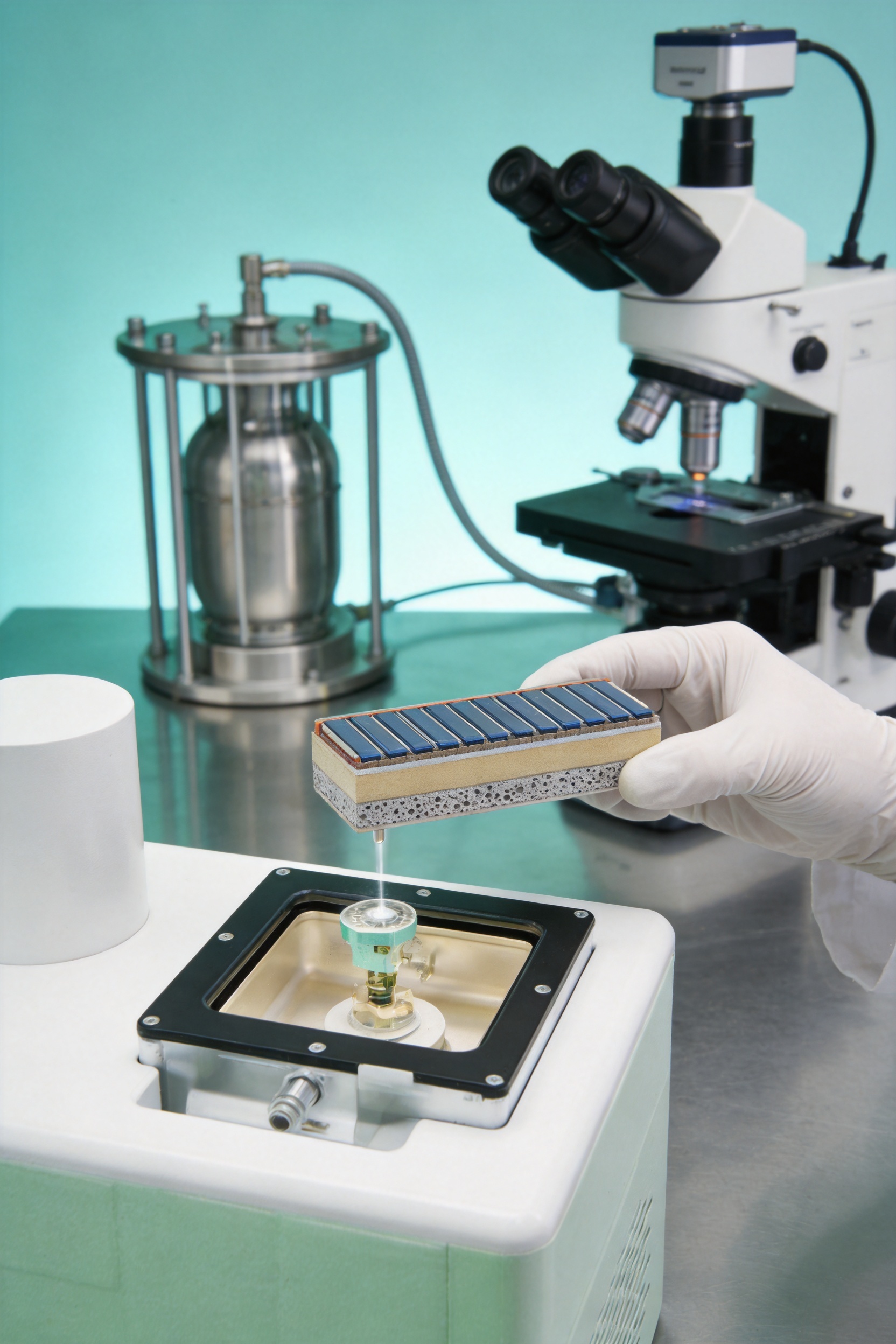
Organizations evaluating an ion beam etching and deposition system should begin by identifying their most important applications. Questions should include whether the system will be used mainly for cross-sectioning, polishing, thinning, coating, cryogenic preparation, or a combination of these tasks. The expected sample size, material range, throughput, resolution, and environmental requirements should also be reviewed.
Beam control is a central selection criterion. Buyers should evaluate whether the system provides the adjustment range and stability required for their samples. Automated rastering and monitoring are useful when uniformity and repeatability are important. Sample handling should be assessed for both routine specimens and irregular or fragile samples.
Cryogenic capability should be considered carefully by laboratories working with biological specimens, polymers, battery materials, volatile components, or air-sensitive interfaces. Compatibility with a broader cryo-transfer workflow may be decisive when the sample must remain protected from ambient exposure.
Deposition performance is another important consideration. Buyers should examine the types of coatings required, the desired film uniformity, the acceptable contamination level, and the relationship between deposition and later analysis. An integrated etching and coating system may provide practical advantages over separate instruments when both functions are used frequently.
Finally, buyers should evaluate the supplier’s engineering support, customization capability, installation service, training, spare parts, documentation, and after-sales response. A precision system is a long-term laboratory asset, and supplier support can strongly influence its total value.
Conclusion
The HSC121 Ion Beam Etching and Thin Film Deposition System is designed for laboratories that require precise, controlled, and versatile material preparation. By combining ion beam etching, milling, polishing, thinning, and thin film deposition, it addresses several stages of the sample preparation workflow within one platform. Its support for ambient and cryogenic operation expands its suitability from robust engineering materials to delicate biological, polymeric, and energy-related specimens.
Compared with conventional mechanical or chemical preparation alone, the system offers a non-contact approach that can help reduce deformation, improve cross-section quality, and preserve sensitive structures. Automated rastering, fine beam control, and process monitoring support repeatability, while integration with cryogenic transfer systems can help maintain sample condition during movement to electron microscopy.
The manufacturer’s strengths in research and development, precision engineering, customized equipment solutions, and international technical supply provide a foundation for the system’s application in demanding laboratories. Its technology-plus-trade business model is supported by a dedicated R&D team and a stated commitment to quality management, product improvement, and long-term cooperation.
For semiconductor analysis, materials research, life-science preparation, nanotechnology, battery investigation, fuel-cell development, and advanced surface studies, the HSC121 offers a flexible route toward cleaner, more reproducible, and better-controlled specimens. Its greatest value is not limited to a single processing function. Rather, it lies in the ability to connect surface preparation, cryogenic protection, thin film deposition, and analytical workflow into a coordinated laboratory solution.
Questions and Answers
What is the primary purpose of the HSC121?
The HSC121 is designed to perform precision ion beam etching, milling, polishing, thinning, and thin film deposition. It is intended for preparing surfaces, cross sections, interfaces, and thin specimens for electron microscopy, semiconductor analysis, materials research, and related applications.
Can the system process both hard and soft materials?
Yes. The system is intended for a broad range of materials, including metals, ceramics, polymers, biological specimens, semiconductor structures, composites, nanoparticles, battery components, and fuel-cell materials. Process settings should be adapted to the composition and sensitivity of each sample.
Does the HSC121 support cryogenic processing?
Yes. The system is designed to support both cryogenic and ambient-temperature sample processing. Cryogenic operation can be useful for biological specimens, polymers, energy materials, and other samples that may be altered by heat or exposure to ambient conditions.
Why is thin film deposition integrated into the system?
Thin film deposition can provide conductivity, surface protection, imaging contrast, or functionalization. Integrating deposition with ion beam preparation reduces the need to transfer a sample between separate instruments and can help improve workflow efficiency and contamination control.
What advantages does ion beam polishing offer?
Ion beam polishing removes material without direct mechanical contact. This can help reduce scratches, smearing, deformation, and stress that may result from conventional mechanical preparation. It is especially useful when the quality of a cross section or interface is critical.
Is the HSC121 suitable for semiconductor failure analysis?
Yes. Its ion beam etching and milling capabilities are suitable for applications such as chip failure analysis, FinFET cross-sectioning, advanced packaging inspection, and the examination of multilayer device structures. Conductive coating can also be used when required for electron microscopy.
Can it be used for battery and energy-material research?
Yes. Potential applications include battery electrodes, solid electrolyte interfaces, fuel-cell catalysts, catalyst layers, and protective coatings. Cryogenic preparation may be considered when the material is sensitive to air, moisture, heat, or structural change.
How does automated rastering improve processing?
Automated rastering distributes beam exposure across a selected region in a controlled pattern. This can improve surface uniformity, reduce localized over-processing, and make preparation procedures more repeatable between samples and operators.
What should be considered before purchasing the system?
Buyers should review their material types, sample sizes, desired preparation tasks, coating requirements, cryogenic needs, throughput, process repeatability, integration requirements, training expectations, and after-sales support. Application-specific demonstrations and acceptance criteria are also recommended.
Can the system be customized?
The manufacturer provides customized laboratory equipment solutions and can review application-specific requirements. Possible areas for customization may include sample handling, process configuration, cryogenic interfaces, deposition arrangements, control functions, and workflow integration, subject to technical evaluation.
What type of training is required?
Operators should be trained in sample assessment, mounting, beam control, rastering, deposition, cryogenic handling, vacuum operation, contamination prevention, routine maintenance, and safety procedures. Training should be combined with documented laboratory protocols.
How does the system support reproducible research?
Fine beam control, automated rastering, process monitoring, integrated preparation functions, and documented operating procedures can help laboratories establish repeatable sample preparation methods. Reproducibility is further improved when operators record sample condition, process settings, exposure time, coating parameters, and transfer conditions.
References
1. Manufacturer-provided product information for the HSC121 Ion Beam Etching and Thin Film Deposition System.
2. Manufacturer-provided company profile, development history, quality objectives, and research and development information.
3. General principles of ion beam sputtering, ion milling, surface preparation, and thin film deposition in materials characterization.
4. General laboratory practices for cryogenic sample handling and transfer in electron microscopy.
5. General guidance on semiconductor cross-sectional preparation and failure-analysis workflows.
6. General materials characterization methods for batteries, fuel cells, catalysts, polymers, ceramics, and biological specimens.
Product: HSC121 Ion Beam Etching and Thin Film Deposition System

PREV:No previous article
NEXT:U5QTH-100-A/W Fast Temperature and Humidity Cycling Chamber: Precision Testing for Demanding Laboratory Applications
NEXT:U5QTH-100-A/W Fast Temperature and Humidity Cycling Chamber: Precision Testing for Demanding Laboratory Applications
Interested in cooperation or have questions?
Featured Products
Related products
Quick Link
Contact Information
- Tel: +86-13861043568
- E-mail: 1840784112@qq.com
- Add: Tianting District, Changzhou City, Jiangsu Province, China, No. 6 Hecircuit
Scan Code
Copyright © JIANGSU BAISHENG INDUSTRIAL CO., LTD.
All Rights Reserved. Privacy Custom Precision Laboratory Testing Equipment Manufacturers
