 English
 Español

NEWS
NEWS
NEWS
NEWS
NEWS
NEWS
NEWS
NEWS
NEWS
NEWS
NEWS
NEWS
NEWS
NEWS
NEWS
NEWS

Peng Shulan — Regional Sales Consultant
Home / Author / Peng Shulan — Regional Sales Consultant / Precision Ion Beam Grinding and Polishing for High-Fidelity Materials Analysis
Precision Ion Beam Grinding and Polishing for High-Fidelity Materials Analysis
Content
- 1 The Role of Surface Preparation in Advanced Microscopy
- 2 Operating Principle of the HSC126
- 3 Core Advantages Compared with Conventional Preparation Methods
- 4 Ambient and Cryogenic Processing in One Platform
- 5 Applications Across Materials Research and Industry
- 6 Technical and Workflow Features
- 7 Manufacturing Strengths and Engineering Approach
- 8 Why the HSC126 Can Offer a Competitive Advantage
- 9 Product: HSC126 Ion Beam Precision Grinding and Polishing System
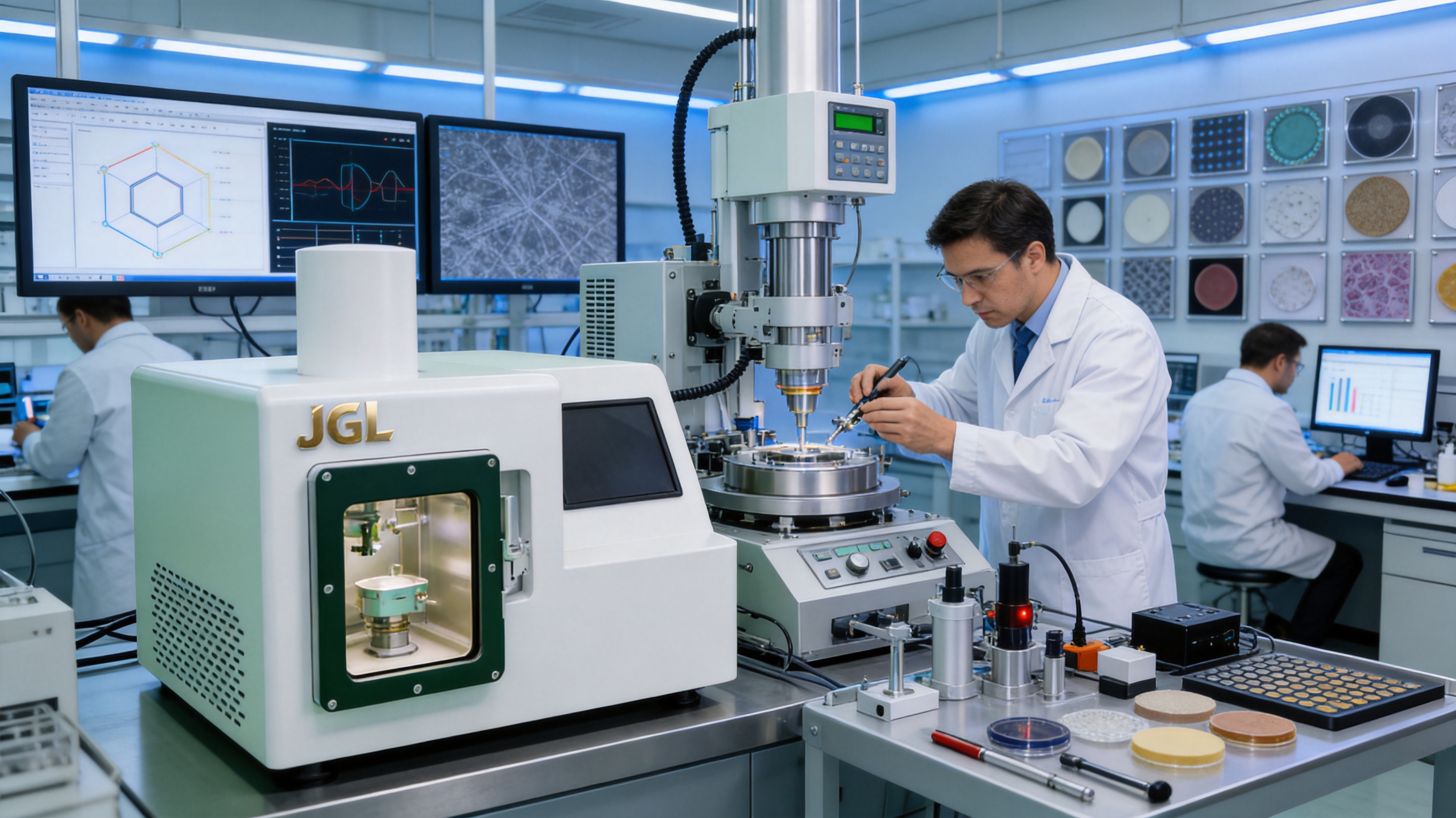
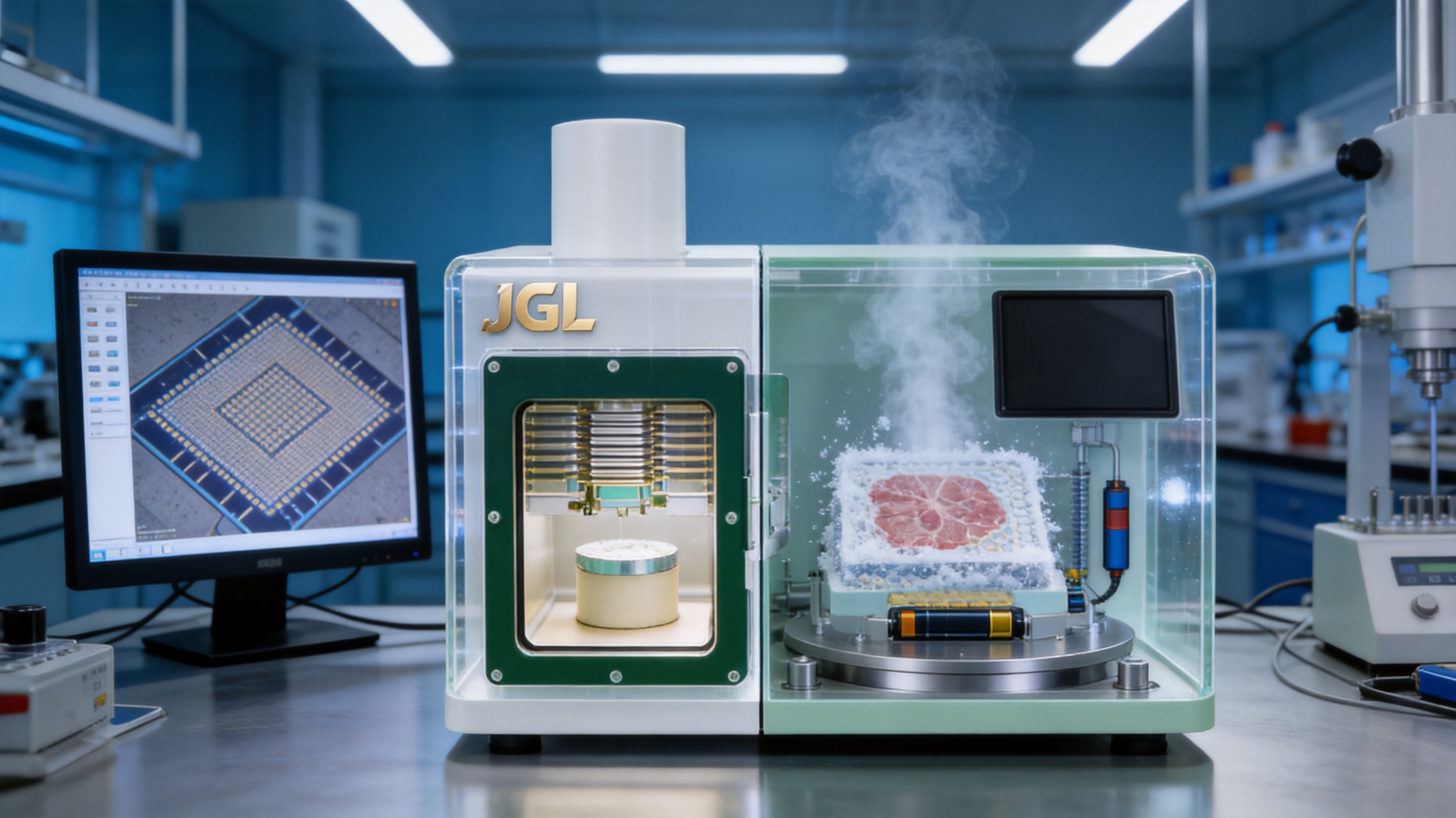
Modern materials research increasingly depends on the quality of the specimen presented to an electron microscope. Whether the objective is to inspect a semiconductor interconnect, examine a battery interface, analyze a biological structure, or investigate a multilayer composite, the final image is only as reliable as the surface and cross-section prepared before observation. Mechanical cutting, grinding, and polishing can introduce deformation, scratches, embedded abrasive particles, residual stress, smearing, and localized heating. These preparation artifacts may conceal the very structures that researchers need to observe.
The HSC126 Ion Beam Precision Grinding and Polishing System is designed to address these limitations. It uses a controlled ion beam to remove material gradually and uniformly, producing flat, smooth, and low-damage surfaces for advanced scanning electron microscopy, transmission electron microscopy, microstructural analysis, and semiconductor inspection. Its processing concept combines precision ion beam delivery, controlled rastering, process monitoring, automation, and optional cryogenic operation in a single laboratory platform.
Unlike conventional preparation methods that rely primarily on physical contact between an abrasive tool and the specimen, the HSC126 performs fine material removal through energetic ions. This makes it suitable for applications in which surface integrity, dimensional accuracy, and contamination control are essential. The system can process metals, ceramics, semiconductors, polymers, composites, biological materials, battery components, and other specimens that may be difficult to prepare using purely mechanical methods.
Its ability to support both ambient and low-temperature processing further expands its application range. Heat-sensitive materials, water-containing specimens, oil-containing samples, polymers, cells, tissues, and other delicate structures can benefit from cryogenic preparation, which helps limit thermal and beam-induced damage. When integrated with a cryo-transfer workflow or another ion beam instrument, the system can help maintain specimen condition from preparation through microscopy.
The Role of Surface Preparation in Advanced Microscopy
Electron microscopy does not simply reveal a specimen exactly as it exists in its original state. The preparation process influences what can be observed, how clearly it can be resolved, and whether the resulting image represents the true material structure. A rough surface can scatter electrons unpredictably, obscure interfaces, and reduce image contrast. A mechanically damaged layer can create cracks or distortions that appear to be part of the material itself. Contamination can produce false features or interfere with elemental analysis.
For cross-sectional analysis, preparation is particularly demanding. The researcher may need to expose a buried interface, a thin film, a grain boundary, a device channel, a solid-electrolyte interface, or a biological ultrastructure without changing its geometry. If the cutting or polishing method removes material unevenly, the cross-section may not be representative. If excessive force is applied, soft and hard phases may be displaced relative to one another. If the specimen becomes hot, volatile or hydrated constituents may move, evaporate, or degrade.
Ion beam polishing provides a non-contact alternative for the final stages of preparation. Ions are accelerated toward the specimen surface, where controlled collisions remove atoms and small volumes of material. The process can be adjusted to achieve efficient bulk removal or gentle finishing, depending on the material and the intended analysis. Because the beam is rastered across a defined area, the operator can prepare a consistent region rather than relying on the irregular contact pattern of a hand-operated abrasive process.
The HSC126 is intended to occupy this high-precision preparation stage. It can be used for final polishing after mechanical sectioning, for controlled thinning, for cross-section preparation, or for direct surface refinement of specimens that require minimal physical contact. The system is particularly valuable when the preparation objective is not merely to make a sample observable, but to preserve the sample’s original structure with the highest practical fidelity.
Operating Principle of the HSC126
The HSC126 uses a directed ion beam to perform precision grinding and polishing. The beam is delivered to a selected region of the specimen, and the instrument controls the exposure pattern so that material is removed in a repeatable manner. Depending on process settings, the system can remove relatively larger amounts of material during an initial preparation step or perform a slower, gentler finishing process for the final surface.
Beam rastering is central to this approach. Instead of concentrating the beam in one location, the system moves it across the target area in a controlled pattern. This helps distribute ion exposure, reduce localized over-processing, and improve surface uniformity. Raster parameters can be selected according to sample dimensions, material composition, desired removal rate, and required finish quality.
Ion beam energy, incident angle, processing time, beam current, raster area, and specimen temperature all influence the final result. A robust preparation system must therefore provide stable beam delivery and predictable adjustment of process conditions. The HSC126 is designed around this requirement, combining controlled operation with monitoring functions intended to improve repeatability from one specimen to the next.
The non-contact nature of ion beam processing is one of the system’s most important advantages. There is no polishing wheel or abrasive pad pressing directly against the specimen during the ion beam stage. This reduces the risk of mechanical deformation, edge rounding, particle embedding, and stress generation. It also allows the system to treat small, fragile, or geometrically complex samples that may be difficult to secure during conventional polishing.
Core Advantages Compared with Conventional Preparation Methods
Reduced Mechanical Damage
Traditional grinding and polishing can introduce a mechanically affected layer beneath the visible surface. Even when the surface appears smooth, subsurface deformation may remain. This is a serious concern for semiconductor devices, thin films, nanostructures, brittle ceramics, and layered materials. The HSC126 removes material through controlled ion bombardment rather than abrasive contact, helping reduce the risk of deformation and residual mechanical stress.
Improved Cross-Section Flatness
A flat cross-section is important for imaging and measurement. Uneven regions can alter working distance, affect focus, produce variable contrast, and make quantitative comparisons more difficult. Controlled beam scanning supports uniform material removal across the preparation area. This helps expose interfaces and features on a more consistent plane, which is especially useful for multilayer devices and heterogeneous materials.
Lower Contamination Risk
Abrasive preparation may leave behind particles from diamond suspensions, polishing compounds, pads, lubricants, or the sample holder. These contaminants can interfere with surface-sensitive analysis and may be difficult to distinguish from the specimen itself. Ion beam preparation does not require the same direct abrasive contact, helping reduce the possibility of embedded polishing media. The result is a cleaner surface for microscopy and related analytical techniques.
Processing of Hard and Soft Materials
Many laboratories must prepare materials with substantially different mechanical properties in the same cross-section. A metal layer may be adjacent to a polymer, ceramic, adhesive, biological region, or porous electrode. Mechanical polishing can remove these phases at different rates, causing relief, smearing, or edge pull-out. The HSC126 can provide a more controlled finishing process across mixed materials, making it suitable for advanced packages, composite structures, and energy devices.
Protection of Temperature-Sensitive Samples
Some specimens are altered by heat generated during cutting, grinding, electron exposure, or ion bombardment. Cryogenic operation helps maintain lower specimen temperatures during preparation. This is valuable for hydrated biological samples, polymers, volatile-containing materials, battery components, and specimens with low thermal stability. Low-temperature processing can reduce the movement of water or oil, limit softening, and help preserve structures that might otherwise collapse or become chemically modified.
Repeatability and Process Control
Manual preparation depends heavily on operator technique. Two experienced operators may produce different results because of differences in pressure, polishing time, abrasive condition, or visual judgment. The HSC126 is designed to standardize important process variables through automated control, stable beam delivery, controlled rastering, and process monitoring. This supports consistent preparation across multiple samples and makes it easier to establish laboratory procedures.
Ambient and Cryogenic Processing in One Platform
The ability to work under both ambient and cryogenic conditions gives the HSC126 a broad operating range. Ambient processing is appropriate for many metals, ceramics, semiconductors, and stable inorganic specimens. It offers a practical route for routine cross-section preparation, surface finishing, and final polishing before SEM or other analytical work.
Cryogenic processing is intended for specimens whose structure or composition may change at ordinary laboratory temperatures. Biological materials often contain significant amounts of water and may lose their native morphology when dried or warmed. Polymers can soften or deform under localized heating. Battery electrodes and electrolytes may contain volatile or reactive components. Oil-containing samples may redistribute during preparation. In such cases, low-temperature control can help maintain the original condition of the sample.
Cryogenic operation is not simply a lower-temperature version of ambient preparation. It requires attention to specimen mounting, thermal transfer, condensation control, processing time, and transfer conditions. A successful workflow must minimize unnecessary warming between preparation and observation. The HSC126 can be combined with cryo-transfer systems or related ion beam instruments to support this type of controlled workflow.
For life science applications, cryo-polishing can help reveal cells, tissues, viruses, and other biological structures for electron microscopy. For materials science, it can preserve interfaces in soft matter, polymer composites, and energy materials. For semiconductor analysis, cryogenic operation may be selected when a device contains temperature-sensitive polymers, low-melting materials, or specialty packaging layers.
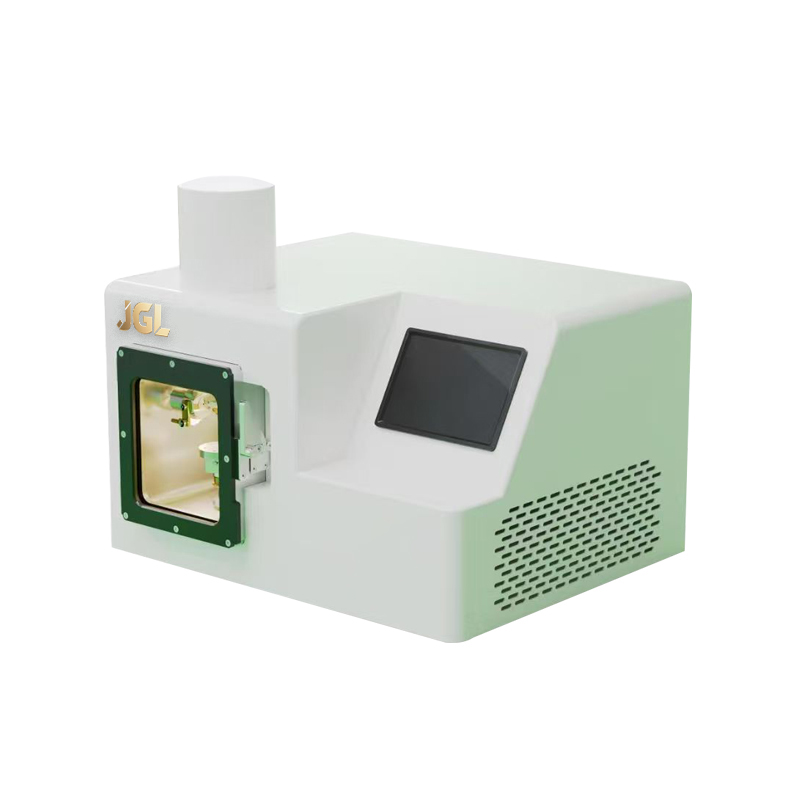
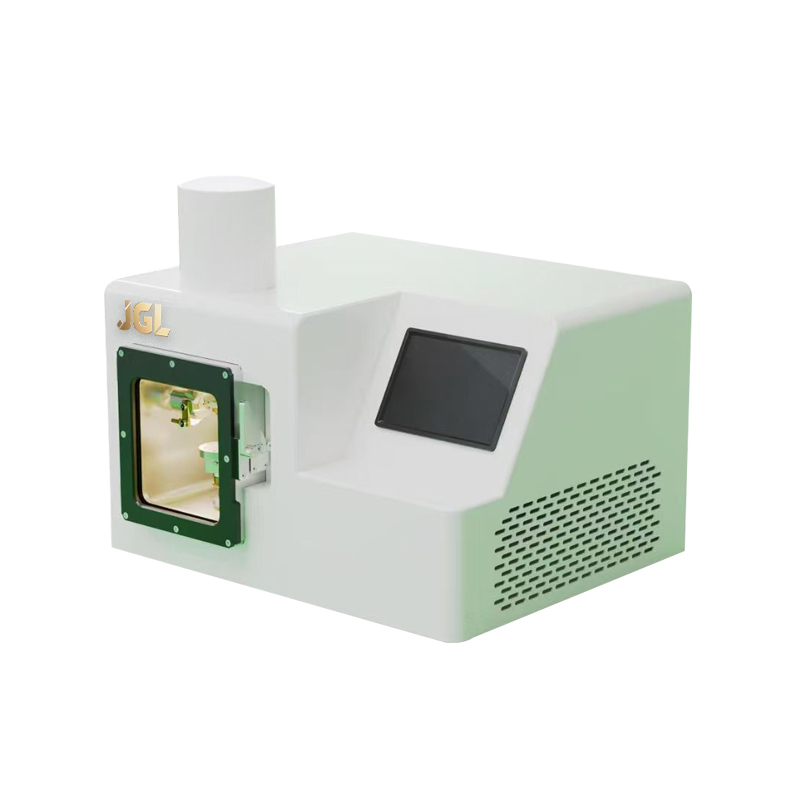
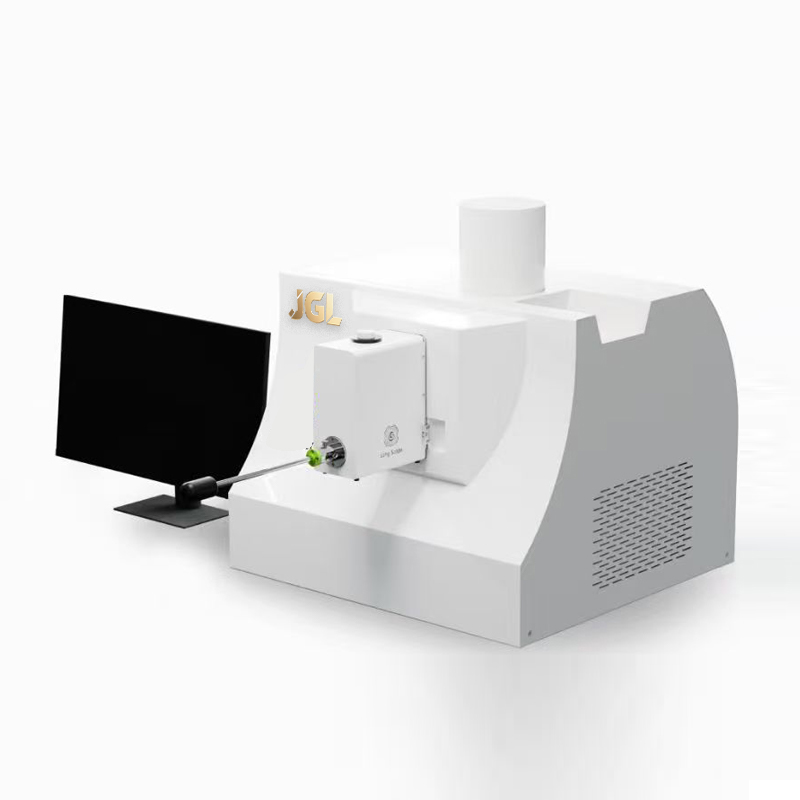
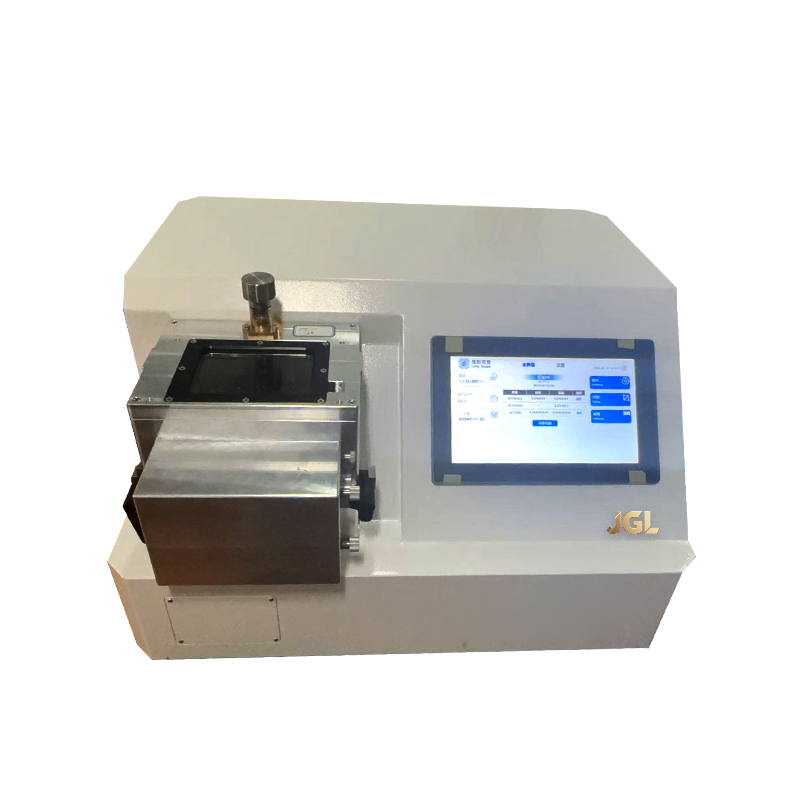
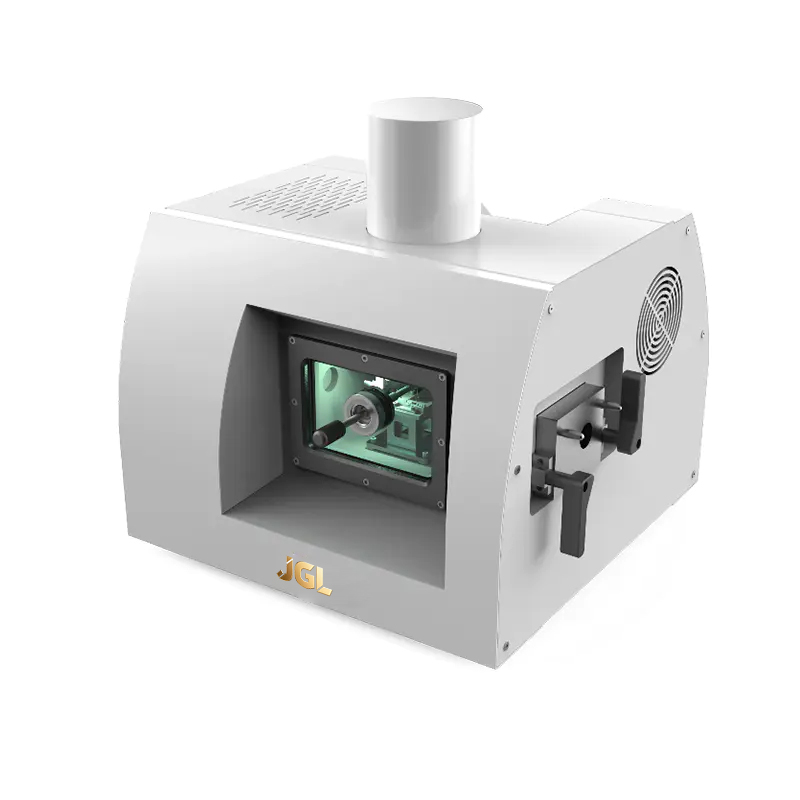
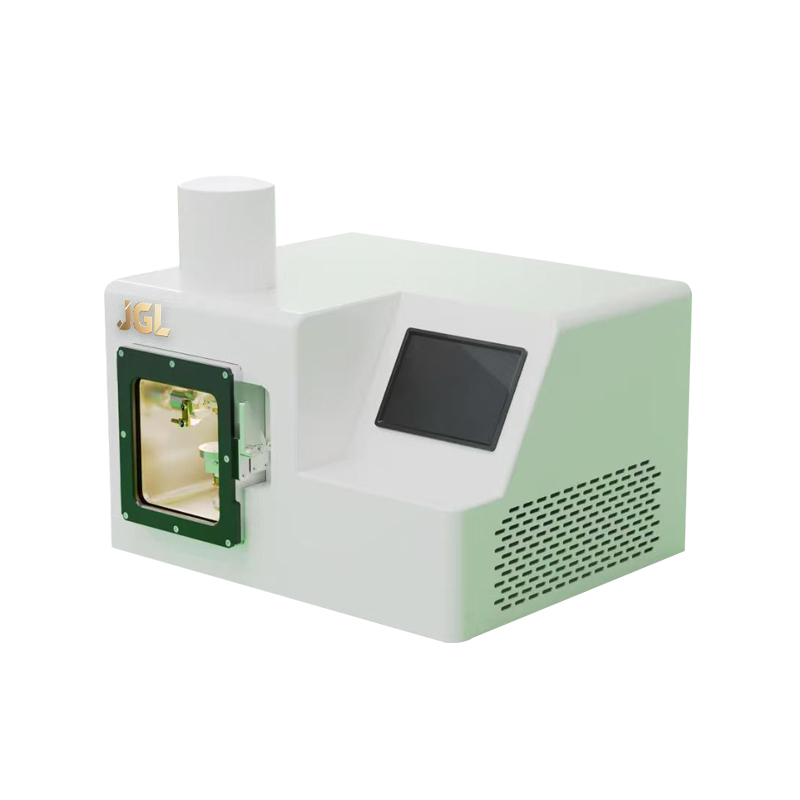
HSC126 Ion Beam Precision Grinding and Polishing System
Applications Across Materials Research and Industry
Metals, Ceramics, and Composites
Researchers investigating metals and ceramics often need to study grain boundaries, inclusions, pores, cracks, phase distributions, or deformation structures. A mechanically prepared surface may include scratches or a deformed layer that obscures these features. Ion beam finishing can provide a cleaner and flatter surface for high-resolution imaging.
Composite materials present an additional challenge because their phases may differ in hardness, toughness, and response to abrasion. Conventional polishing may cause soft phases to smear while hard particles protrude. A controlled ion beam process can reduce this differential preparation effect and improve the visibility of interfaces. This is useful for fiber-reinforced composites, ceramic-metal systems, coatings, and nanostructured materials.
Semiconductors and Microelectronics
Modern semiconductor devices contain extremely small and closely spaced structures. FinFETs, advanced transistor architectures, interconnect stacks, dielectric layers, solder joints, and package interfaces all require accurate cross-sectional preparation. A slight change in geometry can make a device feature appear wider, narrower, displaced, or incomplete.
The HSC126 is suited to preparation tasks in which dimensional fidelity matters. It can help expose device cross-sections without relying solely on mechanical abrasion. The low-damage process is beneficial for examining thin films, fragile interconnects, advanced packaging, and multilayer structures. A clean cross-section can support SEM imaging, elemental analysis, failure analysis, process development, and quality control.
For failure analysis, the ability to prepare a targeted region is particularly important. Engineers may need to inspect a suspected void, delamination, crack, contamination site, or electrical failure. Excessive preparation can remove the evidence or alter its appearance. Controlled ion beam processing allows the operator to approach the region progressively and finish it with a gentle surface treatment.
Biological and Medical Specimens
Biological samples are among the most challenging materials to prepare. They may be soft, hydrated, chemically heterogeneous, and sensitive to temperature. Mechanical force can compress or tear them, while drying may cause shrinkage and collapse. Cryogenic ion beam preparation offers a way to reduce these effects and expose surfaces for electron microscopy.
The HSC126 can support preparation of cells, tissues, viruses, and related specimens when used within an appropriate cryogenic workflow. Its low-temperature capability is intended to help preserve delicate structures and reduce heat-related changes. The system may be used by life science laboratories studying morphology, interfaces, ultrastructure, biomaterials, or biological-material interactions.
Battery and Energy Materials
Battery research depends on understanding interfaces that may be chemically and mechanically unstable. Electrode particles, binders, conductive additives, solid electrolytes, and protective coatings can respond differently to mechanical preparation. Polishing may smear soft components or pull out particles, while heating can change electrolyte condition or accelerate reactions.
Ion beam preparation can assist in examining electrode cross-sections, solid-electrolyte interfaces, coatings, separators, and degradation regions. Cryogenic operation may be selected when the sample contains volatile or temperature-sensitive components. By improving surface integrity, the HSC126 can help researchers correlate microstructure with electrochemical performance, aging behavior, cracking, and interfacial resistance.
Polymers, Oils, and Soft Matter
Polymers and oil-containing materials frequently present problems for conventional preparation. They may deform under pressure, soften because of frictional heating, or become smeared across adjacent features. An ion beam process eliminates direct abrasive contact during the finishing stage and provides a controlled approach to surface preparation.
When used at low temperature, the process can further limit softening and movement. This is relevant to polymer blends, coatings, adhesives, membranes, encapsulants, and other soft materials. The resulting surface may be more suitable for morphology studies, interface analysis, and composition mapping.
Technical and Workflow Features
The practical value of a preparation system depends not only on its basic ion source but also on how effectively it supports a complete laboratory workflow. The HSC126 is designed to combine several functions that are important for repeatable operation.
| Feature | Practical Function | Primary Benefit |
|---|---|---|
| Precision ion beam delivery | Directs a stable beam to the selected specimen area | Controlled and uniform material removal |
| Beam rastering | Scans the beam across a defined preparation region | Improved surface flatness and reduced local over-processing |
| Automated control | Manages repeatable process parameters and operating sequences | Lower operator-to-operator variation |
| Process monitoring | Provides observation and control during preparation | Better process consistency and easier optimization |
| Cryogenic capability | Supports low-temperature preparation of sensitive specimens | Reduced thermal and beam-induced damage |
| Workflow integration | Can be combined with cryo-transfer and related instruments | Continuity between preparation and analysis |
Stable Beam Delivery
Beam stability influences removal uniformity and process repeatability. Variations in beam intensity or position can create uneven regions, especially during long polishing cycles. Stable delivery allows the operator to use established recipes with greater confidence. It also supports comparison between samples prepared at different times.
Automated Rastering and Monitoring
Automated rastering helps maintain a defined exposure pattern. Process monitoring allows the operator to observe preparation progress and adjust conditions when necessary. This is important for specimens with unknown composition or non-uniform thickness. The operator can balance removal speed against surface quality instead of relying on a fixed, uncontrolled process.
Adaptability to Different Specimens
A research laboratory may process a wide range of materials in a single week. The preparation requirements for a ceramic fracture surface differ from those for a hydrated tissue or a semiconductor cross-section. A versatile system must accommodate different specimen sizes, material responses, temperature conditions, and finishing objectives. The HSC126 is positioned as a multi-purpose platform rather than a narrowly specialized polishing unit.
Manufacturing Strengths and Engineering Approach
The performance of a precision laboratory instrument depends strongly on the quality of its design, assembly, calibration, and verification processes. JIANGSU BAISHENG INDUSTRIAL CO., LTD. presents itself as a technology-driven manufacturer with a dedicated research and development team focused on laboratory equipment, precision design, and safety testing applications. This engineering orientation is important for a system such as the HSC126, where the beam, motion, thermal, control, and specimen-handling subsystems must work together.
The company’s development history began with a research and development studio specializing in electronic testing. This background provides a foundation in measurement, instrumentation, control, and technical compliance. The organization later developed an independent production line and expanded into high-end laboratory equipment with independent intellectual property. The transition from a technical studio to an equipment manufacturer suggests an emphasis on converting engineering concepts into repeatable products.
Its “technology plus trade” strategy combines product development with international customer support. For laboratory instruments, this combination can be valuable because overseas users require more than a machine shipment. They need application guidance, documentation, configuration support, spare parts coordination, and communication across different technical environments. A manufacturer with both engineering and international trade experience can respond more effectively to those requirements.
Research and Development Capability
A dedicated R&D team supports continued improvement of beam systems, automation, thermal control, specimen handling, and user interfaces. Research and development is especially important in ion beam preparation because different materials do not respond identically to the same process. Improvements may involve beam stability, raster accuracy, temperature management, process recipes, or integration with microscopy workflows.
The company’s stated commitment to independent technical development also supports customization. Laboratories may require special specimen holders, cryogenic configurations, chamber adaptations, automation sequences, or integration with existing analytical equipment. A manufacturer with internal engineering resources is better positioned to evaluate these requirements than a supplier that only resells standard equipment.
Precision Manufacturing and Assembly
Precision systems require controlled assembly practices. Mechanical alignment affects beam positioning, specimen geometry, and the repeatability of the preparation area. Electrical assembly affects control stability and monitoring reliability. Thermal interfaces affect cryogenic performance. Each subsystem must be assembled and checked with attention to tolerances and compatibility.
For the HSC126, advanced manufacturing should be understood as a coordinated process rather than a single production step. It includes engineering design, component selection, mechanical fabrication, electrical integration, software or control configuration, calibration, functional testing, and final inspection. The company’s emphasis on precise design and technical specifications is consistent with this type of multi-stage manufacturing model.
Quality Management and Verification
In 2022, the company further improved its quality management system and reported that its products passed rigorous technical specification certifications. Quality management is significant for research instruments because users depend on consistent results over long periods. A system that operates correctly once but varies significantly between runs cannot support reliable scientific work.
Verification should cover beam operation, control functions, safety interlocks, temperature performance where applicable, specimen movement, monitoring, and repeatability. Application-oriented testing is also valuable. Preparing representative metals, ceramics, polymers, semiconductors, and sensitive specimens can reveal whether the instrument performs as intended under realistic laboratory conditions.
For customers, a mature manufacturing process offers several advantages. It can reduce installation problems, simplify operator training, support predictable maintenance, and make it easier to reproduce established preparation recipes. These benefits are often as important as headline specifications because they influence the instrument’s total productivity over its service life.
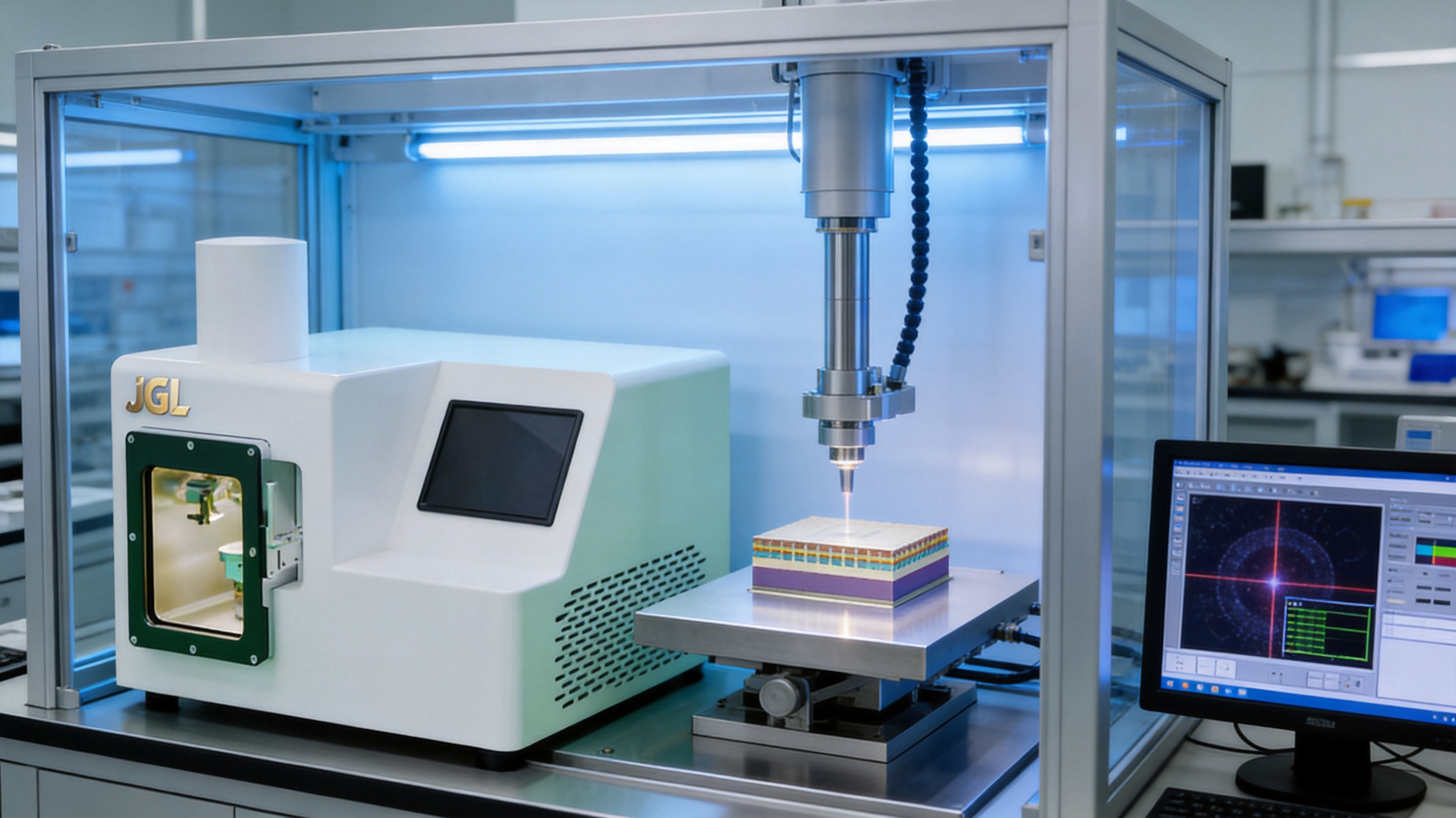
Why the HSC126 Can Offer a Competitive Advantage
The HSC126’s competitive position is based on the combination of precision processing, material versatility, cryogenic capability, automation, and workflow integration. Some preparation systems are optimized for routine ambient polishing but are less suitable for hydrated or soft specimens. Others may provide advanced beam processing but require separate equipment for cryogenic handling or transfer. The HSC126 is designed to bring these capabilities together in a flexible laboratory platform.
Its first advantage is process quality. The goal is not simply to remove material quickly, but to create a low-damage surface that supports accurate microscopy. Uniformity, flatness, cleanliness, and preservation of microstructure are central to the system’s intended use.
Its second advantage is application breadth. A single platform can serve materials science, semiconductor analysis, life science, energy research, and advanced failure analysis. This can help laboratories increase equipment utilization and reduce the need to purchase separate preparation systems for every material class.
Its third advantage is compatibility with sensitive specimens. Cryogenic operation extends the instrument beyond conventional hard-material preparation. It enables laboratories to consider workflows involving biological samples, polymers, water-containing specimens, oil-containing samples, and other materials that require careful temperature control.
Its fourth advantage is repeatability. Automated control and process monitoring reduce dependence on manual technique. Repeatable preparation is important for research groups processing large sample sets, manufacturers performing quality inspections, and laboratories comparing materials across different process conditions.
Its fifth advantage is integration. The system can be combined with cryo-transfer devices or other ion beam instruments. This makes it possible
Product: HSC126 Ion Beam Precision Grinding and Polishing System

PREV:Advanced Multi-Functional Cryogenic Chambers for Precision Laboratory Sample Preparation
NEXT:High-Precision AC/DC Hipot and Insulation Resistance Testing for Safer Electrical Products
NEXT:High-Precision AC/DC Hipot and Insulation Resistance Testing for Safer Electrical Products
Interested in cooperation or have questions?
Featured Products
Related products
Quick Link
Contact Information
- Tel: +86-13861043568
- E-mail: 1840784112@qq.com
- Add: Tianting District, Changzhou City, Jiangsu Province, China, No. 6 Hecircuit
Scan Code
Copyright © JIANGSU BAISHENG INDUSTRIAL CO., LTD.
All Rights Reserved. Privacy Custom Precision Laboratory Testing Equipment Manufacturers
