 English
 Español

NEWS
NEWS
NEWS
NEWS
NEWS
NEWS
NEWS
NEWS
NEWS
NEWS
NEWS
NEWS
NEWS
NEWS
NEWS
NEWS

Luo Qinyue — Senior After-Sales Service Engineer
Home / Author / Luo Qinyue — Senior After-Sales Service Engineer / Ion Beam Precision Grinding and Polishing for High-Fidelity Materials Analysis
Ion Beam Precision Grinding and Polishing for High-Fidelity Materials Analysis
Content
- 1 The Role of Surface Preparation in Advanced Microscopy
- 2 Operating Principle of the HSC126
- 3 Core Advantages of Precision Ion Beam Processing
- 4 Comparison with Conventional Preparation Approaches
- 5 Advanced Manufacturing and Engineering Strengths
- 6 Manufacturing Quality and Customization Approach
- 7 Application in Materials Science
- 8 Application in Semiconductors and Microelectronics
- 9 Application in Life Sciences and Cryogenic Research
- 10 Application in Energy Materials
- 11 Recommended Workflow for Laboratory Users
- 12 Operational Benefits for Laboratories
- 13 Safety, Maintenance, and Process Discipline
- 14 Why the HSC126 Stands Out in a Competitive Market
- 15 Recommended Evaluation Criteria for Buyers
- 16 Q&A
- 16.1 What is the primary purpose of the HSC126?
- 16.2 Which materials can be processed?
- 16.3 Can the system process biological or hydrated samples?
- 16.4 How does ion beam polishing differ from mechanical polishing?
- 16.5 Is preliminary mechanical preparation still useful?
- 16.6 What is the benefit of automated beam rastering?
- 16.7 Can the HSC126 be used with electron microscopy workflows?
- 16.8 What makes the system suitable for semiconductor cross-sections?
- 16.9 Does cryogenic operation eliminate all sample damage?
- 16.10 What type of manufacturer support should customers request?
- 17 Conclusion
- 18 References
- 19 Product: HSC126 Ion Beam Precision Grinding and Polishing System
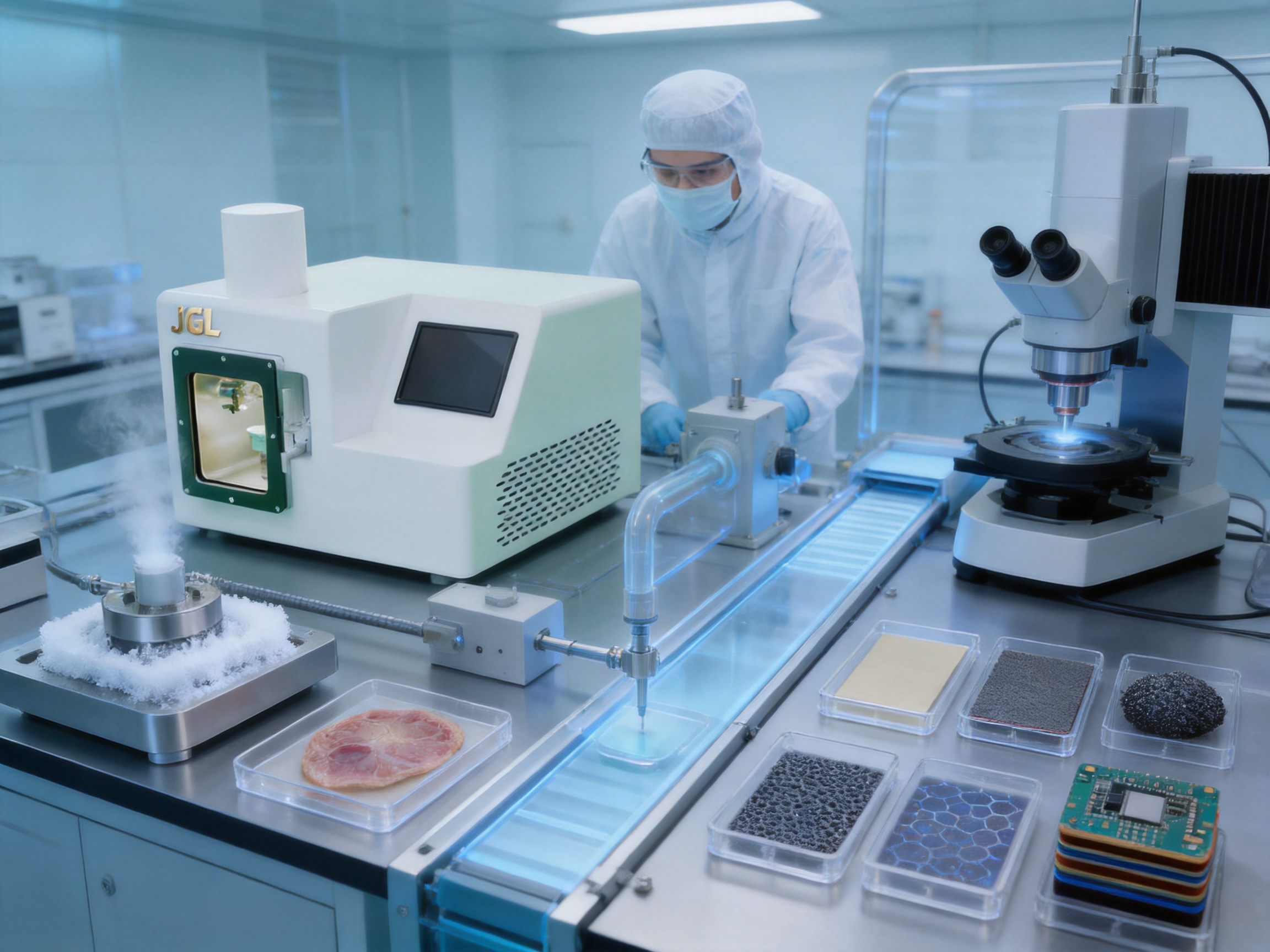
Modern materials research increasingly depends on the quality of the sample presented to an analytical instrument. A scanning electron microscope, transmission electron microscope, focused inspection system, or semiconductor metrology platform can only reveal meaningful structural information when the specimen has been prepared with sufficient flatness, cleanliness, and dimensional control. Mechanical cutting, grinding, and polishing may be effective for robust materials, but they can also introduce deformation, scratches, embedded particles, thermal effects, and other preparation artifacts. These problems become particularly serious when researchers need to examine nanoscale interfaces, thin films, device cross-sections, biological structures, battery components, or other sensitive specimens.
The HSC126 Ion Beam Precision Grinding and Polishing System is designed to address these challenges through controlled ion beam processing. It supports ultra-fine grinding, polishing, thinning, and surface preparation across a broad range of materials. By using a stable ion beam rather than relying exclusively on mechanical contact, the system can produce flat and smooth surfaces with reduced mechanical stress and lower contamination risk. Its ability to operate under both ambient and cryogenic conditions expands its usefulness to delicate polymers, biological specimens, water-containing samples, oil-containing samples, and other materials that may be damaged by heat or prolonged exposure to conventional preparation methods.
Developed and supplied by JIANGSU BAISHENG INDUSTRIAL CO., LTD., the HSC126 combines precision engineering, process automation, stable beam delivery, and compatibility with advanced electron microscopy workflows. The system is intended for laboratories that require repeatable sample preparation rather than one-time manual results. It is suitable for materials science, semiconductor analysis, microelectronics inspection, life sciences, energy materials research, and a wide variety of industrial laboratories.
The Role of Surface Preparation in Advanced Microscopy
Analytical instruments are often described as if their performance depends only on optical, electronic, or vacuum specifications. In practice, sample preparation is equally important. A specimen may contain the exact feature that a researcher wants to study, but that feature can remain hidden or become misleading if the surface is rough, smeared, contaminated, fractured, or otherwise altered during preparation.
For scanning electron microscopy, surface topography and conductivity strongly influence imaging quality. Uneven surfaces can generate shadowing, charging, and inconsistent signal collection. For transmission electron microscopy, the specimen must be sufficiently thin for electrons to pass through it while maintaining the structural information of interest. A damaged or excessively thick lamella may prevent accurate observation of interfaces, inclusions, defects, or crystalline regions.
Semiconductor inspection creates an additional set of requirements. Modern devices contain multilayer structures, narrow fins, complex interconnects, low-k materials, barrier layers, and fragile interfaces. A preparation method that introduces even a small amount of smearing or delamination can obscure the actual device architecture. Battery and catalyst research presents similar difficulties because active materials may be porous, chemically reactive, hydrated, or mechanically weak.
Traditional mechanical preparation remains valuable for many applications, especially during early-stage material removal. However, the final preparation step often requires greater control. Ion beam grinding and polishing can remove material gradually and uniformly, helping laboratories move from a rough cut surface toward a clean analytical surface. Because the process can be carefully controlled, it is well suited to specimens where the final few micrometers or nanometers determine the success of the analysis.
Operating Principle of the HSC126
The HSC126 uses an ion beam to modify the specimen surface in a controlled manner. Accelerated ions strike the target material and remove atoms or small fragments through physical sputtering. The process can be used for localized material removal, broad-area polishing, cross-section preparation, thinning, and surface cleaning. By controlling beam movement and processing conditions, the operator can manage the distribution of material removal across the sample.
Unlike a hard abrasive or cutting tool, the ion beam does not require direct mechanical contact with the specimen. This reduces the risk of force-induced deformation, deep scratches, and mechanical tearing. The method is particularly useful when the sample contains phases with different hardness values. Mechanical tools may remove a soft phase more rapidly than a hard phase, creating relief or unevenness at the interface. A carefully managed ion beam can provide a more uniform finishing process.
The system is also intended to support low-damage preparation. This does not mean that every material responds identically or that process development is unnecessary. Ion energy, incidence angle, beam current, raster pattern, exposure time, sample geometry, and temperature all influence the result. The strength of the HSC126 lies in providing a controlled platform in which these factors can be managed systematically and repeated across sample batches.
For laboratories handling temperature-sensitive materials, the system’s cryogenic operating capability is especially important. Cooling can help limit thermal effects caused by beam exposure, preserve volatile or hydrated components, and reduce the movement or deformation of soft materials. Cryogenic processing is relevant to biological specimens, polymers, frozen solutions, battery interfaces, and water- or oil-containing samples. It can also help retain a more representative state of materials that change significantly at room temperature.
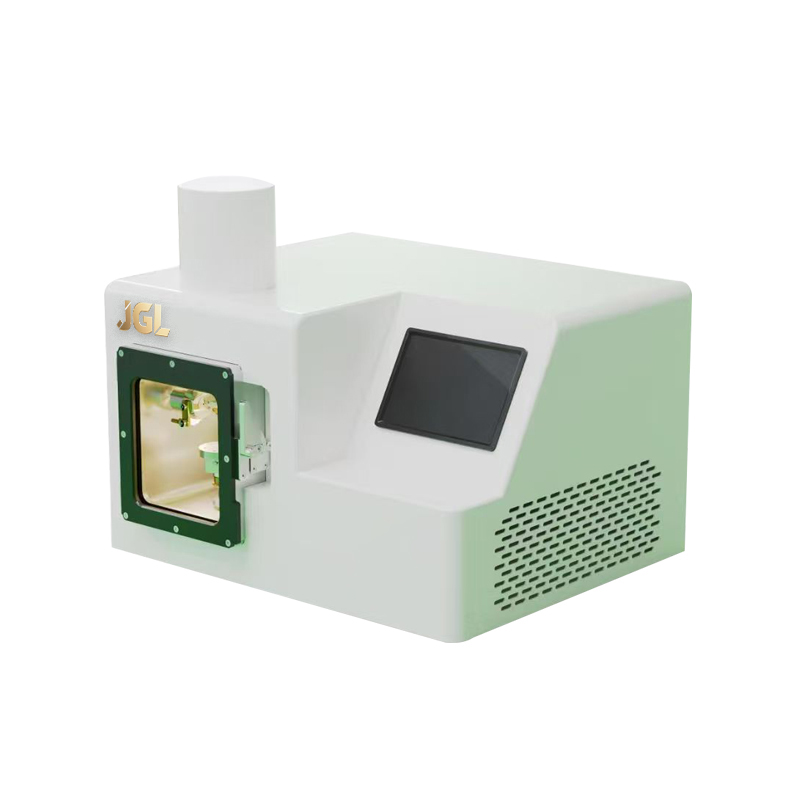
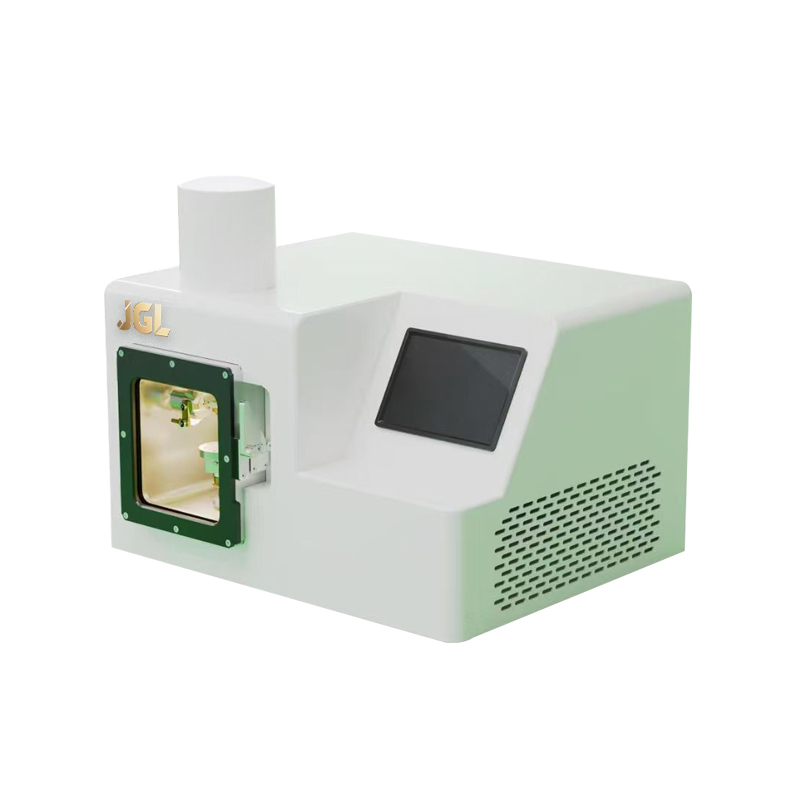
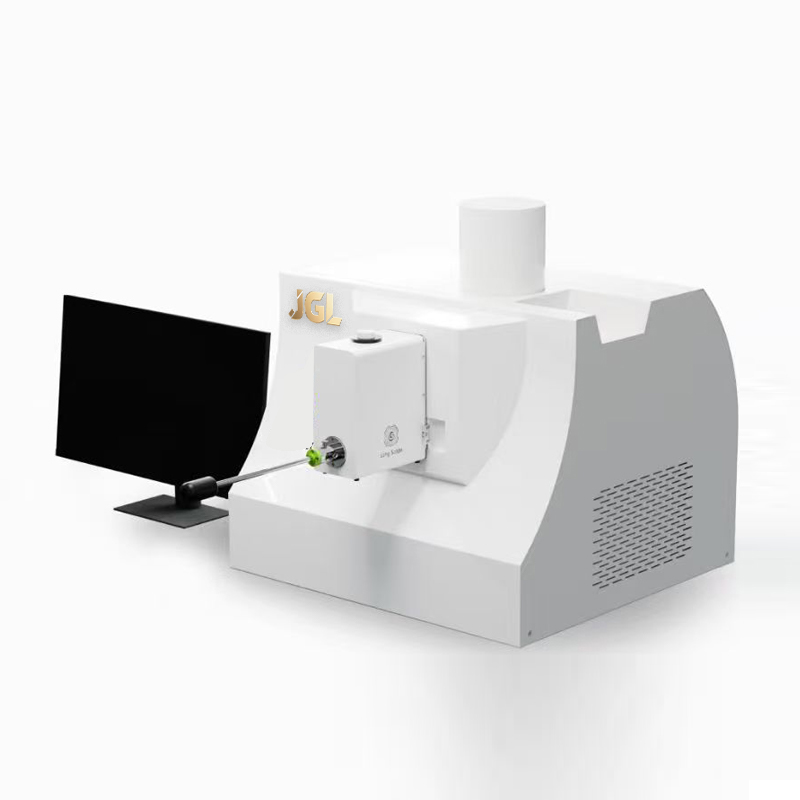
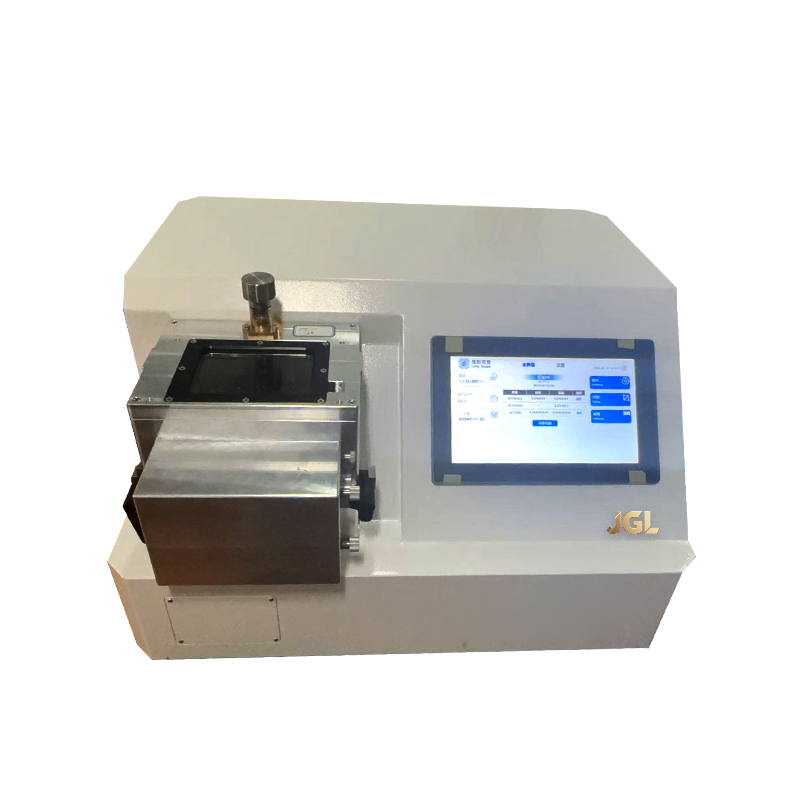
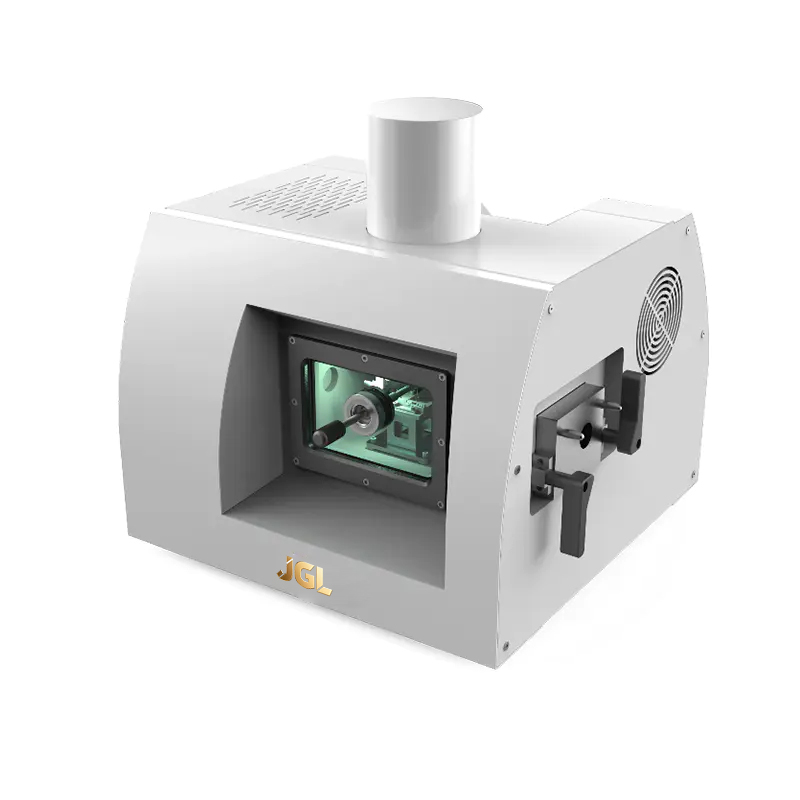
HSC126 Ion Beam Precision Grinding and Polishing System
Core Advantages of Precision Ion Beam Processing
Low Mechanical Stress
Mechanical grinding and polishing can create subsurface damage even when the visible surface appears smooth. Abrasive particles may generate microcracks, plastic deformation, dislocation structures, or embedded debris. These effects may extend deeper than the final visible scratches and can interfere with microstructural interpretation.
The HSC126 provides a non-contact finishing method that reduces dependence on mechanical force. This is valuable for brittle ceramics, thin films, multilayer devices, porous electrodes, fragile biological materials, and heterogeneous composites. By limiting mechanical interaction, laboratories can reduce the possibility that the preparation process will change the very feature under investigation.
Reduced Contamination Risk
Contamination is a common concern in microscopy and semiconductor analysis. Conventional polishing may introduce residues from abrasives, lubricants, polishing cloths, or tooling materials. These residues can complicate elemental analysis and may be difficult to remove from narrow features or porous structures.
Ion beam processing provides a cleaner preparation route when the sample, fixtures, and process environment are properly controlled. The absence of direct abrasive contact can reduce the introduction of foreign particles. This is particularly useful for specimens intended for energy-dispersive spectroscopy, electron energy-loss spectroscopy, surface-sensitive analysis, and failure investigation.
Improved Flatness and Surface Uniformity
A flat cross-section improves the consistency of imaging and analytical measurements. If a sample surface is uneven, different areas may lie at different working distances or present different angles to the detector. Such variation can make it difficult to compare features across the field of view.
The HSC126 is designed for uniform beam rastering and controlled surface modification. This supports the production of broad, smooth areas suitable for electron microscopy and materials characterization. Uniformity is also important when comparing multiple specimens, because consistent preparation helps distinguish real material differences from preparation-induced variation.
Compatibility with Sensitive Materials
Many advanced research samples cannot tolerate aggressive preparation. Biological samples may collapse or dry. Polymers may soften, smear, or shrink. Battery materials may react with air or lose volatile components. Water-containing specimens may change phase or redistribute internal components during preparation.
The HSC126’s ambient and cryogenic operation gives laboratories more flexibility when selecting a preparation strategy. Researchers can use conventional conditions for robust specimens and low-temperature conditions for materials requiring additional protection. This broad operating range makes the system suitable for both routine industrial samples and research samples at the frontier of materials science.
Repeatability Through Automation
Manual sample preparation depends heavily on operator skill. Experienced technicians can achieve excellent results, but manual methods may be difficult to standardize across shifts, sites, or sample types. Variations in pressure, motion, exposure time, and finishing technique can affect the final surface.
The HSC126 incorporates automated control, beam rastering, process monitoring, and repeatable operation. Automation supports the development of documented recipes and helps reduce operator-to-operator variation. It also enables laboratories to establish preparation protocols for specific materials, thickness ranges, and analytical objectives.
Comparison with Conventional Preparation Approaches
The HSC126 should not be understood as a replacement for every preparation technique. Cutting, mechanical grinding, chemical polishing, plasma processing, and other methods each have appropriate applications. Its principal advantage is in the controlled finishing, thinning, and surface preparation stages where sample damage and contamination must be minimized.
Compared with purely mechanical polishing, ion beam processing offers lower contact stress and reduced risk of abrasive embedding. Compared with chemical polishing, it avoids dependence on selective chemical reactions that may attack one phase more rapidly than another. Compared with uncontrolled sputtering or basic ion milling, a precision system with automated rastering and process monitoring can provide more consistent coverage and better repeatability.
The most effective laboratory workflow may combine several methods. A specimen can be sectioned mechanically, brought close to the target geometry through conventional grinding, and then finished with ion beam polishing. This approach uses each technique where it is most efficient while reserving the ion beam for the critical final surface. For cryogenic and delicate samples, the HSC126 may also be integrated with cryo-transfer equipment and other specialized instruments.
| Preparation Requirement | Typical Conventional Challenge | HSC126-Oriented Advantage | Potential Application |
|---|---|---|---|
| Low-damage surface finishing | Mechanical stress, scratches, or subsurface deformation | Non-contact ion beam removal with controlled processing | Metals, ceramics, thin films, and composites |
| Clean cross-section preparation | Abrasive or polishing-media residue | Reduced dependence on direct abrasive contact | Semiconductor and microelectronics analysis |
| Uniform material removal | Uneven pressure or phase-dependent polishing rates | Controlled beam rastering and stable delivery | Multiphase materials and multilayer devices |
| Temperature-sensitive processing | Heating, drying, softening, or phase change | Ambient and cryogenic operating capability | Biological specimens, polymers, and battery materials |
| Repeatable production workflow | Dependence on individual operator technique | Automation, monitoring, and recipe-based operation | Quality-controlled laboratory and industrial workflows |
| Electron microscopy integration | Additional transfers or inconsistent sample geometry | Compatibility with cryo-transfer and ion beam workflows | SEM, TEM, and advanced materials characterization |
These advantages are particularly relevant when the laboratory’s objective is not simply to remove material, but to preserve a representative structure. The better the preparation reflects the original condition of the sample, the more confidence researchers can place in their observations and measurements.
Advanced Manufacturing and Engineering Strengths
The performance of an ion beam system depends on more than its nominal beam source. Mechanical stability, chamber design, thermal management, control electronics, sample positioning, vacuum-related engineering, and software coordination all influence the final result. The HSC126 is positioned as a precision laboratory system in which these elements work together as an integrated platform.
Precision Mechanical Design
Stable sample positioning is essential for uniform processing. Small changes in sample distance, orientation, or alignment can affect the angle at which ions interact with the surface. A precision-oriented design therefore requires rigid structural components, reliable fixtures, and carefully controlled motion. These features help maintain a consistent relationship between the beam and the specimen during extended processing cycles.
For industrial and research users, mechanical stability also contributes to long-term repeatability. A system that produces excellent results only under ideal conditions is less useful than one that maintains predictable performance across routine workloads. Engineering attention to alignment and fixture compatibility allows laboratories to build reliable preparation procedures for different sample holders and geometries.
Stable Ion Beam Delivery
Beam stability directly influences material removal uniformity. Fluctuation in beam intensity or distribution can result in inconsistent polishing rates, local over-processing, or insufficient treatment in selected areas. The HSC126 emphasizes stable ion beam delivery to support predictable surface preparation.
Stable delivery is especially important when processing large areas, thin layers, or heterogeneous samples. It also supports the use of controlled process recipes, because the relationship between exposure time and material removal becomes more consistent. This enables operators to refine a method through testing and then apply the method to future specimens with greater confidence.
Controlled Rastering
Beam rastering determines how the ion beam scans across the target. A controlled raster pattern can distribute processing over the intended region and reduce localized concentration of energy. It can also support uniformity when the sample surface is larger than the effective beam spot.
The HSC126’s automated rastering capability is important because it reduces reliance on manual beam movement. The operator can focus on sample selection, process parameters, and result evaluation rather than continuously manipulating the beam path. This is a practical advantage in laboratories preparing multiple specimens or operating under documented quality procedures.
Process Monitoring and Automation
Process monitoring provides a basis for detecting variation and maintaining repeatability. Depending on the configured workflow, monitoring may include observation of operating conditions, process duration, beam behavior, sample temperature, and other relevant parameters. The purpose is to give the operator a clearer understanding of what is occurring during preparation.
Automation also helps standardize routine work. A laboratory can establish separate procedures for hard metals, polymers, cryogenic biological specimens, battery electrodes, or semiconductor cross-sections. By organizing these methods into controlled workflows, the system can support consistent training and reduce the number of undocumented adjustments made during operation.
Integrated Cryogenic Capability
Cryogenic processing requires more than simply lowering sample temperature. The sample must remain appropriately supported, transferred, and exposed to the process without unnecessary warming or environmental contamination. The HSC126 is designed to support cryogenic operation and integration with cryo-transfer systems, giving laboratories a pathway toward more complete low-temperature workflows.
This capability can be especially valuable when the scientific question depends on preserving a sample’s near-native state. In life sciences, the objective may be to retain cellular or subcellular organization. In energy research, the objective may be to examine interfaces formed during charging or discharging. In polymer research, low-temperature treatment may help preserve morphology that would otherwise soften or rearrange.
Manufacturing Quality and Customization Approach
JIANGSU BAISHENG INDUSTRIAL CO., LTD. describes itself as a technology-driven enterprise with experience in laboratory equipment, electronic testing, safety testing instruments, and custom equipment solutions. Its development model combines research and development with international equipment supply. This combination is relevant to specialized systems because customers often require more than a standard machine: they may need configuration support, application guidance, compatible fixtures, workflow integration, and documentation for their own quality systems.
The company’s history began with a research and development studio specializing in electronic testing in 2013. In 2016, the organization developed into an enterprise with an independently developed production line and high-end laboratory equipment products. In 2019, it adopted a technology-plus-trade strategy, increasing research investment and expanding its overseas market activities. By 2022, it had further developed its quality management practices and technical specification processes.
For the HSC126, an advanced manufacturing approach should be understood as a complete chain rather than a single assembly step. It includes engineering design, component selection, mechanical fabrication, electrical integration, software and control coordination, inspection, application testing, and customer support. Each stage contributes to the instrument’s practical value.
Design Based on Application Requirements
Different samples require different preparation conditions. A ceramic cross-section, a polymer film, a frozen biological specimen, and a battery electrode cannot all be processed with an identical recipe. A product-centered manufacturer therefore needs to consider sample diversity during system design.
The HSC126’s broad material coverage reflects this application-oriented strategy. Its design supports metals, ceramics, semiconductors, polymers, biological specimens, composites, energy materials, and other research samples. The combination of ambient and cryogenic operation provides a foundation for configuring workflows around the sample rather than forcing every material into a single preparation method.
Component Coordination and System Integration
A precision instrument can underperform if its subsystems are treated as independent parts. The ion source, beam controls, chamber, sample stage, cooling arrangement, sensors, user interface, and safety functions must operate together. Manufacturing quality therefore depends on integration and system-level testing.
System integration helps ensure that process parameters are translated correctly into physical operation. It also allows the manufacturer to address practical laboratory concerns such as sample loading, access for cleaning, fixture replacement, workflow sequencing, and compatibility with downstream analytical equipment. These details often determine whether a system becomes a productive daily tool or remains limited to occasional use.
Quality Management and Technical Documentation
Laboratories increasingly require traceable procedures, maintenance records, operator training, and documented acceptance criteria. A manufacturer with experience in safety testing and laboratory equipment is better positioned to understand these expectations. Documentation can include operating procedures, system specifications, process recommendations, maintenance schedules, and application notes.
For international customers, technical communication is also important. Clear documentation reduces installation delays and helps users establish safe and repeatable operation. It can support internal training, purchasing evaluation, quality audits, and future troubleshooting.
Customization for Research and Industrial Users
Customization may involve sample holders, fixture geometry, cryogenic accessories, control configurations, process recipes, or integration with related instruments. Research institutions may need flexibility for unusual sample shapes and experimental conditions. Semiconductor and industrial laboratories may prioritize repeatability, throughput, and process documentation.
JIANGSU BAISHENG INDUSTRIAL CO., LTD. emphasizes customized laboratory equipment solutions as part of its business model. This is a meaningful strength for users whose needs do not fit a basic catalog configuration. A customized approach can help align the system with existing microscopes, transfer equipment, laboratory space, sample sizes, and staff capabilities.
Application in Materials Science
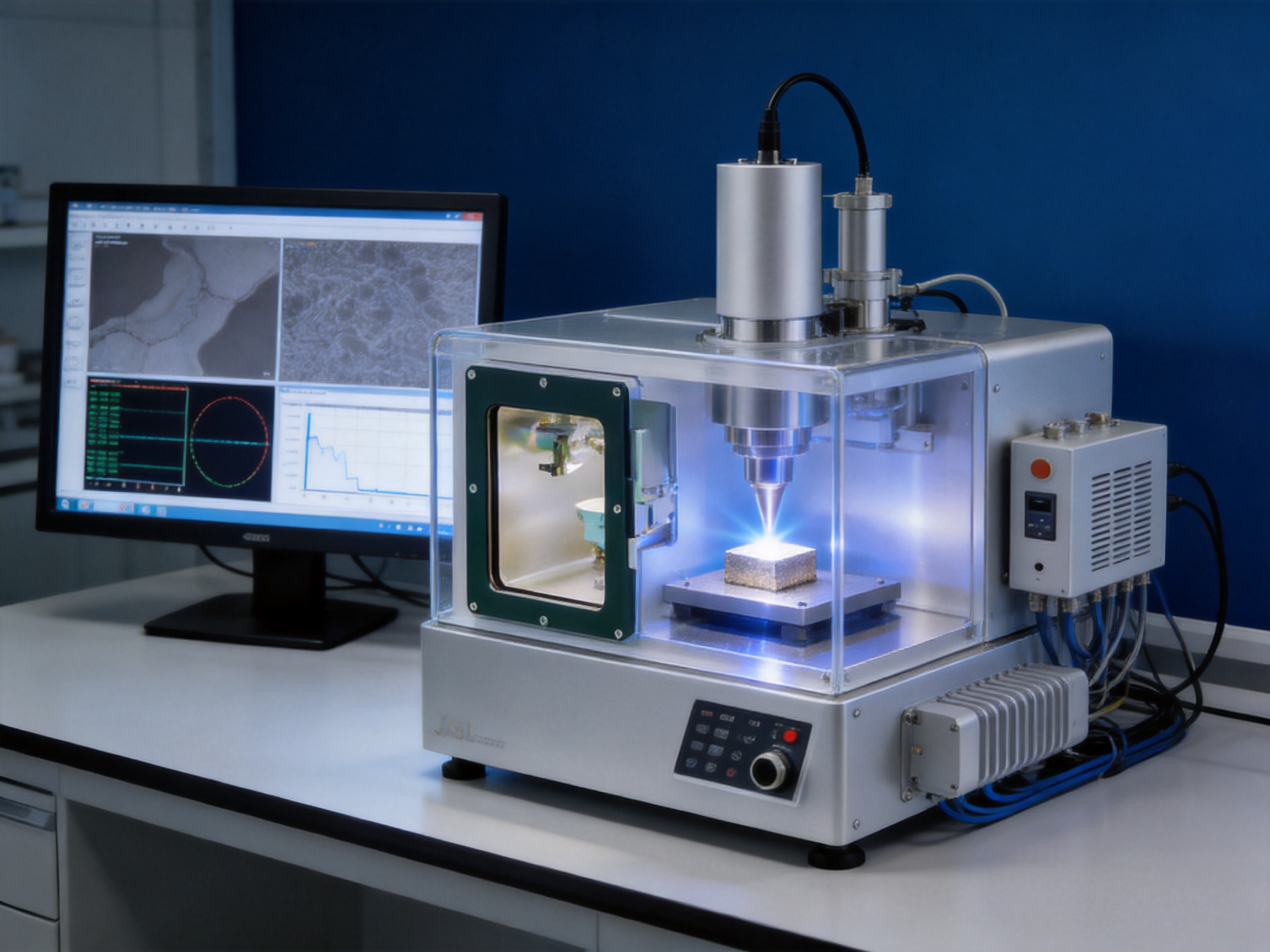
Materials scientists frequently need to examine interfaces, phase boundaries, defects, and microstructural changes that are not visible on an untreated or mechanically damaged surface. The HSC126 can support preparation of metals, ceramics, composites, nanostructured materials, and advanced coatings.
In metals, ion beam polishing can be used to improve the quality of cross-sections for observing grains, precipitates, inclusions, weld regions, fatigue damage, and coating interfaces. In ceramics, the low-contact nature of the process is useful for brittle materials that may chip or fracture under mechanical pressure. In composites, controlled finishing can help reveal the relationship between matrix and reinforcement without excessive smearing of the softer phase.
For nanostructured materials, the final surface condition is especially important. Nanoscale features may be comparable in size to scratches or deformation layers created by conventional preparation. A smoother, lower-damage surface can improve the reliability of observations made by SEM, TEM, and related analytical methods.
Application in Semiconductors and Microelectronics
Semiconductor devices are built from complex stacks of materials with different mechanical, electrical, and chemical properties. Cross-section preparation may be required for process development, failure analysis, quality assurance, packaging inspection, and research into next-generation architectures.
The HSC126 can be used to prepare cross-sections through advanced device structures, including fine-pitch interconnects, multilayer packages, thin films, and FinFET-related features. The goal is to expose the relevant region while limiting distortion of the surrounding layers. A clean and flat cross-section supports imaging of line widths, interfaces, voids, delamination, cracks, contamination, and other failure mechanisms.
In advanced packaging, materials such as solder alloys, underfills, copper structures, dielectric layers, and barrier coatings may be present in a single cross-section. Their different responses to mechanical polishing can produce uneven relief. Ion beam finishing can help reduce this problem and improve the consistency of the exposed surface.
For semiconductor laboratories, repeatability is as important as initial performance. Device analysis often involves comparison among wafers, lots, process conditions, or failure sites. Automated control and documented preparation recipes can help create a more stable basis for comparative analysis.
Application in Life Sciences and Cryogenic Research
Biological materials are among the most challenging specimens to prepare because they are soft, hydrated, chemically complex, and structurally sensitive. Drying, heating, mechanical compression, or exposure to unsuitable environments can change the sample before it reaches the microscope.
Cryogenic ion beam preparation can help preserve delicate structures by limiting temperature-related changes. Depending on the sample and protocol, the system may support preparation of cells, tissues, viruses, biological interfaces, and other specimens for electron microscopy. It can also be used in workflows where the sample must remain frozen during transfer and processing.
The value of cryogenic operation extends beyond life sciences. Polymers may exhibit different mechanical behavior at low temperature, while water-containing materials may lose important information if they dry. Cryogenic preparation offers an additional method for protecting morphology and reducing the risk that preparation artifacts will be mistaken for native structure.
Users should still develop application-specific protocols. Cryogenic work requires careful attention to sample handling, transfer conditions, contamination control, temperature management, and instrument compatibility. The HSC126 provides an enabling platform, but successful results depend on matching the system configuration and process recipe to the scientific objective.
Application in Energy Materials
Energy materials often contain structures that change during operation. Battery electrodes, solid electrolyte interfaces, catalysts, fuel cell components, and electrochemical coatings may be porous, chemically reactive, or sensitive to air and temperature.
For batteries, researchers may need to study electrode particles, binder distribution, cracks, reaction layers, dendritic growth, or solid electrolyte interfaces. These features can be altered by drying, heating, or mechanical smearing. Controlled ion beam preparation, combined with appropriate environmental and cryogenic handling, can support more representative cross-sectional analysis.
Catalyst research also benefits from clean surface preparation. The distribution of active phases, pores, support materials, and reaction products can be difficult to interpret if the surface is covered with preparation debris. A low-contamination workflow helps preserve the value of subsequent elemental and structural analysis.
In energy research, the HSC126 may therefore serve as part of a broader chain that includes controlled sample extraction, inert or cryogenic transfer, ion beam polishing, and SEM or TEM examination. The ability to connect preparation with downstream microscopy is one of the system’s practical strengths.
Recommended Workflow for Laboratory Users
1. Define the Analytical Objective
Before processing, the user should identify the feature to be observed and the instrument that will be used. A specimen for surface SEM imaging may require a different preparation strategy from a specimen intended for TEM. The required cross-section location, final thickness, surface area, and temperature condition should be defined in advance.
2. Characterize the Sample
Material hardness, brittleness, porosity, thermal sensitivity, chemical reactivity, moisture content, and layer structure all influence processing. Understanding these characteristics helps the operator select appropriate fixtures and operating conditions.
3. Establish a Rough Preparation Stage
For many samples, efficient material removal can be completed through sectioning or preliminary grinding. The HSC126 can then be used for the controlled finishing stage. This reduces processing time while preserving the benefits of ion beam polishing where they matter most.
4. Select Ambient or Cryogenic Operation
Robust metals and ceramics may be suitable for ambient preparation. Soft, hydrated, volatile, or temperature-sensitive specimens may require cryogenic operation. The decision should be based on the risk of changing the sample during processing rather than on convenience alone.
5. Use Controlled Beam Rastering and Monitoring
The operator should define the processing area and use automated rastering where appropriate. Monitoring the process helps identify unexpected changes and supports later repeatability. A record of sample type, fixture, temperature condition, beam settings, exposure time, and observations can become a valuable internal knowledge base.
6. Inspect the Result Before Final Analysis
The prepared surface should be checked for flatness, debris, edge damage, charging behavior, and evidence of over-processing. If necessary, the process recipe can be adjusted for future samples. This feedback cycle is particularly important when the laboratory begins working with a new material class.
7. Transfer the Sample Carefully
For cryogenic or contamination-sensitive work, transfer conditions can be as important as the polishing process itself. The sample should be moved using a workflow that protects its temperature and surface condition. Integration with cryo-transfer systems can help reduce unnecessary exposure between preparation and microscopy.
Operational Benefits for Laboratories
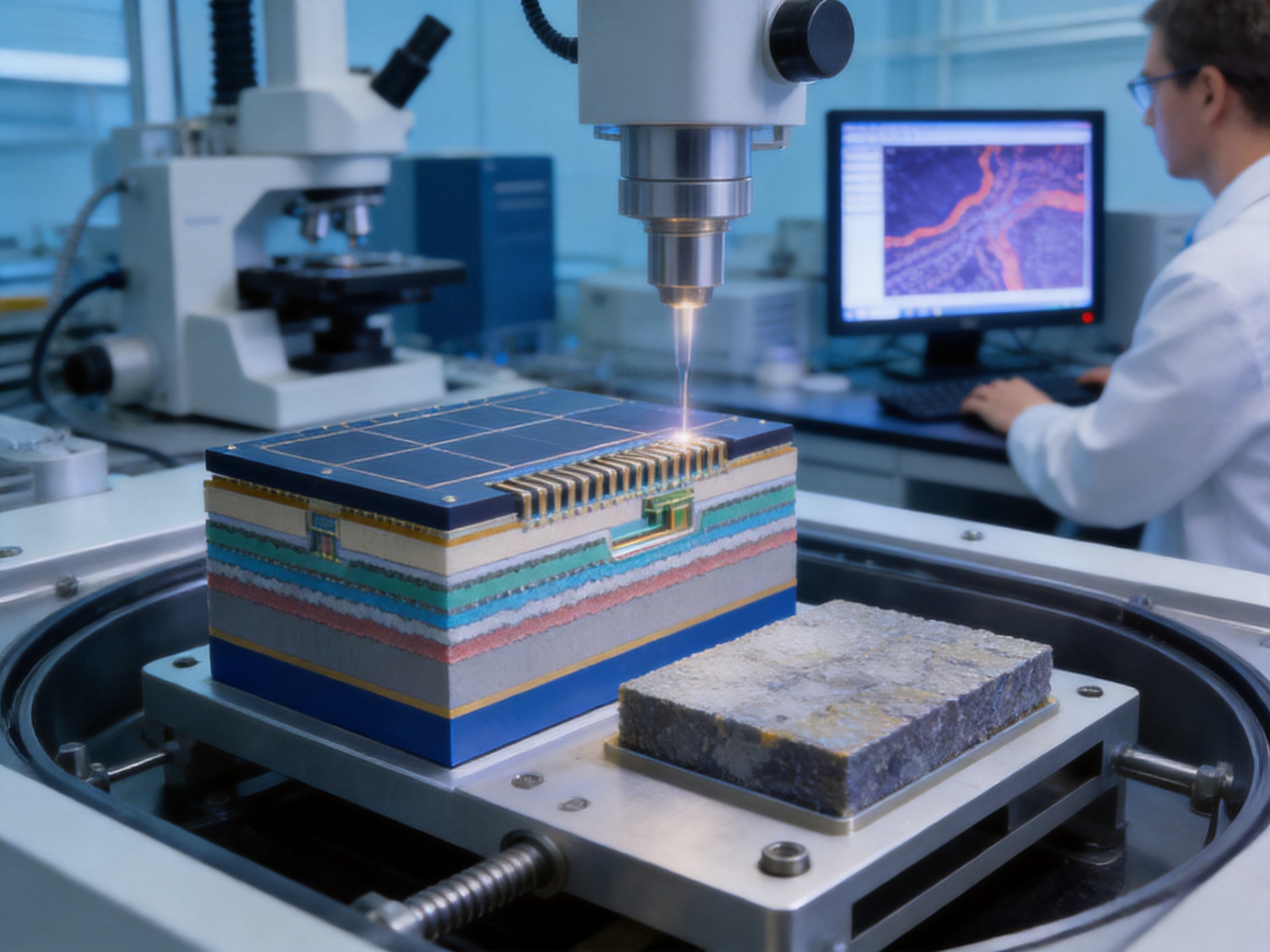
The value of a precision preparation system is measured not only by surface quality but also by its effect on laboratory productivity. Automation reduces the amount of continuous manual intervention required. Repeatable recipes simplify training. Cryogenic capability reduces the need to outsource specialized preparation. Integration with microscopy workflows can shorten the time between sample receipt and analytical results.
For research institutions, the HSC126 can support multiple departments through a shared preparation platform. Materials science, semiconductor engineering, life sciences, and energy research groups may use the same core system while applying different fixtures and recipes. This versatility can improve equipment utilization and strengthen collaboration between research teams.
For industrial users, consistent preparation supports failure analysis and quality control. When the same type of cross-section can be prepared repeatedly, technicians can compare results more confidently and build historical records. Reduced preparation variation may also help distinguish manufacturing defects from artifacts caused by inconsistent sample handling.
Safety, Maintenance, and Process Discipline
Ion beam systems are precision instruments and should be operated according to appropriate safety procedures. Users must receive training in sample loading, vacuum-related operation, high-voltage or beam-related hazards, cryogenic handling, and emergency procedures. The laboratory should also establish rules for compatible materials, contamination control, and waste management.
Routine maintenance contributes to beam stability and system life. Cleaning schedules, inspection of fixtures, monitoring of seals and transfer components, and verification of temperature-control functions should be documented. Process performance should be reviewed periodically using reference samples or internal acceptance criteria.
Good process discipline is particularly important when a system is used for multiple material categories. Residues from one sample type may affect another. Laboratories should consider dedicated fixtures, cleaning steps, sample sequencing, and records of prior use. These practices help preserve the low-contamination benefits of ion beam preparation.
Why the HSC126 Stands Out in a Competitive Market
Many instruments can remove material from a sample, but the more important question is whether they can do so with the required combination of precision, repeatability, low damage, temperature control, and workflow compatibility. The HSC126 distinguishes itself through the combination of these capabilities rather than through a single isolated feature.
Its support for both ambient and cryogenic operation gives it a broader application range than systems limited to room-temperature preparation. Its emphasis on controlled rastering, process monitoring, and automation addresses the repeatability challenges associated with manual polishing. Its intended compatibility with cryo-transfer systems and other ion beam instruments helps laboratories create a more complete preparation pathway.
The system is also supported by a manufacturer whose stated strengths include research and development, custom laboratory equipment, technical engineering, and international supply. This combination can be advantageous for customers who need application adaptation rather than a one-size-fits-all purchase. A manufacturer able to discuss sample types, fixtures, workflows, and documentation can contribute more value than a supplier focused only on equipment delivery.
These competitive advantages should be evaluated through application testing and acceptance criteria. Prospective users may request demonstrations with representative materials, review the available process controls, examine cryogenic workflow compatibility, and confirm support for their intended microscopes and sample holders. Such evaluation ensures that the system’s capabilities align with the laboratory’s actual requirements.
Recommended Evaluation Criteria for Buyers
When selecting an ion beam grinding and polishing system, buyers should consider more than beam specifications. The following questions can help structure a technical evaluation:
Can the system process the laboratory’s full range of materials, including fragile, porous, multilayer, hydrated, or polymer-based samples?
Does the system support both routine ambient workflows and cryogenic applications where required?
How stable is the beam during extended processing, and how is stability monitored?
Can the raster pattern, process duration, sample temperature, and other parameters be controlled and documented?
Are sample fixtures available for the dimensions and geometries used by the laboratory?
Can the system be connected to cryo-transfer equipment or integrated into an existing electron microscopy workflow?
What training, maintenance, technical documentation, and after-sales support are provided?
Can the manufacturer customize the system for special applications or future expansion?
These questions help buyers distinguish between a general-purpose material removal tool and a complete preparation platform. The HSC126 is designed for the latter role, particularly in laboratories where sample integrity and repeatability are central priorities.
Q&A
What is the primary purpose of the HSC126?
The HSC126 is designed for precision ion beam grinding, polishing, thinning, cross-section preparation, and surface modification. It helps produce flat, smooth, and low-damage surfaces for SEM, TEM, materials research, semiconductor analysis, and related applications.
Which materials can be processed?
The system is intended for metals, ceramics, semiconductors, polymers, biological specimens, composites, nanostructured materials, battery components, catalysts, and other laboratory samples. The exact process conditions should be developed according to the material’s hardness, thermal sensitivity, composition, and geometry.
Can the system process biological or hydrated samples?
Yes. Its cryogenic operating capability is intended to support sensitive samples such as biological specimens, water-containing materials, and other samples that may be damaged by heating or drying. Successful preparation requires suitable cryogenic handling and transfer procedures.
How does ion beam polishing differ from mechanical polishing?
Mechanical polishing uses physical contact and abrasive action, which can introduce scratches, deformation, embedded particles, or phase-dependent relief. Ion beam polishing is a non-contact process that removes material through controlled sputtering, reducing the risk of mechanical stress and abrasive contamination.
Is preliminary mechanical preparation still useful?
Yes. Many laboratories use mechanical cutting or grinding for rapid bulk material removal and then use ion beam processing for final polishing or cross-section refinement. The best workflow depends on the sample and the required analytical surface.
What is the benefit of automated beam rastering?
Automated rastering distributes the beam across the selected processing area according to a controlled pattern. This can improve uniformity, reduce manual intervention, and support repeatable process recipes for multiple samples.
Can the HSC126 be used with electron microscopy workflows?
Yes. The system is designed for preparation of samples intended for SEM and TEM analysis. It can also be combined with cryo-transfer systems or other ion beam instruments to create a more complete preparation workflow.
What makes the system suitable for semiconductor cross-sections?
Semiconductor devices contain thin, multilayer, and mechanically dissimilar structures. The HSC126 provides controlled, low-contact surface preparation that can help expose interfaces, device features, packaging layers, and failure sites while limiting mechanical distortion and contamination.
Does cryogenic operation eliminate all sample damage?
No. Cryogenic operation can reduce thermal and environmental effects, but it does not remove the need for appropriate beam conditions, sample support, transfer procedures, and process control. Each material requires a suitable preparation protocol.
What type of manufacturer support should customers request?
Customers should request operating documentation, application guidance, fixture recommendations, installation support, operator training, maintenance information, and assistance with process development. For specialized applications, customization and representative sample testing may also be appropriate.
Conclusion
The HSC126 Ion Beam Precision Grinding and Polishing System responds to a fundamental need in modern microscopy and materials analysis: the ability to prepare representative surfaces without introducing unnecessary damage or contamination. Its controlled ion beam process supports smooth, flat, and high-quality cross-sections across diverse material classes. Ambient and cryogenic operation expands its usefulness from conventional metals and ceramics to polymers, biological specimens, hydrated materials, batteries, and other sensitive samples.
The system’s main advantages come from the integration of stable beam delivery, automated rastering, process monitoring, precision positioning, and compatibility with advanced electron microscopy workflows. These features help laboratories move beyond operator-dependent preparation and toward documented, repeatable methods. The resulting improvements can benefit image quality, analytical confidence, laboratory productivity, and cross-sample comparability.
JIANGSU BAISHENG INDUSTRIAL CO., LTD. adds value through its stated focus on research and development, precision laboratory equipment, custom solutions, technical engineering, and international service. Its technology-driven history and experience with electronic testing and safety-related laboratory products provide a foundation for supporting specialized users. For customers evaluating ion beam preparation equipment, the HSC126 offers a flexible platform that can be adapted to materials science, semiconductor inspection, life sciences, energy research, and industrial failure analysis.
As analytical structures become smaller and samples become more delicate, preparation quality will continue to influence the reliability of research and manufacturing decisions. A precision ion beam system is therefore not merely a polishing instrument. It is an important part of the measurement chain, helping ensure that the surface observed under the microscope is as faithful as possible to the material being studied.
References
1. Goldstein, J., Newbury, D., Joy, D., Lyman, C., Echlin, P., Lifshin, E., Sawyer, L., and Michael, J. Scanning Electron Microscopy and X-Ray Microanalysis. General principles of electron imaging, surface preparation, and microanalytical interpretation.
2. Williams, D. B., and Carter, C. B. Transmission Electron Microscopy: A Textbook for Materials Science. Principles of specimen thickness, electron transmission, preparation artifacts, and materials characterization.
3. ASTM International. General guidance and standards related to metallographic preparation, microscopy, microstructural examination, and laboratory quality practices.
4. International Organization for Standardization. General quality management principles applicable to laboratory equipment manufacturing, process control, documentation, and technical service.
5. Goldstein, J. I., and related contributors. Practical methods for electron microscopy sample preparation, surface cleaning, cross-section preparation, and analytical reliability.
6. General technical literature on ion beam sputtering, ion milling, cryogenic sample preparation, and low-damage surface processing for microscopy.
Product: HSC126 Ion Beam Precision Grinding and Polishing System

PREV:MSC300 Multi-Functional Cryogenic Chamber for Advanced Laboratory Applications
NEXT:Precision High-Low Temperature Humidity Cycling Chambers for Reliable Environmental Testing
NEXT:Precision High-Low Temperature Humidity Cycling Chambers for Reliable Environmental Testing
Interested in cooperation or have questions?
Featured Products
Related products
Quick Link
Contact Information
- Tel: +86-13861043568
- E-mail: 1840784112@qq.com
- Add: Tianting District, Changzhou City, Jiangsu Province, China, No. 6 Hecircuit
Scan Code
Copyright © JIANGSU BAISHENG INDUSTRIAL CO., LTD.
All Rights Reserved. Privacy Custom Precision Laboratory Testing Equipment Manufacturers
