 English
 Español

NEWS
NEWS
NEWS
NEWS
NEWS
NEWS
NEWS
NEWS
NEWS
NEWS
NEWS
NEWS
NEWS
NEWS
NEWS
NEWS

Deng Xinyi — Product After-Sales Support Specialist
Home / Author / Deng Xinyi — Product After-Sales Support Specialist / MSC300 Multi-Functional Cryogenic Chamber for Advanced Laboratory Applications
MSC300 Multi-Functional Cryogenic Chamber for Advanced Laboratory Applications
Content
- 1 Why Cryogenic and Vacuum-Based Sample Preparation Matters
- 2 Core Functions of the MSC300
- 3 Advantages Over Conventional and Less Integrated Systems
- 4 Engineering Design and Manufacturing Strengths
- 5 Workflow for Laboratory Users
- 6 Applications in Biological and Life Science Research
- 7 Applications in Pharmaceutical, Food, and Cosmetic Research
- 8 Operational, Maintenance, and Safety Considerations
- 9 Customization and Procurement Considerations
- 10 Quality, Service, and Long-Term Partnership
- 11 Frequently Asked Questions
- 11.1 What is the primary purpose of the MSC300?
- 11.2 Which samples can be processed?
- 11.3 Does the system require chemical fixation?
- 11.4 What coating materials are supported?
- 11.5 How does the coating method differ from conventional magnetron sputtering?
- 11.6 Can the MSC300 be used for cryo-SEM preparation?
- 11.7 Why is vacuum transfer important?
- 11.8 Can the chamber be customized?
- 11.9 What are the main advantages over separate preparation instruments?
- 11.10 What should operators record during sample preparation?
- 11.11 Is the MSC300 suitable for industrial laboratories?
- 11.12 What should be confirmed before purchase?
- 12 Conclusion
- 13 References
- 14 Product: MSC300 Multi-Functional Cryogenic Chamber for Advanced Laboratory Applications
Modern microscopy, materials research, pharmaceutical development, and biological investigation increasingly depend on sample-preparation methods that preserve structure while minimizing chemical alteration. Hydrated samples are particularly challenging because water can distort morphology, collapse delicate structures, reduce electrical conductivity, and complicate transfer into high-vacuum analytical instruments. Conventional preparation methods may require chemical fixation, solvent exchange, air drying, or separate coating and transfer steps. Each additional operation can introduce artifacts, contamination, or loss of valuable information.
The MSC300 Multi-Functional Cryogenic Chamber is designed to address these challenges through an integrated platform for high-vacuum sublimation drying, dehydration, conductive surface coating, vacuum cryogenic transfer, and freeze-fracture preparation. Instead of treating sample drying, surface modification, and cryogenic handling as completely separate processes, the system brings essential stages together in a controlled laboratory environment. This integrated approach helps researchers prepare hydrated biological and soft-material samples for high-quality microscopy and related analytical applications.
The chamber is especially relevant to laboratories using scanning electron microscopy, cryo-scanning electron microscopy, surface analysis, pharmaceutical investigation, food research, cosmetic formulation testing, and advanced materials characterization. Its multifunctional configuration enables users to select a preparation route according to sample type, analytical objective, and imaging conditions. It can support delicate biological specimens, hydrogels, suspension-based pharmaceuticals, food products, cosmetic formulations, and other water-containing materials that may be difficult to prepare using conventional methods.
Beyond the product itself, the MSC300 reflects a manufacturing philosophy based on engineering development, precision design, application knowledge, and customization. The manufacturer combines research and development capabilities with production and international supply experience. This enables the equipment to be configured not only as a standard laboratory instrument but also as part of a broader sample-preparation workflow.
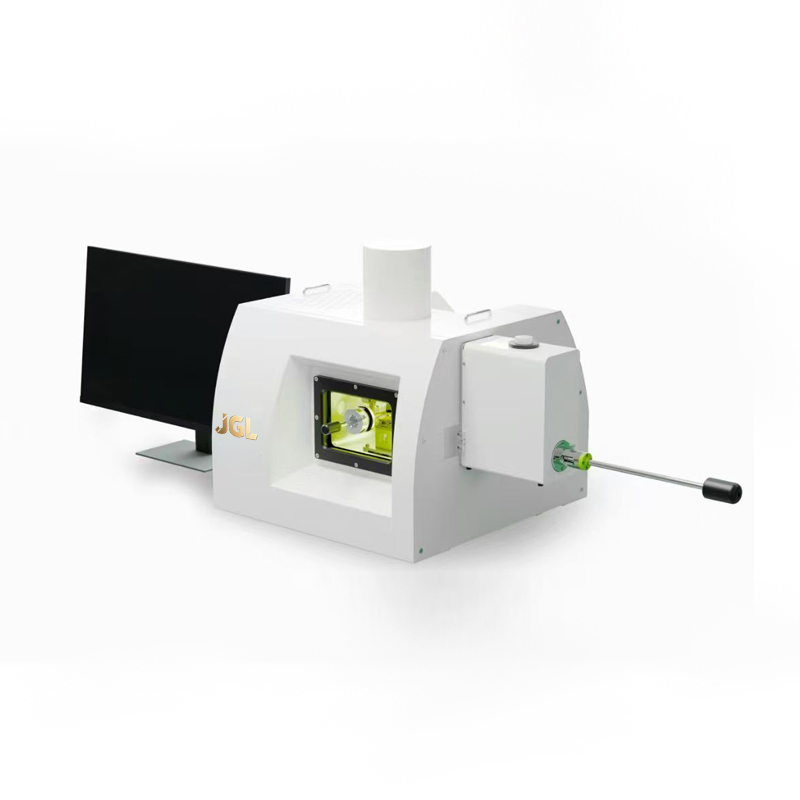
MSC300 Multi-Functional Cryogenic Chamber for Advanced Laboratory Applications
Why Cryogenic and Vacuum-Based Sample Preparation Matters
Hydrated samples contain structural information that can be lost rapidly when water is removed by uncontrolled evaporation or when a specimen is exposed to unsuitable temperatures. In biological tissue, water supports the natural arrangement of cells, membranes, extracellular materials, and intracellular components. In hydrogels and soft formulations, water may define the volume, porosity, and distribution of active ingredients. In food and cosmetic products, the water phase can influence texture, emulsion stability, particle distribution, and surface morphology.
When these samples are prepared for microscopy, the preparation process becomes part of the scientific result. A sample that has collapsed, cracked, shrunk, or become contaminated may no longer represent its original state. This is why controlled cooling, vacuum handling, sublimation, fracture, etching, and coating are important in advanced microscopy workflows.
Cryogenic preparation rapidly immobilizes water and other mobile components at low temperature. Once frozen, the sample can be handled in a condition that better preserves its original geometry. Under high vacuum, ice can be removed through sublimation rather than conventional liquid evaporation. This process can expose surface or subsurface structures while reducing some of the deformation associated with warmer drying methods.
Surface coating adds another important function. Many biological and polymeric materials are electrically insulating. Under an electron beam, an uncoated insulating specimen may accumulate charge, produce image instability, reduce resolution, or interfere with analytical measurements. A thin conductive layer can improve charge dissipation and enhance image quality. However, coating must be sufficiently uniform and conformal to avoid obscuring fine detail. The coating process must therefore be matched to the sample and the intended analytical technique.
The MSC300 combines these preparation functions within a controlled chamber architecture. This can reduce the need to move specimens between unrelated instruments and can help limit exposure to ambient humidity, airborne contamination, and temperature changes. For laboratories that handle sensitive or high-value samples, minimizing unnecessary transfer is a practical advantage.
Core Functions of the MSC300
High-Vacuum Sublimation Drying
The first major function of the MSC300 is high-vacuum sublimation drying and dehydration of hydrated samples. Under carefully controlled low-pressure conditions, frozen water can transition directly from a solid state to vapor. This process avoids the conventional liquid phase and can reduce the mechanical disturbance caused by liquid water movement through a fragile sample.
The method is suitable for a broad range of water-containing biological specimens, including cells, animal tissues, and plant tissues. It can also be applied to soft and hydrated materials such as hydrogels, suspension-based pharmaceuticals, food products, and cosmetic formulations. The application range is important because these materials often have very different internal structures, solids content, viscosities, and sensitivities to temperature or vacuum.
For biological specimens, controlled sublimation can help retain the relationship between cells and surrounding structures. In plant samples, it may assist in preserving the arrangement of tissues, pores, and surface features. In animal tissues, the process can support examination of fragile interfaces and fine morphology. In cell-based samples, it may provide a useful preparation route when researchers need to examine surface or structural characteristics without relying exclusively on chemical fixation.
For hydrogels, sublimation drying can help reveal pore networks and internal morphology. The observed structure still depends on freezing conditions, sample composition, and drying parameters, but a controlled vacuum route provides researchers with a more repeatable starting point than uncontrolled ambient drying. In pharmaceutical suspensions, the technique may be used to investigate particle distribution, matrix structure, or the physical arrangement of formulation components. Food and cosmetic researchers may use the process to evaluate emulsion structure, dispersed phases, porous textures, and surface characteristics.
Conductive Coating for Electron Microscopy
The MSC300 also supports conductive surface coating using argon ion beam bombardment of target materials. In this process, energetic argon ions interact with a selected target, causing material to be removed and deposited onto the specimen surface. The approach is designed to provide etching-based deposition with improved coating uniformity, adhesion, and fine structural conformity compared with conventional magnetron sputtering in applications where these characteristics are critical.
The system supports several metal coating materials, including platinum, gold, chromium, and tungsten. Carbon coating is also supported. This material flexibility allows users to select a coating according to the sample, imaging mode, required conductivity, surface texture, and analytical objective.
Platinum may be selected when a fine-grained conductive layer and high-quality surface imaging are required. Gold can be useful for general conductive coating applications. Chromium may be considered where a thin and durable layer is appropriate, while tungsten may be selected for specialized analytical or high-resolution requirements. Carbon is valuable when a carbon-based conductive layer is preferred, particularly for certain analytical workflows or samples where metallic coatings could affect interpretation.
The ability to use multiple coating materials is a practical advantage over systems restricted to one target or one deposition mode. Researchers do not always need the same coating for every sample. A material that is ideal for high-resolution surface imaging may not be appropriate for elemental analysis. A coating suitable for a robust biological specimen may be too thick or intrusive for a delicate nanostructure. A flexible platform enables the laboratory to optimize preparation rather than compromise around fixed equipment limitations.
Vacuum Cryogenic Transfer and Freeze-Fracture
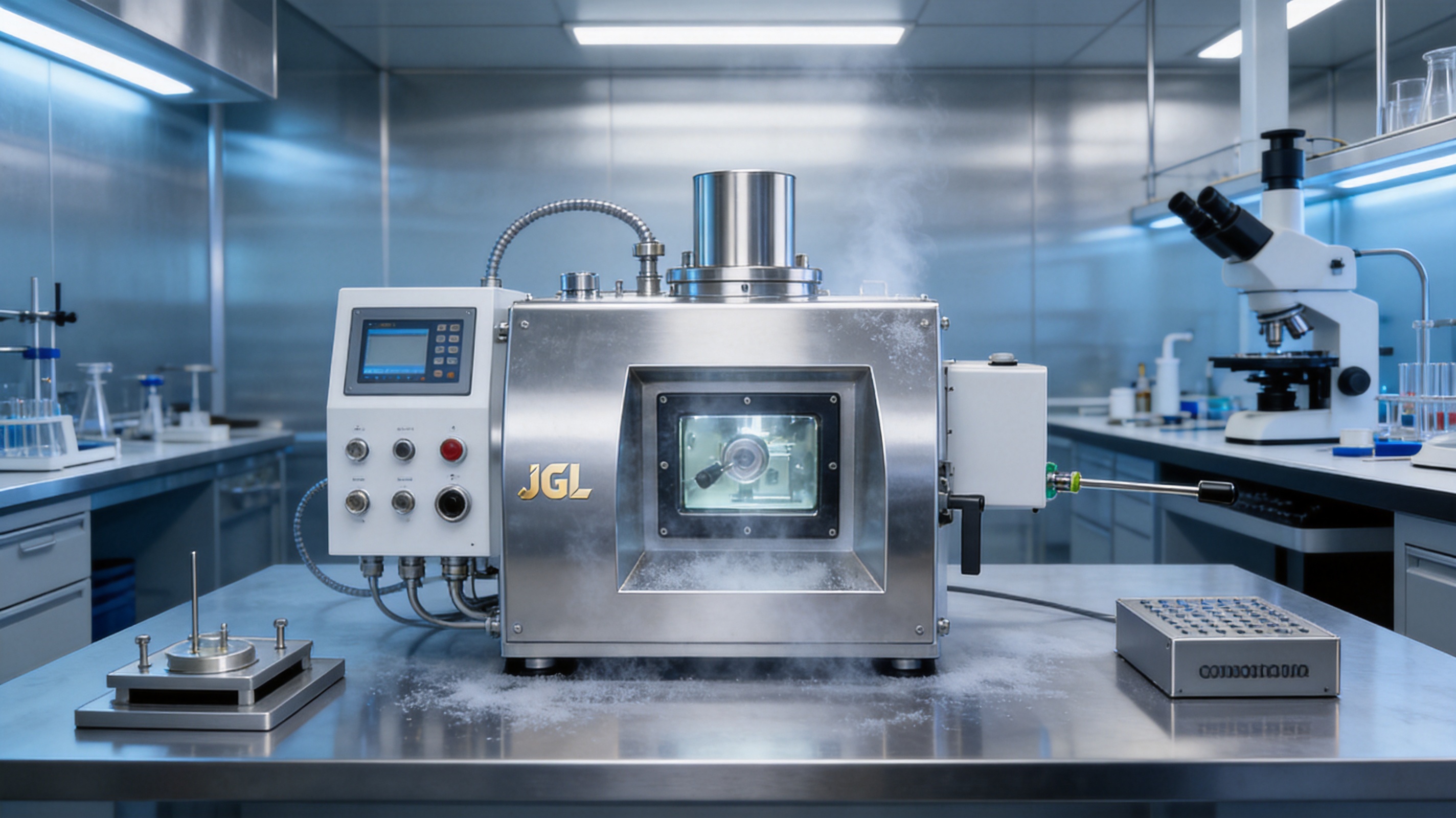
The MSC300 can be combined with an LNS200 liquid nitrogen slurry workbench and a CVC100 vacuum transfer chamber to form a complete cryogenic preparation workflow. Within this workflow, samples can undergo rapid cryo-fixation, vacuum-based freeze-fracture, controlled sublimation etching, and high-vacuum conductive coating.
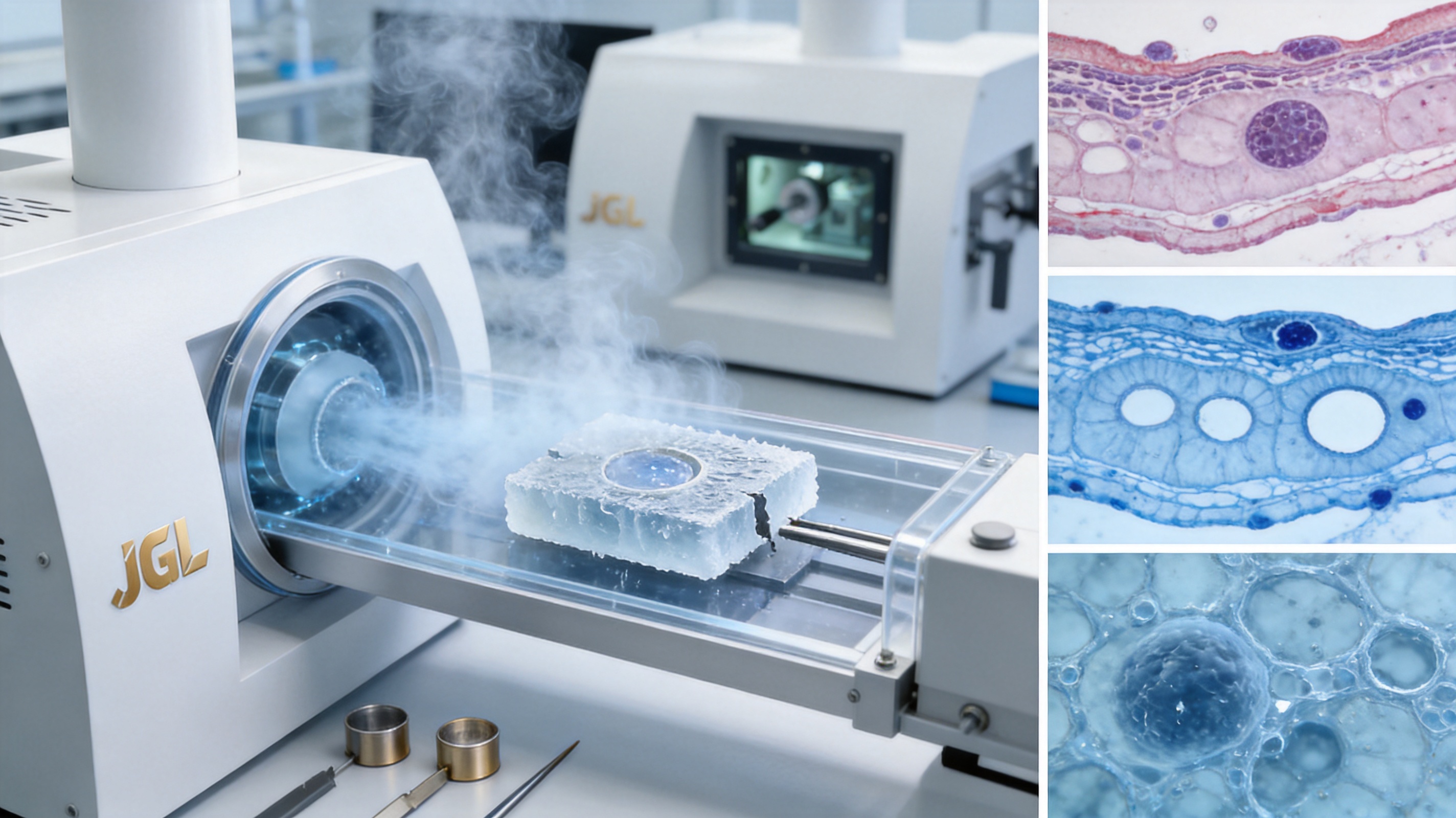
Freeze-fracture is valuable when the internal architecture of a hydrated specimen must be exposed. Rather than examining only the original external surface, researchers can fracture a frozen sample to reveal internal planes, interfaces, membranes, pores, layers, or particle distributions. The fracture surface can then be etched and coated for observation by cryo-scanning electron microscopy.
Vacuum transfer is important because a cryogenically prepared specimen can be vulnerable to temperature rise, frost formation, and contamination during movement through ambient conditions. A controlled transfer chamber helps maintain the low-temperature and low-contamination conditions required for reliable cryogenic preparation. The exact operating conditions depend on the sample, instruments, and laboratory procedures, but the integrated system concept reduces interruptions between preparation stages.
The combined workflow supports the preservation of sample integrity and helps minimize contamination during low-temperature handling. This is particularly significant for hydrated specimens, since the appearance of a frost layer or the partial warming of a surface can alter the result before imaging begins.
Advantages Over Conventional and Less Integrated Systems
One Platform for Multiple Preparation Requirements
A conventional laboratory may use separate equipment for freeze-drying, coating, fracture preparation, and transfer. While individual instruments can perform their designated tasks, a multi-instrument workflow increases the number of handling steps. Every transfer creates an opportunity for warming, contamination, mechanical damage, or misalignment. It also requires additional laboratory space, training, maintenance, and scheduling.
The MSC300 addresses this challenge by combining several functions in one advanced chamber. The benefit is not simply a reduction in equipment count. More importantly, the integrated arrangement supports a continuous and logically connected preparation process. A specimen can move from sublimation or etching to coating with fewer external interventions. For cryogenic workflows, the chamber can operate as part of a coordinated system with dedicated liquid nitrogen and vacuum-transfer equipment.
This integrated configuration may be especially valuable for laboratories processing small, fragile, expensive, or irreplaceable samples. Researchers can reduce the number of times a sample must be removed from a controlled environment. This improves workflow efficiency and can also make experimental results more consistent between operators.
Better Control of Hydrated and Delicate Samples
Drying a hydrated specimen in air or under poorly controlled pressure can lead to collapse, cracking, shrinkage, or redistribution of soluble components. The MSC300 is designed around vacuum-based and cryogenic preparation principles that can provide more controlled removal of water and more stable handling of delicate materials.
Controlled sublimation does not eliminate all preparation artifacts, and the final result still depends on freezing rate, sample thickness, vacuum conditions, temperature, drying duration, and material composition. Nevertheless, it provides a technically appropriate route for specimens whose structure could be damaged by direct evaporation. Researchers can establish process parameters for different sample classes and build repeatable preparation protocols.
Improved Coating Uniformity and Structural Conformity
Surface coating quality has a direct effect on microscopy. An uneven coating may produce inconsistent contrast, obscure small features, or create areas of poor conductivity. Excessive coating thickness may mask nanoscale structures, while insufficient coverage may not prevent charging.
The argon ion beam coating method used by the MSC300 is intended to improve uniformity, adhesion, and conformity to fine structures. By using ion bombardment of target materials, the system supports controlled deposition on complex or delicate surfaces. This is a meaningful advantage where the specimen includes fine ridges, pores, particles, membranes, or irregular topography.
The ability to select platinum, gold, chromium, tungsten, or carbon further strengthens the coating function. Instead of treating coating as a generic final step, researchers can select a material based on the imaging and analytical requirements of each project.
Reduced Risk During Cryogenic Transfer
Cryogenic samples are highly sensitive to environmental changes. Exposure to humid air can produce frost, and warming can cause structural changes or loss of the intended frozen state. An integrated vacuum-transfer approach helps protect the sample between cryo-fixation, fracture, etching, coating, and microscopy.
Compared with open handling between separate devices, the connected workflow can reduce opportunities for contamination and temperature fluctuation. This can improve the reliability of cryo-SEM preparation and reduce the risk of repeating an experiment because of an avoidable handling error.
Adaptability Across Industries
Many laboratory instruments are designed around one narrow application. The MSC300 is differentiated by its ability to serve several research fields. Its applications include biological microscopy, tissue investigation, pharmaceutical formulation analysis, food structure characterization, cosmetic product development, soft-material research, and materials science.
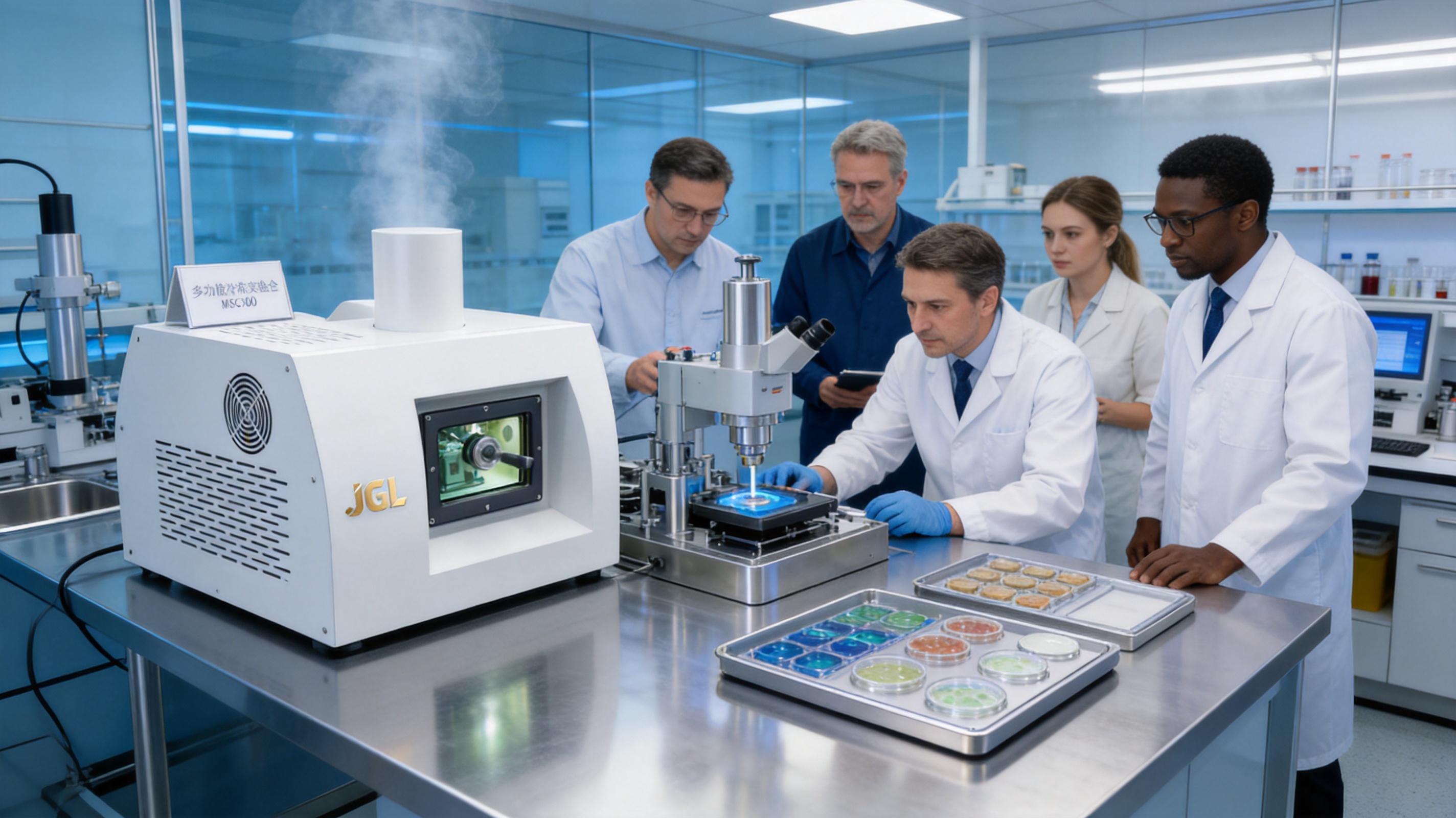
This broad application range can improve equipment utilization. A university core facility may use the system for different departments. A contract testing laboratory may support customers with diverse sample types. An industrial research group may use the chamber during formulation development, quality investigation, failure analysis, or product optimization.
| Application Area | Typical Sample Types | Relevant MSC300 Function | Potential Analytical Objective |
|---|---|---|---|
| Biological research | Cells, animal tissues, plant tissues | Cryogenic preparation, sublimation, coating | Examine morphology and surface or internal structures |
| Pharmaceutical development | Suspensions, hydrated formulations, soft dosage materials | Vacuum dehydration and conductive coating | Evaluate particle distribution, matrix structure, and formulation characteristics |
| Food science | Emulsions, gels, hydrated food products | Freeze preparation, sublimation, fracture, coating | Study texture, porosity, interfaces, and dispersed phases |
| Cosmetic research | Creams, emulsions, gels, and hydrated formulations | Controlled drying and surface coating | Investigate formulation stability and microstructure |
| Materials science | Hydrogels, porous soft materials, composite systems | Freeze-fracture, etching, coating | Characterize pores, layers, interfaces, and failure features |
| Electron microscopy facilities | Mixed research specimens | Integrated preparation workflow | Provide repeatable pre-treatment for SEM and cryo-SEM |
Engineering Design and Manufacturing Strengths
Technology-Driven Product Development
The manufacturer behind the MSC300 was established as a technology-driven enterprise specializing in laboratory equipment and safety testing instruments. Its development model combines engineering research, product design, manufacturing coordination, and international technical service. This is significant for advanced laboratory equipment because performance depends not only on the visible chamber but also on vacuum architecture, temperature management, material compatibility, coating stability, operator controls, and system integration.
The company originated from a research and development studio focused on electronic testing. The founding team brought technical experience in laboratory equipment and safety compliance testing. This background provided a foundation in instrumentation, precision engineering, and performance-oriented design. The organization later developed its own production line and expanded into high-end laboratory equipment with independent intellectual property.
Such a development path can offer advantages over a purely trading-based supply model. A company with in-house technical development experience is better positioned to understand how design decisions influence real laboratory use. It can analyze customer requirements, modify configurations, coordinate engineering changes, and provide more technically informed support during installation and operation.
Precision-Oriented Manufacturing
Precision is central to a multifunctional cryogenic chamber. Vacuum systems require reliable sealing, stable pressure control, and compatible internal materials. Cryogenic operations require components capable of handling low-temperature conditions and repeated thermal cycling. Coating systems require controlled target positioning, stable ion generation, and predictable deposition behavior. Transfer interfaces require mechanical accuracy and compatibility with associated instruments.
The company’s stated core value, “Precision in Craftsmanship, Innovation for the Long-Term,” reflects the demands of this product category. Precision manufacturing involves more than machining individual parts to nominal dimensions. It also requires attention to assembly alignment, surface finish, sealing interfaces, electrical connections, process reproducibility, and maintenance access.
For customers, manufacturing quality is reflected in practical outcomes: stable operation, repeatable sample preparation, straightforward cleaning, dependable vacuum performance, and consistent coating results. These qualities are especially important in research environments where a preparation failure can invalidate a costly experiment or delay a project.
Research and Development Capability
The manufacturer continued to increase research investment, introduce technical personnel, and expand its product application scenarios as its business developed. This ongoing R&D orientation is important because cryogenic sample preparation continues to evolve. Researchers may require new holders, modified transfer interfaces, different coating targets, improved control functions, or customized chamber configurations.
A dedicated development team can support product evolution in response to these needs. It can also help adapt the system to different laboratory layouts, sample dimensions, analytical instruments, and workflow requirements. Customization may include mechanical interfaces, sample stages, target configurations, control arrangements, or integration with related laboratory equipment, subject to technical review.
Quality Management and Technical Specifications
As the company expanded, it further improved its quality management system and developed products according to rigorous technical specifications. For advanced laboratory equipment, quality management should cover design review, supplier control, machining, assembly, electrical safety, vacuum testing, functional verification, documentation, and final inspection.
A structured quality approach helps create consistency between production units. It also provides a basis for identifying deviations, recording test results, and improving future designs. Customers purchasing specialized equipment benefit from clear technical documentation, defined operating procedures, traceable inspection, and responsive after-sales communication.
The supplied company information notes that products passed rigorous technical specification certifications. Because certification requirements vary by model, market, and configuration, customers should confirm the exact certificates and applicable standards for the MSC300 configuration under consideration. This is a responsible purchasing step for universities, industrial laboratories, regulated facilities, and international buyers.
Manufacturing Process Overview
The following process represents the type of engineering and manufacturing discipline required for a product such as the MSC300. Exact internal procedures may vary according to configuration, but the stages illustrate why advanced chamber production must be managed as a complete system rather than as simple enclosure fabrication.
Requirement Definition and Application Review
Production begins with an understanding of the intended applications. Engineers consider sample dimensions, sample holders, operating temperature range, vacuum requirements, coating materials, transfer equipment, microscopy interfaces, laboratory utilities, and expected throughput. Application review helps ensure that the selected configuration is appropriate for the user’s actual workflow.
Mechanical and Vacuum System Design
The chamber body, doors, ports, feedthroughs, seals, stages, target holders, and transfer interfaces are developed around the required operating conditions. The design must balance chamber volume, access, structural strength, cleaning, visibility where applicable, and vacuum performance. Internal geometry also influences how uniformly samples are exposed to the relevant process environment.
Component Fabrication and Surface Preparation
Precision fabrication may include metal cutting, forming, machining, welding, polishing, and surface treatment. Internal surfaces must be compatible with vacuum operation and sample preparation. Components that may contact cryogenic conditions or coating materials require appropriate material selection and finishing. Surface cleanliness is essential because residues can increase outgassing or contaminate specimens.
Vacuum and Cryogenic Assembly
During assembly, seals, valves, pumps, gauges, temperature-related components, sample stages, and electrical interfaces are installed and checked. Alignment is important for coating sources, fracture tools, sample holders, and transfer connections. The assembly process must protect sensitive components from damage and prevent particles or residues from entering the chamber.
Coating System Integration
The argon ion beam coating module is integrated with the vacuum chamber and control system. Engineers verify target installation, electrical connections, gas delivery, ion-beam operation, sample positioning, and deposition geometry. Because users may work with several materials, the target system must support safe and practical changeover procedures.
Functional Verification and Final Inspection
Testing may include leak checking, pump-down evaluation, pressure stability, valve operation, temperature or cryogenic compatibility checks, coating operation, electrical safety verification, control-system inspection, and overall workflow testing. Final inspection confirms that the delivered unit corresponds to its approved configuration and documentation.
This manufacturing sequence demonstrates the value of working with a supplier that understands both product engineering and laboratory applications. The system’s performance depends on the interaction of mechanical, vacuum, cryogenic, electrical, and coating subsystems. A weakness in one area can affect the entire sample-preparation process.
Workflow for Laboratory Users
Sample Assessment
Before using the MSC300, the operator should assess the sample’s water content, dimensions, sensitivity to freezing, expected fracture behavior, chemical composition, and analytical purpose. Different materials may require different freezing rates, holder designs, sublimation conditions, etching durations, and coating thicknesses.
Sample assessment is also important for selecting a coating material. Researchers should consider whether the final specimen will be used only for imaging or also for elemental or compositional analysis. Metallic coatings can influence analytical results, while carbon coating may be preferable for certain investigations. The coating choice should be documented as part of the experimental method.
Cryo-Fixation and Transfer
For hydrated samples, rapid cryo-fixation is generally used to immobilize water and preserve the sample condition as effectively as possible. The appropriate method depends on specimen size, thermal properties, composition, and laboratory equipment. The LNS200 liquid nitrogen slurry workbench can serve as part of the associated cryogenic preparation system.
After fixation, the sample is transferred using a procedure designed to limit warming and contamination. The CVC100 vacuum transfer chamber can support movement between preparation stages while maintaining a controlled environment. Operators should follow established safety procedures for cryogens, vacuum equipment, sharp fracture tools, and low-temperature sample holders.
Freeze-Fracture and Sublimation Etching
Once the sample is stable at cryogenic temperature, it can be fractured to reveal the desired internal plane. The fracture direction can influence the information visible in the final image. Researchers may need to consider layering, particle orientation, cellular organization, or pore geometry before selecting a fracture approach.
Controlled sublimation etching can then remove a selected amount of ice from the fracture surface. The objective is not simply to dry the sample completely but to expose structural features in a controlled manner. Excessive etching may remove or distort important details, while insufficient etching may leave the surface obscured. Operators should develop validated process windows for recurring sample types.
Conductive Coating
After etching, the sample can be coated using the selected target material. The coating process should be matched to the specimen’s topography and the imaging conditions. Fine structures generally require careful control to avoid excessive thickness. Complex or uneven surfaces benefit from a coating method capable of following their geometry with good conformity.
Argon ion beam bombardment provides the basis for the MSC300 coating process. Users can choose platinum, gold, chromium, tungsten, or carbon depending on the application. Coating parameters should be recorded, including target material, deposition conditions, sample temperature, process duration, and any relevant preparation history.
Microscopy and Data Interpretation
After preparation, the sample is transferred to a cryo-SEM or other suitable analytical instrument. The final appearance reflects not only the original sample but also the freezing, fracturing, sublimation, coating, and transfer conditions. Therefore, preparation parameters should be included in laboratory records and considered when interpreting images.
Repeatability is improved when samples are prepared using standardized holders, consistent timing, controlled transfer procedures, and documented chamber settings. The MSC300 can support the development of such standard operating procedures by providing a repeatable platform for multiple preparation stages.
Applications in Biological and Life Science Research
Biological samples often combine water-rich components with delicate interfaces and structures. Cells may contain fragile membranes, organelles, extracellular matrices, and surface features that are difficult to preserve during conventional drying. Animal tissues can include complex layers and vascular or porous structures. Plant tissues may contain cells, cuticles, stomata, fibers, and channels whose morphology changes when water is removed rapidly.
The MSC300 provides a preparation route based on cryogenic immobilization, vacuum sublimation, fracture, and coating. Researchers can use the system to investigate surface morphology, tissue organization, fracture planes, cell arrangements, and relationships between biological components. The method may also be useful for comparative studies in which untreated, fixed, dried, or cryogenically prepared samples are examined using different analytical approaches.
In a university or central microscopy facility, the multifunctional design can support projects across biology, botany, zoology, biomedical research, and environmental science. The same platform can be configured for different sample holders and preparation methods, helping the facility respond to varied research requirements.
Applications in Pharmaceutical, Food, and Cosmetic Research
Pharmaceutical Suspensions and Formulations
Pharmaceutical suspensions and hydrated formulations may contain dispersed particles, polymers, active ingredients, stabilizers, and liquid phases. Their structure can change during drying, making sample preparation a significant factor in microscopy-based evaluation. Vacuum sublimation can assist in examining the arrangement of solid and liquid-derived components after controlled removal of water.
Coated samples may be analyzed for particle distribution, surface morphology, agglomeration, matrix characteristics, or fracture behavior. The ability to choose between metallic and carbon coating materials allows the preparation method to be adapted to imaging and analytical requirements.
Food Products and Emulsions
Food products often have complex structures formed by water, fats, proteins, carbohydrates, air, and additives. Texture and stability may depend on microscopic features such as cell walls, pores, droplets, crystallized phases, and interfaces. Cryogenic fracture and sublimation can help reveal features that are difficult to observe after conventional drying.
The MSC300 can therefore support studies of food texture, emulsion morphology, freeze-related structural change, and product stability. Researchers may compare formulations or processing conditions by applying consistent sample-preparation protocols.
Cosmetic Formulations
Creams, gels, lotions, emulsions, and other cosmetic products can contain multiple phases and finely dispersed ingredients. Product performance may be associated with droplet size, phase distribution, surface structure, and interactions between formulation components. Controlled vacuum preparation and conductive coating can help generate microscopy-ready specimens for comparative analysis.
For formulation development, the ability to use different coating materials and preparation routes can be useful when analyzing both surface morphology and internal fracture features. The system may also support investigations of product aging, separation, drying behavior, and compatibility between ingredients.
Operational, Maintenance, and Safety Considerations
Advanced laboratory equipment performs best when supported by disciplined operating procedures. Operators should receive training in vacuum systems, cryogenic materials, ion beam coating, sample handling, and the specific control functions of the MSC300. Procedures should define loading limits, holder use, target replacement, cleaning, venting, emergency shutdown, and transfer operations.
Vacuum cleanliness is essential. Samples should be prepared to minimize loose particles, excess liquid, and volatile contaminants. Chamber surfaces, holders, and tools should be inspected and cleaned according to the manufacturer’s recommendations. Coating targets should be stored and handled in a way that protects their surfaces and avoids cross-contamination between materials.
Cryogenic safety requires appropriate personal protective equipment, ventilation, training, and procedures for liquid nitrogen and cold surfaces. Operators should be aware of oxygen displacement risks, frost accumulation, pressure hazards, and the possibility of cold burns. Vacuum doors and chamber components must be operated only after confirming that pressure conditions are safe.
Maintenance planning should include inspection of seals, valves, pumps, gas connections, electrical components, sample stages, transfer interfaces, and coating targets. Preventive maintenance can reduce unexpected downtime and help preserve process repeatability. Laboratories with high sample throughput may benefit from maintenance logs that record operating hours, coating usage, cleaning dates, vacuum performance, and service actions.
Customization and Procurement Considerations
The appropriate MSC300 configuration depends on the intended application. Customers should discuss sample dimensions, sample throughput, cryogenic accessories, coating materials, vacuum requirements, transfer interfaces, laboratory utilities, and microscopy compatibility before placing an order.
Customization can be particularly valuable for research centers and industrial laboratories with established workflows. The chamber may need to interface with existing sample holders, cryo-SEM systems, transfer devices, or laboratory information procedures. Technical discussions during the purchasing stage help avoid incompatibility and ensure that the delivered system supports the complete preparation chain.
| Purchasing Question | Why It Matters |
|---|---|
| What sample types will be prepared? | Sample composition and dimensions influence holders, freezing procedures, fracture methods, and sublimation parameters. |
| Will the system be used for cryo-SEM? | This determines the importance of cryogenic transfer compatibility, low-temperature handling, and contamination control. |
| Which coating materials are required? | Platinum, gold, chromium, tungsten, and carbon support different imaging and analytical objectives. |
| Is freeze-fracture necessary? | Fracture tools, stages, and chamber configuration must support the intended internal-structure investigations. |
| What is the expected throughput? | Throughput affects chamber size, holder capacity, workflow planning, and maintenance requirements. |
| Which associated systems are already available? | Existing cryogenic workbenches, transfer chambers, microscopes, and utilities must be compatible with the new installation. |
| Are documentation and training required? | Clear manuals, operating procedures, training, and service support help ensure safe and repeatable use. |
Quality, Service, and Long-Term Partnership
Laboratories purchasing advanced sample-preparation equipment need more than a machine delivered in a crate. They need technical communication, installation coordination, operating guidance, spare-parts support, and a supplier capable of understanding application challenges. The manufacturer’s combination of R&D experience and international trade expertise is intended to support this broader relationship.
A supplier with overseas market experience can help coordinate export documentation, packaging, communication across time zones, technical clarification, and delivery requirements. For complex equipment, clear communication before shipment is especially important. Installation conditions, power supply, vacuum connections, gas requirements, ventilation, floor space, and operator training should be confirmed in advance.
The company’s history shows a progression from electronic testing research and development to independently developed laboratory equipment, followed by expanded R&D investment, technical talent recruitment, quality-system improvement, and international market development. This progression supports a business model in which equipment is developed as a technical product rather than treated as a generic catalog item.
Its core values emphasize precision, long-term innovation, integrity, and mutually beneficial cooperation. These principles are relevant to the MSC300 because the equipment is often integrated into long-term research programs. Customers may require future accessories, process optimization, replacement parts, or configuration adjustments as their applications develop.
Frequently Asked Questions
What is the primary purpose of the MSC300?
The MSC300 is a multifunctional cryogenic laboratory chamber designed for high-vacuum sublimation drying, dehydration, conductive surface coating, vacuum cryogenic transfer, and freeze-fracture preparation. It is intended for preparing hydrated biological and soft-material samples for microscopy and related analytical applications.
Which samples can be processed?
Potential samples include cells, animal tissues, plant tissues, hydrogels, suspension-based pharmaceuticals, food products, cosmetic formulations, and other water-containing biological or soft materials. The most appropriate operating procedure depends on sample size, composition, water content, and analytical purpose.
Does the system require chemical fixation?
The high-vacuum sublimation process is suitable for fine dehydration of hydrated samples without requiring chemical fixation as part of that specific preparation route. Researchers should select the preparation method according to the scientific objective and validate the result for each sample type.
What coating materials are supported?
The system supports platinum, gold, chromium, tungsten, and carbon coating. The appropriate material depends on the intended imaging mode, surface structure, conductivity requirements, and whether the sample will also be used for compositional analysis.
How does the coating method differ from conventional magnetron sputtering?
The MSC300 uses argon ion beam bombardment of target materials to achieve etching-based deposition. This method is intended to provide improved coating uniformity, adhesion, and conformity to fine structures in applications where these properties are important.
Can the MSC300 be used for cryo-SEM preparation?
Yes. When combined with the LNS200 liquid nitrogen slurry workbench and the CVC100 vacuum transfer chamber, it can support a cryogenic workflow involving rapid cryo-fixation, vacuum freeze-fracture, sublimation etching, conductive coating, and controlled transfer for cryo-SEM observation.
Why is vacuum transfer important?
Vacuum transfer helps reduce exposure to ambient humidity, frost, contamination, and warming during movement between cryogenic preparation stages. This can help preserve sample integrity and improve the reliability of low-temperature microscopy preparation.
Can the chamber be customized?
Configuration should be discussed with the manufacturer according to sample dimensions, holders, coating targets, transfer interfaces, cryogenic accessories, vacuum requirements, microscopy equipment, and expected throughput. The company’s R&D-oriented structure supports technical discussion and application-specific solutions.
What are the main advantages over separate preparation instruments?
The integrated design can reduce sample handling, save laboratory space, support more continuous workflows, limit environmental exposure, and allow drying, fracture, etching, transfer, and coating functions to be coordinated. It also provides one platform for several sample categories and research applications.
What should operators record during sample preparation?
Records should include sample identity, freezing method, holder type, fracture conditions, sublimation or etching parameters, coating material, coating conditions, transfer details, and microscopy settings. Consistent documentation helps laboratories establish repeatable protocols and interpret images more accurately.
Is the MSC300 suitable for industrial laboratories?
Yes. Its application range includes pharmaceutical, food, cosmetic, materials, and biological research. Industrial users may apply it to formulation development, microstructure comparison, process evaluation, quality investigation, and product research, provided that the selected configuration matches their requirements.
What should be confirmed before purchase?
Customers should confirm the intended sample types, chamber capacity, cryogenic accessories, coating materials, vacuum utilities, transfer compatibility, installation conditions, training requirements, documentation, service arrangements, and any applicable technical certifications for the final configuration.
Conclusion
The MSC300 Multi-Functional Cryogenic Chamber provides an integrated solution for laboratories that need to prepare hydrated and delicate samples for advanced microscopy. Its combination of high-vacuum sublimation drying, cryogenic transfer, freeze-fracture, sublimation etching, and argon ion beam conductive coating addresses several limitations associated with conventional sample preparation.
Its support for platinum, gold, chromium, tungsten, and carbon coating gives users flexibility when working with different sample types and analytical objectives. Its compatibility with associated cryogenic equipment enables a more complete workflow from cryo-fixation through microscopy. By reducing unnecessary transfer and combining several operations in a controlled environment, the system can improve laboratory efficiency and help protect sample integrity.
The product is also supported by a manufacturer with a technology-oriented history, dedicated R&D capabilities, precision-focused engineering, experience in laboratory and electronic testing equipment, and an established international trade foundation. These strengths are important when purchasing a complex instrument that may require customization, installation assistance, training, and long-term technical support.
For biological researchers, pharmaceutical developers, food scientists, cosmetic formulators, materials engineers, and microscopy facilities, the MSC300 offers a flexible platform for investigating hydrated structures and preparing specimens for high-quality electron microscopy. Its greatest value lies in connecting multiple preparation stages into one carefully engineered laboratory workflow.
References
1. Manufacturer-provided product information for the MSC300 Multi-Functional Cryogenic Chamber.
2. Manufacturer-provided technical information concerning high-vacuum sublimation drying and dehydration of hydrated samples.
3. Manufacturer-provided information concerning argon ion beam conductive coating with platinum, gold, chromium, tungsten, and carbon.
4. Manufacturer-provided information concerning the LNS200 liquid nitrogen slurry workbench and CVC100 vacuum transfer chamber.
5. General laboratory guidance on cryogenic sample preparation for scanning electron microscopy.
6. General technical literature on freeze-fracture, sublimation etching, and cryo-scanning electron microscopy.
7. General technical literature on conductive coating methods for electron microscopy and surface analysis.
8. Company background and development information supplied for JIANGSU BAISHENG INDUSTRIAL CO., LTD.
Product: MSC300 Multi-Functional Cryogenic Chamber for Advanced Laboratory Applications

PREV:Rapid Thermal and Humidity Test Systems for Precision Environmental Reliability Testing
NEXT:Rapid Thermal and Humidity Test Systems for Precision Environmental Reliability Testing
NEXT:Rapid Thermal and Humidity Test Systems for Precision Environmental Reliability Testing
Interested in cooperation or have questions?
Featured Products
Related products
Quick Link
Contact Information
- Tel: +86-13861043568
- E-mail: 1840784112@qq.com
- Add: Tianting District, Changzhou City, Jiangsu Province, China, No. 6 Hecircuit
Scan Code
Copyright © JIANGSU BAISHENG INDUSTRIAL CO., LTD.
All Rights Reserved. Privacy Custom Precision Laboratory Testing Equipment Manufacturers
