 English
 Español

NEWS
NEWS
NEWS
NEWS
NEWS
NEWS
NEWS
NEWS
NEWS
NEWS
NEWS
NEWS
NEWS
NEWS
NEWS
NEWS

Deng Xinyi — Product After-Sales Support Specialist
Home / Author / Deng Xinyi — Product After-Sales Support Specialist / Advanced Rapid Thermal and Humidity Testing for Precision Product Reliability
Advanced Rapid Thermal and Humidity Testing for Precision Product Reliability
Content
- 1 1. The Role of Rapid Thermal and Humidity Testing
- 2 2. Product Overview and Core Specifications
- 3 3. Precision Environmental Control
- 4 4. Rapid Temperature Variation Capability
- 5 5. Structural Design and Chamber Construction
- 6 6. Air Circulation and Environmental Uniformity
- 7 7. Refrigeration System and Condensate Protection
- 8 8. Safety and Operator Protection
- 9 9. Component Selection and Manufacturing Strengths
- 10 10. Advantages Compared with Basic Environmental Chambers
- 11 11. Application Areas
- 12 12. Recommended Test Planning Process
- 13 13. Installation and Maintenance Considerations
- 14 14. Sustainability and Energy Efficiency
- 15 15. Procurement and Customization Guidance
- 16 16. Why Manufacturer Capability Matters
- 17 17. Frequently Asked Questions
- 17.1 Q1: What is the primary purpose of the U5QTH-150-A/W?
- 17.2 Q2: What is the chamber capacity?
- 17.3 Q3: What temperature ranges are available?
- 17.4 Q4: Which rapid temperature-change rates can be selected?
- 17.5 Q5: How does the system control humidity?
- 17.6 Q6: Why is air circulation important?
- 17.7 Q7: What is the benefit of the stainless-steel interior?
- 17.8 Q8: What is the purpose of the damped hinge?
- 17.9 Q9: Can the chamber be used for battery testing?
- 17.10 Q10: What safety feature is specifically highlighted?
- 17.11 Q11: What should be considered before installation?
- 17.12 Q12: How often should the chamber be calibrated?
- 17.13 Q13: Can the system be customized?
- 17.14 Q14: How should users improve test repeatability?
- 17.15 Q15: What documents should customers request?
- 18 18. Conclusion
- 19 References
- 20 Product: U5QTH-150-A/W Rapid Thermal and Humidity Test System
Modern products are expected to operate reliably across increasingly demanding environmental conditions. Electronic assemblies may experience rapid transitions between cold and hot environments. Batteries and energy storage systems must remain stable when exposed to temperature extremes and moisture. Automotive, aerospace, communications, and industrial components must tolerate repeated thermal and humidity stress without losing performance, safety, or service life. To verify this reliability, manufacturers require environmental testing equipment that can create controlled, repeatable, and measurable conditions.
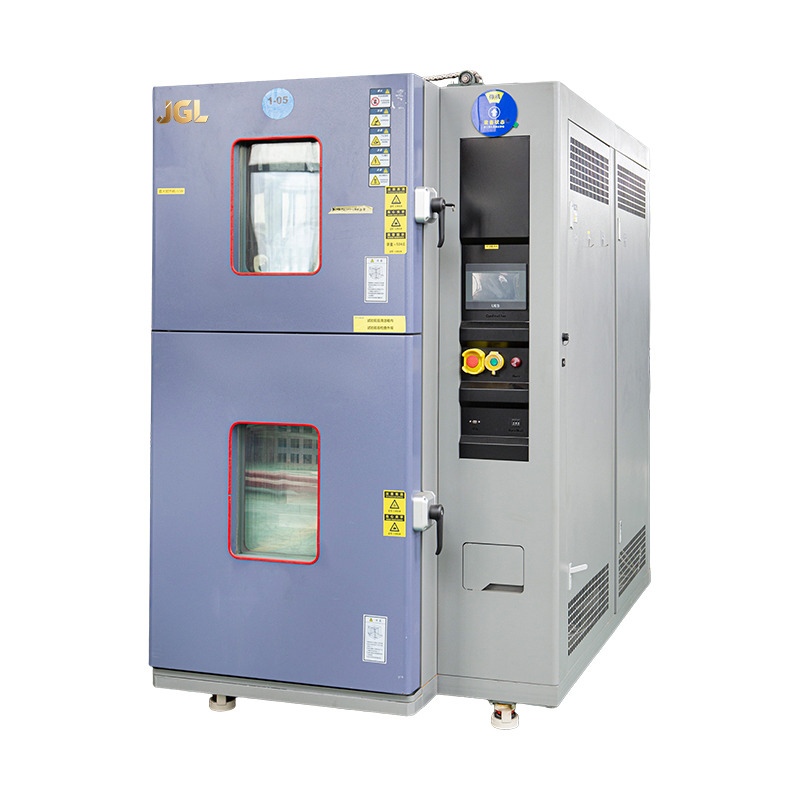
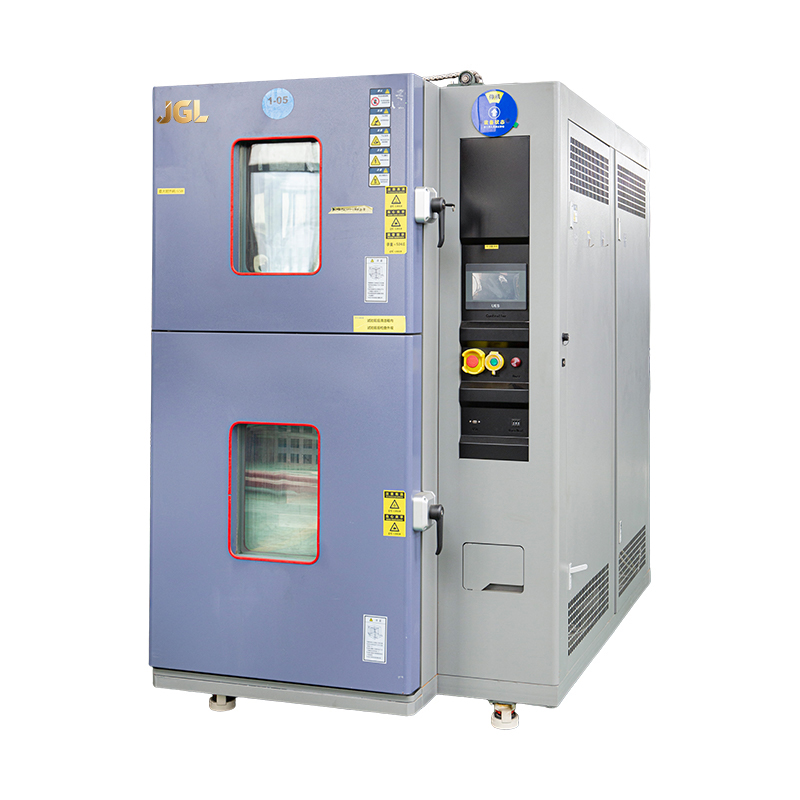
The U5QTH-150-A/W Rapid Thermal and Humidity Test System is designed for this purpose. It combines rapid temperature variation, controlled humidity, stable air circulation, precision sensing, and an energy-conscious structural design within a compact 150-liter chamber. The system supports demanding research, development, accelerated aging, quality assurance, and reliability verification programs.
Unlike a basic temperature chamber that changes temperature gradually, this type of rapid thermal and humidity test system is engineered to reproduce challenging environmental transitions. It can be configured with heating and cooling rates of 5°C/min, 10°C/min, 15°C/min, or 20°C/min, depending on the selected operating configuration and test requirements. Its operating range can extend from -40°C to +150°C, with an alternative configuration reaching -70°C to +180°C. These capabilities allow engineers to investigate how products respond not only to fixed environmental conditions but also to sudden and repeated changes.
The system is manufactured by JIANGSU BAISHENG INDUSTRIAL CO., LTD., a China-based technology-driven supplier of laboratory equipment and safety testing instruments. The company combines research and development capabilities with production experience and international trade expertise. Its approach emphasizes precision engineering, customized solutions, reliable component selection, and continuous product improvement.
This article examines the product’s design, operating capabilities, manufacturing strengths, competitive advantages, applications, maintenance requirements, and selection considerations. It also explains how a rapid thermal and humidity chamber can support more accurate product development and more dependable quality decisions.
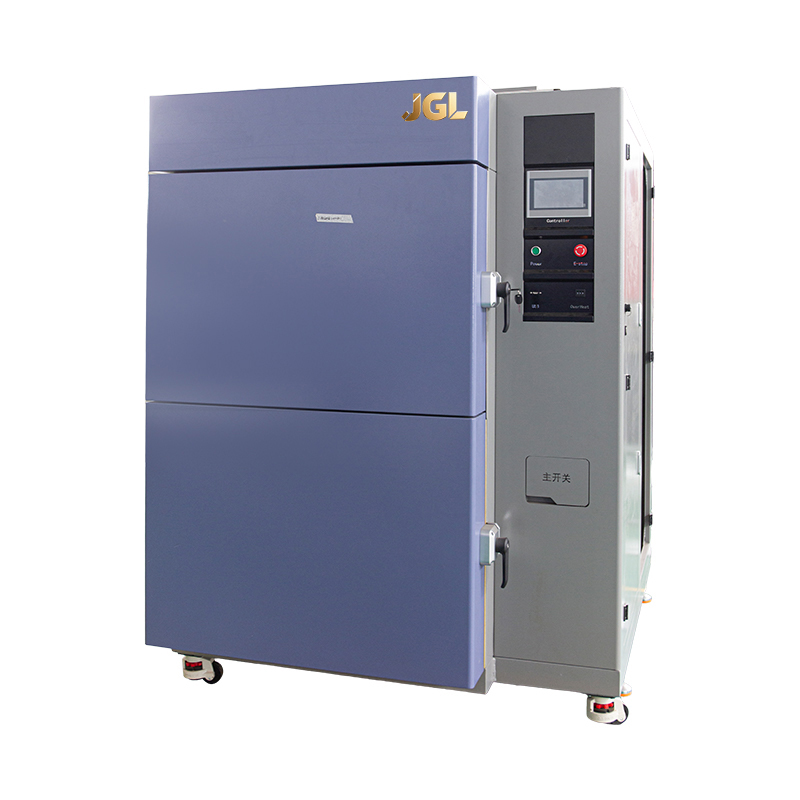
U5QTH-150-A/W Rapid Thermal and Humidity Test System
1. The Role of Rapid Thermal and Humidity Testing
Environmental conditions are rarely constant during real-world product use. A device transported by air may move from a cold cargo environment into a warm and humid service area. An automotive component can remain outdoors overnight, heat rapidly in direct sunlight, and then cool during operation. Electronic products may be stored in warehouses, shipped through different climates, and used in locations with significant daily temperature and humidity changes.
These transitions create mechanical, electrical, chemical, and material stresses. Differences in thermal expansion between circuit boards, solder joints, coatings, housings, seals, and connectors can lead to fatigue. Moisture may condense on surfaces or enter interfaces. Repeated heating and cooling can weaken adhesives, alter material dimensions, and accelerate aging. In batteries, extreme temperatures may influence internal resistance, charging behavior, safety performance, and available capacity.
A rapid thermal and humidity test system helps engineers reproduce these conditions in a controlled laboratory environment. Instead of waiting months or years for field failures to develop, manufacturers can subject samples to carefully defined cycles. The resulting data can help identify design weaknesses, compare materials, validate production improvements, and establish operating limits.
1.1 Testing More Than Temperature
Temperature alone does not represent the full environmental challenge faced by many products. Humidity can significantly influence corrosion, insulation resistance, leakage current, swelling, surface contamination, and chemical reactions. When temperature changes quickly, the relationship between air temperature, sample temperature, and moisture content becomes particularly important.
The U5QTH-150-A/W addresses this challenge through balanced temperature and humidity control, dynamic PID regulation, and water vapor partial pressure management. These functions are intended to create stable and reproducible test conditions rather than relying on simple on-off control. The result is a more controlled environment for evaluating products under combined thermal and moisture stress.
1.2 Supporting Accelerated Reliability Programs
Accelerated environmental testing is valuable when organizations need timely engineering decisions. A product development team may use rapid thermal cycling to compare two enclosure materials. A battery manufacturer may evaluate the effect of cold and hot storage on capacity retention. An electronics supplier may test soldered assemblies for intermittent faults after repeated temperature changes.
Accelerated testing does not replace real-world qualification, but it provides an efficient method for exposing potential weaknesses. The quality of the results depends on the accuracy, repeatability, and stability of the chamber. A chamber with inconsistent airflow or uncontrolled humidity may produce misleading results. For this reason, environmental test equipment must be treated as a precision measurement and process-control system, not merely as a heated or refrigerated cabinet.
2. Product Overview and Core Specifications
The U5QTH-150-A/W is a 150-liter rapid thermal and humidity test system intended for laboratory and industrial testing. Its working space is approximately 500 mm wide, 500 mm deep, and 600 mm high. This capacity is suitable for electronic assemblies, small mechanical parts, material specimens, battery modules, sensors, and other products that can be tested within a controlled laboratory chamber.
The system is available with different temperature-range configurations. One listed configuration operates from -40°C to +150°C, while another reaches -70°C to +180°C. The selected range should be matched to the application, sample characteristics, test protocol, and required transition rate. Because extreme low-temperature and high-temperature performance can influence refrigeration capacity, insulation requirements, and energy consumption, users should confirm the final configuration before ordering.
| Specification | Available or Listed Value | Engineering Significance |
|---|---|---|
| Product type | Rapid thermal and humidity test system | Supports controlled temperature and humidity stress testing |
| Chamber capacity | 150 liters | Suitable for laboratory samples and compact assemblies |
| Temperature range, configuration 1 | -40°C to +150°C | Broad operating range for general environmental reliability testing |
| Temperature range, configuration 2 | -70°C to +180°C | Extended range for more demanding low- and high-temperature studies |
| Heating and cooling rates | 5°C/min, 10°C/min, 15°C/min, or 20°C/min | Allows selection of test severity and transition speed |
| Working-space dimensions | 500 × 500 × 600 mm | Provides a practical internal volume for compact test articles |
| Overall dimensions | 780 × 1700 × 1810 mm | Important for laboratory planning and access routes |
| Approximate machine weight | 950 kg or 1000 kg, depending on configuration | Requires suitable floor loading and installation planning |
| Interior construction | Film-coated mirror-finished stainless steel | Supports corrosion resistance, cleaning, and durability |
The listed dimensions and weights show that the system is a substantial piece of laboratory equipment despite its relatively compact test volume. The high mass is associated with the refrigeration system, insulation, structural frame, circulation system, controls, and other components required for rapid environmental changes. Installation planning should therefore include floor capacity, ventilation, electrical supply, service access, transportation routes, and clearance around the unit.
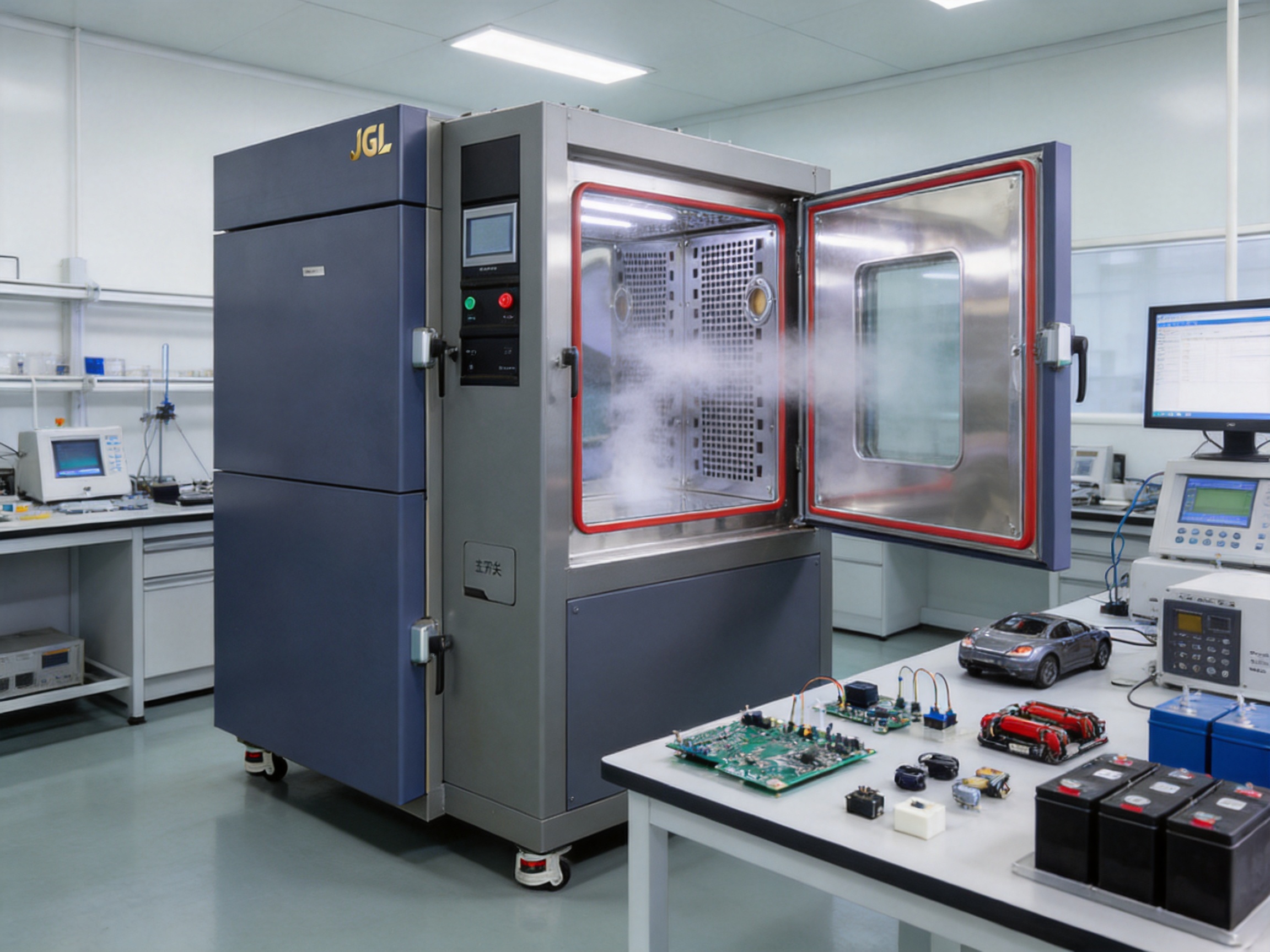
3. Precision Environmental Control
3.1 Dynamic PID Regulation
The chamber uses dynamic proportional-integral-derivative control to manage environmental conditions. PID control continuously evaluates the difference between the programmed setpoint and the measured chamber condition. It then adjusts heating, cooling, humidification, or dehumidification actions to reduce the error.
In a rapid-change application, control performance is more complex than simply reaching a target temperature. The system must respond to changing thermal loads, product heat capacity, compressor behavior, heater output, air movement, and moisture conditions. Poorly tuned control can lead to overshoot, oscillation, slow stabilization, or unacceptable variation between different areas of the chamber.
Dynamic PID regulation is intended to adapt control behavior as operating conditions change. During a fast heating transition, the system may require strong heating output at the beginning and more restrained output as the setpoint is approached. During cooling, refrigeration demand and airflow conditions may vary substantially. Effective control logic helps the chamber achieve the programmed profile while reducing unnecessary fluctuations.
3.2 Water Vapor Partial Pressure Control
Humidity control becomes especially important when temperature changes rapidly. Relative humidity is directly affected by air temperature, while water vapor partial pressure provides a more fundamental way to describe the amount of water vapor present. By regulating water vapor partial pressure, the chamber can better manage the relationship between temperature and moisture during environmental testing.
This approach helps reduce ambiguity in test conditions. Two tests may show the same relative humidity at different temperatures but contain different absolute amounts of water vapor. For materials and electronic products, the actual moisture exposure can influence the test outcome. A control strategy that considers water vapor partial pressure can therefore support more meaningful and repeatable humidity testing.
3.3 Balanced Temperature and Humidity Performance
Temperature and humidity control systems must work together. Excessive cooling can remove moisture through condensation, while excessive heating can reduce relative humidity. A balanced control design coordinates the relevant functions to maintain the programmed environment without unnecessary instability.
For products that are sensitive to moisture, stable humidity control helps improve test repeatability. For materials testing, it can support better comparison between samples. For electronics, controlled humidity can help reveal corrosion or insulation weaknesses without introducing uncontrolled condensation that obscures the test result.
4. Rapid Temperature Variation Capability
A key advantage of the system is the choice of rapid temperature variation rates. The selectable rates of 5°C/min, 10°C/min, 15°C/min, and 20°C/min allow users to match the chamber to different testing objectives. Slower rates may be appropriate when studying gradual material response, while faster rates can be used for accelerated thermal cycling or severe transition testing.
Flexible rate selection is important because not every product should be tested under the most aggressive condition. A fragile assembly may require a controlled ramp to avoid damage unrelated to the intended qualification objective. A high-reliability aerospace or automotive component may require fast transitions to simulate real operating or transportation conditions. The ability to select among several rates provides greater experimental flexibility than a chamber limited to one fixed profile.
4.1 Thermal Shock and Cycling Studies
Rapid temperature movement can reveal defects that remain hidden during steady-state testing. Solder joints may develop fatigue cracks. Encapsulants may separate from substrates. Seals may lose compression. Plastics and metals may expand at different rates, creating stress at interfaces. Connectors may experience intermittent electrical contact as dimensions change.
By programming repeated transitions, engineers can observe whether performance gradually deteriorates or whether a failure occurs suddenly. The number of cycles, dwell time, transition speed, humidity level, and upper and lower temperature limits can all be adjusted to create a test profile appropriate to the product.
4.2 High-Temperature and Low-Temperature Performance
The listed temperature ranges support both low-temperature and high-temperature investigations. Low-temperature testing can be used to assess brittleness, starting performance, display behavior, battery capacity, lubrication, cable flexibility, and sensor response. High-temperature testing can reveal material softening, insulation degradation, accelerated chemical aging, thermal deformation, and component drift.
The extended configuration reaching -70°C to +180°C is especially relevant to applications that require more severe environmental margins. However, the exact performance of any test depends on sample size, sample heat generation, loading arrangement, humidity requirements, and programmed transition profile. Users should define these conditions during the technical specification stage.
5. Structural Design and Chamber Construction
5.1 Mirror-Finished Stainless-Steel Interior
The interior chamber is constructed from mirror-finished stainless steel with a protective film treatment. Stainless steel is widely used in environmental test chambers because it offers durability, corrosion resistance, and compatibility with repeated cleaning. The mirror-finished surface is also practical for laboratories where contamination control and visual inspection are important.
The protective film helps preserve the surface during manufacturing, transportation, and installation. Once the equipment is positioned and commissioned, the film can be managed according to the supplier’s installation instructions. Users should avoid abrasive cleaning tools or chemicals that could damage the surface finish.
A smooth interior also supports more consistent airflow and reduces areas where moisture or residue can accumulate. This is particularly valuable in humidity testing, where standing water, contamination, or corrosion could affect both the equipment and the samples.
5.2 Damped Hinge Door Mechanism
The door incorporates a damped hinge mechanism that allows the opening angle to be adjusted freely. This feature improves ergonomics during sample loading and unloading. Operators can position the door according to the available laboratory space rather than being restricted to a fully open or fixed position.
A damped mechanism can also reduce sudden door movement. This is useful when the chamber is installed near other instruments, workbenches, or walkways. Controlled movement protects the door assembly and helps create a safer working environment during repeated test operations.
5.3 Insulation and Thermal Stability
Although the supplied product information does not specify every insulation material or construction layer, rapid thermal performance necessarily depends on effective insulation and careful sealing. A well-insulated chamber reduces unwanted heat transfer between the test space and the surrounding laboratory. This helps improve temperature stability, lowers refrigeration and heating demand, and supports energy efficiency.
Door sealing is equally important. A poorly sealed door can increase heat loss, introduce ambient moisture, and reduce the system’s ability to maintain the programmed environment. The chamber structure, gasket system, door alignment, and locking mechanism should therefore be inspected regularly as part of preventive maintenance.
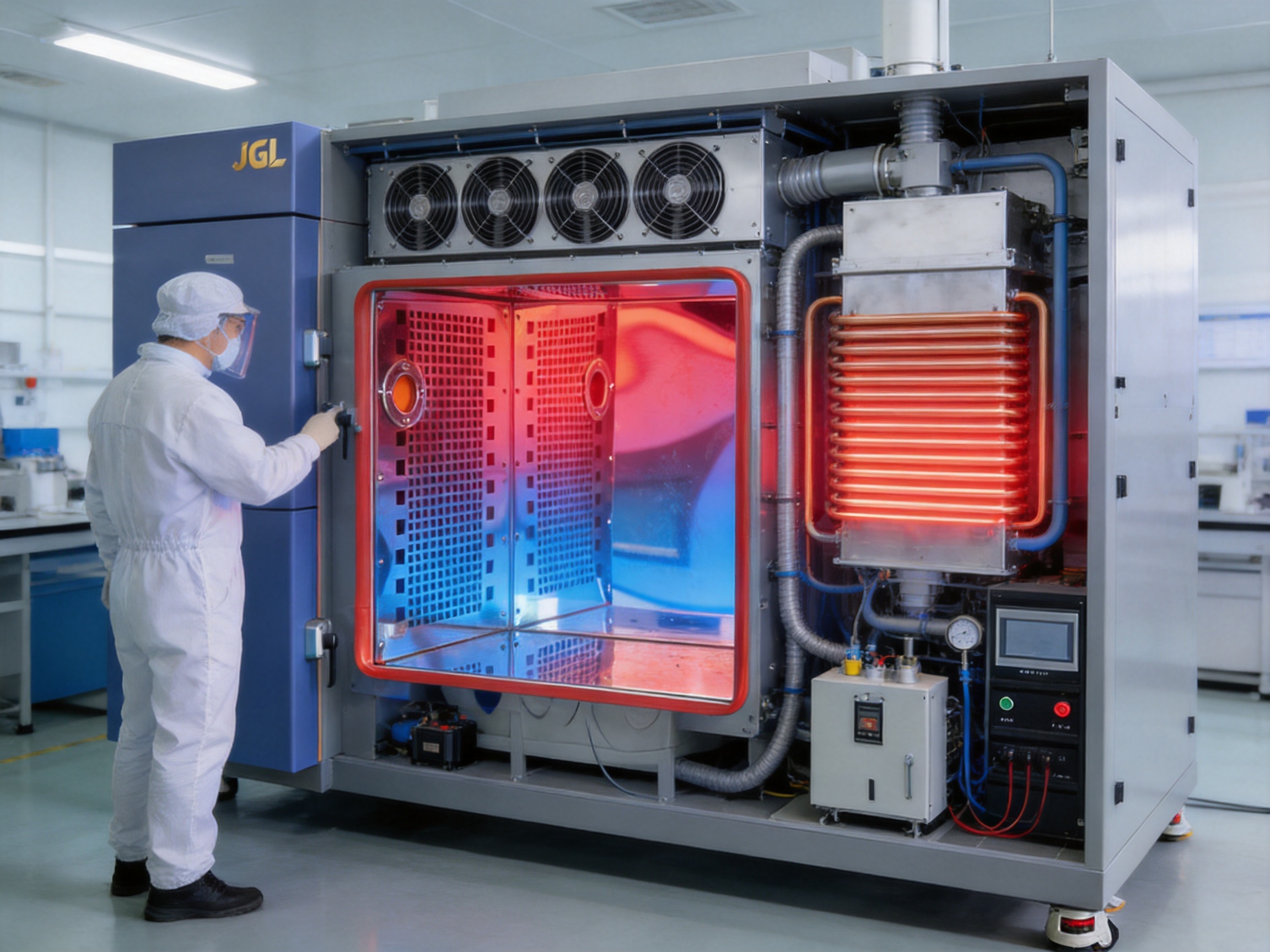
6. Air Circulation and Environmental Uniformity
Uniform air movement is essential for reliable environmental testing. If one area of the chamber is warmer, colder, wetter, or drier than another, samples placed in different positions may experience different conditions. This can reduce the value of comparisons and make it difficult to determine whether a product failure resulted from the test article or from chamber variation.
The system uses Panasonic circulation fans with high-temperature-resistant bearings rated up to 200°C. These fans are intended to support stable air movement under demanding thermal conditions. Continuous circulation helps distribute heated and cooled air throughout the working space and supports more even exposure around test samples.
Fan selection also affects long-term reliability. Bearings exposed to repeated high temperatures require suitable materials and lubrication. A circulation fan that loses performance can cause local temperature gradients, increased recovery time, or irregular humidity distribution. The use of high-temperature-resistant fan components is therefore a significant design advantage.
6.1 Sample Placement
Even a well-designed chamber requires correct loading practices. Samples should not block the air supply or return paths. Adequate spacing should be maintained between products and chamber walls. Large or heat-generating products may require additional consideration because their internal temperature may lag behind the chamber air temperature.
For comparative testing, samples should be arranged consistently from one test to the next. Operators should record loading configuration, sample mass, fixture materials, and cable routing. These details can affect heat transfer and should be treated as part of the test method.
6.2 Measuring Uniformity
Temperature and humidity mapping can help users understand chamber performance. Sensors may be placed at representative locations within the working space to identify gradients during stabilization and cycling. Mapping should be performed according to the organization’s quality procedures and relevant test requirements.
Regular verification can identify changes caused by fan wear, sensor drift, door seal deterioration, refrigeration issues, or blocked airflow. Maintaining records of these checks supports traceability and helps organizations distinguish equipment performance changes from product performance changes.
7. Refrigeration System and Condensate Protection
Rapid cooling and low-temperature operation place significant demands on the refrigeration system. A reliable refrigeration circuit must remove heat quickly, maintain low temperatures, and operate repeatedly without excessive stress. It must also manage moisture that condenses during cooling and humidity testing.
The system includes a full-size stainless-steel condensate tray. This tray helps collect and manage condensate while protecting the compressor area from water exposure. Stainless steel provides durability and resistance to corrosion, which is important in a chamber that may operate with repeated temperature and humidity changes.
Condensation management contributes directly to equipment service life. If condensate is allowed to accumulate in unsuitable areas, it may cause corrosion, electrical problems, insulation deterioration, or compressor-related damage. A properly designed tray and drainage arrangement help reduce these risks.
7.1 Compressor Protection
Compressor protection is essential in a system that may alternate frequently between heating, cooling, and humidity control. Control logic should prevent inappropriate rapid restarts and maintain suitable operating conditions. Operators should also follow recommended installation clearances and service procedures to ensure adequate heat rejection from the refrigeration system.
Because refrigeration performance may vary according to room temperature, sample load, and test profile, users should avoid treating the nominal temperature range as a guarantee of every possible transition speed under every loading condition. The most demanding combination of temperature, humidity, sample mass, and ramp rate should be discussed with the supplier during specification review.
8. Safety and Operator Protection
Environmental chambers operate across extreme temperatures and contain electrical, mechanical, heating, refrigeration, and moisture-control systems. Safety design is therefore a central consideration. The U5QTH-150-A/W includes unique leakage protection intended to improve operational safety during extended testing cycles.
Leakage protection can help reduce electrical hazards associated with insulation faults or unwanted current paths. It should be used together with correct grounding, suitable circuit protection, regular electrical inspections, and compliance with local installation requirements.
Operators should receive training before using the equipment. Training should cover loading limits, sample compatibility, emergency procedures, door operation, water management, electrical isolation, high-temperature hazards, cold-surface hazards, and the handling of products that may release gas or hazardous substances.
8.1 Testing Batteries and Energy Storage Products
Battery testing requires additional risk assessment. Cells and modules may release heat, gas, smoke, or corrosive substances if damaged or operated outside safe limits. Before testing batteries, users should confirm that the chamber configuration, ventilation arrangements, electrical feedthroughs, containment provisions, detection systems, and emergency response procedures are suitable for the specific chemistry and test energy.
The chamber can support environmental exposure studies for batteries and energy storage systems, but environmental control equipment should not be assumed to provide complete fire or explosion protection unless the ordered configuration specifically includes those functions. A formal safety review is recommended before any high-energy or abuse-related test.
8.2 Safe Door and Sample Access
The adjustable damped hinge improves access control, but operators should still use appropriate protective equipment when handling hot, cold, wet, or contaminated samples. Samples should be allowed to reach a safe handling temperature when necessary. The test schedule should also account for potential condensation when a cold specimen is removed into a warm, humid room.
9. Component Selection and Manufacturing Strengths
A major advantage of the product is the use of core electrical components from established international brands. Component quality affects control accuracy, service life, replacement availability, and system stability. Selecting dependable components for control, switching, sensing, refrigeration, and air circulation can reduce the risk of premature failure.
International-brand components are particularly valuable in equipment supplied to overseas customers because they can simplify technical communication and maintenance. Service personnel may already be familiar with the component families, and replacement sourcing may be more straightforward than with obscure or unidentifiable parts.
However, component selection is only one part of manufacturing quality. Reliable environmental equipment also depends on system integration, wiring practices, mechanical assembly, software logic, sensor placement, insulation, quality inspection, and commissioning. The company’s technology-plus-trade development strategy combines engineering development with practical experience in serving international customers.
9.1 Research and Development Background
The company’s predecessor began in 2013 as a research and development studio specializing in electronic testing. This technical origin is significant because it provides a foundation in measurement, control, reliability, and safety compliance rather than focusing solely on equipment trading.
In 2016, the organization developed its first independent production line and introduced laboratory equipment with independent intellectual property. In 2019, it increased its emphasis on research and development, technical talent, and overseas markets. This history demonstrates a gradual transition from engineering development toward organized equipment manufacturing and international supply.
9.2 Production and Quality Management
Environmental test chambers require controlled manufacturing processes because small assembly errors can affect performance. Electrical wiring should be organized and checked. Sensors should be positioned accurately. Door frames and gaskets should be aligned. Refrigeration joints should be inspected. Fan assemblies should be securely mounted. The chamber should be tested under representative operating conditions before shipment.
The company reports that it further improved its quality management system in 2022 and that its products passed rigorous technical specification certifications. Specific certification scope should be confirmed for the exact model, configuration, destination country, and intended application. Customers should request the applicable technical documentation, inspection records, calibration information, and conformity documents during procurement.
9.3 Customization Capability
Laboratory and industrial customers often require more than a standard chamber. They may need special cable ports, racks, sample fixtures, monitoring interfaces, additional sensors, data logging, modified voltage, alternative refrigerants, or customized control programs. A supplier with its own engineering team is better positioned to evaluate such requests than a company that only resells standard equipment.
Customization should be managed through a documented technical specification. The specification should identify temperature range, humidity range, transition rate, sample dimensions, sample heat load, power supply, control interface, safety requirements, installation conditions, acceptance criteria, and documentation expectations. Clear requirements reduce misunderstandings and help ensure that modifications do not compromise chamber performance.
10. Advantages Compared with Basic Environmental Chambers
The U5QTH-150-A/W offers several advantages over conventional temperature-only chambers or entry-level environmental cabinets.
10.1 Combined Temperature and Humidity Control
A temperature-only chamber cannot reproduce moisture-related failure mechanisms. The combined temperature and humidity capability allows users to study corrosion, insulation degradation, moisture absorption, swelling, condensation sensitivity, and other effects that require controlled humidity.
10.2 Multiple Rapid-Change Rates
Many basic chambers are designed primarily for stable temperature exposure and may not provide the ramp speed required for rapid cycling. The selectable 5°C/min, 10°C/min, 15°C/min, and 20°C/min rates provide a wider testing envelope and allow engineers to select a suitable severity level.
10.3 Extended Temperature Options
The availability of both -40°C to +150°C and -70°C to +180°C configurations gives users more flexibility. The broader option can support applications that exceed the limits of general-purpose laboratory chambers.
10.4 Better Control of Moisture Conditions
Water vapor partial pressure control provides a more technically meaningful approach to humidity management than relying solely on relative humidity readings. This can improve the repeatability of combined environmental testing, particularly during temperature transitions.
10.5 Durable Interior and Circulation Components
The mirror-finished stainless-steel interior, full-size stainless-steel condensate tray, and high-temperature-resistant circulation fan bearings are selected for durability in a demanding environment. These features can reduce maintenance challenges and support longer equipment service life when the system is operated correctly.
10.6 Ergonomic Door Operation
The damped hinge mechanism improves sample access and laboratory usability. This may appear to be a small feature, but operators interact with the door frequently. Improved ergonomics can reduce handling difficulty, protect nearby equipment, and make loading procedures more consistent.
11. Application Areas
11.1 Electronics and Electrical Components
Electronic products can be exposed to repeated temperature and humidity transitions during transportation, storage, and operation. The system can be used to test printed circuit assemblies, power supplies, sensors, connectors, displays, communication modules, control boards, and consumer electronics.
Typical objectives include identifying intermittent faults, evaluating insulation resistance, examining corrosion, checking enclosure sealing, and confirming operation after environmental cycling. Monitoring electrical performance during the test can provide more information than visual inspection after the test is complete.
11.2 Automotive Components
Automotive components must operate across seasonal conditions, engine-compartment heat, cold starts, road moisture, and rapid transitions. The chamber can support evaluation of electronic control units, lighting assemblies, sensors, connectors, interior components, sealing systems, and selected mechanical parts.
Automotive testing often benefits from programmable cycles that combine dwell periods with rapid transitions. Test engineers can use the chamber to compare materials, validate design changes, and investigate field-return failures.
11.3 Batteries and Energy Storage
Battery performance is strongly influenced by temperature. Low temperatures may reduce available power and increase internal resistance. High temperatures can accelerate aging and affect safety margins. Humidity may also influence external corrosion, insulation systems, connectors, and pack enclosures.
The system can support environmental conditioning and reliability studies for cells, modules, battery management systems, and smaller energy storage assemblies. The test plan must be adapted to battery chemistry, energy level, electrical connection method, and safety classification.
11.4 Materials and Polymer Testing
Polymers, coatings, adhesives, elastomers, composites, and packaging materials may absorb moisture, soften at elevated temperatures, become brittle at low temperatures, or experience dimensional changes during cycling. The chamber enables controlled exposure so that mass change, tensile performance, adhesion, visual appearance, and dimensional stability can be evaluated.
11.5 Aerospace and High-Reliability Components
Aerospace and other high-reliability industries require evidence that components can withstand challenging environmental profiles. Compact environmental chambers are useful for development laboratories, component-level studies, materials screening, and failure analysis.
Testing should be performed according to the applicable industry procedure or customer specification. The chamber’s broad temperature range and rapid transition capability can help reproduce demanding profiles, provided that the selected configuration meets the exact requirements.
11.6 Research, Development, and Quality Assurance
Research teams can use the system to explore new materials and product concepts. Development engineers can use it for design verification. Quality departments can apply it to batch comparison, supplier qualification, process validation, and periodic reliability audits.
Because the chamber supports both steady environmental exposure and rapid changes, it can serve multiple departments. This versatility may improve equipment utilization and reduce the need to purchase separate chambers for every testing function.
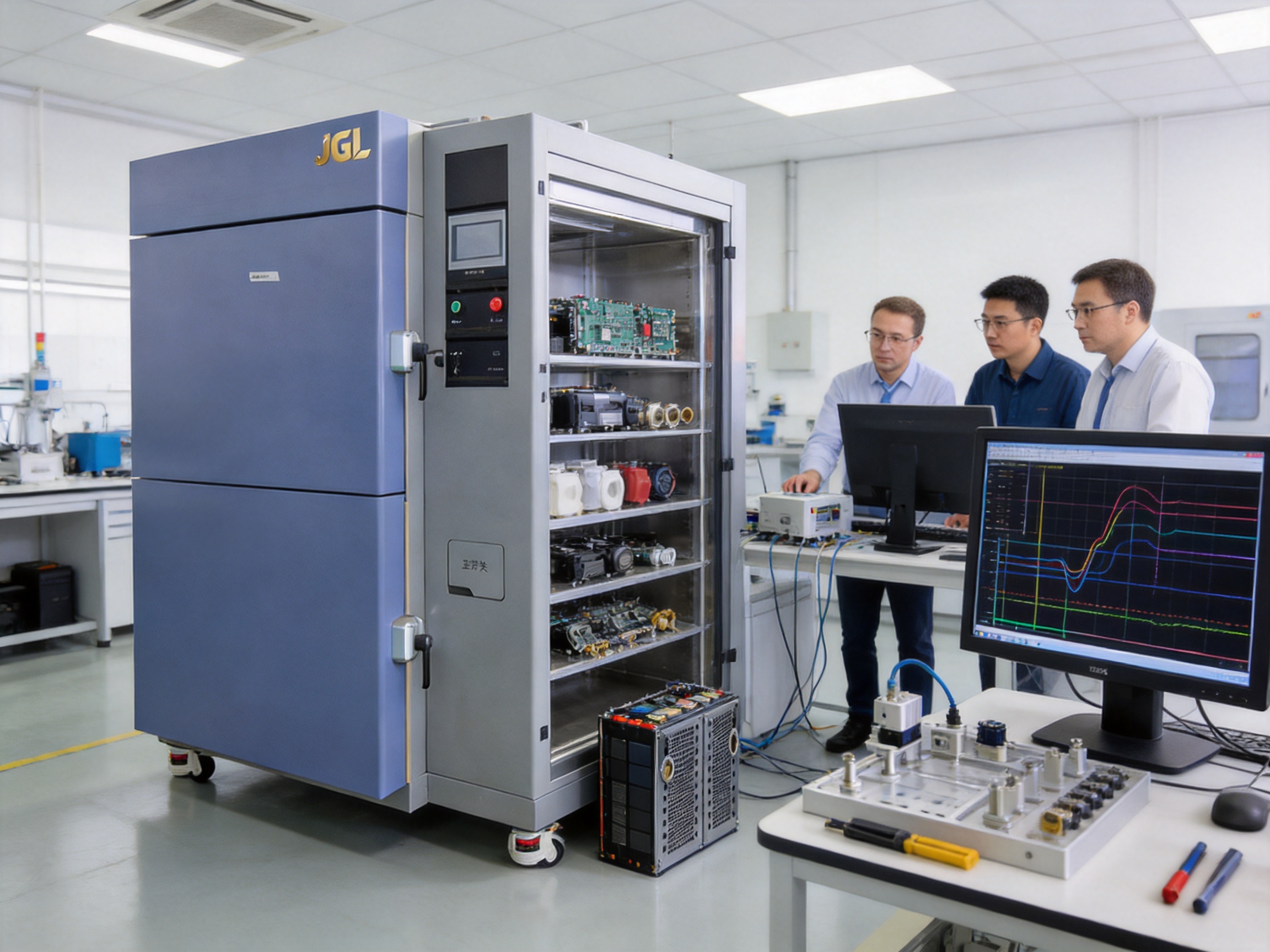
12. Recommended Test Planning Process
12.1 Define the Test Objective
Before operating the chamber, users should identify whether the test is intended to evaluate performance, durability, material aging, transport exposure, design margin, failure reproduction, or compliance with a specific standard. The objective determines the appropriate temperature range, humidity level, ramp rate, dwell time, and number of cycles.
12.2 Establish Sample and Fixture Requirements
Test articles should be measured and weighed where relevant. Their heat generation, moisture sensitivity, electrical connections, and mounting orientation should be documented. Fixtures should be made from materials compatible with the temperature and humidity range and should not obstruct airflow.
12.3 Select the Environmental Profile
The programmed profile should define initial conditions, ramp rates, upper and lower temperatures, humidity conditions, dwell periods, transition criteria, and recovery periods. If the product has operating and non-operating modes, the test profile should specify when power is applied and what performance parameters are monitored.
12.4 Confirm Chamber Capacity
Users should confirm that the sample and fixtures fit comfortably within the 150-liter working space. Overloading can restrict airflow and increase recovery time. Large or heat-producing samples may also prevent the chamber from achieving the desired transition rate.
12.5 Verify Instruments and Records
Temperature and humidity sensors should be verified according to the laboratory’s quality system. Test records should include equipment identification, software or control settings, sample identification, operator, date, ambient conditions, loading arrangement, profile, alarms, and any deviations.
12.6 Evaluate Results Carefully
After testing, product performance should be compared with baseline measurements. Visual inspection alone may not reveal hidden degradation. Electrical testing, dimensional measurements, material analysis, insulation checks, leak testing, or functional operation may be necessary depending on the product.
13. Installation and Maintenance Considerations
Proper installation is essential for achieving the stated performance. The equipment should be placed on a level, structurally suitable floor with adequate clearance for ventilation and service. The laboratory environment should fall within the supplier’s recommended ambient temperature and humidity conditions.
The electrical supply must match the ordered configuration. Grounding and protective devices should be installed in accordance with local regulations. Refrigeration equipment may require additional ventilation or heat dissipation space. The equipment’s approximate weight of 950 kg or 1000 kg should be considered when planning delivery, lifting, and final placement.
13.1 Routine Cleaning
The chamber interior should be kept clean and dry between tests. Any residue, spilled liquid, or sample debris should be removed promptly using approved cleaning materials. Stainless-steel surfaces should not be scrubbed with abrasive tools that could create scratches or corrosion sites.
13.2 Condensate Management
The condensate tray and drainage system should be inspected regularly. Blockages can cause water accumulation and increase the risk of corrosion or electrical damage. The tray should be cleaned according to the maintenance schedule, especially after high-humidity testing or repeated low-temperature operation.
13.3 Door and Gasket Inspection
The door gasket should remain flexible, clean, and properly seated. Operators should check for cracks, deformation, or compression loss. The damped hinge should be inspected for smooth movement, and the door should not be forced beyond its intended range.
13.4 Fan and Airflow Inspection
Fan operation should be checked for unusual noise, vibration, or reduced airflow. Any sign of bearing wear should be investigated. Since airflow uniformity influences test results, fan maintenance should be treated as a performance issue rather than only a mechanical issue.
13.5 Calibration and Verification
Temperature and humidity sensors should be calibrated or verified at suitable intervals. The frequency depends on usage, quality requirements, operating severity, and internal procedures. Calibration records should be maintained so that test results remain traceable.
14. Sustainability and Energy Efficiency
The system is designed with energy-efficient and environmentally responsible technology. Energy efficiency in an environmental chamber depends on insulation, refrigeration performance, control strategy, door sealing, fan efficiency, loading practices, and the duration of each test.
Dynamic PID control can reduce unnecessary heating and cooling activity by adjusting output according to actual chamber conditions. Effective insulation reduces heat transfer. Proper condensate management supports refrigeration performance. High-quality fans can provide the required airflow without excessive energy consumption.
Users can further reduce energy use by selecting appropriate test profiles, avoiding unnecessary empty operation, minimizing door opening, maintaining clean filters and airflow paths, and scheduling preventive maintenance. Energy efficiency should not be evaluated only by rated power; the complete test cycle and recovery behavior should also be considered.
15. Procurement and Customization Guidance
When purchasing a rapid thermal and humidity chamber, customers should provide detailed technical information. The supplier should understand the required temperature range, humidity range, transition rate, working volume, sample type, sample mass, sample heat load, operating state, electrical connections, data requirements, and safety expectations.
Customers should also ask for clarification regarding the exact configuration. The listed product information includes different temperature ranges, dimensions that are repeated for alternative configurations, and different machine weights. These variations should be confirmed in the final quotation and technical agreement.
Important procurement questions include:
What temperature and humidity ranges are available for the selected model?
Which rapid-change rate is guaranteed under the intended loading condition?
What are the chamber recovery time and stability requirements?
What electrical supply, power rating, and protective devices are required?
What data logging, communication, and remote monitoring options are available?
What calibration and inspection documents are supplied?
What installation conditions and service clearances are required?
What safety provisions are included for the intended sample type?
Can the system be adapted for special fixtures, ports, or monitoring instruments?
What spare parts and after-sales technical support are available in the destination market?
A complete technical discussion before production helps prevent costly changes after delivery. It also allows the manufacturer to assess whether the standard system is appropriate or whether a customized configuration is necessary.
16. Why Manufacturer Capability Matters
Environmental test chambers are complex systems that combine mechanical construction, refrigeration, heating, humidity control, sensors, electrical systems, control software, and safety functions. The quality of the final product depends on how well these subsystems are integrated.
A manufacturer with an active research and development team can evaluate performance problems more effectively. If a customer needs a different ramp rate, a special sample fixture, a modified control sequence, or additional monitoring, engineers can assess the effects across the whole system. This is generally more dependable than selecting isolated components without considering their interaction.
JIANGSU BAISHENG INDUSTRIAL CO., LTD. presents itself as a technology-driven enterprise with roots in electronic testing and laboratory equipment development. Its reported history includes independent product development, production-line construction, quality-system improvement, and overseas market expansion. The company’s core values emphasize precision craftsmanship, long-term innovation, integrity, and customized cooperation.
For international customers, manufacturing capability should be evaluated alongside documentation, communication, delivery planning, installation assistance, spare-parts support, and warranty procedures. A technically capable supplier that also understands export requirements can help reduce project risk.
17. Frequently Asked Questions
Q1: What is the primary purpose of the U5QTH-150-A/W?
The system is designed to expose products and materials to controlled temperature and humidity conditions, including rapid temperature transitions. It can be used for reliability testing, accelerated aging, thermal cycling, environmental qualification, research, development, and quality assurance.
Q2: What is the chamber capacity?
The listed chamber capacity is 150 liters. The working-space dimensions are approximately 500 mm wide, 500 mm deep, and 600 mm high.
Q3: What temperature ranges are available?
The supplied information lists a configuration from -40°C to +150°C and another from -70°C to +180°C. The exact range depends on the selected configuration and should be confirmed in the technical quotation.
Q4: Which rapid temperature-change rates can be selected?
The available rates are listed as 5°C/min, 10°C/min, 15°C/min, and 20°C/min. Actual performance may depend on the selected temperature range, sample load, humidity condition, and test profile.
Q5: How does the system control humidity?
The system uses a balanced temperature and humidity control system with dynamic PID regulation and water vapor partial pressure control. These functions help maintain more stable and reproducible moisture conditions during testing.
Q6: Why is air circulation important?
Air circulation helps distribute temperature and humidity throughout the chamber. The system uses Panasonic circulation fans with high-temperature-resistant bearings rated up to 200°C to support airflow under demanding operating conditions.
Q7: What is the benefit of the stainless-steel interior?
The mirror-finished stainless-steel interior provides durability, corrosion resistance, ease of cleaning, and a stable surface for repeated temperature and humidity exposure. The protective film helps protect the surface during manufacturing and delivery.
Q8: What is the purpose of the damped hinge?
The damped hinge allows the door opening angle to be adjusted freely. This improves operator access, reduces sudden door movement, and supports more convenient installation in laboratories with limited space.
Q9: Can the chamber be used for battery testing?
It can support environmental conditioning and reliability studies for batteries and energy storage products, subject to a suitable configuration and safety review. Battery chemistry, energy level, electrical connections, ventilation, containment, and emergency procedures must be evaluated before testing.
Q10: What safety feature is specifically highlighted?
The product information highlights unique leakage protection. This function should be used together with proper grounding, circuit protection, electrical inspection, operator training, and compliance with local safety requirements.
Q11: What should be considered before installation?
Users should evaluate floor loading, overall dimensions, transportation access, ventilation, electrical supply, service clearance, ambient conditions, and the approximately 950 kg or 1000 kg machine weight, depending on configuration.
Q12: How often should the chamber be calibrated?
Calibration frequency depends on the organization’s quality system, usage, environmental severity, and applicable requirements. Temperature and humidity sensors should be verified at documented intervals, with records retained for traceability.
Q13: Can the system be customized?
The manufacturer specializes in customized laboratory solutions. Possible customization areas may include fixtures, ports, voltage, control functions, monitoring, data interfaces, and safety provisions. Each request should be reviewed against the intended test conditions.
Q14: How should users improve test repeatability?
Users should control sample placement, loading quantity, fixture design, cable routing, test profile, sensor verification, door-opening practices, and maintenance. Consistent procedures are as important as chamber performance.
Q15: What documents should customers request?
Customers should request the final technical specification, operating manual, electrical information, installation requirements, inspection records, calibration information, conformity documents, warranty terms, and recommended spare-parts list.
18. Conclusion
The U5QTH-150-A/W Rapid Thermal and Humidity Test System is designed for organizations that need more than basic temperature exposure. Its 150-liter working volume, selectable rapid temperature-change rates, broad temperature configurations, balanced humidity control, dynamic PID regulation, and water vapor partial pressure management provide a strong foundation for advanced environmental testing.
The product’s structural and component advantages further support dependable operation. A film-coated mirror-finished stainless-steel interior promotes durability and cleanability. The damped hinge improves access and operator convenience. Panasonic circulation fans with high-temperature-resistant bearings support air movement under severe conditions. A full-size stainless-steel condensate tray helps protect the refrigeration system from moisture-related corrosion. Leakage protection adds an additional safety-oriented feature.
Compared with basic chambers, the system offers greater flexibility for rapid cycling, combined temperature and humidity testing, accelerated aging, materials evaluation, electronics qualification, automotive testing, battery studies, and aerospace component research. Its performance is supported by the manufacturer’s background in electronic testing, independent product development, production engineering, quality-system improvement, and customized laboratory solutions.
Successful use depends on selecting the correct configuration, defining realistic sample loads, following appropriate installation procedures, maintaining airflow and condensate systems, verifying sensors, and applying a documented test method. When these factors are managed carefully, the system can become a valuable part of a reliability laboratory, helping engineers identify weaknesses earlier, compare designs more accurately, and improve confidence in products intended for demanding environments.
References
1. Product technical information for the U5QTH-150-A/W Rapid Thermal and Humidity Test System, supplied by the manufacturer.
2. Manufacturer company profile, development history, product capabilities, and stated quality-management information.
3. General principles of environmental chamber design, temperature cycling, humidity control, and accelerated reliability testing.
4. Laboratory good practices for temperature and humidity mapping, sensor verification, test traceability, and preventive maintenance.
5. General engineering guidance for environmental testing of electronic assemblies, automotive components, batteries, materials, and aerospace products.
Product: U5QTH-150-A/W Rapid Thermal and Humidity Test System

PREV:High-Vacuum Ion Beam Etching and Deposition Systems for Precision Surface Engineering
NEXT:High-Voltage Safety Testing for Modern Electrical Products: Performance, Precision, and Production Readiness
NEXT:High-Voltage Safety Testing for Modern Electrical Products: Performance, Precision, and Production Readiness
Interested in cooperation or have questions?
Featured Products
Related products
Quick Link
Contact Information
- Tel: +86-13861043568
- E-mail: 1840784112@qq.com
- Add: Tianting District, Changzhou City, Jiangsu Province, China, No. 6 Hecircuit
Scan Code
Copyright © JIANGSU BAISHENG INDUSTRIAL CO., LTD.
All Rights Reserved. Privacy Custom Precision Laboratory Testing Equipment Manufacturers
